Will SpaceX’s IPO Affect Tesla? How to Understand Market Linkages Between Elon Musk’s Companies




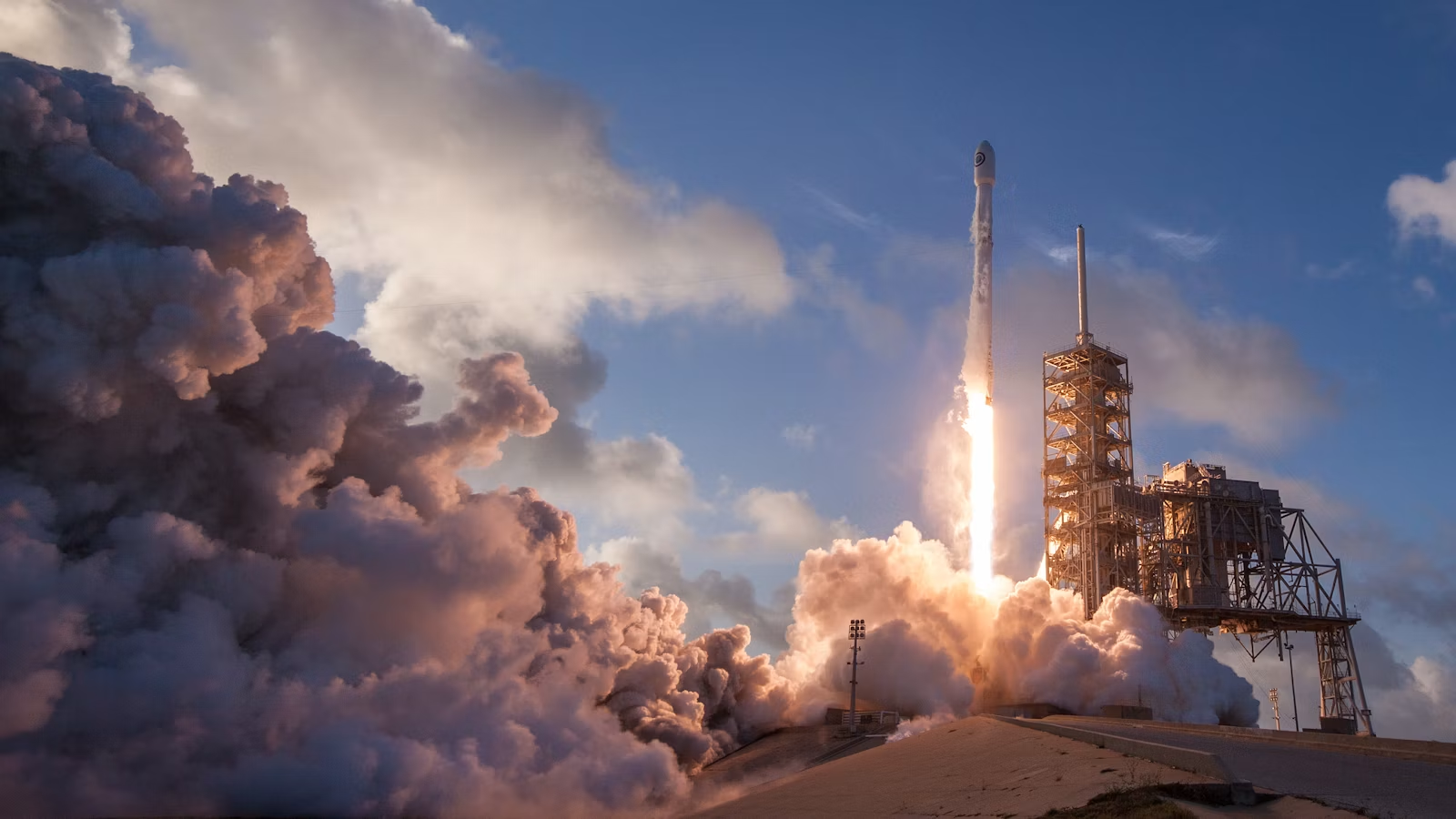
SpaceX’s IPO may affect Tesla, but the impact would come more from market sentiment, capital allocation, Elon Musk’s personal brand, related-party transactions, and valuation narratives—not from a simple equity pass-through. You should not assume that buying TSLA means automatically holding SpaceX, nor should you treat the SpaceX IPO as a signal that Tesla’s share price will inevitably rise or fall. A more reasonable approach is to view SpaceX, Tesla, xAI, and Starlink within the broader “Musk company ecosystem,” while still returning to Tesla’s core indicators: deliveries, margins, AI, Robotaxi, energy, and cash flow.
Key Takeaways
- SpaceX and Tesla are separate companies; TSLA shareholders will not automatically receive SpaceX shares.
- SpaceX’s IPO may strengthen the Musk ecosystem narrative, but it may also divert capital from TSLA.
- Tesla’s share price is still mainly driven by its auto, AI, energy, and profitability performance.
- xAI, Megapack, and Tesla’s SpaceX investment make intercompany links worth monitoring.
- Investors should prioritize public filings, trading rules, fees, and regulatory boundaries.
- Hot IPOs can be volatile, so investors should understand order types, costs, and eligibility rules before trading.
What Is the Relationship Between SpaceX’s IPO and Tesla Stock?
SpaceX’s IPO is related to Tesla stock, but “buying Tesla” does not mean “buying SpaceX.” Tesla is already a listed company focused on electric vehicles, AI, energy, and robotics. SpaceX is a commercial space, satellite internet, and AI infrastructure company moving through the IPO process. Even though Elon Musk is deeply involved in both companies, ordinary TSLA shareholders will not automatically receive SpaceX shares because of the IPO. You need to separate three layers: corporate structure, market sentiment, and capital or business relationships.
The most common misunderstanding is that “Musk-led companies” are not the same as “one company.” Tesla trades on Nasdaq under the ticker TSLA. If SpaceX completes its IPO, it will become a separate publicly traded asset. Tesla shareholders own equity interests in Tesla, not SpaceX. Tesla filings disclose that Musk serves as Tesla’s CEO and has long served as SpaceX’s CEO, CTO, and chairman. This shows a key-person overlap, but it does not change the fact that the two companies are separate legal entities.
The situation is more complex because Tesla has recently gained some investment exposure to SpaceX. Tesla disclosed that its roughly $2 billion investment in xAI Holdings was converted into the right to purchase SpaceX Class A common stock after SpaceX acquired xAI Holdings, and that Tesla completed the investment in SpaceX Class A common stock in March 2026. This means Tesla, at the corporate level, has a limited economic exposure to SpaceX. But Tesla also stated that the investment represents less than 1% ownership. Therefore, it should not be understood as “TSLA shareholders indirectly owning a large portion of SpaceX.”
| Dimension | Tesla | SpaceX | xAI / Starlink-Related Narrative |
|---|---|---|---|
| Company profile | Listed company | Commercial space company in the IPO process | AI and satellite internet-related assets |
| Investor exposure | Buying TSLA gives exposure to Tesla equity | Investors must wait for SpaceX’s public trading rules | Depends on ownership structure and disclosure |
| Musk’s role | CEO, director, and one of the largest shareholders | CEO, CTO, and chairman | Key part of the Musk company ecosystem |
| Impact on TSLA | Directly driven by Tesla fundamentals | Indirectly driven by sentiment, valuation, and capital flows | May affect AI and energy narratives |
| Common misconception | Buying TSLA means buying SpaceX | SpaceX’s IPO must lift TSLA | All synergies will become profits |
You can understand the Tesla–SpaceX relationship as two major technology assets influenced by the same key figure. This relationship makes markets discuss them together, but investment rights are not automatically merged. After SpaceX goes public, TSLA’s short-term share price may be affected by sentiment, especially around IPO pricing, first-day trading, media coverage, and Musk’s public comments. But from an ownership perspective, TSLA shareholders do not receive SpaceX new shares, allocation rights, or Starlink shares simply because they hold Tesla stock.
Summary: The relationship between SpaceX’s IPO and Tesla stock is best described as “strong market linkage but weak equity pass-through.” You can monitor how the SpaceX IPO affects TSLA through sentiment, valuation, and capital flows, but you should not treat TSLA as a substitute vehicle for owning SpaceX. Tesla’s limited corporate-level SpaceX exposure is worth tracking, but ordinary investors still hold Tesla’s operating risks and returns. Whether TSLA benefits depends on Tesla’s own business performance, financial results, related-party transaction disclosures, and whether SpaceX’s listing truly changes how the market values the Musk company ecosystem.
Why Does the Market Link SpaceX’s IPO With Tesla’s Share Price?
The market links SpaceX’s IPO with Tesla’s share price mainly because both companies share the “super founder” label associated with Elon Musk and both carry high-growth technology narratives. For investors, SpaceX is not just a rocket company, and Tesla is not just a car company. They represent commercial space, satellite internet, AI computing, electric vehicles, autonomous driving, robotics, and energy storage. As a result, they can move together in growth-stock capital flows, thematic trading, and media narratives.
The first linkage is the “Musk effect.” SpaceX’s IPO filings and related reports show that investors are highly focused on Musk’s control of SpaceX, the Mars vision, Starlink, reusable rockets, and AI operations. Reuters reported that SpaceX’s IPO could proceed at a valuation of about US$1.75 trillion, noting that Musk’s control and long-term vision are key investor concerns. For some investors, TSLA was once the most direct publicly traded “Musk innovation asset.” If SpaceX becomes another public market entry point, the market may reassess TSLA’s role.
The second linkage is capital rotation. Large IPOs attract attention from institutions, ETFs, thematic funds, and high-risk-tolerance capital. If SpaceX raises a very large amount of capital, some money may be reallocated from other growth stocks, technology stocks, AI stocks, or Musk-linked assets into SpaceX. Axios’ analysis of the IPO market’s absorption capacity suggested that although SpaceX could raise a massive amount, the overall depth of U.S. public equity markets may still be sufficient to absorb it, while secondary sales after lock-up periods could still create temporary pressure. Therefore, SpaceX may not necessarily “drain” Tesla’s capital, but it may change how investors allocate money within the Musk company ecosystem.
The third linkage is valuation comparison. Once SpaceX is listed, the market will compare it with Tesla under the same valuation framework: Which company has more certain growth? Which profit model is clearer? Which has stronger technological barriers? Which depends more heavily on Musk personally? If SpaceX receives a higher growth premium after listing, Tesla may benefit from a “Musk asset revaluation.” Conversely, if SpaceX is priced too aggressively, reports large losses, or trades with extreme volatility after listing, investors may also revisit TSLA’s high valuation assumptions.
| Impact Path | Potential Positive Impact on Tesla | Potential Negative Impact on Tesla | What to Watch |
|---|---|---|---|
| Musk effect | Reinforces innovation and execution narrative | Amplifies key-person risk | Musk’s time allocation and governance disclosures |
| Capital rotation | Boosts attention to related themes | Pulls some growth capital away | IPO pricing, free float, institutional demand |
| Valuation comparison | Revalues the broader Musk asset portfolio | Reprices TSLA’s premium | SpaceX’s first-day performance and financial quality |
| Media narrative | Increases Tesla visibility | Raises short-term volatility | News cycle and social media sentiment |
| Thematic rotation | Commercial space, AI, and energy may move together | Capital may rotate from EVs to space and AI | Sector performance and trading volume |
When observing this linkage, avoid treating “moving together” as a rule. TSLA may rise as SpaceX IPO expectations heat up, or it may fall because of capital rotation. A strong first-day performance by SpaceX does not mean Tesla’s fundamentals have improved. Volatility in SpaceX after listing does not necessarily create long-term pressure on TSLA. The real question is whether the market changes how it prices Tesla: as an EV leader, as an AI and robotics company, or simply as one company within the larger Musk public asset universe.
Summary: The market links SpaceX and Tesla not because their equity interests automatically merge, but because they share the Musk brand, growth-stock investors, technology innovation narratives, and some business intersections. The SpaceX IPO may raise TSLA’s visibility, but it may also divert growth capital that previously flowed into TSLA. To judge the direction of impact, you need to look at IPO size, pricing, market risk appetite, Tesla’s fundamentals at that time, and the governance transparency of the Musk company ecosystem—not just the headline “SpaceX is going public.”
How Could SpaceX’s IPO Affect Tesla’s Valuation Logic?
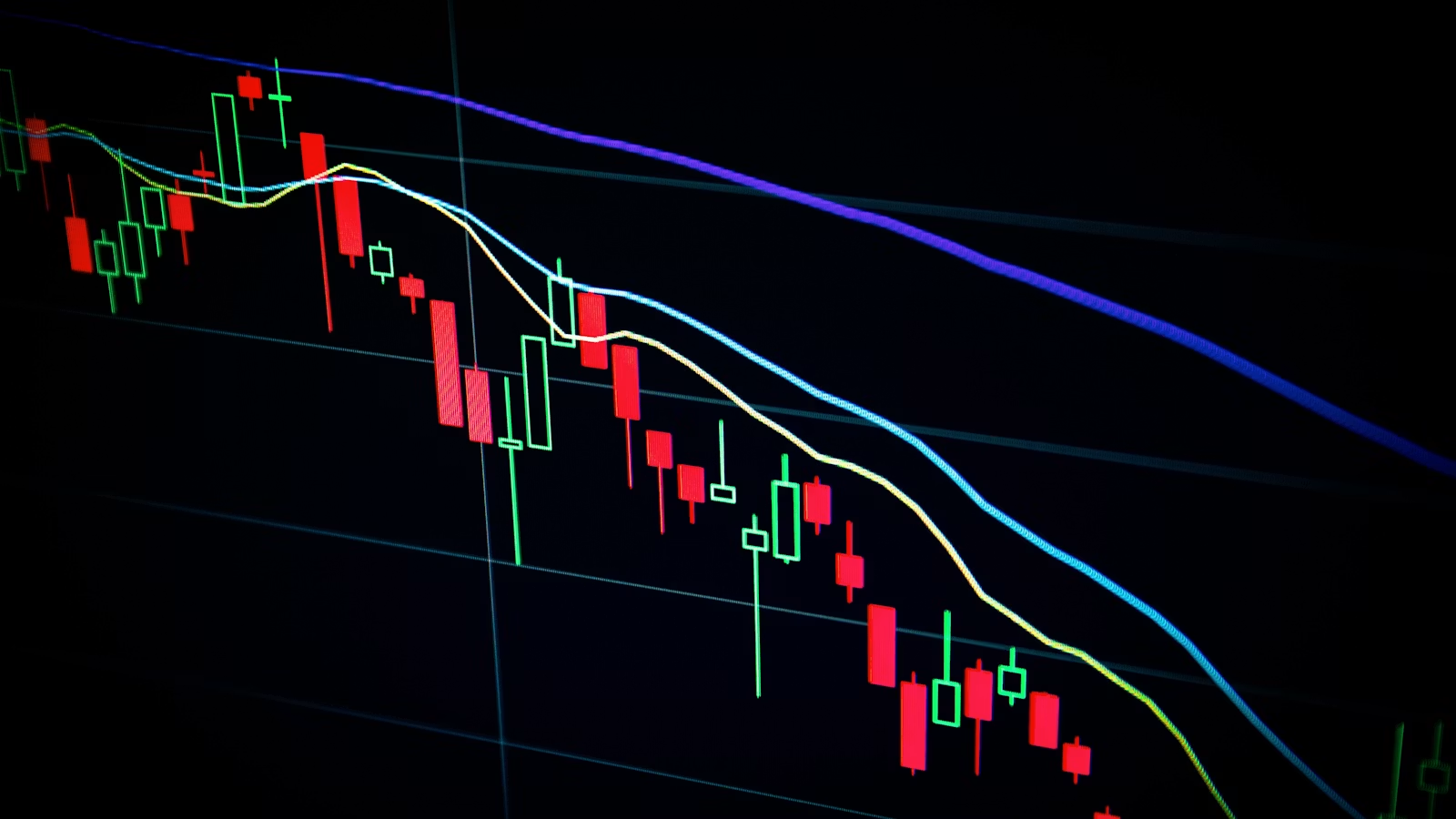
SpaceX’s IPO may affect Tesla’s valuation logic, but it will not replace Tesla’s own fundamentals. For a long time, Tesla has carried more than an electric vehicle valuation in public markets. It has also carried narratives around autonomous driving, Robotaxi, Optimus robotics, AI training, energy storage, and Musk’s personal execution ability. After SpaceX goes public, investors may gain another direct way to invest in commercial space, Starlink, and AI infrastructure. TSLA’s status as the “only major public Musk asset” may weaken.
Historically, Tesla’s valuation has often gone beyond the traditional automaker comparison framework. Investors do not compare Tesla only with Toyota, Volkswagen, or General Motors; they also compare it with technology platforms, AI companies, robotics companies, and energy infrastructure companies. This is because Tesla’s valuation narrative has multiple layers: vehicle sales are its current revenue base; FSD and Robotaxi represent software and platform optionality; Optimus represents long-term robotics potential; Megapack represents energy infrastructure; and AI training and chips represent technological barriers.
After SpaceX goes public, this narrative may be split. Commercial space, satellite internet, AI computing, and space infrastructure—stories that are more directly tied to future technology—can be carried by SpaceX itself. Reuters’ coverage of the SpaceX IPO noted that SpaceX’s business narrative already includes Starlink, reusable rockets, AI, and long-term space infrastructure, and that the IPO could become one of the first U.S. listings at a trillion-dollar-plus valuation. This raises a new question for the market: how much of Tesla’s valuation premium comes from Tesla itself, and how much comes from the scarcity value of a public Musk asset?
This is not necessarily negative. If SpaceX lists successfully and trades strongly, it could show that the Musk company ecosystem can repeatedly create global-scale technology assets, strengthening investor confidence in Tesla’s long-term projects. This is especially relevant as Tesla continues to develop FSD, Robotaxi, Optimus, and energy storage. Tesla’s AI, robotics, and energy storage businesses may also have some potential overlap with SpaceX and xAI infrastructure demand. Conversely, if SpaceX’s valuation is too high, losses are heavy, or AI investment pressure is intense, the market may bring similar high-valuation concerns back to Tesla: Are long-term stories too concentrated? Can cash flow support large capital expenditure? Is governance transparent enough?
| Tesla Valuation Layer | Possible Change After SpaceX IPO | What Investors Should Watch |
|---|---|---|
| EV business | Still TSLA’s current core revenue source | Deliveries, ASP, gross margin, inventory |
| Autonomous driving / Robotaxi | Still depends on regulation, technology, and commercialization | FSD subscriptions, safety data, operating permits |
| Optimus robotics | May continue to support long-term technology narrative | Production timeline and real orders |
| Energy business | More connected to AI data center and storage demand | Megapack deployments, margin, backlog |
| Musk premium | May be diluted by SpaceX, or strengthened | Musk’s time allocation and governance risk |
| Public market scarcity | TSLA may no longer be the only large public Musk asset | SpaceX trading performance and capital flows |
You can divide the impact into short term, medium term, and long term. In the short term, watch IPO pricing, first-day trading, media attention, and TSLA trading volume. In the medium term, watch SpaceX’s first earnings report, lock-up arrangements, AI investment, and Starlink growth. In the long term, watch whether Tesla can turn autonomous driving, robotics, and energy into sustainable revenue, profit, and cash flow. If Tesla’s own profitability improves, the SpaceX IPO may simply add a sentiment boost. If Tesla’s core business comes under pressure, even a successful SpaceX IPO may not support TSLA’s valuation over the long run.
For ordinary investors, the more stable method is not to guess whether TSLA will rally because of the SpaceX IPO, but to build a monitoring checklist:
| Observation Dimension | Specific Indicators | Meaning for TSLA Analysis |
|---|---|---|
| Tesla core business | Deliveries, gross margin, free cash flow | Assesses the foundation of valuation |
| AI commercialization | FSD, Robotaxi, Optimus progress | Assesses whether high-valuation narratives are being realized |
| Energy business | Megapack revenue and orders | Assesses the quality of a second growth curve |
| SpaceX IPO | Pricing, valuation, free float, first-day performance | Assesses capital rotation or sentiment spillover |
| Corporate governance | Related-party transactions, control rights, board review | Assesses whether risk discount expands |
| Market environment | Nasdaq, interest rates, growth-stock risk appetite | Assesses external valuation style |
Summary: The biggest impact of SpaceX’s IPO on Tesla’s valuation is that it may prompt the market to reassess TSLA’s role as a “Musk technology asset.” It may strengthen investor confidence in Musk’s execution, or it may divert future-tech valuation premiums previously concentrated in TSLA. Ultimately, whether TSLA’s valuation remains stable still depends on whether Tesla’s auto, AI, Robotaxi, robotics, and energy businesses can generate real revenue, profit, and cash flow. SpaceX’s IPO can reshape the narrative, but it cannot replace Tesla’s own performance.
What Real Business Links Exist Between Elon Musk’s Companies?
There are real business and capital links among Musk-led companies, but you need to separate “disclosed facts” from “market imagination.” Tesla, SpaceX, xAI, X, and The Boring Company have investment, sales, procurement, licensing, consulting, and support relationships. Public filings confirm some transactions have already occurred, such as Tesla investing in SpaceX, SpaceX buying Tesla vehicles, and xAI buying Tesla Megapack products. But product integration, data integration, and potential Robotaxi–Starlink connections still need further disclosure.
The clearest capital link is Tesla’s investment in SpaceX. Tesla disclosed that its roughly $2 billion investment was converted into SpaceX Class A common stock after the xAI–SpaceX transaction, and that the investment was completed in March 2026. This gives Tesla a measurable but small SpaceX exposure. Because Tesla disclosed that the investment represents less than 1% ownership, it is more like a long-term investment within Tesla’s asset portfolio, not a core asset that determines TSLA’s valuation.
The clearest business link is related-party transactions among Tesla, SpaceX, and xAI. Tesla disclosed in its first-quarter 2026 filing that it conducts business with related entities such as SpaceX, The Boring Company, and Redwood Materials, and recognized US$87 million in revenue in the first quarter of 2026 from SpaceX’s purchase of Megapack products. Tesla also disclosed in its amended annual filing that revenue from SpaceX in 2025 was about US$143.3 million, mainly from vehicle sales, while revenue from xAI was about US$430.1 million, mainly from Megapack product sales. This means intercompany dealings are no longer just a concept; they are appearing in financial statements.
But these links also bring governance questions. Related-party transactions require investors to evaluate whether pricing is fair, whether the transaction benefits public shareholders, and whether the board or audit committee has reviewed it properly. Tesla filings mention that when evaluating related-party transactions, the audit committee considers whether the terms are no less favorable than those available from unaffiliated third parties under similar circumstances, and discloses them according to applicable SEC rules. This means investors should not only look at the revenue generated when Musk-led companies buy from each other. They should also examine transparency, sustainability, and review standards.
| Linkage Scenario | Disclosure Level | Potential Impact on Tesla | Main Risk |
|---|---|---|---|
| Tesla invests in SpaceX | Clearly disclosed | Adds limited SpaceX economic exposure | Valuation volatility and accounting treatment |
| SpaceX buys Tesla vehicles | Clearly disclosed | Adds Tesla sales revenue | Sustainability of transaction |
| xAI buys Megapack | Clearly disclosed | Supports energy business revenue | Fairness of related-party transactions |
| AI data center energy storage demand | Has business logic | Raises Megapack potential | Order uncertainty |
| Starlink and Tesla vehicle connectivity | Reasonable speculation | May improve connectivity | Requires formal product or contract disclosure |
| Robotaxi and satellite communication | Highly uncertain | Adds long-term narrative potential | Technology, regulation, and cost limits |
Another key linkage is AI computing. SpaceX’s IPO narrative has placed greater emphasis on AI. Reuters reported that SpaceX’s AI business generated about US$818 million in revenue in the first quarter of 2026, but had an operating loss of about US$2.5 billion. AI data centers require large amounts of power, storage, and infrastructure, which overlaps with Tesla’s Megapack business. If this demand continues to grow, Tesla’s energy business may gain more order potential. But if AI losses expand or customer contracts are short term, the market may reassess the quality of these synergies.
Starlink–Tesla product integration is also worth watching, but it should be treated cautiously for now. In theory, satellite communication could support vehicle connectivity, remote-area connections, fleet management, and Robotaxi data transmission. But theoretical possibility is not the same as confirmed revenue. When analyzing this area, separate disclosed procurement contracts from potential future product integration. The former can be included in valuation models; the latter is better used in scenario analysis.
Summary: The links between Musk-led companies are not imaginary. Tesla has investment, procurement, and sales relationships with SpaceX and xAI. What matters to investors is not merging all Musk-led companies into one vague story, but identifying which revenue has already appeared in Tesla’s financial statements, which investments have been disclosed, and which synergies remain market expectations. Related-party transactions may improve business synergies, but they may also create a governance discount. Analysis must be based on public filings, transaction amounts, transaction terms, and sustainability.
What Positive and Negative Effects Could SpaceX’s IPO Have on Tesla?
SpaceX’s IPO could create both positive narratives and negative pressure for Tesla. Positive effects may come from the revaluation of the Musk ecosystem, improved SpaceX liquidity, and potential AI and energy synergies. Negative effects may come from capital rotation, valuation comparison, Musk’s time allocation, related-party transaction scrutiny, and post-IPO volatility spillover. You should not simply label the SpaceX IPO as good or bad for TSLA; instead, evaluate it by stage and by impact path.
The first potential positive effect is renewed validation of Musk’s execution ability. Tesla investors have long focused on whether Musk can commercialize difficult technologies. If SpaceX completes a large IPO and receives a high valuation with stable trading, the market may conclude that Musk can continue building global-scale technology companies beyond electric vehicles. That confidence may feed back into TSLA, especially as Tesla pushes FSD, Robotaxi, Optimus, and energy products.
Second, SpaceX’s IPO may reduce some market concerns around Musk’s liquidity needs. In the past, when Musk needed capital to support other projects, the market sometimes worried that he might sell TSLA shares. If SpaceX’s IPO creates new financing and liquidity channels, some investors may believe this pressure is reduced. But this is only a possibility. It cannot automatically be interpreted as the disappearance of TSLA share supply pressure, because actual financing arrangements, lock-up periods, Musk’s holding plans, and regulatory requirements still need formal disclosure.
The negative effects are also clear. First, SpaceX could divert growth capital. If SpaceX comes to market with an extremely high valuation and intense trading interest, some capital may rotate out of Tesla, AI-themed stocks, or commercial space stocks. Second, SpaceX’s IPO will make it easier for the market to compare Musk-led assets directly. If SpaceX appears to have faster growth, stronger technological barriers, or a more compelling business model, TSLA’s valuation premium may face pressure. Third, related-party transactions will be examined under greater transparency. If pricing, fairness, or conflicts of interest are questioned, both TSLA and SpaceX could face a governance discount.
| Event Stage | Possible Impact on Tesla | What to Watch |
|---|---|---|
| Prospectus disclosure | Market reassesses the SpaceX–Tesla relationship | Ownership structure, losses, related-party transactions |
| Roadshow | Musk narrative intensifies | Institutional demand, media messaging, valuation range |
| IPO pricing | Determines the strength of capital rotation | Offering size, valuation, subscription level |
| First trading day | Sentiment most easily spills over to TSLA | First-day gain/loss, turnover, volatility |
| Lock-up arrangements | Affect future share supply expectations | Restrictions on existing shareholders |
| First earnings report | Tests the quality of the IPO narrative | Starlink, AI, cash flow, losses |
Neutral outcomes also matter. A successful SpaceX IPO does not mean TSLA must rise. Volatility in SpaceX on its first trading day does not mean TSLA must fall. The two assets have different investor bases, valuation models, industry profiles, and business drivers. Tesla still faces its own variables: EV price competition, autonomous driving regulation, gross margin changes, energy product deployment, and AI spending. SpaceX faces rocket launches, Starlink user growth, satellite capital expenditure, defense and commercial customers, AI computing losses, and uncertainty around space infrastructure.
If you are watching trading opportunities after a high-profile IPO, you also need to consider real trading costs, not just price volatility. U.S. stock trading costs may include not only commission, but also platform fees, external institution fees, trading activity fees, order-type differences, fractional-share fees, and foreign exchange costs. Biya charges US$0 commission for U.S. stock trading; platform fees, external institution fees, and other costs are subject to the fee center and order page. Specifically, Biya’s U.S. stock platform fee is US$0.005 per share, with a minimum of US$0.99 per order and a maximum of 1% of trade value. External institution fees and trading activity fees total US$0.00396 per share. For fractional orders with executed share quantity below one share, only a platform fee of 1% of the transaction amount is charged, capped at US$1. Service availability depends on the user’s location, identity verification result, platform rules, and applicable laws and regulations.
| Judgment Dimension | Misconception From Only Watching the SpaceX IPO | More Reliable Approach |
|---|---|---|
| Share price direction | SpaceX IPO means TSLA must rise | Watch capital flows, TSLA fundamentals, and market conditions |
| Valuation logic | All Musk companies deserve high valuations | Evaluate revenue, profit, cash flow, and governance separately |
| Trading opportunity | The earlier you buy a hot IPO, the better | Check pricing, free float, volatility, and order rules |
| Cost judgment | Only commission matters | Also check platform fees, external fees, and FX costs |
| Risk control | News popularity is enough | Combine position size, investment horizon, and risk tolerance |
Summary: SpaceX’s IPO may have both positive and negative effects on Tesla. It may strengthen the Musk ecosystem, increase market attention, and raise expectations around Tesla’s energy and AI synergies. It may also cause capital rotation, valuation comparison pressure, and governance scrutiny. Short-term effects are mostly driven by sentiment and capital flows. Medium-term effects depend on SpaceX’s post-listing financial disclosures and operating performance. Long-term effects still depend on whether Tesla can deliver on autonomous driving, robotics, and energy. Hot IPOs can be highly volatile in the early trading period, so investors should understand order types, fee structures, and risks before trading, rather than making decisions based only on headlines.
How Should Ordinary Investors Track the Market Linkage Between SpaceX and Tesla?
Ordinary investors should track the SpaceX–Tesla linkage through three lines: factual disclosure, market price, and trading rules. First, review SEC filings, Tesla financial reports, SpaceX prospectus documents, and exchange information. Second, monitor TSLA’s share price, SpaceX’s listing performance, implied volatility, and growth-stock style. Third, understand account permissions, order types, fee structures, tax issues, and local regulatory requirements. This is more reliable than simply following news headlines.
The first step is to verify facts. Information related to the SpaceX IPO should prioritize the SpaceX S-1, SEC EDGAR filings, exchange materials, and official company announcements. News reports can help explain market expectations, but they cannot replace the prospectus. Offering size, valuation, share classes, voting rights, lock-up periods, risk factors, related-party transactions, and financial data should all be checked against formal filings.
The second step is to track price behavior. You can monitor TSLA’s reaction around several key events: publication of the SpaceX prospectus, announcement of the IPO price range, roadshow launch, final pricing, first trading day, the first week after listing, first earnings report, and lock-up expiration. At the same time, track Nasdaq growth stocks, AI infrastructure stocks, commercial space stocks, defense and aerospace companies, satellite communication companies, and the EV sector. If TSLA moves in line with these assets, the market may be trading a theme. If TSLA moves independently of SpaceX, Tesla’s own fundamentals may still be the dominant factor.
The third step is to understand trading rules. Hot IPOs and highly volatile stocks may involve large opening auction swings, wider bid-ask spreads, limited liquidity, order slippage, unavailable fractional trading, or order cancellations. Different platforms have different rules for IPOs, fractional shares, pre-market and after-hours trading, margin, options, currency conversion, deposits, and withdrawals. You can use U.S. stock market information to monitor popular stocks and market changes, and, if you meet the applicable service eligibility requirements, use U.S. stock trading to understand order and fee structures. The discussion here covers public market information, trading rules, and fee structures only, and does not constitute investment advice.
| Monitoring Checklist | Specific Question | Purpose |
|---|---|---|
| Public filings | What risks does the SpaceX prospectus disclose? | Assess IPO quality |
| Ownership structure | How strong is Musk’s control? | Assess governance risk |
| Financial quality | Do revenue, losses, and cash flow support valuation? | Assess valuation reasonableness |
| TSLA fundamentals | Is Tesla’s core business improving? | Assess whether linkage can last |
| Market price | Does TSLA move with growth stocks? | Assess market style and capital flow |
| Trading costs | How are commission, platform fees, and external fees calculated? | Assess real trading costs |
| Account rules | Does the user’s location and verification status support the service? | Assess operational feasibility |
| Risk tolerance | Can the position withstand IPO volatility? | Define trading boundaries |
For ordinary investors, predicting every short-term price move is less important than avoiding three mistakes. First, treating the SpaceX IPO as a direct positive for Tesla. Second, treating all business synergies among Musk-led companies as already-realized profits. Third, focusing only on zero commission while ignoring platform fees, external institution fees, fractional-share costs, FX costs, and order rules. This is especially important for hot IPOs or high-profile technology stocks, where trading cost and discipline can affect the actual experience.
If your region meets the relevant service eligibility requirements, you may further review Biya. Biya is a global multi-asset trading wallet that supports U.S. stocks, Hong Kong stocks, and cryptocurrency trading, as well as conversion from USDT into major fiat currencies such as U.S. dollars or Hong Kong dollars. For users following Tesla, the SpaceX IPO, AI stocks, and commercial space themes, the more practical value is not chasing a single hot event, but building an entry point for checking prices, understanding fees, verifying orders, and managing risk. Platform availability still depends on user location, identity verification, platform rules, and applicable laws and regulations.
Summary: Tracking the market linkage between SpaceX and Tesla should not rely only on Musk-related news or social media hype. A more reliable method is to verify public filings first, then observe TSLA, SpaceX’s listing performance, and growth-stock style, and finally confirm your trading permissions, order types, fee structure, and regulatory boundaries. The SpaceX IPO may create opportunities, but it may also amplify volatility. Ordinary investors should focus less on predicting one-day moves and more on understanding which company they are trading, what risks they are taking, what costs they are paying, and whether they truly understand the uncertainty of early IPO trading.
How Should SpaceX–Tesla Linkage Translate Into Your Trading Decisions?
The SpaceX IPO and Tesla linkage are worth monitoring continuously, but they are not suitable for position decisions based on a single news item. A more stable approach is to treat it as a multi-variable observation framework: public filings provide the factual foundation, market prices reflect short-term sentiment, Tesla fundamentals determine long-term value, and trading fees plus account rules determine execution cost. What you need to manage is not just whether to buy, but also when to buy, which order type to use, how much volatility to tolerate, and whether the transaction complies with local rules.
From a practical perspective, you can divide your focus into three levels. The first is the information level: SpaceX’s prospectus, roadshow, pricing, first trading day, and earnings reports, as well as Tesla’s deliveries, gross margin, FSD, Robotaxi, energy deployment, and free cash flow. The second is the market level: TSLA, commercial space stocks, Nasdaq growth stocks, AI infrastructure stocks, and interest-rate changes. The third is the execution level: whether your account supports the relevant market, whether fees are transparent, whether pre-market and after-hours trading are available, how fractional shares work, and whether the order confirmation page clearly displays costs.
| Decision Level | Question to Answer | Not Recommended |
|---|---|---|
| Information | Do public filings support the current judgment? | Trading based on rumors or screenshots |
| Market | Is TSLA volatility driven by SpaceX or Tesla fundamentals? | Treating co-movement as a rule |
| Valuation | Does the current price already reflect excessive expectations? | Chasing headlines |
| Execution | Are fees, orders, and account rules clear? | Looking only at commission and ignoring other costs |
| Risk | Can the position tolerate IPO volatility? | Treating high volatility as a certain opportunity |
For users following U.S. stock market themes, technology IPOs, and Musk ecosystem assets, Biya can serve as an entry point for observation and understanding trading rules. You can monitor U.S. stock quotes, trading fees, order costs, and multi-asset allocation paths instead of focusing only on one IPO’s first-day performance. Biya charges US$0 commission for U.S. stock trading; platform fees, external institution fees, and other costs are subject to the fee center and order page. Before trading, investors should refer to the order confirmation page, statement details, and local regulatory requirements. Service availability depends on user location, identity verification result, platform rules, and applicable laws and regulations. SpaceX IPO and TSLA are both high-attention, high-volatility assets. They are better evaluated with public information and risk budgets, not emotion or short-video headlines.
Summary: Whether SpaceX’s IPO affects Tesla is not a question that can be answered simply as “positive” or “negative.” It may affect TSLA through Musk’s brand, capital rotation, valuation comparison, business synergies, and governance scrutiny, but Tesla’s long-term performance will still be determined by the quality of its own business. For ordinary investors, the key is to view information, valuation, price, fees, and compliance together. Only when you understand the asset you are trading, the costs you are paying, and the risks you are taking can a hot event like the SpaceX IPO become a useful observation signal rather than short-term market noise.
FAQ
Will Tesla shareholders automatically receive SpaceX stock?
No. Tesla and SpaceX are separate companies, and TSLA shareholders will not automatically receive SpaceX shares because of the SpaceX IPO. Tesla has disclosed limited corporate-level SpaceX exposure, but ordinary shareholders still hold TSLA equity.
Will SpaceX’s IPO make TSLA stock rise?
Not necessarily. SpaceX’s IPO may boost sentiment around the Musk ecosystem, but it may also divert capital from growth stocks. TSLA’s share price still mainly depends on Tesla deliveries, margins, AI progress, Robotaxi commercialization, and market risk appetite.
Will SpaceX and Tesla merge into one company?
A merger should not be treated as a confirmed event. SpaceX and Tesla are separate entities. Any merger, restructuring, or major asset transaction should be judged by company announcements, board documents, and regulatory filings—not market rumors.
Does buying Tesla mean indirectly investing in SpaceX?
No. Buying TSLA gives you Tesla equity, not SpaceX equity. Tesla’s corporate-level SpaceX investment may create indirect exposure, but the size, accounting treatment, and impact should be evaluated based on Tesla’s public disclosures.
How should ordinary investors assess SpaceX IPO risks?
Focus on valuation, losses, cash flow, Musk’s control, lock-up periods, related-party transactions, and early trading liquidity. Hot IPOs can be volatile, so investors should also review order types, fee structures, and local compliance requirements.
*This article is provided for general information purposes and does not constitute legal, tax or other professional advice from BiyaPay or its subsidiaries and its affiliates, and it is not intended as a substitute for obtaining advice from a financial advisor or any other professional.
We make no representations, warranties or warranties, express or implied, as to the accuracy, completeness or timeliness of the contents of this publication.
Related Blogs of

ChatGPT Plus UK Pricing and Payment Guide: Plans, VAT and Card Declined Fixes


Claude Pro and Claude API Payment Guide: Cards, Billing and Failed Payment Fixes



Choose Country or Region to Read Local Blog
 Australia
 Austria
 Belgium
 Canada
 Cyprus
 Czech Republic
 Denmark
 Estonia
 Finland
 France
 Germany
 Greece
 Hong Kong
 India
India Indonesia
 Ireland
 Italy
Italy Japan
Japan Latvia
 Lithuania
 Luxembourg
 Malaysia
 Malta
Malta Morocco
 Nepal
Nepal Netherlands
 New Zealand
 Norway
 Pakistan
 Philippines
 Poland
 Portugal
 Romania
 Singapore
 Slovakia
 Slovenia
 South Africa
 South Korea
 Spain
Spain Sweden
 Thailand
 The United States
 Turkey
 United Arab Emirates
 United Kingdom
 Vietnam
Contact Us




BIYA GLOBAL LLC is registered with the Financial Crimes Enforcement Network (FinCEN), an agency under the U.S. Department of the Treasury, as a Money Services Business (MSB), with registration number 31000218637349, and regulated by the Financial Crimes Enforcement Network (FinCEN).
BIYA GLOBAL LIMITED is a registered Financial Service Provider (FSP) in New Zealand, with registration number FSP1007221, and is also a registered member of the Financial Services Complaints Limited (FSCL), an independent dispute resolution scheme in New Zealand.