Send Money to Nepal: Best Apps, Fees, Delivery Time and Safety Checklist





Sending money to Nepal is easiest when you compare providers by the final Nepalese rupee amount, delivery method, speed, and safety process—not just the advertised transfer fee. Wise, Remitly, Western Union, WorldRemit, MoneyGram, and bank transfers can all be useful, but each fits a different need. If your recipient has a bank account, bank deposit may be practical. If the recipient needs cash urgently, cash pickup access may matter more. If they use a local mobile wallet, wallet delivery can be convenient where supported. Before sending, check the live exchange rate, transfer fee, payment method, delivery estimate, verification requirements, refund process, and recipient-side limits.
Key Takeaways
- The best Nepal transfer app depends on route, amount, speed, and recipient payout access.
- Compare the final NPR received, not only the visible transfer fee.
- Wise may suit bank transfers, while Remitly and WorldRemit may suit app-based remittances.
- Western Union and MoneyGram are useful when cash pickup access matters.
- Large Nepal transfers may require identity verification, bank records, or source-of-funds checks.
- Use licensed providers, verify recipient details, and keep tracking numbers private.
Best Apps to Send Money to Nepal: Quick Comparison by Use Case

The best app to send money to Nepal is the one that matches your recipient’s payout method and your cost priority. If the recipient has a bank account, Wise and bank-deposit-focused routes are worth checking. If you want an app-based family remittance with cash pickup, bank deposit, or mobile wallet options, Remitly can be useful on supported routes. If the recipient needs physical cash, Western Union and MoneyGram are strong because of agent and pickup networks. WorldRemit can also be worth checking where online transfers to Nepal are available. A fair comparison starts with the same send amount, same recipient location, same payout method, and final NPR received.
Different providers solve different problems. A low-cost bank transfer is not always the best option when the recipient needs cash today. A fast cash pickup is not always the cheapest option for monthly family support. A bank wire may feel formal and trackable, but it may be slower and may involve intermediary bank fees. Your decision should start with the recipient’s actual access: bank account, cash pickup branch, mobile wallet, or formal bank transfer record.
| Provider | Best For | Nepal Payout Options to Check | Main Trade-Off |
|---|---|---|---|
| Wise | Bank transfers and transparent quote comparison | Bank account | May not be ideal for cash pickup |
| Remitly | App-based family remittances | Cash pickup, bank deposit, mobile wallet | Fees and rates vary by route |
| Western Union | Wide cash pickup access | Cash pickup, bank account, wallet where available | Exchange rate and fee must be checked |
| WorldRemit | Fast online transfers where supported | Bank, cash, or wallet depending on route | Availability varies by sending country |
| MoneyGram | Cash pickup and wallet access | Cash pickup, mobile wallet, bank account | Limits and fees vary by corridor |
| Bank transfer / SWIFT | Formal or large payments | Bank account | Slower and may involve bank charges |
Best for Low-Cost Bank Transfers
If your recipient can receive money directly into a Nepal bank account, bank-transfer-focused services are often the first option to compare. Wise is useful because its send money to Nepal flow shows the fee, exchange rate, estimated delivery time, and recipient amount before you pay. That makes it easier to compare a bank-deposit transfer against other apps.
Bank-account transfers are practical for regular family support, education expenses, rent support, household bills, or formal payments where records matter. The main requirement is accuracy. You may need the recipient’s legal name, bank name, branch details, account number, and possibly other local bank identifiers. If any detail is wrong, the transfer can be delayed, rejected, or returned.
Bank transfers may also be slower than instant cash pickup or wallet delivery, depending on the provider, funding method, and banking hours. For predictable transfers, that may be acceptable. For emergency medical or travel support, a faster payout method may be more suitable.
Best for Fast App-Based Remittances
Remitly is often considered when users want an app-based remittance experience with multiple payout options. On its Nepal transfer routes, Remitly lists cash pickup, bank deposit, and mobile wallet as delivery methods through its partner network. That flexibility is useful when different family members in Nepal prefer different ways to receive money.
WorldRemit is also worth comparing where it supports your sending country and Nepal payout route. Its broader WorldRemit service emphasizes online international transfers, flexible delivery, and digital convenience. As with any provider, the final decision should be based on the live quote shown before payment, not a general brand promise.
For app-based transfers, always check three things: the fee, the exchange rate, and the delivery estimate. Also confirm whether the quoted time starts after payment approval, after identity verification, or after the provider receives funds from your bank or card.
Best for Cash Pickup in Nepal
Cash pickup is useful when the recipient does not have a bank account, needs emergency cash, or lives near a pickup partner. Western Union and MoneyGram are strong options to compare because their cash networks are designed for in-person collection.
Western Union’s Nepal route explains that cash pickup can arrive within minutes on eligible Singapore-to-Nepal transfers funded by cash, debit card, or credit card, while bank-related methods may take longer. MoneyGram’s Nepal page lists cash pickup, mobile wallet, and bank account as receiving methods in Nepal, which makes it useful to check when the recipient wants flexibility.
Cash pickup requires extra attention to recipient identity. The recipient may need a valid government ID, exact legal name, transaction reference, and pickup location information. If the name does not match the ID, the payout can fail.
Summary: No single provider is best for every Nepal transfer. Wise is worth checking for bank-account transfers and transparent quote comparison. Remitly and WorldRemit may suit app-based remittances where multiple payout options are available. Western Union and MoneyGram are important when cash pickup access matters. A bank transfer or SWIFT payment may fit formal or large payments, but can be slower and more expensive. The right comparison starts with the recipient’s real access method. After that, compare final NPR received, delivery speed, transfer fee, exchange rate, verification requirements, and tracking quality. The best app is not the one with the most recognizable name; it is the one that delivers the right amount to the right recipient through the right payout method at an acceptable cost and speed.
Fees and Exchange Rates: How Much It Costs to Send Money to Nepal
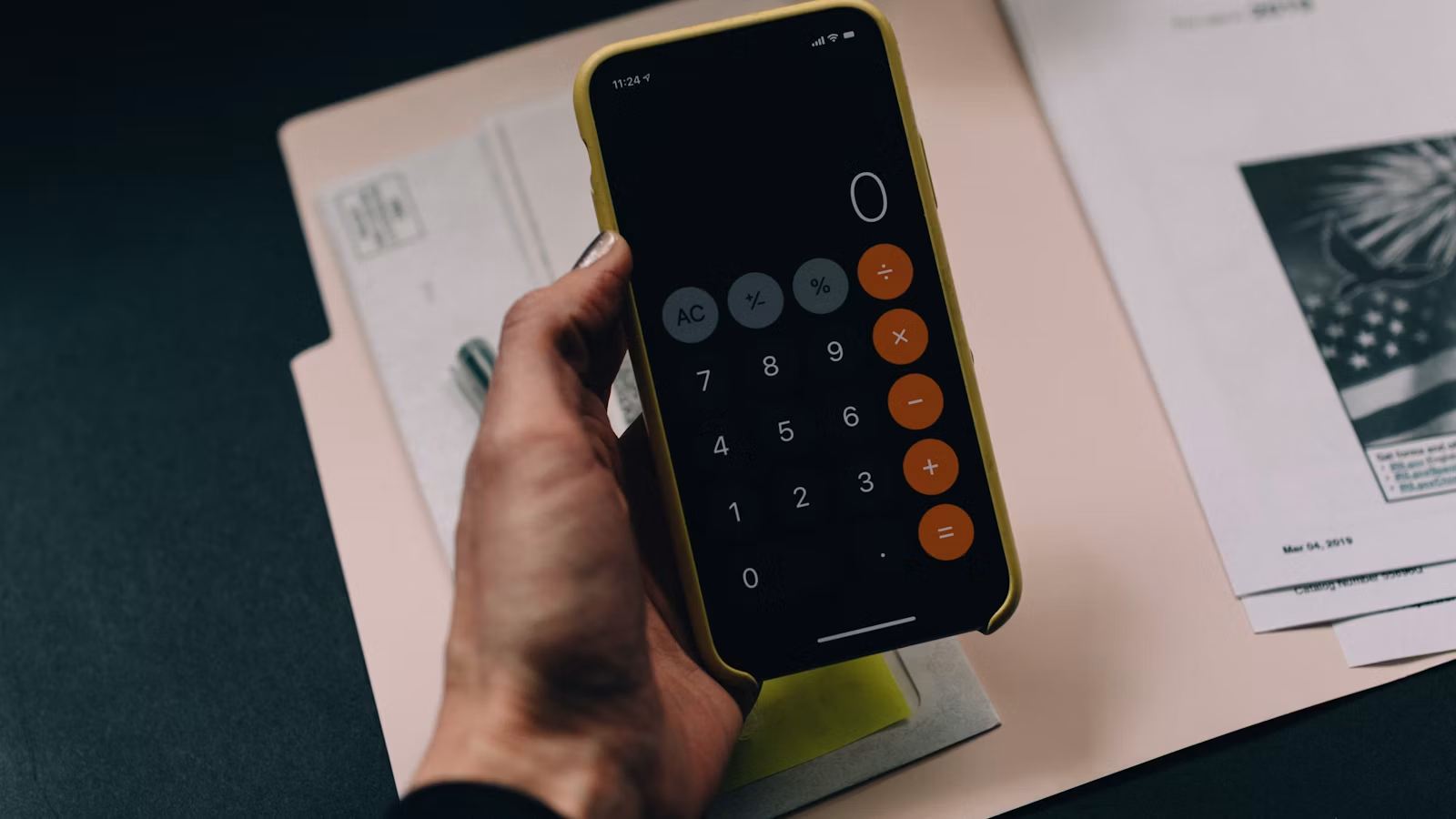
The real cost of sending money to Nepal is not just the transfer fee. You need to compare the total amount you pay, the exchange rate, the final NPR received, the funding method, and possible bank-side or card-side charges. A provider with a low visible fee can still deliver less money if the exchange rate is weaker. A provider with a higher visible fee can still be competitive if the recipient receives more or if the payout method is more reliable. The fairest comparison is to enter the same send amount, use the same delivery method, and compare the final amount your recipient receives in Nepalese rupees.
Most money transfer users notice the fee first because it is easy to understand. But international transfers usually have two pricing layers: the visible fee and the exchange rate. If you send USD, SGD, GBP, AUD, EUR, or another currency to Nepal, the money is usually converted into NPR. That conversion rate affects the recipient amount directly.
| Cost Item | What to Check | Why It Matters |
|---|---|---|
| Transfer fee | Fee shown before payment | Visible platform cost |
| Exchange rate | NPR amount per sending currency | Determines recipient amount |
| Recipient amount | Final NPR received | Best total-cost comparison |
| Payment method | Bank, debit card, credit card, cash | May affect fee and speed |
| Delivery method | Bank, cash pickup, wallet | May affect both cost and limits |
| Promotion | First transfer or temporary offer | May not apply to repeat transfers |
Transfer Fee vs Exchange-Rate Margin
A transfer fee is the direct charge shown before payment. An exchange-rate margin is the difference between a provider’s exchange rate and a reference market rate. You do not need to calculate the margin precisely for every transfer, but you should understand that a “low fee” does not automatically mean “lowest cost.”
For example, Provider A may charge no visible fee but use a less favorable exchange rate. Provider B may charge a visible fee but use a stronger exchange rate. The cheaper option is the one that delivers more NPR for the same sender-side amount.
Remitly’s currency converter explains that exchange rates can change frequently, sometimes many times a day. Wise also shows a quote-based transfer flow, so users can compare cost elements before sending. The practical rule is simple: compare the amount received, not only the fee shown.
Payment Method Costs: Bank Account, Debit Card, Credit Card, and Cash
Your payment method can change both cost and speed. Bank funding is often cheaper, but it may take longer. Debit card funding may be faster, but may carry a higher fee. Credit card funding can be convenient, but some card issuers may treat money transfers as cash advances or charge extra fees. Cash funding through an agent can be useful for users who prefer in-person service, but it may not be the lowest-cost route.
Western Union’s Nepal route lists funding methods such as bank transfer, debit card, credit card, and in-person options depending on the sender location. That does not mean every method is available for every country or every amount. It means the funding method should be part of your cost comparison.
Before sending, ask:
- Does the provider charge different fees by payment method?
- Does your bank or card issuer charge an additional fee?
- Is the transfer speed different if you pay by card instead of bank account?
- Is the exchange rate the same across payment methods?
- Is there a limit difference between card and bank funding?
Why “Free Transfer” or First-Transfer Offers Need Caution
New-user promotions can be useful, but they can also distort your comparison. A first transfer may have a reduced fee, special exchange rate, or temporary bonus. If you only plan to send once, the promotion may be relevant. If you send money every month, the standard price after the promotion matters more.
A “free transfer” may mean the visible fee is waived. It does not necessarily mean the exchange rate has no margin or that your bank will not charge anything. This is why you should save the quote and compare the final recipient amount over several transfers if you send regularly.
For users managing cross-border payments more broadly, checking real-time exchange rates can help build a habit of reviewing currency movement before sending. The rate used by a transfer provider may not match a market reference rate exactly, but checking the broader rate environment can make provider quotes easier to judge.
Summary: The true cost of sending money to Nepal is the full relationship between transfer fee, exchange rate, funding method, payout method, bank-side costs, and recipient amount. A low fee may still be expensive if the exchange rate is weak. A higher fee may still be acceptable if the recipient receives more NPR or the transfer is faster and more reliable. The fairest comparison is to use the same sender amount, same recipient, and same payout method across providers. For one-time users, a promotion may be helpful. For repeat remittances, compare standard pricing after the promotion ends. Before confirming any Nepal transfer, look at what leaves your account, what arrives in Nepal, and whether the timing and payout method match the recipient’s needs.
Delivery Time to Nepal: Bank Deposit, Cash Pickup, Mobile Wallet, and Bank Transfer

Delivery time to Nepal depends on provider, payment method, payout method, banking hours, verification checks, local partner availability, and recipient readiness. Some app-based transfers can arrive within minutes on supported routes, especially for cash pickup or wallet delivery. Bank deposits can be convenient for regular support, but they may take longer depending on bank processing. SWIFT or traditional bank wires can be appropriate for formal payments, but they may involve intermediary banks and business-day delays. The best way to judge delivery time is to review the provider’s live estimate and confirm whether the recipient can actually collect or receive the funds when they arrive.
Speed is not only a provider issue. A transfer can be fast on the sender side but delayed by incorrect recipient details, expired ID, wallet limits, bank holidays, compliance checks, or payout partner working hours. Urgency should be matched with the payout method that the recipient can use immediately.
| Delivery Method | Typical Use Case | Speed Consideration | Risk to Check |
|---|---|---|---|
| Bank deposit | Regular support or larger payments | May take longer than cash pickup | Bank details and bank processing |
| Cash pickup | Urgent cash access | Often fast on supported routes | Recipient ID and agent availability |
| Mobile wallet | Convenient local spending | Can be fast if wallet is active | Wallet limit and KYC status |
| SWIFT / bank wire | Formal large payments | Often slower | Intermediary bank fees and details |
Fastest Options for Urgent Transfers
For urgent support, cash pickup and some wallet routes are often the first options to compare. Western Union states that eligible SGD-to-NPR transfers for cash pickup can arrive within minutes when funded by cash, debit card, or credit card. MoneyGram also supports transfer tracking and cash pickup on supported routes, while Remitly lists Nepal delivery options that include cash pickup, bank deposit, and mobile wallet.
Urgent does not mean careless. If the recipient must pick up cash, verify their legal name exactly as shown on their ID. Confirm the pickup city or agent network. Share the transaction reference only with the intended recipient. If the transfer is for an emergency, still pause long enough to confirm that the request is genuine and not a pressure-based scam.
Bank Deposit and Regular Family Support
Bank deposit is often better for predictable support: monthly household expenses, school fees, rent, or savings contributions. It reduces the need for the recipient to travel to an agent location and provides clearer account records. It can also be more suitable for larger amounts than cash pickup or mobile wallet, depending on local bank rules.
The main drawback is that bank deposits depend on accurate account details and bank processing. Mistyped account numbers, mismatched names, outdated bank details, or bank holidays can delay transfers. If you are sending to a bank account for the first time, consider sending a smaller test amount before sending a larger sum.
For cross-border bank transfers beyond app-based remittance rails, verifying a bank’s SWIFT code can help reduce routing mistakes when a transfer requires international bank identifiers. The exact details needed depend on the provider and recipient bank.
Mobile Wallet and Cash Pickup in Nepal
Mobile wallet delivery can be convenient if the recipient uses a supported wallet and the wallet is verified. Remitly’s Nepal provider list includes mobile wallet, bank deposit, and cash pickup options through partners such as eSewa, NIC Asia Bank, and Global IME Bank. MoneyGram also lists mobile wallet as a Nepal receiving method. Wallet delivery can work well for everyday access, local spending, or recipients who prefer digital money.
However, mobile wallets can have limits. A wallet may have a maximum balance, daily receiving cap, KYC requirement, or account-status restriction. If the amount is large, bank deposit may be more suitable.
Cash pickup is flexible but depends on agent availability. The recipient may need to travel, show ID, and collect during business hours. If the recipient lives outside a major city, check whether a nearby payout location is convenient and reliable.
Summary: Delivery time to Nepal should be judged by both provider estimate and recipient-side readiness. A transfer advertised as fast can still be delayed if the recipient name is wrong, a wallet limit is reached, a bank is closed, or a compliance review is triggered. Cash pickup and wallet delivery can be useful for urgent needs, but they require correct ID, active wallet status, and local payout access. Bank deposit is often better for regular support and larger payments, but it may take longer. SWIFT or bank wires may suit formal transfers, but often involve more steps and potential intermediary fees. Choose the delivery method based on urgency, recipient access, amount size, and record needs.
Limits and Verification: How Much You Can Send to Nepal
The amount you can send to Nepal depends on your provider, sending country, identity verification level, payment method, recipient method, local payout partner rules, and transfer history. A provider’s advertised maximum does not automatically apply to your account, route, or recipient. The real limit is the amount shown after you select the sender country, Nepal as the destination, payment method, delivery method, and recipient details. Larger transfers may require extra identity verification, source-of-funds information, purpose-of-transfer details, or manual review. If the transfer is time-sensitive, complete verification early rather than waiting until the day you need to send.
Limits exist because money transfer providers are regulated financial businesses. They must manage fraud risk, anti-money-laundering obligations, sanctions controls, consumer protection, and local payout rules. Nepal’s remittance ecosystem also involves banks, licensed remittance companies, payment service providers, and payout partners.
| Limit Factor | What It Means | What to Do |
|---|---|---|
| Sending country | Provider may set country-specific limits | Check limit before payment |
| Verification level | Higher amounts may require more documents | Complete KYC early |
| Payment method | Card, bank, or cash may have different caps | Compare available methods |
| Recipient method | Bank, wallet, and cash pickup may differ | Confirm recipient can receive |
| Local rules | Nepal payout partners may set restrictions | Use licensed channels |
| Transfer history | New accounts may have lower limits | Build records and avoid rushed transfers |
Why Provider Limits Differ
Wise, Remitly, Western Union, WorldRemit, MoneyGram, and banks do not operate under identical rails or risk rules. They may have different licenses, payout partners, sending-country rules, verification requirements, and internal risk controls. That is why one provider may allow a certain amount while another provider asks for more verification or does not support the route.
Nepal’s central bank, Nepal Rastra Bank, maintains remittance-related information and regulatory resources. Its foreign exchange and financial-sector materials show why official channels matter: providers, remittance companies, banks, and payment institutions operate under regulatory oversight. Using a licensed route is not only safer for the sender and recipient; it also helps avoid problems with blocked transfers, unverified agents, and poor recordkeeping.
Verification Checks for Larger Transfers
For small family transfers, the verification process may be simple. For larger or unusual transfers, providers may ask for more information. This can include government ID, address proof, date of birth, occupation, source of income, purpose of transfer, relationship to recipient, or documents such as bank statements, salary slips, invoices, tuition bills, or property documents.
A manual review does not always mean something is wrong. It often means the provider needs to satisfy compliance requirements before releasing funds. However, manual review can delay delivery. If you need to send a large amount for tuition, rent, medical care, or family support, prepare documents in advance.
Recipient-Side Limits in Nepal
The recipient’s method can reduce the actual amount that can be received. A cash pickup partner may have a per-transaction payout cap. A mobile wallet may have a daily or balance limit. A bank may reject deposits with incorrect details or unsupported account types. A recipient may also need a valid ID for cash pickup or a verified wallet for mobile delivery.
MoneyGram’s Nepal receiving options include cash pickup, mobile wallet, and bank account, which means the transfer path changes by method. Each method has its own practical limits. If the recipient needs a large amount, ask whether bank deposit is more suitable than wallet or cash pickup.
Do not split a large transfer into smaller transfers to avoid verification or reporting rules. That can create compliance concerns and may cause delays, account restrictions, or blocked transfers. A legitimate large payment should be handled through a provider and method that supports the amount, with records and documentation prepared.
Summary: The practical sending limit to Nepal is the lowest applicable limit among provider rules, sender verification, payment method, recipient method, local payout partner restrictions, and compliance review. Published limits are only a starting point. Your actual limit appears during transfer setup after route and payout details are selected. Small transfers may require little planning, but large transfers should be prepared carefully. Complete identity verification early, confirm recipient details, check whether the payout method can receive the amount, and keep documentation ready. Official and licensed channels are important because remittance providers must follow financial regulations. If speed matters, do not leave verification until the last minute.
Safety Checklist for Sending Money to Nepal
Sending money to Nepal is safest when you use a licensed provider, verify recipient details, compare the final quote before payment, keep tracking numbers private, and avoid pressure-based scams. Even legitimate transfers can fail or be delayed if the recipient name is wrong, the bank account is inaccurate, the wallet is not verified, or the recipient cannot show valid ID. Fraud is also a real risk because money transfers can be difficult to reverse after payout. Treat each transfer as a financial transaction: verify the provider, verify the recipient, verify the amount, and keep a clear record.
A safe transfer has four parts: a trusted provider, accurate recipient information, private transaction details, and a clear reason for sending. If any part feels uncertain, pause before paying.
| Safety Check | Why It Matters |
|---|---|
| Use official app or authorized agent | Reduces fake-provider risk |
| Verify recipient legal name | Prevents failed or misdirected payout |
| Check final quote | Avoids surprise fee or exchange-rate issue |
| Keep tracking number private | Protects cash pickup transfer |
| Confirm recipient ID | Prevents pickup failure |
| Watch for pressure tactics | Reduces scam risk |
| Keep receipts | Helps tracking, refund, and reconciliation |
Provider Safety and Licensing Checks
Use official apps, official websites, and authorized agent locations. Avoid links sent through random messages, social media ads, or unknown groups. Check the provider name carefully before entering payment details. Fake transfer pages can copy logos, colors, and interface styles.
Western Union describes encryption, fraud prevention, transfer tracking, and reference-based tracking tools on its Nepal route. MoneyGram describes secure transfers with tracking and identity checks across its service pages. These controls help, but they do not remove your responsibility to verify the recipient and avoid scams.
For Nepal-specific regulatory awareness, the Nepal Rastra Bank licensed entities list is useful when checking whether remittance companies and foreign-exchange-related institutions appear in official materials. You do not need to audit every provider manually, but for unfamiliar agents or local payout names, official licensing information can help.
Recipient and Transfer-Detail Safety
Recipient details must match the payout method. For cash pickup, the recipient’s legal name should match their ID exactly. For bank deposit, the account number, bank name, and recipient name should be accurate. For mobile wallet, the wallet number or phone number should be active and verified.
Keep transfer references private. For Western Union, the MTCN is used for tracking and may be required for pickup. For other providers, similar reference numbers or transaction IDs may be used. Share them only with the intended recipient. Do not post screenshots of receipts in public chats or social media groups.
Before sending, confirm:
- Recipient legal name.
- Recipient phone number.
- Bank account or wallet details.
- Pickup city or payout method.
- Transfer amount and currency.
- Purpose of transfer.
- Who is requesting the money.
- Whether the request is urgent for a legitimate reason.
Scam Prevention and Cancellation Checks
Scammers often create urgency. They may claim a family emergency, fake medical problem, investment opportunity, romance relationship, job fee, parcel fee, online seller deposit, or “send first, refund later” arrangement. If someone pressures you to send money quickly, pause.
Common red flags include:
- You are told not to tell anyone.
- The recipient is someone you have never met.
- The request comes through a new phone number.
- The person refuses a video call or verification.
- The payment purpose keeps changing.
- You are promised unrealistic returns.
- You are asked to send money to a third party.
- You are told the transfer must be cash pickup only.
Before paying, check the provider’s cancellation or refund process. Once money is collected in cash or delivered to a wallet, reversal may be difficult or impossible. If you realize a mistake immediately, contact the provider as soon as possible.
Summary: Safe money transfer to Nepal combines provider choice, correct information, fraud awareness, and recordkeeping. Use official apps or authorized agents. Verify the recipient’s legal name, bank account, wallet number, phone number, and pickup details. Keep transaction references private, especially for cash pickup. Be cautious when someone creates urgency, secrecy, or emotional pressure. Licensed providers can reduce risk, but they cannot protect you from every mistake or scam after funds are paid out. Keep receipts, track the transfer, and contact support quickly if something looks wrong. A safe transfer is not just fast or cheap; it is traceable, verified, and sent to the right person for a legitimate purpose.
How to Choose the Best Nepal Money Transfer App for Your Situation
To choose the best app to send money to Nepal, start with the recipient’s preferred payout method, then compare final NPR received, speed, available limit, verification, tracking, refund process, and support. If the recipient needs cash today, agent access may matter more than the lowest fee. If you send monthly family support, exchange-rate consistency and bank deposit reliability matter more. If you send a large amount, verification and recipient-side limits should come before speed. The best app changes by use case, so a brand ranking is less useful than a decision framework.
A good decision begins with the recipient, not the sender. The sender may prefer the cheapest app, but the recipient may not have a bank account, may live far from an agent, may have a wallet limit, or may need a transfer record for a specific purpose.
| User Need | Better-Fit Option to Compare First | Reason |
|---|---|---|
| Lowest recipient-cost transfer | Wise, Remitly, WorldRemit quote comparison | Recipient amount matters most |
| Urgent cash pickup | Western Union, MoneyGram, Remitly | Agent network and speed matter |
| Mobile wallet recipient | Remitly, MoneyGram, WorldRemit where available | Wallet support and limits matter |
| Regular family support | Wise, Remitly, bank deposit options | Cost consistency and tracking matter |
| Large formal payment | Bank transfer, Wise, regulated remittance provider | Documentation and bank records matter |
| Broader cross-border workflow | Biya plus transfer-provider comparison | Currency, records, and payments matter |
Decision Framework by Sender Profile
A migrant worker sending family support should prioritize repeat cost, recipient convenience, and reliable delivery. Small exchange-rate differences can matter over many transfers. A provider that works smoothly every month may be better than one that is slightly cheaper once but inconsistent.
A student or parent paying education expenses should prioritize bank records, payment purpose, amount limits, and processing time. Bank deposit or formal bank transfer may be more suitable than cash pickup.
Emergency medical or travel support should prioritize speed and recipient access. Cash pickup or mobile wallet may be useful if the recipient can collect or use funds immediately.
A freelancer or remote worker sending funds home should compare exchange rates, transfer records, and recurring use. If transfers are frequent, recordkeeping and predictable costs become important.
A high-value sender should prioritize verification, documentation, payout method, and compliance. Large transfers should not be rushed through methods designed mainly for small remittances.
App Comparison Checklist
Before choosing an app, compare these items:
- Final NPR received.
- Transfer fee.
- Exchange rate.
- Funding method.
- Delivery method.
- Estimated delivery time.
- Available transfer limit.
- Required verification.
- Refund or cancellation process.
- Tracking quality.
- Customer support access.
- Receipt quality.
- Recipient convenience.
Do not choose only by speed if the recipient cannot receive the money. Do not choose only by fee if the exchange rate is weak. Do not choose only by brand if the route is not competitive for your country.
Biya for Broader Cross-Border Needs
Some users need more than a single remittance transfer. They may also manage currency conversion, online payments, global spending, digital asset balances, and financial records across countries. In that broader workflow, Biya can be useful as a global multi-asset trading wallet that supports USDT conversion into major fiat currencies such as USD and HKD, global payments across more than 190 countries and regions in over 40 local currencies, and cross-border payment records.
Biya should not be treated as a direct replacement for every Nepal remittance corridor. Remitly, Wise, Western Union, WorldRemit, MoneyGram, and banks may still be better for specific person-to-person transfers depending on payout access. Biya is more relevant when you also need to compare rates, manage payment records, handle multi-currency workflows, or connect remittance decisions with broader cross-border financial activity.
For users who also manage global investing, Biya supports U.S. and Hong Kong stock trading as well as digital asset trading. U.S. stock trading has $0 commission, while platform fees and third-party fees still apply according to the fee center and order page. This is relevant only when your cross-border financial workflow includes investing; it should not be confused with the cost of sending money to Nepal.
Summary: The best Nepal transfer app depends on your actual transfer situation. For low-cost bank transfers, compare Wise, Remitly, and other quote-based options by final NPR received. For urgent cash, compare Western Union, MoneyGram, and Remitly by pickup access and speed. For mobile wallet recipients, check wallet availability and limits. For regular family support, focus on repeat cost and reliability. For large formal payments, prioritize verification, bank records, and compliance. If your needs extend beyond remittance into currency conversion, payment records, digital assets, or global financial management, Biya can support the broader workflow. The best choice is not one brand for all users; it is the provider that matches the recipient method, amount, urgency, cost, and safety requirement.
Managing Nepal Transfers and Cross-Border Payment Records with Biya
Sending money to Nepal often starts with a simple question: which app is cheapest and fastest? For many users, the larger challenge is managing cross-border money movement over time. You may need to compare exchange rates, keep records, send family support, manage online payments, convert between currencies, or coordinate funds across countries. When transfers become regular, payment records and currency workflow matter as much as the one-time fee.
Biya can support users who need a broader cross-border financial workflow. As a global multi-asset trading wallet, Biya supports USDT conversion into major fiat currencies such as USD and HKD, global payments in more than 40 local currencies across over 190 countries and regions, and account records that help organize international financial activity. It can sit alongside remittance providers when you want to compare rates, manage payment history, or coordinate multi-currency activity.
That does not mean Biya is automatically the best route for every Nepal remittance. If your recipient needs a specific cash pickup network, mobile wallet, or local bank deposit, a remittance provider may be the better fit. A practical approach is to use Remitly, Wise, Western Union, WorldRemit, MoneyGram, or a bank when their Nepal route, payout method, speed, and quote meet your transfer need, and use international transfers and broader Biya tools when your needs include currency conversion, global payment records, and multi-asset financial management.
FAQ
What is the cheapest app to send money to Nepal?
The cheapest app to send money to Nepal depends on your sending country, transfer amount, payment method, exchange rate, and payout method. Compare the final NPR your recipient receives, not only the advertised transfer fee. For repeat transfers, compare regular pricing after any first-transfer promotion ends.
How long does it take to send money to Nepal online?
Online transfers to Nepal can take from minutes to several business days. Timing depends on the provider, payment method, payout method, verification status, banking hours, and local partner availability. Cash pickup or wallet transfers may be faster on supported routes, while bank transfers can take longer.
Can I send money to Nepal for cash pickup?
Yes, providers such as Western Union, MoneyGram, Remitly, and others may support cash pickup in Nepal. Availability depends on the sending country, transfer amount, payout partner, recipient location, and ID requirements. Always confirm the pickup location, recipient legal name, and tracking details before sending.
Is it better to send money to a Nepal bank account or mobile wallet?
A Nepal bank account may be better for regular support, larger payments, and clearer records. A mobile wallet may be better for faster everyday access if the wallet is supported, active, verified, and able to receive the amount. The better option depends on recipient access and transfer purpose.
What details do I need to send money to Nepal safely?
You usually need the recipient’s legal name, phone number, destination details, and either bank account, wallet, or cash pickup information. Exact requirements depend on the provider and payout method. For cash pickup, the recipient may need valid ID and a private transaction reference.
What should I check before sending a large amount to Nepal?
Before sending a large amount to Nepal, check provider limits, identity verification, recipient bank or wallet limits, source-of-funds documentation, exchange rate, transfer fee, delivery time, refund policy, and whether the recipient can receive the full amount. Use licensed channels and keep clear records.
*This article is provided for general information purposes and does not constitute legal, tax or other professional advice from BiyaPay or its subsidiaries and its affiliates, and it is not intended as a substitute for obtaining advice from a financial advisor or any other professional.
We make no representations, warranties or warranties, express or implied, as to the accuracy, completeness or timeliness of the contents of this publication.
Related Blogs of

Claude Pro and Claude API Payment Guide: Cards, Billing and Failed Payment Fixes


What to Do When Your OpenAI API Balance Is Not Enough? Top-Up Amount, Billing Rules, and Budget Control




Choose Country or Region to Read Local Blog
 Australia
 Austria
 Belgium
 Canada
 Cyprus
 Czech Republic
 Denmark
 Estonia
 Finland
 France
 Germany
 Greece
 Hong Kong
 India
India Indonesia
 Ireland
 Italy
Italy Japan
Japan Latvia
 Lithuania
 Luxembourg
 Malaysia
 Malta
Malta Morocco
 Nepal
Nepal Netherlands
 New Zealand
 Norway
 Pakistan
 Philippines
 Poland
 Portugal
 Romania
 Singapore
 Slovakia
 Slovenia
 South Africa
 South Korea
 Spain
Spain Sweden
 Thailand
 The United States
 Turkey
 United Arab Emirates
 United Kingdom
 Vietnam
Contact Us




BIYA GLOBAL LLC is registered with the Financial Crimes Enforcement Network (FinCEN), an agency under the U.S. Department of the Treasury, as a Money Services Business (MSB), with registration number 31000218637349, and regulated by the Financial Crimes Enforcement Network (FinCEN).
BIYA GLOBAL LIMITED is a registered Financial Service Provider (FSP) in New Zealand, with registration number FSP1007221, and is also a registered member of the Financial Services Complaints Limited (FSCL), an independent dispute resolution scheme in New Zealand.