Is the SpaceX IPO an Opportunity or a Bubble? Ordinary Investors Should First Look at These 6 Indicators




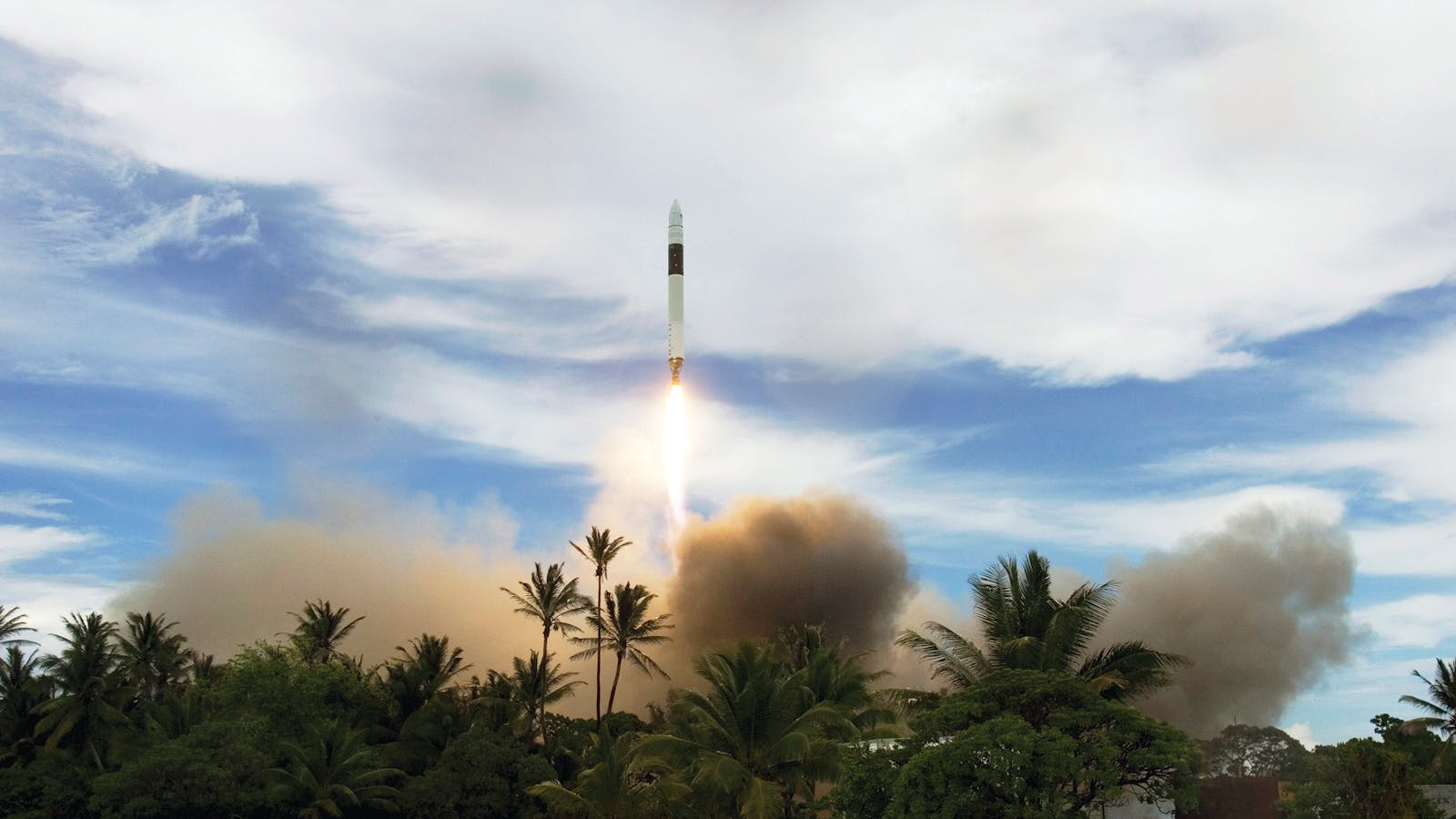
The appeal of the SpaceX IPO is not just about “Elon Musk,” “Starlink,” a “Nasdaq listing,” or the “SPCX ticker symbol.” For ordinary investors, the more important question is this: has the IPO valuation already priced in too much future growth? Can Starlink’s profitability support the company’s overall valuation? Will AI, Starship, and space infrastructure create new growth engines, or simply magnify losses and capital expenditure pressure?
If you are following the SpaceX IPO, you should first evaluate these six indicators before deciding whether it is worth taking on the volatility and trading costs that often accompany high-profile IPOs. This article discusses only publicly available market information, trading rules, and fee structures. It does not constitute investment advice.
Key Takeaways
- The core issue with the SpaceX IPO is not hype, but whether the valuation already overprices future growth.
- Starlink’s profitability is the key pillar supporting SpaceX fundamentals.
- AI and Starship create upside potential, but they also increase capital expenditure pressure.
- The dual-class share structure affects governance risk and ordinary shareholders’ voting power.
- Investors should pay attention to the IPO price, opening price, order execution costs, and trading fees.
Start With the Conclusion: What Do the Six SpaceX IPO Indicators Actually Measure?
To judge whether the SpaceX IPO is an opportunity or a bubble, you cannot rely only on the company’s reputation or the first-day stock performance. A more rational approach is to break the SpaceX story into six verifiable indicators: valuation multiples, revenue structure, profitability, capital expenditures, governance structure, and IPO trading conditions.
Each indicator answers a core question: Is the growth real? Are profits keeping up? Is the price reasonable? Can ordinary shareholders participate in long-term value creation?
Indicator 1: Has the Valuation Multiple Already Priced In Too Much Future Growth?
Valuation is the first hurdle in evaluating the SpaceX IPO. Reuters reported that SpaceX aims to raise around $75 billion , giving the company a valuation of approximately $1.75 trillion. If completed, it would become one of the largest IPOs in history. A valuation of this size does not automatically mean a bubble exists, but it significantly raises the threshold for future execution.
In other words, investors are not simply buying the idea that “SpaceX is a strong company.” They are buying the assumption that “SpaceX can continue growing fast enough to justify this valuation.” If the valuation already prices in optimistic expectations for Starlink, AI, launch services, Starship, and space infrastructure, then future stock performance must continuously be supported by revenue, profit, and cash flow growth.
Indicator 2: Is the Revenue Structure Healthy Enough?
You cannot evaluate SpaceX’s revenue structure by looking only at total revenue. The quality of each business line matters. The connectivity business led by Starlink is currently the clearest commercial pillar. Launch services reflect technological barriers to entry. AI-related businesses create new growth narratives, but they may also introduce losses and high capital expenditures.
If most revenue comes from businesses that are already scalable, profitable, and commercially validated, then SpaceX looks more like a high-growth opportunity. If future growth depends heavily on unproven markets and loss-making businesses continue to drag down overall profitability, then bubble risk increases.
Indicators 3 to 6: Profitability, Investment Intensity, Governance, and Trading Conditions
Profitability determines whether growth can eventually become shareholder value. Capital expenditure determines how much funding the company must continue to invest. Governance structure determines whether ordinary shareholders can influence company direction. Trading conditions determine whether retail investors are buying a true IPO opportunity or simply paying a secondary-market premium.
| Indicator | What Investors Should Watch | Opportunity Signal | Bubble Signal |
|---|---|---|---|
| Valuation Multiple | Market cap, price-to-sales ratio, peer comparison | High growth gradually absorbs valuation | Excessive pricing with slow profit realization |
| Revenue Structure | Contribution from Starlink, launch services, AI | Increasing share of profitable businesses | Too much narrative driven by loss-making units |
| Profitability | Operating profit, net loss, segment profit | Improving margins | Revenue growth accompanied by larger losses |
| Capital Expenditures | Spending on AI, Starship, satellite networks | Investments produce visible returns | Increasing reliance on financing |
| Governance Structure | Voting rights, board control, related-party transactions | Long-term strategic stability | Weak shareholder influence |
| Trading Conditions | IPO price, opening price, fees | Reasonable entry pricing | Expensive secondary-market chasing |
Summary: The key question in the SpaceX IPO is not simply “Can the stock go up?” The real question is whether these six indicators can support each other. The higher the valuation, the more important revenue quality and profitability become. The larger the business vision, the more important cash flow and capital expenditure discipline become. The stronger the founder control, the more carefully governance risk must be evaluated. The hotter the IPO demand becomes, the more retail investors should focus on the actual price and fees they will pay.
Only when these indicators collectively suggest that high growth can realistically justify the valuation does the SpaceX IPO look more like an opportunity. If most of the story depends on future assumptions and market enthusiasm, then bubble risk becomes much more significant.
Indicator 1: Valuation Multiples — Has the SpaceX Price Already Priced In Too Much Future Success?
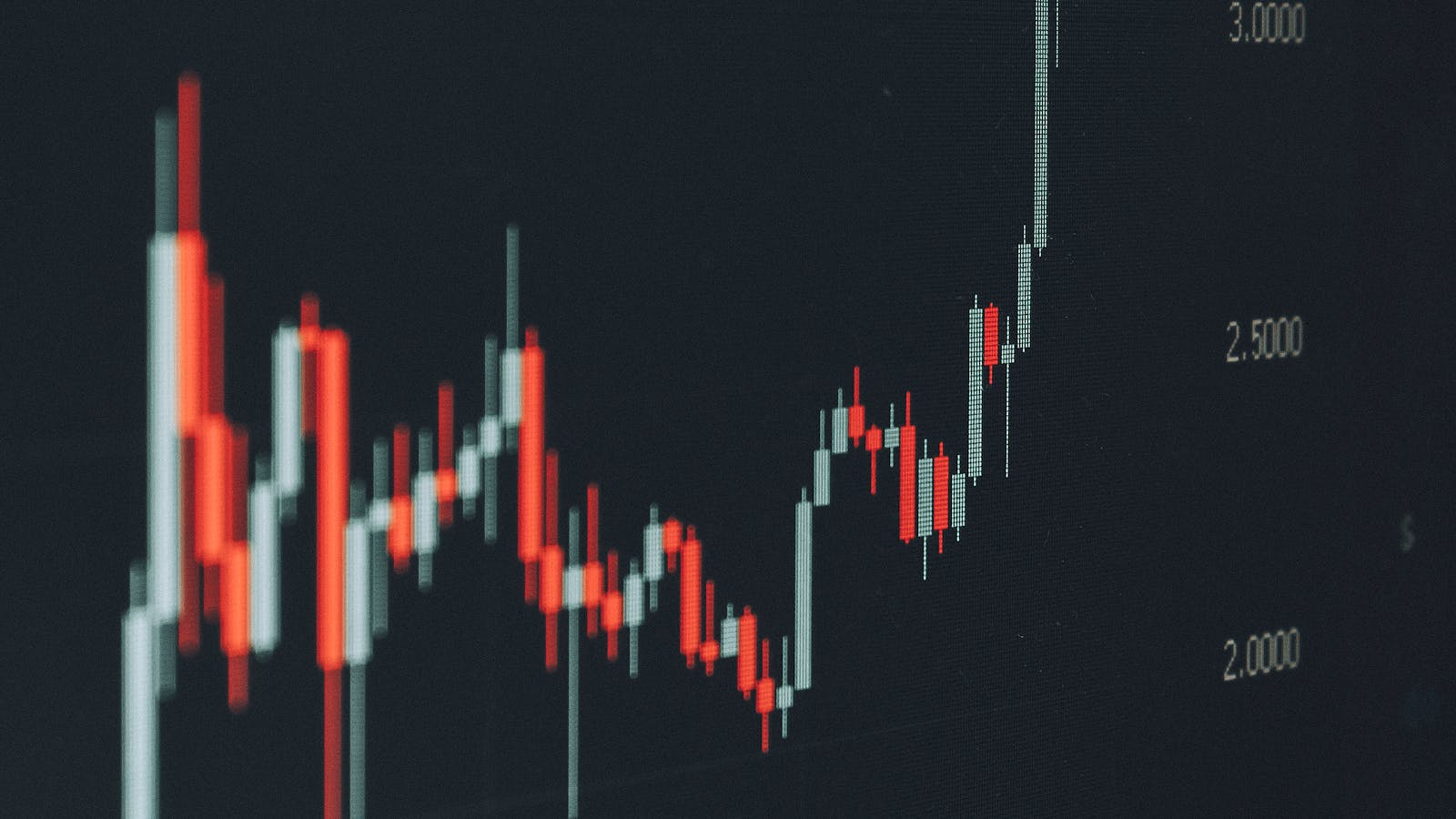
Valuation multiples are the first major indicator when assessing whether the SpaceX IPO is an opportunity or a bubble. SpaceX may be a company with strong technological barriers, but if the IPO price already includes too many assumptions about future success, the investment difficulty rises significantly. For ordinary investors, the real issue is not whether SpaceX has long-term potential, but whether that potential has already been fully priced into the stock.
What Does a $1.75 Trillion Valuation Mean?
A $1.75 trillion valuation would place SpaceX among the world’s largest publicly traded companies immediately after listing. Reuters, in its analysis of SpaceX IPO expectations and recent high-valuation IPO performance , noted that SpaceX is expected to trade under the ticker SPCX and could debut at approximately a $1.75 trillion valuation.
This valuation must be evaluated alongside the company’s revenue, profitability, cash flow, capital expenditures, and peer-company valuations. Investors who focus only on headlines such as “largest IPO in history,” “space industry leader,” or “Musk ecosystem” may overlook how expensive the stock already is. A high valuation is not automatically wrong, but it requires much stronger growth execution to remain justified.
Why a Price-to-Sales Ratio Near 100x Requires Caution
A price-to-sales ratio roughly measures how much investors are willing to pay for each dollar of revenue. Reuters noted in the same analysis that at a $1.75 trillion valuation, SpaceX’s price-to-sales ratio could approach 100x, while Nvidia’s ratio at the time was closer to 24x. The higher the ratio, the higher the market’s expectations for future growth.
This does not automatically mean SpaceX is irrationally expensive. Its launch services, Starlink, AI infrastructure, and space-computing narrative are unique compared with traditional companies. But investors should recognize that a high price-to-sales ratio means the market is already paying in advance for a significant amount of future growth. If revenue growth slows, margins improve less than expected, or market risk appetite declines, valuation compression could become severe.
High Valuation Is Not a Mistake — But It Raises the Execution Threshold
High-valuation companies usually need three conditions to continue rising: sustained high revenue growth, gradually improving profit margins, and a market willing to continue assigning premium multiples. If Starlink expands its subscriber base, connectivity profits improve, AI losses narrow, and Starship development progresses smoothly, the valuation may gradually become more reasonable.
On the other hand, if the growth narrative depends too heavily on distant future markets while short-term financial results fail to support the valuation, bubble risk increases. The key question is not how large the valuation number looks, but whether future execution speed can match current pricing expectations.
| Evaluation Question | Opportunity Signal | Bubble Signal |
|---|---|---|
| Does valuation match revenue growth? | Revenue continues growing rapidly | Revenue growth cannot justify the multiple |
| Are profits keeping up with growth? | Business margins improve | Loss-making units drag down results |
| Are peer comparisons reasonable? | AI, aerospace, and telecom comparisons make sense | Premium supported mainly by storytelling |
| Is the market environment supportive? | Strong risk appetite for tech stocks | Cooling sentiment toward high-valuation assets |
| Is post-IPO pricing rational? | Opening premium remains manageable | Aggressive secondary-market chasing |
Summary: SpaceX’s valuation is both its biggest attraction and its biggest risk. A high valuation reflects the market’s belief in the company’s scarcity and long-term potential, but it also means ordinary investors must bear higher execution risk. It is not enough to say “SpaceX is a good company.” Investors must ask: “At a $1.75 trillion valuation, what level of future revenue, profit, and cash flow would justify buying the stock today?” If future financial reports consistently prove that Starlink, AI, and launch services can support the valuation, the opportunity narrative strengthens. If storytelling continues to outpace financial execution, bubble risk becomes much more obvious.
Indicators 2 and 3: Revenue Structure and Profitability — Can Starlink Support the Overall Valuation?
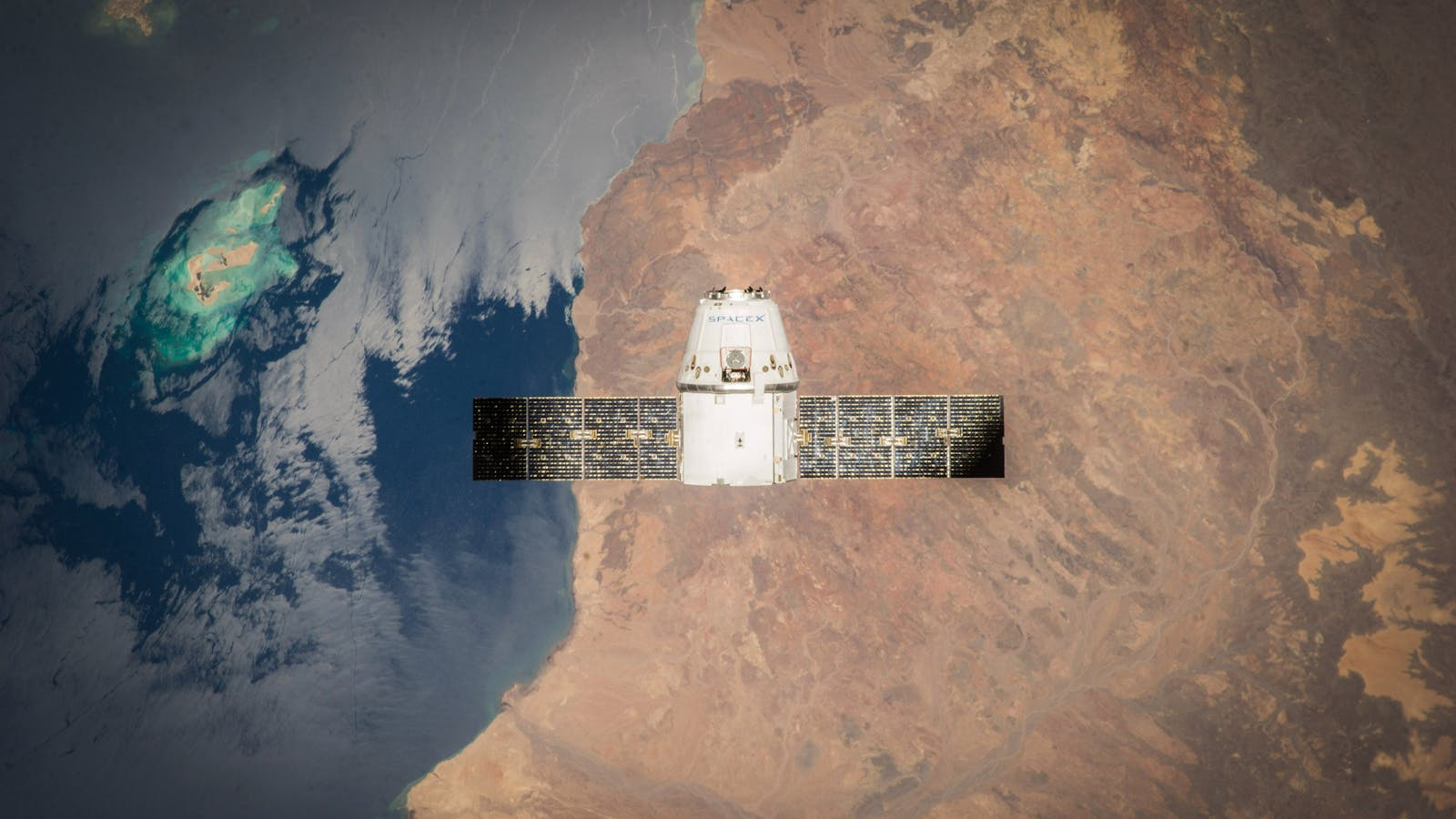
Whether SpaceX looks more like an opportunity largely depends on revenue quality and profitability structure. Starlink is one of the company’s most important commercial assets, but SpaceX is not simply a Starlink company. Launch services, AI businesses, Starship, and space infrastructure all influence the company’s overall valuation. Ordinary investors should not focus only on total revenue growth; they should evaluate which businesses are profitable and which continue consuming cash.
Starlink Is the Core Pillar of the Growth Narrative
Starlink matters because it transforms SpaceX from a pure launch company into a global connectivity infrastructure company. If satellite internet services continue expanding their user base, increase enterprise and government revenue, and improve terminal economics and operating efficiency, Starlink could become the central asset supporting SpaceX’s valuation.
Fortune’s summary of the SpaceX S-1 registration filing noted that SpaceX generated $18.7 billion in revenue in 2025. The connectivity segment, driven by Starlink, reportedly generated $11.4 billion in revenue and $4.4 billion in segment operating profit. This suggests Starlink is no longer a pure concept story; it has already achieved meaningful commercial scale.
Revenue Growth Alone Is Not Enough — Segment Profitability Matters
Revenue growth alone does not automatically create investment value. The complexity of SpaceX lies in the fact that different business segments operate at very different profitability levels. Reuters, in its report on SpaceX filing financial details, noted that the company generated approximately $4.69 billion in quarterly revenue while posting an operating loss of roughly $1.94 billion. AI-related investments and the broader business structure make the overall financial picture harder to interpret.
This means investors must analyze SpaceX’s revenue story in pieces: Is Starlink continuing to generate profits? Does the launch business still maintain cost advantages? Is AI currently in a high-investment phase, or could it remain a long-term drag on profitability? Investors who look only at top-line growth may underestimate how loss-making businesses affect the overall valuation.
The Profitability Path Determines Whether the Valuation Can Be Justified
Opportunity-driven IPOs usually show a path where revenue growth eventually converts into profits and cash flow. Bubble-driven IPOs often show continuous revenue growth narratives without meaningful profit realization.
| Business Segment | Key Focus Areas | Opportunity Signal | Bubble Signal |
|---|---|---|---|
| Starlink | User growth, margins, global coverage | Revenue and profits expand together | Slowing growth and increasing competition |
| Launch Services | Cost advantages, order volume, reliability | Reusable rocket advantage remains strong | Accidents, rising costs, regulatory risk |
| AI Business | Computing power, models, enterprise clients | Losses narrow while revenue ecosystem forms | Continuous cash burn with unclear returns |
| Starship | Long-term launch capacity and cost reduction | Major tests progress on schedule | Delays, failures, cost overruns |
| Space Infrastructure | Long-term market opportunities | Clear commercial contracts emerge | Overreliance on future TAM narratives |
Summary: Starlink is the most important fundamental indicator in the SpaceX IPO because it has already demonstrated meaningful revenue and profitability. However, SpaceX’s valuation is not determined by Starlink alone. AI, launch services, Starship, and space infrastructure will all affect the quality of future profits.
Investors should break down “SpaceX revenue growth” into a more detailed analysis: Which businesses generate profits? Which businesses lose money? Which businesses remain long-term assumptions? If Starlink profitability continues expanding, launch services maintain advantages, and AI losses gradually narrow, then the high valuation becomes easier to justify. If profitable businesses continue to be offset by aggressive spending elsewhere, then bubble risk increases significantly.
Indicator 4: Capital Expenditures and Cash Flow — How Much Funding Does the Growth Story Require?
SpaceX is not pursuing an asset-light growth model. AI computing infrastructure, Starship, satellite networks, space infrastructure, and global connectivity services all require massive investment. Ordinary investors evaluating bubble risk should not focus only on how large the future market could become; they should also evaluate whether these investments can eventually generate sustainable revenue, profits, and cash flow within a reasonable timeframe.
AI and Space Infrastructure Increase Investment Intensity
AI is one of the most powerful valuation narratives within the SpaceX IPO story, but it is also one of the biggest sources of financial pressure. TechCrunch, in its report on xAI losses and the SpaceX IPO filing, noted that xAI recorded a $6.4 billion operating loss in 2025 while generating $3.2 billion in revenue. Capital expenditures for the AI segment reportedly rose from $12.7 billion in 2025 to $7.7 billion in the first quarter of 2026 alone.
This shows that AI is not simply a new growth label. It is a high-investment, high-uncertainty business. It may eventually create new revenue streams through computing infrastructure, enterprise clients, and model services, but it may also suppress profitability for an extended period.
Starship and Satellite Networks Determine Long-Term Execution Risk
Starship is central to SpaceX’s long-term plan to reduce launch costs, expand payload capacity, support deep-space missions, and build future space infrastructure. However, Starship remains in a heavy testing and investment phase. Satellite networks also require continuous spending for launches, upgrades, ground infrastructure, user terminals, and regulatory approvals.
If successful, these investments could create long-term competitive barriers. If delayed or over budget, they could become major valuation risks. Investors should closely monitor whether capital expenditures produce visible revenue growth, whether operating cash flow can eventually support investment needs, and whether the company remains heavily dependent on external financing.
Cash Flow Is a Better Bubble Test Than Vision Statements
Ambitious visions attract attention, but cash flow measures business quality. SpaceX’s S-1 filing presents a massive market opportunity narrative. The Verge, in its report on SpaceX S-1 disclosures, noted that the company combines AI, space, and connectivity into a unified long-term market narrative, including future opportunities such as orbital AI computing.
The issue is that the larger the TAM narrative becomes, the more investors must question the gap between theoretical market size and actual revenue generation. A company may target an enormous market, but that does not guarantee near-term profitability. Cash flow, return on capital expenditures, and financing pressure remain the true tests of whether a growth story is sustainable.
| Investment Area | Potential Opportunity | Key Risk |
|---|---|---|
| AI Computing | New revenue streams, enterprise demand | Expanding losses and excessive infrastructure costs |
| Starship | Lower launch costs, larger payload capacity | Testing delays, accidents, budget overruns |
| Starlink Network | Greater user coverage, service upgrades | High satellite replacement costs |
| Space Data Centers | Long-term future potential | Immature technology and business models |
| IPO Fundraising | Eases funding pressure | Valuation concerns if returns remain unclear |
Summary: Capital expenditure is one of the biggest dividing lines in the SpaceX IPO debate. Optimists believe high investment today can create stronger technological barriers, larger network scale, and larger long-term revenue streams. More cautious investors worry that continuous spending could leave the company trapped in ongoing financing dependence and prolonged profit pressure. The key question is not “How large is SpaceX’s future market?” but rather “Can every dollar invested gradually become revenue, profit, and cash flow?” If investments strengthen Starlink, AI, and launch-service profitability, the opportunity narrative improves. If spending grows endlessly while cash flow improvement remains limited, bubble risk becomes more visible.
Indicator 5: Governance Structure — How Will Musk’s Control Affect Ordinary Shareholders?
SpaceX’s governance structure is not a minor detail. It is one of the most important indicators ordinary investors should evaluate. A dual-class share structure can help founders resist short-term market pressure and pursue long-term strategies, but it can also weaken public shareholders’ ability to influence governance, related-party transactions, and major capital allocation decisions.
What Is a Dual-Class Share Structure?
A dual-class structure usually separates shares into different voting categories, with founders and insiders holding shares that carry stronger voting rights. Reuters explained in its report on dual-class structures that SpaceX’s Class B shares reportedly carry 10 votes per share, while Class A shares carry only 1 vote per share. Elon Musk is expected to retain majority control of the Class B shares after the IPO.
For ordinary investors, this means they may own economic interests in the company without meaningful influence over governance decisions. Investors may benefit from stock appreciation while simultaneously accepting weaker voting power and limited oversight ability.
Concentrated Control Has Both Advantages and Risks
Supporters argue that companies like SpaceX require long-term thinking. Starship, Mars missions, orbital AI computing, and global satellite networks are not short-term projects. Excessive focus on quarterly earnings could damage long-term innovation.
Critics worry that concentrated control weakens accountability mechanisms. Reuters, in its report on SpaceX shareholder-rights limitations, noted that the super-voting structure would allow Musk and a small group of insiders to retain significant control over board appointments and corporate decisions.
Related-Party Transactions and the “Musk Ecosystem” Matter Too
The relationships between SpaceX, xAI, Tesla, X, and other Musk-related businesses will influence how investors assess resource allocation, related-party transactions, and conflicts of interest. Reuters also noted in its report on SpaceX IPO filing details that the combination of SpaceX and xAI-related narratives adds complexity to the company structure and valuation story.
Governance risk does not automatically make a company uninvestable, but it should affect valuation discounts and risk compensation assumptions. The weaker ordinary shareholders’ influence becomes, the more carefully investors should evaluate pricing and financial fundamentals.
| Governance Issue | Opportunity Perspective | Risk Perspective |
|---|---|---|
| Founder Control | Supports long-term strategy continuity | Limited shareholder influence |
| Dual-Class Shares | Reduces short-term market pressure | Weakens oversight mechanisms |
| Related-Party Transactions | Ecosystem synergies | Conflict-of-interest concerns |
| Management Attention | Multi-business integration | Founder attention may become diluted |
| Shareholder Rights | Exposure to growth upside | Limited governance participation |
Summary: SpaceX’s governance structure directly affects valuation analysis. Strong founder control may help preserve long-term strategic execution, but it may also increase governance uncertainty for ordinary investors. Investors should not view Musk only as a growth narrative; they should also view him as a governance variable. He can bring market attention, ambitious vision, and execution strength, but he can also introduce related-party risks, concentrated control, and management focus concerns. Investors willing to accept weaker voting rights should demand stronger financial execution, more disciplined valuations, and greater personal risk tolerance in return.
Indicator 6: IPO Trading Conditions — Are Ordinary Investors Buying an IPO Opportunity or a Secondary-Market Premium?
The most overlooked indicator for ordinary investors is the actual price and cost they pay when buying shares. Even if the SpaceX IPO performs strongly, that does not mean every investor receives the same return. The IPO price, opening price, intraday execution price, order type, fractional-share rules, platform fees, and external transaction costs all influence the final outcome.
Hot IPOs Do Not Guarantee Access to the IPO Price
High-demand IPOs usually have limited share allocation. The stronger the demand, the harder it becomes for ordinary investors to receive ideal allocations. Investor.gov explains in its guidance on retail participation in hot IPOs that when IPO demand exceeds supply, underwriters often allocate shares to their most valuable institutional clients first.
This means the “IPO gains” reported in financial news may reflect returns from the IPO price itself, while ordinary investors may end up buying after the market opens — sometimes at significantly higher prices during peak market enthusiasm. These are entirely different risk profiles.
After Listing, Investors Must Watch Price, Order Types, and Fees
The SEC, in its IPO investor bulletin, reminds investors that IPOs are speculative and risky. Investors should review the prospectus carefully and understand lock-up periods, allocation structures, and volatility risks. During the early trading sessions of a hot IPO, market orders may create severe slippage, while limit orders may fail to execute altogether.
If you want to follow SpaceX after listing, you can first review US stock market information and compare pricing conditions, order execution rules, and market activity. In popular IPOs, the actual execution price often matters more than whether investors simply “like the company.”
Fee Structures Should Be Included in Return Calculations
If you plan to trade popular IPOs after listing, you should evaluate not only price volatility but also total trading costs. US stock trading costs may include platform fees, regulatory fees, settlement fees, and other external charges in addition to commissions. According to BiyaPay US stock pricing, US stock trading commissions are $0, while platform fees, external institution fees, and other charges depend on the pricing center and order details. Fractional-share orders may also follow separate pricing rules.
| Checklist Item | Why It Matters | What Investors Should Do |
|---|---|---|
| IPO Price | Determines whether investors receive pricing advantages | Do not confuse IPO returns with personal returns |
| Opening Price | Reflects market sentiment and premiums | Be cautious about chasing high openings |
| Order Type | Determines execution-price control | Understand limit orders vs. market orders |
| Trading Fees | Affect small-order profitability | Review estimated fees before placing orders |
| Fractional-Share Rules | Affect low-capital participation costs | Review separate fractional-share fee rules |
| Lock-Up Periods and Float | Influence future selling pressure | Read the prospectus carefully |
BiyaPay is a global multi-asset trading wallet that supports US stocks, Hong Kong stocks, and digital asset trading, while also supporting conversions between USDT and major fiat currencies such as USD and HKD. Service availability depends on user location, identity verification, platform rules, and applicable regulations. Investors should fully understand order types, fee structures, and trading risks before participating, rather than treating “hot IPOs” as low-risk opportunities.
Summary: The true opportunity in the SpaceX IPO depends not only on the company’s quality, but also on the actual price and costs investors pay. Retail investors who fail to obtain IPO allocations and instead buy during peak post-listing enthusiasm may face significantly higher premiums, volatility, and slippage. Trading fees alone may not determine investment success, but they directly affect real returns — especially for small orders, fractional shares, and short-term trading. A more rational approach is to evaluate the IPO price, opening price, order structure, fees, and lock-up terms before participating, rather than placing trades purely because of “largest IPO in history” headlines.
FAQ
Is the SpaceX IPO an opportunity?
It could be, but only if valuation, revenue growth, profitability, and capital expenditures remain aligned. SpaceX has strong business barriers and a commercially successful Starlink business, but high valuations significantly increase execution pressure. Investors should not assume that strong brand recognition guarantees long-term outperformance.
Does the SpaceX IPO carry bubble risk?
Yes. Bubble risk mainly comes from elevated valuations, high price-to-sales multiples, profitability pressure, AI-related losses, capital expenditure intensity, and excessive market enthusiasm. The level of risk depends on the final IPO price, post-listing trading prices, and whether future earnings reports validate the growth story.
Can ordinary investors buy at the IPO price?
Not necessarily. High-demand IPO allocations are limited, and underwriters typically control allocation structures. Most ordinary investors participate only after the stock begins secondary-market trading, where prices may already exceed the IPO price.
Which indicator matters most?
Start with valuation multiples and revenue quality. Valuation determines how difficult it is to justify future returns, while revenue quality determines whether growth is sustainable. After that, investors should evaluate profitability, capital expenditures, governance structure, and trading costs.
Do fractional shares reduce IPO risk?
Fractional shares reduce capital requirements, but they do not reduce volatility risk. Popular IPOs can fluctuate dramatically after listing, and small positions can still generate losses. Investors should still review order types, platform fees, external fees, fractional-share rules, and selling costs carefully.
When following the SpaceX IPO or other high-profile US stocks, the key is not to chase market hype, but to break the opportunity-versus-bubble debate into measurable questions: Is the valuation reasonable? Is revenue quality healthy? Can profitability eventually materialize? Are capital expenditures sustainable? Is the governance structure acceptable? Are trading costs fully understood? If services are available in your region and you meet platform requirements, you can use BiyaPay to explore multi-asset trading services and compare fee structures across US stocks, Hong Kong stocks, and digital assets before trading. The BiyaPay App also allows users to manage accounts and monitor market information. Service availability depends on user location, identity verification, platform rules, and applicable regulations.
*This article is provided for general information purposes and does not constitute legal, tax or other professional advice from BiyaPay or its subsidiaries and its affiliates, and it is not intended as a substitute for obtaining advice from a financial advisor or any other professional.
We make no representations, warranties or warranties, express or implied, as to the accuracy, completeness or timeliness of the contents of this publication.
Related Blogs of

Why Should You Pay Attention to Losses Before the SpaceX IPO? How to Read the Financial Data of Growth Companies


How Strong Is Musk’s Control Over SpaceX? How to Assess Corporate Governance Risks After the IPO


Is the SpaceX IPO Worth Watching? What Risks Should Investors Watch in High-Valuation Tech Stocks?



Choose Country or Region to Read Local Blog
 Australia
 Austria
 Belgium
 Canada
 Cyprus
 Czech Republic
 Denmark
 Estonia
 Finland
 France
 Germany
 Greece
 Hong Kong
 India
India Indonesia
 Ireland
 Italy
Italy Japan
Japan Latvia
 Lithuania
 Luxembourg
 Malaysia
 Malta
Malta Morocco
 Nepal
Nepal Netherlands
 New Zealand
 Norway
 Pakistan
 Philippines
 Poland
 Portugal
 Romania
 Singapore
 Slovakia
 Slovenia
 South Africa
 South Korea
 Spain
Spain Sweden
 Thailand
 The United States
 Turkey
 United Arab Emirates
 United Kingdom
 Vietnam
Contact Us




BIYA GLOBAL LLC is registered with the Financial Crimes Enforcement Network (FinCEN), an agency under the U.S. Department of the Treasury, as a Money Services Business (MSB), with registration number 31000218637349, and regulated by the Financial Crimes Enforcement Network (FinCEN).
BIYA GLOBAL LIMITED is a registered Financial Service Provider (FSP) in New Zealand, with registration number FSP1007221, and is also a registered member of the Financial Services Complaints Limited (FSCL), an independent dispute resolution scheme in New Zealand.