
Are Overseas ETFs Suitable for Long-Term Allocation? Understand Currencies, Fees, and Funding Paths Before Buying




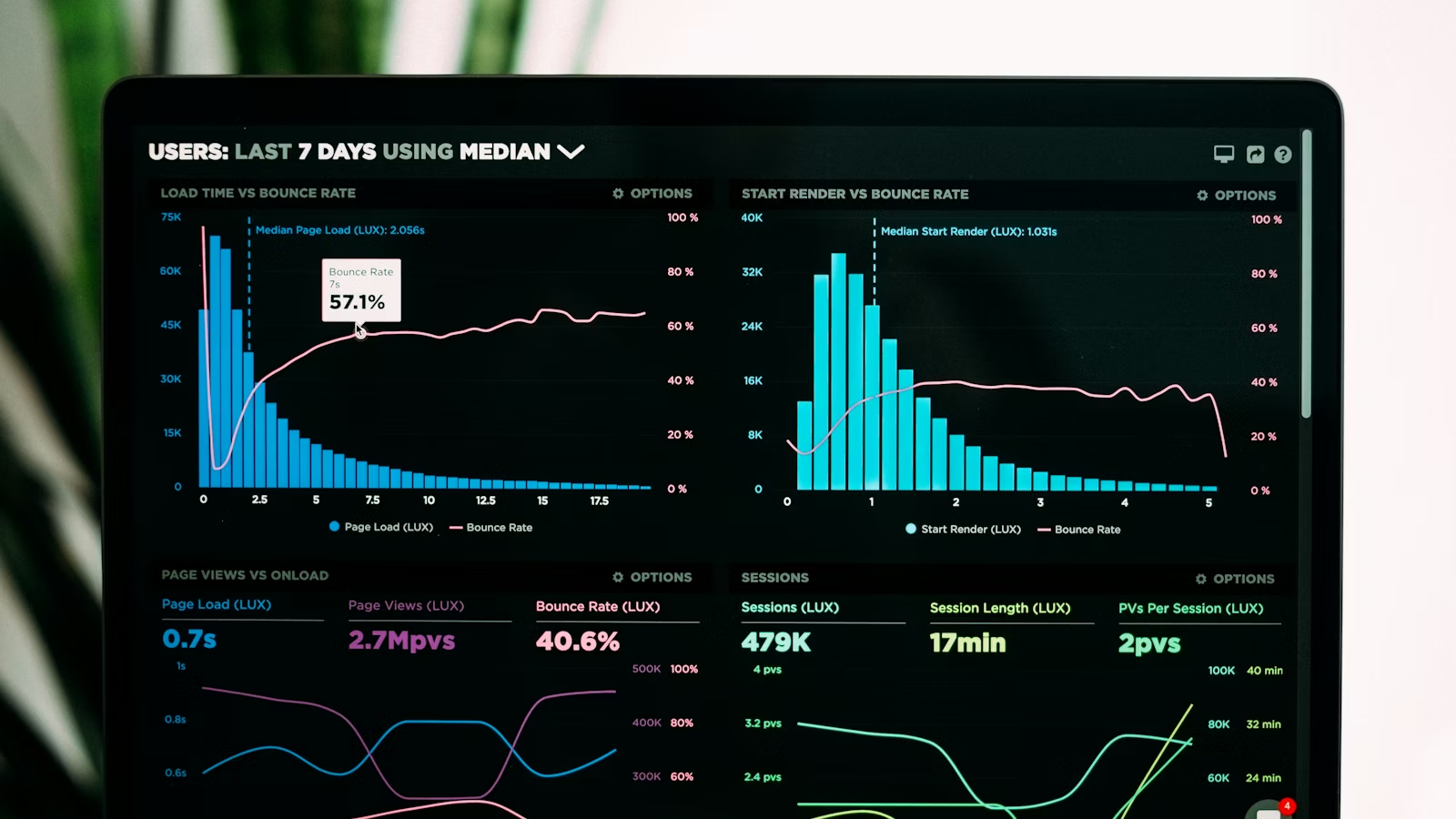
Overseas ETFs can be one option for long-term allocation, but only if you can tolerate market and exchange rate fluctuations and understand the ETF’s underlying assets, fees, taxes, and funding path. They may be suitable for users who want to access overseas markets through a basket of assets and are willing to review their holdings over the long term. They are not suitable for users who only seek certain short-term returns or do not understand the product structure. Before buying, do not look only at the ETF name or historical price movements. First, determine where the trading currency will come from, how funds will be deposited, how fees may arise, and how risks will be managed in the future.
Who Are Overseas ETFs Suitable for in Long-Term Allocation?

Overseas ETFs are more suitable for users who already have a clear allocation purpose, understand market volatility, and are willing to track changes in both funds and assets over the long term. ETFs usually track indices, sectors, bonds, commodities, or other asset portfolios. They trade in a way similar to stocks and generally provide relatively transparent holdings information. However, they still fluctuate with market prices, exchange rates, liquidity, and product structure.
For Chinese-speaking users who pay attention to foreign currency assets and global markets, overseas ETFs are commonly used to access overseas equities, bonds, sector themes, or broad-based markets through a standardized product. They may help reduce the complexity of researching individual stocks, and they may also allow users to gain exposure to different markets through foreign currency assets such as USD or HKD. However, this does not mean ETFs are risk-free, nor does it mean long-term holding will necessarily produce positive returns.
Users who are more suitable for considering overseas ETFs usually meet several conditions.
First, they already know why they want exposure to overseas markets. For example, the goal may be to access overseas broad-based indices, increase foreign currency asset exposure, or observe a certain type of market through ETFs. The clearer the allocation purpose, the less likely users are to be distracted by short-term market trends when choosing markets, currencies, and trading paths.
Second, they can accept both price volatility and exchange rate volatility. The account performance of an overseas ETF usually does not only come from changes in the ETF’s own price. It may also be affected by USD, HKD, or other trading currencies. If users later need to convert funds back into their usual currency, exchange rate movements will affect the final result.
Third, they are willing to read public ETF materials. Before buying, users should at least review the fund issuer, tracked index, major holdings, expense ratio, dividend policy, fund size, trading activity, and risk disclosures. The U.S. SEC’s ETF introduction for investors also reminds investors that although ETFs are convenient to trade, they still need to understand their fees, trading methods, and potential risks.
Fourth, they can arrange a clear funding path. Overseas ETFs often involve foreign currencies, U.S. or Hong Kong stock accounts, FX conversion, deposits, trading, and future withdrawals. If users only research the product but not where the funds come from, how they enter the trading account, and how fees are deducted, they may easily encounter cost, timing, or compliance review issues during the operation process.
Users who should not blindly enter overseas ETFs are also easy to identify. If a user cannot accept net asset value drawdowns, does not understand what the ETF tracks, or expects a product to provide certain returns, they should first build a stronger foundation. Overseas ETFs are tools for participating in overseas markets. They are not capital-guaranteed products, nor are they risk-free alternatives to cash management.
What Should You Understand Before Buying Overseas ETFs?
Before buying overseas ETFs, users should understand the ETF’s underlying exposure, listing market, trading currency, fee structure, liquidity, and funding path. Looking only at the product name, historical return curve, or social media discussions cannot determine whether it is suitable for long-term allocation.
First, Check What the ETF Tracks
The key to an ETF is not its name, but what it actually tracks. Broad-based ETFs, sector ETFs, bond ETFs, commodity ETFs, leveraged ETFs, and inverse ETFs do not have the same risk structure. Broad-based ETFs may cover a wider market. Sector or thematic ETFs may be concentrated in a small number of fields. Bond ETFs are affected by interest rate and credit risk. Leveraged or inverse ETFs may be structurally more suitable for short-term trading rather than long-term holding by ordinary users.
Before buying, users should review the ETF’s public documents, focusing on the tracked index, sample universe, major holdings, geographic distribution, sector distribution, expense ratio, dividend policy, fund size, tracking error, and risk disclosures. The Hong Kong Investor and Financial Education Council’s ETF introduction also emphasizes that investors should understand an ETF’s objectives, structure, and trading risks, rather than looking only at its name.
It is also important to note that an ETF’s listing venue, trading currency, and underlying asset location may differ. An ETF listed in the United States and traded in USD may hold global stocks. An ETF listed in Hong Kong and traded in HKD or USD may also track a U.S. or other market index. Users need to distinguish clearly between “where it is traded,” “what currency it trades in,” and “what assets it actually invests in.”
Then, Check the Trading Market and Account Requirements
Overseas ETFs usually need to be traded through a securities account that supports the relevant market. Users should confirm whether the platform supports the market, whether the ETF is tradable, the trading hours, order types, minimum trading units, fractional-share or board-lot rules, trading fees, and fund inflow and outflow methods.
If you are interested in Hong Kong and U.S. stock markets, you can first check BiyaPay’s Hong Kong and U.S. stock trading path to understand the account, markets, and trading entry. The point is not to let the platform choose ETFs for you, but to first confirm whether the trading path is clear: whether the account can trade, how funds enter, how trading rules are displayed, and where fees and risks can be checked.
Check Whether Long-Term Allocation Is Executable
Long-term allocation does not mean buying and then never managing the position. It means regularly reviewing the position around the original allocation goal. Users need to check whether the ETF still matches their allocation purpose, such as whether the tracked index has changed, fees have been adjusted, fund size has shrunk significantly, trading volume has declined, bid-ask spreads have widened, or tax rules have been updated.
If the funding path involves FX conversion, digital asset and fiat conversion, cross-region payments and collections, or multi-currency account management, long-term allocation should also consider funding management efficiency. An ETF product may look suitable, but that does not mean your funding path will be smooth. For users dealing with cross-border funds, whether they can clearly complete FX conversion, deposits, trading, and future withdrawals is a question that must be answered before allocation.
Build a Pre-Purchase Checklist
Before buying overseas ETFs, users can use the following questions for a self-check:
- Do I know what index or asset this ETF tracks?
- Do I know which market it is listed on and what currency it trades in?
- Have I reviewed the fund expense ratio, trading fees, and bid-ask spread?
- Do I know how to convert funds into the required trading currency?
- Do I know how to deposit funds into a platform that supports trading?
- Do I understand the possible rules related to dividends, taxes, and fund repatriation?
- Can I accept ETF price volatility and exchange rate volatility?
- Do I know how to sell, withdraw funds, or rebalance the allocation in the future?
If these questions cannot be answered clearly yet, it means you are better suited to information preparation for now, rather than rushing to place an order.
Currency, Fees, and Tax Issues
Currency, fees, and taxes affect the actual holding result of overseas ETFs and also affect the efficiency of fund inflows and outflows. They are not the most visible parts of product promotion, but they are among the most easily underestimated sources of cost and risk in long-term allocation.
Currency Determines Where Funds Go
Common trading currencies for overseas ETFs include USD and HKD. If users mainly earn, save, or spend in other currencies, they need to face FX conversion and exchange rate fluctuations. Even if the ETF itself rises, exchange rate changes when converting back into the usual currency may affect the final result. If the ETF falls, exchange rate changes may also amplify account volatility.
Therefore, before buying, users should ask several questions: What currency is the source of funds in? Does it need to be converted into USD or HKD? Will the funds be converted back into the original currency in the future? If there are dividends during the holding period, what currency will they be paid in? Is the withdrawal path clear?
If you need to prepare funds across different fiat currencies, you can check BiyaPay’s Multi-Currency Conversion page to understand available conversion paths. Specific supported currencies, exchange rates, fees, and arrival status should be based on real-time page display and Help Center instructions.
Fees Are Not Limited to One Fund Expense Ratio
Many users only focus on the fund expense ratio when looking at ETF fees, but the real cost usually includes more than that. Long-term allocation may involve five types of costs:
- Fund-level costs: including management fees, custody fees, total expense ratios, and similar costs, usually reflected in the ETF’s long-term net asset value performance.
- Trading-level costs: including trading commissions, platform fees, exchange fees, bid-ask spreads, and similar costs.
- FX conversion costs: if funds need to be converted from one currency into another, both FX spreads and conversion fees should be considered.
- Funding channel costs: deposits, withdrawals, bank transfers, or payment networks may generate fees depending on platform and bank arrangements.
- Tax-related costs: dividends, sales, and fund repatriation may involve tax treatment in different jurisdictions.
FINRA’s ETF investor education page also reminds investors to pay attention to fees, liquidity, product structure, and trading risks. For long-term allocation, fees may not always be obvious each time, but they continuously affect the holding experience.
All fees should be based on official information from the fund issuer, trading platform, bank, or relevant channel. BiyaPay-related fees, conversion paths, deposit arrangements, and arrival times should also be based on the current page and Help Center display.
Tax Rules Cannot Be Applied Too Simply
Overseas ETFs may involve dividend tax, capital gains tax, estate tax, local filing obligations, or other tax rules. Different users may be subject to different rules depending on their tax residency, place of residence, account location, ETF listing venue, and underlying asset location.
This article does not provide tax advice. For U.S.-related investment income, users can start with the IRS explanation of tax on investment income to understand the basic concepts. However, whether the rules apply, how to file, and whether professional assistance is needed should be assessed based on the user’s personal tax identity and local rules. Long-term allocation and larger funding arrangements require tax boundaries to be confirmed in advance, rather than handled only after the trade is complete.
How Funds Complete FX Conversion, Deposits, and Trading
The funding path for overseas ETFs usually includes confirming the trading currency, completing FX conversion or fund conversion, depositing funds into a platform that supports U.S. and Hong Kong stock trading, placing ETF trades, and continuing to manage funds and risks after holding. This path is not exactly the same for every user, but it can be logically divided into several steps.
- Clarify the allocation purpose
First, determine why you want to allocate to overseas ETFs. Is it to participate in overseas broad-based markets, increase foreign currency asset exposure, or access a certain type of asset through ETFs? Different purposes lead to different choices of markets, currencies, and account paths. - Confirm available funds and currencies
Users need to confirm whether the source of funds is in local currency, USD, HKD, another fiat currency, or digital assets. Different fund sources correspond to different conversion, top-up, deposit, and review processes. Before the funding path is confirmed, it is not advisable to make decisions only around a product ticker. - Complete necessary FX conversion or fund conversion
If the ETF trades in USD or HKD and you currently hold another currency, FX conversion may be required. If digital asset and fiat conversion is involved, you also need to confirm whether the platform supports the relevant path, whether identity verification is required, and whether source-of-funds explanations or risk control reviews may apply. - Deposit into a platform that supports trading
Users usually need to complete account registration, identity verification, risk assessment, trading permission activation, and fund transfer. Different platforms support different deposit methods, processing times, banking channels, and review requirements. Arrival time may be affected by banks, payment networks, business days, regional rules, and platform reviews. - Review ETF information and place an order
Before trading, users should again confirm the ETF ticker, listing market, trading currency, order type, trading hours, price, fees, and execution rules. Do not place an order based only on a Chinese name, to avoid buying the wrong market, wrong currency, or a structurally complex ETF by mistake. - Review holdings and plan withdrawals after purchase
Long-term allocation requires regular review of asset weight, currency exposure, fee changes, tax rules, ETF size, and liquidity. If funds need to be sold or transferred back in the future, users should also understand the withdrawal path, arrival time, and possible costs in advance.
The most easily overlooked parts of the funding path are FX conversion and deposits. Many users spend a lot of time comparing ETF historical trends, but do not confirm in advance whether funds can enter the account smoothly, how long it will take, what the fees are, and whether the process complies with platform and local rules. For users dealing with foreign currency assets and cross-border funds, the funding path itself is part of allocation capability.
Several easily confused scenarios should also be distinguished. FX conversion refers to exchange between different currencies. Deposits refer to transferring funds into a tradable account. Remittances and collections are usually used for cross-region fund transfers. Spending refers to the use of funds in payment scenarios. Digital asset and fiat conversion involves another type of asset and compliance review requirement. These scenarios may connect with each other within the same funding plan, but they are not the same thing.
Which Fund Preparation Steps Can BiyaPay Support?
In the overseas ETF allocation path, BiyaPay is more suitable as a tool for fund preparation, currency conversion, Hong Kong and U.S. stock trading entry, and global payment and collection information lookup, rather than as a source of ETF recommendations. Users still need to independently assess ETF products, risk tolerance, and tax rules.
BiyaPay can mainly support three types of steps.
First, multi-currency fund preparation.
If users need to prepare funds in currencies that may be used for Hong Kong and U.S. stock trading, they can use Multi-Currency Conversion to understand conversion paths. Actual supported currencies, conversion prices, fees, and arrival status should be based on real-time page display.
Second, digital asset and fiat conversion.
Some users already hold digital assets and may need to convert funds into fiat currencies for subsequent trading or payment and collection arrangements. Such operations should comply with platform rules, identity verification requirements, source-of-funds explanations, and local laws and regulations. They should not be used to avoid regulation, bypass risk controls, or hide the source of funds.
Third, Hong Kong and U.S. stock trading paths and funding entries.
If users are interested in trading Hong Kong stocks, U.S. stocks, or related ETFs, they can use the Hong Kong and U.S. stock trading entry to understand BiyaPay’s trading path. Whether a specific ETF is supported, what order types are available, what trading rules apply, how fees are displayed, and what account permissions are needed should all be based on the actual trading page.
In addition, users with cross-region funding needs can also check BiyaPay’s International Remittance and Global Payments and Collections page to understand related fund flow information. It is important to note that global payments and collections are not the same as deposit channels for all securities accounts. Whether they can be used for a specific platform or account should be based on BiyaPay’s current instructions, the trading platform’s requirements, and banking channel rules.
For security and compliance information, users can check BiyaPay’s About and Security Compliance Information. Public information shows that BIYA GLOBAL LLC is registered with FinCEN in the United States as an MSB, and BIYA GLOBAL LIMITED is a New Zealand-registered financial service provider, or FSP, and a registered member of New Zealand’s independent financial dispute resolution scheme. Specific entities, service scope, and applicable rules should be based on BiyaPay’s current public pages.
Risks and Considerations for Overseas ETF Allocation
Overseas ETFs can reduce the complexity of researching individual securities, but they cannot eliminate investment risk. Before long-term allocation, users should consider markets, exchange rates, fees, taxes, product structure, and funding paths together.
First, market risk. The index or asset tracked by an ETF may rise or fall. Broad-based ETFs can still fluctuate, while sector ETFs, thematic ETFs, commodity ETFs, leveraged ETFs, and inverse ETFs may fluctuate more. Long-term allocation does not mean there will be no drawdowns.
Second, exchange rate risk. Overseas ETFs often involve USD, HKD, or other foreign currencies. If users eventually need to convert funds back into their usual currency, exchange rate changes will affect the real result. Allocating to foreign currency assets is not only about buying overseas products; it also means bearing foreign exchange volatility.
Third, fee risk. Fund expense ratios, trading commissions, bid-ask spreads, FX conversion fees, deposit and withdrawal fees, and banking channel fees all affect the long-term experience. Fee information should be based on official pages, not only marketing materials.
Fourth, liquidity risk. Some ETFs have low trading volume and wide bid-ask spreads. In extreme market conditions, there may be execution difficulties or prices may deviate from net asset value. Before trading, users should check trading volume, fund size, spreads, and tracking error.
Fifth, tax and compliance risk. Tax rules differ for users in different regions. Dividends, sales, fund repatriation, and filing obligations may also differ. Cross-border funding arrangements must comply with platform rules, anti-money-laundering reviews, source-of-funds requirements, and local laws and regulations.
Sixth, product structure risk. Not all ETFs are suitable for ordinary users’ long-term allocation. Leveraged ETFs, inverse ETFs, futures-based ETFs, or complex strategy ETFs may create additional risks due to daily rebalancing, contract rollovers, or structural design. Users must read public fund materials and risk disclosures before buying.
Seventh, path risk. Trading platforms, banks, and payment channels may affect deposits, withdrawals, arrival times, and fees. Users should confirm account status, trading permissions, funding paths, and subsequent fund use arrangements in advance, rather than discovering that the path is unclear only when they need to trade or use the money.
A more prudent approach is to assess the ETF product and the funding path together: Do I understand what the ETF tracks? Do I know the trading currency? Have I reviewed fees and liquidity? Do I understand how to convert, deposit, and withdraw funds? Do I know tax issues need to be confirmed separately? Can I tolerate price and exchange rate fluctuations? Once these questions are clear, overseas ETFs can be more reasonably discussed as part of long-term allocation.
FAQ
Are Overseas ETFs Suitable for Long-Term Allocation?
Overseas ETFs can be one long-term allocation tool, but whether they are suitable depends on investment goals, risk tolerance, trading currency, fees, taxes, and funding paths. They do not promise returns and are not suitable for users who only seek certain short-term returns.
What Should I Check Before Buying Overseas ETFs?
First, check what the ETF tracks, its listing market, trading currency, expense ratio, liquidity, dividend policy, tax impact, deposit method, and future withdrawal path. Do not look only at the product name, historical gains, or other people’s recommendations.
Do I Need USD or HKD to Buy Overseas ETFs?
It depends on the ETF’s listing market, trading counter, and platform support. U.S.-listed ETFs are usually traded in USD, while the Hong Kong market may have HKD, USD, or other trading arrangements. The specific details should be based on the trading page and fund materials.
Do ETF Fees Affect Long-Term Results?
Yes. Fund expense ratios, trading fees, bid-ask spreads, FX conversion fees, deposit and withdrawal fees, and potential tax costs can all affect the long-term holding experience. Users should check official information from the fund issuer, trading platform, and funding channels.
How Do I Deposit Funds Into a Trading Account Before Buying Overseas ETFs?
Usually, you need to first confirm the trading currency, then complete FX conversion or fund conversion, and then follow the platform’s requirements to complete identity verification, account opening, and fund transfer. Specific deposit methods, arrival times, fees, and review requirements should be based on platform and banking channel instructions.
How Are Overseas ETF Dividends and Taxes Handled?
Different ETFs have different dividend policies, withholding methods, and filing requirements. These may also be affected by the user’s tax identity, place of residence, account location, and ETF listing venue. Users should review fund documents, platform instructions, and local tax rules, and consult a professional tax advisor when necessary.
What Risks Do Overseas ETFs Have?
The main risks include market volatility, exchange rate fluctuations, accumulated fees, insufficient liquidity, tax differences, complex product structures, and funding path uncertainty. Before buying, users should read public ETF materials and confirm that they can bear the relevant risks.
If you have already decided to research overseas ETFs, the next step is not to place an order immediately. First, clarify the funding path: what currency is needed, how FX conversion works, how deposits are made, whether the trading platform supports the product, and where fees and arrival times should be verified. Users who have already confirmed the ETF’s underlying exposure and risk boundaries can first check BiyaPay’s Hong Kong and U.S. stock trading path. If you are still preparing the trading currency, you can first use Multi-Currency Conversion to understand available paths. For account, fee, arrival, risk control, and service scope questions, refer to the current instructions in the Help Center.
*This article is provided for general information purposes and does not constitute legal, tax or other professional advice from BiyaPay or its subsidiaries and its affiliates, and it is not intended as a substitute for obtaining advice from a financial advisor or any other professional.
We make no representations, warranties or warranties, express or implied, as to the accuracy, completeness or timeliness of the contents of this publication.
Related Blogs of

Cheapest Way to Transfer Money Internationally: Small vs. Large Transfers


US to Portugal Online Money Transfer Limits: Per-Transaction Caps Explained


Crypto-Related Stocks vs Digital Assets: What Investors Actually Own


Wire Transfer Requirements: Sender and Beneficiary Details Checklist
Choose Country or Region to Read Local Blog
 Australia
 Austria
 Belgium
 Canada
 Cyprus
 Czech Republic
 Denmark
 Estonia
 Finland
 France
 Germany
 Greece
 Hong Kong
 India
India Indonesia
 Ireland
 Italy
Italy Japan
Japan Latvia
 Lithuania
 Luxembourg
 Malaysia
 Malta
Malta Morocco
 Nepal
Nepal Netherlands
 New Zealand
 Norway
 Pakistan
 Philippines
 Poland
 Portugal
 Romania
 Singapore
 Slovakia
 Slovenia
 South Africa
 South Korea
 Spain
Spain Sweden
 Thailand
 United States
 Turkey
 United Arab Emirates
 United Kingdom
 Vietnam