- More
- Download
Protecting Privacy Starts with Payments: Using Digital Currencies and Virtual Cards to Hide Your Real Identity Information




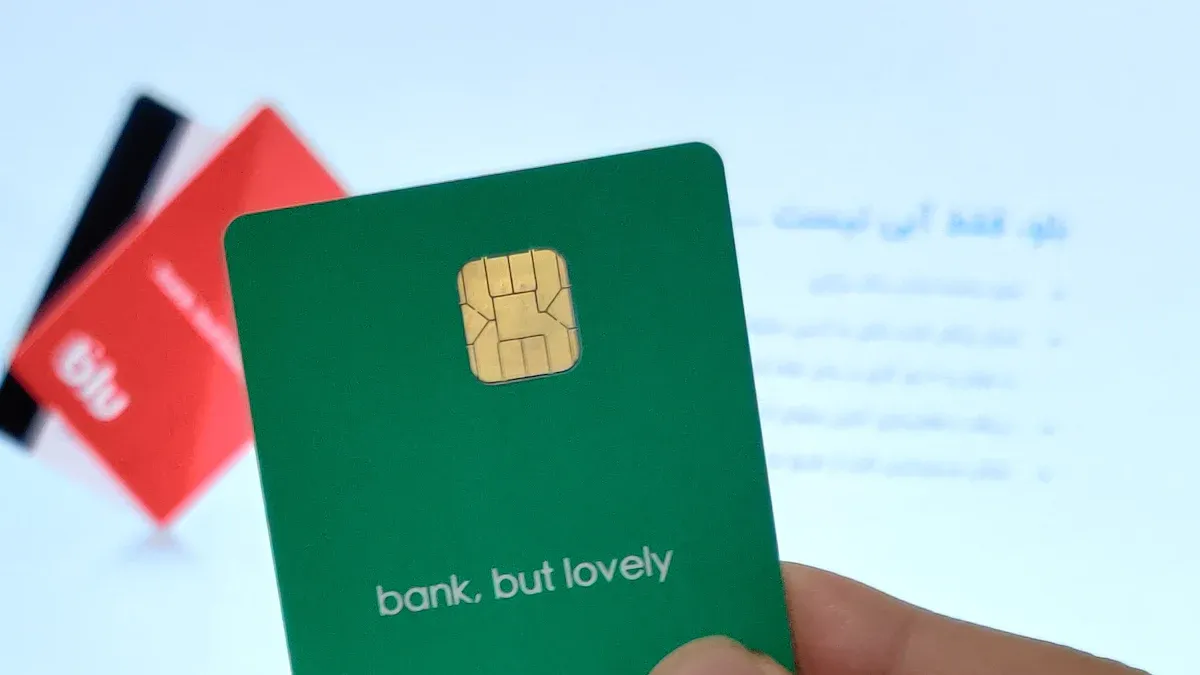
Image Source: unsplash
In daily life, you often need to complete shopping, subscriptions, or online services through payments. Many times, the payment process easily exposes your identity information, leading to privacy leaks. You can choose digital currencies and virtual cards to protect privacy. These tools help reduce the personally identifiable information shared in transactions, and virtual cards can also generate dynamic, one-time-use card numbers to enhance security. You need to pay attention to the differences in privacy protection among different payment methods and choose the one more suitable for yourself.
Core Points
- Choosing cash payments can maximize privacy protection and avoid identity information being tracked.
- Digital currencies and virtual cards provide higher privacy protection and reduce the risk of personal information leakage.
- When using virtual cards, choosing one-time or fixed-amount cards can effectively control spending and protect privacy.
- Understand the "controllable anonymity" mechanism of central bank digital currencies, and flexibly select payment methods to protect personal information.
- Regularly update passwords and use de-identification tools to enhance personal information security and prevent data leaks.
Payment Methods and Privacy Risks
Privacy Comparison of Cash, Bank Cards, and Third-Party Payments
In daily life, you can choose from various payment methods. Cash payments are generally considered the method that best protects privacy. When using cash, it is difficult for both parties in the transaction to track your identity information. Only in very rare cases do cash transactions require identity verification, such as when a single transaction exceeds a certain amount, and the merchant will require you to present identification.
Bank cards and third-party payment platforms pose higher privacy risks. Banks and financial institutions can easily track every transaction of yours and analyze your spending habits. This data may be used for advertising pushes or even acquired by third parties in some cases. When you reasonably use prepaid cards or gift cards, although a certain level of anonymity can be achieved, the acceptance of these cards is limited, and the amounts are usually restricted. Although virtual cards can hide the real card number, when applying, you still need to comply with "Know Your Customer" (KYC) regulations, and in some cases, you need to provide identity information.
You need to understand that different payment methods have obvious differences in protecting privacy. Choosing the appropriate payment tool helps reduce the risk of personal information leakage.
Advantages of Digital Currencies and Virtual Cards
Digital currencies and virtual cards provide you with a higher level of privacy protection. Digital currencies adopt privacy-enhancing technologies, such as zero-knowledge proofs and homomorphic encryption, allowing you to complete secure transactions without leaking personal information. When using some central bank digital currencies (CBDCs), the system separates personally identifiable information from transaction data, reducing the visibility of your data to central authorities. CBDC designs also strike a balance between legal compliance and user anonymity, limiting government access to personal data.
Virtual cards help you better manage and protect privacy through
- Hiding the real bank card number
- Supporting one-time or fixed-amount payments
- Enhancing your control over data
You can choose digital currencies or virtual cards based on actual needs to improve payment security and reduce the risk of identity information being linked.
Digital Currencies Protect Privacy
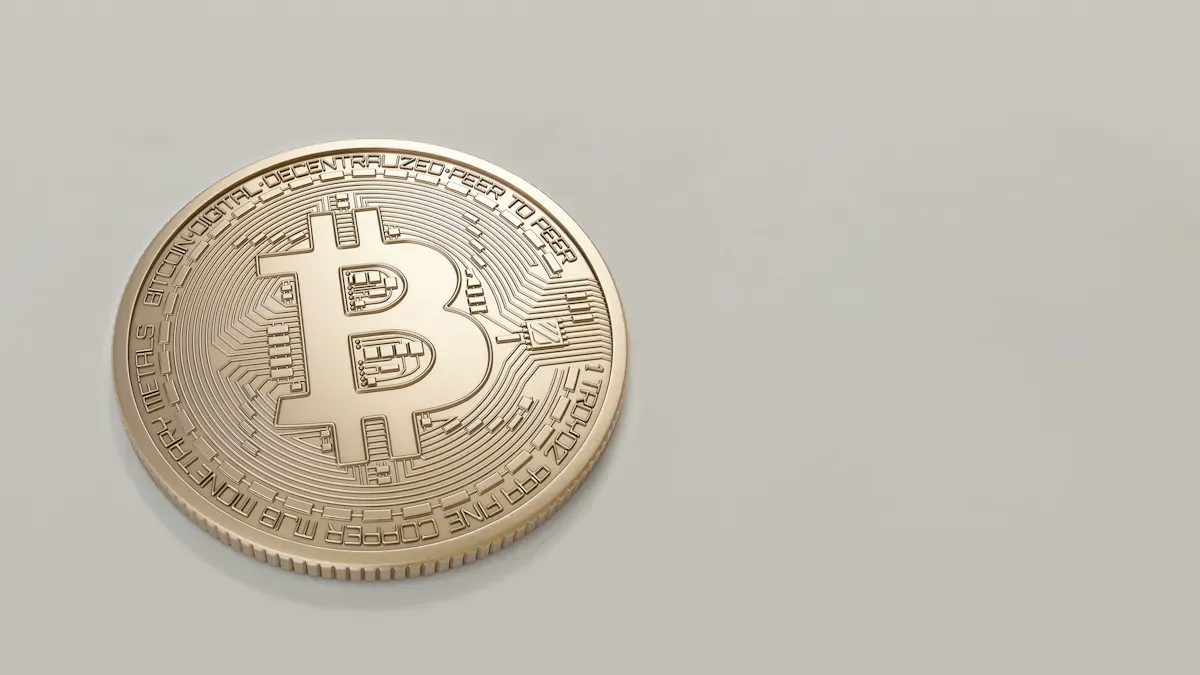
Image Source: pexels
Anonymity and Decentralization
When choosing digital currencies, you often focus on the anonymity and decentralization features of transactions. The decentralized model blurs your identity information through distributed ledger technology (such as blockchain) and dynamic virtual addresses, supports offline transactions, and provides a cash-like privacy experience. You can refer to the table below to understand the specific role of decentralization in protecting privacy:
| Evidence Source | Evidence Content |
|---|---|
| [Central Bank Digital Currency: Privacy, Technology, and Anonymity] | The decentralized model blurs user identity through mechanisms such as dynamic virtual addresses, while supporting offline transactions to provide privacy similar to cash. |
| [Central Bank Digital Currency: Survey] | Relevant organizations can hide customers' real identities through privacy protection mechanisms such as dynamic virtual addresses, thereby protecting trade secrets. |
| [Central Bank Digital Currency: Privacy, Technology, and Anonymity] | Distributed ledger technology (DLT) is a common element to ensure privacy, and blockchain technology is the most popular DLT example. |
When using Bitcoin, although transaction addresses are not directly associated with real identities, all transaction records are public, posing a risk of de-anonymization. Privacy coins such as Monero and Zcash adopt technologies like ring signatures, stealth addresses, and confidential transactions, hiding all details of transactions and greatly enhancing anonymity. You can understand the privacy characteristics of different digital currencies through the following list:
- Bitcoin's pseudonymity has limitations, and users may be de-anonymized.
- Monero adopts privacy-centric encryption algorithms to hide all transaction details.
- Zcash allows you to choose protected or public transactions, balancing privacy and compliance.
- Dash enhances anonymity by mixing transaction sources through the PrivateSend function.
- Privacy coins counter surveillance tools by limiting observable data, and different implementation methods affect the degree of privacy protection.
In digital currency transactions, anonymity and decentralization provide you with stronger privacy protection capabilities, especially in small-amount payment scenarios where complete anonymity becomes possible.
Digital Currency Payment Process
When using digital currencies for payments, the process design fully considers privacy protection. The typical process includes encryption, tokenization, and privacy protection technologies. You can refer to the table below to understand how each step safeguards your data security:
| Step/Technology | Description |
|---|---|
| Encryption | Protects user data through encryption technology to prevent unauthorized access. |
| Tokenization | Replaces sensitive data with randomly generated tokens to ensure that real information is not exposed during transactions. |
| Privacy Protection Technology | Uses technologies such as zero-knowledge proofs to verify payment validity without leaking personal information, ensuring the privacy of legitimate users. |
In actual operation, digital currency wallets automatically generate new addresses to avoid transactions being linked. You can choose privacy coins to further hide transaction amounts and the identities of both parties. Layered privacy mechanisms allow you to maintain complete anonymity in small-amount payments, while large-amount payments require identity verification to ensure compliance. During the payment process, the system embeds limits and intelligent monitoring to mark suspicious activities in real time and prevent money laundering and illegal behavior.
You need to note that the digital currency payment process not only protects privacy but also balances security and compliance. You can choose different coin types and wallets according to your needs to enhance the anonymity and security of transactions.
Central Bank Digital Currencies and the "Controllable Anonymity" of Digital RMB
When you use central bank digital currencies (such as digital RMB) in mainland China, you experience the "controllable anonymity" mechanism. The design of central bank digital currencies balances transparency and anonymity, protecting your personal privacy while supporting the trust of regulatory authorities. In small-amount payment scenarios, the system allows anonymous transactions without requiring identity information. In large-amount payment scenarios, the system requires identity verification to prevent money laundering and other illegal activities.
You can understand the impact of "controllable anonymity" on privacy protection through the following list:
- Privacy protection not only safeguards individuals but also supports trust in regulatory authorities, enabling CBDCs to operate smoothly within the legal framework.
- Transparency and anonymity coexist; transparency ensures user trust in the system, while anonymity allows you to conduct transactions without excessive scrutiny.
- Traceability enables authorized entities to track illegal activities while not infringing on the privacy of law-abiding users.
- Data ownership and management are related to privacy, and individuals' control over their financial data is crucial.
When using digital RMB, you enjoy layered privacy protection. Small-amount payments are completely anonymous, while large-amount payments require identity information. You can flexibly choose payment methods based on actual needs to maximize privacy protection.
You need to pay attention to policy changes in central bank digital currencies and adjust your payment habits in a timely manner to ensure the security of personal information.
Virtual Cards Protect Privacy
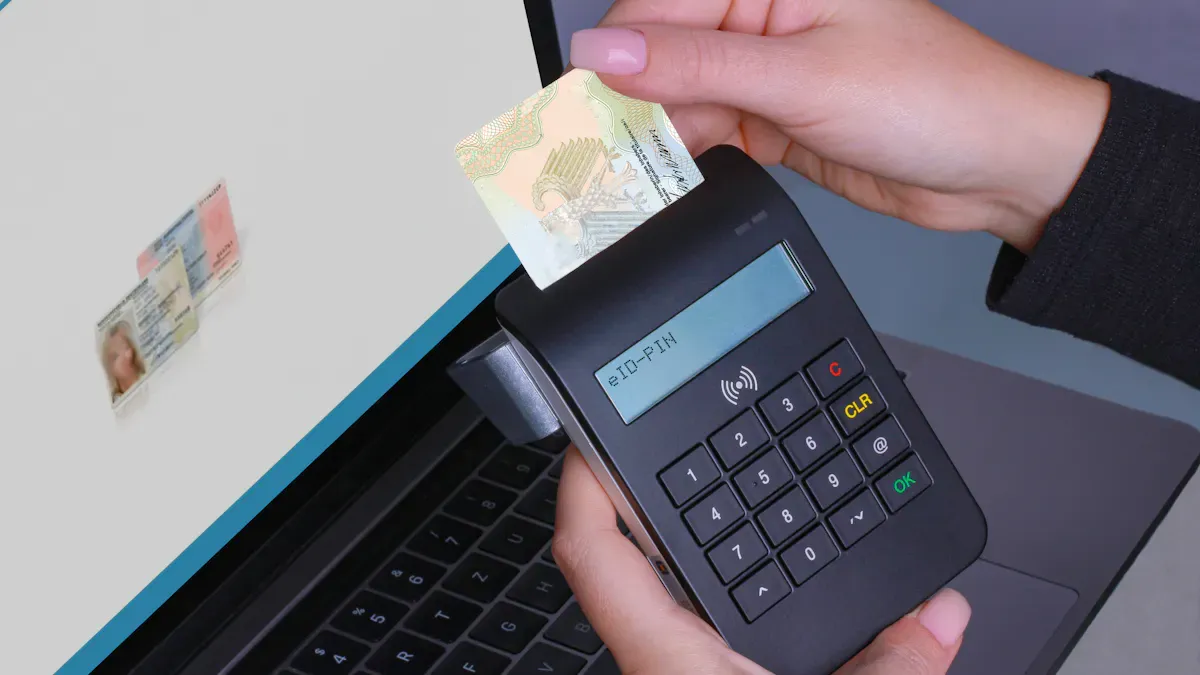
Image Source: pexels
Virtual Card Principles and Types
In daily payments, you can effectively hide your real bank card number through virtual cards, reducing the risk of personal information leakage. A virtual card is essentially a set of automatically generated 16-digit card numbers, usually instantly generated by banks or payment service providers. When applying for a virtual card, the system assigns a unique card number, CVV, and expiration date to each card. Unlike physical bank cards, virtual cards do not directly expose your real account data.
Virtual cards adopt tokenization technology, replacing sensitive bank card data with unique tokens. This token has no mathematical relationship with the original card number, and what merchants receive during transactions is only a string of characters representing that specific purchase. Even if the information is intercepted by hackers, the real bank card number cannot be restored. The token maintains the standard card number format during the payment process, ensuring compatibility with existing payment terminals. You can minimize the personally identifiable information shared with merchants through virtual cards, further protecting privacy.
Common types of virtual cards include:
- One-time virtual cards: You can generate them for a single transaction, and they become invalid after payment is completed, suitable for temporary shopping or sensitive scenarios.
- Fixed-amount virtual cards: You can set a maximum spending limit to prevent overcharging, suitable for subscription services or small-amount payments.
- Merchant-specific virtual cards: You can lock the card to a specific merchant, so even if the merchant's data is leaked, the card cannot be abused in other channels.
When choosing virtual cards, you can flexibly configure them according to actual needs to enhance account security and payment flexibility.
Virtual Card Payment Process
When using virtual cards for payments, the entire process is designed with privacy protection at its core. Virtual cards generate unique card numbers for each transaction or each merchant, which are not directly associated with the main account, reducing the risk of unauthorized access or abuse. When paying, merchants receive not your real bank card number but a temporary, dedicated card number.
The typical virtual card payment process is shown in the table below:
| Step | Description |
|---|---|
| 1 | You enter the virtual card's 16-digit card number, CVV, and expiration date on the checkout page. |
| 2 | The issuing bank or payment service provider verifies this information and authorizes the transaction. |
| 3 | After the transaction is completed, the virtual card can immediately become invalid or remain valid, depending on your settings. |
You can generate separate virtual cards for different subscription services, online shopping, or one-time purchases. This way, even if a merchant experiences a data breach, hackers cannot use the virtual card information to make unauthorized charges on your main account. You can also set spending limits and expiration dates to further control risks.
Virtual cards are also applicable in cryptocurrency payment scenarios. For example, you can use virtual cards to top up digital currency wallets or perform fiat currency top-ups on cryptocurrency trading platforms that support virtual cards. This allows you to enjoy the anonymity of digital currencies while using virtual cards to hide your real bank card number, achieving dual privacy protection.
In actual operation, you should prioritize licensed banks in Hong Kong or international payment platforms that support virtual cards to ensure fund security and compliance.
In this kind of scenario, using one platform for card issuance, payment, and fund management is often better than switching across multiple services, because it reduces unnecessary exposure of personal information. Taking BiyaPay as an example, it is positioned as a multi-asset trading wallet covering payments, conversion, and account management, which fits users who care about privacy, operational consistency, and compliance at the same time.
If the main need is subscription billing, online purchases, or one-off payments, users can also review the virtual card option through the virtual card application page. For people who are more sensitive to security, relying on an official entry point helps reduce how often information is re-entered across merchants, pages, and intermediary services; when comparing providers, multi-jurisdiction compliance credentials are also worth checking instead of focusing only on convenience.
Applicable Scenarios and Limitations
In the following scenarios, virtual cards can significantly enhance payment security and privacy protection:
- E-commerce transactions: When shopping online, virtual cards can protect payment data, preventing account information leakage.
- Subscription management: Assign separate virtual cards to each subscription service for easy tracking and control of recurring charges, and close unneeded services at any time.
- Travel and expense management: Set virtual cards for specific purposes for employees or individuals to ensure expense compliance and simplify reimbursement processes.
- Supplier and contractor payments: Generate dedicated virtual cards for different suppliers to improve operational efficiency and reduce financial risks.
When using virtual cards, you also need to understand their limitations:
- Preset spending limits: You cannot exceed the agreed amount, suitable for small-amount or one-time payments.
- Usage period: Virtual cards usually have an expiration date and need to be regenerated after expiration.
- Merchant category restrictions: Some virtual cards only support specific types of merchants or departments.
- Authorization count limits: On some platforms, you can only use them a limited number of times, and frequent transactions require advance planning.
When choosing virtual cards, you should combine your own needs and actual scenarios to reasonably configure card types and limits. Virtual cards cannot completely replace physical bank cards, and some offline merchants or special payment scenarios may not support virtual cards. You can combine virtual cards with digital currency wallets to further enhance the anonymity and flexibility of payments.
While pursuing privacy protection, you should pay attention to the compliance and security of virtual cards to avoid information leakage or financial losses due to improper operation.
Anonymous Payment Practical Guide
Digital Currency Wallets and Selection
When choosing digital currency wallets, you should prioritize decentralized wallets that do not collect personal data. You can use wallets specifically designed for privacy protection, such as Wasabi or Samourai, which do not require you to submit identity information. You can also choose privacy coins, such as Monero, Zcash, or Dash, which have built-in privacy protection features at the blockchain level and can hide senders, recipients, and transaction amounts by default. When using these privacy coins, it is recommended to choose dedicated wallets, such as Cake Wallet or Monerujo, which are optimized for the privacy features of their respective blockchains. You should avoid associating anonymous wallets with exchanges that require KYC verification and instead conduct transactions through peer-to-peer platforms or Bitcoin ATMs that do not require identity verification.
Virtual Card Application and Binding
When applying for virtual cards, you should choose reputable card providers. You can take security measures such as using VPNs, incognito browsing mode, and disposable email addresses to further protect privacy. You need to understand the application process, including creating a profile and selecting the appropriate subscription plan. When binding virtual cards, ensure that you only operate on trusted platforms to avoid leaking sensitive personal information.
Anonymous Payment Operation Steps
You can complete anonymous payments by following these steps:
- Choose reliable virtual card or digital currency wallet providers, and research their anonymity level and related fees (such as Privacy.com, Transcash, LinkPay, Bitsa, etc.).
- Create a profile on the selected platform, usually requiring only an email and a strong password.
- Choose a suitable subscription plan; free plans generally allow issuing a limited number of cards, with relatively higher transaction fees.
- Issue virtual cards or top up digital currency wallets, selecting one-time or fixed-amount cards according to needs.
- During payment, enter virtual card information or use a digital currency wallet to complete the transfer.
Throughout the process, you should pay attention to protecting privacy and avoid operating in insecure network environments.
Recommended Tools and Platforms
You can choose the following platforms and tools to enhance the anonymous payment experience:
- Stripe: Provides businesses with multiple anonymous payment options, suitable for merchants that need to accept anonymous payments.
- Privacy.com: Allows you to create virtual credit cards to protect personal data, suitable for individual users.
- LinkPay: Supports anonymous credit cards and prepaid cards, with an account creation process that does not require sensitive information.
Virtual credit cards not only improve online payment security but also help you complete purchases without identity verification. When choosing platforms, pay attention to their data protection policies and compliance to ensure fund security. Anonymous payments not only protect privacy but also reduce the risk of personal information being abused.
Payment Privacy Risks and Prevention
Legal and Security Risks
When using digital currencies and virtual cards, you must understand the related legal and security risks. The value of digital currencies is entirely determined by market supply and demand, with high price volatility that can easily lead to asset losses. Virtual currencies lack support from governments or central banks, and their legal status is unclear, increasing compliance risks. Cybersecurity threats and fraudulent activities are common in virtual card and digital currency payments; hacker attacks, phishing websites, and malware may lead to account theft or financial losses. When using central bank digital currencies in mainland China, pay attention to the "controllable anonymity" mechanism. Small-amount payments can be anonymous, while large-amount payments must undergo identity verification, and the system will record and track relevant information to ensure anti-money laundering and compliance supervision.
- Digital currencies have high volatility, so invest with caution.
- Virtual currencies lack legal protection and face risks from policy changes.
- Cybersecurity incidents occur frequently, so strengthen personal protection.
Limitations of Virtual Cards and Digital Currencies
When using virtual cards and digital currencies, you cannot achieve absolute anonymity. Mainstream digital currencies like Bitcoin and Ethereum use public blockchains; although they hide real identities on the surface, identities can still be linked to transactions through analysis of transaction metadata. Once de-anonymization occurs, personal historical transaction records will be permanently recorded and may affect the future. Central bank digital currency systems emphasize identity verification, especially in large-amount payments and cross-border circulation, where identity traceability helps regulatory compliance but also weakens anonymity. Virtual cards are usually limited by spending limits, expiration dates, and merchant types, and may not meet all payment needs in some scenarios.
| Impact Type | Description |
|---|---|
| Transaction Traceability | Central bank digital currencies enhance transaction traceability and reduce anonymity. |
| Economic Supervision | Policy changes strengthen economic supervision but also raise privacy concerns. |
| Small Business Impact | Small businesses can reduce transaction costs but need to weigh privacy risks. |
| Privacy Risk | The central bank retains audit and tracking capabilities, affecting the privacy of commercial transactions. |
Preventing Identity Association and Information Leakage
You can take various measures to reduce the risk of identity association and information leakage. Services like Cloaked can generate de-identified phone numbers, emails, usernames, and passwords for you to protect your real identity. You can use virtual email addresses for registration and payments to avoid exposing personal information. Cloaked also supports bulk replacement of multiple identities to enhance privacy protection in the event of data breaches. You should avoid operating in insecure network environments, regularly update passwords, securely store and share private information, and prevent sensitive data from leaking through plaintext channels. You can also combine cash, prepaid cards, gift cards, and other methods to further enhance payment privacy.
- Use de-identification tools to protect personal information.
- Choose secure payment environments and avoid transmitting sensitive data in plaintext.
- Reasonably combine multiple payment methods to enhance privacy protection capabilities.
You can effectively improve privacy protection during payments through digital currencies and virtual cards. These tools allow you to reduce personal information exposure in transactions and lower the risk of identity association. You need to actively pay attention to payment security and choose privacy protection methods suitable for yourself. In the future, payment innovations will make fund flows more secure and personalized, and the industry will also strengthen identity verification and anti-fraud measures. You should continue to monitor policy and technological changes, flexibly adjust your payment habits, and safeguard personal data security.
- In the future, digital identity verification tools will become more important, helping you establish trust in the digital ecosystem.
- You can flexibly combine multiple payment tools according to actual needs to improve overall privacy protection levels.
Only by continuously enhancing privacy awareness can you better protect privacy in the digital age.
FAQ
Is digital currency payment completely anonymous?
When using mainstream digital currencies like Bitcoin, transaction records are public and carry the risk of being tracked. Privacy coins such as Monero can enhance anonymity, but large-amount transactions still require compliance.
In which scenarios can virtual cards be used?
You can use virtual cards in scenarios such as e-commerce, subscription services, and travel expenses. Some offline merchants or special payment scenarios may not support virtual cards.
What materials are required to apply for a virtual card?
You usually need to provide a valid email and basic identity information. Some licensed banks in Hong Kong or international platforms may require additional verification, subject to the platform's regulations.
How to choose a digital currency wallet?
You should prioritize decentralized wallets to avoid submitting personal data. Privacy coin-specific wallets like Cake Wallet are suitable for users who value anonymity.
Are there handling fees for using virtual cards and digital currency payments?
When using virtual cards or digital currency payments, platforms may charge 1-3% handling fees. Specific fees are subject to the platform's announcements, and some services support USD settlement.
*This article is provided for general information purposes and does not constitute legal, tax or other professional advice from BiyaPay or its subsidiaries and its affiliates, and it is not intended as a substitute for obtaining advice from a financial advisor or any other professional.
We make no representations, warranties or warranties, express or implied, as to the accuracy, completeness or timeliness of the contents of this publication.
Related Blogs of

How Should ASML’s New Orders Be Read? Revenue Differences Between EUV, DUV, and High-NA EUV


What Is Kevin Warsh’s Policy Framework? How It Affects the U.S. Dollar, Treasuries, and Tech Stocks


IBM Plunges While ASML Rises: Is Capital Rotating from Software to AI Hardware?


Understanding Net Interest Margin and Provision Changes Through JPM, BAC, and Citi

Choose Country or Region to Read Local Blog
 Australia
 Austria
 Belgium
 Canada
 Cyprus
 Czech Republic
 Denmark
 Estonia
 Finland
 France
 Germany
 Greece
 Hong Kong
 India
India Indonesia
 Ireland
 Italy
Italy Japan
Japan Latvia
 Lithuania
 Luxembourg
 Malaysia
 Malta
Malta Morocco
 Nepal
Nepal Netherlands
 New Zealand
 Norway
 Pakistan
 Philippines
 Poland
 Portugal
 Romania
 Singapore
 Slovakia
 Slovenia
 South Africa
 South Korea
 Spain
Spain Sweden
 Thailand
 United States
 Turkey
 United Arab Emirates
 United Kingdom
 Vietnam
Contact Us



