2026 Second Half Investment Outlook: How to Rebalance Your U.S. Stock Portfolio After the World Cup Fever Subsides?





Image Source: unsplash
After the World Cup fever subsides, you need to quickly adjust your U.S. stock portfolio to capture new trends in capital flows and sector rotation. You should focus on the cooling of short-term hot sectors and promptly reduce exposure to consumer, advertising, and tourism areas. You can also identify growth sectors and catch-up opportunities to dynamically optimize asset allocation. Only through forward-looking investment planning can you effectively avoid risks and improve portfolio returns amid market changes.
Key Takeaways
- After the World Cup, promptly reduce holdings in consumer, advertising, and tourism sectors to avoid losses from short-term hotspot corrections.
- Increase investment in non-U.S. markets to hedge against dollar depreciation and improve asset diversification.
- Focus on growth sectors, particularly technology, biotechnology, and defense, and moderately increase allocations to related assets.
- Reduce risk through diversified investment, combining stocks, bonds, and cash to optimize portfolio structure.
- Maintain cash flow and liquidity to flexibly respond to market volatility and ensure asset safety and returns.
Market Environment & Investment Outlook
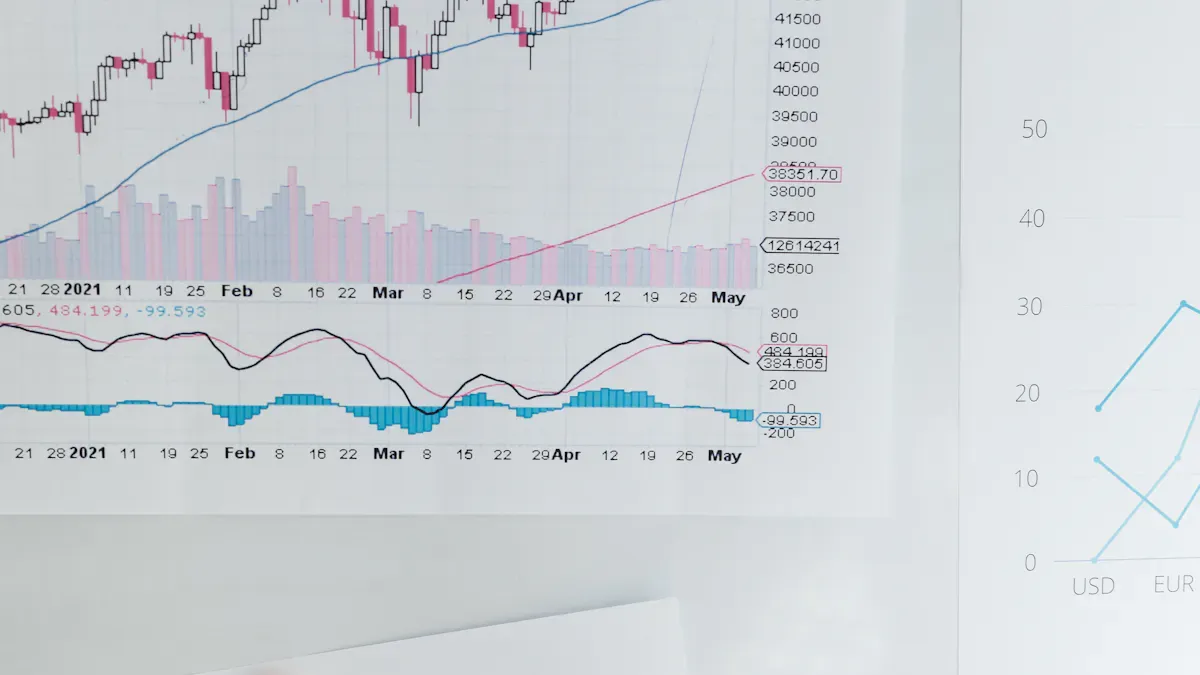
Image Source: pexels
World Cup Effect Fades
You will notice that after the World Cup ends, the heat in U.S. stock market consumer, advertising, and tourism sectors gradually cools. Although global tourism demand remains strong, international tourist arrivals are expected to accelerate to 8% growth in 2026, the short-term stimulus from the World Cup has largely dissipated. The travel industry is transitioning from a rebound phase to a more sustainable growth cycle. Airlines, digital platforms, and hotel companies such as Delta Air Lines, Expedia Group, and Hilton can continue to benefit from tourism growth thanks to brand strength and scalable business models. You need to pay attention to profitability improvements and industry discipline in these sectors, while remaining vigilant about macroeconomic risks impacting performance. Forward-looking investment requires timely position adjustments to avoid over-reliance on short-term hotspots.
Dollar Depreciation & ETF Rebalancing
In the second half of 2026, continued dollar depreciation becomes a key market focus. You can hedge dollar depreciation risk by increasing investment in non-U.S. markets. Many funds become attractive investment choices during dollar weakness, and foreign currency investments offer greater appreciation potential. For U.S. investors, now is a good time to reassess ETF portfolio structure. You should consider allocating part of your capital to global market ETFs to improve asset diversification. Forward-looking investment not only focuses on the U.S. market but also captures opportunities arising from global capital flows and exchange rate changes.When rebalancing across markets, checking both market data and funding paths matters. You can first use BiyaPay’s stock information page to review relevant symbols and market moves, then refer to its exchange rate converter to compare conversion costs across currencies.
As a multi-asset wallet covering investing, trading, and cross-border fund management, BiyaPay also operates with relevant compliance registrations in jurisdictions including the United States and New Zealand. In this context, such tools work better as a pre-trade reference layer for aligning portfolio views with capital planning.
- Increase allocation to non-U.S. markets
- Prioritize ETFs with strong foreign currency appreciation potential
- Regularly evaluate and dynamically adjust ETF portfolio structure
Trading Activity & Financing Needs
Rising market trading activity directly affects volatility and investment strategies. You need to pay attention to the following factors:
| Influencing Factor | Description |
|---|---|
| Investor Uncertainty | Increased trading activity heightens investor concerns about market prospects, leading to greater volatility. |
| Investment Strategy Adjustment | Investors in volatile markets focus more on liquidity and risk management to cope with unstable conditions. |
| Economic Factors | Strength of economic recovery, changes in monetary policy, and other factors influence market sentiment and price volatility. |
You should adjust investment strategies according to market volatility, reasonably manage financing needs, and maintain asset liquidity. Forward-looking investment emphasizes dynamic adaptation to market changes, flexible risk management, and a robust portfolio structure.
Sector Rebalancing Investment Outlook

Image Source: unsplash
Reduce Short-Term Hotspots
You need to monitor the cooling trend in short-term hotspot sectors such as consumer, advertising, and tourism. After the World Cup, capital inflows into these sectors clearly decrease, and market sentiment gradually returns to rationality. Forward-looking investment suggests timely reduction of related assets to avoid portfolio return damage from sector corrections. While the consumer sector benefits from tourism recovery, its growth momentum is gradually weakening. The advertising industry typically faces budget contraction after major events, and the tourism sector is affected by macroeconomic fluctuations. You can gradually lower exposure to these sectors through regular sector performance evaluations, improving the portfolio’s risk resistance.
Forward-looking investment emphasizes dynamic adjustment and avoids over-reliance on short-term hotspot sectors. You should monitor changes in capital flows and optimize asset allocation in a timely manner.
Increase Exposure to Growth Sectors
You can allocate more capital to growth sectors, especially technology manufacturing, biotechnology, and defense & military. The U.S. technology manufacturing industry continues to grow in AI, and the overall tech sector maintains its growth trajectory. The biotechnology industry focuses on leveraging AI to improve productivity, with expectations of launching new therapies and devices. Defense spending remains strong with long-term growth potential. The table below shows growth expectations for major growth sectors in the second half of 2026:
| Sector | Growth Expectation Description |
|---|---|
| Technology Manufacturing | AI field expected to continue growing; overall technology sector maintains growth trajectory. |
| Biotechnology | Biotechnology sector will focus on using AI to boost productivity; new therapies and devices expected to launch. |
| Defense Industry | Defense spending expected to remain strong, although specific growth forecasts are not detailed. |
You can focus on biopharmaceutical and medical technology companies, where large molecules, cell, gene, and RNA-based therapies are expected to drive revenue growth over the next two to three years. Medical technology executives will prioritize AI and digital solutions to drive industry innovation. Forward-looking investment believes growth sectors offer long-term value; you should moderately increase allocations to related assets to enhance portfolio growth potential.
- Technology manufacturing sector: Focus on AI, semiconductors, automation, and other sub-sectors.
- Biotechnology & pharmaceuticals sector: Prioritize innovative therapies, medical devices, and digital healthcare.
- Defense & military sector: Focus on military enterprises, intelligent equipment, cybersecurity, etc.
Capture Catch-Up Opportunities
You can also pay attention to catch-up potential in sectors such as telecommunications and internet. During the World Cup, these sectors were diverted by capital flows and underperformed relatively. As market hotspots rotate, telecommunications and internet sectors are likely to experience catch-up rallies. You can analyze industry fundamentals, select companies with growth potential, and position early for catch-up opportunities. Forward-looking investment suggests combining sector rotation patterns, dynamically adjusting positions, and capturing structural market opportunities.
- Telecommunications sector: Focus on 5G, cloud computing, network infrastructure, etc.
- Internet sector: Prioritize digital platforms, content ecosystems, innovative applications.
You can use ETF tools to diversify risk and improve portfolio flexibility. Forward-looking investment requires continuous monitoring of sector performance, flexible asset allocation adjustments based on market environment changes. Only through scientific rebalancing can you capture growth and catch-up opportunities in the second half of 2026 and improve overall portfolio returns.
Portfolio Structure Optimization
Diversify Risk & Position Adjustment
You can reduce portfolio risk through diversified investment. During the U.S. stock market transition period, the dollar depreciation trend is evident, and international investment returns have upside potential. You should consider increasing international stock allocation to avoid concentration risk in the U.S. market. The portfolio should cover multiple asset classes, including stocks, bonds, and cash. You can use mutual funds and ETFs to achieve diversification and reduce volatility from specific companies or industries. Fixed-income assets such as bonds help lower overall risk. International stocks provide better diversification amid U.S. large-cap concentration risk, often outperforming small caps during market downturns. You can dynamically adjust positions based on market conditions to capture valuation gap opportunities.
- Increase international stock allocation to enhance return potential
- Use ETFs and mutual funds to diversify industry risk
- Allocate bonds to reduce overall volatility
Balance Defense & Growth
You need to maintain a reasonable balance between defensive and growth sectors. Defensive stocks perform well during economic slowdowns and recessions, providing stable returns. Growth sectors such as technology manufacturing, biotechnology, and defense & military offer long-term growth potential. You can adjust positions according to market cycles to improve portfolio resilience. Historical data shows defensive stocks perform stably during periods of high uncertainty, while growth sectors contribute higher returns during economic recovery phases. You can dynamically optimize defense and growth allocations based on the market environment.
- Defensive sectors: Focus on healthcare, consumer staples, utilities, etc.
- Growth sectors: Prioritize technology, biotechnology, defense & military, etc.
Cash Flow & Liquidity
You should emphasize cash flow and liquidity management. Liquidity is critical for risk management and returns during market volatility. Sufficient cash reserves prevent forced asset sales during price declines. You need to manage the liquidity characteristics of core and opportunistic investments to flexibly respond to market turbulence and seize opportunities. Profitability is key to capital preservation, especially during macroeconomic shocks and deleveraging periods. Companies with strong operating profitability can service debt, maintain dividends, and avoid forced asset sales during credit tightening. You can optimize tail resilience to enhance portfolio risk resistance.
- Maintain moderate cash positions to improve liquidity
- Focus on corporate cash flow quality and prioritize companies with strong profitability
- Dynamically manage portfolio liquidity characteristics to flexibly respond to market changes
Practical Recommendations & Risk Mitigation
Rebalancing Operation Key Points
You can use various rebalancing techniques to optimize your U.S. stock portfolio. Time-based rebalancing suits fixed-frequency schedules such as semi-annual or annual, offering simplicity but higher risk exposure in volatile markets. Threshold-based rebalancing triggers when asset classes deviate from target allocations by a preset percentage, effectively reducing trading frequency and costs. Hybrid rebalancing combines both advantages, with periodic reviews but adjustments only when deviations occur, balancing discipline and risk management. Research shows market-timing tests based on holdings demonstrate positive timing ability, with economic value reaching 0.60% per year. You can use BiyaPay to support U.S. stock and Hong Kong stock funding & withdrawal, flexibly manage capital flows, and improve asset allocation efficiency.
Considerations & Common Pitfalls
You need to be wary of common risk management misconceptions. Many investors believe holding stocks in many companies is sufficient to diversify risk, but this fails to address systematic risk. Young investors often overlook diversification, assuming long investment horizons can offset risk. Increasing the number of stocks does not eliminate market volatility; only through multi-dimensional diversification across industries, countries, and currencies can risk be effectively reduced. You can optimize cross-market capital allocation and improve portfolio diversification using BiyaPay’s global payments & collections and international remittance functions.
When adjusting portfolios, never ignore systematic risk. It is recommended to regularly review asset allocation, combine market-neutral strategies and geographic diversification to improve risk resistance.
Risk Reminders
The U.S. stock market in the second half of 2026 faces multiple risks. The table below summarizes major risk types and descriptions:
| Risk Type | Description |
|---|---|
| Market Concentration | U.S. stock market concentration near historical highs, with top 10 stocks accounting for over 40% of S&P 500 market cap, increasing diversification difficulty. |
| High Valuations | U.S. stocks remain highly valued, with increased uncertainty in earnings season. |
| Policy Uncertainty | Including trade tensions, government shutdowns, and concerns over Federal Reserve independence, raising doubts about U.S. exceptionalism. |
You also need to monitor factors such as labor market slowdown, weak corporate earnings, and rising price pressures. It is recommended to adopt market-neutral strategies, geographic diversification, and scarce asset hedges (e.g., gold). Use BiyaPay to achieve real-time exchange between fiat and digital currencies, flexibly respond to global capital flows and exchange rate fluctuations, and enhance portfolio resilience.
You need to continuously monitor market dynamics, flexibly adjust positions, and optimize asset allocation.
-
Research shows that dynamic portfolio adjustment helps adapt to different market environments, with cross-asset allocation performing better.
When formulating asset allocation, you should consider your own risk tolerance and capacity, especially reducing risk exposure as funding needs approach.
Investment Days Missed Percentage Reduction in Total Return 5 -36% 15 -64% 25 -77% Staying disciplined and avoiding emotional decisions helps achieve long-term investment goals.
FAQ
What core indicators should you focus on when rebalancing U.S. stocks?
You should pay attention to sector rotation, capital flows, valuation levels, earnings capability, and market volatility. Analyzing these indicators helps optimize asset allocation and improve portfolio stability.
Does the consumer sector still have investment value after the World Cup?
You can continue to monitor profitability and industry discipline in the consumer sector. After short-term heat fades, high-quality companies still possess long-term growth potential, but macroeconomic risks must be watched.
How to effectively diversify U.S. stock portfolio risk?
You can achieve diversification through allocation to international stocks, bonds, and multi-sector ETFs. Dynamically adjust positions according to market cycles to reduce concentration risk and improve return potential.
What impact does dollar depreciation have on U.S. stock investment?
Dollar depreciation will enhance returns on non-U.S. market assets. You can moderately increase global market ETF allocation to capture appreciation opportunities from exchange rate changes and optimize the portfolio.
How does BiyaPay help improve fund liquidity?
You can use BiyaPay to support U.S. stock and Hong Kong stock funding & withdrawal, global payments & collections, and remittances. It enables flexible capital flow management, improves asset allocation efficiency, and enhances portfolio resilience.
*This article is provided for general information purposes and does not constitute legal, tax or other professional advice from BiyaPay or its subsidiaries and its affiliates, and it is not intended as a substitute for obtaining advice from a financial advisor or any other professional.
We make no representations, warranties or warranties, express or implied, as to the accuracy, completeness or timeliness of the contents of this publication.
Related Blogs of

HBM/DRAM, NAND, and HDD in AI Storage: A Comparison of Elasticity, Cycles, and Risks


How to View HBM Advanced Packaging Equipment Stocks? ASMPT’s Opportunities and Cyclical Risks


How to Read Pure Storage and NetApp Earnings? ARR, Cloud Revenue, Gross Margin, and Cash Flow Metrics


How Should You View Seagate’s HAMR Technology? Nearline HDD Capacity Upgrades and the Supply-Demand Cycle
Choose Country or Region to Read Local Blog
 Australia
 Austria
 Belgium
 Canada
 Cyprus
 Czech Republic
 Denmark
 Estonia
 Finland
 France
 Germany
 Greece
 Hong Kong
 India
India Indonesia
 Ireland
 Italy
Italy Japan
Japan Latvia
 Lithuania
 Luxembourg
 Malaysia
 Malta
Malta Morocco
 Nepal
Nepal Netherlands
 New Zealand
 Norway
 Pakistan
 Philippines
 Poland
 Portugal
 Romania
 Singapore
 Slovakia
 Slovenia
 South Africa
 South Korea
 Spain
Spain Sweden
 Thailand
 The United States
 Turkey
 United Arab Emirates
 United Kingdom
 Vietnam
Contact Us




BIYA GLOBAL LLC is registered with the Financial Crimes Enforcement Network (FinCEN), an agency under the U.S. Department of the Treasury, as a Money Services Business (MSB), with registration number 31000218637349, and regulated by the Financial Crimes Enforcement Network (FinCEN).
BIYA GLOBAL LIMITED is a registered Financial Service Provider (FSP) in New Zealand, with registration number FSP1007221, and is also a registered member of the Financial Services Complaints Limited (FSCL), an independent dispute resolution scheme in New Zealand.