- More
- Download
International Student Visa Proof of Funds: How to Legally Transfer Funds from China to a US Same-Name Account in Just a Few Days to Obtain a Bank Deposit Certificate?




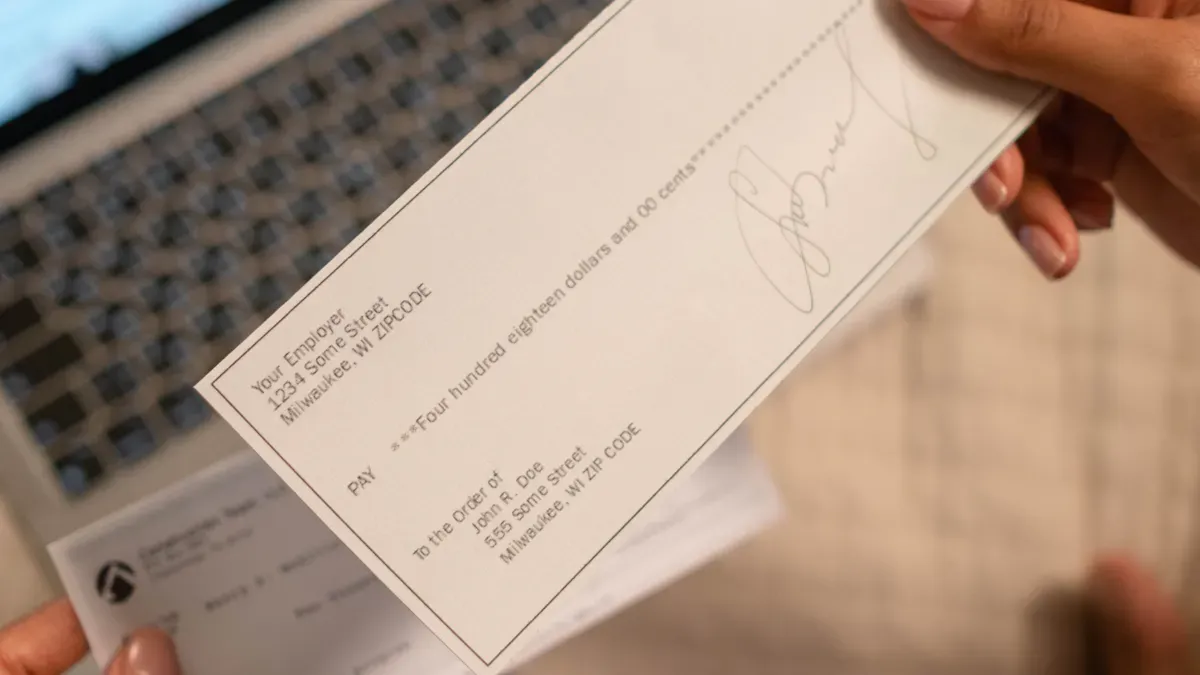
Image Source: pexels
You want to quickly and legally transfer funds from China to a US same-name account in order to handle proof of funds for an international student visa. You need to prepare proof of the source of funds and choose compliant channels such as bank wire transfers or BiyaPay. You must ensure that the accounts are in the same name and that the purpose of the funds is clearly stated. You can refer to the table below to understand the arrival times of mainstream channels:
| Source | Processing Time |
|---|---|
| SmartAsset | 1 to 2 business days, some transfers completed within 24 hours |
| Experian | Completed on the same business day |
| Citi | Completed within 24 hours |
You need to pay attention to the deposit holding period, freezing period, and certificate validity period to ensure all documents are accurate.
Key Points
- Ensure the source of funds is legal, prepare bank statements and proof of source of funds to avoid visa application issues due to unclear fund origins.
- Choose compliant remittance channels such as bank wire transfers or BiyaPay, ensuring funds arrive within 1 to 3 business days.
- Plan the deposit holding period in advance; it is recommended to deposit funds for at least 3 to 6 months to meet school and visa requirements and improve approval rates.
- When filling out remittance information, ensure all details are accurate to avoid delays or returns due to errors.
- Retain all remittance vouchers and bank receipts for subsequent verification and visa document supplementation to ensure a smooth application.
Fund Transfer Process and Timeline
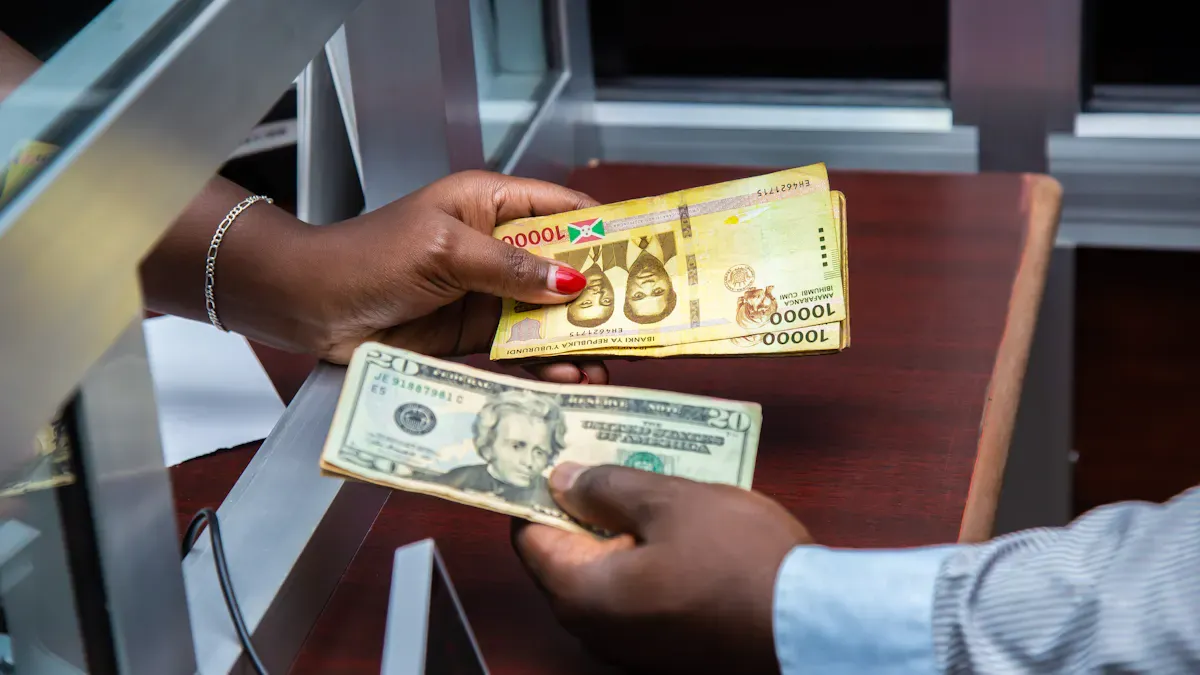
Image Source: pexels
Quick Overview of Operation Steps
You need to follow these steps to transfer funds from a Chinese account to a US same-name account for quickly handling proof of funds for an international student visa:
- First, prepare proof of the source of funds and related documents.
- Conduct foreign exchange purchase at a Chinese bank, ensuring compliance with the annual foreign exchange purchase quota policy.
- Choose a compliant channel for remittance, such as bank wire transfer or a global payment platform (e.g., BiyaPay).
- Fill in the recipient information for the US same-name account, ensuring the name, account number, bank address, etc., are correct.
- Submit the remittance application and pay attention to the bank's cutoff times and holiday schedules.
- After the funds arrive in the US account, promptly verify the receipt status.
- Apply for a bank deposit certificate from the US bank to meet visa requirements.
Bank transfers typically take one to five business days. Interbank transfers in China generally complete within one to two business days. You need to pay attention to the bank's closing times and holidays to avoid delays in fund arrival.
Tip: You can initiate the remittance on a weekday morning to improve arrival efficiency. Some transfers between financial institutions can be completed within 24 hours.
Timeline Planning
You need to reasonably arrange the timeline for each step to ensure funds arrive smoothly within a few days. The table below shows the average processing time for each stage:
| Step | Average Time |
|---|---|
| China wire transfer processing time | Less than 24 hours |
| Remittance limited to business days | Completed on business days |
| Impact of bank cutoff times | Between 2 PM and 5 PM |
You can prepare documents and remittance applications in advance based on the bank's cutoff times. After funds arrive, it is recommended to apply for the deposit certificate immediately to avoid affecting the validity of the international student visa proof of funds due to insufficient holding period. You need to pay attention to the fund freezing period and certificate validity period to ensure compliance with US visa requirements.
Preparation of Domestic Funds and Compliance Requirements
Proof of Source of Funds
You need to prepare proof of the source of funds in advance to ensure the funds are legal and compliant. Banks typically require you to provide the most recent six months of bank statements, showing the account holder's name, account number, and branch information. You can also submit a letter from the financial institution including your name, address, account number, account type, current balance, average balance over the past six months, account opening date, and the name and contact information of the bank officer. If you hold investment accounts, you can supplement with recent quarterly or monthly statements, investment portfolio summaries, and liquidity proof letters. The table below summarizes common proof of source of funds documents:
| Document Type | Specific Requirements |
|---|---|
| Bank statements | Official financial institution statements covering six months, showing name, account number, branch information, and daily balances |
| Financial institution letter | Includes name, address, account number, type, balance, average balance, opening date, and bank officer information |
| Investment documents | Recent quarterly/monthly statements, investment portfolio summary, liquidity letter, documents related to withdrawal restrictions or penalties |
You must ensure all documents are authentic and clear for easy review by banks and consulates.
Foreign Exchange Purchase Quota and Policy Restrictions
When purchasing foreign exchange in mainland China, you must comply with the annual foreign exchange purchase quota and single-transaction limits. The individual annual foreign exchange purchase quota is USD 50,000. Large single transfers require prior approval. You should plan batch purchases reasonably to avoid delays due to quota restrictions. The table below shows the main foreign exchange purchase policies:
| Annual Limit | Single Transaction Limit |
|---|---|
| USD 50,000 | Large transfers require prior approval |
It is recommended to communicate with the bank in advance to understand the latest policies and ensure smooth fund outbound transfer.
Document Checklist
When handling proof of funds for an international student visa, you need to prepare the following documents:
- Recipient's full name, address, and phone number
- Recipient bank's name, account number, and routing number
- Transfer amount
- Purpose of transfer (e.g., tuition, living expenses)
- Your full name, address, and phone number
You should organize all documents in advance to avoid remittance delays due to incomplete information. You can choose bank wire transfers or global payment platforms (such as BiyaPay) for fund transfers. It is recommended to keep funds in the US account for a full six months to improve the approval rate for international student visa proof of funds.
Selection of Legal Remittance Channels
Bank Wire Transfer Process
You can choose to transfer funds from a Chinese account to a US same-name account via bank wire transfer. Bank wire transfers are a traditional and compliant method for international remittances. You need to visit a Chinese bank counter or use online banking to fill in recipient information, recipient bank name, SWIFT code, account number, etc. The bank will require proof of source of funds and explanation of remittance purpose. You should ensure all information is accurate to avoid delays due to document errors. Some Hong Kong licensed banks also support international wire transfers with similar processes and high compliance.
Third-Party Platform Operations
You can also consider using third-party global payment platforms for fund transfers. For example, some platforms support multi-currency exchange, conversion of cryptocurrency to USD, and fund transfers to Hong Kong/US stock accounts. You need to register on the platform, complete identity verification, bind the same-name account, and initiate the remittance. Some platforms have additional measures for compliance and security, but you should pay attention to the platform's business scope and regulatory qualifications. Platforms like BiyaPay offer related services in global payments, fiat and cryptocurrency exchange, and Hong Kong/US stock fund transfers, but you must ensure operations comply with platform rules.
If you have already completed the foreign-exchange purchase through a bank, the cross-border transfer stage is where it can be useful to first check real-time pricing and total settlement cost with BiyaPay’s exchange-rate comparison tool, and then decide whether to use its remittance service for the next step. In this context, BiyaPay is better understood as a multi-asset trading wallet for cross-border payments, stock investing, contract trading, crypto trading, and fund management, with public business and compliance information available on its official website. For student visa fund planning, that makes it easier to evaluate arrival speed, fee transparency, and compliance records together rather than comparing only the headline transfer fee.
Fees and Arrival Time
Bank wire transfers and third-party platforms differ in fees and arrival times. You can refer to the table below:
| Fee Type | Description |
|---|---|
| Sending bank fee | The initiating bank may charge a processing fee, varying by bank type and account. |
| Intermediary fee | Correspondent banks may charge fees depending on agreements between parties. |
| Receiving bank fee | The receiving bank may charge fees, deducted from the transfer amount or charged separately. |
| Currency conversion fee | If conversion is required, additional fees may apply; banks typically add a markup to the mid-market rate. |
| Processing time | International wire transfers usually take 3 to 5 business days, but may be extended due to intermediaries or other factors. |
| Factors affecting processing time | Includes bank holidays, cutoff times, time zone differences, and compliance checks. |
When selecting a channel, you should weigh fees against speed based on your needs. Bank wire transfers usually have higher fees but faster processing. Some third-party platforms have lower fees, but arrival times may vary depending on the platform and compliance reviews.
Remittance Precautions
When remitting funds, you need to pay attention to the following:
- Ensure recipient information (name, account, bank address) exactly matches the US account.
- Clearly state the purpose of funds, such as “tuition” or “living expenses.”
- Retain all remittance vouchers and bank receipts for subsequent verification.
- Avoid returns or delays due to information errors.
When using third-party platforms, you also need to pay attention to the following compliance risks:
- Difficulty in tracking fund flows
- Limited transparency of beneficial ownership
- Risk of money laundering through false invoices
- Potential sanctions screening issues
- Transaction complexity may lead to regulatory violations
You should prioritize channels with strong compliance and transparent information to ensure funds arrive safely and smoothly.
| Aspect | Bank Wire Transfer | Third-Party Platform |
|---|---|---|
| Security | Generally high, but fraud risks exist | Depends on the platform; some have extra security measures |
| Cost | Higher international transfer fees | Usually lower, depending on the platform |
| Speed | Faster processing, often same-day arrival | Varies; some platforms slower |
| Compliance | Follows banking regulatory requirements | May have different compliance requirements |
You can select the appropriate channel based on your needs to ensure funds are transferred to the US same-name account in a legal, compliant, safe, and efficient manner.
US Account Receipt and Verification
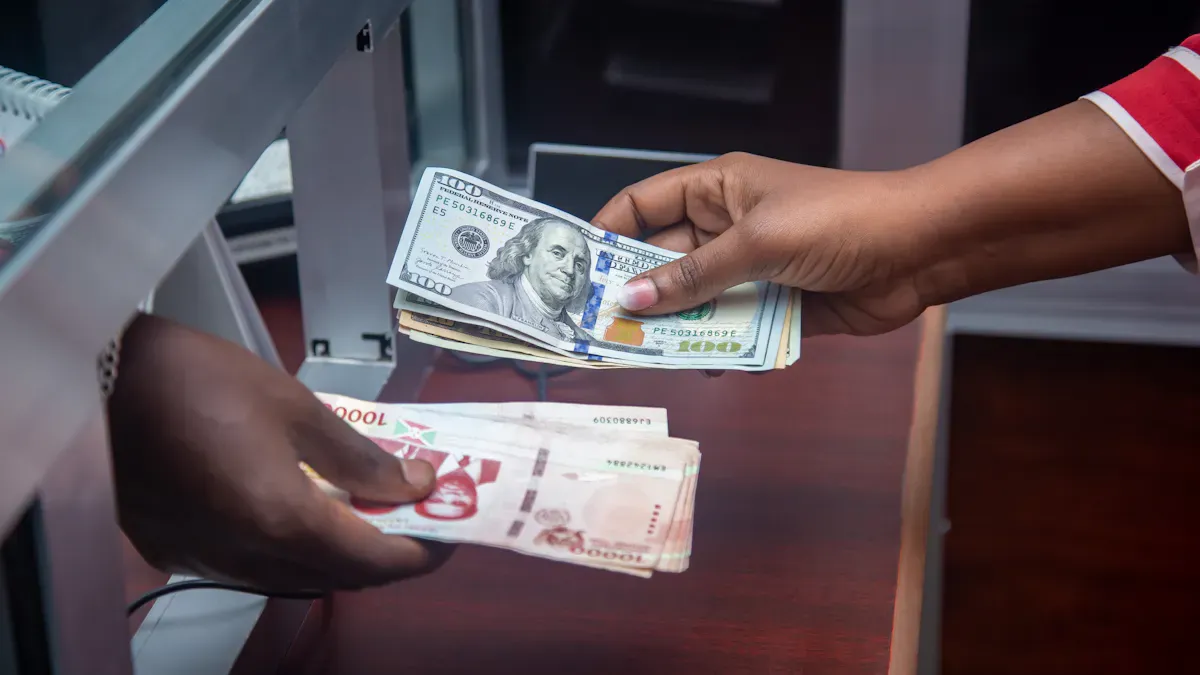
Image Source: pexels
US Same-Name Account Requirements
When opening an account in the US, you must ensure the account holder's name exactly matches the Chinese/mainland China remitting account. Banks will strictly verify account information to prevent returns due to identity mismatch. When preparing proof of funds for an international student visa, you need to pay attention to the specific requirements of US banks for account documents. The table below summarizes common account document standards:
| Requirement | Description |
|---|---|
| Document should show | Financial institution name, account holder name, and account type |
| Account balance | Must be clearly listed, including currency type (e.g., USD) |
| Document validity period | Must be issued within six months prior to submission date |
| Signature or seal | Document must include bank signature or seal |
| Language requirement | Document must be in English or accompanied by official English translation |
| Account holder name | Must show your name as the account holder |
| Account statement validity | Account statements cannot exceed 90 days |
When opening an account, it is recommended to choose mainstream US banks that support international remittances and prepare passport, I-20 form, student ID, and other documents in advance.
Receipt Information Standards
When filling in receipt information, you must ensure all details are accurate. Any spelling errors or incomplete information may cause remittance failure or delays. You should fill in the following information as required by the bank:
- Recipient name (exactly matching the account)
- Recipient bank name, branch address, SWIFT code
- Account number
- Remittance amount (USD)
- Purpose of remittance (e.g., tuition, living expenses)
When using BiyaPay or other global payment platforms, you also need to strictly follow the platform's guidelines to fill in receipt information to ensure smooth fund arrival. Some platforms support multi-currency exchange and US stock account fund transfers, but you still need to pay attention to same-name accounts and information standards.
Tip: You should retain all remittance vouchers and bank receipts for subsequent verification and visa document supplementation.
Arrival Verification
After receiving the funds, you should immediately verify the receipt status. US banks conduct compliance reviews on international remittances to ensure the legality of fund sources. You can refer to the following verification process:
- Check whether the received amount matches the remitted amount and confirm no abnormal intermediary deductions
- Compare with bank statements to verify consistency between fund purpose and declared information
- Retain bank-issued deposit certificates, statements, and other documents
- If arrival is delayed, promptly communicate with the bank to investigate causes such as holidays, time zones, or information errors
US banks typically perform Customer Identification (KYC) and Anti-Money Laundering (AML) checks, including verifying identity information, monitoring unusual transactions, and screening sanction lists. You must ensure all documents are authentic and purposes clear to avoid bank questions about fund sources. When handling proof of funds for an international student visa, it is recommended to communicate with the bank in advance to understand the latest compliance requirements and document standards.
Handling Proof of Funds for International Student Visa
Deposit Certificate Application Conditions
When applying for proof of funds for an international student visa, you need to meet the following basic conditions:
- You must provide sufficient funds to cover one year's tuition and living expenses in the US. Private universities typically require USD 60,000–80,000/year; public universities require USD 40,000–60,000/year. Some popular graduate programs may require over USD 100,000/year.
- You should prepare deposits in advance, with a recommended holding period of 3–6 months. Some schools require the deposit certificate to be frozen until before the start of the semester (usually 6 months); for visa handling, it is recommended to freeze until after visa approval (usually 3 months).
- You can only use accounts in your own name or immediate family members' (e.g., parents) names, and the account type must be a fixed deposit.
You need to reasonably arrange the fund amount and holding period based on the admitted school's requirements. Some schools or consulates may require admission letters and tuition deposit payment receipts. You should communicate with the bank in advance to ensure all documents meet the requirements.
Amount, Holding Period, and Freezing Period Requirements
When preparing proof of funds for an international student visa, you must focus on three core elements: amount, holding period, and freezing period:
- Amount requirement: Prepare funds based on the admitted school's tuition and living expense standards. Generally, undergraduates should prepare USD 60,000–80,000; public schools can be appropriately reduced. For graduate or special programs, prepare over USD 100,000.
- Holding period recommendation: Deposit funds 3–6 months in advance; some schools require a 6-month holding period. This increases document credibility and reduces the risk of questioning.
- Freezing period requirement: When applying to schools, it is recommended to freeze deposits until before the start of the semester. For visa handling, freeze until after visa approval. The freezing period is usually 3–6 months. You should confirm the freezing period setup with the bank to avoid visa review issues due to insufficient freezing period.
Tip: After receiving the admission letter, you can immediately pay the tuition deposit and retain the official receipt. Some schools issue provincial certification letters as supplementary documents.
Handling Process and Bank Selection
When handling a deposit certificate in the US, you can refer to the following process:
- Choose a US financial institution insured by FDIC to ensure fund safety.
- Select the type of fixed deposit (CD) based on your needs and determine the deposit term.
- Decide on the interest withdrawal method; some banks support monthly, quarterly, or lump-sum at maturity.
- Open the account and submit passport, I-20 form, admission letter, and other documents.
- Deposit funds into the account, ensuring the amount and holding period meet visa requirements.
- Apply to the bank for a deposit certificate; the bank will issue an official English certificate including account information, balance, holding period, freezing period, etc.
When selecting a bank, prioritize large US banks or international banks that can issue English deposit certificates. Some banks offer expedited services to shorten processing time. You can also use global payment platforms like BiyaPay to efficiently transfer funds to a US same-name account before handling the deposit certificate. You need to communicate with the bank in advance to confirm the document list and processing timeline.
Sponsor Relationship Proof
If using a parent or other immediate family member's account for international student visa proof of funds, you need additional sponsor relationship proof. You can prove the relationship through the following methods:
- Provide household registration book, birth certificate, or notarized affidavit of family relationship showing your immediate family relationship with the sponsor.
- Submit a fund sponsorship statement signed by the sponsor explaining the source and purpose of funds.
- Retain all fund transfer vouchers to ensure clear fund flow.
You must ensure all proof documents are in English or accompanied by official English translations. Some consulates require sponsors to provide income proof or tax proof to further demonstrate the legality of fund sources. When preparing documents, communicate with the school and consulate in advance to ensure all proof documents meet requirements.
Note: When submitting proof of funds for an international student visa, be sure to check the validity period, freezing period, and amount of all documents to avoid visa delays or denials due to non-compliance.
Common Misconceptions and Operation Suggestions
Unclear Source of Funds
The most common issue when handling fund transfers and deposit certificates is the inability to clearly explain the source of funds. Sudden large deposits can easily raise questions from banks and consulates, especially if funds appear to involve borrowing, which may lead to visa denial. You should avoid suddenly depositing large amounts before applying and plan fund inflows 3–6 months in advance. You need to provide complete documents such as bank statements, asset declarations, and tax records to ensure every fund can be traced. If using a joint account, you must supplement with an authorization letter from other account holders proving your right to dispose of the funds.
Remittance Information Errors
Any detail error when filling out remittance information may cause fund delays or returns. You must ensure the recipient name, account number, bank address, SWIFT code, etc., exactly match the US same-name account. You also need to clearly indicate the purpose of funds to avoid compliance review issues due to incomplete information. The table below summarizes suggestions for maintaining compliance records:
| Record-Keeping Requirement | Description |
|---|---|
| Annual certification | Certify information system capabilities annually to ensure compliance |
| Record defects | Minor record defects do not affect deposit insurance calculations |
| Consultation channels | Contact relevant institutions for compliance guidance |
You can choose highly compliant channels such as bank wire transfers or BiyaPay (limited to its global payment, fiat and cryptocurrency exchange, etc. services) to improve remittance efficiency.
Deposit Certificate Not Meeting Requirements
Common issues when applying for a deposit certificate include incomplete documents, insufficient amounts, or substandard holding/freezing periods. You must ensure funds remain in the account for at least 28 days; some schools require 3–6 months. Use real bank accounts and avoid fake or temporary accounts. The fund amount must cover the first year's tuition and living expenses while considering exchange rate fluctuations. You also need to submit complete files, including bank statements, sponsor statements, consent forms, etc. Any missing documents or format non-compliance will affect visa review.
Funds Not Arriving on Time
If time nodes are not reasonably arranged during fund transfer, delays can easily occur due to bank holidays, cutoff times, or information errors. You should initiate remittances early, avoiding holidays and peak periods. Monitor arrival progress at all times and promptly communicate with the bank or platform if delays occur. It is recommended to retain all remittance vouchers for subsequent verification. Some platforms like BiyaPay have certain advantages in global payments and fund transfers, but you must still ensure all operations are compliant and documents complete.
It is recommended to plan the fund transfer and deposit certificate handling process in advance, strictly prepare documents according to requirements, and avoid visa progress impacts due to minor oversights. Compliance, efficiency, and document authenticity are key to smoothly passing the review.
- You should ensure the deposit certificate amount covers all first-year expenses required by the school; currency can be USD or RMB, paying attention to exchange rate changes.
- Reasonably set the freezing period based on application and visa stages to ensure complete certificate content, bank official seal, and Chinese-English bilingual versions.
- Prepare legal, traceable explanations of fund sources and promptly update bank statements and fixed deposit receipts.
- You can use international payment tools like Flywire to track progress and save costs.
- Submit fund proof and tuition deposit simultaneously to improve I-20 issuance efficiency.
- You can display both liquid and non-liquid assets; all proof documents must be authentic and verifiable to avoid misrepresentation.
FAQ
How long does it take at minimum to transfer funds from China/mainland China to a US account?
You can transfer via bank wire or compliant global payment platforms (such as BiyaPay). Bank wire transfers usually arrive in 1–3 business days. Some platforms can complete within 24 hours. You should avoid holidays and prepare documents in advance.
What channels can you use to legally transfer funds to a US same-name account?
You can choose bank wire transfers, BiyaPay, and other global payment platforms. Bank wire transfers have high compliance and are suitable for large amounts. BiyaPay supports global payments, fiat and cryptocurrency exchange, and Hong Kong/US stock fund transfers. You must ensure same-name accounts and accurate information.
How long does the deposit certificate need to freeze funds?
You should set the freezing period based on school and consulate requirements. Generally recommended 3–6 months. Some schools require freezing until before the start of the semester. You should confirm the freezing period with the bank in advance to avoid visa review issues due to insufficient freezing.
What documents do you need to prepare for a deposit certificate?
You need to prepare bank statements, proof of source of funds, deposit certificate application form, passport, and admission letter. If using a sponsor account, also include family relationship proof and sponsorship statement. All documents must be in English or accompanied by official English translations.
Will an unclear source of funds affect the visa?
If you cannot clearly explain the source of funds, banks and consulates may reject your application. You should plan fund inflows in advance, provide bank statements, income proof, and other documents to ensure every fund is traceable and improve visa approval rates.
*This article is provided for general information purposes and does not constitute legal, tax or other professional advice from BiyaPay or its subsidiaries and its affiliates, and it is not intended as a substitute for obtaining advice from a financial advisor or any other professional.
We make no representations, warranties or warranties, express or implied, as to the accuracy, completeness or timeliness of the contents of this publication.
Related Blogs of

Where Will IBM Stock Go After Q2 Earnings? Three Scenarios Based on Revenue, Red Hat, and Free Cash Flow


What Does ASML’s Guidance Upgrade Mean for TSMC, Nvidia, and U.S. Semiconductor Equipment Stocks?


Is ASML’s Valuation Overextended After Earnings? Backlog and 2026 Guidance Risks


Which AI Hardware Stocks Benefit More Under IBM’s Warning? Comparing the Sensitivity of NVDA, DELL, MU, and HPE

Choose Country or Region to Read Local Blog
 Australia
 Austria
 Belgium
 Canada
 Cyprus
 Czech Republic
 Denmark
 Estonia
 Finland
 France
 Germany
 Greece
 Hong Kong
 India
India Indonesia
 Ireland
 Italy
Italy Japan
Japan Latvia
 Lithuania
 Luxembourg
 Malaysia
 Malta
Malta Morocco
 Nepal
Nepal Netherlands
 New Zealand
 Norway
 Pakistan
 Philippines
 Poland
 Portugal
 Romania
 Singapore
 Slovakia
 Slovenia
 South Africa
 South Korea
 Spain
Spain Sweden
 Thailand
 United States
 Turkey
 United Arab Emirates
 United Kingdom
 Vietnam
Contact Us



