Remittance to Mexico Always Delayed? Use Blockchain Technology to Bypass Inefficient Traditional Correspondent Banking Networks





Image Source: pexels
You may have encountered situations where remittance to Mexico is repeatedly delayed, leaving you anxious and helpless. The traditional correspondent banking network involves cumbersome processes and multiple intermediaries, resulting in slow fund transmission and opaque information. You cannot track the remittance progress in real time or see where the funds are. Blockchain technology offers a new approach, helping you bypass inefficient intermediary links and achieve faster, more reliable cross-border remittance options.
Core Key Points
- Blockchain technology can bypass traditional intermediaries, significantly improving remittance speed and reducing costs.
- Using blockchain for remittance, funds typically arrive within 2 hours with fees of only 2–3%.
- Blockchain provides a transparent fee structure, eliminating hidden charges and uncertainty.
- Choose compliant blockchain platforms to ensure fund security and legality.
- Over the next five years, the blockchain remittance market will continue to grow, and digital payments will become mainstream.
Why Remittance to Mexico Is Always Delayed
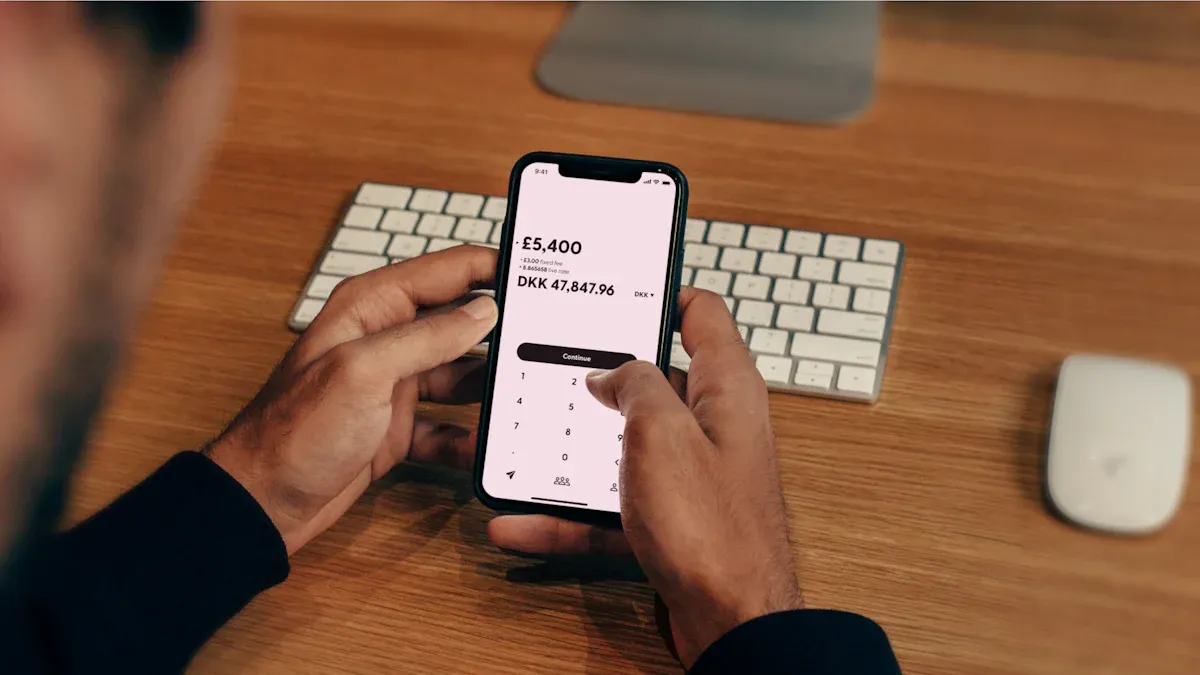
Image Source: unsplash
Analysis of Traditional Process
When you remit money to Mexico, you usually go through a series of complex traditional processes. Each step may introduce delays and uncertainty. Here are the common operation steps:
- Transfer initiation: You specify the remittance amount, fill in beneficiary information, select the funding source, and complete identity verification.
- Processing through the sending network: The service provider verifies your information, processes the payment, and performs currency conversion if necessary.
- Routing and correspondent banks: Funds pass through one or more intermediary banks responsible for message handling, settlement, and forex conversion.
- Payment through local network: Once funds reach Mexico, the beneficiary can withdraw them via local payment methods.
You will find that the entire process involves multiple layers, each of which can cause delays. The multi-layered structure of the traditional correspondent banking network makes fund flow slow, especially pronounced in cross-border remittances to Mexico.
Multi-Layer Intermediaries & Delays
During remittance to Mexico, funds often pass through multiple correspondent banks. Each intermediary bank must handle information, perform settlement, and conduct forex conversion. This multi-layered intermediary structure leads to:
- Waiting and processing time as funds move between different banks.
- Additional review and compliance procedures at each intermediary bank.
- Unpredictable routing, with funds possibly detouring through multiple locations, adding uncontrollable factors.
You may experience funds stalling at a certain step, causing significant extension of arrival time. The inefficiency of the traditional correspondent banking network makes it impossible to predict the exact arrival time of remittances to Mexico. Even if you choose well-known banks or international remittance services, delays caused by multiple intermediaries are still unavoidable.
Impact of Information Opacity
When remitting to Mexico, you often cannot clearly understand the fund flow and fee structure. Information opacity brings the following impacts:
Many users report that during remittance, there are deductions for intermediary bank fees, receiving bank fees, third-party provider fees, and more. Drip pricing is common — providers quote low initial rates but automatically add other fees at final settlement. Hidden costs prevent you from fully knowing the total expense before the transaction.
You cannot track funds in real time or confirm whether they have safely reached the beneficiary’s account. Information opacity not only affects your experience but also increases the risk of funds being lost or delayed. When remitting to Mexico, you are often left passively waiting, lacking active control over fund movement.
You have to face the inefficiency, delays, and opacity of the traditional correspondent banking network — these issues directly cause remittances to Mexico to be delayed or have unpredictable arrival times. Only by understanding these processes and impacts can you better choose new solutions.
Blockchain Improves Cross-Border Remittance
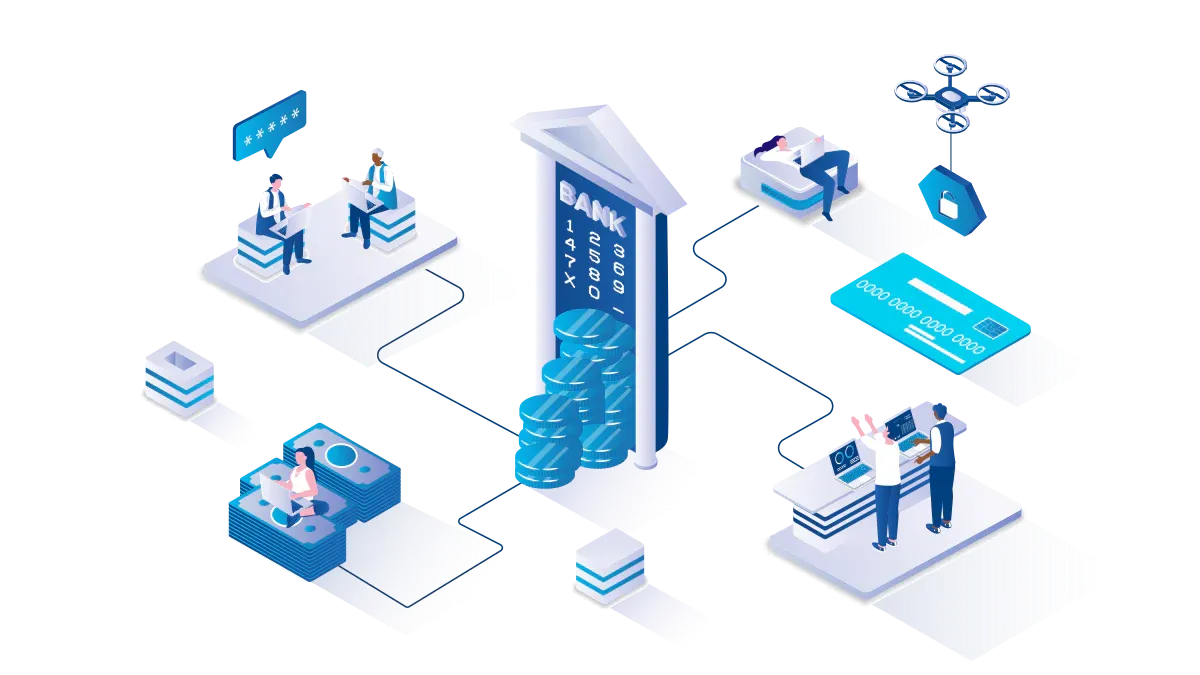
Image Source: unsplash
Principle of Bypassing Intermediaries
When conducting cross-border remittance, blockchain technology allows you to directly connect payer and payee, eliminating multiple intermediaries in the traditional correspondent banking network. Blockchain uses a decentralized distributed ledger where all transaction information is synchronized in real time, and no single party can control or tamper with the data alone. You no longer need to rely on multiple correspondent banks for fund transmission and information verification, greatly simplifying the remittance process.
- Blockchain eliminates unnecessary intermediaries, significantly reducing overall costs for clients.
- You can complete remittance peer-to-peer, with funds flowing directly from payer to payee account.
- Traditional remittance services can cost up to 11%, while blockchain remittance fees are typically only 2–3%.
- Transaction speed is greatly improved, often completing in minutes or even seconds.
You can choose blockchain platforms such as BiyaPay that support global receiving and payments to experience efficient cross-border payment without multiple intermediaries. BiyaPay supports real-time exchange between fiat and digital currencies, helping you directly convert USDT to USD or HKD when remitting to Mexico, further improving fund flow efficiency.
Near-Instant Settlement & Low Cost
When using traditional bank networks for cross-border remittance, you usually wait 1 to 5 business days for funds to arrive. Blockchain technology dramatically shortens settlement time — remittance to Mexico can be completed within 2 hours, with some platforms like BiyaPay supporting near-instant arrival. You no longer need to maintain large pre-funded balances at local banks, reducing capital occupancy costs.
| Method | Average Settlement Time |
|---|---|
| Traditional Bank Transfer | 1 to 5 business days |
| Blockchain Remittance | Less than 1 hour, usually within 2 hours |
- Through blockchain platforms, payment providers can directly convert USD to Mexican Pesos, with settlement completed in seconds.
- Blockchain transfers have lower and more predictable fees, avoiding intermediary fees and currency conversion markups in traditional SWIFT networks.
- In low-income countries, traditional remittance costs can reach 7%, while ODL solutions using XRP as a bridge asset can reduce transaction costs to about 0.3%.
You can enjoy low-cost, fast-arrival cross-border remittance through platforms like BiyaPay, especially suitable for businesses and individuals who frequently conduct international receiving and payments.
Transparency & Traceability
Blockchain technology brings unprecedented transparency and traceability. Every transaction is recorded on a public, immutable distributed ledger, allowing anyone to query fund flow and status in real time. You no longer worry about funds being lost or delayed in intermediary links and can track remittance progress at any time.
- Blockchain transparency promotes trust between sender and recipient.
- Transactions are fully traceable, ensuring fund security and transparency.
- Blockchain’s immutability and openness enhance the security of remittance transactions, with all transactions auditable in real time.
- You can track fund flows in real time through platforms like BiyaPay, eliminating uncertainty in traditional remittance methods.
| Aspect | Description |
|---|---|
| Traceability | Blockchain technology enables real-time auditing of transactions from origin to final destination, enhancing cross-border payment traceability. |
| Compliance | Blockchain complies with international standards (e.g., FATF Travel Rule), enabling compliance officers to perform proactive, transparent monitoring and supporting anti-money laundering (AML) efforts. |
When choosing a blockchain remittance platform, prioritize those with compliance qualifications and transparent operations to ensure fund security and legality. BiyaPay not only supports global receiving and payments but also provides digital currency trading services for US stocks and Hong Kong stocks fund inflows/outflows, meeting your diverse cross-border financial needs.
When comparing platforms, it also helps to check whether they offer practical tools alongside clear compliance disclosures. For example, the BiyaPay website includes a built-in exchange rate and conversion tool, which can be useful before sending funds to estimate live rates, conversion spreads, and likely transfer costs more transparently.
If your need goes beyond a one-time transfer, it is also worth reviewing whether the provider’s remittance service fits broader cross-border payment scenarios. BiyaPay is positioned as a multi-asset wallet, and it also discloses relevant regulatory registrations in jurisdictions such as the U.S. and New Zealand, making it a more grounded reference point when evaluating speed, transparency, and operational reliability.
Through blockchain technology, you can bypass the inefficiency and opacity of traditional correspondent banking networks and achieve faster, lower-cost, and more secure remittance to Mexico.
Blockchain Remittance Applications
Personal Remittance Process
When using a blockchain platform to remit to Mexico, you can experience an extremely simple and efficient process. Taking mainstream platforms like BiyaPay as an example, the entire process typically includes the following steps:
- You enter recipient information and transfer amount on the platform and select digital currency or fiat as the payment method.
- The blockchain network automatically verifies your account balance and transaction compliance to ensure fund security.
- The transaction is packaged and written to the blockchain ledger via consensus mechanism, with the entire process public and transparent.
- The recipient receives funds within minutes, without waiting for multi-layer review by traditional banks.
- If the recipient needs fiat currency, they can convert digital assets to Mexican Pesos or USD through the platform’s built-in exchange function or partner exchanges.
Throughout the process, you can choose multiple identity verification methods such as password, PIN, one-time password (OTP), or biometrics. The platform also implements end-to-end encryption and real-time fraud monitoring to protect funds and data security. In addition, platforms like BiyaPay strictly comply with anti-money laundering and customer identification regulations to ensure compliant cross-border payments.
Enterprise Payment Scenarios
As a business user, adopting blockchain platforms for cross-border payments can significantly reduce operating costs and improve fund flow efficiency. The table below shows the main advantages of cross-border payments via blockchain for enterprises:
| Advantage | Description |
|---|---|
| Low Cost | Stablecoin transaction fees are usually below $0.10, far lower than traditional international transfers of $15–50. |
| Fast Transaction Speed | Stablecoin settlement is near-instant, while traditional systems take 1–5 business days. |
| High Transparency | Blockchain ledger is fully traceable; enterprises can monitor every fund flow in real time. |
| 24/7 Availability | Stablecoin payments are not limited by bank business hours and support round-the-clock operation. |
| Reduced Settlement Risk | Peer-to-peer settlement eliminates intermediary dependency and reduces in-transit risk. |
| Strong Programmability | Stablecoins support smart contracts, enabling enterprises to automate payroll, supply chain settlement, and other complex processes with reduced manual intervention. |
You can use platforms like BiyaPay, combined with stablecoin and fiat accounts, to flexibly manage international receiving and payments, meeting diverse needs such as US market procurement and supply chain settlement. Blockchain technology provides enterprises with higher liquidity and financial transparency, helping enhance global competitiveness.
Mexico Market Case Studies
When choosing a blockchain platform for remittance to Mexico, you can refer to mainstream application cases in the Mexican market. Bitso, a leading crypto exchange in the US–Mexico corridor, processed over $6.5 billion in remittances in 2024, accounting for more than 10% of total cross-border remittances between the two countries. Coinbase also launched a crypto remittance pilot project targeted at Mexico, where users can instantly send cryptocurrency through its app, with no fees during the pilot period.
| Platform | Description | Transaction Volume |
|---|---|---|
| Bitso | Leading crypto exchange in the US–Mexico corridor, focused on cross-border remittances; processed over $6.5 billion in 2024. | Over $6.5 billion |
| Coinbase | Launched Mexico crypto remittance pilot; users can instantly transfer via app; no fees during pilot. | N/A |
You can select compliant and transparent blockchain platforms based on your needs and enjoy efficient, secure cross-border remittance experiences. Platforms like BiyaPay continue to optimize products, providing more convenient global receiving and payment solutions for Chinese-speaking users and helping you efficiently complete remittance to Mexico and other international payment scenarios.
Challenges & Future Outlook
Compliance & Regulation
When using blockchain remittance platforms, you must face Mexico’s complex regulatory environment. The Fintech Law, enacted in 2018, provided the first legal framework for virtual asset transactions. Financial institutions need approval from the Central Bank (Banxico) to conduct virtual asset-related business. Regulators emphasize anti-money laundering (AML) and counter-terrorism financing compliance to prevent misuse of cryptocurrencies. Mexico does not recognize cryptocurrencies as legal tender; financial entities can only conduct virtual asset transactions after obtaining Banxico authorization. You also need to note cumbersome licensing requirements and high compliance costs; platforms must strictly comply with KYC and AML regulations to ensure fund security.
| Evidence Type | Description |
|---|---|
| Legal Framework | The 2018 Fintech Law is the key legislation regulating virtual asset transactions in Mexico |
| Regulatory Requirements | Financial institutions must obtain Banxico approval to conduct virtual asset transactions |
| Compliance | Emphasizes AML and counter-terrorism financing laws to prevent cryptocurrency abuse risks |
User Adoption
When choosing blockchain remittance platforms, user adoption is a key influencing factor. Mexico’s digital payment penetration rate continues to rise, with clear user demand for lower transaction costs and improved security. You will find that security and privacy protection are major user concerns. Changes in the regulatory environment also affect user trust in platforms. Platforms like Bitso have gained significant user favor due to cost and time savings. The application of blockchain technology in Mexico’s remittance market is gradually expanding, with user adoption rates steadily increasing.
- Rising digital payment penetration drives higher user adoption
- Cost reduction is the main driving force
- Security and privacy protection influence user choice
- Regulatory environment determines platform trust level
| Evidence Source | Main Content |
|---|---|
| Mexico Crypto Economy | Mexico ranks among the global leaders in cryptocurrency adoption, with remittances as a major driver |
| Innovation Drives Efficiency | Bitso processed over $6.5 billion in remittances in 2024 with high user adoption |
| Mexico Remittance Market | Blockchain improves transaction speed and reduces costs |
Development Trends
When looking at the future development of blockchain remittance technology, you can see digitization and regulatory support as the main drivers. It is expected that over the next five years, Mexico’s blockchain remittance market will grow at a compound annual growth rate (CAGR) of 4.01%. The rise of mobile payment platforms and digital wallets makes cross-border remittance more convenient and economical. By 2025, more than 60% of remittance transactions are expected to occur through digital channels, with traditional methods gradually being replaced by digital alternatives. You will experience greater convenience and lower transaction fees, with platform innovation capabilities continuously improving to meet diverse needs of global migrants and businesses.
| Forecast Indicator | Expected Growth Rate | Influencing Factors |
|---|---|---|
| Growth Rate | 4.01% CAGR | Digitization, regulatory support, increasing cross-border migration |
- Mobile payments and digital wallets drive remittance convenience
- Digital channel transaction share continues to rise
- Transaction fees gradually decrease, user experience improves
You can significantly improve the speed, reduce costs, and gain higher transparency for cross-border transfers to Mexico through blockchain remittance platforms.
- Crypto remittances are usually completed in minutes with fees below 1%, far superior to traditional multi-layered intermediary models.
- Platforms like Bitso processed over $3.3 billion in remittances in 2023, demonstrating the real-world effectiveness of blockchain solutions.
| Feature | Blockchain Remittance Platforms | Traditional Methods |
|---|---|---|
| Speed | Direct, near-instant | May take days |
| Cost | Lower, reduced intermediary fees | Higher, involves multiple banks |
| Transparency | Clear fees and exchange rates | Opaque information, unclear fees |
When selecting a platform, proactively understand KYC and AML regulations and prioritize compliant, transparent service providers to ensure fund security. Blockchain technology is driving global remittance transformation — you can seize this trend and experience more efficient international payment methods.
FAQ
Is blockchain remittance to Mexico safe?
You can conduct blockchain remittances through compliant platforms. Platforms use end-to-end encryption and real-time monitoring, with fully traceable fund flows. Ensure the platform has legal qualifications and strictly implements KYC and AML regulations.
How does blockchain remittance save costs?
When remitting via blockchain platforms, you usually pay only 2–3% in fees. Traditional bank transfers can cost up to 11%. Blockchain eliminates multiple intermediaries, reducing remittance costs with transparent fee structures.
How long does it take for remittance to Mexico to arrive?
When using blockchain platforms to remit to Mexico, funds typically arrive within 2 hours. Some platforms support near-instant settlement. Traditional bank transfers may take 1 to 5 business days.
What identity verification is required for the remittance process?
When operating on blockchain platforms, you need to complete multiple identity verifications. Platforms support password, PIN, one-time password, and biometrics. Identity verification ensures fund security and prevents fraud risks.
What compliance requirements do Mexico blockchain remittance platforms have?
When selecting a platform, pay attention to Mexico’s Fintech Law. Platforms must obtain Banxico approval and strictly implement anti-money laundering and counter-terrorism financing regulations. Compliant platforms ensure fund security and legality.
*This article is provided for general information purposes and does not constitute legal, tax or other professional advice from BiyaPay or its subsidiaries and its affiliates, and it is not intended as a substitute for obtaining advice from a financial advisor or any other professional.
We make no representations, warranties or warranties, express or implied, as to the accuracy, completeness or timeliness of the contents of this publication.
Related Blogs of

How Does NAND Price Increase Affect SanDisk? Enterprise SSDs, Consumer Storage, and Margin Leverage


How Is China’s Memory Supply Chain Different from Overseas Memory Leaders? A Comparison with Micron, SanDisk, Western Digital, and Seagate


How to Read NAND Contract Prices and Spot Prices? Why Enterprise SSDs and Consumer SSDs Do Not Move in Sync


Why Can’t HBM Exist Without Advanced Packaging? The Role of TSV, CoWoS, and Packaging Equipment

Choose Country or Region to Read Local Blog
 Australia
 Austria
 Belgium
 Canada
 Cyprus
 Czech Republic
 Denmark
 Estonia
 Finland
 France
 Germany
 Greece
 Hong Kong
 India
India Indonesia
 Ireland
 Italy
Italy Japan
Japan Latvia
 Lithuania
 Luxembourg
 Malaysia
 Malta
Malta Morocco
 Nepal
Nepal Netherlands
 New Zealand
 Norway
 Pakistan
 Philippines
 Poland
 Portugal
 Romania
 Singapore
 Slovakia
 Slovenia
 South Africa
 South Korea
 Spain
Spain Sweden
 Thailand
 The United States
 Turkey
 United Arab Emirates
 United Kingdom
 Vietnam
Contact Us




BIYA GLOBAL LLC is registered with the Financial Crimes Enforcement Network (FinCEN), an agency under the U.S. Department of the Treasury, as a Money Services Business (MSB), with registration number 31000218637349, and regulated by the Financial Crimes Enforcement Network (FinCEN).
BIYA GLOBAL LIMITED is a registered Financial Service Provider (FSP) in New Zealand, with registration number FSP1007221, and is also a registered member of the Financial Services Complaints Limited (FSCL), an independent dispute resolution scheme in New Zealand.