Shopify Independent Store Sellers' Ultimate Settlement Tool: Integrate Multi-Currency Wallet to Bypass High Third-Party Payment Gateway Fees




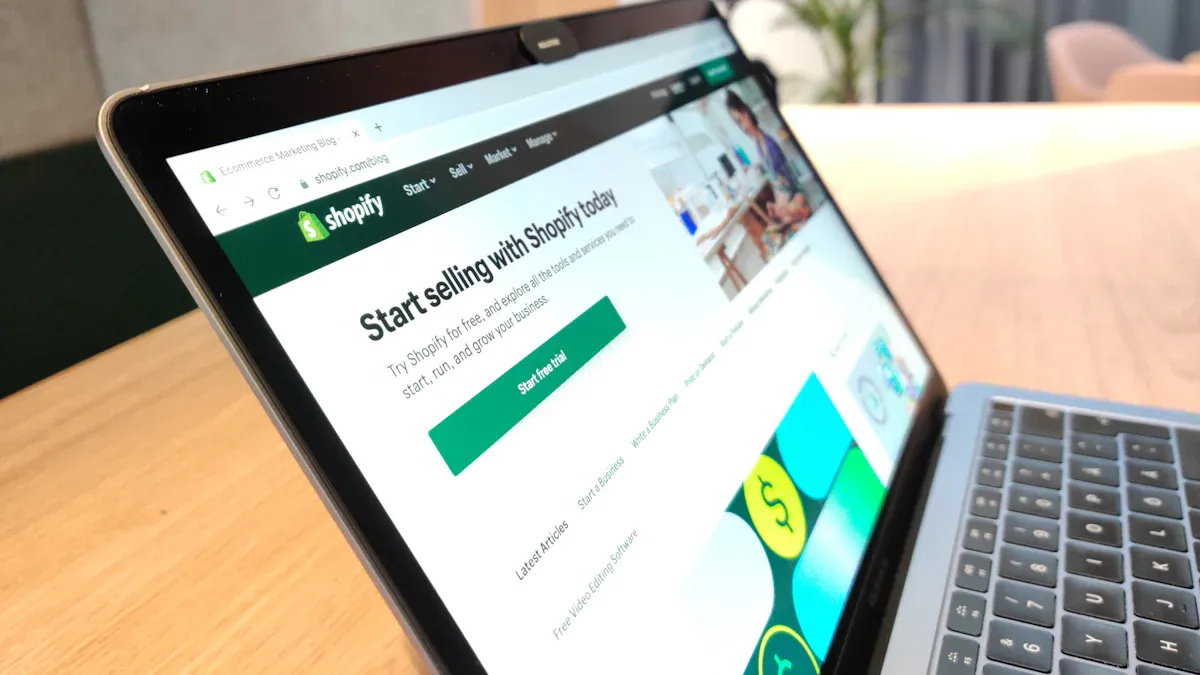
Image Source: unsplash
You are often troubled by the high payment gateway fees on your Shopify independent store. As an ultimate settlement tool, a multi-currency wallet opens up a new efficient path for settlement. You can directly receive mainstream currencies such as USD this way, bypass cumbersome processes, and significantly reduce settlement costs. You will find that a smart choice of settlement tool provides real help in increasing profits.
Core Points
- A multi-currency wallet allows you to directly receive customers’ local currencies, avoiding high payment gateway fees and expanding profit margins.
- Using a multi-currency wallet can increase conversion rates — data shows local currency payment can boost conversion by 58%.
- When selecting a suitable wallet, focus on settlement speed, fees, and security to ensure fund safety and compliance.
- Regularly settle wallet balances to bank accounts to improve capital turnover efficiency and avoid high third-party payment fees.
- Pay attention to exchange rate fluctuations, use multi-currency accounts to manage funds, reduce financial risks, and ensure accurate settlement.
How the Ultimate Settlement Tool Works and Its Advantages
Image Source: unsplash
How Multi-Currency Wallets Work
In operating your Shopify independent store, you often encounter customers from different countries and regions. A multi-currency wallet provides you with flexible payment collection methods. At checkout, customers can choose the local currency they are familiar with, and the wallet system automatically processes the payment in that currency. If needed, the system can also perform real-time currency conversion. Ultimately, you receive the settlement in your preferred currency (such as USD) without manual exchange and without relying on cumbersome traditional banking processes.
Multi-currency wallets let customers transact in their local currency while merchants settle in their target currency, eliminating currency mismatch and checkout friction, and improving trust in international transactions. Compared with traditional bank transfers, settlement is faster — some wallets like BiyaPay also support integration with modern payment networks or blockchain networks for near-instant arrival.
Logic Behind Bypassing Payment Gateway Fees
If you choose Shopify Payments or third-party payment gateways, you often bear relatively high fees. Taking mainstream gateways as examples:
| Gateway | Fee Structure |
|---|---|
| Authorize.net | Approximately $25/month + 2.9% + $0.30 per transaction |
| Square | Approximately 2.6% + $0.10 per transaction |
| Braintree | Approximately 2.59% + $0.49 per transaction |
You also need to pay Shopify’s additional transaction fees. The total cost per transaction rises significantly with sales volume, and international transactions or currency conversions incur extra charges. As an ultimate settlement tool, a multi-currency wallet lets you directly receive the foreign currency paid by customers, reducing intermediary links, bypassing high gateway commissions, and expanding profit margins.
Core Advantages of the Ultimate Settlement Tool
After adopting the ultimate settlement tool, you can gain the following advantages:
- 99% of international shoppers prefer to checkout in their local currency and payment method — a smooth payment experience can significantly improve conversion rates.
- When customers pay in a familiar currency, hesitation decreases — data shows local currency payment can increase conversion by 58%.
- Multi-currency wallets simplify cross-border payment management, improve financial transparency, and allow you to focus more on business growth.
- Offering local currency payment eliminates customer confusion, avoids unexpected fees, and builds greater trust.
- You can reduce foreign exchange and handling fee expenses, retaining more revenue.
If your focus is not only on collecting payments, but also on keeping collection, balance retention, and later settlement within one capital workflow, then visible cost control becomes important. Through the BiyaPay website, you can view multi-currency fund distribution in one place and use its exchange rate comparison tool to judge the real cost of settling at different times. If funds later need to be sent to suppliers or other overseas accounts, its remittance service can also be used for the next step. In practice, it works more like a multi-asset trading wallet covering cross-border payments, fund management, and asset allocation scenarios. With relevant registrations and licenses in jurisdictions such as the United States and New Zealand, it fits naturally into a Shopify settlement setup that values cost control and compliance records.
Taking BiyaPay as an example, Chinese-speaking users can leverage its global payment, international remittance, real-time fiat-to-crypto conversion, and other services to flexibly meet different market demands. You can also convert USDT and other digital currencies to USD or HKD through BiyaPay, and support fund deposits and withdrawals for US stocks and Hong Kong stocks, further expanding your business boundaries.
Shopify Integration Process
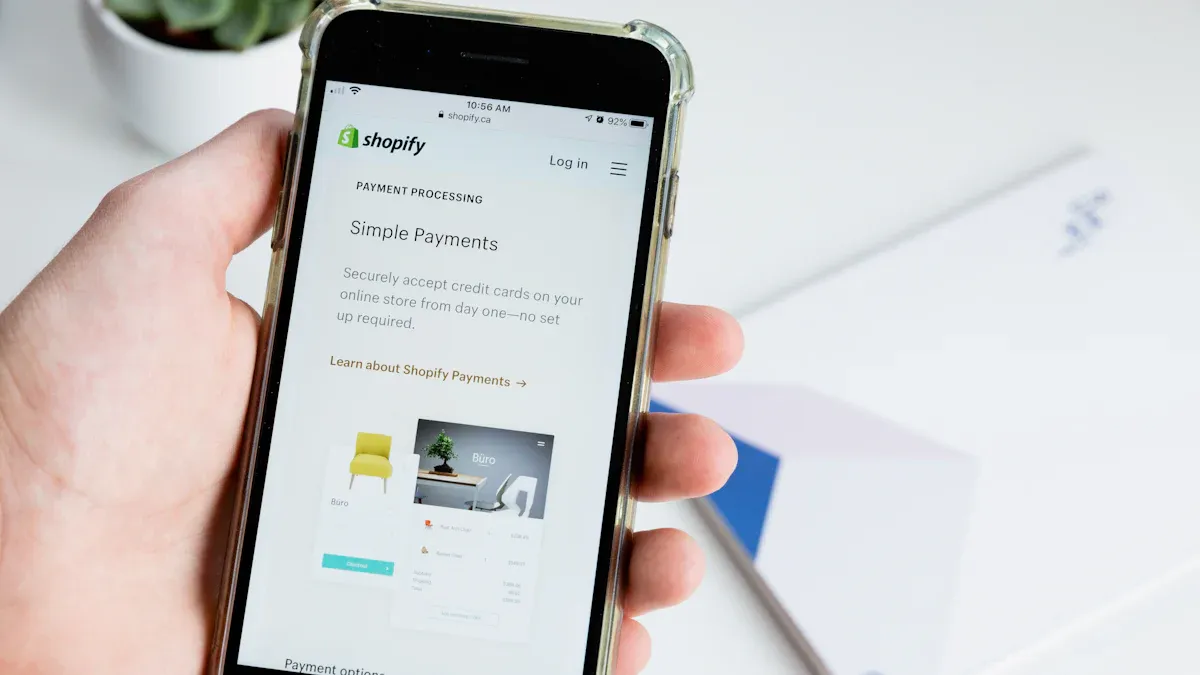
Image Source: unsplash
Multi-Currency Wallet Selection
When choosing a multi-currency wallet, you need to focus on several core elements. First, confirm whether the wallet supports integration with the Shopify platform. Mainstream multi-currency wallets like BiyaPay typically provide dedicated receiving accounts for Shopify sellers, supporting USD, EUR, HKD, and many other major currencies. You should also consider the wallet’s settlement speed, fee structure, fund security, and whether it holds proper compliance licenses.
It is recommended to prioritize wallet providers licensed in Hong Kong or other international financial centers — such platforms generally offer higher fund security and compliance capabilities. By comparing settlement times, supported currencies, withdrawal methods, etc. across different wallets, you can find the ultimate settlement tool best suited to your business needs.
Common multi-currency wallet comparison examples:
| Wallet Platform | Supported Currencies | Settlement Speed | Main Advantages |
|---|---|---|---|
| BiyaPay | USD, HKD, EUR, USDT, etc. | Usually within 1 business day | Supports fiat-to-crypto conversion, flexible deposits/withdrawals, ideal for Chinese-speaking users |
| Airwallex | USD, EUR, GBP, etc. | Most transactions under 1 business day | Local payment networks, fast settlement, low fees |
| Wise | USD, EUR, GBP, etc. | 1–2 business days | Transparent fees, supports multi-currency accounts |
You can flexibly choose the most suitable wallet platform based on your business coverage areas, customer payment habits, and settlement needs.
Account Binding Process
After selecting a multi-currency wallet, you need to bind the wallet account to your Shopify store. The general process is as follows:
- Register on the wallet platform and complete identity verification to obtain dedicated receiving account information (e.g., USD receiving account).
- Log in to the Shopify admin, go to “Settings” > “Payments,” and select “Add custom payment method” or “Third-party payment service.”
- Enter the receiving account information provided by the wallet platform, including account name, account number, bank code, etc.
- Follow the wallet platform’s instructions to complete account verification and test payment flow, ensuring funds can arrive smoothly.
- Some wallets like BiyaPay support API integration — you can use the API to automate payment collection and settlement, improving operational efficiency.
During the binding process, be sure to double-check account information to avoid fund delays due to input errors. It is recommended to prioritize wallets that support local clearing networks to shorten settlement cycles and improve capital turnover efficiency.
Payment Collection and Settlement Operations
After completing account binding, customers can choose to pay in their local currency when placing orders on Shopify. The multi-currency wallet automatically receives the foreign currency paid by the customer and performs real-time conversion or retains the original currency based on your settings. You can view the arrival status and settlement progress of each transaction in real time in the wallet dashboard.
- Most mainstream wallets like Airwallex typically complete settlement in less than one business day, especially when using local payment networks.
- Settlement time varies depending on currency, payment method, and country. In some cases, fund clearing may take 1–2 business days.
- You can flexibly choose to convert funds to target currencies such as USD or HKD, or directly withdraw to a Hong Kong licensed bank account.
- BiyaPay also supports real-time conversion between USDT and other digital currencies with USD and HKD, meeting your settlement and fund allocation needs in different markets.
In daily operations, you can periodically settle wallet balances to designated bank accounts or use them for international remittances, supplier payments, and other scenarios. The ultimate settlement tool not only improves capital turnover efficiency but also helps you avoid high third-party payment gateway commissions, maximizing profits.
Risks and Precautions
Compliance and Fund Security
When using a multi-currency wallet as an ultimate settlement tool, you must attach great importance to compliance and fund security. Different countries and regions impose strict tax and compliance requirements on cross-border e-commerce. You need to reasonably configure Shopify’s tax settings based on customers’ regions to ensure a smooth and accurate checkout process. The table below summarizes common compliance requirements:
| Compliance Requirement | Description |
|---|---|
| Country-specific VAT and compliance logic | Tax regulations vary greatly by country — configure tax settings based on shopper region to ensure accurate checkout. |
| Payment diversity | Different markets require support for preferred local payment methods to improve payment success rates. |
| Fixed pricing | Some market customers expect to see fixed prices rather than real-time exchange rate conversions. |
| Bilingual checkout flow | Multi-currency logic must run seamlessly in multilingual stores to ensure consistent pricing and taxes. |
You also need to pay attention to the wallet platform’s security features. Mainstream multi-currency wallets typically adopt multi-signature, industry-standard security tools, and anti-fraud mechanisms to protect funds. The following table shows common security measures:
| Security Feature | Description |
|---|---|
| Fraud and security threat prevention | Uses advanced security technologies to defend against various fraud and cyberattacks. |
| Secure implementation | Employs industry-standard security tools to protect wallet and transaction data. |
| Multi-signature wallet | Requires multiple identity verifications to enhance account security level. |
When selecting a wallet platform, it is recommended to prioritize those with industry certifications such as SOC 2 Type II — such platforms generally offer higher guarantees in security and compliance.
Exchange Rate Fluctuations
During cross-border settlement, exchange rate fluctuations directly affect profits and cash flow. Common risks include:
- Unexpected financial losses
- Reduced profit margins
- Cash flow issues
- Pricing difficulties in international markets
You can adopt multiple strategies to mitigate exchange rate risk. For example, use multi-currency accounts to manage funds in different currencies, closely monitor real-time exchange rates, or improve payment predictability through rate locking and foreign exchange management tools. Automated payment systems can also check exchange rates in real time to ensure accurate settlement and reduce losses from fluctuations.
Wallet Platform Selection Recommendations
When choosing a multi-currency wallet platform, you should comprehensively consider the following factors:
- Security: The platform must comply with international security standards such as PCI DSS and support hosted or tokenization solutions.
- Compliance: The platform should meet data localization and tax regulation requirements.
- Payment methods: Support for credit cards, digital wallets, local payments, and other methods to meet diverse customer needs.
- Cost structure: Carefully evaluate transaction fees, currency conversion fees, and other additional charges.
- User experience: The platform should be easy to integrate with a simple and efficient checkout flow.
You should also pay attention to the platform’s industry certifications and service guarantees, such as SOC 2 Type II certification, uptime SLAs, etc. These standards help improve the platform’s reliability and compliance, ensuring the safety of your funds and data.
By adopting a multi-currency wallet settlement solution, you can significantly reduce operating costs for your Shopify independent store and enhance competitiveness in international markets. You will find that wallet integration allows you to flexibly select currencies, set product prices, and manage foreign exchange risk. In actual operations, you may face challenges such as limited integration options, third-party fees, and multi-platform management. You can simplify settlement processes through transparent fee structures and automated systems. You should continuously monitor industry policies and compliance developments, safeguard fund security, and ensure steady business growth.
FAQ
Is a Multi-Currency Wallet Suitable for All Shopify Sellers?
You can decide whether to adopt a multi-currency wallet based on your business scale and customer distribution. If you have a large number of international orders, a multi-currency wallet can effectively reduce settlement costs and improve capital turnover efficiency.
How Long Does It Take to Settle Funds to a Hong Kong Licensed Bank Account?
You can usually complete settlement within 1–2 business days. Some wallet platforms using local clearing networks can further shorten arrival time and improve capital turnover speed.
How Does a Multi-Currency Wallet Ensure Fund Security?
When you choose mainstream wallet platforms, they adopt multi-signature, industry-standard security tools, and anti-fraud mechanisms. You can also enhance account security through two-factor authentication.
Are There Additional Fees When Using a Multi-Currency Wallet?
When using a multi-currency wallet, you need to pay attention to the platform’s transaction fees, currency conversion fees, and withdrawal fees. By comparing fee structures across different platforms, you can select the optimal solution and reduce overall costs.
Which Mainstream Currencies Does a Multi-Currency Wallet Support?
You can receive mainstream currencies such as USD, EUR, HKD, etc. Some platforms also support digital currencies like USDT, meeting your settlement and fund allocation needs in different markets.
*This article is provided for general information purposes and does not constitute legal, tax or other professional advice from BiyaPay or its subsidiaries and its affiliates, and it is not intended as a substitute for obtaining advice from a financial advisor or any other professional.
We make no representations, warranties or warranties, express or implied, as to the accuracy, completeness or timeliness of the contents of this publication.
Related Blogs of

Micron MU vs Western Digital WDC: Which Logic Is Stronger, AI Memory or Data Center Hard Drives?


Is Hua Hong Semiconductor 1347.HK Related to Memory? Mature Nodes, Embedded Applications, and the Semiconductor Cycle


How to Read the Inventory Cycle of Memory Stocks? Inventory, Customer Restocking, and Price Inflection Signals


Micron MU vs Seagate STX: Who Benefits More from AI Server Memory and Nearline Hard Drives?

Choose Country or Region to Read Local Blog
 Australia
 Austria
 Belgium
 Canada
 Cyprus
 Czech Republic
 Denmark
 Estonia
 Finland
 France
 Germany
 Greece
 Hong Kong
 India
India Indonesia
 Ireland
 Italy
Italy Japan
Japan Latvia
 Lithuania
 Luxembourg
 Malaysia
 Malta
Malta Morocco
 Nepal
Nepal Netherlands
 New Zealand
 Norway
 Pakistan
 Philippines
 Poland
 Portugal
 Romania
 Singapore
 Slovakia
 Slovenia
 South Africa
 South Korea
 Spain
Spain Sweden
 Thailand
 The United States
 Turkey
 United Arab Emirates
 United Kingdom
 Vietnam
Contact Us




BIYA GLOBAL LLC is registered with the Financial Crimes Enforcement Network (FinCEN), an agency under the U.S. Department of the Treasury, as a Money Services Business (MSB), with registration number 31000218637349, and regulated by the Financial Crimes Enforcement Network (FinCEN).
BIYA GLOBAL LIMITED is a registered Financial Service Provider (FSP) in New Zealand, with registration number FSP1007221, and is also a registered member of the Financial Services Complaints Limited (FSCL), an independent dispute resolution scheme in New Zealand.