Multi-Platform Diversified Withdrawal Strategy: Don’t Put All Your Eggs in One Basket – Build Your Compliant Withdrawal Whitelist





Image Source: unsplash
In fund management, you often hear the risk principle of “don’t put all your eggs in one basket.” A multi-platform diversified withdrawal strategy allows you to reduce single-platform risk and improve fund safety and liquidity. During market liquidity crises, traders quickly move assets to stablecoins or exit the market to protect fund safety. If you rely on only one platform, a fund freeze will leave you without control. Diversified operations give you more options and greater fund freedom.
Key Takeaways
- Diversified withdrawal strategy reduces single-platform risk and improves fund safety and liquidity.
- Establish a compliant withdrawal whitelist to ensure funds flow only to verified addresses and prevent unauthorized withdrawals.
- Regularly review platform security measures and compliance policies; choose trading platforms with robust identity verification.
- A scientific fund allocation logic helps optimize returns while avoiding excessive diversification that increases management difficulty.
- Focus on compliance and tax issues to ensure every fund flow complies with relevant regulations and reduces legal risk.
Multi-Platform Diversified Withdrawal Strategy and Risk Prevention
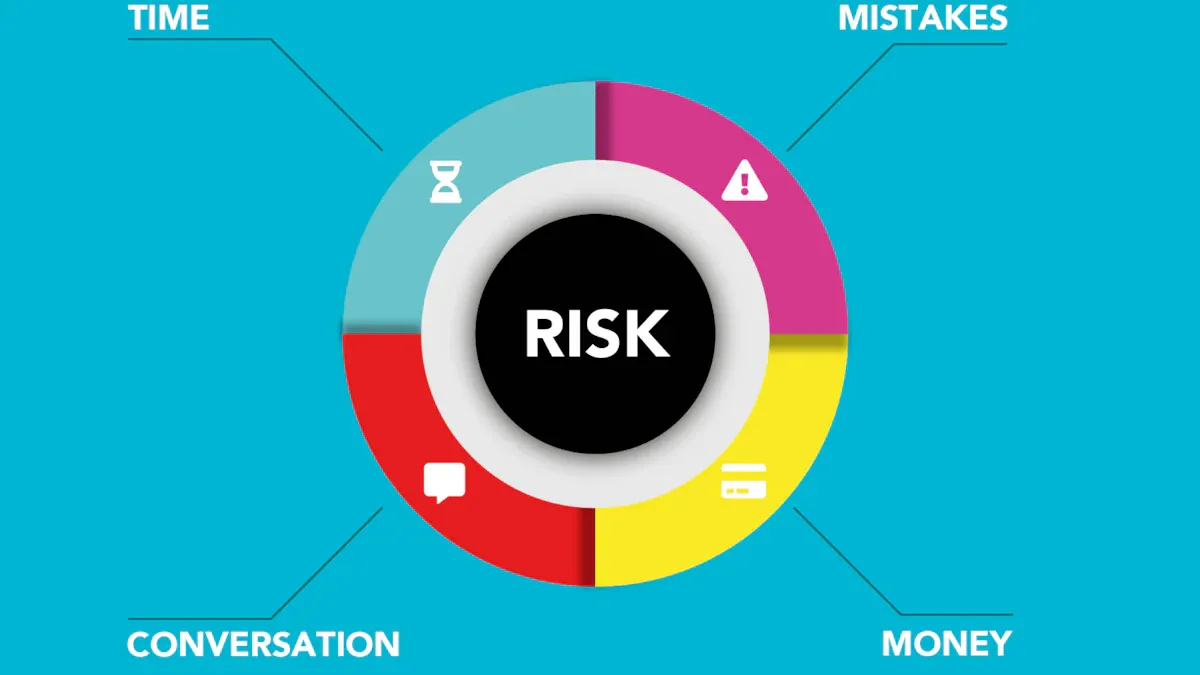
Image Source: pexels
Risks of a Single Platform
If you rely solely on one platform for fund management, you are easily exposed to sudden risks. History shows multiple platform failures or security incidents in the U.S. market that prevented users from withdrawing funds in time. For example:
- Piper Alpha disaster: In 1988, an oil and gas platform off the coast of Aberdeen exploded, killing 167 workers. Inadequate maintenance and safety procedures caused a gas leak that triggered a fire. Although an energy industry case, it illustrates the severe consequences of single-platform risk.
- Alexander Kielland platform collapse: In 1980, the platform suffered a structural fatigue crack and ultimately collapsed, resulting in major losses. A single point of failure on the platform led to irreversible fund and asset losses.
- AI Impact Summit losses: Some users lost materials and credentials related to the AI Impact Summit due to platform failure, preventing participation in key events and affecting professional reputation and preparation.
In the financial sector, you will encounter similar risks. If a single platform experiences system failure, policy changes, or fund freezes, both fund safety and liquidity will be threatened. You will be unable to respond quickly to market changes and may fall into a passive position.
Advantages of Diversified Withdrawals
A multi-platform diversified withdrawal strategy allows you to effectively reduce single-point-of-failure risk. By spreading funds across multiple platforms, you enhance overall fund safety. You can respond flexibly to market fluctuations and avoid fund restrictions due to issues with a single platform. Recent research shows:
- Multi-platform withdrawals help improve fund liquidity. You can quickly adjust fund allocation based on market conditions.
- In decentralized finance (DeFi) environments, diversified withdrawals reduce liquidity crises. If major depositors withdraw simultaneously without repaying loans, crises can be triggered. Diversified operations lower systemic risk.
- Large transactions in low-liquidity markets easily cause price slippage. By diversifying funds, you reduce the impact of trades on market prices.
- Interoperability and composability of DeFi protocols deepen connections between platforms. Diversifying funds lowers systemic risk from failure of a single protocol.
- Impermanent loss is a unique DeFi risk. Diversifying funds reduces the impact of temporary asset value decreases.
By adopting a multi-platform diversified withdrawal strategy, you not only improve fund safety but also enhance liquidity and return potential. You can optimize fund allocation based on the policies and market performance of different platforms to boost overall returns.
Risk Prevention Essentials
When implementing a multi-platform diversified withdrawal strategy, you need to focus on risk prevention measures. The table below summarizes key risk control measures and their descriptions:
| Risk Control Measure | Description |
|---|---|
| Ensure legitimate user withdrawals | Identity verification ensures only legitimate users can withdraw funds. |
| Document scanning | Users scan ID documents for digital identity verification to confirm authenticity. |
| Liveness detection | Users take selfies; technology ensures image authenticity. |
| Data validation | Automatically checks user age, geographic location, etc., to ensure compliance. |
| Multi-biometric factors | Integrates multiple biometric factors such as voice and fingerprint for added security. |
| Transaction security | Implements authentication measures to ensure only authorized users can withdraw. |
| Reduce fraud risk | Real-time monitoring and pattern analysis to detect and prevent fraudulent transactions. |
| Compliance | Ensures withdrawals comply with anti-money laundering and customer identification regulations, reducing legal and financial risk. |
You need to regularly review the security measures and compliance policies of each platform. Prioritize trading platforms with robust identity verification and real-time monitoring. Through multi-biometric factors and data validation, you enhance fund safety. Focus on compliance to ensure fund flows meet relevant U.S. and mainland China regulations, reducing legal and financial risks.
When adopting a multi-platform diversified withdrawal strategy, you must combine risk prevention essentials and dynamically adjust fund allocation to maximize fund safety and liquidity.
Diversified Withdrawal Principles and Process
Fund Allocation Logic
When implementing a multi-platform diversified withdrawal strategy, you must first establish a scientific fund allocation logic. Reasonable allocation not only improves fund safety but also optimizes overall returns. You can refer to the following three common allocation frameworks:
- Allocation strategy: You need to define how funds are allocated across different platforms. You can set allocation percentages for each platform based on security, liquidity, and historical performance. This effectively diversifies risk and avoids total impact from a problem on a single platform.
- Tagging strategy: You can label each fund flow to indicate purpose, source, and target platform. This helps track fund movements and ensures every operation meets compliance requirements.
- Shared cost strategy: When multiple platforms share certain resources or services, you need to allocate related costs reasonably. You can apportion these expenses proportionally to each platform’s budget to maintain overall fund structure health and transparency.
By adopting these logical frameworks, you make the multi-platform diversified withdrawal strategy more scientific and efficient.
Operation Process Overview
In actual operations, you need to follow a standardized process to ensure every step is compliant and secure. The following are typical steps for multi-platform diversified withdrawals:
- Complete Level 1 and Level 2 verification. You need to submit identification documents and proof of address in certain regions to obtain higher withdrawal limits.
- Bind and verify payment methods. You can add bank accounts, PayPal, or debit cards; account names must match your profile.
- Check withdrawal limits for each platform. You can view these in account settings; limits vary by region and payment method.
- Enable two-factor authentication. It is recommended to use an authenticator app to further enhance account security.
- Add withdrawal whitelist (if supported by the platform). You can add frequently used accounts to the whitelist to restrict funds to approved accounts only, reducing theft risk.
- Log in to the platform and select the fund plan or asset to withdraw.
- Choose redemption type: full, partial, or specified amount.
- Confirm recipient account information, then submit the withdrawal request after ensuring accuracy.
By following the above process, you can standardize fund flows, improve withdrawal efficiency, and ensure compliance and safety.
Platform Selection and Compliance
Platform Selection Criteria
When selecting withdrawal platforms, you need to focus on several core criteria. Different withdrawal methods suit different needs. You can refer to the table below to compare common withdrawal methods:
| Withdrawal Method | Processing Time | Minimum Withdrawal | Suitable Users |
|---|---|---|---|
| Cryptocurrency USDT-ERC20 | 28–48 working hours | $50 | Traders comfortable with crypto and needing fast access |
| Bank transfer (Hong Kong licensed bank) | 2–7 working days | Varies | Those preferring traditional banking methods |
| E-wallet (PayPal, Wise) | Varies by provider | Varies | International traders needing wide acceptance |
You should select platforms and methods reasonably based on your fund flow needs, withdrawal speed, and minimum amount requirements. You also need to check whether the platform supports multi-currency settlement and easy integration with China/mainland China accounts.
Compliance and Security
During platform selection, you must prioritize compliance and security. Hong Kong licensed banks typically have strict regulatory systems that safeguard fund safety. You should verify whether the platform requires KYC identity verification and enforces anti-money laundering policies. You also need to examine the platform’s data encryption measures and multi-factor authentication mechanisms. Compliant platforms regularly update policies to meet mainland China and international regulatory requirements. Choosing compliant platforms helps reduce the risk of fund freezes or investigations.
If you are building your own withdrawal whitelist, it is usually more useful to verify three things first rather than only counting how many platforms you use: which platforms are workable, which receiving accounts are acceptable, and which fund paths can later be explained clearly. You can start with the BiyaPay official website to understand how its multi-asset trading wallet is used across cross-border payments, trading, and fund management scenarios, and then check its announcements for rule updates, restrictions, and process changes. The practical benefit is that your whitelist becomes more than just a list of withdrawal destinations; it also becomes a cleaner framework for explaining fund flows and intended use during later reviews, re-checks, or account exceptions. BiyaPay also discloses relevant registrations and licensing information in jurisdictions including the United States and New Zealand, which is useful to review when screening for compliant platforms.
Tip: You should regularly follow platform announcements and adjust withdrawal strategies promptly to ensure operations remain compliant.
Market Reputation Considerations
When evaluating platforms, you cannot ignore market reputation. You can judge from the following dimensions:
- Clarity of rules
- Transparency of payments
- Consistency of support
- Reliability of completing withdrawals when traders meet terms
You can review industry reports, user reviews, and third-party evaluations to understand real-world platform performance. Choosing platforms with good reputation helps improve withdrawal experience and reduce unnecessary disputes and delays.
Building a Compliant Withdrawal Whitelist

Image Source: unsplash
Whitelist Definition
When implementing a multi-platform diversified withdrawal strategy, you must understand what a compliant withdrawal whitelist is. A whitelist refers to a list of specific addresses or accounts that the platform has reviewed and approved for fund withdrawals. You can understand the essence of a whitelist through the following points:
- The whitelist contains verified individuals, entities, or wallet addresses; the platform allows withdrawals only to these addresses.
- After you set a whitelist on an exchange, only withdrawals to your verified addresses can be completed.
- The whitelist mechanism prevents unauthorized users from transferring funds to unapproved addresses even if they gain account access.
- This security measure significantly improves account safety and reduces the risk of asset theft.
In digital asset management, the whitelist is an important tool for ensuring fund safety and compliant flows. Many mainstream platforms like Biyapay provide flexible whitelist management features for Chinese-speaking users, helping you achieve compliant withdrawals.
Setup Steps
You need to follow a standardized process to establish a compliant withdrawal whitelist. This ensures every fund flow is traceable and verifiable. You can refer to the following steps:
- Go to the platform homepage, click the profile icon, enter “Your Profile” page, select “Wallet,” then go to “Deposit & Withdrawal,” find “Withdrawal Whitelist,” and choose “Add Withdrawal Address.”
- Select address type. You can choose “Standard” address (dedicated to a single token) or “Universal” address (applicable to multiple tokens of the same standard).
- Fill in relevant fields according to your needs. Standard addresses require selecting coin and network; universal addresses require only selecting network.
- Enter detailed information, including the wallet address you wish to add to the whitelist, the wallet source platform, and a custom label name.
- To add multiple addresses, click “More Addresses” and fill in information for each separately.
- After completing all information, click “Continue.”
- Follow the prompts to enter the one-time password (OTP) and two-factor authentication (2FA) code, then click “Confirm” to complete whitelist setup.
When operating on platforms like Biyapay, the entire process is clear and transparent. The platform guides you step by step through all verifications to ensure every address undergoes strict review. By following this process, you can effectively prevent funds from flowing to unknown accounts and enhance overall security.
Dynamic Management
After establishing a whitelist, you cannot set it and forget it. You need to regularly manage and update the whitelist dynamically to ensure fund flows remain compliant and secure. You can take the following measures:
- Periodically review all addresses on the whitelist and remove accounts no longer in use or posing security risks.
- Monitor platform policy changes and adjust whitelist settings promptly to prevent fund restrictions due to policy updates.
- Combine multi-platform diversified withdrawal strategies and flexibly adjust whitelist addresses across platforms to ensure reasonable fund distribution.
- Record the reason and time of each whitelist change for subsequent compliance audits and risk tracing.
- Upon detecting abnormal logins or security incidents, immediately freeze or modify the whitelist to prevent asset loss.
By dynamically managing the whitelist, you can respond to market and policy changes and safeguard fund safety. Platforms like Biyapay provide convenient whitelist management tools for Chinese users, allowing you to adjust and optimize your withdrawal account list anytime to ensure compliant and efficient withdrawals.
Key Points of Diversified Withdrawal Operations
Fund Allocation and Limits
When performing multi-platform diversified withdrawals, a scientific fund allocation strategy is critical. Reasonable allocation helps balance risk and return while improving long-term fund safety. Common fund allocation methods include:
- 4% withdrawal rule: You can withdraw 4% of savings annually, adjusted for inflation. This method suits stable fund management.
- Bucket strategy: You can divide funds into short-term, medium-term, and long-term “buckets” to address different needs and market fluctuations.
- Comprehensive consideration: You need to dynamically adjust allocation limits across platforms based on annual spending budgets, minimum withdrawal requirements per platform, market volatility, etc.
By adopting these strategies, you can effectively reduce single-platform risk while ensuring liquidity and return potential.
Withdrawal Frequency
When planning withdrawals, you should flexibly adjust frequency based on personal fund needs and platform policies. Frequent withdrawals help diversify operational risk and reduce the chance of funds remaining on a single platform for long periods. You can set monthly, quarterly, or market-fluctuation-based withdrawal cycles. Some platforms restrict withdrawal frequency; you need to understand these rules in advance to avoid account restrictions due to excessive operations. Reasonably scheduling withdrawals helps you better respond to sudden market changes and safeguard fund safety.
Fund Flow Records
During multi-platform diversified withdrawals, you must establish a comprehensive fund flow record system. This not only facilitates tracking every fund movement but also supports subsequent compliance audits. Common fund flow recording methods are shown in the table below:
| Method | Optimization Goal |
|---|---|
| Dashboard | Temporary manual deposits/withdrawals |
| API interface | Custom deposit/withdrawal logic |
| Automatic balance threshold | Continuous worry-free management |
| Push funds to Ledger via wire or ACH | Instant fund availability |
You can choose the appropriate recording method based on your needs. Using automation tools improves management efficiency and reduces human error. Regularly organizing and backing up fund flow data helps handle compliance checks and risk tracing.
Compliance and Security
KYC and Identity Verification
During multi-platform diversified withdrawals, you must complete strict KYC (Know Your Customer) identity verification. KYC is not only a platform compliance requirement but also key to fund safety. Different platforms set varying verification levels and withdrawal limits based on regulatory requirements. You can refer to the table below for common KYC requirements:
| Verification Level | 24-Hour Withdrawal Limit | Verification Requirements |
|---|---|---|
| Non-KYC | 0 USDT | — |
| KYC Verified | 2,000,000 USDT | Identity verification + facial recognition |
During verification, you typically need to submit the following information:
- Personal details: full name, date of birth, residential address, phone number, and email address
- Identification documents: passport, driver’s license, or national ID card
Major global regions have different KYC regulatory requirements. For example, the U.S. Financial Crimes Enforcement Network requires platforms to comply with the Bank Secrecy Act, while the EU requires all virtual asset service providers to implement mandatory KYC. In stages such as account creation, document submission, identity verification, approval, and ongoing monitoring, you must ensure information is authentic and valid. Only after passing KYC verification can you obtain high withdrawal limits and ensure smooth fund flows.
Anti-Money Laundering Policy
During diversified withdrawals, you must comply with each platform’s anti-money laundering (AML) policy. Platforms prevent money laundering and fraud through measures such as identifying suspicious activity, monitoring fund flows, and detecting “money mule” behavior. You need to understand that anti-money laundering policies directly affect your fund withdrawal process. Platforms implement differentiated reviews and monitoring based on risk levels. The Financial Conduct Authority requires platforms to establish risk-based systems to ensure every fund flow is traceable. If you fail to cooperate with AML investigations, your account may be frozen or withdrawals restricted.
Tip: You should regularly follow platform compliance announcements and adjust withdrawal strategies promptly to avoid impacting fund safety due to policy changes.
Tax Compliance
During multi-platform diversified withdrawals, you must also pay attention to tax compliance. Different countries and regions have strict tax declaration requirements for fund flows. If you fail to declare as required, you may face regulatory fines, account freezes, and other consequences. For example, in Germany, non-compliance fines can reach $50,000 or 4% of annual turnover, and consumer protection associations and competitors may pursue legal action. You should proactively understand tax policies in mainland China and the destination jurisdictions of funds to ensure every fund flow is declared compliantly and reduce legal and financial risks.
| Consequence Type | Description |
|---|---|
| Regulatory fines | Fines up to $50,000 or 4% of annual turnover |
| Cease and claim | Consumer protection associations and competitors may pursue legal action |
| Extended withdrawal period | Consumers can withdraw funds at any time before compliance procedures are implemented |
You should regularly review compliance policies of each platform. Mainstream platforms periodically update withdrawal policies to address changes in regulations, security, and operational requirements. Only by continuously monitoring policy developments can you flexibly adjust withdrawal strategies and ensure fund safety and compliance.
Common Misconceptions and Recommendations
Over-Diversification Risk
When diversifying funds, you can easily fall into the trap of “over-diversification.” Spreading funds across too many platforms increases management difficulty and monitoring costs. You may overlook the security and liquidity of some platforms, ultimately reducing overall fund efficiency. You should select a reasonable number of platforms based on your fund size and management capacity while maintaining flexibility and control in fund allocation.
Ignoring Compliance Issues
During multi-platform withdrawals, you often overlook compliance details, leading to withdrawal obstacles. The following are common compliance oversights:
- Locked deposits not yet unfrozen, preventing withdrawal
- Assets locked by the platform due to account risk
- Provided address does not match chain type
- Missing destination tag or memo
- Withdrawal restriction triggered within 24 hours due to account changes
- Withdrawal amount exceeds KYC-level limit
- Withdrawal amount below minimum requirement or above available balance
- Withdrawal paused during wallet maintenance or network upgrade
You need to understand compliance requirements of each platform in advance to avoid impacting fund flows due to operational errors.
Practical Recommendations
You can adopt the following methods to optimize multi-platform withdrawal strategies:
- Use intelligent withdrawal platforms like Alphathena for real-time optimized withdrawal paths
- Select withdrawal strategies that suit your needs, such as minimizing taxes, minimizing deviation, or proportional selling
- Set withdrawal priorities, prioritizing concentrated positions
- Establish regular withdrawal plans and use systems for pre-approval to optimize trades
Through scientific planning and tool support, you can improve withdrawal efficiency, reduce operational risk, and ensure compliant and safe fund flows.
Through scientific planning and dynamic management, you can significantly enhance fund safety and liquidity. You should tailor strategies to your actual situation and immediately review and optimize withdrawal approaches. Flexibly adjusting withdrawal amounts and actuarial methods helps respond to market changes. You also need to continuously monitor platform policies and regularly review whitelists to ensure compliance and safety.
- Clear identity verification and multi-approval processes are key to safeguarding fund safety.
- Continuous monitoring and security audits help identify risk hazards in time.
Balancing diversification and compliance is essential to achieving long-term stable fund management goals.
FAQ
Does multi-platform diversified withdrawal increase management difficulty?
You need to manage multiple accounts and records. You can reduce management difficulty through automation tools and regular checks. Reasonable fund allocation planning helps improve overall efficiency.
How to determine whether a platform is compliant and secure?
You can check whether the platform has strict KYC and AML policies. You should also examine whether it implements multi-factor authentication and data encryption measures. Choosing platforms with good market reputation is safer.
Can the withdrawal whitelist be modified after setup?
You can adjust the whitelist at any time. You should periodically review and remove unused addresses. Upon detecting anomalies, immediately modify the whitelist to protect fund safety.
Does multi-platform diversified withdrawal affect tax declaration?
You need to declare fund flows separately for each platform. You should proactively understand tax policies in mainland China and fund destination jurisdictions to ensure every fund is declared compliantly.
Will frequent withdrawals be restricted by platforms?
You should understand each platform’s withdrawal frequency rules in advance. Some platforms limit frequent operations. Reasonably planning withdrawal schedules helps avoid account restrictions.
*This article is provided for general information purposes and does not constitute legal, tax or other professional advice from BiyaPay or its subsidiaries and its affiliates, and it is not intended as a substitute for obtaining advice from a financial advisor or any other professional.
We make no representations, warranties or warranties, express or implied, as to the accuracy, completeness or timeliness of the contents of this publication.
Related Blogs of

Enterprise SSD vs Consumer SSD: Price, Endurance, Use Cases, and Related Companies


Which Products Are Affected by NAND Price Increases? SSDs, Smartphones, Servers, and Consumer Electronics


What Are the Differences Between RDIMM, LPDDR, GDDR, and HBM? An Investor-Focused Explanation

Why Look at HBM and Storage After GPUs? Breaking Down the AI Infrastructure Investment Chain

Choose Country or Region to Read Local Blog
 Australia
 Austria
 Belgium
 Canada
 Cyprus
 Czech Republic
 Denmark
 Estonia
 Finland
 France
 Germany
 Greece
 Hong Kong
 India
India Indonesia
 Ireland
 Italy
Italy Japan
Japan Latvia
 Lithuania
 Luxembourg
 Malaysia
 Malta
Malta Morocco
 Nepal
Nepal Netherlands
 New Zealand
 Norway
 Pakistan
 Philippines
 Poland
 Portugal
 Romania
 Singapore
 Slovakia
 Slovenia
 South Africa
 South Korea
 Spain
Spain Sweden
 Thailand
 The United States
 Turkey
 United Arab Emirates
 United Kingdom
 Vietnam
Contact Us




BIYA GLOBAL LLC is registered with the Financial Crimes Enforcement Network (FinCEN), an agency under the U.S. Department of the Treasury, as a Money Services Business (MSB), with registration number 31000218637349, and regulated by the Financial Crimes Enforcement Network (FinCEN).
BIYA GLOBAL LIMITED is a registered Financial Service Provider (FSP) in New Zealand, with registration number FSP1007221, and is also a registered member of the Financial Services Complaints Limited (FSCL), an independent dispute resolution scheme in New Zealand.