2026 Nasdaq Trading Rules Update: 3 Things Users Opening Accounts with Digital Assets Must Know





Image Source: unsplash
In 2026, Nasdaq trading rules undergo major updates. You will face stricter identity verification, more detailed source of funds review, and clearer trading hours and market risk disclosures. The new rules directly impact digital asset account opening and trading processes, making compliance and risk prevention capabilities key to your smooth market participation. You need to closely monitor relevant policy changes, prepare materials reasonably, and ensure fund safety.
Key Takeaways
- The 2026 Nasdaq trading rules require stricter identity verification. Users must prepare valid identification documents and proof of source of funds to ensure information is authentic and complete.
- During account opening, users must understand source of funds compliance requirements. Different asset acquisition methods require corresponding supporting documents to avoid audit delays.
- The new rules extend trading hours to 23 hours for 5 days, improving market liquidity. Users can manage investments more flexibly and need to monitor market dynamics to address volatility.
- It is recommended that users adopt digital identity tools to improve material preparation efficiency. Prepare required documents in advance to ensure smooth account opening and trading.
- Risk prevention measures are critical. Users should implement multi-factor authentication and regularly update software to protect digital asset safety and reduce potential risks.
Identity Verification and Compliance Under Nasdaq Trading Rules

Image Source: pexels
Changes to Identity Verification Process
Nasdaq trading rules undergo a comprehensive upgrade to the identity verification process in 2026. You will face stricter customer identity recognition standards. Taking Bitcoin Depot as an example, the platform requires identity verification for every transaction, no longer limited to initial account opening. You will also be required to resubmit identity information during follow-up visits, with the system conducting real-time monitoring of transactions to prevent fraud and abuse. The new rules not only enhance security but also strengthen compliance management of digital asset trading.
Compliance Material Requirements
When opening an account, you must prepare a series of compliance materials. Nasdaq trading rules require you to submit valid identification documents, proof of residence, explanation of source of funds, and more. Digital identity solutions have become mainstream in the wealth management industry. By embedding compliance into the identity verification process, platforms can reduce friction during onboarding, speed up review, and build trust. Taking the iCapital platform as an example, embedding compliance materials allows every stage of the investment lifecycle to proceed smoothly.
Tip: You should prepare all relevant materials in advance to ensure information is authentic and complete. The platform will conduct multiple verifications of the materials, and any omission may cause audit delays.
User Response Recommendations
You need to proactively understand the latest requirements of Nasdaq trading rules. It is recommended to adopt reusable digital identity tools to improve material preparation efficiency. Prepare identification documents, source of funds files, proof of residence, etc., in advance to avoid delays in account opening due to incomplete materials. You can also follow the platform’s compliance policy updates and adjust material preparation strategies promptly. By embedding compliance into the identity verification process, you can accelerate review speed and successfully complete account opening.
Source of Funds Requirements and Digital Asset Review Under Nasdaq Trading Rules
Source of Funds Compliance Requirements
When opening an account under Nasdaq trading rules, you must strictly comply with source of funds requirements. The platform will require you to detail how digital assets were acquired and provide corresponding supporting documents. Whether acquired through exchange purchases, initial token offerings, cryptocurrency mining, employment compensation, or staking rewards, you must submit different types of materials. Compliance review not only focuses on the legality of funds but also traces the flow path to ensure every fund source is clear and transparent. You should understand compliance standards for various fund sources in advance to avoid audit delays due to mismatched materials.
| Asset Acquisition Method | Required Document Type |
|---|---|
| Purchased through exchange | Transaction report or receipt |
| Initial token offering | Contract copy and complete transaction history |
| Cryptocurrency mining | Hardware purchase receipt and mining pool documents |
| Received through employment | Transaction records and legal documents |
| Staking rewards | Staking proof and reward records |
Digital Asset Review Process
After submitting your account opening application, the platform will conduct multi-level review of your digital assets. First, the system automatically identifies the asset source type and matches corresponding compliance standards. Then, the compliance team manually reviews the materials you submit, focusing on the completeness and authenticity of fund flows. Some platforms like Biyapay have introduced intelligent compliance tools to improve review efficiency and reduce manual audit pressure. You should ensure all materials are authentic and valid to avoid being flagged as high-risk due to information discrepancies, which could affect subsequent trading.
Preparation of Supporting Materials
When preparing supporting materials, you should organize all necessary documents in advance according to different asset source types. It is recommended to categorize and archive transaction reports, contract copies, mining equipment receipts, staking proofs, etc., for easy submission at any time. Some platforms support digital material uploads to improve review efficiency. You can also follow the platform’s latest material list and compliance requirements to supplement missing documents promptly. Adequate preparation of compliance materials directly impacts your account opening progress and subsequent trading experience under Nasdaq trading rules.
In practice, many users do not get delayed because they cannot operate the account-opening process, but because their documentation is not organized in a consistent way. A more practical approach is to sort your identity documents, proof of residence, source-of-funds records, and historical transaction evidence by category first, and then check whether they match the requirements shown on the application page. For a multi-asset trading wallet such as BiyaPay, the core use cases already cover cross-border payments, trading, and fund management, so you can first review the account-opening and document-submission flow on the official website; if you are ready to proceed, you can also check the registration page. The platform also discloses relevant registrations and licensing information in jurisdictions including the United States and New Zealand, which is the kind of information worth reviewing alongside your compliance documents to reduce repeated submissions and review delays.
Trading Hours and Market Risks Under Nasdaq Trading Rules
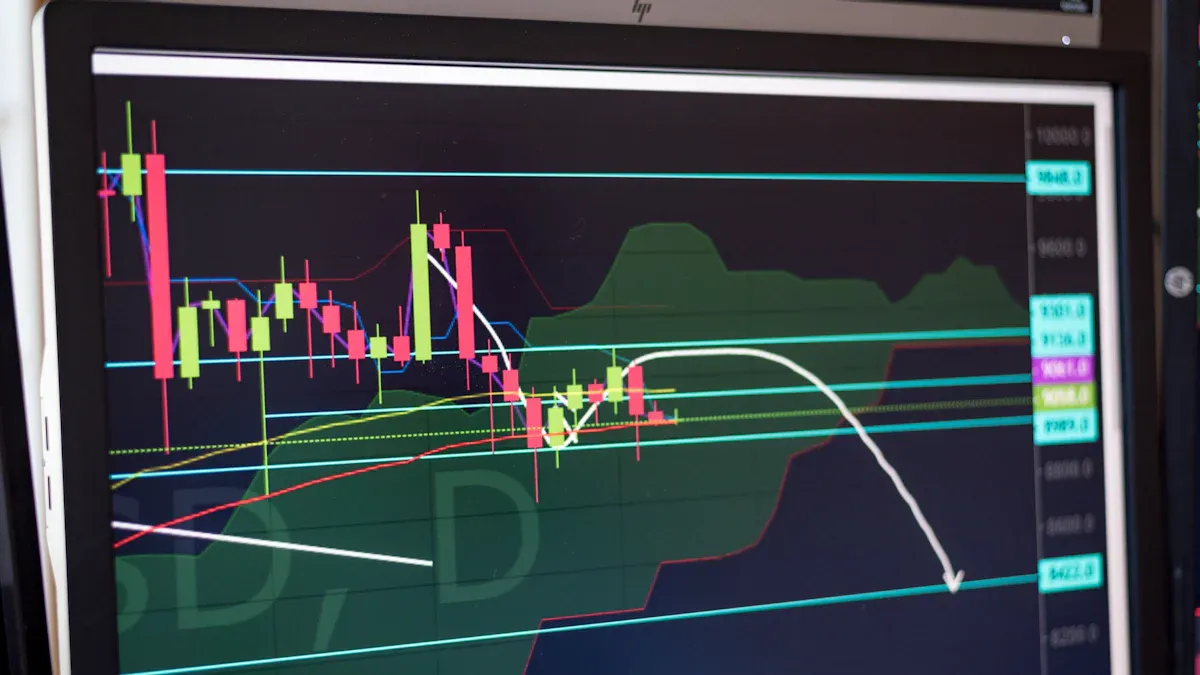
Image Source: pexels
New Trading Hours Rules
In 2026, Nasdaq trading rules introduce major adjustments to digital asset trading hours. You will experience a 23-hour, 5-day continuous trading window, a change that greatly improves market accessibility. Extended trading hours allow global investors to participate in real time across time zones, reducing operational friction, attracting more new participants, and significantly enhancing market liquidity. The popularity of zero-commission trading and intuitive platforms enables you to manage investments more flexibly. The cryptocurrency market already operates 24/7, and Nasdaq narrows the gap with the crypto market through infrastructure innovation. You can refer to the table below to understand the trading hour differences between Nasdaq and other exchanges:
| Exchange | Trading Hours Rule | Remarks |
|---|---|---|
| Nasdaq | 23/5 (day and night) | Provides extended trading hours to attract international investors. |
| Other exchanges | N/A | Specific rules not provided, but may differ from Nasdaq. |
Extended trading hours not only improve price discovery mechanisms but also allow the market to respond in real time to global news and events, reducing information gaps and enhancing overall market efficiency.
Market Volatility and Risk Disclosures
In the digital asset market, you will face significant volatility. Taking Bitcoin as an example, early annualized volatility once exceeded 200%, and although the market has gradually matured, volatility remains higher than traditional assets. Bitcoin’s Sharpe ratio reaches 0.96 and Sortino ratio 1.86, showing high risk compensation and upside volatility. From 2016 to 2024, Bitcoin’s average monthly return was 7.8%, far exceeding the S&P 500’s 1.1%. High volatility means you have opportunities for higher returns but must also guard against potential sharp price swings and systemic risks. You should closely monitor market dynamics and reasonably assess your own risk tolerance.
Tip: Highly volatile markets place higher demands on investors’ psychology and operational capabilities. You need to establish scientific investment strategies and avoid emotional decision-making.
Risk Prevention Measures
When trading digital assets under Nasdaq trading rules, you should adopt multi-dimensional risk prevention measures. It is recommended to invest in artificial intelligence and digital asset technologies to improve risk management and liquidity measurement capabilities. Adopt cloud-native platforms to achieve standardized and automated operations, ensuring business continuity. You should also optimize operational processes, accelerate post-trade processing, and respond promptly to market structure changes and regulatory requirements.
You can refer to the following common safety measures:
- Implement multi-factor authentication, encryption, and intrusion detection systems to protect digital asset safety.
- Regularly update software, patch vulnerabilities, and ensure system compatibility with the latest security standards.
- Use hardware wallets or institutional-grade custody services to reduce exposure to online threats.
- Establish backup and recovery mechanisms, distribute storage of access keys, and enhance asset security.
- Continuously learn cybersecurity knowledge to improve risk identification and response capabilities.
- Conduct due diligence on trading platforms and projects to verify their compliance and governance levels.
- Diversify investments to reduce concentration risk and enhance portfolio resilience.
- Use encrypted communication channels to protect sensitive information security.
- Evaluate the security and compliance of third-party service providers to prevent external risks.
- Develop and test incident response plans to ensure rapid handling in the event of security incidents.
You should also monitor regulatory developments in major markets such as the United States, Canada, and the European Union, and understand real-time monitoring, reporting mechanisms, and market manipulation prevention requirements to improve your own compliance level. Through multi-layered risk management, you can better cope with the complex environment of the digital asset market and safeguard fund safety.
Under the 2026 Nasdaq trading rules update, you will experience a more transparent and liquid digital asset market environment. The new rules incorporate tokenized securities into the national market system, ensuring transparent, fair, and orderly trading. You must prioritize compliance and risk prevention, strictly audit accounts, follow operational standards, and maintain market trust. The FTX incident shows that lack of audit and due diligence can lead to huge losses. It is recommended that you proactively study the new rules, plan investments rationally, fully prepare compliance materials, and safeguard fund safety.
FAQ
What materials are required when opening a digital asset account?
You need to submit valid identification documents, proof of residence, explanation of source of funds, and digital asset transaction reports. The platform will require you to upload all materials for compliance review.
How to prepare proof of source of funds to pass the review smoothly?
You should prepare transaction reports, contract copies, mining equipment receipts, staking proofs, etc., according to the asset acquisition method. It is recommended to organize all files in advance to ensure information is authentic and complete.
How to manage trading risks after the Nasdaq trading hours adjustment?
You can adopt multi-factor authentication, hardware wallets, and automated risk management tools. It is recommended to continuously monitor market dynamics, optimize portfolio structure, and improve asset safety.
What advantages does Biyapay offer in digital asset compliance review?
Biyapay supports intelligent compliance tools to automatically identify fund source types and improve review efficiency. You can upload materials in real time and enjoy an efficient account opening and trading experience.
What compliance requirements apply to digital asset fund flows in the Hong Kong licensed bank scenario?
You need to provide proof of source of funds, transaction records, and identity information. Banks will conduct reviews using international standards to ensure transparent fund flows and compliance with USD settlement norms.
*This article is provided for general information purposes and does not constitute legal, tax or other professional advice from BiyaPay or its subsidiaries and its affiliates, and it is not intended as a substitute for obtaining advice from a financial advisor or any other professional.
We make no representations, warranties or warranties, express or implied, as to the accuracy, completeness or timeliness of the contents of this publication.
Related Blogs of

What Is the Difference Between DRAM Contract Price and Spot Price? Which Indicator Should Investors Watch?


How Should SSDs and HDDs Work Together in AI Data Centers? Performance, Capacity, Cost, and Hot vs. Cold Data Compared


Is SMIC 0981.HK a Memory Chip Stock? The Relationship Between Foundry Manufacturing and the Memory Supply Chain


What Is the Difference Between HBM3E and HBM4? What Do They Mean for Micron and AI Servers?
Choose Country or Region to Read Local Blog
 Australia
 Austria
 Belgium
 Canada
 Cyprus
 Czech Republic
 Denmark
 Estonia
 Finland
 France
 Germany
 Greece
 Hong Kong
 India
India Indonesia
 Ireland
 Italy
Italy Japan
Japan Latvia
 Lithuania
 Luxembourg
 Malaysia
 Malta
Malta Morocco
 Nepal
Nepal Netherlands
 New Zealand
 Norway
 Pakistan
 Philippines
 Poland
 Portugal
 Romania
 Singapore
 Slovakia
 Slovenia
 South Africa
 South Korea
 Spain
Spain Sweden
 Thailand
 The United States
 Turkey
 United Arab Emirates
 United Kingdom
 Vietnam
Contact Us




BIYA GLOBAL LLC is registered with the Financial Crimes Enforcement Network (FinCEN), an agency under the U.S. Department of the Treasury, as a Money Services Business (MSB), with registration number 31000218637349, and regulated by the Financial Crimes Enforcement Network (FinCEN).
BIYA GLOBAL LIMITED is a registered Financial Service Provider (FSP) in New Zealand, with registration number FSP1007221, and is also a registered member of the Financial Services Complaints Limited (FSCL), an independent dispute resolution scheme in New Zealand.