Renting Premium North American RVs with Digital Assets During the World Cup: Payment & Deposit Guide





Image Source: pexels
You can easily complete bookings and deposit management for premium North American RVs using digital assets. The current North American RV rental market is approximately $4.5 billion, with a compound annual growth rate of 7%. Price ranges for different RV types are as follows:
| RV Type | Average Price Range |
|---|---|
| Class A RV | $150 - $450/night |
| Class B RV | $100 - $350/night |
| Class C RV | $100 - $400/night |
| Travel Trailer | $50 - $200/night |
| Premium Rental | Up to $700/night |
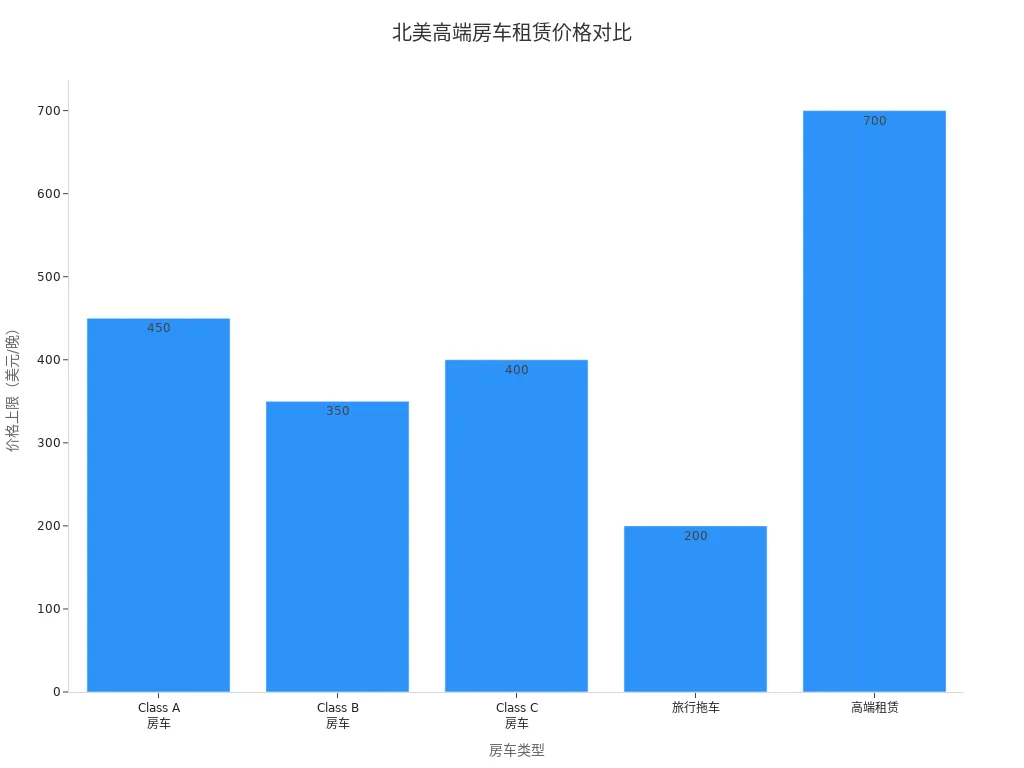
Premium RV deposits typically range from $500–$3000. You only need to choose a platform that supports digital asset payments to enjoy a convenient payment experience and avoid the complexities of traditional financial procedures.
Key Takeaways
- Choosing a platform that supports digital asset payments simplifies the RV rental payment process and avoids the complexity of traditional financial procedures.
- Understand rental prices for different RV types, plan your budget rationally, and select appropriate rental timing during peak and off-peak seasons.
- Carefully read contract terms before renting, clarify deposit management and refund processes, and avoid fund losses due to information asymmetry.
- Save all transaction vouchers and communication records to provide evidence in case of deposit refunds or disputes, protecting your rights.
- Focus on the platform’s legal compliance and payment security—choose platforms with transparent deposit management and automated refund mechanisms to reduce risk.
Advantages of Digital Asset Rentals & Market Status
RV Rental Market Size & Pricing
You can see that the North American premium RV rental market continues to grow, with a compound annual growth rate of 7%. Rental prices for RVs vary significantly across seasons. The table below shows the average rental prices for premium RVs in different months of the year:
| Month | Average Rental Price |
|---|---|
| January | $223 |
| April | $198 |
| July | $326 |
| October | $224 |
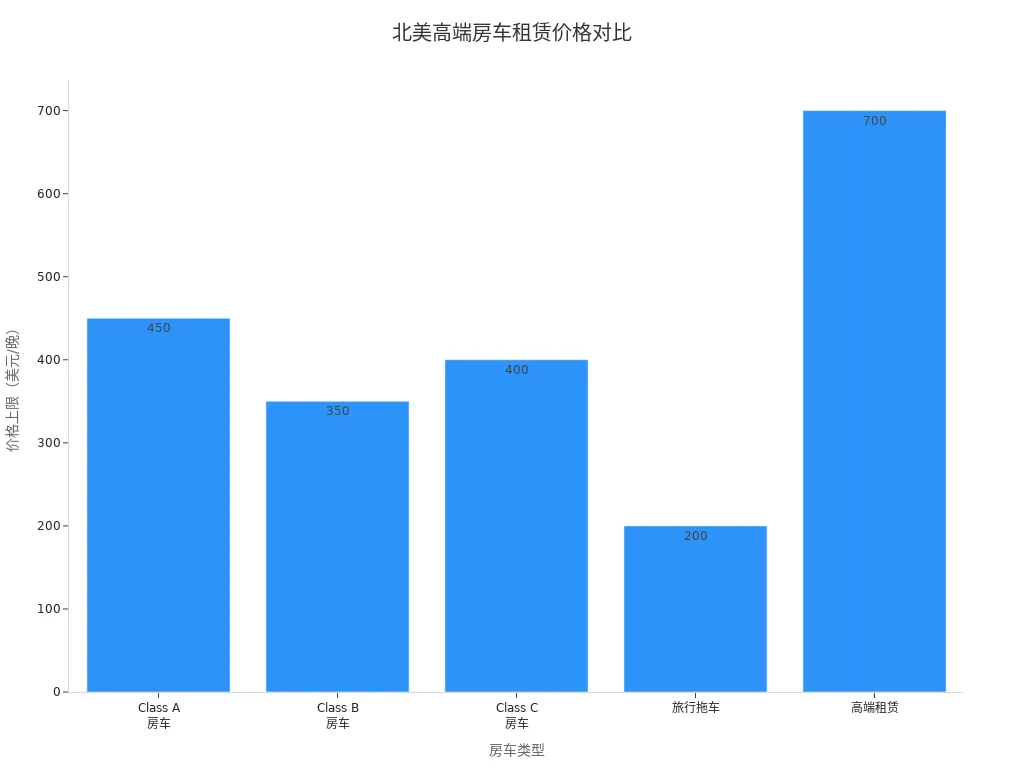
Peak season (such as July) has the highest prices, while off-peak seasons are relatively lower. When renting premium RVs, you usually need to pay a deposit. Deposit amounts generally range from $500–$2500, depending on the model and rental platform. Digital asset rentals provide you with flexible deposit management, reducing the cumbersome procedures of traditional finance.
Convenience of Digital Asset Payments
Digital asset rentals make paying RV rentals and deposits more efficient. You can complete transactions quickly through automated payment processes. The table below compares the convenience and transaction times of different payment methods:
| Payment Method | Convenience Description | Transaction Time |
|---|---|---|
| Digital asset payment | Automated payments reduce transaction time and improve efficiency. | 24 hours |
| Credit card payment | Allows quick booking, but payment to RV owners may be slower. | 3–5 business days |
| Bank transfer | Traditional method, usually involving more manual processing and delays. | 3–5 business days |
By choosing digital asset rentals, you can avoid delays from bank transfers and the cumbersome procedures of credit card payments. Digital asset payments are suitable for premium RV rental scenarios, especially advantageous in cross-border transactions. You can complete payments anytime, enhancing your rental experience. Digital asset rentals not only improve efficiency but also ensure fund safety—ideal for users seeking convenience and high efficiency.
Digital Asset Rental Process
Platform Screening & Order Placement Steps
When selecting a platform that supports digital asset RV rentals, you need to focus on the platform’s legal compliance and payment security. The platform screening process includes the following key steps:
- Legal Entity & Compliance Setup
You should prioritize platforms with legitimate qualifications and a complete compliance system in the U.S. market. This effectively avoids future legal risks, especially in high-value peer-to-peer rental scenarios where compliance is the foundation of security. - Initial Platform Development & Payment Gateway Integration
You can check whether the platform integrates secure payment gateways. Digital asset rental platforms typically use automated payment systems to ensure transaction safety and efficiency. During platform development, priority should be given to payment process convenience and fund custody mechanisms. - Establish Fixed Cost Baseline
You can assess the reasonableness of service pricing through the platform’s publicly disclosed operating costs. Transparent cost structures help you evaluate rental prices and deposit amounts and avoid hidden fees. - Define Dual-Side Customer Acquisition Cost Targets
You can understand the platform’s customer acquisition cost control strategies for buyers and sellers. Reasonable customer acquisition costs indicate the platform has sustainable operations and can provide you with stable rental services.
After completing platform screening, you can follow these steps to place an order:
- Register and verify identity to ensure account safety.
- Browse RV models and rental prices, and select a premium RV that suits you.
- Read the vehicle user manual to understand operating specifications and maintenance requirements.
- Fill out the rental order, confirming rental period, deposit amount, and payment method.
- Perform vehicle inspection before pickup, record condition, and ensure deposit safety.
Tip: Before placing an order, carefully read the platform’s rental contract terms, focus on deposit management, refund processes, and liability for breach, and avoid fund losses due to information asymmetry.
Rental & Deposit Payment Methods
During digital asset rentals, you can choose multiple payment methods to complete RV rental and deposit payments. Platforms typically support digital asset payments, credit cards, bank transfers, and other methods. You need to focus on the payment system’s security and fund custody mechanisms.
For RV rentals, where base rent, deposits, and temporary pre-authorizations may all appear in the same trip, the more important issue is often whether funds are prepared in advance rather than how checkout happens at the last step. On platforms such as BiyaPay, multi-currency fund management, the exchange rate comparison tool, and a virtual card application are typically kept within one system, which makes it easier to separate rental budget, deposit capacity, and daily travel spending before departure.
The practical benefit is that if a deposit is frozen, insurance is added, or campground charges increase on the way, you can confirm available balance and FX cost more clearly without moving funds across several accounts. For users renting higher-ticket cross-border RVs, that kind of payment preparation usually makes the overall rental process more stable.
The table below shows the main criteria for evaluating platform reliability:
| Evaluation Criterion | Description |
|---|---|
| Data security & payment compliance | You should verify the platform’s data security and payment compliance (e.g., PCI-DSS standards) to protect transaction information from leaks. |
| User reviews | Refer to real user reviews and check for repeated complaints or downtime—high satisfaction and positive feedback indicate platform reliability. |
| Pricing transparency | Check whether the platform has hidden fees—transparent pricing and free trials help you plan rental budgets rationally. |
| Payment system security & flexibility | Choose platforms supporting multiple payment methods, including major credit cards, digital wallets (such as PayPal, Apple Pay, Google Pay), and bank transfers. |
Digital asset rental platforms typically use automated payment processes, with deposits frozen via smart contracts or third-party custody. When paying deposits, you can complete transactions in real time without waiting for bank processing cycles. Some platforms support digital asset payment tools such as Biyapay, improving cross-border transaction efficiency. When renting premium RVs, deposit amounts generally range from USD 500–3000, depending on model and rental period. You should save transaction vouchers for subsequent deposit refunds and fund tracing.
Note: After paying rental fees and deposits, promptly communicate with the platform to confirm fund receipt and deposit freeze status. The platform will provide vehicle user manuals and pre-pickup inspection checklists to ensure your rental experience and fund safety.
Deposit Management & Refunds

Image Source: pexels
Deposit Freeze & Custody Mechanisms
When renting premium RVs in the USA, you usually need to pay a deposit of USD 500–3000. Platforms set specific amounts based on model, rental period, and vehicle condition. Most platforms use deposit pre-authorization freezes or third-party custody mechanisms to protect fund safety. When placing an order, the platform freezes the deposit through digital asset payment gateways or credit card channels. The main freeze methods include:
- Pre-authorization Freeze
The platform reserves the deposit amount in your account but does not immediately deduct it. Only after vehicle return and inspection is completed will the platform decide whether to deduct based on actual conditions. This method reduces your fund occupancy pressure. - Direct Deduction
Some platforms directly deduct the deposit from your account and refund it after the rental ends. You need to pay attention to the platform’s fund custody mechanisms to ensure deposits are not misappropriated. - Third-Party Custody
Some platforms use third-party payment institutions for deposit custody. You can view deposit status in real time through the platform backend, improving fund transparency. Digital asset rental platforms typically use smart contracts to automatically freeze deposits, ensuring fund flows are publicly traceable.
When selecting a platform, prioritize those with deposit custody and automated management capabilities. This effectively reduces deposit dispute risks and protects your fund safety.
Tip: After paying the deposit, save transaction vouchers and deposit freeze records promptly for subsequent verification and rights protection.
Deposit Refund Process & Timeline
After returning the RV, the platform will initiate the deposit refund process based on vehicle inspection results. The general process is as follows:
- Vehicle Inspection
When returning the vehicle, platform staff will conduct a comprehensive inspection of appearance, interior, fuel level, and equipment. You should participate in the inspection throughout to ensure information symmetry. - Fee Settlement
The platform will settle fees based on inspection results. If the vehicle is undamaged and fuel levels are sufficient, the platform will refund the full deposit. If damage or breach is found, the platform will deduct corresponding fees from the deposit and provide you with a detailed breakdown. - Deposit Unfreeze/Refund
After settlement, the platform will start the deposit unfreeze or refund process. Platforms using pre-authorization freezes typically complete unfreezing within 1–3 business days. Platforms using direct deduction or third-party custody usually refund within 3–7 business days. You can check deposit status in real time through the platform backend or payment channels. - Refund Mechanism
Digital asset rental platforms mostly use automated refund mechanisms. After you submit a refund request on the platform, the system automatically verifies order status and initiates the refund. You should pay attention to the platform’s refund policy and understand handling procedures for special cases.
The table below compares refund/unfreeze times for different deposit freeze methods:
| Deposit Freeze Method | Refund/Unfreeze Time | Notes |
|---|---|---|
| Pre-authorization Freeze | 1–3 business days | Automatic unfreeze if no damage |
| Direct Deduction | 3–7 business days | Refund after platform review |
| Third-Party Custody | 3–7 business days | Transparent fund flow, easy tracing |
After returning the RV, you should proactively communicate with the platform to confirm deposit refund progress. If you encounter refund anomalies or delays, it is recommended to promptly save communication records and appeal through platform customer service or third-party payment institutions.
Note: Before renting, carefully read the platform’s deposit management terms, clarify refund conditions and timelines, and avoid fund losses due to information asymmetry.
Risk Prevention & Precautions
Exchange Rate Fluctuations & Platform Security
During digital asset rentals, you must pay attention to fund risks caused by exchange rate fluctuations. Digital asset payments often involve real-time exchange between USD and other currencies—exchange rate changes affect actual payment amounts. You can choose platforms that support automatic exchange rate locking to reduce extra costs due to price volatility. Some platforms adopt digital asset payment tools such as Biyapay, meeting Chinese-speaking users’ cross-border payment needs and improving transaction efficiency. You also need to focus on the platform’s security measures to ensure funds and personal information are not leaked. The table below shows security mechanisms of mainstream RV rental platforms:
| Security Measure | Description |
|---|---|
| Held payments | The platform pays RV owners only after rental completion, protecting both parties’ rights. |
| Trust platform | Users verify identity via phone, email, and social media to build trust. |
| Secure payments | Uses payment gateways such as Stripe, supporting multiple credit cards for secure transactions. |
When registering on the platform, create a complete profile including full name, bio, and photos. Renters and RV owners can rate and comment on each other to enhance trust. The platform handles transactions on behalf of RV owners and releases deposits after rental completion—RV owners typically receive 97% of rental fees within 72 hours. You should prioritize platforms with fund custody and identity verification mechanisms to ensure transaction safety.
Contract Terms & Asset Ownership
When signing an RV rental contract, you must carefully review the contract terms. Contracts typically include insurance coverage, prohibited uses, fines and administrative fees, and asset recovery provisions. The table below lists common contract terms and explanations:
| Contract Term | Explanation |
|---|---|
| Insurance coverage options | Offers multiple insurance amounts, including roadside assistance, to protect against risks during rental. |
| Prohibited uses of RV | Clearly prohibits unauthorized driving, overloading, driving under influence of alcohol or drugs, etc. |
| Fines, fees, and administrative charges | All fines and fees incurred during rental are borne by the renter. |
| RV recovery | The rental company may recover the RV at any time due to illegal parking or breach. |
You need to pay attention to how asset ownership affects deposits and depreciation. At the end of the rental period, the RV is returned to the platform or owner, and the deposit is settled based on vehicle condition and contract terms. If the vehicle has damage or exceeds normal depreciation, the platform will deduct corresponding fees from the deposit. You should save all transaction vouchers and communication records for subsequent rights protection. It is recommended to read the contract in detail before signing, clarify insurance coverage, deposit refund conditions, and liability for breach to avoid fund losses due to information asymmetry.
Tip: During digital asset rentals, prioritize platforms with transparent deposit management and automated refund mechanisms. Combine contract terms and rationally plan funds to reduce risks.
Practical Recommendations & Operational Tips

Image Source: pexels
Payment Security & Deposit Protection
When renting premium RVs with digital assets, payment security and deposit protection are core concerns. Choosing legitimate platforms and verifying their legal qualifications and payment compliance can effectively reduce fund risks. You should prioritize credit card pre-authorization for deposits—this not only meets industry professional standards but also avoids complicated refund procedures later. Some platforms support charging deposits at checkout, reducing booking barriers while ensuring fund safety. Before renting, clarify deposit policies and carefully record vehicle and equipment conditions to align expectations and reduce disputes. Maintain smooth communication with the platform and owner, promptly report any anomalies, and help prevent minor issues from escalating into major disputes. You can consider purchasing RVshare protection plans or travel insurance through institutions such as Generali Global Assistance for accident coverage. Some platforms offer no-deposit options, allowing you to pay a small one-time fee instead of freezing large amounts. Automated tools and integrated payment solutions, such as Biyapay, significantly improve fund distribution efficiency and ensure transparent deposit management.
Tip: During operation, follow the vehicle user manual strictly and comply with maintenance requirements and operating specifications to avoid deposit deductions due to improper use.
Transaction Vouchers & Communication Process
After paying rental fees and deposits, be sure to save all transaction vouchers and communication records. The table below shows common voucher types and their purposes:
| Voucher Type | Description |
|---|---|
| Booking acceptance proof | Provide communication records with the owner proving the booking was accepted |
| Payment proof | Include written documents for all payments and refunds, including partial, full, and deposits |
| Booking confirmation | Provide booking ID copy or platform verification information proving booking validity |
You should regularly back up these documents to provide evidence in case of deposit refunds or disputes. During rental, proactively maintain communication with the platform and owner, promptly confirm fund receipt and deposit freeze status. Automated booking confirmations, invoices, and payment reminders simplify management processes, reduce errors, and improve financial cleanliness. You can choose partial or full payment according to platform settings and enable or disable refundable deposits at checkout. Through partnerships with Snapsheet and Outdoorsy for integrated payment solutions, fund distribution efficiency is significantly improved, with electronic transfer adoption rates reaching 94%. During operation, strictly follow platform processes to ensure all transaction steps are transparent and traceable.
Note: Before renting, carefully read contract terms, clarify deposit refund conditions and breach liability, and combine vehicle user manuals and maintenance requirements to rationally plan funds and protect your rights.
You can achieve efficient and convenient payment experiences by renting premium RVs with digital assets. You need to rationally evaluate platform qualifications, emphasize deposit management, and prevent risks. Combine your own needs and risk tolerance to scientifically plan funds and improve rental safety. Rationally choosing digital asset tools helps optimize cross-border travel experiences.
FAQ
How to choose an RV rental platform that supports digital asset payments?
You should prioritize platforms with legitimate qualifications, payment security, and deposit custody mechanisms. It is recommended to refer to user reviews, pricing transparency, and whether they support digital asset payment tools such as Biyapay.
How are funds protected after paying deposits with digital assets?
After paying deposits, platforms typically use pre-authorization freezes or third-party custody mechanisms. Funds are automatically managed through smart contracts, ensuring deposits are transparent and safe from misappropriation.
What to do if exchange rate fluctuations occur during rental?
You can choose platforms that support automatic exchange rate locking to reduce extra costs due to price volatility. Some platforms provide real-time exchange rate queries and settlement functions to ensure stable payment amounts.
How long does the deposit refund process take?
After returning the RV, the platform initiates deposit refund based on inspection results. Pre-authorization freeze methods generally complete within 1–3 business days; third-party custody or direct deduction methods usually take 3–7 business days.
How to save and manage transaction vouchers?
You should save all payment proofs, booking acceptance records, and deposit freeze documents. It is recommended to regularly back up electronic vouchers for timely rights protection in case of deposit refunds or disputes.
*This article is provided for general information purposes and does not constitute legal, tax or other professional advice from BiyaPay or its subsidiaries and its affiliates, and it is not intended as a substitute for obtaining advice from a financial advisor or any other professional.
We make no representations, warranties or warranties, express or implied, as to the accuracy, completeness or timeliness of the contents of this publication.
Related Blogs of

How Should SSDs and HDDs Work Together in AI Data Centers? Performance, Capacity, Cost, and Hot vs. Cold Data Compared


What Are NOR Flash, SLC NAND, and EEPROM? Why They Help Explain Hong Kong-Listed Memory-Related Stocks


Why Is HDD Supply and Demand Tightening? AI Data Centers, Long-Term Agreements, and Western Digital/Seagate Pricing Power


What Is the Difference Between HBM3E and HBM4? What Do They Mean for Micron and AI Servers?

Choose Country or Region to Read Local Blog
 Australia
 Austria
 Belgium
 Canada
 Cyprus
 Czech Republic
 Denmark
 Estonia
 Finland
 France
 Germany
 Greece
 Hong Kong
 India
India Indonesia
 Ireland
 Italy
Italy Japan
Japan Latvia
 Lithuania
 Luxembourg
 Malaysia
 Malta
Malta Morocco
 Nepal
Nepal Netherlands
 New Zealand
 Norway
 Pakistan
 Philippines
 Poland
 Portugal
 Romania
 Singapore
 Slovakia
 Slovenia
 South Africa
 South Korea
 Spain
Spain Sweden
 Thailand
 The United States
 Turkey
 United Arab Emirates
 United Kingdom
 Vietnam
Contact Us




BIYA GLOBAL LLC is registered with the Financial Crimes Enforcement Network (FinCEN), an agency under the U.S. Department of the Treasury, as a Money Services Business (MSB), with registration number 31000218637349, and regulated by the Financial Crimes Enforcement Network (FinCEN).
BIYA GLOBAL LIMITED is a registered Financial Service Provider (FSP) in New Zealand, with registration number FSP1007221, and is also a registered member of the Financial Services Complaints Limited (FSCL), an independent dispute resolution scheme in New Zealand.