Ultimate Guide to Crypto Cash-Out Anti-Freeze Card (2026 Latest Edition): Reject C2C Trading Risks





Image Source: pexels
If you want to cash out safely and avoid C2C trading risks, you must master practical anti-freeze card techniques for crypto withdrawals. In 2026, China’s regulatory tightening requires strict identity verification and tax compliance from exchanges; lacking a tax identification number will directly block withdrawals. You need to pay attention to various risks in the cryptocurrency market, including dark pool activities, technical hacks, credit risks, and operational risks. The market lacks regulation, making it prone to fraud, theft, and price manipulation, so fund safety becomes the top priority. By learning the latest anti-freeze card practical details, you can significantly improve cash-out security.
Key Takeaways
- Choose safe and compliant platforms for cash-out; avoid small or unregulated exchanges to ensure fund safety.
- Use a dedicated bank card for crypto cash-out; avoid mixing it with daily spending cards to reduce freeze risk.
- Reasonably control cash-out amounts and frequency; perform withdrawals in batches to decrease bank risk-control attention.
- Prioritize official OTC and compliant channels to ensure legitimate fund sources and lower risk.
- Conduct regular tax compliance self-checks, retain transaction records, ensure accurate declarations, and avoid legal risks.
Core Operations for Crypto Cash-Out Anti-Freeze Card
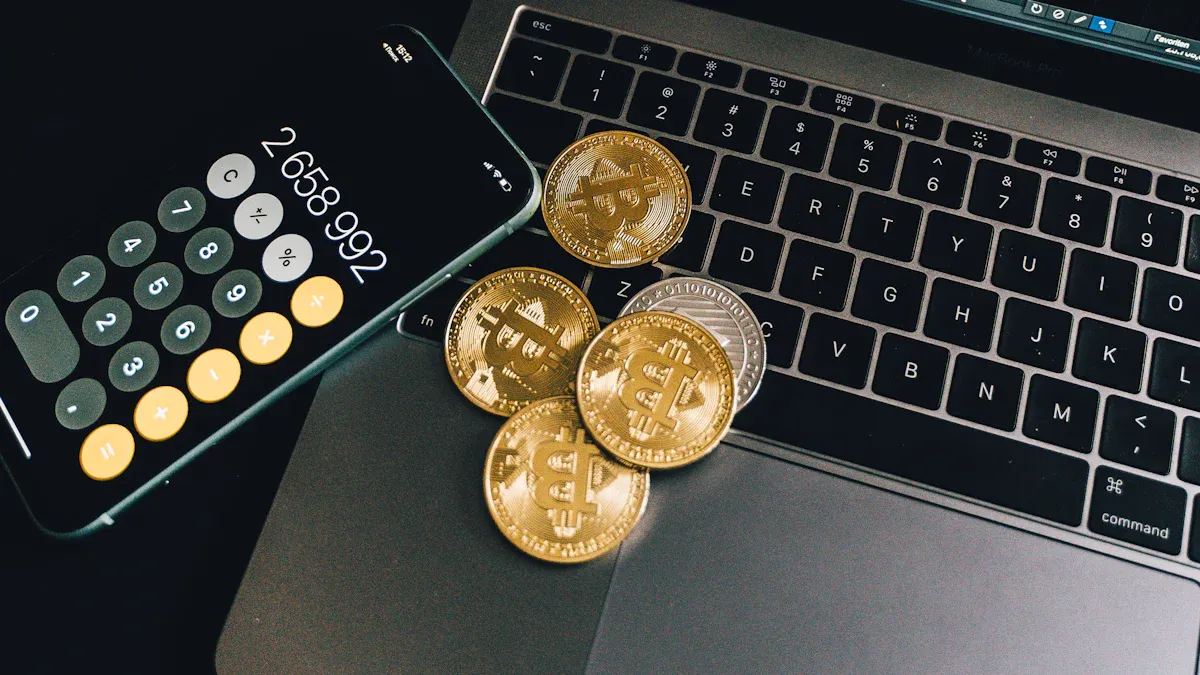
Image Source: pexels
Platform Selection and Withdrawal Methods
When selecting crypto cash-out anti-freeze card operations, first focus on the platform’s security and compliance. Large exchanges like Kraken are trusted by users due to regulatory licensing, flexible withdrawal limits, and user-friendly interfaces. You can refer to the table below to understand the features of mainstream platforms:
| Platform | Features |
|---|---|
| Kraken | Regulated license and high trust level, flexible withdrawal limits, user-friendly interface. |
The best platforms usually combine regulation, liquidity, and convenient withdrawal processes. You should prioritize these platforms and avoid small or unregulated exchanges.
For withdrawal methods, choosing the right channel can effectively reduce the risk of bank card freezing. Refer to the following common withdrawal methods and their advantages:
| Withdrawal Method | Advantages |
|---|---|
| PayPal | Fast transaction processing, widely used globally, offers buyer/seller protection, fee of $2.5. |
| Revolut | Fast and fee-free cross-border transfers, supports multiple currencies, user-friendly mobile app. |
| Deel Card | Instant withdrawal via prepaid Mastercard, fee of $5. |
| Deel Instant Card Transfer | Immediate payment to debit or credit card, fee of $2.5. |
| Payoneer | Fast and secure global payments, fee of $1. |
You can select the appropriate withdrawal method based on your needs, prioritizing channels with low fees, fast arrival, and multi-currency support. In crypto cash-out anti-freeze card operations, the choice of platform and channel directly affects fund safety.
Bank Card Isolation and Dedicated Use
In actual operations, you must isolate and dedicate bank cards. Do not mix daily spending cards with crypto cash-out cards. You can open a separate bank card specifically for crypto cash-out receipts and withdrawals. This reduces attention from bank risk-control systems on abnormal transactions and lowers freeze risk.
You should also avoid frequently changing receipt accounts. Bank risk-control systems monitor account transaction patterns. Frequent changes of bank cards or recipients can easily be flagged as suspicious behavior. The core of crypto cash-out anti-freeze card is to maintain stable and consistent account behavior.
Cash-Out Amount and Frequency Control
You need to reasonably control the amount and frequency of each cash-out. Different banks have different withdrawal limits, including daily, weekly, or monthly maximums. Many banks conduct extra reviews for large cash withdrawals and may even require advance notification.
Refer to the following points:
- Keep each cash-out amount below the bank’s default threshold to avoid one-time large operations.
- Perform cash-outs in batches and across cycles to reduce single-day or single-week transaction frequency.
- Avoid frequent receipts or large transfers to the same account in a short period.
Bank risk-control systems pay attention to large deposits into new accounts, multiple transactions in a short time, and complex operations involving multiple currencies or accounts. If you can maintain reasonable distribution of cash-out amounts and frequency, the anti-freeze card effect will be better.
Material Preparation and Information Compliance
In crypto cash-out anti-freeze card operations, you must prepare relevant materials in advance to ensure information compliance. You need to complete identity verification and follow the KYC process. You should also use secure wallets; hardware wallets are recommended to reduce online risks.
Pay attention to the following:
- Check the exchange’s withdrawal limits and fees, and plan cash-out accordingly.
- Enable two-factor authentication (2FA) to enhance account security.
- Confirm recipient information to avoid fund loss due to errors.
- Monitor market conditions and choose the right timing for withdrawals.
- Retain all transaction records for future issue resolution or tax reporting.
Crypto cash-out anti-freeze card operations are not just a technical issue but a systematic project involving compliance and material preparation.
Delayed Withdrawal (T+1) Strategy
You can adopt a delayed withdrawal (T+1) strategy to further reduce the probability of bank card freezing. T+1 means initiating withdrawal today and funds arriving the next day. This gives the bank more time for risk-control review and reduces triggers from short-term large fund movements.
In actual operations, you can split large cash-outs into multiple small amounts over several days. This lowers single-day volume and makes the bank system view account behavior as normal.
The delayed withdrawal strategy in crypto cash-out anti-freeze card is suitable for large-amount batch cash-outs, effectively dispersing risk and improving overall security.
Reject C2C Trading Risks
Analysis of C2C Trading Risks
During crypto cash-out, you may consider C2C (peer-to-peer) trading platforms. C2C platforms appear to provide matching and escrow services for buyers and sellers, but in reality they cannot fully guarantee the compliance of fiat fund sources. You need to understand that the essence of C2C trading is direct person-to-person exchange; the platform only acts as an intermediary and cannot thoroughly review the source of every fiat transaction.
When using C2C platforms for withdrawals, you often face the following risks:
- Complex fiat sources in C2C trades; some funds may involve illegal activities, carrying the risk of “dirty money” inflow.
- If you receive funds suspected of illegal activity, the bank will freeze your account for investigation, making funds uncirculatable.
- After bank account freeze, the unfreezing process is cumbersome, potentially taking weeks or longer, seriously affecting fund safety and liquidity.
You must understand that C2C platforms cannot provide absolute fund safety guarantees. Even if the platform promises “escrow” or “safety,” it cannot completely avoid investigation by bank risk-control systems. The core philosophy of crypto cash-out anti-freeze card is to minimize such uncontrollable risks to the greatest extent.
Official OTC and Compliant Channels
When choosing cash-out channels, you should prioritize official OTC (over-the-counter) and compliant channels. Official OTC platforms are usually operated by large exchanges or licensed financial institutions with strict KYC (identity verification) and AML (anti-money laundering) processes. Cashing out through official OTC channels offers the following advantages:
- Official OTC channels process quickly, support large-amount one-time withdrawals, greatly improving fund circulation efficiency.
- You can obtain higher privacy protection and avoid personal information leakage in open markets.
- Official OTC platforms effectively avoid price slippage and ensure stable transaction prices.
When using official OTC or compliant channels, also pay attention to compliance requirements:
- You must understand local laws and regulations and ensure all operations comply with legal provisions.
- You need to conduct due diligence during transactions, verifying the counterparty’s identity and fund sources.
- Compliance requirements vary across jurisdictions; consult professionals in advance to ensure every step meets regulatory standards.
You can prioritize compliant platforms such as Biyapay, combined with practical crypto cash-out anti-freeze card strategies, to significantly reduce the probability of fund freezing and enhance overall cash-out security.
Beware of “Fake No-Freeze” Platforms
In actual operations, you may encounter third-party platforms claiming “never freeze cards” or “designed specifically for crypto.” These platforms often attract users with low thresholds and fast arrivals, promoting C2C trading or non-official channels. You need to remain highly vigilant because these platforms carry the following hidden dangers:
- Many “fake no-freeze” platforms lack financial regulatory licenses and compliance guarantees, easily becoming involved in money laundering, fraud, or other illegal activities.
- When you receive funds through these platforms, banks will still freeze accounts if abnormal fund flows are detected; the platform cannot provide legal protection.
- Some platforms even resell user information, causing personal privacy leaks and property losses.
You should always insist on official OTC and compliant channels and reject the temptation of “fake no-freeze” platforms. Only through legitimate channels combined with full-process management of crypto cash-out anti-freeze card can you truly protect fund safety and cash-out compliance.
Emergency Handling for Bank Card Freezes
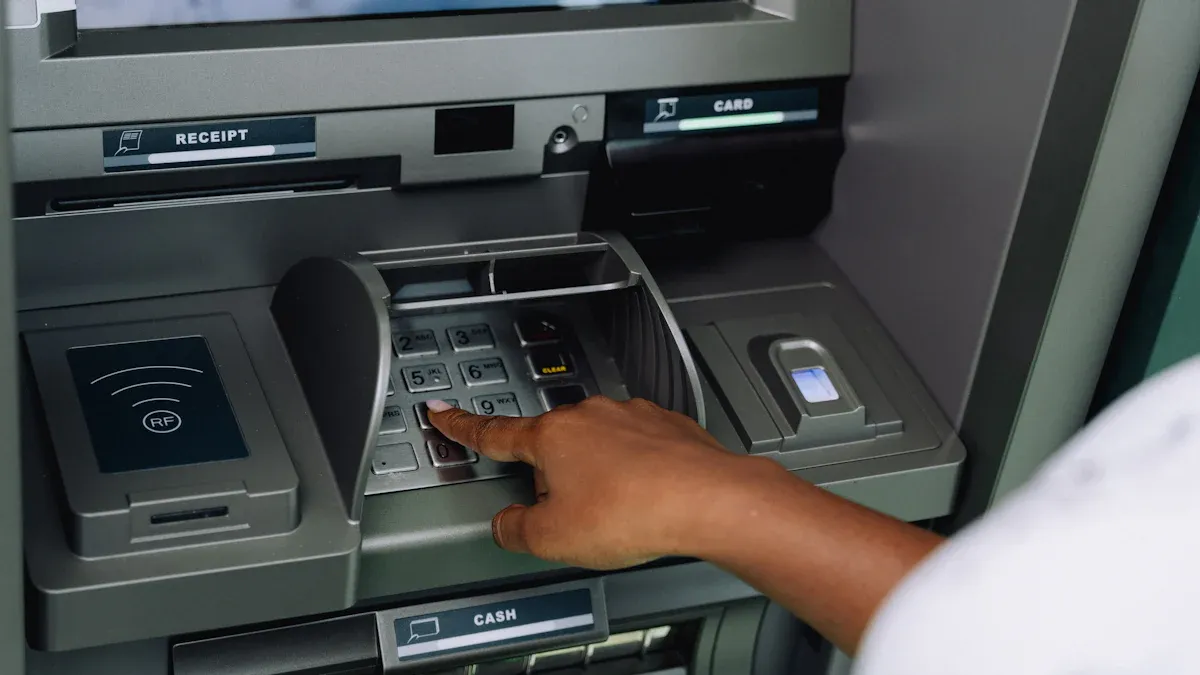
Image Source: unsplash
Handling Bank Risk-Control Freezes
When facing a bank risk-control freeze, stay calm first. Banks usually notify freeze reasons via email or account message. You should promptly check relevant information and actively contact bank support.
You can follow these steps:
- Check account notifications to understand the specific freeze reason.
- Prepare and submit necessary documents such as identity proof; most freeze issues can be resolved within one week.
- If regular support cannot resolve it, request escalation to the compliance team for further communication.
- When all methods fail, send a formal claim letter via email detailing the issue and desired resolution.
According to the latest industry guidelines, when handling crypto-related account freezes, banks are advised to prioritize holding disputed amounts rather than freezing the entire account. You can use this process to strive to retain maximum account liquidity.
Handling Judicial Freezes
When facing a judicial freeze, you need to understand the relevant legal procedures. Judicial freezes mainly prevent asset transfer or dissipation, especially in cryptocurrency fraud cases. Many jurisdictions now treat cryptocurrency as property, making freeze measures legally binding.
The table below summarizes the key elements of judicial freezes:
| Key Elements of Freeze Order | Description |
|---|---|
| Purpose | Prevent fraudsters from disposing of or dissipating assets |
| Application | Applies to cryptocurrency fraud cases |
| Scope | Can be applied internationally |
| Asset Protection | Prevents depreciation of cryptocurrency |
| Legal Recognition | Many jurisdictions recognize cryptocurrency as property |
You should choose trusted cryptocurrency exchanges, regularly update security settings, follow compliance processes, ensure accurate account information, and monitor transaction history promptly to provide strong evidence for subsequent legal appeals.
Fund Tracing and Isolation
When dealing with freeze incidents, you must emphasize fund tracing and isolation. You can improve fund safety through the following methods:
- Strictly review fund sources to reduce the probability of being misjudged as a high-risk account.
- Adopt a “capital firewall” solution using global compliant payment networks to isolate funds from different sources.
- Directly use mainstream stablecoins such as USDT for transactions to reduce risks from unclear fiat transfers.
When banks freeze accounts, they usually focus on transaction speed and fund flow. You should proactively provide the bank with clear transaction background explanations, including business model, fund sources, and transaction timing. A compliance memorandum is often more effective than a large volume of documents, helping you unfreeze accounts faster and restore fund circulation.
Long-Term Safe Cash-Out Strategies
Multi-Card Rotation and Diversification
You can adopt multi-card rotation and diversification strategies to significantly reduce the risk of a single account being frozen. Prepare multiple bank cards specifically for cash-out, with each card handling only a portion of fund circulation. Rotate receipt cards regularly to avoid long-term use of the same account. This makes it harder for bank risk-control systems to identify abnormal patterns. You can also choose bank cards issued by licensed Hong Kong banks, which have high compliance requirements and transparent risk-control standards. In actual operations, it is recommended to keep single receipts per card below USD 5,000 and monthly cumulative amounts below USD 20,000.
Diversification of Fiat Channels
You should not rely on a single fiat channel. Combine compliant platforms such as Biyapay and flexibly switch among PayPal, Revolut, Payoneer, and other cash-out methods. By diversifying fund flows across multiple channels, you reduce the probability of any single channel triggering risk control. You can also pay attention to emerging digital banks and cross-border payment tools to improve fund circulation efficiency. When selecting channels, prioritize arrival speed, fees, and compliance.
On-Chain Privacy Protection
In on-chain operations, you must prioritize privacy protection. Use multi-signature wallets and hardware wallets to isolate asset management permissions. You can also adopt on-chain mixing services to break up fund flows and enhance anonymity. Regularly change receipt addresses to avoid forming traceable fund trails. When transferring, prioritize mainstream stablecoins such as USDT to reduce additional risks from price fluctuations.
Tax Compliance Self-Check
Before cash-out, you must proactively conduct tax compliance self-checks. Organize all transaction records to ensure every fund flow is clear and traceable. Understand tax policies in regions where Chinese-speaking users reside and reasonably declare digital asset income. Consult professional tax advisors to avoid potential legal risks. Retain complete cash-out vouchers to provide strong support for subsequent tax audits.
You need to attach great importance to the practical details of crypto cash-out anti-freeze card and reject C2C trading risks to protect fund safety. You should continuously monitor changes in China and global regulatory policies and adjust cash-out strategies promptly. Only by insisting on compliant operations and improving security awareness can you effectively prevent account freezes and fund losses. You can also proactively learn the latest anti-freeze card techniques to build a long-term safe cash-out system.
FAQ
How to determine if a bank card is suitable for crypto cash-out?
You can choose bank cards issued by licensed Hong Kong banks. Avoid using daily spending cards. Ensure the card is not linked to high-risk transactions and maintain clear account transaction records.
What are the advantages of choosing Biyapay for cash-out?
You can use Biyapay to obtain compliant channels, fast arrival, and multi-currency support. You can also enjoy lower fees and professional customer service, significantly improving fund safety.
How to respond after a bank account is frozen?
You should immediately contact bank customer service and proactively explain the source of funds. Prepare identity proof and transaction records. Seek assistance from the compliance team to strive for quick account unfreezing.
How to reduce risks brought by C2C trading?
You should avoid direct receipts through C2C platforms. Prioritize official OTC or compliant channels. You can also diversify cash-out channels to reduce single-account risk.
How to ensure tax compliance during cash-out?
You need to retain all transaction vouchers. Proactively understand tax policies in regions where Chinese-speaking users reside. Consult professional tax advisors to ensure accurate declarations.
*This article is provided for general information purposes and does not constitute legal, tax or other professional advice from BiyaPay or its subsidiaries and its affiliates, and it is not intended as a substitute for obtaining advice from a financial advisor or any other professional.
We make no representations, warranties or warranties, express or implied, as to the accuracy, completeness or timeliness of the contents of this publication.
Related Blogs of

How to Read Pure Storage and NetApp Earnings? ARR, Cloud Revenue, Gross Margin, and Cash Flow Metrics


How Does NAND Price Increase Affect SanDisk? Enterprise SSDs, Consumer Storage, and Margin Leverage


How to Read NAND Contract Prices and Spot Prices? Why Enterprise SSDs and Consumer SSDs Do Not Move in Sync


HBM/DRAM, NAND, and HDD in AI Storage: A Comparison of Elasticity, Cycles, and Risks

Choose Country or Region to Read Local Blog
 Australia
 Austria
 Belgium
 Canada
 Cyprus
 Czech Republic
 Denmark
 Estonia
 Finland
 France
 Germany
 Greece
 Hong Kong
 India
India Indonesia
 Ireland
 Italy
Italy Japan
Japan Latvia
 Lithuania
 Luxembourg
 Malaysia
 Malta
Malta Morocco
 Nepal
Nepal Netherlands
 New Zealand
 Norway
 Pakistan
 Philippines
 Poland
 Portugal
 Romania
 Singapore
 Slovakia
 Slovenia
 South Africa
 South Korea
 Spain
Spain Sweden
 Thailand
 The United States
 Turkey
 United Arab Emirates
 United Kingdom
 Vietnam
Contact Us




BIYA GLOBAL LLC is registered with the Financial Crimes Enforcement Network (FinCEN), an agency under the U.S. Department of the Treasury, as a Money Services Business (MSB), with registration number 31000218637349, and regulated by the Financial Crimes Enforcement Network (FinCEN).
BIYA GLOBAL LIMITED is a registered Financial Service Provider (FSP) in New Zealand, with registration number FSP1007221, and is also a registered member of the Financial Services Complaints Limited (FSCL), an independent dispute resolution scheme in New Zealand.