How to Send Money from Taiwan to Alipay in Mainland China: Platforms vs Bank Wire Transfers




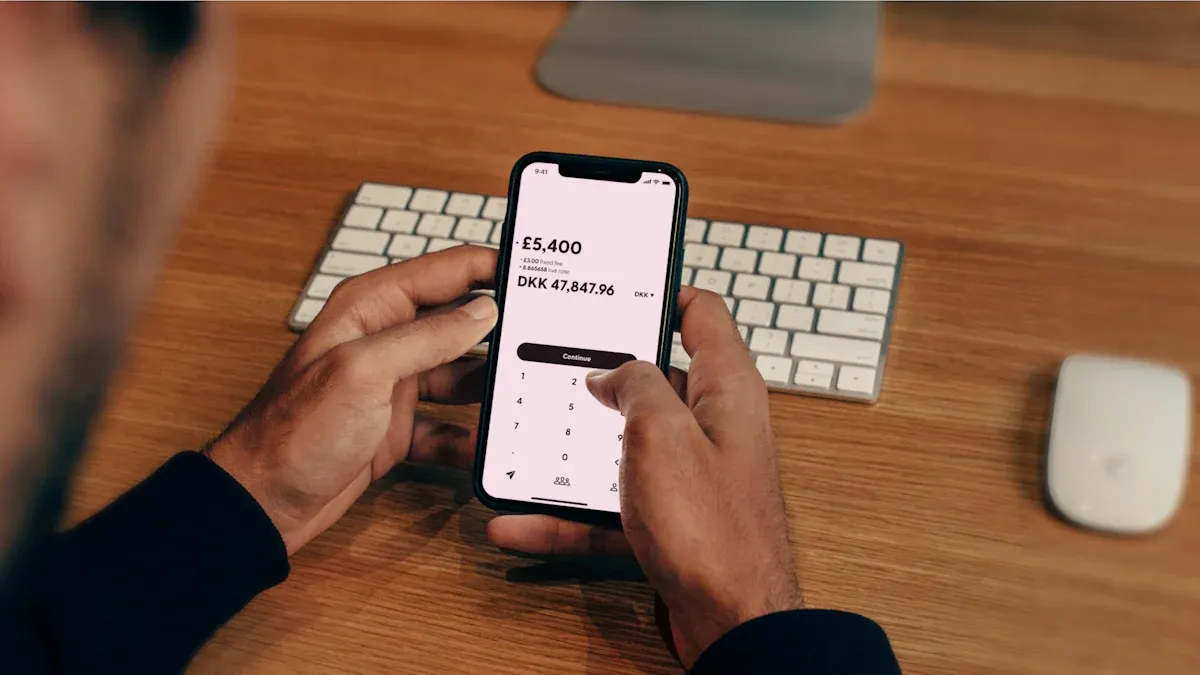
Image Source: unsplash
Cross-strait exchanges are becoming more frequent, and you may need to send money from Taiwan to mainland China. This article focuses on two common methods: transferring through online platforms and traditional bank wire transfers.
This article will first help you understand two common routes: online remittance platforms and bank wire transfers. Since rules for different platforms, banks, currencies, and receiving methods may change at any time, this article is better used as a decision-making framework before you proceed. Before making an actual transfer, it is still recommended to rely on the latest platform quotes, in-branch bank guidance, and the recipient bank’s requirements.
Key Takeaways
- There are two main ways to send money from Taiwan to mainland China: online platforms and traditional bank wire transfers.
- Online platforms are suitable for smaller transfers, offering speed and convenience, but they may come with limitations.
- Traditional bank wire transfers are more suitable for larger amounts, offering stronger documentation and traceability, but they usually involve higher fees and more complex procedures.
- Before making a transfer, be sure to confirm all of the recipient’s information and prepare the required documents.
- Do not assume that converting to USD first will always save money. Compare the platform or bank’s final debit amount, service fees, exchange rate, and the amount the recipient will actually receive before choosing a route.
Method 1: Cross-Border Transfers via Online Platforms (Best for Small Amounts)
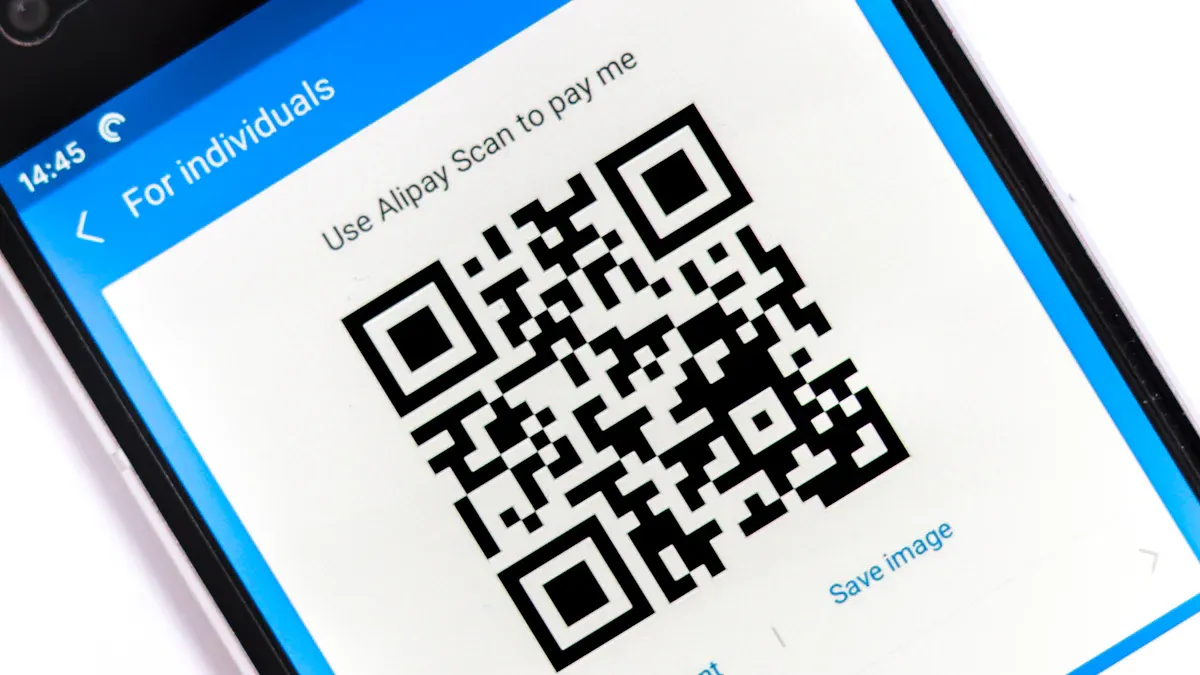
Image Source: pexels
If your transfer is for living expenses, money for family or friends, or a relatively small amount, online remittance platforms are often more convenient than going to a bank branch. In many cases, you can complete the entire process on your phone or computer, including filling in the details, verifying your identity, and making the payment. However, whether a platform supports transfers from Taiwan, whether it can send money to personal accounts in mainland China, and whether it can send directly to Alipay may vary depending on the platform’s supported regions, payment currencies, receiving methods, and policy changes.
Before proceeding, it is recommended that you simulate a transfer within the platform first and make sure the recipient country, currency, receiving method, and estimated delivery information are all clearly available before moving on.
Choosing the Right Online Remittance Platform
There are many international remittance services on the market, and platforms such as Wise, Remitly, and Western Union may offer routes related to mainland China or Alipay under different origin countries and payout methods. However, whether a platform is suitable for you should not depend only on brand recognition, user reviews, or tutorials written for other countries. More importantly, you need to confirm whether it supports your actual transfer route, including whether it can be used from Taiwan, whether your payment currency is supported, whether the receiving side is a bank account or an e-wallet, what the per-transfer, monthly, or annual limits are, and whether the final quote and delivery time match your needs.
Based on currently available official pages, Wise has a Taiwan-to-China route page and lists Alipay as one possible payout method for China transfers. Wise also states that Alipay recipients generally need to be Chinese citizens registered with a Mainland China Resident ID card, and Wise Alipay transfers are subject to payout and recipient-side limits. Other providers may also show Alipay-related routes, but availability is usually displayed by origin country or region. For this reason, do not assume that a route shown for the United States, Singapore, or another market is automatically available from Taiwan. Review scores can be used as a secondary reference, but they should not be your main basis for decision-making.
When choosing a platform, it is better to focus on the following practical factors rather than just reputation:
- Whether it actually supports the route you need: First confirm whether the platform supports transfers from Taiwan, whether it can send money to mainland China, and whether the receiving side supports a bank account or e-wallet.
- Whether the total cost is clear: In addition to service fees, also check the actual exchange rate quote, whether there are expedited service fees, and whether the recipient may face any deductions.
- Whether the delivery time is stable: Some platforms display the fastest possible delivery time, but actual delivery may still be delayed due to identity review, payment method issues, or recipient-side verification.
- Whether you can accept the documentation and compliance requirements: If the platform asks for additional identity documents, proof of source of funds, or payment proof, your ability to provide them promptly will also affect the overall experience.
Important reminder: The availability of cross-border remittance routes is often affected by region, payment currency, receiving method, and compliance policies. Even if a platform itself supports transfers to mainland China, that does not necessarily mean it supports the exact route you need, such as “from Taiwan,” “paid in TWD,” “to a personal account,” or “to Alipay.” The safest approach is not to rely on an article alone, but to enter the platform and start setting up a transfer yourself, step by step, confirming whether the origin, payment currency, destination country, receiving method, limit, and estimated delivery details are all available and selectable.
Registration and Identity Verification
No matter which platform you choose, the first step is to create a personal account and complete identity verification. This is done to comply with anti-money laundering regulations and to ensure transaction security.
You will usually need to prepare documents that can be used for identity verification. The exact requirements vary depending on the platform’s rules and verification level. Commonly accepted documents include:
- National ID card
- Passport
- Driver’s license
Before you begin, it is recommended that you prepare clear, legible images of your identity documents and make sure the name spelling, date of birth, ID number, and account details are all consistent. In actual cross-border remittance operations, many delays do not happen at the payment stage, but during identity verification, mismatched information, or incomplete additional document requests. For this reason, having your documents organized in advance is usually more important than simply comparing service fees.
Detailed Transfer Process
The transfer process on online platforms is usually quite straightforward. It can generally be divided into two parts: what the sender does and what the recipient needs to prepare.
1. Sender’s Steps
Looking at the process used by common cross-border remittance platforms, the steps are usually similar, although the actual interface, supported currencies, and receiving methods still depend on what the platform shows at the time:
- Log in to your platform account.
- Choose the amount and currency you want to send.
- Select the receiving method, such as “Alipay.”
- Enter the recipient’s name and Alipay account, usually a phone number.
- Choose your payment method, such as a credit card or bank transfer, confirm the fees and exchange rate, and then submit the transfer.
2. Recipient Preparation, Using Alipay as an Example
If you plan to send funds to Alipay, it is recommended that the recipient first check within Alipay whether the relevant receiving functions, real-name verification status, and receiving restrictions are currently available. Based on public instructions from major remittance providers, cross-border Alipay receiving is usually not as simple as “having an Alipay account.” The recipient often needs to complete real-name verification and may need to meet Mainland China identity requirements, use the “Quick Collect” entry, and choose whether funds are credited to the Alipay balance or a linked bank card. Different account statuses, verification conditions, and Alipay app versions may display different feature entries. Because of this, the recipient should not rely only on a single tutorial screenshot, but should confirm within their own account whether cross-border funds can actually be received.
The recipient can first check the following within Alipay:
- Whether the account has completed real-name verification.
- Whether any feature entry related to cross-border receiving is visible.
- Whether the linked receiving tool can be used normally.
- Whether the system prompts for additional identity information, bank card details, or other verification requirements.
If the recipient cannot find the relevant feature entry in their own account, or if it appears restricted, it is best to check with Alipay customer service or the receiving bank first before deciding whether to use this route.
Practical reminder: If the receiving side is a personal account or e-wallet in mainland China, real-name verification, account functionality, and whether the receiving purpose meets the platform’s requirements can directly affect whether the funds are credited successfully. These conditions may change as platform rules change, so the safest approach is still for the recipient to confirm directly within their own account.
Fees, Exchange Rates, and Delivery Time Analysis
The fee structure of online platforms is usually more transparent than that of traditional banks, and it generally includes the following parts:
- Service fee: Usually either a fixed fee or a fee charged as a percentage of the transfer amount.
- Exchange rate: The rate shown by the platform is not necessarily the same as the mid-market rate you see on search engines or exchange rate websites. When judging cost, do not only look at the nominal exchange rate. You should look at the final amount you actually pay, the amount the recipient receives, and whether there are any additional charges.
- Delivery time: The delivery time shown by the platform is usually only an estimate. If it is your first transfer, if identity verification is involved, if the payment method changes, or if the recipient’s information needs to be rechecked, actual delivery may take longer than what the page shows.
- Transfer limits: Cross-border transfer limits are usually affected by the payer’s side, platform rules, receiving method, and recipient-side requirements at the same time. Before proceeding, do not just check whether the platform displays a per-transfer limit. You should also confirm whether the receiving side has per-day, per-transfer, monthly, or annual limits, and whether additional documents are needed above a certain amount or whether you need to switch to a bank wire transfer instead. For example, Wise’s public Alipay page states a 50,000 CNY per-transfer limit and recipient-side limits such as 500,000 CNY per year or five transactions per month from relevant services, but these figures should still be rechecked in the platform before sending because route rules can change. If your transfer amount is relatively high, it is advisable to confirm with your bank, the platform’s customer service, and the recipient bank.
Many exchange rate websites only display reference rates. To know the actual rate you will receive for your transaction, you need to log in to the remittance platform and check the final quote after entering the amount.
If you want to go beyond simply “checking a reference exchange rate” and actually “estimating the real cost,” a more practical approach is to break one transfer into three numbers:
The first is how much you actually need to pay; the second is how much the platform or bank charges in fees; the third is how much the recipient will ultimately receive.
When comparing options, it is recommended that you open at least two or three candidate options at the same time, including the remittance platforms you are considering as well as your bank’s foreign currency remittance quote page or in-branch quote. Then compare them using the same transfer amount, the same receiving method, and the same currency. That way, what you see is not just a reference exchange rate, but something much closer to the real transaction cost.
If you notice that one option appears to have low service fees but results in the recipient receiving less money, that usually means the cost may be hidden in the exchange rate spread, intermediary bank deductions, or recipient-side receiving rules. Instead of only looking at “which company says it is cheaper,” it is more useful to look at “how much the other party will actually receive from the same transfer.”
Overall, if your transfer amount is not large and you want a simpler process, online platforms are usually worth comparing first. But this only applies if the route is currently available and the recipient is able to receive the funds successfully. For users, the key is not to decide in advance which type of method is “always better,” but to first confirm your amount, payment currency, receiving method, and delivery time needs, and then choose the most suitable route.
Method 2: Traditional Bank Wire Transfer, Suitable for Large Amounts
Image Source: unsplash
If your transfer amount is relatively large, or if the payment involves commercial transactions, reimbursement, or contractual dealings, bank wire transfer is usually a more common way to handle it. Its advantage is not necessarily that it is “always cheaper,” but that the documentation is more complete, the payment purpose can be explained more clearly, and it fits more easily into the bank’s review process. On the other hand, you should allow more time to confirm the recipient’s details, the transfer purpose, the fee structure, and any possible intermediary bank charges.
Required Documents and Recipient Information Before Making the Transfer
Before going to the bank, organize the sender’s information, the recipient’s information, and the payment purpose in advance. This will usually reduce the amount of back-and-forth confirmation required at the counter. In actual branch visits, the most common causes of delay are not waiting in line, but incomplete recipient details, inconsistent English information, or unclear explanations of the transfer purpose.
1. Documents the Sender Should Prepare
Please bring the following documents to the bank:
- Valid identity document: original ID card, passport, or ARC.
- Authorized seal: If you have a registered seal with the bank, remember to bring it.
2. Essential Information to Obtain from the Recipient
This is the part of the process where mistakes are most likely to happen. Be sure to confirm every item below with your recipient in mainland China, and it is recommended to exchange this information in writing, such as through a messaging app or email, rather than verbally, to avoid errors in communication.
- Recipient’s English name: Provide it in the format required by the recipient bank, and make sure it matches the account holder information exactly. If the bank requires an English name, it is best for the recipient to confirm the required format with their own bank.
- Recipient contact information: Including address and phone number. Some banks may need this for setup or additional verification.
- Recipient bank account number: Check it character by character to avoid missing or extra digits.
- Recipient bank name, branch information, and address: Different banks require different levels of detail. The more complete the information, the lower the chance of rejection.
- Bank identification code: International remittance identification details such as the SWIFT Code Society for Worldwide Interbank Financial Telecommunication may or may not be required depending on the transfer currency, recipient bank, and transfer route.
- Mainland China clearing or branch identification information: If the recipient bank requires this, ask the recipient to obtain the most accurate version directly from their bank instead of guessing based on online information.
- Transfer purpose: At the counter, the bank will usually ask you to explain whether the funds are for living expenses, tuition, goods payment, service fees, or another purpose. The clearer your explanation, the easier it is for the bank to determine the appropriate handling process for the transfer.
Important reminder: Before sending the transfer, make sure the recipient first confirms three things with their own bank: first, whether the account can currently receive overseas remittances; second, what recipient information is required if the incoming transfer is in foreign currency or is cross-border; and third, whether any further currency conversion, supplementary documents, or purpose review will be required after the funds arrive. This step is often more important than simply checking service fees, because many returned transfers happen because the recipient-side conditions were not confirmed in advance.
Detailed Process for Bank Wire Transfers at the Branch
Once you have prepared all the required information, you can go to the bank to arrange the transfer. Many banks also offer online application channels, and you can choose whichever is more convenient for you.
1. In-Branch Transfer Process
- Go to the bank or make an appointment first: If this is your first time doing such a transfer, it is best to call the branch in advance to confirm whether they support the type of remittance you want and what documents you need to bring.
- Fill in the transfer details: Use the recipient information you prepared in advance and check each item carefully, including the name, account number, bank identification details, and transfer purpose.
- Complete identity and purpose verification: The bank officer will usually verify your ID, and may also ask about the transfer purpose, your relationship with the recipient, or the source of the funds.
- Confirm the outgoing currency and fee allocation method: In addition to the exchange rate, also confirm the service fee, cable charge, fee-sharing method, and whether intermediary bank charges may apply.
- Keep the transfer proof: After the transfer is completed, keep the receipt, application details, or electronic confirmation. If you later need to trace the funds, reconcile with the recipient, or handle a returned transfer, these documents will be important.
2. Online Processing
If you have already enabled foreign currency remittance through online banking or mobile banking, some banks do support online processing. However, when adding a new overseas recipient for the first time, the bank may still require additional verification or may restrict which recipients and currencies can be used. A safer approach is to first confirm whether your account has enabled outgoing foreign currency transfers, whether the bank supports transfers to mainland China, which currencies are supported, and whether adding a new recipient requires an initial in-branch visit or additional verification.
Reminder before processing: If your transfer amount is relatively high, or if it involves foreign currency purchase, commercial use, tuition, service payments, or similar purposes, banks usually require a more complete explanation of the purpose or supporting documents. Taiwan’s foreign exchange rules generally require declaration for foreign exchange receipts, disbursements, or transactions involving NT$500,000 or more or the equivalent in foreign currency. Banks may also ask for supporting documents depending on the amount, purpose, and channel. The actual declaration thresholds and handling requirements should follow the bank’s guidance and the applicable regulatory rules in effect at the time you make the transfer. If the amount is large, it is advisable to confirm with the branch in advance so that you do not arrive only to discover that your documents are incomplete.
Should You Exchange into USD Before Sending? Compare the Total Cost First
You may wonder whether it is necessary to first convert Taiwan dollars into U.S. dollars before sending money to mainland China. There is no single answer to this, because different banks may offer different outgoing currencies, currency conversion paths, intermediary bank arrangements, and recipient-side deposit rules. For most users, instead of assuming in advance which route is cheaper, a more practical approach is to ask the bank to quote the total cost and estimated credited amount for different routes and then choose based on that.
- Possible situation: In some currency routes, certain banks may indeed involve more than one currency conversion or different market quotes, which can increase the overall cost. But whether this happens and how much it affects the cost depends on the bank’s actual quote and how the recipient’s side receives the funds.
- How to compare: If you already have a foreign currency account, you can ask the bank to compare two options for you: one where the transfer is processed directly from TWD, and one where it is sent from your existing USD account. Then compare which option results in lower total cost and a more stable recipient amount.
- What matters most: Do not focus only on which explanation sounds cheaper. Instead, focus on the final quote given by the bank, how the fees are charged, and how much the recipient actually receives. For larger transfers, this type of comparison is usually more useful than simply chasing exchange rates.
Fee Structure and Total Cost Estimation
The fee structure of a bank wire transfer is relatively complex. Your total cost is usually made up of the following parts, and understanding them can help you estimate the total expense more accurately.
- Sending bank fee: This is the fee charged by the Taiwan bank handling your transfer, usually including a fixed cable charge and a service fee calculated as a percentage.
- Intermediary bank fee: Some wire transfer routes may go through intermediary banks, so the final amount received may not be the same as the amount you sent. Whether intermediary bank deductions will occur, who bears them, and how much will actually be deducted often only becomes clear after the bank confirms the route. Therefore, before making the transfer, it is advisable to ask: whether the transfer may pass through an intermediary bank, who usually bears those charges, and whether another currency or receiving method could help increase the final amount received.
- Receiving bank crediting fee or follow-up processing cost: Some recipient banks may charge a fee when the funds are credited, may charge for foreign currency processing, or may ask the recipient to provide additional documents depending on the transfer purpose. These costs may not always be fully visible on the sender’s side, so if you care a lot about how much the recipient actually receives, it is best to have the recipient confirm with their bank in advance.
To give you a clearer understanding of the fees, you can choose different fee allocation methods. The internationally common options are shown in the table below:
| Fee Code | Who Pays | Description |
|---|---|---|
| Sender Pays All Fees | Sender | You pay all fees charged by the sending bank, intermediary bank, and receiving bank. The recipient receives the full amount, but your total cost is the highest. |
| Shared Fees | Shared | You pay the sending bank’s fees, while the recipient bears the intermediary and receiving bank fees. This is the most common option, but the credited amount will be reduced. |
| Recipient Pays All Fees | Recipient | You only pay the principal amount, and all fees are deducted from that amount. The recipient receives the least. |
When making a large cross-border transfer, do not just ask “how much is the service fee?” Instead, ask the bank three things directly: first, which route the funds are expected to take; second, whether intermediary bank or receiving bank deductions may apply; and third, if you want the recipient to receive as close to the full amount as possible, which fee-bearing method you should choose. The answers to these questions will give you a much more realistic picture of the true cost than just looking at the counter fee alone.
Comparison of Transfer Methods: Which One Should You Choose?
After understanding the two common methods, the real choice should not be based only on “which one is faster” or “which one has lower fees.” A more practical way to decide is to first look at four things: the size of your transfer, whether the receiving side is a bank account or an e-wallet, whether you need complete documentation, and whether timing is especially important for this transfer. Clarifying these four points first will help you choose the right route more reliably than simply copying someone else’s experience.
Before You Proceed, Use These 5 Questions to Decide Which Route Fits You Best
When people search for “how to send money from Taiwan to mainland China,” the biggest difficulty is often not that they do not know what methods exist, but that they do not know which one suits their own situation. If you do not want to finish reading this article and still need to search again, it is recommended that you answer the following five questions before proceeding:
First, is the amount large or small?
If it is just for living expenses or a transfer to family or friends, you can usually compare online platforms first. If the amount is large, or if you already know the transfer needs formal documentation, then asking the bank first is usually more suitable.
Second, is the recipient receiving funds into a bank account or an e-wallet?
If the receiving method itself has not yet been confirmed, do not rush into comparing fees. In many cases, the issue is not which option is cheaper, but whether certain routes are unavailable in the first place, or whether the recipient side simply cannot receive the money.
Third, do you care more about speed, or about certainty that the funds will arrive?
If timing is especially important, first check whether the platform or bank can provide a reliable delivery estimate. If you care more about traceability, reconciliation, and follow-up inquiry, bank wire transfer is usually easier to manage later.
Fourth, will this payment later need to be reimbursed, recorded, or explained?
If so, prioritize whether the documentation is complete rather than just focusing on which method has lower fees.
Fifth, has the recipient already confirmed that they can receive the funds?
This is the step most often overlooked. In practice, many delays and returned transfers happen not because of the sender’s side, but because the recipient’s account conditions, verification status, or information requirements were not confirmed first.
If you are still unsure about two or more of these five questions, it is recommended that you do not rush to send the transfer yet. Instead, first confirm the receiving method, the completeness of the required information, and the actual quote. This usually helps avoid repeated document requests or returned transfers more effectively than simply chasing whichever route looks cheapest.
Comparison Table: Speed, Cost, Limits, and Convenience
To make the differences easier to understand, the characteristics of the two methods are summarized in the table below. Please note that costs are estimates only, and actual amounts may vary depending on the platform, bank, and exchange rate.
| Item | Online Platform | Traditional Bank Wire Transfer |
|---|---|---|
| Suitable Scenario | Smaller amounts, simpler process, receiving method already confirmed as available | Larger amounts, need complete documentation, payment purpose more clearly defined |
| Delivery Speed | Can be faster, but still affected by identity verification, payment method, and recipient-side review | Usually slower, and may be affected by bank processing hours and intermediary bank arrangements |
| Cost Interpretation | Quotes are usually more intuitive, but you still need to check the final amount the recipient receives | Fee structure is more complex, and special attention should be paid to intermediary bank and receiving bank deductions |
| Ease of Operation | Relatively convenient to use online | Requires more data confirmation, and the first time usually takes more effort |
| Main Risk | The route may look available but may in fact be restricted by platform rules or recipient-side conditions | Incorrect information, unclear purpose, or incomplete recipient-side requirements may more easily cause delays or returned transfers |
Scenario 1: Sending Living Expenses or Lucky Money to Family or Friends in Mainland China
If you simply want to send living expenses to family or friends in mainland China, or the amount itself is not large, online platforms are usually worth comparing first. The key condition is that the platform currently supports transfers from Taiwan, the recipient can actually receive the funds, and you are able to accept any identity verification or additional documentation requirements that the platform may request.
For smaller transfers, many people compare online platforms first, not because they are always cheaper, but because the quotes are usually more transparent, the process is easier to use, and speed is often an advantage. However, whether a platform is truly more cost-effective should still be judged based on the final amount you pay and the final amount the recipient receives before you submit the transfer.
- Some platforms may offer first-time promotions, lower fees, or different levels of delivery service during certain periods, but whether such offers exist and how they are calculated should always be judged by what is shown on the page at the time.
- A platform’s cost is not always fully shown in the “service fee” field. Exchange rate spread, differences in payment methods, and recipient-side conditions can all affect the final result.
- The most practical comparison method is not to rely only on a promotional page, but to create a simulation using the same amount, then compare how much you need to pay, how much the recipient will receive, and the estimated delivery time.
Scenario 2: Paying for Goods or Handling Large Fund Transfers
If you need to pay for commercial goods, transfer a relatively large amount of money, or this payment later needs to be reconciled, reimbursed, or documented, bank wire transfer is usually easier to incorporate into a formal process. It may not represent the lowest cost, but it is generally easier to manage in terms of record retention, explanation of purpose, and tracking the flow of funds.
Although the process for a bank wire transfer is usually more complicated than using an online platform, its biggest value lies in the fact that the documentation is relatively complete. This makes it more convenient later if you need to reconcile records, track where the money went, or match it to financial documentation. As for the actual single-transfer amount allowed, the currencies supported, and the specific requirements, these will still vary depending on the bank’s internal rules and the recipient-side conditions, so it is advisable to confirm with the branch in advance.
In summary, if what you care about is a simple process, a smaller transfer amount, and completing the transfer as quickly as possible, then online platforms are worth comparing first. If what you care about is complete documentation, explanation of purpose, larger amounts, or a more formal payment process, then bank wire transfer should be your priority. Before making the final decision, it is recommended that you confirm at least three things: whether this route is currently available, whether the recipient can actually receive the money, and how much the recipient will ultimately receive under different transfer methods.
One final check before you submit: Before actually sending the money, check again whether the receiving method is still available, whether the recipient details are complete, whether the final fee shown by the platform or bank matches your expectations, and whether the recipient has confirmed that their account can receive cross-border funds normally. In cross-border remittance, what really affects the outcome is often not the reference exchange rate itself, but whether the route is workable, whether the information is correct, and whether the recipient side can successfully receive the funds.
Since exchange rates fluctuate over time, and different platforms, banks, and payment methods may all provide different quotes, this article does not list fixed conversion figures in order to avoid having illustrative values mistaken for actual executable prices. A more reliable approach is to check the final quote directly from the platform or bank at the time you proceed.
The 4 Details Most Worth Checking Before Submitting at the Branch or Online
If you have already more or less decided whether to use a platform or a bank, it is still recommended that you check the following items once more before submitting the transfer:
1. Whether the format of the recipient’s details matches the account requirements
A single mistake in the name, account number, bank name, branch information, or identification code could lead to delays or a returned transfer. If the recipient is using a mainland China account, it is best to ask them to obtain the complete required information directly from their bank.
2. Whether the recipient side can actually receive this kind of cross-border transfer
Do not just confirm that “there is an account.” Confirm that “this particular transfer can actually be received.” Especially when the transfer involves overseas remittance, foreign currency crediting, or cross-border e-wallet receiving, recipient-side conditions are often more important than sender-side conditions.
3. Whether what you are seeing is a reference exchange rate or the final executable quote
Many people only look at exchange rates on search pages, but what really matters is the final amount to be debited, the service fee, and the estimated amount to be received shown right before submission.
4. Whether you know who to contact if the transfer fails, is delayed, or requires additional documents
For platform-based remittances, you will usually need to contact the platform’s customer service. For bank wire transfers, you should keep both the transfer receipt and the recipient details, and if necessary, ask the sending bank to help trace the payment. These preparations may seem troublesome, but if a delay actually happens, they will save far more time than trying to gather the information again afterward.
FAQ
Are there amount limits for sending money to mainland China?
Possibly, and the limits may not come from just one single rule. In practice, the amount you are able to send in a cross-border remittance is usually affected by the sender’s side, platform or bank rules, the receiving method, and the recipient account conditions. If you use an e-wallet route such as Alipay, you also need to pay attention to the per-transfer cap, monthly transaction count, annual receiving limit, recipient identity requirements, and transfer-purpose restrictions shown by the provider. If your transfer amount is relatively high, the safest approach is not to rely only on online articles, but to confirm directly with the sending bank, remittance platform, and recipient bank: whether the amount can be processed in a single transfer, whether additional documents are required, and whether another route should be used above a certain threshold.
What does the recipient need to prepare?
Yes, preparation is needed, and this step often directly affects whether the funds can be credited successfully. If you plan to use an e-wallet or platform-based receiving method, ask the recipient to first confirm whether their account has completed the necessary verification, whether the relevant receiving entry is currently visible, and whether the account can receive cross-border funds normally. If you are using a bank wire transfer, the recipient should first confirm with their bank whether the account can receive overseas remittances, what receiving information must be provided, and whether there will be any further review or currency conversion requirements after the funds arrive.
Can I send money directly in TWD?
Whether it makes sense to handle the transfer directly in TWD depends on which bank you are using, which currency is being sent out, how the receiving side credits the funds, and what actual quotes the bank can provide. In some cases, processing the transfer through another foreign currency first may be more convenient; in other cases, it may not be any cheaper than letting the bank handle the process directly. If you care a lot about the total cost, it is recommended that you ask the bank to compare the final cost and estimated credited amount under different routes before deciding what to do.
For larger transfers, instead of assuming in advance which method must be cheaper, it is better to look at the bank’s actual quote first. That will give you a result much closer to the true cost.
*This article is provided for general information purposes and does not constitute legal, tax or other professional advice from BiyaPay or its subsidiaries and its affiliates, and it is not intended as a substitute for obtaining advice from a financial advisor or any other professional.
We make no representations, warranties or warranties, express or implied, as to the accuracy, completeness or timeliness of the contents of this publication.
Related Blogs of

How to Read Pure Storage and NetApp Earnings? ARR, Cloud Revenue, Gross Margin, and Cash Flow Metrics


How Does NAND Price Increase Affect SanDisk? Enterprise SSDs, Consumer Storage, and Margin Leverage


How to Read NAND Contract Prices and Spot Prices? Why Enterprise SSDs and Consumer SSDs Do Not Move in Sync


Why Is Western Digital’s Gross Margin Changing? Nearline HDDs, Long-Term Pricing, and Cloud Customer Demand
Choose Country or Region to Read Local Blog
 Australia
 Austria
 Belgium
 Canada
 Cyprus
 Czech Republic
 Denmark
 Estonia
 Finland
 France
 Germany
 Greece
 Hong Kong
 India
India Indonesia
 Ireland
 Italy
Italy Japan
Japan Latvia
 Lithuania
 Luxembourg
 Malaysia
 Malta
Malta Morocco
 Nepal
Nepal Netherlands
 New Zealand
 Norway
 Pakistan
 Philippines
 Poland
 Portugal
 Romania
 Singapore
 Slovakia
 Slovenia
 South Africa
 South Korea
 Spain
Spain Sweden
 Thailand
 The United States
 Turkey
 United Arab Emirates
 United Kingdom
 Vietnam
Contact Us




BIYA GLOBAL LLC is registered with the Financial Crimes Enforcement Network (FinCEN), an agency under the U.S. Department of the Treasury, as a Money Services Business (MSB), with registration number 31000218637349, and regulated by the Financial Crimes Enforcement Network (FinCEN).
BIYA GLOBAL LIMITED is a registered Financial Service Provider (FSP) in New Zealand, with registration number FSP1007221, and is also a registered member of the Financial Services Complaints Limited (FSCL), an independent dispute resolution scheme in New Zealand.