Tesla Q2 Earnings Preview: Can Robotaxi, Energy Storage Growth, and AI Investment Support Its Valuation?




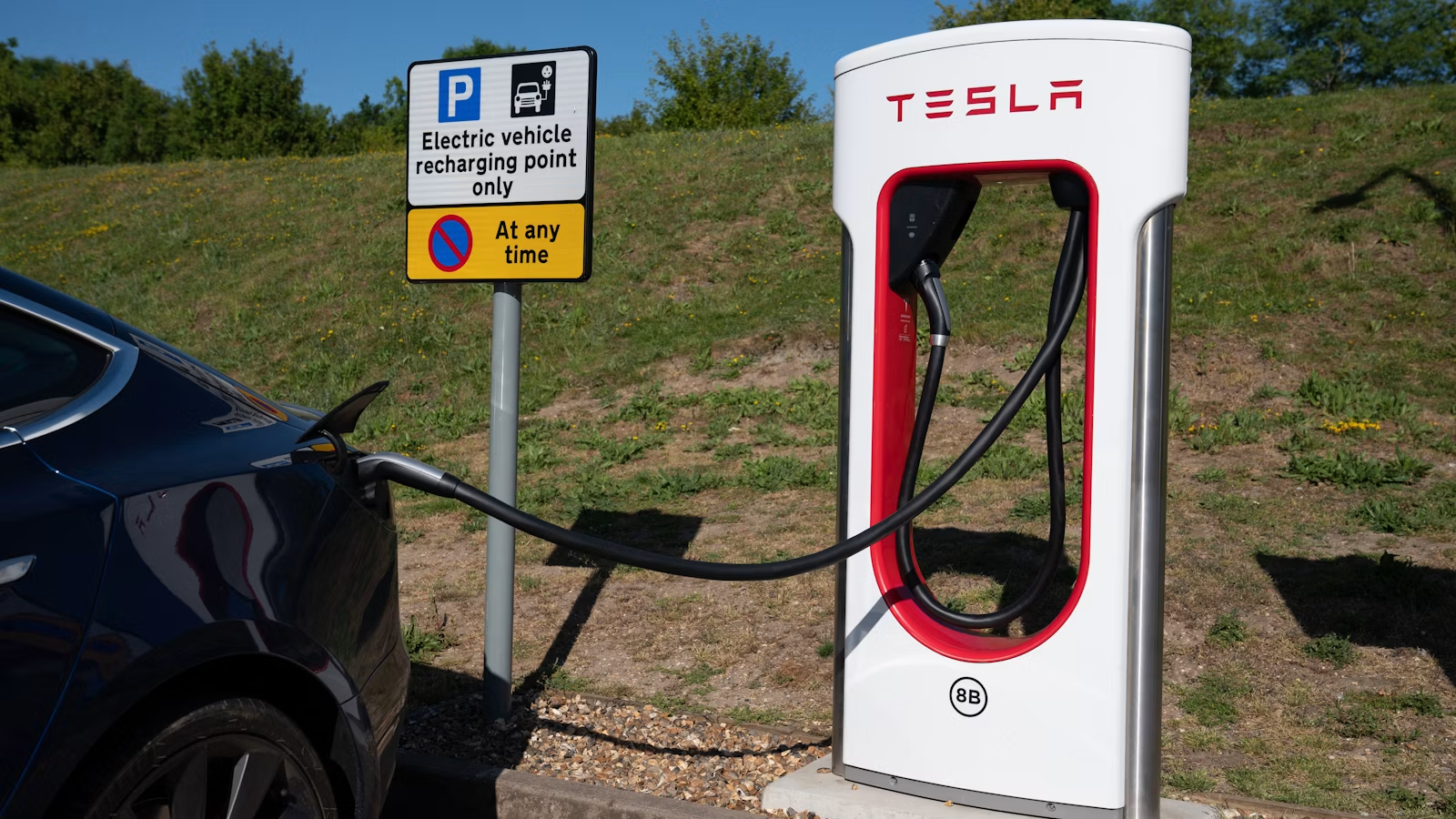
The key question before Tesla’s Q2 earnings is not simply whether deliveries look strong. The real question is whether those deliveries can translate into profit, cash flow, and a clearer long-term growth path. You need to view Tesla through three major themes: whether the automotive business is recovering with quality, whether Robotaxi is moving from valuation narrative to commercial validation, and whether energy storage can become a more durable second growth engine. If all three improve at the same time, TSLA’s valuation becomes easier to support. If deliveries rely heavily on pricing pressure while AI spending continues to lift expenses, post-earnings volatility may remain elevated.
Key Takeaways
- Q2 deliveries beat expectations, but margin quality matters more.
- Robotaxi can support long-term valuation, but scale and regulation remain critical.
- Energy storage deployments remain strong, with Megapack as the key growth driver.
- AI, Optimus, and compute investment may pressure expenses and free cash flow.
- Earnings call guidance may matter more than single-quarter EPS.
What Known Data Matters Most Before Tesla Q2 Earnings?

Before Tesla reports Q2 earnings, you should first focus on three already disclosed data points: vehicle deliveries, vehicle production, and energy storage deployments. Deliveries indicate whether demand is recovering. The gap between production and deliveries helps reveal inventory movement. Energy storage deployments show whether Tesla still has growth support beyond autos. The known Q2 data looks positive, but it does not yet answer the key questions around margins and free cash flow.
Tesla’s disclosed second-quarter production, deliveries, and energy storage deployments show that the company produced 451,758 vehicles, delivered 480,126 vehicles, and deployed 13.5 GWh of energy storage products in Q2. This combination carries two positive signals: deliveries exceeded production, suggesting possible inventory relief; and energy storage deployments remained high, showing continued project demand in the energy business.
More importantly, Tesla’s prior Q2 2026 Delivery Consensus showed total delivery consensus at 406,024 vehicles and energy storage deployment consensus at 13.8 GWh. In other words, vehicle deliveries significantly beat consensus, while energy storage deployments came in slightly below consensus. This shifts market attention to the income statement: did the delivery beat come with lower discounts, a better model mix, and a stable automotive gross margin?
| Known Metric | Q2 Data | Why It Matters |
|---|---|---|
| Total production | 451,758 vehicles | Indicates production rhythm and capacity utilization |
| Total deliveries | 480,126 vehicles | Measures demand recovery and inventory release |
| Model 3/Y deliveries | 467,762 vehicles | Shows resilience of Tesla’s core models |
| Other Models deliveries | 12,364 vehicles | Tracks Cybertruck, Semi, and other contributions |
| Energy storage deployments | 13.5 GWh | Measures growth quality in the energy business |
| Q2 earnings release date | After market close on July 22, 2026 | Confirms margins, cash flow, and guidance |
You should also note Tesla’s own reminder that deliveries and energy storage deployments are only partial indicators of financial performance. Quarterly results also depend on average selling price, cost of sales, foreign exchange impact, and other variables. In other words, strong Q2 deliveries do not automatically mean strong Q2 profit. For a stock like TSLA, whose valuation depends heavily on long-term growth narratives, the market will not be satisfied with a delivery beat alone. It will ask whether that growth is sustainable.
Summary: The known data before Tesla’s Q2 earnings is broadly positive. Deliveries of 480,126 vehicles were significantly above the sell-side consensus compiled by Tesla, while 13.5 GWh of energy storage deployments also shows that the energy business remains in a strong deployment range. However, you should not treat delivery data as direct proof of earnings improvement. What matters after the earnings release is the average selling price, cost control, automotive gross margin, energy storage margin, and management’s commentary on second-half demand. If Q2 proves “strong deliveries + stable margins + clear guidance,” the market will have a stronger basis for maintaining Tesla’s valuation premium.
Whether Tesla’s Automotive Business Is Truly Strong Again Depends on Margins, Not Deliveries
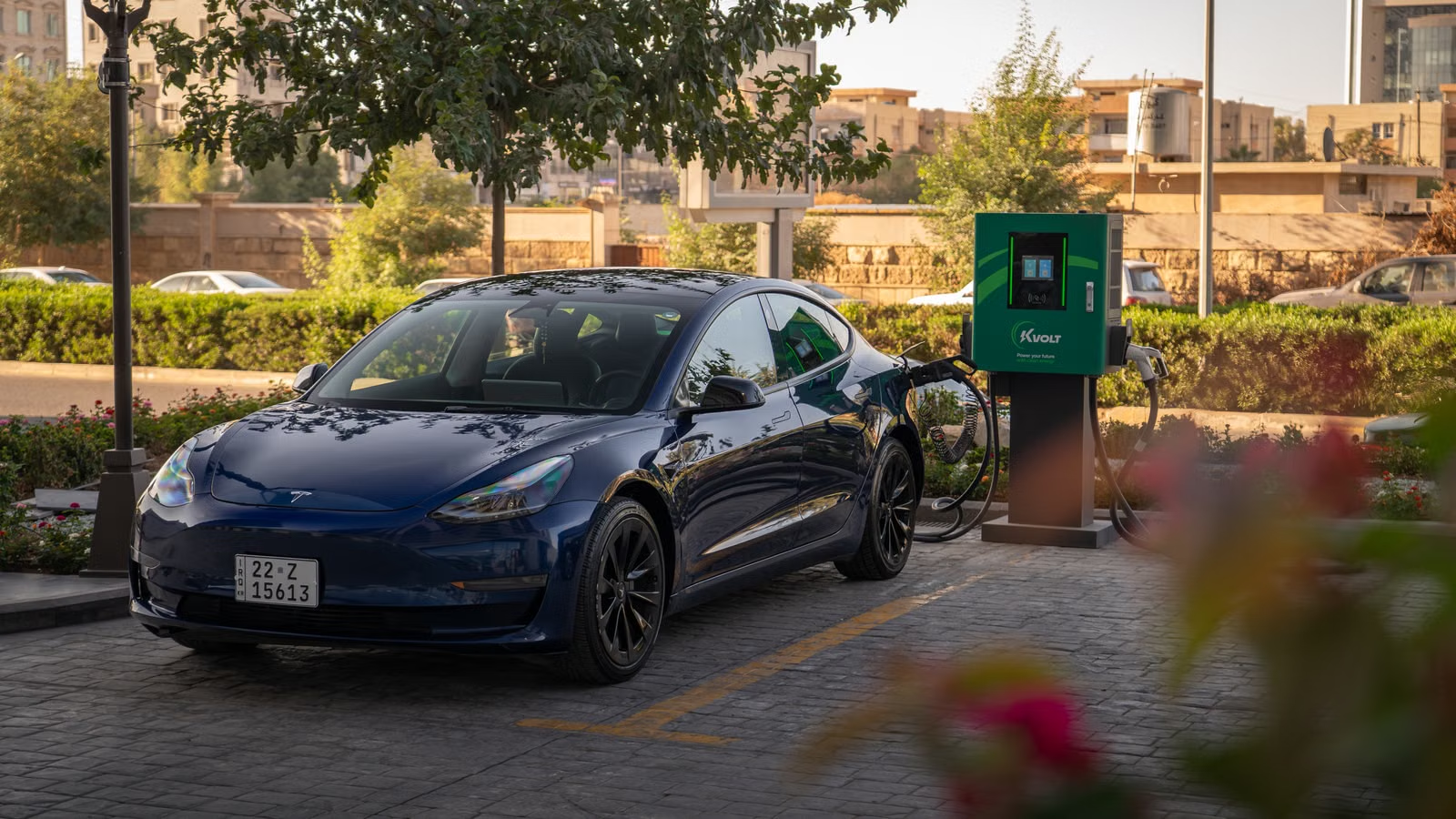
To judge whether Tesla’s automotive business is truly strong again, you cannot only look at how many more vehicles it delivered in Q2. You need to see whether the business is growing without sacrificing too much price. A delivery beat suggests demand is better than previously feared, but if growth comes from price cuts, financing incentives, or short-term inventory release, profit leverage may be limited. Gross margin, ASP, unit cost, and regulatory credit revenue are the real focus.
Q1 provides the baseline for Q2 expectations. Tesla’s Q1 2026 Update showed total revenues of $22.387 billion, total GAAP gross margin of 21.1%, operating margin of 4.2%, and total automotive revenues of $16.234 billion. Q2 deliveries were significantly higher than Q1 deliveries. If ASP remains stable and costs continue to decline, there is room for both revenue and gross profit improvement. But if delivery growth mainly comes from lower-priced models or aggressive promotions, profit improvement may lag volume improvement.
Can Delivery Recovery Drive Revenue Growth?
Delivery recovery directly supports revenue, but Tesla’s revenue quality depends on regional mix and model mix. Model 3/Y remains the core driver, with 467,762 deliveries in Q2, showing that Tesla’s main volume platform still carries the business. The question is that pricing, subsidies, and competition vary sharply across China, Europe, and North America. Any change in ASP across these regions can affect overall automotive revenue.
You can break delivery quality into four questions:
- Did delivery growth come from Model 3/Y or higher-priced models?
- Did incremental demand come from organic recovery or pricing incentives?
- Does delivery exceeding production suggest inventory reduction?
- Is regulatory credit revenue continuing to decline?
Reuters’ coverage of Tesla’s Q2 delivery performance noted that stronger deliveries did not prevent the stock from falling, partly because the market had already priced in some optimism. This shows that investors care more about earnings quality than a single delivery number.
Automotive Gross Margin Is the Key Q2 Battleground
Tesla’s Q1 automotive gross margin was 21.1%, while non-GAAP automotive gross margin excluding regulatory credits was 19.2%. These numbers matter because if Q2 maintains or improves on this level, it suggests delivery growth did not meaningfully damage profitability. If margins decline, the market may again worry that Tesla needs price concessions to drive volume.
| Automotive Metric | Positive Signal | Risk Signal |
|---|---|---|
| Automotive gross margin | Stable margins after higher deliveries | Deliveries grow but margins fall |
| ASP | Product mix improves | Discounts or lower-priced models weigh on revenue |
| Cost per vehicle | Material costs decline and scale benefits appear | Factory upgrades or supply chain costs rise |
| Regulatory credits | Contribution remains stable without heavy dependence | Lower credits weigh on profit |
| Inventory days | Inventory declines | Inventory builds again |
| Operating expenses | Expense growth stays controlled | AI and R&D spending rises too quickly |
You should also listen closely to management’s commentary on second-half demand during the Q2 earnings call. If Tesla emphasizes order backlog, capacity utilization, and lower unit costs, the market may be more willing to accept a high valuation. If the call focuses heavily on Robotaxi and AI while avoiding margin details, investors may conclude that the automotive foundation is not fully stable yet.
Summary: The key question for Tesla’s automotive business is not whether Q2 deliveries exceeded expectations. The key question is whether the delivery beat came with margin resilience. You can use Q1’s 21.1% automotive gross margin and 19.2% automotive gross margin excluding regulatory credits as the starting point. If Q2 shows strong deliveries, stable ASP, and lower unit costs, the auto business can again become a core valuation support. If growth depends on discounts or a weaker product mix, TSLA may still face the problem of “strong volume, weak profit” after earnings.
Whether Robotaxi Can Support Tesla’s Valuation Depends on Scalable Evidence
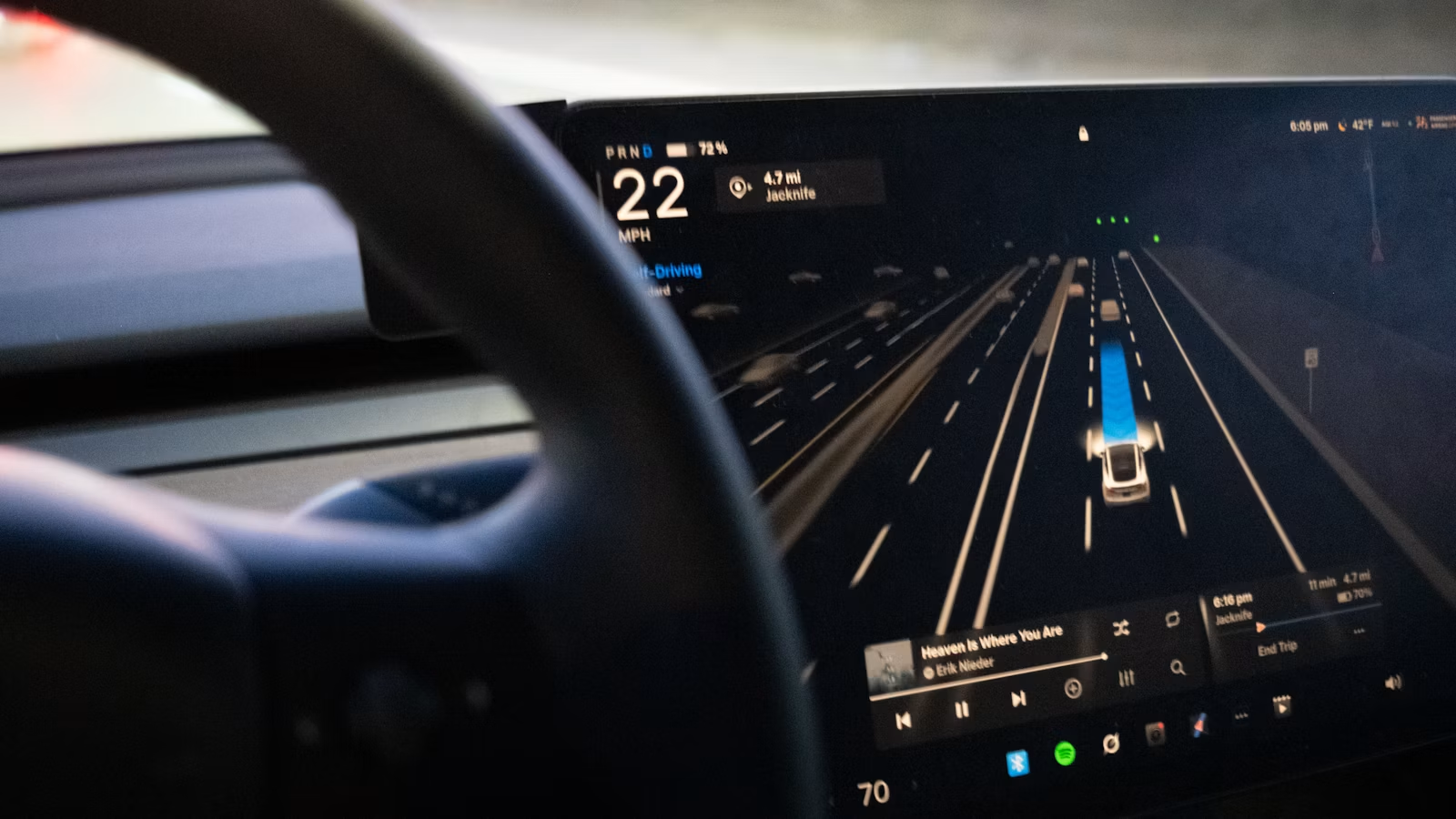
Robotaxi can support Tesla’s long-term valuation, but only if it moves from a technology narrative to verifiable commercial data. You should not rely only on broad claims about the future of autonomous driving. Instead, watch service cities, active vehicles, miles driven, intervention rates, safety records, and unit economics. Robotaxi may contribute little to Q2 profit, but it can have a major impact on TSLA’s valuation multiple.
Tesla’s valuation has long stayed above traditional automakers partly because the market does not view it only as an EV manufacturer. It also sees Tesla as an AI, software, autonomous driving, and robotics platform. Robotaxi sits at the center of this valuation framework. If a vehicle is not only sold once to a consumer but can also generate recurring ride-hailing revenue, Tesla’s business model begins to shift from one-time hardware sales toward fleet utilization and recurring revenue.
FSD and Robotaxi Should Not Be Confused
You need to separate FSD Supervised from Robotaxi. Tesla’s Q1 file note on FSD Supervised states that active driver supervision is still required and that the feature does not make the vehicle autonomous. Robotaxi is closer to driverless mobility service and involves regulatory approval, service areas, safety standards, remote assistance, and insurance responsibility.
| Observation Area | Valuation Relevance | Risk to Verify |
|---|---|---|
| Number of service cities | Measures commercialization speed | Local regulation varies |
| Active fleet size | Shows whether the service can scale | Vehicle supply may be limited |
| Wait time | Measures user experience | Peak-hour capacity may be insufficient |
| Safety data | Supports regulatory durability | Accidents, complaints, or investigations |
| Revenue per vehicle | Tests the business model | Costs may exceed revenue |
| Intervention rate | Indicates technical maturity | Complex driving conditions remain difficult |
Reuters’ tracking of Austin Robotaxi wait times showed that the early service still faced long wait times and limited vehicle availability during certain periods. This does not mean Robotaxi has failed. It means the service is still in validation mode, and the market needs more operating data rather than vision alone.
What to Listen for on Robotaxi During the Earnings Call
Tesla has pushed unsupervised Robotaxi in Austin and expanded Robotaxi availability in Miami. For Q2 earnings, the more important question is whether management provides specific metrics such as ride volume, fleet size, miles driven, intervention rate, geofenced area, regulatory timeline, and unit economics.
If management only says the future market is large without giving scale metrics, Robotaxi remains more of a valuation option. If Tesla discloses city expansion, fleet size, wait-time improvement, and safe operating data, the market will be more willing to include Robotaxi in its long-term valuation model.
Summary: Robotaxi matters to Tesla not because it will drive meaningful Q2 revenue, but because it can support the shift from EV manufacturer to AI mobility platform. You should not only track whether Austin, Dallas, Houston, or Miami services are available. You should ask whether each city can become part of a repeatable operating model. Robotaxi still faces regulatory, safety, insurance, remote assistance, and user experience constraints, so it is better treated as a long-term valuation option rather than a near-term earnings source. If Q2 earnings bring more transparent operating data, TSLA’s AI premium becomes easier for the market to accept.
Is Energy Storage Becoming Tesla’s Second Growth Engine?
When you analyze Tesla’s Q2 earnings, energy storage should no longer be treated as a side business. The 13.5 GWh of Q2 storage deployments shows that Energy Generation and Storage remains in a high-deployment range. Megapack, Powerwall, and utility-scale storage demand are improving Tesla’s revenue mix. The real question is not whether GWh deployment is growing, but whether storage projects can produce stable margins and sustainable orders.
Tesla’s Q1 file showed that California Megapack had annualized capacity of 40 GWh, Shanghai Megapack had annualized capacity of 20 GWh, and Texas Megapack was under construction. At the same time, Tesla positions Megapack as a utility-scale battery energy storage product designed to stabilize grids and help reduce outages. For investors, this means energy storage is not just “selling batteries.” It is driven by grid stability, data centers, renewable energy integration, and energy management demand.
| Energy Storage Metric | Q2 Focus | Valuation Impact |
|---|---|---|
| Storage deployed | Whether deployment remains high | Measures demand strength |
| Energy revenue | Whether deployments convert into revenue | Tests revenue recognition timing |
| Energy gross margin | Whether margin stays stable | Measures profit contribution |
| Megapack capacity | California, Shanghai, and Texas expansion | Shows medium-term supply potential |
| Backlog | Order visibility | Measures growth sustainability |
| Project timing | Delivery and grid connection schedule | Explains quarterly volatility |
The advantage of Tesla’s energy storage business is that demand is more diversified and less dependent on the consumer auto cycle. AI data centers, grid balancing, renewable energy integration, and enterprise energy cost management can all increase demand for utility-scale battery storage. If Tesla can maintain advantages in Megapack delivery, software-based energy management, and supply chain execution, storage may become a more important profit source outside the automotive business.
But storage is also volatile. Project-based businesses are often affected by delivery timing, installation, grid connection, and revenue recognition. A strong deployment quarter does not guarantee the next quarter will follow the same pace. You should view Q2’s 13.5 GWh within the context of full-year orders and capacity expansion, not as a standalone data point.
Summary: Tesla’s energy storage business is moving from a supporting role to a key growth line. Q2 storage deployments of 13.5 GWh show that demand remains strong, but you should also watch revenue recognition, energy gross margin, Megapack backlog, and progress at the Texas Megafactory. If energy storage can maintain high deployments, healthy margins, and visible orders, it can help Tesla reduce reliance on the auto delivery cycle. If deployments are strong but margins are weak, the market may still treat storage as a growth story rather than a stable profit engine.
How Will AI Investment, Optimus, and Capex Affect Profit and Cash Flow?
Tesla’s AI investment brings both valuation premium and financial pressure. You need to recognize one reality: FSD, Robotaxi, Cybercab, Optimus, AI training compute, and new factories can all raise Tesla’s long-term ceiling, but in the short term they can also lift R&D, capital expenditures, and depreciation. The key Q2 question is not whether Tesla should invest in AI, but whether that investment has a clear return path.
Q1 data already provides a useful reference point. Tesla’s Q1 operating expenses were $3.779 billion, including $1.946 billion in R&D and $1.833 billion in SG&A. The same file also showed Q1 operating cash flow of $3.937 billion, capital expenditures of $2.493 billion, and free cash flow of $1.444 billion. If AI and factory investment continue to expand in Q2, the market will closely watch whether free cash flow can absorb the spending.
| AI Investment Area | Long-Term Value | Short-Term Financial Pressure |
|---|---|---|
| FSD | Software subscription and autonomous driving capability | R&D and regulatory validation |
| Robotaxi | Mobility service revenue and platform valuation | Fleet, operations, and safety costs |
| Cybercab | Purpose-built autonomous vehicle | Production preparation and ramp risk |
| Optimus | Long-term robotics market | Factory buildout and R&D spending |
| AI training compute | Model training capability | GPUs, data centers, and power costs |
| Manufacturing automation | Lower long-term manufacturing costs | Upfront capex and depreciation |
Tesla stated in its Q1 file that Cortex 2 had gone online and started running training workloads, while the first-generation Optimus production line was being installed and prepared. This shows that Tesla’s AI push is not purely conceptual, but financial statements usually reflect costs before revenue. For TSLA, the market may be willing to pay an AI premium, but only if management explains investment pace, commercialization path, and capital returns.
Optimus is better viewed as a long-term narrative rather than a short-term Q2 revenue contributor. You can watch factory progress, production line readiness, use cases, internal deployment scale, and mass production timing, but it should not be treated as a Q2 profit variable. Robotaxi and FSD commercialization are more relevant to medium-term valuation. Optimus remains a longer-term option.
Summary: Tesla’s AI investment is both a valuation support and an earnings risk. FSD, Robotaxi, Cybercab, Optimus, and AI compute can expand Tesla’s long-term opportunity set, but they first appear in R&D, SG&A, capex, and depreciation. When reviewing Q2 earnings, you should treat free cash flow as the constraint. If Tesla can maintain healthy cash flow despite heavy investment, the market will find it easier to accept the spending. If expenses rise, free cash flow weakens, and commercialization metrics remain vague, the AI narrative could become a valuation headwind.
What Scenarios Could Reprice TSLA After Q2 Earnings?
Tesla’s post-earnings market reaction will not be determined by EPS alone. The stock may reprice around four signals: whether deliveries are strong, whether margins are stable, whether energy storage growth is profitable, and whether Robotaxi and AI roadmaps are clearer. You should view TSLA as a combination of automotive fundamentals, storage growth, and AI optionality rather than valuing it only like a traditional automaker.
| Earnings Scenario | Trigger | Likely Market Interpretation |
|---|---|---|
| Bullish scenario | Strong deliveries, better margins, solid storage profit, specific Robotaxi data | Valuation premium becomes easier to defend |
| Neutral scenario | Strong deliveries but ordinary margins, management maintains long-term guidance | Stock may remain volatile |
| Weak scenario | Deliveries rely on price cuts, margins are pressured, free cash flow declines | Market reassesses earnings quality |
| High-volatility scenario | Aggressive Robotaxi commentary without operating data | Short-term sentiment rises, but disagreement widens |
During the earnings call, you can focus on eight questions: automotive gross margin excluding credits, energy storage margin, FSD take rate, Robotaxi fleet size, Cybercab timeline, Optimus production update, AI capex, and 2026 delivery outlook. These issues are more important than single-quarter EPS for judging whether Tesla’s valuation framework remains intact.
If you are watching TSLA trading opportunities around earnings, you also need to consider actual trading costs. US stock trading costs may include not only commission, but also platform fees, external agency fees, trading activity fees, and other charges. For example, Biya’s US stock trading fees state that Biya charges $0 commission for US stocks, while platform fees, external agency fees, and other fees are subject to the fee schedule and order page. Popular stocks can be highly volatile around earnings, so you should understand order types, fee structures, and market risk before trading.
Summary: Tesla’s Q2 earnings are a valuation test, not just a delivery update. A bullish scenario requires deliveries, margins, storage profitability, and Robotaxi progress to align. A weaker scenario could come from margin pressure, lower free cash flow, or an unclear AI investment return path. You can break TSLA into three layers: the automotive business drives near-term earnings, the energy storage business supports revenue mix flexibility, and Robotaxi plus AI drive long-term valuation multiples. Any major gap in one of these layers may amplify post-earnings volatility.
If you are tracking Tesla earnings, TSLA volatility, Robotaxi, and energy storage themes, Biya can help you follow US stocks and multi-asset market movements while keeping earnings data, market volatility, and trading costs in the same decision framework. You can also use US stock information to review related stocks, then combine earnings timing, after-hours moves, and your own risk tolerance before making any decision. Service availability depends on your location, identity verification results, platform rules, and applicable laws and regulations. Public market information, trading rules, and fee structures do not constitute investment advice. If you need to monitor markets and account status on mobile, you can also use the Biya App to manage your watchlist.
FAQ
What Metrics Matter Most in Tesla Q2 Earnings?
The most important Tesla Q2 earnings metrics are automotive gross margin, energy storage deployments, free cash flow, operating expenses, and Robotaxi progress. Deliveries have already been disclosed, so the real test is whether those deliveries translate into profit, whether storage contributes margin, and whether AI investment pressures cash flow.
Will Tesla Robotaxi Affect TSLA Valuation?
Tesla Robotaxi can affect TSLA’s long-term valuation because it represents the potential commercialization of autonomous mobility services. In the short term, you should focus on service cities, fleet size, wait times, safety data, and regulatory progress rather than management’s broad statements about future market size.
Can Tesla Energy Storage Offset Automotive Pressure?
Tesla’s energy storage business can partly offset automotive pressure, but it cannot simply replace automotive profit. Megapack and utility-scale storage demand have growth potential, yet project delivery, grid connection timing, revenue recognition, and gross margin can all affect single-quarter results.
Why Can Tesla AI Investment Pressure Free Cash Flow?
Tesla AI investment can pressure free cash flow because FSD, Robotaxi, Cybercab, Optimus, and training compute all require R&D, equipment, factories, and infrastructure. If these investments do not generate near-term revenue, financial statements will first reflect expenses and capital expenditures.
How Should Retail Investors Assess TSLA Post-Earnings Risk?
Retail investors should assess TSLA post-earnings risk by looking at valuation, margin trends, free cash flow, management guidance, and personal risk tolerance. Post-earnings volatility can be significant, so it is important to understand order rules, fee structures, and applicable local requirements before trading.
*This article is provided for general information purposes and does not constitute legal, tax or other professional advice from BiyaPay or its subsidiaries and its affiliates, and it is not intended as a substitute for obtaining advice from a financial advisor or any other professional.
We make no representations, warranties or warranties, express or implied, as to the accuracy, completeness or timeliness of the contents of this publication.
Related Blogs of

TSMC Q2 Earnings Call Preview: AI Chip Demand, CoWoS Capacity, and 2nm Progress


Samsung’s Strong Earnings but Falling Share Price: Has the AI Storage Rally Peaked?


What to Watch in ASML Earnings: EUV, DUV, Backlog, and China Market Risk


ASML Q2 Earnings Preview: Can AI Chip Demand Continue to Support EUV Orders?

Choose Country or Region to Read Local Blog
 Australia
 Austria
 Belgium
 Canada
 Cyprus
 Czech Republic
 Denmark
 Estonia
 Finland
 France
 Germany
 Greece
 Hong Kong
 India
India Indonesia
 Ireland
 Italy
Italy Japan
Japan Latvia
 Lithuania
 Luxembourg
 Malaysia
 Malta
Malta Morocco
 Nepal
Nepal Netherlands
 New Zealand
 Norway
 Pakistan
 Philippines
 Poland
 Portugal
 Romania
 Singapore
 Slovakia
 Slovenia
 South Africa
 South Korea
 Spain
Spain Sweden
 Thailand
 The United States
 Turkey
 United Arab Emirates
 United Kingdom
 Vietnam
Contact Us




BIYA GLOBAL LLC is registered with the Financial Crimes Enforcement Network (FinCEN), an agency under the U.S. Department of the Treasury, as a Money Services Business (MSB), with registration number 31000218637349, and regulated by the Financial Crimes Enforcement Network (FinCEN).
BIYA GLOBAL LIMITED is a registered Financial Service Provider (FSP) in New Zealand, with registration number FSP1007221, and is also a registered member of the Financial Services Complaints Limited (FSCL), an independent dispute resolution scheme in New Zealand.