- More
- Download
How to Classify Pure Storage, NetApp, Dell, and HPE in Enterprise Storage





If you want to distinguish Pure Storage, NetApp, Dell, and HPE in enterprise storage, the key is not to ask “which one is best.” The better question is: what customer scenario does each company serve best? Pure Storage is closer to an all-flash and subscription-based data platform company. NetApp is more like a hybrid cloud and unified data management company. Dell is a full-stack infrastructure vendor covering servers, storage, data protection, and AI infrastructure. HPE is positioned around GreenLake, Alletra, private cloud, and edge-to-cloud infrastructure. From a procurement perspective, you should start with workloads. From an investment perspective, you should look at revenue structure, gross margin, cash flow, and AI exposure.
Key Takeaways
- Pure Storage is defined by all-flash, subscription ARR, and Enterprise Data Cloud.
- NetApp is defined by ONTAP, hybrid cloud, and unified data infrastructure.
- Dell’s strength lies in PowerStore, PowerScale, PowerMax, and full-stack enterprise coverage.
- HPE’s focus is Alletra, GreenLake, private cloud, and AI infrastructure integration.
- You should compare products, cloud strategy, AI exposure, customers, and financial structure together.
- From an investment angle, PSTG/NTAP have higher storage purity, while Dell/HPE are broader infrastructure plays.
Start by Dividing the Four Companies Into Four Storage Logic Models
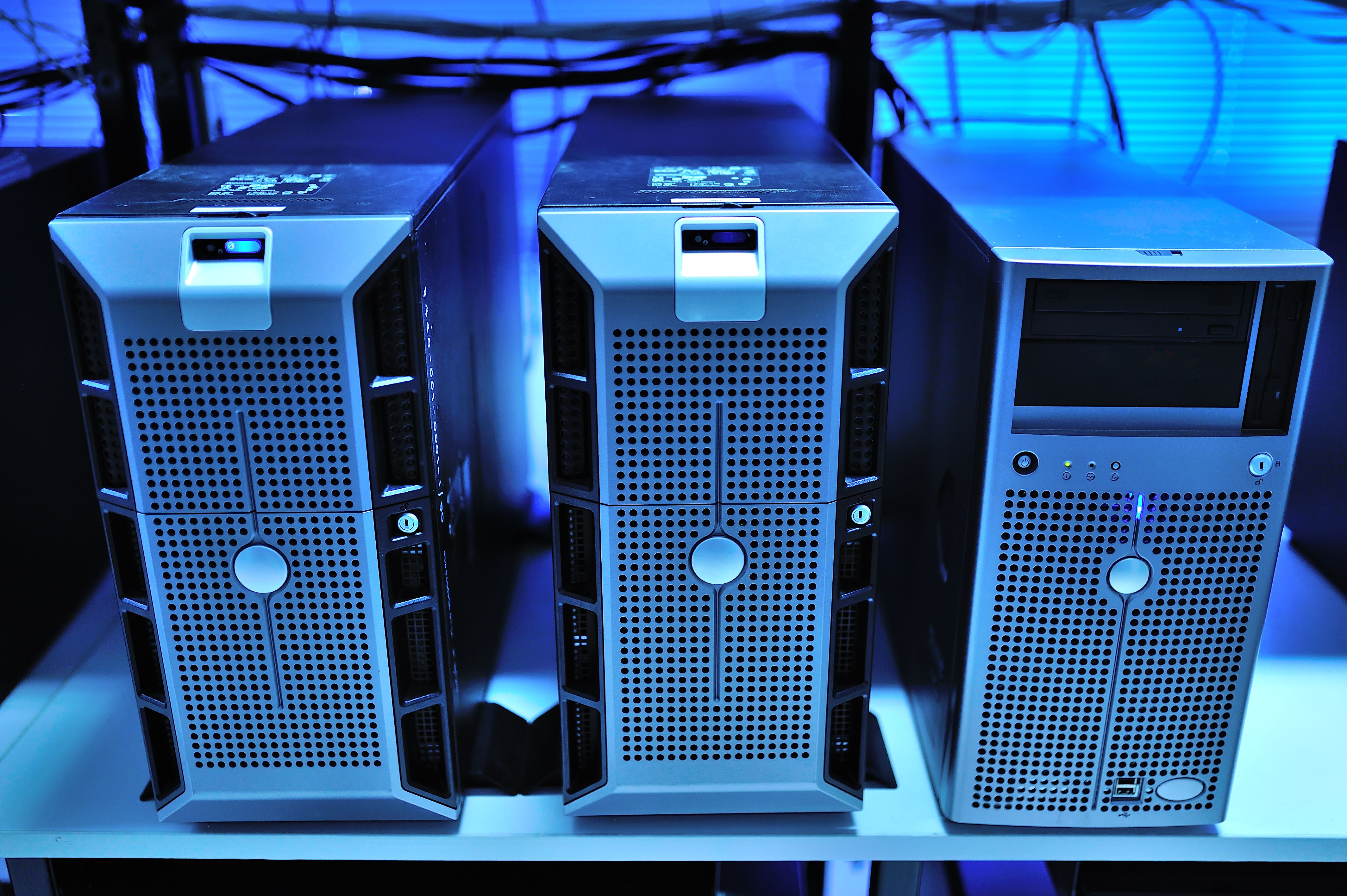
The four companies can first be divided into four categories: Pure Storage is an all-flash and subscription-based data platform; NetApp is a hybrid cloud unified data layer; Dell is a full-stack enterprise infrastructure company; HPE is a GreenLake private cloud and edge-to-cloud infrastructure platform. Once you classify them this way, it becomes clear that they are not simply selling the same kind of “storage box.” They play different roles in different enterprise IT architectures.
Pure Storage started as one of the clearest examples of a specialist all-flash vendor, but its story has gradually expanded from FlashArray and FlashBlade to Evergreen, Portworx, and Enterprise Data Cloud. One detail is worth noting: Pure Storage has announced that it is adopting the Everpure name, but international investors still commonly search for it using Pure Storage, PSTG, and FlashArray. For readability, the discussion here continues to use the more familiar Pure Storage name. Its core traits are focused products, high gross margins, and a rising subscription revenue base. It looks more like a software-like data platform company than a traditional hardware appliance vendor.
Pure Storage’s financial data supports this positioning. According to Pure Storage Q3 FY2026 results, quarterly revenue reached $964.5 million, up 16% year over year. Subscription services revenue was $429.7 million, up 14%. Subscription ARR reached $1.8 billion, up 17%. RPO reached $2.9 billion, up 24%. Non-GAAP gross margin was 74.1%. These numbers show that Pure Storage is not just selling arrays. Its story is about subscription, long-term contracts, data platform value, and a high-margin business model.
NetApp follows a different logic. Its core asset is ONTAP, together with AFF, ASA, StorageGRID, BlueXP, Keystone, and public cloud storage services built around it. NetApp is best understood as a hybrid cloud data management company because its value is not limited to on-premises arrays. It helps enterprises manage data across on-premises data centers, public clouds, private clouds, and edge environments. According to NetApp FY2026 results, FY2026 net revenue was $6.925 billion, up 5% year over year. Q4 FY2026 all-flash array revenue reached $1.2 billion, up 18%. Public Cloud revenue was $182 million, up 11%.
Dell and HPE should be analyzed within full-stack infrastructure. Dell’s storage business is not a standalone story. It is part of a broader portfolio that includes PowerEdge, PowerStore, PowerScale, PowerMax, PowerProtect, ObjectScale, and AI servers. According to Dell Q1 FY2027 results, ISG revenue reached $29 billion, up 181% year over year. AI-optimized server revenue reached $16.1 billion, up 757%. Storage revenue was $4.3 billion, up 8%. This means Dell’s storage story is closely tied to AI servers, enterprise customers, and full-stack data center orders.
HPE, by contrast, emphasizes GreenLake, Alletra, Private Cloud AI, networking, and edge-to-cloud architecture. According to HPE Q2 FY2026 results, Cloud & AI revenue was $7.7 billion, up 22.9% year over year. Server revenue was $5.5 billion, while Storage revenue was $1.2 billion. HPE’s storage growth by itself may not be the most eye-catching number, but it sits inside the larger Cloud & AI, GreenLake, private cloud, and networking integration framework. It should not be analyzed only as a standalone storage revenue line.
| Company | Best Classification | Core Products / Platforms | One-Line Positioning |
|---|---|---|---|
| Pure Storage | All-flash and subscription-based data platform | FlashArray, FlashBlade, Evergreen, Portworx | High-margin specialist storage platform |
| NetApp | Hybrid cloud unified data infrastructure | ONTAP, AFF, ASA, BlueXP, Keystone | Cross-cloud data management company |
| Dell | Full-stack enterprise infrastructure | PowerStore, PowerScale, PowerMax, PowerProtect | Large enterprise full-stack hardware platform |
| HPE | GreenLake and private cloud infrastructure | Alletra, GreenLake, Private Cloud AI | Cloud-like enterprise infrastructure company |
Summary: These four companies should not be grouped casually under the broad label of “enterprise storage vendors.” Pure Storage is more like an all-flash platform and subscription-based data cloud company, best analyzed through ARR, RPO, gross margin, and AI data platform adoption. NetApp is more like a hybrid cloud unified data layer, best analyzed through ONTAP, Public Cloud, all-flash arrays, and data governance. Dell is a full-stack enterprise data center supplier, where storage should be considered alongside servers, AI orders, and data protection. HPE is a GreenLake private cloud and edge-to-cloud infrastructure company, where storage should be viewed together with Cloud & AI, networking, and Alletra.
Product Line Comparison: Block Storage, File Storage, Object Storage, and Data Protection
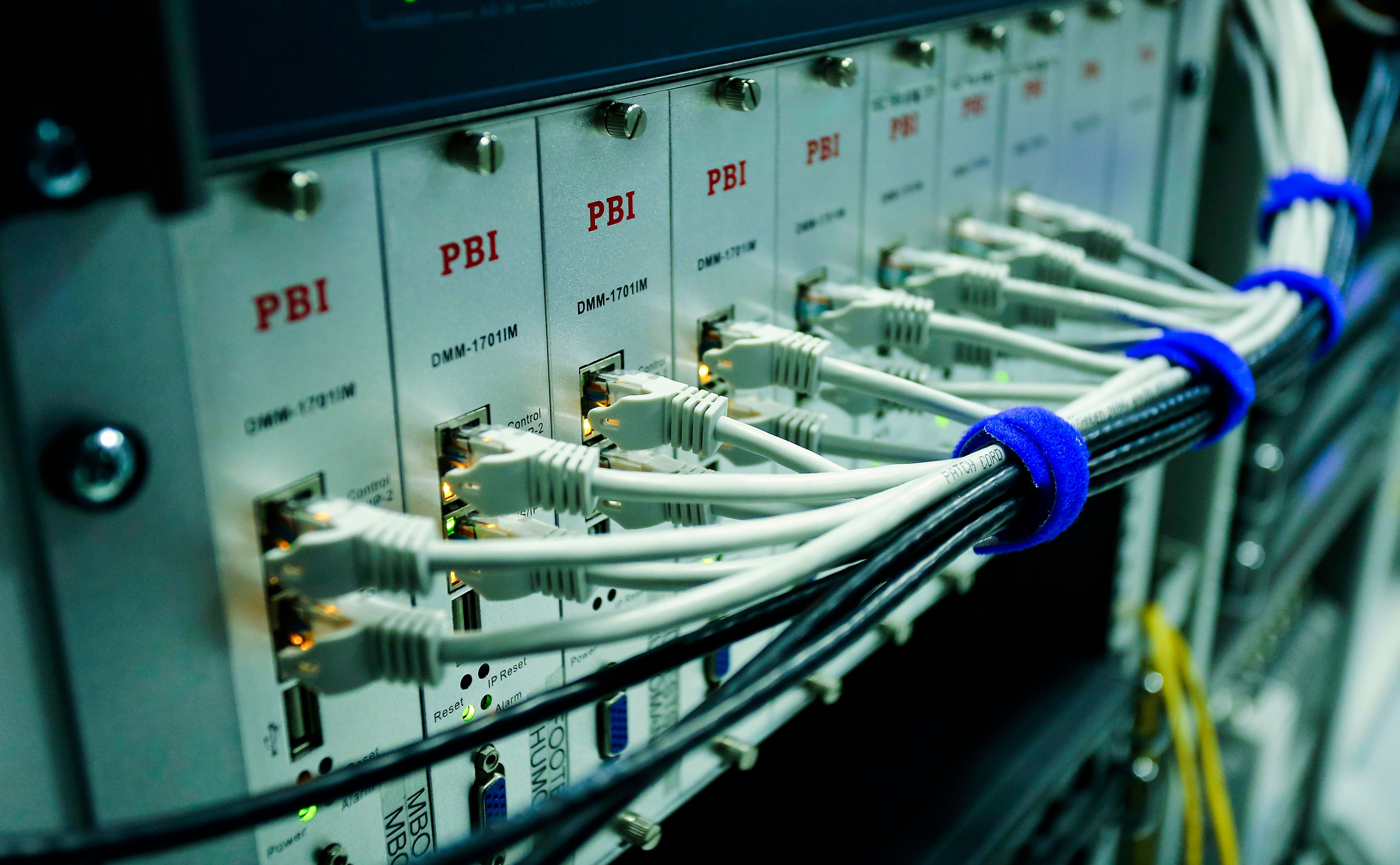
From a product-line perspective, Pure Storage is more focused on all-flash and cloud-native data platforms. NetApp is strongest in ONTAP and unified cross-environment management. Dell covers a broad range from midrange storage to high-end mission-critical systems. HPE emphasizes cloud-like delivery through Alletra and GreenLake. For enterprise procurement, the first question should not be the brand. It should be the workload: database, virtualization, file, object, backup, Kubernetes, or AI data pipeline.
Pure Storage’s core product family can be divided into four areas: FlashArray, FlashBlade, Evergreen, and Portworx. FlashArray is more focused on block storage and is commonly used for databases, virtualization, mission-critical applications, and low-latency workloads. FlashBlade is more oriented toward file/object storage and unstructured data, making it relevant for high-throughput analytics, AI datasets, logs, and media data. Evergreen is closer to subscription-based upgrades and storage-as-a-service. Portworx targets Kubernetes, containerized persistent storage, and cloud-native applications. Pure Storage promotes Enterprise Data Cloud because it wants to move enterprise data management beyond individual arrays toward cross-environment control, automation, and resilience.
NetApp’s core is ONTAP. You can think of ONTAP as NetApp’s unified storage operating system across its product lines, supporting file, block, object, snapshots, replication, and hybrid cloud capabilities. NetApp AFF and ASA are more focused on all-flash arrays. StorageGRID is more relevant for object storage. Keystone maps to storage-as-a-service. BlueXP is the unified management and cross-cloud control layer. In data storage, NetApp emphasizes on-premises, public cloud, hybrid cloud, and storage-as-a-service. This is the biggest difference between NetApp and Pure Storage: Pure is more like a high-performance all-flash platform, while NetApp is more like a cross-environment data layer.
Dell has a wider product portfolio. PowerStore is a unified all-flash storage platform covering virtualization, databases, containers, and general enterprise workloads. PowerMax targets mission-critical and high-end enterprise systems. PowerScale is strong in scale-out file storage and unstructured data. PowerProtect focuses on backup, recovery, and data protection. ObjectScale covers object storage. Dell’s enterprise data storage portfolio brings PowerStore, PowerScale, PowerMax, PowerFlex, and PowerProtect together, making it more suitable for large enterprises buying standardized infrastructure.
HPE’s focus is Alletra and GreenLake. For example, HPE Alletra Storage MP B10000 is positioned around unified block and file storage, AI-driven cloud management, disaggregated scaling, and high availability. HPE’s strength is not one single array. It is the combination of Alletra, GreenLake, Private Cloud, Zerto, networking, servers, and operations services. For enterprises already using HPE servers, networking, or private cloud architecture, HPE storage often becomes part of a broader platform extension.
| Storage Type | Pure Storage | NetApp | Dell | HPE |
|---|---|---|---|---|
| Block storage | FlashArray | AFF / ASA / ONTAP | PowerStore / PowerMax | Alletra Storage MP |
| File storage | FlashBlade | ONTAP / AFF | PowerScale | Alletra MP / X10000 |
| Object storage | FlashBlade | StorageGRID | ObjectScale | Alletra / GreenLake portfolio |
| Data protection | SafeMode, snapshots, recovery features | SnapMirror, Snapshot, BlueXP | PowerProtect | Zerto, GreenLake protection capabilities |
| Cloud-native | Portworx | BlueXP, Cloud Volumes ONTAP | Kubernetes + Dell stack | GreenLake, Private Cloud |
Summary: From a product-line perspective, Pure Storage’s strengths are focus, simplicity, and all-flash performance, making it suitable for high-performance databases, AI data platforms, and cloud-native applications. NetApp’s strengths are the ONTAP ecosystem and hybrid cloud consistency, making it suitable for data governance across on-premises and public cloud environments. Dell’s strengths are product breadth and enterprise coverage, making it suitable for large customers procuring servers, storage, backup, and AI infrastructure together. HPE’s strength is Alletra + GreenLake + private cloud experience, making it relevant for enterprises that want storage integrated into cloud-like operations and edge-to-cloud architecture.
Customer Scenarios: AI, Hybrid Cloud, Large Enterprises, and Traditional Data Centers

From a customer-scenario perspective, Pure Storage is better suited for high-performance all-flash, AI data platforms, and cloud-native applications. NetApp is better suited for hybrid cloud, unified data management, and cross-environment data access. Dell is better suited for large enterprise full-stack procurement. HPE is better suited for GreenLake private cloud, Alletra, and cloud transformation among existing HPE infrastructure customers. All four companies can serve enterprise storage needs, but their strongest scenarios are different.
AI data and unstructured data are among the most important growth scenarios. AI training, inference, retrieval-augmented generation, video generation, enterprise knowledge bases, and log analytics all produce large volumes of unstructured data. Pure Storage emphasizes high throughput, low latency, FlashBlade, Enterprise Data Cloud, and Portworx in this environment. NetApp’s advantage is putting AI data into a unified data management framework, allowing data to be accessed consistently across on-premises, public cloud, and private cloud environments. Dell and HPE play more full-stack roles by delivering servers, GPUs, networking, storage, backup, and services together.
In hybrid cloud and cross-cloud data management, NetApp has the clearest positioning. Enterprise data rarely lives in only one environment. Financial systems, file services, object data, AI datasets, backups, and archives may be distributed across on-premises data centers, AWS, Azure, Google Cloud, private clouds, and edge locations. NetApp’s ONTAP, BlueXP, and Public Cloud portfolio is designed for this complexity. A unified control layer such as NetApp Console reinforces the idea that NetApp should be understood as a data management layer, not just a storage hardware vendor.
For traditional large enterprises and mission-critical systems, Dell and HPE have stronger full-stack advantages. Dell has servers, storage, networking, data protection, PCs, and enterprise services. Large enterprises often do not buy one array in isolation; they buy maintainable, scalable, standardized infrastructure. HPE builds its offering around servers, networking, private cloud, and GreenLake, making it a natural extension for existing HPE customers. Pure Storage and NetApp are also strong in mission-critical storage, but their advantages rely more on product specialization and data platform capability than on broad hardware-group coverage.
| Use Case | Companies to Study First | Why |
|---|---|---|
| AI training data and high-throughput file workloads | Pure Storage, Dell, HPE | Pure is more data-platform-oriented, while Dell/HPE are more full-stack AI infrastructure-oriented |
| Hybrid cloud data management | NetApp | ONTAP, BlueXP, and Public Cloud positioning are clearer |
| Large enterprise standardized procurement | Dell, HPE | Server, storage, networking, and service portfolios are more complete |
| Kubernetes and cloud-native applications | Pure Storage, NetApp | Portworx and ONTAP / BlueXP offer different advantages |
| Mission-critical databases | Dell, Pure Storage, NetApp | PowerMax, FlashArray, AFF/ASA all have clear use cases |
| Data protection and cyber resilience | Dell, HPE, NetApp, Pure Storage | Needs to be assessed by backup, snapshots, isolation, and recovery capabilities |
For enterprise buyers, the right question is not “which brand is stronger: Pure, NetApp, Dell, or HPE?” The better question is: what kind of data workload are you running? If the priority is high-performance databases and all-flash replacement, Pure Storage, NetApp, and Dell may all enter the shortlist. If the need is cross-cloud file services and data governance, NetApp deserves closer attention. If the project involves AI servers, GPU clusters, storage, and data protection in one purchase, Dell and HPE have stronger full-stack advantages. If the goal is private cloud, edge-to-cloud operations, and consumption-based infrastructure, HPE GreenLake is more relevant.
Summary: Customer scenarios are where the four companies truly separate. Pure Storage is more suitable for customers seeking all-flash performance, simplified operations, and subscription-based delivery. NetApp is more suitable for hybrid cloud, unified data management, and cross-environment access. Dell is more suitable for large enterprises buying servers, storage, data protection, and AI infrastructure together. HPE is more suitable for GreenLake, private cloud, Alletra, and extensions of the existing HPE ecosystem. Before choosing an enterprise storage brand, you should identify the workload first, then evaluate the product, rather than ranking by brand name.
Financial Structure: Specialist Storage Vendors and Full-Stack Giants Need Different Comparison Models
When comparing financials, Pure Storage and NetApp are better analyzed through storage purity, gross margin, subscription revenue, all-flash growth, and Public Cloud. Dell and HPE must be viewed inside broader full-stack infrastructure and AI data center orders. All four companies sell enterprise storage, but their revenue structures are completely different. If you use the same valuation logic for PSTG, NTAP, DELL, and HPE, it is easy to reach the wrong conclusion.
Pure Storage’s key financial indicators are revenue growth, subscription services revenue, ARR, RPO, gross margin, and free cash flow. Its non-GAAP gross margin is much higher than that of traditional hardware groups, which shows that its value comes from all-flash products, software capabilities, subscription contracts, and operational simplification. Its risks are also clear: valuation tends to depend heavily on growth and margin. If subscription growth, AI data platform adoption, or large-customer demand slows, the stock can become highly sensitive.
NetApp is more like a mature storage company combined with a hybrid cloud transition story. Its FY2026 net revenue of $6.925 billion, Q4 all-flash array revenue of $1.2 billion, and Public Cloud revenue of $182 million show that it has both a stable enterprise customer base and growth points in hybrid cloud and all-flash storage. NetApp also emphasizes shareholder returns. In FY2026, it returned $1.36 billion to shareholders through share repurchases and cash dividends. For a company like this, valuation depends not only on growth, but also on margins, cash flow, capital returns, and transition quality.
Dell’s storage business must be analyzed inside ISG and AI servers. Dell’s Q1 FY2027 Storage revenue was $4.3 billion, up 8%, which is already very large. But in the same quarter, AI-optimized server revenue was $16.1 billion, up 757%, which clearly attracted more market attention. This means Dell storage is both a standalone profit contributor and a supporting capability inside AI infrastructure orders. You should not treat Dell as a pure storage stock, but you also should not ignore storage’s role in full-stack AI infrastructure deals.
HPE is similar. HPE Q2 FY2026 Storage revenue was $1.2 billion, up 2.4%, which does not look especially strong on its own. But Cloud & AI revenue reached $7.7 billion, up 22.9%, and networking revenue expanded significantly after Juniper integration. HPE storage supports GreenLake, Private Cloud AI, Alletra, and enterprise cloud architecture. It is not meant to carry the entire growth story alone.
| Company | Financial Metrics to Watch | Common Misread |
|---|---|---|
| Pure Storage | ARR, RPO, gross margin, subscription services revenue | It should not be valued only as a traditional hardware vendor |
| NetApp | All-flash, Public Cloud, billings, capital returns | It should not be judged only by legacy array growth |
| Dell | ISG, AI servers, Storage, cash flow | Storage is not the whole story |
| HPE | Cloud & AI, Storage, GreenLake, Networking | Slow storage growth alone does not capture the full story |
If you are watching these companies for potential U.S. stock trading opportunities, financial research is only part of the picture. You also need to understand real trading costs. U.S. stock trading costs may include commissions, platform fees, external agency fees, trading activity fees, order-type differences, and fractional-share rules. For example, U.S. stock trading fees show that Biya’s U.S. stock commission is $0, while platform fees, external agency fees, and other fees should be checked in the fee schedule and order page. Fractional-share orders also have separate fee rules. Fees do not change the fundamentals of Pure Storage, NetApp, Dell, or HPE, but they can affect the true cost of staged entries, long-term tracking, and small rebalancing trades.
Summary: From a financial-structure perspective, Pure Storage and NetApp are better compared under a “storage purity” framework, with attention to revenue growth, subscription revenue, all-flash growth, Public Cloud, gross margin, and free cash flow. Dell and HPE are better compared under an “AI infrastructure group” framework, with attention to servers, storage, networking, private cloud, data protection, and overall cash flow. PSTG/NTAP have storage businesses that affect valuation more directly, while DELL/HPE storage businesses often support larger full-stack orders and broader enterprise infrastructure strategies.
How Each Company Benefits From AI and Enterprise Data Trends
AI is not the same kind of tailwind for all four companies. Pure Storage benefits from AI data platforms and all-flash replacement. NetApp benefits from hybrid cloud data governance. Dell benefits from AI server-led full-stack infrastructure procurement. HPE benefits from Private Cloud AI, GreenLake, Alletra, and networking integration. You should break “AI storage beneficiary” into four different categories: data access, data governance, hardware delivery, and private cloud transformation.
Pure Storage’s opportunity lies in AI data platforms. AI applications require fast access to large amounts of training data, vector data, logs, images, videos, and enterprise documents. Traditional fragmented storage architectures can easily create data silos. Pure Storage’s all-flash platform, FlashBlade, and Enterprise Data Cloud are relevant to data accessibility, performance, automation, and cyber resilience. The risk is that high-end all-flash storage is not cheap, and Dell, HPE, NetApp, VAST, and cloud-native storage services all compete for AI data platform budgets.
NetApp’s opportunity lies in hybrid cloud data governance. Enterprise AI is unlikely to run entirely in one public cloud or entirely on-premises. Many companies will keep core data on-premises while placing parts of training, inference, backup, and analytics in the cloud. NetApp’s ONTAP, BlueXP, Public Cloud, and replication capabilities are designed to solve problems such as cross-environment consistency, data protection, access control, and compliance governance. The risks are whether Public Cloud growth can continue accelerating and whether legacy customers migrate steadily into newer architectures.
Dell’s opportunity lies in integrated AI infrastructure procurement. When large enterprises deploy AI, they often need more than storage. They need servers, GPUs, networking, racks, power, data protection, and lifecycle services. Dell’s PowerEdge, AI servers, PowerStore, PowerScale, and PowerProtect portfolio makes it more like a prime infrastructure supplier for AI data centers. The risks are AI server margins, component costs, customer concentration, and order delivery timing.
HPE’s opportunity lies in private cloud and edge-to-cloud architecture. Many enterprises do not want to move all AI data into the public cloud. As a result, Private Cloud AI, GreenLake, Alletra, networking, and security capabilities become central to HPE’s story. HPE’s challenge is execution: it needs to turn servers, storage, networking, GreenLake, and the post-Juniper product portfolio into verifiable revenue, margin, and free cash flow.
| AI Trend | Pure Storage | NetApp | Dell | HPE |
|---|---|---|---|---|
| Data accessibility | Strong | Strong | Medium | Medium |
| Hybrid cloud data governance | Medium | Strong | Medium | Strong |
| AI full-stack hardware delivery | Medium | Medium | Strong | Strong |
| High-throughput unstructured data | Strong | Strong | Strong | Medium |
| Private cloud and enterprise cloud transformation | Medium | Strong | Strong | Strong |
| Main risk | Valuation and competition | Cloud growth pace | AI server margin | Integration and execution |
Summary: AI does not benefit all four companies equally. Pure Storage’s AI logic is data platforms and all-flash replacement, making it relevant to high performance, low latency, and data accessibility. NetApp’s AI logic is hybrid cloud data governance and cross-environment consistency. Dell’s AI logic is integrated orders across servers, storage, networking, and data protection. HPE’s AI logic is GreenLake private cloud, Alletra, and networking integration. To judge who benefits more, you should not focus only on the word “AI.” You need to see where the revenue lands, what margins look like, and whether cash flow follows.
Final Classification: Procurement View and Investment View
The final classification is straightforward. From a procurement perspective, Pure Storage fits all-flash and subscription-based data platforms; NetApp fits hybrid cloud unified data management; Dell fits full-stack AI data center infrastructure; HPE fits GreenLake private cloud and edge-to-cloud architecture. From an investment perspective, Pure Storage is more of a growth-oriented storage platform; NetApp is a mature cash-flow company with a hybrid cloud transition; Dell is an AI infrastructure scale story; HPE is a Cloud & AI, networking, and GreenLake integration story.
From a procurement perspective, Pure Storage fits enterprises seeking high performance, simplified operations, all-flash replacement, and subscription-based upgrades. NetApp fits enterprises seeking hybrid cloud, unified data management, multi-protocol access, and cross-cloud consistency. Dell fits large enterprises that want to buy servers, storage, networking, backup, security, and services together. HPE fits customers with existing HPE infrastructure that want to extend into private cloud and edge-to-cloud operations through GreenLake.
From an investment perspective, Pure Storage depends on whether growth and gross margin can remain strong, and whether subscription ARR, RPO, and AI data platform adoption continue to deliver. NetApp depends on whether all-flash, Public Cloud, cash flow, and shareholder returns can form a stable combination. Dell depends on whether AI server scaling can continue while storage and data protection contribute profit. HPE depends on whether Cloud & AI, networking, GreenLake, and Alletra can create real synergy rather than remaining only a portfolio narrative.
| Your Objective | Best Companies to Study First | Reason |
|---|---|---|
| Find a specialist all-flash vendor | Pure Storage | Focused products, high gross margin, strong subscription model |
| Find hybrid cloud data management | NetApp | Clear ONTAP and Public Cloud narrative |
| Find full-stack AI infrastructure | Dell | Stronger AI server, ISG, and storage combination |
| Find private cloud and GreenLake exposure | HPE | Alletra, GreenLake, and Cloud & AI are connected |
| Find mature cash flow | NetApp, Dell, HPE | Larger scale and more mature capital returns |
| Find higher growth sensitivity | Pure Storage, Dell | Pure is storage-platform growth; Dell is AI infrastructure scale |
There are four common mistakes. First, do not treat Pure Storage as a simple hardware box vendor. Its subscription and data platform attributes matter more. Second, do not think of NetApp only as an old NAS company. ONTAP and hybrid cloud capability are the core. Third, do not mix Dell’s storage revenue with AI server revenue. They reinforce each other, but the financial reporting lines are different. Fourth, do not look only at HPE’s storage growth rate while ignoring Cloud & AI, GreenLake, and networking integration.
Summary: The final classification can be reduced to four sentences: Pure Storage is an all-flash platform; NetApp is a hybrid cloud data layer; Dell is full-stack AI data center infrastructure; HPE is GreenLake private cloud and edge-to-cloud infrastructure. If you are an enterprise buyer, start with workload, existing IT architecture, data governance needs, and operational capability. If you are an investor, start with revenue purity, gross margin, cash flow, AI sensitivity, and valuation narrative. All four companies benefit from enterprise data growth, but their paths and risks are different.
If you track U.S.-listed technology infrastructure companies such as Pure Storage, NetApp, Dell, and HPE, do not rely only on one AI headline or one quarter of stock price movement. A better approach is to place product positioning, revenue structure, AI orders, gross margin, free cash flow, and valuation changes into the same tracking framework. You can use U.S. stock search to follow basic company information, and subject to local availability, identity verification, platform rules, and applicable laws, Biya can support multi-asset trading scenarios including U.S. stocks, Hong Kong stocks, and digital assets. Before trading, you should understand order types, fee structures, and volatility risk. For mobile access, you can use the Biya app to manage your workflow. These tools can improve information and execution efficiency, but they do not constitute investment advice.
FAQ
What Is the Main Difference Between Pure Storage and NetApp?
Pure Storage is more focused on all-flash storage, subscription-based delivery, and Enterprise Data Cloud, while NetApp is more focused on ONTAP, hybrid cloud, and unified data management. Pure emphasizes performance, simplified operations, and a high-margin subscription model. NetApp emphasizes data consistency, governance, and long-term enterprise customer relationships across on-premises, public cloud, and private cloud environments.
How Are Dell Enterprise Storage and HPE Storage Different?
Dell enterprise storage is more closely tied to PowerStore, PowerScale, PowerMax, and AI server-led full-stack data center infrastructure. HPE storage is more closely tied to Alletra, GreenLake, private cloud, and edge-to-cloud architecture. Dell’s strength is scaled enterprise infrastructure. HPE’s strength is cloud-like delivery and extension of its existing ecosystem.
What Metrics Matter Most When Buying an All-Flash Array?
When buying an all-flash array, enterprises should prioritize performance, latency, availability, data reduction, snapshots, recovery capability, scalability, subscription terms, operational complexity, and vendor support. Hardware price is only one factor. The real cost also includes migration, operations, renewal, capacity growth, and failure recovery.
Is Pure Storage or Dell Better for AI Data Centers?
AI data centers are not a simple either-or choice. Pure Storage is more suitable for high-performance data platforms, all-flash storage, and unstructured data workloads. Dell is more suitable for integrated procurement across AI servers, storage, networking, and data protection. Pure is closer to the data access layer, while Dell is closer to full infrastructure delivery.
What Does NetApp Public Cloud Revenue Indicate?
NetApp Public Cloud revenue shows that the company has a real business foundation in hybrid cloud and cross-cloud data management, but it does not represent the full growth picture by itself. To assess NetApp properly, you should also look at all-flash arrays, Hybrid Cloud revenue, billings, free cash flow, and capital returns.
How Should Ordinary Investors Compare Enterprise Storage Stocks?
Ordinary investors should compare revenue structure, gross margin, subscription revenue, free cash flow, AI-related orders, customer mix, and valuation. Pure Storage and NetApp should be analyzed more through storage purity, while Dell and HPE should be analyzed more through full-stack infrastructure. Before trading, investors should also follow platform rules, fee details, and local regulatory requirements.
*This article is provided for general information purposes and does not constitute legal, tax or other professional advice from BiyaPay or its subsidiaries and its affiliates, and it is not intended as a substitute for obtaining advice from a financial advisor or any other professional.
We make no representations, warranties or warranties, express or implied, as to the accuracy, completeness or timeliness of the contents of this publication.
Related Blogs of

Understanding Net Interest Margin and Provision Changes Through JPM, BAC, and Citi


How Much Is Venmo Worth in the PayPal Acquisition Case? User Scale, Revenue, and Strategic Value


How Does Venmo Make Money? How Payments, Credit Cards, and Merchant Services Affect PayPal’s Valuation


What Is Kevin Warsh’s Policy Framework? How It Affects the U.S. Dollar, Treasuries, and Tech Stocks
Choose Country or Region to Read Local Blog
 Australia
 Austria
 Belgium
 Canada
 Cyprus
 Czech Republic
 Denmark
 Estonia
 Finland
 France
 Germany
 Greece
 Hong Kong
 India
India Indonesia
 Ireland
 Italy
Italy Japan
Japan Latvia
 Lithuania
 Luxembourg
 Malaysia
 Malta
Malta Morocco
 Nepal
Nepal Netherlands
 New Zealand
 Norway
 Pakistan
 Philippines
 Poland
 Portugal
 Romania
 Singapore
 Slovakia
 Slovenia
 South Africa
 South Korea
 Spain
Spain Sweden
 Thailand
 United States
 Turkey
 United Arab Emirates
 United Kingdom
 Vietnam
Contact Us



