
How Does Venmo Make Money? How Payments, Credit Cards, and Merchant Services Affect PayPal’s Valuation




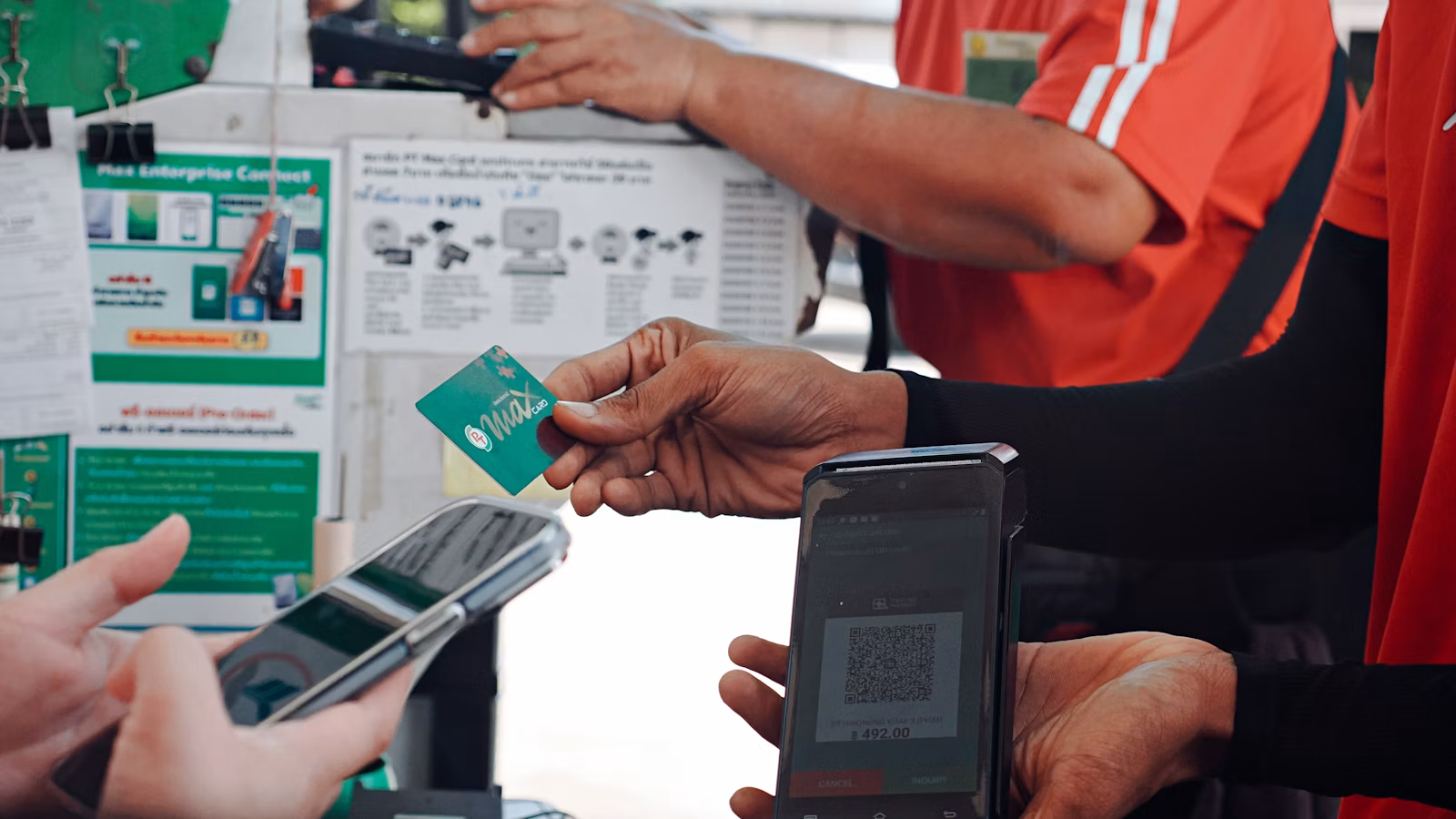
Venmo is no longer just a free money-transfer app. It first builds a user network through peer-to-peer payments, then monetizes parts of that network through instant transfers, commercial payments, debit card spending, credit card partnerships, and Pay with Venmo merchant checkout. In 2025, Venmo generated about $1.7 billion in revenue, up roughly 20% year over year; in the first quarter of 2026, its transaction volume continued to grow at a double-digit pace. For investors, the key question is not how many users Venmo has, but whether its commercial payment mix, transaction margin, and free cash flow contribution can keep improving.
Key Takeaways
- Free P2P transfers mainly drive user acquisition, engagement, and network effects.
- Instant transfers and commercial payments are Venmo’s most direct fee sources.
- Debit cards convert transfer users into higher-frequency spending and balance-holding users.
- Credit card economics must be shared with the issuing bank, so not all revenue belongs to PayPal.
- Merchant checkout selection rate and transaction margin matter more than merchant acceptance alone.
- Venmo’s valuation should reflect revenue quality, margin potential, and ecosystem synergies.
Venmo’s Business Model: How Free Transfers Become Revenue

Venmo’s core business model is to attract users through low-cost or free P2P payments, then convert some of those users into paid instant-transfer users, merchant-payment users, cardholders, and financial-services customers. Personal transfers funded by a bank account, debit card, or Venmo balance are usually free, so transaction volume growth does not automatically translate into revenue growth. What matters is what users do after the free transaction, and whether funds remain inside the Venmo ecosystem.
Under PayPal’s reporting framework, Venmo TPV includes not only P2P transfers, but also Pay with Venmo and Venmo Debit Card transactions. In the first quarter of 2026, Venmo TPV reached $86.206 billion, up 14% year over year, representing about 19% of PayPal’s total TPV. That means Venmo is already an important part of PayPal’s payment network, but its TPV still includes transaction types with very different monetization potential.
Why Free P2P Transfers Still Have Commercial Value
Free transfers do not directly generate fees, but they create three important assets:
- Payment relationship network: Users need their friends, family members, and coworkers to use Venmo as well. As the network grows, switching costs increase.
- High-frequency usage entry point: Splitting meals, rent, bills, and everyday expenses increases app-opening frequency and creates cross-selling opportunities.
- Stored funds and payment credentials: Balances, bank accounts, and cards remain within the platform and can later be used for spending, transfers, or other services.
In that sense, Venmo P2P functions as the top of the commercial funnel. The larger the free transaction network, the larger the potential base of users that can be converted. But if users receive money and immediately withdraw it through standard free transfers, Venmo’s direct revenue remains limited.
Which Personal Payment Scenarios Generate Fees for Venmo
The clearest user-fee scenarios include:
| Scenario | Main Fee Payer | Published Standard Fee | Commercial Meaning |
|---|---|---|---|
| Transfers funded by balance, bank account, or debit card | Usually free | 0 | User acquisition and engagement |
| Personal transfer funded by credit card | Paying user | 3% | Covers higher funding cost |
| Instant transfer to bank account or debit card | Withdrawing user | 1.75% | Direct transaction revenue |
| Personal-account goods and services payment | Seller | 2.99% | Converts personal accounts into commercial use |
| Faster check cashing | Depositing user | 2% or 5% | Financial value-added service revenue |
| Cryptocurrency purchase and sale | Trading user | Tiered by amount | Supplemental transaction revenue |
In the Venmo fee structure, sending money to a U.S. Venmo or PayPal account using a credit card typically carries a 3% fee, while personal-account payments tagged as goods and services usually carry a 2.99% seller fee. Instant transfers carry a 1.75% fee, with a minimum of $0.25 and a maximum of $25, and funds are generally sent quickly to an eligible U.S. bank account or debit card.
The advantage of instant transfers is that the monetization path is direct: users pay for speed, and revenue can rise with withdrawal volume. The limitation is also clear. If standard transfer speeds improve, users become less willing to pay for urgency, or competing platforms lower fees, this revenue stream may slow.
Summary: Venmo’s free transfers do not mean it lacks a business model; they are the entry point of the business model. The real revenue question is whether users choose instant transfers, commercial payments, debit card spending, or other value-added services after receiving funds. When analyzing Venmo, you need to separate total TPV into free P2P, card spending, and merchant checkout instead of treating every dollar of transaction volume as equally valuable. Free transactions can create network effects, but only higher paid-function adoption and a larger commercial transaction mix can convert network scale into revenue and profit.
How Debit Cards and Credit Cards Improve Venmo’s Monetization
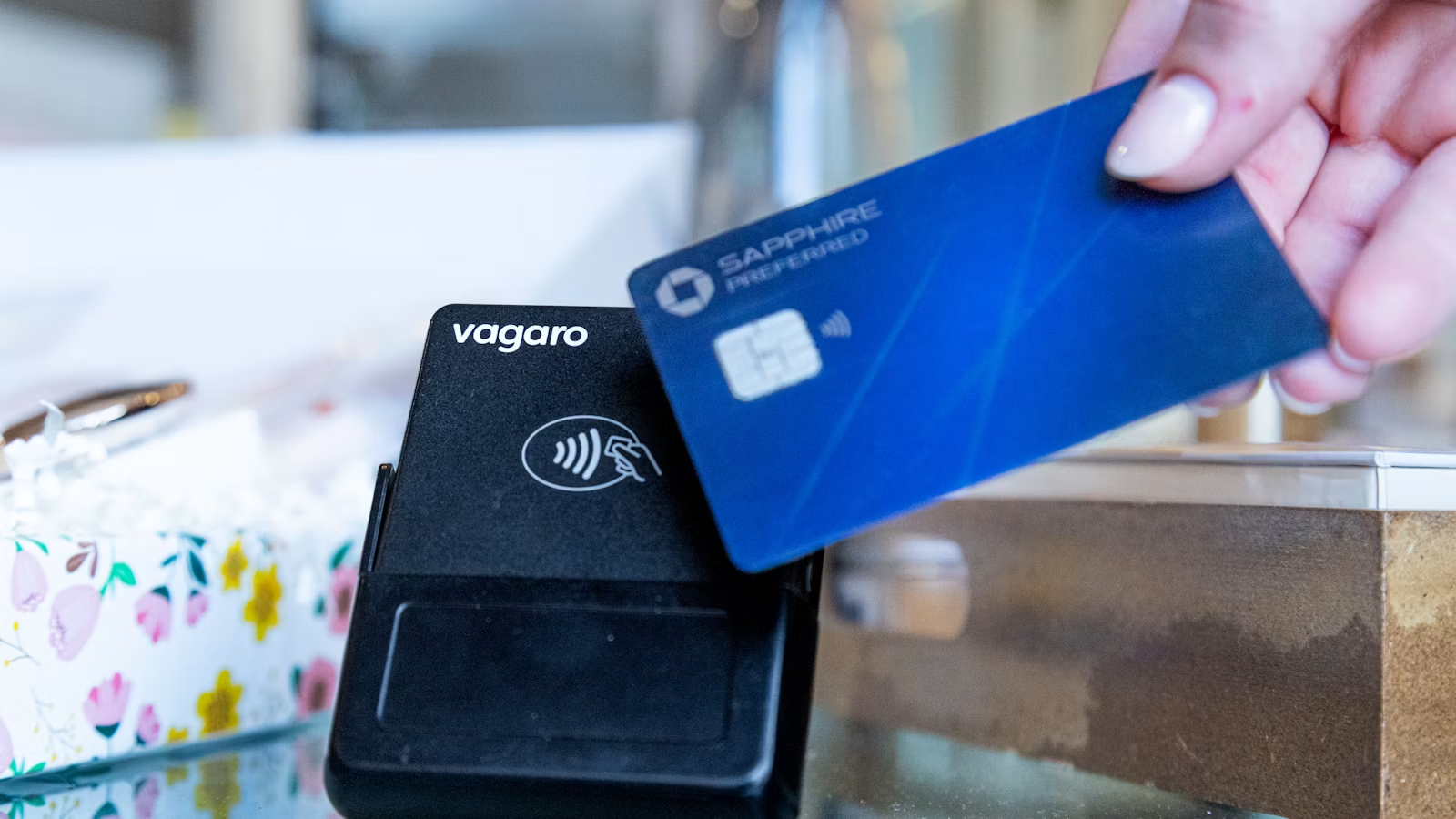
Debit cards and credit cards can turn Venmo from an occasional transfer tool into an everyday spending account. Debit cards encourage users to spend Venmo balances, use direct deposit, and increase payment frequency; credit cards expand purchasing power and reward use cases. However, the economics of the two card products differ. Debit cards are closer to payments and balance retention, while credit card interest income, risk, and part of the economics belong to the issuing-bank partner.
How the Venmo Debit Card Creates Value
The Venmo Debit Card is issued by The Bancorp Bank and runs on the Mastercard network. Users can spend directly from their Venmo balance, and they can also set up auto-reload, direct deposit, and cash-back rewards. This gives Venmo an opportunity to shift from “receive money and withdraw it” to “receive money and keep spending inside the platform.”
The economic value of the debit card mainly comes from four areas:
- Interchange fees or partner revenue share from merchant card transactions;
- Specific service fees such as ATM withdrawals or over-the-counter cash withdrawals;
- Higher purchase frequency and user engagement;
- Cross-usage of balances, direct deposit, and other Venmo services.
The most important indicator is not the number of cards issued, but the number of active cards, spending volume per active card, and whether debit card users show higher retention than ordinary P2P users. Issuing many low-activity cards may increase marketing and service costs without generating enough revenue.
Venmo Direct Deposit allows eligible users to deposit wages and other funds directly into Venmo, while the Venmo Debit Card is still issued by The Bancorp Bank. Direct deposit can increase available balances and funding stability, creating conditions for more debit card spending, but fund custody, protection, and service terms still depend on the relevant banking arrangement and account terms.
Who Receives the Economics of the Venmo Credit Card?
The Venmo Credit Card is a Visa credit card issued by Synchrony Bank. Users can view purchases, split bills, make payments, and earn cash back inside the Venmo app. Because Synchrony is the issuing bank, credit approval, account management, and the primary credit risk are generally handled by the issuer.
For PayPal and Venmo, the value mainly comes from the brand, user entry point, payment experience, and revenue-sharing terms under the partnership agreement. The PayPal and Synchrony credit card partnership highlights Synchrony’s program-management, data, and issuing capabilities, alongside Venmo’s mobile experience and user network. Since the parties have not fully disclosed the Venmo credit card revenue split, you should not treat all cardholder interest and fees as PayPal revenue.
| Comparison Dimension | Venmo Debit Card | Venmo Credit Card |
|---|---|---|
| Main funding source | Venmo balance, reloads, or direct deposit | Credit line provided by issuing bank |
| Issuing institution | The Bancorp Bank | Synchrony Bank |
| Payment network | Mastercard | Visa |
| Main value | Increases balance use and payment frequency | Raises spending volume and revenue per user |
| Main cost | Rewards, operations, and payment costs | Revenue share and acquisition spending |
| Main risk | Low activity, weak reward return | Credit cycle and changes in partnership terms |
Can Rewards Improve Unit Economics?
Venmo Stash combines debit card spending, auto-reload, and direct deposit, allowing users to earn cash back through selected brand bundles. Its goal is not simply to distribute discounts, but to encourage users to make Venmo a more frequently used spending account.
Rewards can raise sales and marketing costs in the short term. PayPal’s 2025 sales and marketing expenses increased, partly due to Venmo brand campaigns. Unit economics improve only when incremental spending frequency, interchange revenue, and retention value exceed the cost of rewards.
Summary: The main role of debit and credit cards is to increase Venmo’s wallet share and revenue per user. Debit cards are more helpful for retaining balances, receiving direct deposits, and forming everyday spending habits. Credit cards can expand spending use cases, but the economics must be shared among Venmo, Synchrony, Visa, and other participants. You should not judge the card business only by issued-card volume or cash-back rates. Instead, focus on activation, spending volume, reward cost, and cross-usage. The card business can truly add to PayPal’s valuation only if it lifts lifetime value while keeping subsidies under control.
Why Pay with Venmo and Merchant Services Are Important Growth Drivers
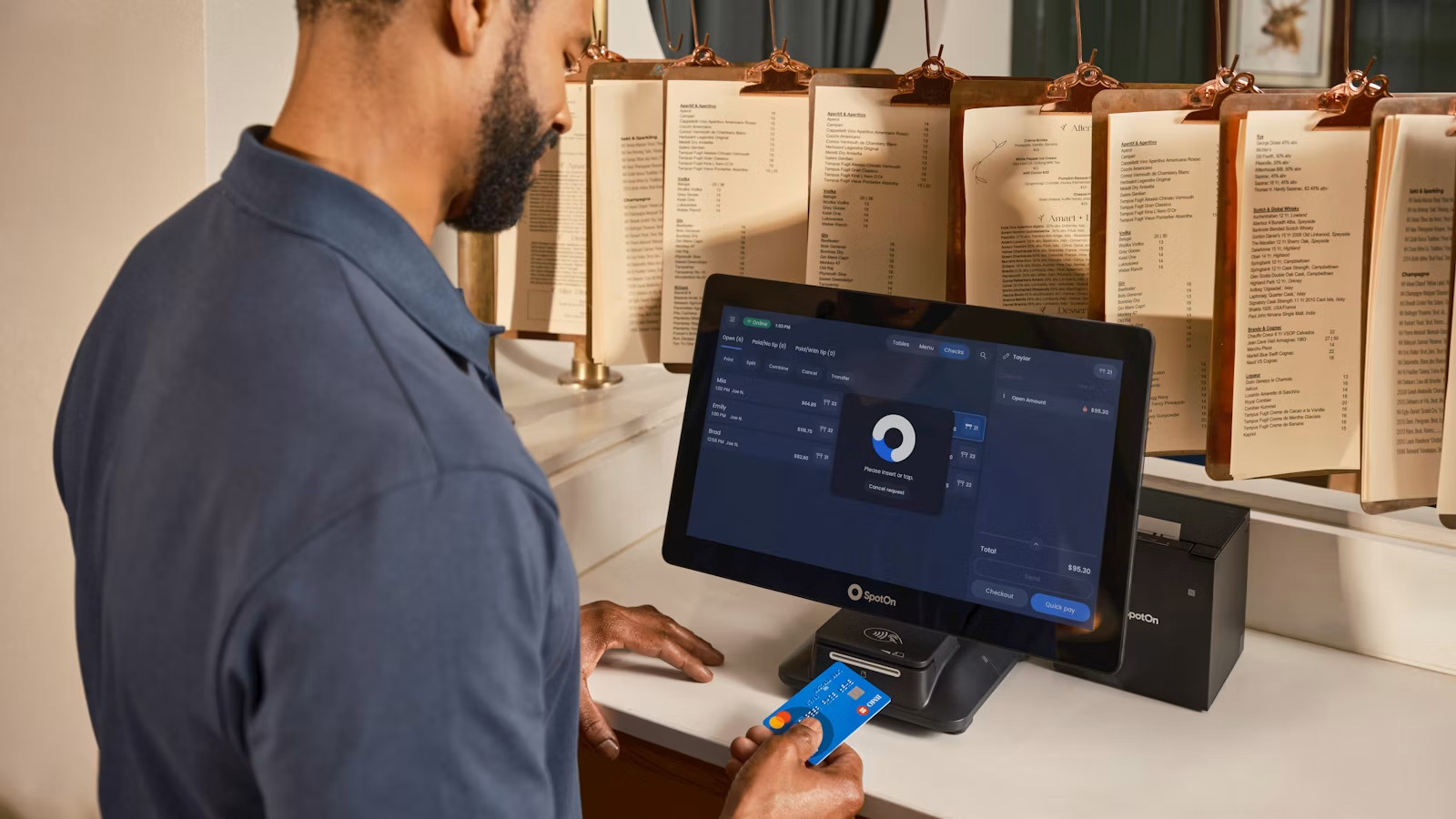
Pay with Venmo is the key bridge from a social transfer network to a commercial payment platform. If users only send money among friends, Venmo will struggle to keep raising its monetization rate. When users pay with Venmo in e-commerce apps, websites, restaurants, and retail merchants, PayPal can charge processing fees around each commercial transaction and connect its consumer wallet with its merchant acceptance network.
How Pay with Venmo Generates Merchant Revenue
Merchants can accept Venmo through PayPal Checkout or Braintree. Under U.S. published standards, Pay with Venmo domestic commercial transactions are generally priced at 3.49% plus a fixed fee. This is the price paid by merchants, not PayPal’s final retained net revenue, because PayPal still needs to cover card funding costs, payment network costs, fraud losses, customer support, and reward subsidies.
In enterprise payment scenarios, Braintree Venmo transactions carry a published standard rate of 3.49% plus $0.49. The same pricing page also notes that Venmo is available only in the United States, and mature merchants may use customized pricing depending on scale, risk, and business model.
This means you cannot simply multiply published fees by Venmo TPV to calculate revenue. Venmo TPV includes personal transfers, debit card transactions, and merchant transactions, while actual pricing for large enterprise customers may be lower than the standard rate.
Small Merchants and Large E-Commerce Merchants Have Different Economics
Venmo’s merchant business can be roughly divided into several categories:
| Merchant Model | Typical Users | Fee Structure | Growth Focus |
|---|---|---|---|
| Business Profile | Freelancers, small shops, individual sellers | Fee charged on received payments | Merchant count and payment frequency |
| Tap to Pay | Offline micro-merchants | Fee charged on in-person transactions | Offline acceptance and average ticket size |
| Pay with Venmo | E-commerce, apps, and large brands | Online checkout processing fee | Checkout selection rate and repeat usage |
| Braintree integration | Mid-sized and large enterprise platforms | Standard or customized contracts | TPV, margin, and renewal rate |
For Venmo Business Profile, receiving direct payments from another Venmo account usually carries a standard seller transaction fee of 1.9% plus $0.10, while other payment methods may use different fee rates. The advantage of the small-merchant model is simple onboarding and a large potential merchant base, but average order value and total transaction volume may be lower.
Large merchants can contribute higher TPV, but they also have stronger pricing power and higher expectations for authorization rates, fraud prevention, and service reliability. Revenue growth may not rise in line with transaction volume, which is why PayPal emphasizes transaction margin instead of simply pursuing low-margin volume.
Why Selection Rate Matters More Than Merchant Acceptance
Technical acceptance does not mean users will actually choose Venmo at checkout. The full commercialization funnel includes:
- The merchant completes technical integration;
- Venmo receives enough visibility in the checkout interface;
- The user has an available funding source;
- The user actively chooses or defaults to Venmo;
- The payment succeeds and is repeated in the future;
- Transaction revenue covers funding, risk, and incentive costs.
Merchant coverage, checkout visibility, payment selection rate, and repeat purchase rate all need to improve together. If more merchants accept Venmo but the option is buried deep inside the payment menu, the actual transaction contribution may remain limited.
Summary: Merchant services are the part of Venmo most likely to change its valuation profile because they can turn a social payment network into recurring commercial revenue. Published merchant fees do not directly represent net profit, since transactions also involve funding costs, payment network costs, risk costs, and rewards. You should focus on Pay with Venmo selection rate, commercial TPV, repeat usage, and transaction margin—not just new merchant acceptance. Only when merchant acceptance and consumer payment habits strengthen together can Venmo evolve from a P2P tool into a higher-value payment wallet.
How Venmo Should Be Reflected in PayPal’s Valuation
Venmo should not be valued only by user count, nor should it simply be assigned PayPal’s group-level P/E multiple. A more reasonable approach starts with Venmo’s revenue scale, then assesses the repeatability, margin profile, and growth cost of each revenue source. From there, revenue sensitivity, transaction-margin contribution, and sum-of-the-parts analysis can be used. Because PayPal does not disclose a full standalone income statement for Venmo, any independent valuation should use a range rather than a single-point estimate.
In 2025, PayPal increased Venmo revenue by about 20% to $1.7 billion. PayPal’s full-year group revenue was $33.172 billion, so Venmo revenue represented roughly 5% of group revenue. The percentage is not large, but Venmo’s growth rate was clearly faster than the overall group, suggesting its marginal value may be higher than its current revenue share.
Start by Breaking Down Venmo’s Revenue Quality
Venmo revenue can be divided into three layers for valuation purposes:
- High-frequency commercial payment revenue: Pay with Venmo, merchant payments, and debit card spending, which are relatively repeatable.
- User-paid transaction revenue: Instant transfers, credit-card-funded transfers, and faster check cashing, which monetize directly but depend on specific use cases.
- Partnership and financial-services revenue: Credit card revenue share, cryptocurrency, and balance-related economics, which depend more heavily on partner terms and market conditions.
If revenue growth mainly comes from Pay with Venmo, debit card activity, and commercial payment frequency, the market may be more willing to assign a growth premium. If growth mainly depends on higher instant-transfer pricing or aggressive rewards, revenue sustainability deserves a discount.
Use Sensitivity Analysis Instead of a Single Valuation Number
The following multiples are illustrative only and do not represent a price target or fair market value:
| Assumed Revenue Multiple | Illustrative Value Based on $1.7 Billion Revenue | Required Conditions |
|---|---|---|
| 2x | $3.4 billion | Slower growth and limited commercial monetization |
| 3x | $5.1 billion | Continued growth but ordinary margin quality |
| 4x | $6.8 billion | Stable expansion in merchant payments and debit card use |
| 5x | $8.5 billion | Improving revenue quality and margin profile |
| 6x | $10.2 billion | High growth, high retention, and clearer cash flow |
This model only shows how valuation changes with the revenue multiple. In practice, you still need to account for costs related to PayPal’s shared technology, risk management, brand, and merchant infrastructure. You also need to avoid counting the same Pay with Venmo revenue under both Venmo and PayPal Checkout.
Why Revenue Growth Does Not Necessarily Produce Equal Profit Growth
PayPal’s 2025 annual report shows that group sales and marketing expenses rose 14%, while transaction and credit losses rose 19%. Venmo’s rewards, user acquisition, fraud prevention, and customer support investments may prevent incremental revenue from fully converting into operating profit.
In the first quarter of 2026, PayPal said Venmo monetization was one of the drivers of transaction margin dollar growth, but it did not disclose Venmo’s standalone operating profit. During the same period, group transaction margin dollars were $3.810 billion, up 3% year over year, slower than total revenue growth.
Therefore, valuation should not only ask, “How fast is Venmo revenue growing?” It should also ask:
- How much reward and marketing spending is required for incremental revenue?
- What are the funding costs and loss rates of merchant transactions?
- Is higher revenue per user accompanied by stronger retention?
- Is Venmo’s contribution to group transaction margin and free cash flow expanding?
Linking Business Fees to Investment Trading Costs
Venmo merchant fees are a potential revenue source for PayPal, while platform fees and external charges incurred when you buy or sell PayPal stock are investment execution costs. The two should not be confused. Even if your view on Venmo’s commercialization proves directionally correct, execution price, holding period, and fee structure will still affect your actual outcome.
When checking costs through Biya U.S. stock trading fees, U.S. stock trading carries $0 commission, while platform fees, external institutional fees, and other charges are subject to the fee schedule and order-page display. Before placing a trade, you should still evaluate actual costs based on share quantity, order amount, and locally applicable rules. Service availability depends on the user’s location, identity verification result, platform rules, and applicable laws and regulations.
Summary: Venmo’s valuation starts with about $1.7 billion in revenue, but revenue scale alone does not determine value. You need to judge whether revenue comes from high-frequency commercial payments or from transfer fees and short-term rewards; you also need to estimate transaction costs, marketing investment, and risk losses. Revenue multiples can support sensitivity analysis, but they cannot replace profit and free cash flow verification. Venmo’s real value to PayPal comes from revenue growth, transaction-margin improvement, and synergy with PayPal’s merchant network—not simply from multiplying user count by a fixed dollar value.
Which Metrics and Risks Determine Whether Venmo Can Keep Raising PayPal’s Valuation?
Whether Venmo can continue to lift PayPal’s valuation depends on whether transaction volume growth can turn into higher monetization, transaction margin, and user lifetime value. In the first quarter of 2026, Venmo TPV grew 14% year over year, marking the sixth consecutive quarter of double-digit growth, but that is only the growth foundation. If incremental volume still mainly comes from free P2P transfers, valuation improvement will remain limited. If Pay with Venmo, debit cards, and financial services make up a larger share, revenue quality may continue to improve.
In 2026, PayPal reorganized into three main business groups, with Consumer Financial Services & Venmo responsible for building on Venmo momentum across sending, spending, saving, investing, and borrowing capabilities. This shift shows that management wants to expand Venmo from a payment function into a broader consumer financial platform, but organizational change alone does not guarantee execution.
Venmo Valuation Monitoring Dashboard
| Metric | Positive Signal | Warning Signal |
|---|---|---|
| Venmo TPV | Continued double-digit growth | Rapid deceleration |
| Revenue growth | Persistently higher than TPV growth | Revenue significantly lags transaction volume |
| Commercial payment mix | Pay with Venmo share increases | Growth still relies on free P2P |
| Debit card activity | Active users and spending per user rise | Card issuance grows but usage remains weak |
| Revenue per user | Rises while retention remains stable | Depends on price increases or high fees |
| Transaction margin | Contribution to group transaction margin expands | Rewards and risk costs increase |
| Free cash flow | Commercialization investment starts paying back | Growth remains subsidy-dependent |
Where the Main Risks Come From
Commercial conversion risk. Venmo has a large transfer network, but users may only use it to send money among friends and may not change their payment habits at merchant checkout. A low payment selection rate would prevent merchant acceptance from generating enough TPV.
Competition risk. Bank instant-transfer networks, Apple Pay, Cash App, cards, and other digital wallets are all competing for the user’s default payment position. Venmo needs to remain competitive across convenience, rewards, merchant acceptance, and security.
Margin risk. Cash back, brand marketing, and merchant incentives can increase activity, but they can also pressure short-term margins. If transaction volume falls after subsidies are reduced, growth quality becomes questionable.
Partner risk. Debit cards, credit cards, and payment networks involve banks and card networks. Changes in partnership agreements, revenue-sharing terms, or issuing policies may affect Venmo’s product economics.
Fraud and compliance risk. Payment platforms must absorb costs related to account takeover, fraudulent transactions, refund disputes, and consumer protection. PayPal’s transaction losses were about $1.3 billion in 2025 and increased from the previous year, showing that risk control directly affects payment-business profitability.
Geographic risk. Venmo remains mainly focused on U.S. users. Concentration in the U.S. helps product focus, but it also limits international growth and makes revenue more exposed to U.S. consumer behavior, regulation, and competition.
How to Form a Final View
You can review each earnings cycle in the following order:
- First, check whether Venmo TPV and revenue are still growing faster than the group;
- Then, see whether growth comes from merchant checkout and debit cards rather than free P2P;
- Check whether transaction margin is improving at the same time;
- Monitor whether rewards, marketing, and transaction losses are getting out of control;
- Finally, judge whether free cash flow can support continued investment.
If Venmo revenue growth remains higher than TPV growth while commercial payment mix, debit card usage, and transaction margin all rise, it may become an important driver of PayPal’s valuation re-rating. Conversely, if transaction volume growth mainly depends on free transfers and subsidies, the market may still treat Venmo as a high-engagement but low-monetization payment feature.
Summary: Venmo’s valuation upside needs to be confirmed by multiple metrics. User count or TPV alone is not enough. The most constructive combination would be a rising commercial payment mix, higher revenue per user, expanding transaction margin, and stable reward and fraud costs. The most concerning combination would be transaction volume growth without enough revenue conversion, or revenue growth that depends heavily on subsidies and fee increases. Venmo should be viewed as a business transitioning from a P2P network into a consumer financial platform. Its value depends on execution speed and unit economics, not product vision alone.
After breaking down Venmo’s transaction volume, revenue sources, and margin constraints, the next step is to place those factors back into PayPal’s overall valuation, cash flow, and share-price expectations. You can use Biya U.S. stock market data to track market data for PayPal and other payment companies, and use Biya to assess valuation changes, earnings events, and actual trading costs. Biya is a global multi-asset trading wallet that supports U.S. stocks, Hong Kong stocks, and cryptocurrency trading. U.S. stock trading carries $0 commission, while platform fees and external institutional fees are subject to the fee schedule and order-page display. You can also manage related assets through the Biya App. Public market information and fee structures are for reference only and do not constitute investment advice. Earnings events and company-specific developments may trigger significant price volatility, so you should understand order types, fees, and risks before trading.
FAQ
Does Interest Earned on Venmo Account Balances Count as Venmo Revenue?
PayPal may earn interest and related income from certain customer assets, but it does not fully disclose the amount specifically attributable to Venmo. For valuation purposes, transaction revenue, customer-balance interest, and other value-added services should be separated. PayPal group-level balance-related income should not be fully assigned to Venmo.
Which Party Bears the Credit Risk for the Venmo Credit Card?
The Venmo Credit Card is issued by Synchrony Bank, so credit approval, account management, and primary credit risk are generally handled by the issuing bank. Venmo and PayPal mainly provide the brand, app entry point, and user experience. Actual responsibilities and economic sharing should still be assessed based on the card agreement and partnership terms.
Does Venmo’s U.S.-Only Market Limit PayPal’s Valuation?
Venmo’s U.S.-focused market limits its international expansion potential, but it does not mean Venmo lacks valuation value. Investors should apply lower assumptions for global user growth and focus more on U.S. merchant penetration, debit card spending, revenue per user, profit contribution, and changes in the U.S. regulatory and consumer environment.
How Much Valuation Contribution Can PYUSD and Crypto Services Add to Venmo?
PYUSD and cryptocurrency services are better viewed as supplemental Venmo businesses for now, not the core of its valuation. Their value depends on real payment usage, active users, transaction revenue, and compliance costs. Stablecoin issuance size or crypto transaction volume alone is not enough to determine valuation impact.
How Would Pay with Venmo Fee Changes Affect PayPal’s Profit?
Higher fees may increase revenue per transaction, but they could also reduce merchant adoption and consumer selection rate. Lower fees may support transaction volume but compress unit revenue. The final profit impact depends on merchant contracts, funding costs, transaction losses, reward spending, and repeat usage.
Does Venmo Revenue Growth Mean PayPal Stock Is Definitely Undervalued?
No. Venmo revenue growth is only one factor in PayPal’s valuation. Investors still need to consider group transaction margin, free cash flow, core checkout performance, competition, and market expectations. Even if Venmo improves, PayPal’s overall valuation may not rise if other businesses slow or costs increase.
*This article is provided for general information purposes and does not constitute legal, tax or other professional advice from BiyaPay or its subsidiaries and its affiliates, and it is not intended as a substitute for obtaining advice from a financial advisor or any other professional.
We make no representations, warranties or warranties, express or implied, as to the accuracy, completeness or timeliness of the contents of this publication.
Related Blogs of

Crypto Exchange Fees Comparison: Trading Fees, Spreads, and Withdrawals


Cheapest Way to Transfer Money Internationally: Small vs. Large Transfers




Choose Country or Region to Read Local Blog
 Australia
 Austria
 Belgium
 Canada
 Cyprus
 Czech Republic
 Denmark
 Estonia
 Finland
 France
 Germany
 Greece
 Hong Kong
 India
India Indonesia
 Ireland
 Italy
Italy Japan
Japan Latvia
 Lithuania
 Luxembourg
 Malaysia
 Malta
Malta Morocco
 Nepal
Nepal Netherlands
 New Zealand
 Norway
 Pakistan
 Philippines
 Poland
 Portugal
 Romania
 Singapore
 Slovakia
 Slovenia
 South Africa
 South Korea
 Spain
Spain Sweden
 Thailand
 United States
 Turkey
 United Arab Emirates
 United Kingdom
 Vietnam