
What Is the Relationship Between YMTC, CXMT, and Hong Kong-Listed Related Companies? Listing Scope Explained





YMTC and CXMT are both core companies in China’s memory value chain, but they are not Hong Kong-listed companies. YMTC is more focused on NAND Flash and 3D NAND, while CXMT is more focused on DRAM, DDR, LPDDR, and server memory. In the Hong Kong market, investors can track related companies in chip design, wafer foundry, packaging equipment, specialty processes, and the broader semiconductor ecosystem, but they cannot directly buy YMTC or CXMT themselves. When analyzing this value chain, the first step is not to search for “concept stocks,” but to clarify listing status and business boundaries.
Key Takeaways
- YMTC is more focused on NAND Flash, while CXMT is more focused on DRAM.
- Neither company is currently listed in Hong Kong and should not be described as a Hong Kong-listed stock.
- Hong Kong-listed related companies are mostly indirect value-chain observation targets.
- Global leaders are more mature across DRAM, NAND, HBM, and global customers.
- Investment screening should focus on listing status, revenue sources, and policy risks.
Are YMTC and CXMT Listed? How Should Investors Understand the Hong Kong Market Scope?
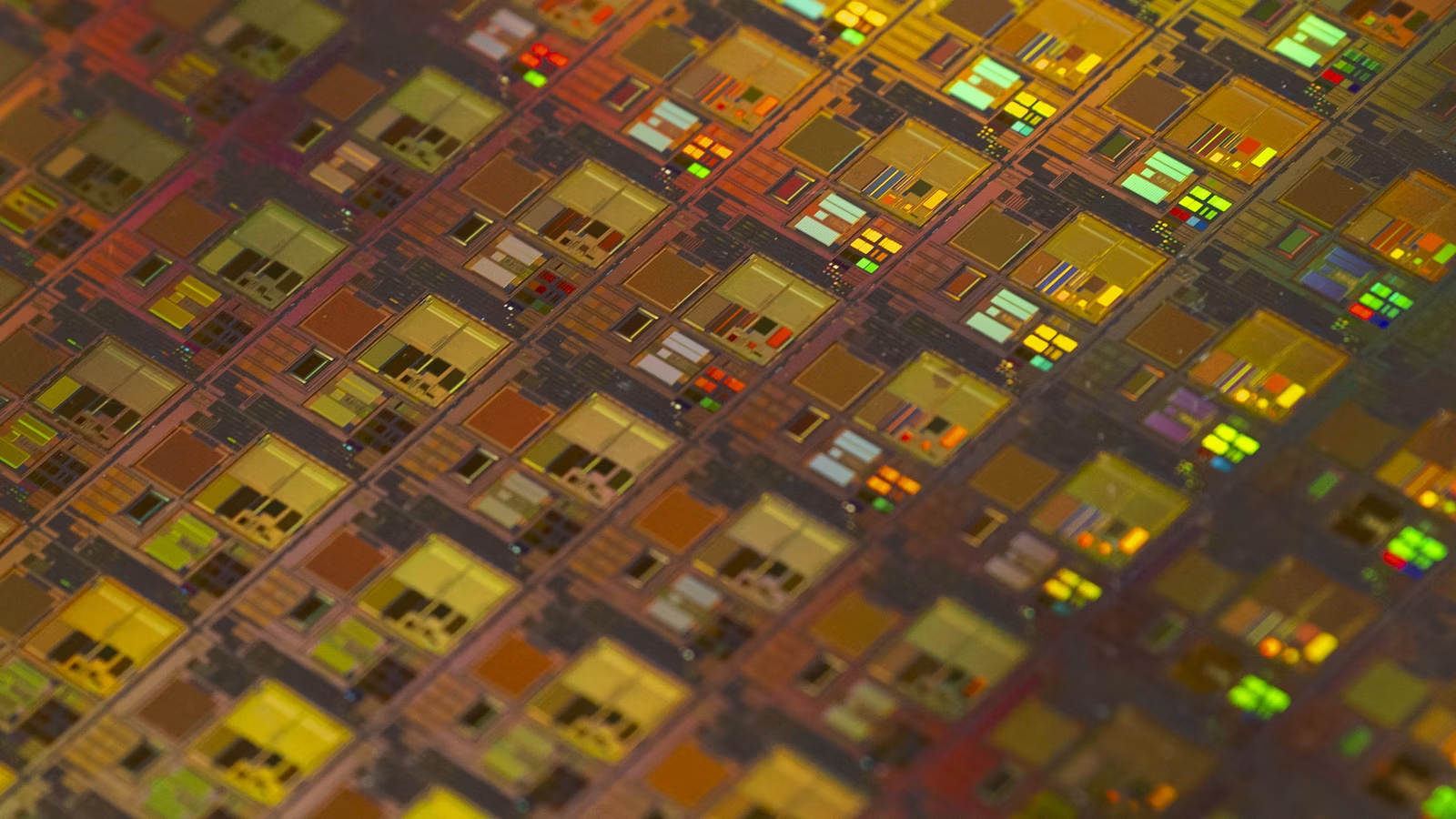
YMTC and CXMT are not Hong Kong-listed companies. Investors cannot directly buy “YMTC stock” or “CXMT stock” in the Hong Kong market. Public information shows that YMTC has entered IPO coaching-related procedures, while CXMT is also pushing forward Shanghai IPO-related arrangements. However, “IPO coaching,” “IPO plan,” and “already listed for trading” are not the same thing. When judging Hong Kong-listed related companies, you need to confirm the ticker, listing venue, and core business first, and then assess their relationship with YMTC or CXMT in the value chain.
Reuters reported that YMTC has started IPO coaching talks. Reuters also reported in its coverage of China’s technology IPO market that CXMT plans a Shanghai IPO. These two pieces of information show that the market is watching the capitalization process of China’s domestic memory companies, but they do not mean that YMTC or CXMT already has a Hong Kong stock ticker.
| Company | Abbreviation | Main business | Current public listing status | Direct Hong Kong-listed stock? | How investors should understand it |
|---|---|---|---|---|---|
| Yangtze Memory Technologies | YMTC | NAND Flash, 3D NAND | IPO coaching / preparation-related stage | No | Core company in China’s NAND value chain |
| ChangXin Memory Technologies | CXMT | DRAM, DDR, LPDDR | Shanghai IPO-related arrangements | No | Core company in China’s DRAM value chain |
| GigaDevice | GigaDevice | NOR Flash, MCU, DRAM-related design | A+H listing | Yes | Memory design-related, not YMTC/CXMT |
| Hua Hong Semiconductor | Hua Hong | Specialty processes, eNVM, sNVM | Hong Kong-listed | Yes | Memory-related processes, not a NAND/DRAM manufacturer |
| SMIC | SMIC | Wafer foundry | A+H listing | Yes | Manufacturing ecosystem observation target, not a memory manufacturer |
Listing scope is easily misunderstood because the market often mixes “domestic memory,” “semiconductor substitution,” “IPO expectations,” and “Hong Kong-listed related companies” together. News about financing, IPO coaching, supply chains, or customer qualification does not mean that a company already has tradable shares. A Hong Kong-listed company being in the same value chain as YMTC or CXMT does not mean it directly holds their equity or that its revenue directly comes from them.
| Common claim | More accurate wording | Investment writing note |
|---|---|---|
| YMTC can be bought in Hong Kong | YMTC is not currently listed in Hong Kong | Do not invent a Hong Kong ticker |
| CXMT is already listed | CXMT is pushing forward Shanghai IPO-related arrangements | Use official prospectus information as the standard |
| Hong Kong has YMTC concept stocks | Hong Kong has memory value-chain related companies | This is not the same as direct business exposure |
| GigaDevice is a domestic NAND manufacturer | GigaDevice is more focused on NOR Flash, MCU, and DRAM-related design | It cannot replace YMTC |
| Hua Hong and SMIC are memory stocks | Hua Hong and SMIC are more focused on manufacturing and process platforms | They should not be described as DRAM/NAND manufacturers |
Summary: YMTC and CXMT are core companies in China’s memory value chain, but they are not Hong Kong-listed stocks. YMTC is more focused on NAND Flash, while CXMT is more focused on DRAM. Their IPO progress is worth tracking, but IPO coaching, Shanghai IPO plans, financing news, and Hong Kong-tradable stocks should not be mixed together. Hong Kong-listed related companies should only be classified by value-chain position, such as chip design, wafer foundry, specialty processes, packaging equipment, or end-market demand. They should not be described as YMTC or CXMT themselves.
What Do YMTC and CXMT Do? What Is the Difference Between NAND and DRAM?
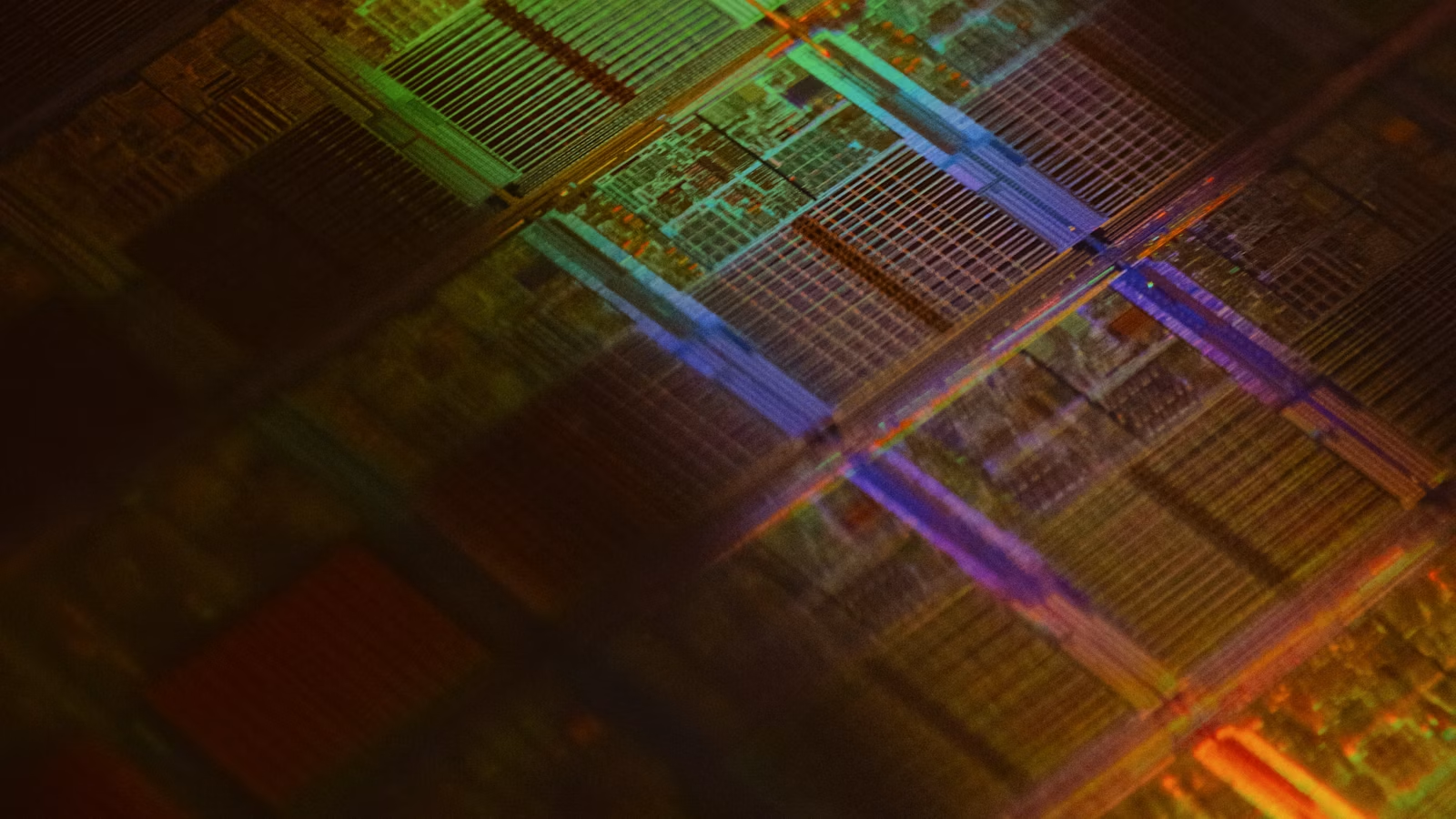
YMTC and CXMT both belong to the memory value chain, but their product directions are different. YMTC mainly corresponds to NAND Flash and 3D NAND, so it is better understood through smartphone storage, SSDs, enterprise storage, and embedded storage. CXMT mainly corresponds to DRAM, DDR, LPDDR, and server memory, so it is better understood through smartphones, PCs, servers, AI infrastructure, and memory bandwidth. NAND is more about long-term data storage, while DRAM is more about high-speed temporary read/write operations. Their pricing cycles and global comparable companies are also different.
YMTC: Focused on NAND Flash and 3D NAND
YMTC’s main line is NAND Flash. Typical NAND applications include smartphone flash storage, SSDs, UFS, memory cards, enterprise SSDs, and data center storage. You can think of NAND as the large-capacity storage medium that retains data even when power is off, and as the chip foundation behind SSDs or smartphone flash storage.
YMTC’s key technology terms are 3D NAND and Xtacking. YMTC’s Xtacking architecture emphasizes separately manufacturing peripheral circuits and memory arrays before bonding them together, which can help improve performance and production efficiency. Reuters has also described YMTC as China’s leading flash memory chipmaker and reported on its capacity expansion plans.
CXMT: Focused on DRAM, DDR, and LPDDR
CXMT’s main line is DRAM. DRAM stands for dynamic random access memory and is commonly used in smartphones, PCs, servers, tablets, and consumer electronics. Its core value is not long-term data storage, but enabling processors to quickly read and write information while programs are running. For AI servers, DRAM, DDR5, LPDDR, and HBM all belong to memory systems closer to computing.
CXMT’s website describes the company as founded in 2016 and focused on DRAM design, manufacturing, sales, and R&D, with products covering DDR5 and DDR5 modules. Reuters also reported that CXMT’s long-term memory supply deal with Tencent reflects how domestic cloud and AI infrastructure demand is increasing market attention on CXMT.
| Type | Representative company | Main use | Retains data after power off? | Global comparable direction |
|---|---|---|---|---|
| NAND Flash | YMTC | SSDs, smartphone flash, enterprise storage | Yes | Samsung, Kioxia, Micron, SK hynix |
| DRAM | CXMT | Smartphones, PCs, server memory | No | Samsung, SK hynix, Micron |
| HBM | Global leaders are more advanced | High-bandwidth memory for AI GPUs | No | SK hynix, Samsung, Micron |
| NOR Flash | GigaDevice-related | Code storage, MCUs, automotive electronics | Yes | Winbond, Macronix, and others |
| eNVM | Hua Hong-related process | MCUs, smart cards, automotive chips | Yes | Specialty process foundry platforms |
Summary: YMTC and CXMT should not be mixed together. YMTC’s main line is NAND Flash and 3D NAND, with key variables including SSDs, smartphone storage, enterprise storage, 3D NAND layer count, Xtacking, and capacity expansion. CXMT’s main line is DRAM, DDR, LPDDR, and server memory, with key variables including DRAM pricing cycles, DDR5, LPDDR, cloud customers, and AI infrastructure demand. Both belong to the memory manufacturer logic, but their products, customers, pricing drivers, technology routes, and global comparables are different.
How Is China’s Memory Value Chain Different from Global Memory Leaders?
The difference between China’s memory value chain and global memory leaders is not whether China has products. The real differences lie in technology generation, customer structure, global reach, equipment availability, capital expenditure efficiency, and HBM ecosystem maturity. YMTC and CXMT are improving China’s NAND and DRAM capabilities, but Samsung, SK hynix, and Micron are more mature in global data center customers, AI/HBM, enterprise SSDs, advanced packaging, cost control, and pricing cycles. When comparing the two groups, you should avoid describing domestic substitution as a guaranteed replacement of global leaders.
Chinese memory companies are more focused on catching up, expanding capacity, and domestic substitution. Their key variables include technology iteration, capacity ramp-up, domestic equipment substitution, customer qualification, and the policy environment. Global leaders have already built global customer bases and complete product portfolios covering DRAM, NAND, HBM, data center SSDs, server memory, and high-end mobile storage.
| Comparison dimension | Chinese memory companies | Global memory leaders | Investment implication |
|---|---|---|---|
| Product maturity | Rapidly catching up in NAND and DRAM | Mature across DRAM, NAND, and HBM | Global leaders benefit more directly from high-end AI demand |
| Customer structure | Mainly domestic smartphones, PCs, and cloud vendors | Global hyperscalers and consumer electronics customers | Customer qualification cycles differ |
| Equipment availability | Affected by export controls and domestic substitution | More mature global supply chains | Capacity ramp-up risks differ |
| HBM capability | Still in catch-up stage | SK hynix, Samsung, and Micron are more advanced | Direct AI exposure differs |
| Valuation logic | IPO, policy support, domestic substitution | Pricing cycles, AI/HBM, cash flow | PE should not be compared mechanically |
Global leaders benefit more directly from the AI HBM cycle. Micron emphasized the strategic value of memory in the AI era in its fiscal 2026 third-quarter results, while also reporting strong revenue, data center business momentum, and SSD demand. SK hynix reported record quarterly revenue, operating profit, and net profit in its first-quarter 2026 results, with AI memory demand as one of the core drivers.
This does not mean Chinese companies have no opportunity. It means the comparison framework needs to be more precise. The key points for Chinese companies are domestic substitution, supply security, capacity build-out, and domestic customer adoption. The key points for global leaders are HBM, server DRAM, data center SSDs, global customers, and pricing cycles. These are not simply the same valuation model.
Summary: Chinese memory companies and global memory leaders are not simple substitutes for each other. YMTC and CXMT represent China’s core catch-up forces in NAND and DRAM, but global leaders remain more mature in HBM, global customers, advanced packaging, enterprise SSDs, server memory, and pricing power. When analyzing China’s memory value chain, you should focus on domestic substitution, capacity ramp-up, technology nodes, equipment constraints, customer qualification, and IPO progress. When analyzing global leaders, you should focus on AI/HBM, data center demand, pricing cycles, and cash flow.
What Is the Relationship Between Hong Kong-Listed Related Companies and YMTC/CXMT?
Hong Kong does not have a listed company that is directly equivalent to YMTC or CXMT, but it does have a group of related value-chain observation targets. You can divide these Hong Kong-listed companies into four categories: memory chip design-related companies, wafer foundry-related companies, advanced packaging equipment-related companies, and end-market or server demand-related companies. This classification is more accurate than searching for “YMTC Hong Kong concept stocks,” because value-chain relevance does not mean direct equity ownership, nor does it mean revenue directly comes from YMTC or CXMT.
GigaDevice 03986.HK is an example that is often misunderstood. GigaDevice disclosed its dual listing as 3986.HK and 603986.SH, with business more focused on NOR Flash, MCU, DRAM-related products, and sensors. HKEX information also classifies GigaDevice H shares as an integrated circuit design, R&D, and sales company. It can be used as an observation target for China’s memory design segment, but it should not be described as a substitute for YMTC or CXMT.
| Hong Kong-listed company | Ticker | Value-chain position | Relationship with YMTC/CXMT | Direct memory manufacturer? |
|---|---|---|---|---|
| GigaDevice | 03986.HK | NOR Flash, MCU, DRAM-related design | Memory design-related observation target | No |
| Shanghai Fudan | 01385.HK | IC design, FPGA, security chips | Related to non-volatile memory and IC design | No |
| Hua Hong Semiconductor | 01347.HK | Specialty processes, eNVM, sNVM | Memory-related process platform | No |
| SMIC | 00981.HK | Wafer foundry | Domestic manufacturing ecosystem observation target | No |
| ASMPT | 00522.HK | Packaging and SMT equipment | Semiconductor equipment chain observation target | No |
SMIC and Hua Hong Semiconductor are better understood from the manufacturing ecosystem perspective. SMIC’s 2025 annual results are more useful for observing domestic wafer foundry demand, capacity utilization, and customer demand. Hua Hong Semiconductor’s investor materials are more suitable for analyzing specialty processes, eNVM, sNVM, power devices, and mature process nodes. ASMPT is more related to packaging and SMT equipment, so it fits better in the advanced packaging and AI semiconductor equipment chain.
If you want to put Hong Kong-listed related companies into one table, you can track different names through Hong Kong stock quotes, and then compare them by chip design, wafer foundry, packaging equipment, and memory-related process categories. This is clearer than simply looking at a broad “domestic memory concept,” and it reduces the risk of misclassifying business boundaries.
Summary: Hong Kong-listed related companies should be treated as a “value-chain watchlist,” not as substitute holdings for YMTC or CXMT. GigaDevice is more focused on memory design, Shanghai Fudan on IC design, Hua Hong Semiconductor on specialty processes and mature nodes, SMIC on wafer foundry, and ASMPT on packaging equipment. These companies may reflect China’s semiconductor ecosystem, memory design, wafer manufacturing, or equipment cycle, but none of them is YMTC or CXMT itself. Without public disclosure of customer relationships, they should not be described as having binding supply relationships or direct exposure.
What Indicators Should Investors Track for China’s Memory Value Chain?
Tracking China’s memory value chain should not rely only on company news or IPO rumors. You need to follow NAND, DRAM, and HBM pricing cycles, capacity expansion, technology nodes, yield, customer qualification, and equipment supply. YMTC is better tracked through NAND and enterprise SSD demand, while CXMT is better tracked through DRAM, DDR5, LPDDR, and server memory demand. Hong Kong-listed related companies should be tracked according to their actual value-chain position, not with one universal indicator set.
| Indicator | Relevant company or segment | Why it matters | Positive signal | Risk signal |
|---|---|---|---|---|
| NAND prices | YMTC, global NAND makers | Tracks the flash memory cycle | Contract prices rise, enterprise SSD demand strengthens | Prices fall, inventory rises |
| DRAM prices | CXMT, global DRAM makers | Tracks the memory cycle | Strong DDR5 and server DRAM demand | Weak PC and smartphone demand |
| Capacity ramp-up | YMTC, CXMT | Measures supply expansion | New fabs start production, yield improves | Equipment constraints, ramp delays |
| Technology nodes | NAND layer count, DDR5, HBM | Measures product competitiveness | Product iteration, customer adoption | Falling behind in technology generation |
| Customer qualification | Smartphone, PC, cloud vendors | Measures commercialization quality | Cloud customer long-term deals, enterprise certification | Customer concentration or slower qualification |
| IPO progress | YMTC, CXMT | Tracks capital market window | Prospectus, coaching progress | Overheated valuation, review uncertainty |
Financial and listing indicators are also important. If CXMT pushes forward with an IPO, investors need to look at revenue, profit, gross margin, customer concentration, R&D spending, capex, and risk factors in the prospectus. If YMTC enters a clearer listing process, investors need to track IPO coaching filings, prospectus materials, capacity expansion, domestic equipment share, and overseas restrictions. IPO enthusiasm is not the same as long-term investment value. The memory industry remains highly cyclical.
If you are also following U.S.-listed global memory leaders, you can use a U.S. stock screener to compare Micron, semiconductor equipment companies, AI server names, and data center-related companies. Unlisted Chinese memory companies, Hong Kong-listed semiconductor-related companies, and U.S.-listed global leaders follow different valuation logic, so it is not appropriate to compare them only by a single PE ratio or concept label.
Summary: Tracking China’s memory value chain requires combining industry cycles with capital market information. Rising prices, IPO expectations, policy support, and domestic substitution may increase attention, but the final judgment still depends on product competitiveness, customer qualification, cost control, equipment availability, and cycle position. YMTC should be tracked through NAND, 3D NAND, enterprise SSDs, and capacity. CXMT should be tracked through DRAM, DDR5, LPDDR, server memory, and cloud customers. Hong Kong-listed related companies should be classified by actual business, rather than directly applying the YMTC/CXMT logic to them.
Common Misunderstandings and Key Risks for Investors
The biggest misunderstanding is equating domestic memory industry progress with Hong Kong-tradable stocks. YMTC and CXMT themselves are not Hong Kong-listed companies, and most Hong Kong-listed related names are only value-chain observation targets. If you ignore listing status, you may mix up semiconductor design stocks, wafer foundries, packaging equipment companies, specialty process companies, and memory manufacturers. More importantly, domestic substitution is a long-term industry trend, not a short-term stock price guarantee.
| Misunderstanding | Correct statement | Basis for judgment | Risk reminder |
|---|---|---|---|
| YMTC is a Hong Kong stock | YMTC is not currently listed in Hong Kong | No Hong Kong ticker | Do not invent a tradable stock |
| CXMT is already listed in Hong Kong | Public information points to Shanghai IPO-related arrangements | Use prospectus information as the standard | Listing venue may affect investment access |
| GigaDevice is equivalent to YMTC/CXMT | GigaDevice is a chip design company | Revenue sources differ | Valuation logic differs |
| Hua Hong and SMIC are NAND/DRAM manufacturers | They are more focused on manufacturing and process platforms | Core businesses differ | Memory manufacturer cycles should not be applied directly |
| Domestic substitution guarantees returns | Domestic substitution is still affected by cycles and competition | Prices, customers, technology constraints | Do not make return promises |
Policy, equipment, pricing cycles, and customer qualification are the main risks. Reuters’ reporting on equipment substitution pressure after U.S. Entity List restrictions noted that YMTC has become more dependent on domestic equipment suppliers after being placed on the Entity List. This shows that supply-chain substitution is not simple capacity expansion. It is a system-level challenge involving equipment, materials, processes, and yield.
Trading costs also matter. If you are tracking both Hong Kong-listed semiconductor-related companies and U.S.-listed global memory leaders, you need to compare not only stock price volatility, but also commissions, platform fees, external agency fees, trading activity fees, FX conversion, market liquidity, and order rules. Biya supports multi-asset trading across U.S. stocks, Hong Kong stocks, and digital assets. For U.S. stock trading, Biya charges zero commission, while platform fees, external agency fees, and other charges are subject to U.S. stock trading fees and the order page. When trading Hong Kong stocks, U.S. stocks, or multiple currencies, investors should also assess actual costs based on real-time exchange rates, platform rules, and bill details. Service availability depends on the user’s location, identity verification results, platform rules, and applicable laws and regulations.
Summary: China’s memory value chain has long-term strategic value, but the key risks are also clear. Listing status is easy to misunderstand, memory pricing cycles are volatile, export controls affect equipment and technology routes, capacity ramp-up takes time, customer qualification is uncertain, and IPO valuations may become overheated. YMTC and CXMT are worth tracking, but they should not be described as Hong Kong-listed companies. Hong Kong-listed related companies are worth observing, but they cannot replace YMTC or CXMT themselves. Investment analysis should consider industry logic, financial data, trading costs, and personal risk tolerance together.
If you follow YMTC, CXMT, and China’s memory value chain, it is better to track unlisted companies, Hong Kong-listed related companies, and U.S.-listed global leaders separately. YMTC and CXMT are best tracked through IPO progress, technology nodes, capacity, customer qualification, and policy risks. GigaDevice, Hua Hong Semiconductor, SMIC, and ASMPT are better analyzed by their different value-chain positions. Micron, Samsung, and SK hynix are useful references for the global DRAM, NAND, HBM, and data center storage cycles. Biya can be used as one tool for tracking Hong Kong stocks, U.S. stocks, and multi-asset markets, allowing semiconductor names from different markets to be observed within one framework. Public market information, value-chain classification, and fee structures are only research inputs and do not constitute investment advice. Any trading decision should be based on platform rules, order-page disclosures, local regulatory requirements, and personal risk tolerance.
FAQ
Does YMTC currently have a Hong Kong stock ticker?
YMTC does not currently have a Hong Kong stock ticker. Public information shows that it is in an IPO coaching or preparation-related stage, so investors should not treat Hong Kong-listed semiconductor-related companies as YMTC itself.
Will CXMT trade in Hong Kong after listing?
Based on current public information, CXMT is pushing forward Shanghai IPO-related arrangements, not a Hong Kong listing. The final listing venue, ticker, and trading arrangements should be based on official prospectus documents and exchange information.
What is the difference between YMTC and CXMT?
YMTC is more focused on NAND Flash and 3D NAND, while CXMT is more focused on DRAM, DDR, and LPDDR. Both belong to the memory value chain, but their products, customers, pricing cycles, and global comparable companies are different.
Which Hong Kong stocks are related to China’s memory value chain?
Hong Kong-listed related companies include GigaDevice, Shanghai Fudan, Hua Hong Semiconductor, SMIC, and ASMPT. They belong to chip design, specialty processes, wafer foundry, or packaging equipment, but they are not YMTC or CXMT themselves.
How are Chinese memory companies different from Micron?
Chinese memory companies are more focused on catching up, capacity expansion, and domestic substitution. Global leaders such as Micron are more mature in DRAM, NAND, HBM, data center customers, and global supply chains, so their valuation logic is different.
How should retail investors track domestic memory IPOs?
Retail investors should follow official prospectuses, exchange announcements, IPO coaching filings, use of proceeds, revenue structure, gross margin, customer concentration, and risk factors. Market rumors alone should not be used as the basis for investment decisions.
*This article is provided for general information purposes and does not constitute legal, tax or other professional advice from BiyaPay or its subsidiaries and its affiliates, and it is not intended as a substitute for obtaining advice from a financial advisor or any other professional.
We make no representations, warranties or warranties, express or implied, as to the accuracy, completeness or timeliness of the contents of this publication.
Related Blogs of

Crypto Exchange Fees Comparison: Trading Fees, Spreads, and Withdrawals


International Money Transfers: Methods, Requirements, and Costs


International Wire Transfer Time: What Affects Delivery?


Crypto to Bank Account: Steps, Fees and Settlement Options

Choose Country or Region to Read Local Blog
 Australia
 Austria
 Belgium
 Canada
 Cyprus
 Czech Republic
 Denmark
 Estonia
 Finland
 France
 Germany
 Greece
 Hong Kong
 India
India Indonesia
 Ireland
 Italy
Italy Japan
Japan Latvia
 Lithuania
 Luxembourg
 Malaysia
 Malta
Malta Morocco
 Nepal
Nepal Netherlands
 New Zealand
 Norway
 Pakistan
 Philippines
 Poland
 Portugal
 Romania
 Singapore
 Slovakia
 Slovenia
 South Africa
 South Korea
 Spain
Spain Sweden
 Thailand
 United States
 Turkey
 United Arab Emirates
 United Kingdom
 Vietnam