How to Trade U.S. Stocks Before the Market Opens: Hours, Brokers, Fees, and Risks





U.S. pre-market trading refers to buying and selling U.S. stocks during the extended trading session before the regular market opens. You need to use a brokerage account that supports pre-market trading, confirm trading permissions, tradable securities, market quotes, and order types, then submit a buy or sell order with a limit price. Pre-market trading is suitable for investors who want to react earlier to earnings reports, macroeconomic data, analyst rating changes, or overnight news. However, it is not suitable for impulsive chasing. Liquidity is usually lower than during regular trading hours, bid-ask spreads are wider, and the execution price may differ significantly from the official opening price.
Key Takeaways
- U.S. pre-market trading happens before the regular market opens, but exact hours depend on the broker.
- Before placing an order, confirm extended-hours permissions, tradable securities, real-time quotes, and order validity.
- Limit orders are usually more suitable for pre-market trading because they help control slippage.
- Costs include more than commissions: platform fees, regulatory fees, FX costs, and bid-ask spreads also matter.
- Beginners should first observe pre-market volume and order book depth before testing with small trades.
- Pre-market prices do not directly represent the official opening price, so leave room for volatility.
What Is U.S. Pre-Market Trading? Start with the Hours and Use Cases
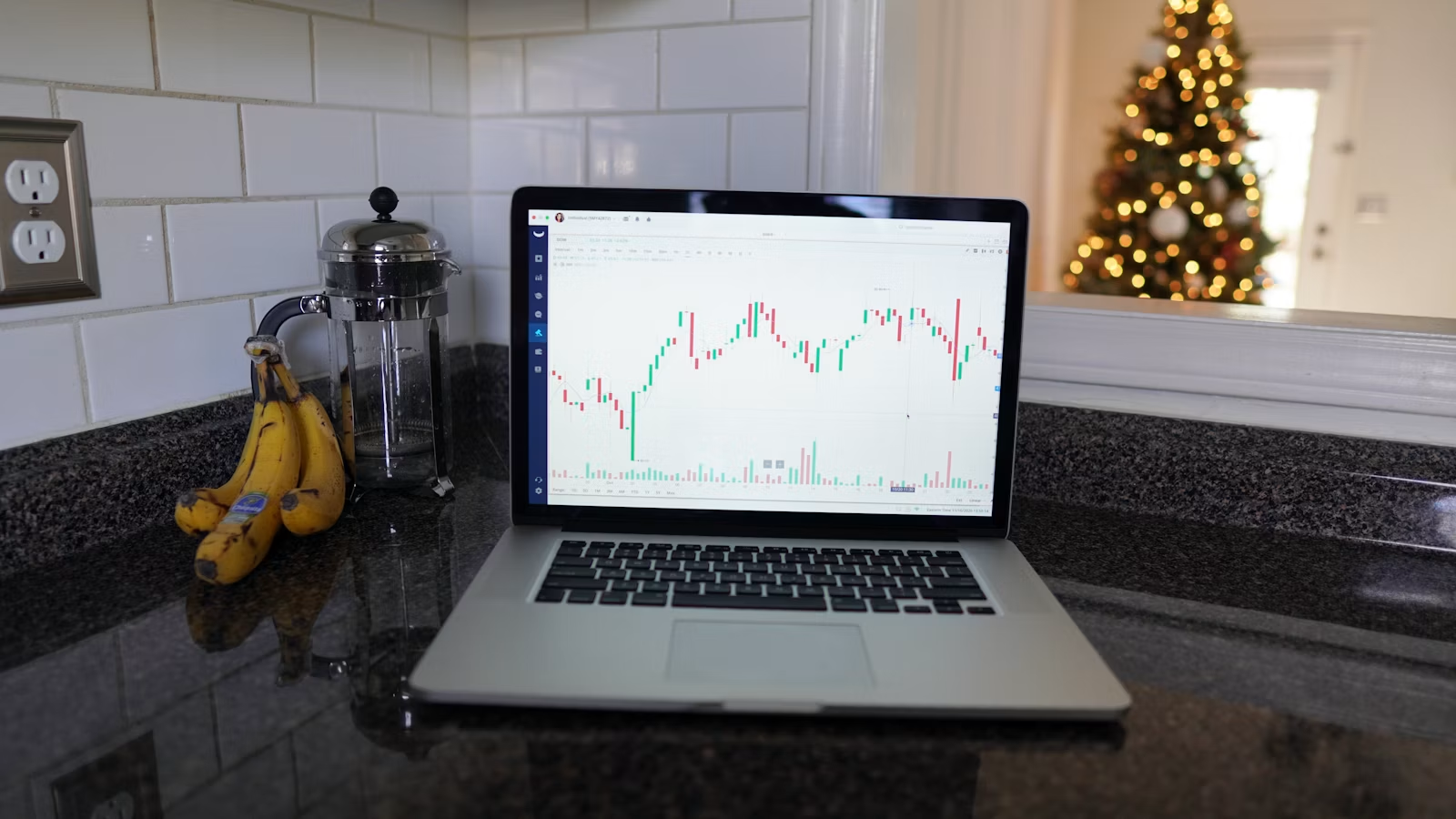
U.S. pre-market trading means submitting buy or sell orders for U.S. stocks through a broker and electronic trading system before the regular session begins. The regular U.S. stock market session is usually 9:30 a.m.–4:00 p.m. Eastern Time, while Nasdaq pre-market trading hours are 4:00 a.m.–9:30 a.m., and after-hours trading runs from 4:00 p.m.–8:00 p.m. Whether you can trade from 4:00 a.m. depends on whether your broker opens that session, whether the stock is eligible, and whether your account has extended-hours trading permission.
For investors in Asia, U.S. pre-market trading can be confusing because the United States observes daylight saving time. In most U.S. regions, U.S. daylight saving time starts on the second Sunday in March and ends on the first Sunday in November. During daylight saving time, 4:00 a.m.–9:30 a.m. Eastern Time corresponds to 4:00 p.m.–9:30 p.m. Beijing time. During standard time, it corresponds to 5:00 p.m.–10:30 p.m. Beijing time. If you are in an Asian market, pre-market trading usually happens from late afternoon to evening, covering the news digestion window before the regular U.S. market opens.
| Trading Session | Eastern Time | Beijing Time During Daylight Saving Time | Beijing Time During Standard Time | Main Use |
|---|---|---|---|---|
| Pre-market trading | 4:00–9:30 | 16:00–21:30 | 17:00–22:30 | Earnings, macro data, overnight news reactions |
| Regular trading | 9:30–16:00 | 21:30–4:00 | 22:30–5:00 | Main trading session, usually better liquidity |
| After-hours trading | 16:00–20:00 | 4:00–8:00 | 5:00–9:00 | Post-earnings and post-announcement reactions |
| Overnight trading | 20:00–4:00 | 8:00–16:00 | 9:00–17:00 | Offered by some brokers, with limited eligible securities |
There are three common use cases for pre-market trading. The first is earnings reports. Popular stocks such as Nvidia, Tesla, and Apple may move sharply before the market opens after earnings are released. The second is macroeconomic data, such as CPI, nonfarm payrolls, and FOMC rate decisions, which may affect indexes and large-cap technology stocks. The third is breaking news, such as mergers and acquisitions, stock splits, guidance revisions, rating changes, regulatory events, or major overnight moves in overseas markets.
However, seeing a pre-market price does not mean you should trade immediately. Pre-market volume may be concentrated at only a few price levels, and the bid-ask spread may be much wider than during the regular session. Some stocks may rise or fall sharply before the open, only to quickly reverse after regular trading begins. For beginners, pre-market prices are better used as a reference for market sentiment rather than as the sole basis for buying or selling.
Summary: U.S. pre-market trading answers the question of whether you can react to market-moving news before the regular session opens. It is useful for observing market quotes after earnings, macro data, or overnight news, and it may also be used to submit limit orders when you already have a clear trading plan. Before placing an order, confirm three things: whether your broker supports pre-market trading, whether the stock is eligible for pre-market execution, and whether your account can access sufficiently reliable pre-market quotes. Time conversion is also important, as daylight saving time and standard time differ by one hour. Pre-market trading is not a substitute for the regular session. Its liquidity, spreads, and price stability differ from regular trading, so it should be treated as a supplementary tool rather than the default way to trade.
How to Buy U.S. Stocks Before the Market Opens: From Account Setup to Order Placement

To trade U.S. stocks before the market opens, you first need a brokerage account that supports U.S. extended-hours trading. Then you need to complete identity verification, fund the account, convert funds into U.S. dollars if necessary, activate pre-market trading permission, and finally select the stock ticker, trading session, limit order price, and quantity on the trading screen. Because SEC extended-hours trading risks include lower liquidity, greater price volatility, wider spreads, and incomplete quote information, pre-market trading should not be approached as “buy whenever the stock is rising.”
A practical workflow looks like this:
| Step | What You Need to Do | What to Check |
|---|---|---|
| 1 | Choose a broker that supports U.S. pre-market trading | Whether it is available in your region |
| 2 | Complete account opening and identity verification | ID documents, tax forms, risk disclosure |
| 3 | Fund the account and prepare USD buying power | Settlement time, FX cost, available buying power |
| 4 | Activate extended-hours trading permission | Whether separate risk acknowledgment is required |
| 5 | Search the stock ticker | Confirm whether it is a stock, ETF, or ADR |
| 6 | Check pre-market quotes | Bid, ask, volume, and price change |
| 7 | Use a limit order | Price, quantity, validity, and trading session |
| 8 | Track order status | Filled, partially filled, unfilled, or canceled |
After account opening and funding, check “available cash,” “buying power,” and “margin buying power” in your account. If your funds are not in U.S. dollars, you also need to handle currency conversion first. Common routes for international users include bank transfers, USD account deposits, local currency conversion, and wallet balance conversion. For users who already use multi-currency fund management tools, a multi-asset and multi-currency wallet platform may also be worth considering. For example, Biya supports multi-asset scenarios and local currency payment options, but service availability depends on the user’s location, identity verification result, platform rules, and applicable laws and regulations.
When placing an order, the key is to select the “extended hours” or “pre-market eligible” option. Different platforms may use different names, such as pre-market, extended hours, or a session-specific order validity setting. You need to avoid mistaking a regular-session order for a pre-market order. You should also confirm whether an unfilled order will be automatically canceled or carried into the regular session.
In terms of order type, limit orders are generally more suitable for pre-market trading. You can first check the bid and ask, then decide the highest price you are willing to pay or the lowest price you are willing to sell at. Fidelity extended-hours trading requires extended-hours orders to be limit orders, with pre-market orders entered and executed from 7:00 a.m. to 9:28 a.m. ET. Robinhood extended-hours trading also has separate rules for extended-hours order types, stop orders, and fractional share orders. Your platform’s rules may differ, but using a limit order to define your execution boundary is a basic principle of pre-market trading.
Before submitting an order, use this checklist:
- Have you confirmed the stock ticker and trade direction?
- Can you see real-time pre-market bid and ask quotes?
- Does the stock have pre-market trading volume?
- Are you using a limit order instead of chasing the market?
- Do you know the order validity and what happens if it is not filled?
- Have you confirmed fees, exchange rates, platform fees, and possible regulatory pass-through fees?
- Are you comfortable with partial fills or no fill at all?
Summary: The key to U.S. pre-market trading is not where the order button is, but how to eliminate permission, funding, order, and risk issues in the right sequence. You need an account that supports pre-market trading, enough USD buying power, extended-hours permission, and then you should submit a limit order from the stock trading screen. Pre-market orders require special attention to bid-ask spreads, volume, and order validity because unfilled orders, partial fills, and price jumps are common. For beginners, the safer approach is to observe several pre-market sessions first, understand how quotes and fills work, and then test with a small amount instead of rushing into volatile post-earnings price moves.
Which Brokers Support U.S. Pre-Market Trading? How International Users Should Choose
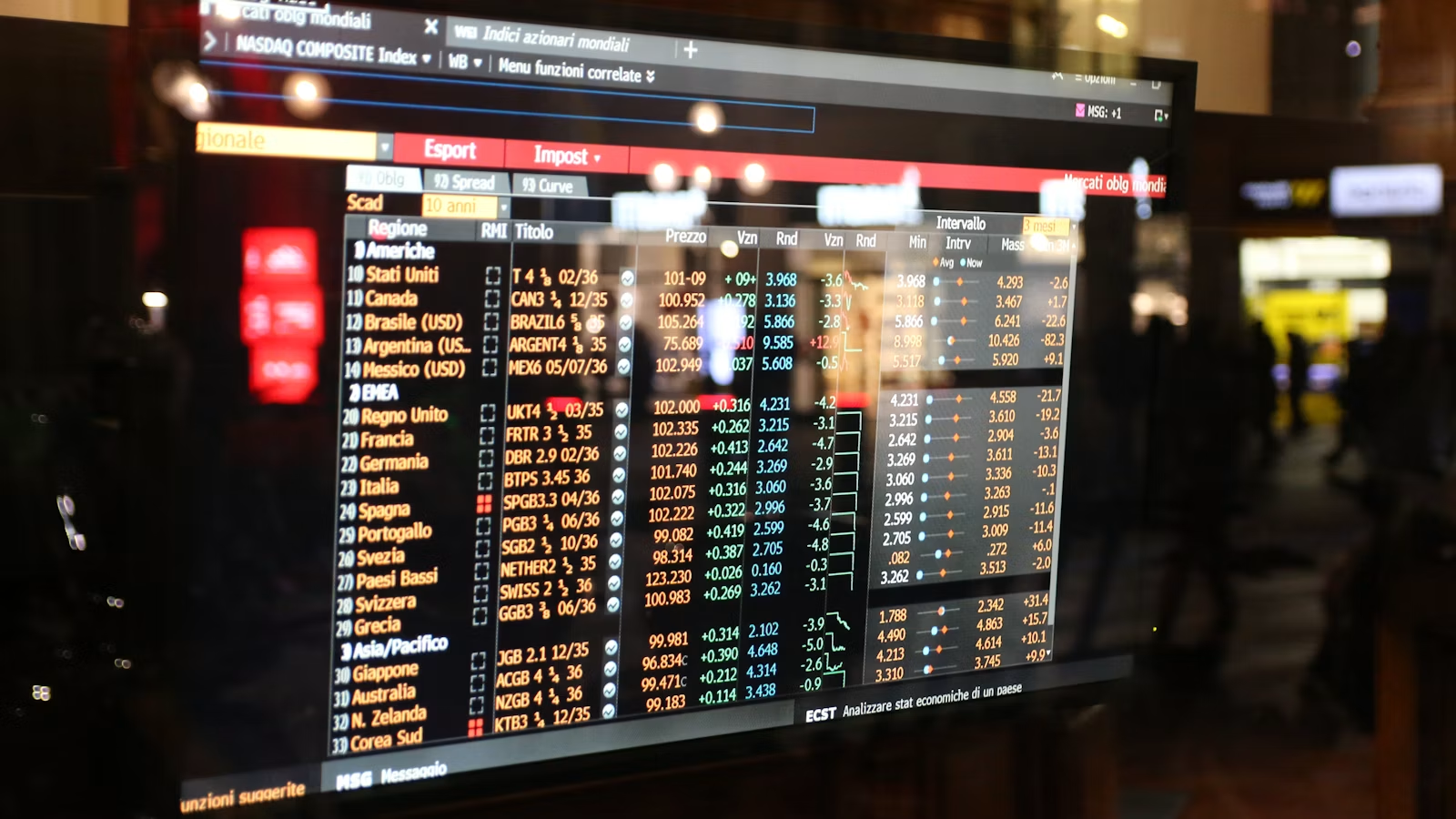
When choosing a broker, do not look only at whether it “supports pre-market trading.” You also need to compare trading hours, order types, eligible securities, quote delay, fee structure, funding methods, and account availability in your location. Different brokers may give you very different pre-market windows. For example, Schwab extended-hours trading lists pre-market execution from 7:00 a.m. to 9:25 a.m. ET, while Interactive Brokers may show Total Available Hours for some NYSE-listed stocks from 4:00 a.m. to 8:00 p.m. ET in TWS.
International users can evaluate brokers using six dimensions:
| Dimension | What to Check | Why It Matters |
|---|---|---|
| Trading hours | Whether trading starts at 4:00 or 7:00 | Determines whether you can react to early news |
| Order types | Whether only limit orders are allowed | Affects slippage control |
| Security coverage | Stocks, ETFs, ADRs, fractional shares | Defines what you can trade |
| Market data | Real-time quotes or delayed quotes | Affects pricing decisions |
| Fee structure | Commissions, platform fees, regulatory fees, FX fees | Affects real trading cost |
| Regional eligibility | Whether your location is supported | Determines whether you can actually use the platform |
Platform rules vary significantly. Fidelity’s pre-market order entry and execution window is 7:00 a.m.–9:28 a.m. ET. Schwab International’s pre-market execution window is 7:00 a.m.–9:25 a.m. ET. Interactive Brokers may show longer Total Available Hours for some U.S. stocks. Moomoo U.S. stock trading hours state that U.S. pre-market trading runs from 4:00 a.m. to 9:30 a.m. ET, and after-hours trading runs from 4:00 p.m. to 8:00 p.m. ET. The key question is not which broker is “absolutely better,” but whether your trading needs match its platform rules.
If you are a long-term investor who only occasionally wants to adjust positions after earnings, focus on account availability in your region, funding routes, fee transparency, and order-screen prompts. If you are a more active trader, you may need to compare market depth, order routing, level II data, tradable hours, and cancellation efficiency. If you trade only large-cap technology stocks or ETFs, pre-market liquidity is usually better. If you focus on small-cap stocks, low-priced stocks, or less liquid ADRs, wide spreads and unfilled orders are more likely.
Before choosing a broker, also review its extended-hours risk disclosure. FINRA Rule 2265 requires brokers that allow customers to trade during extended hours to provide a risk disclosure. In other words, a compliant platform should not simply tell you that pre-market trading is available; it should also explain liquidity, quotes, volatility, and order execution risks.
Summary: For international users, choosing a U.S. pre-market trading platform should start with “Can I open an account?”, then “Can I trade pre-market?”, and finally “Does the trading experience match my strategy?” Longer trading hours do not necessarily make a broker more suitable for everyone, and more complex market data does not necessarily make trading easier for beginners. What you really need to compare is pre-market trading hours, order types, eligible securities, real-time quotes, fee structure, and regional availability. For ordinary investors who trade only occasionally, clear fee disclosure, stable funding routes, and transparent order validity rules may matter more than a longer pre-market window.
How Are U.S. Pre-Market Trading Fees Calculated? Do Not Look Only at Zero Commission
Pre-market trading costs usually include commissions, platform fees, exchange or clearing-related fees, regulatory pass-through fees, FX costs, and bid-ask spreads. Even if a platform advertises zero commission, you still need to check the order screen and statement details because lower pre-market liquidity can widen bid-ask spreads and create hidden costs. For international investors, FX costs and fund transfer costs may sometimes have a greater impact than a single trade commission.
| Cost Type | Common Location | Buy/Sell Side | What to Watch |
|---|---|---|---|
| Trading commission | Broker fee schedule | May apply to both buy and sell orders | Per-share, per-order, or percentage pricing |
| Platform fee | Order screen or fee schedule | May apply to both buy and sell orders | Minimum fee and fee cap |
| SEC fee | Regulatory pass-through fee | Usually sell-side related | Whether the rate has been updated |
| FINRA TAF | Regulatory pass-through fee | Usually sell-side related | Whether it is charged per share |
| FX cost | Deposit or conversion process | Common before buying | Exchange rate, spread, and conversion fee |
| Bid-ask spread | Quote screen | Affects both buying and selling | Whether the spread is too wide |
Regulatory fees can change over time. The SEC announced that from April 4, 2026, the Section 31 fee rate for most securities transactions is $20.60 per million dollars. FINRA’s Trading Activity Fee also has scheduled rate adjustments. Ordinary investors do not necessarily need to calculate every regulatory fee manually, but they should review the broker’s fee estimate before placing an order and check the statement after execution.
If you are interested in pre-market trading opportunities, do not evaluate cost by looking at “commission” alone. For example, when buying 100 shares, even if the commission is zero, you may still pay platform fees, FX spreads, external institution fees, or spread costs. When selling, regulatory pass-through fees may also apply. The more volatile the price, the harder it is to ignore spread costs. If the pre-market bid is 99.80 and the ask is 100.40, buying at 100.40 may look like a difference of only $0.60, but for 100 shares, the spread impact is $60.
When comparing platforms, you can review the Biya U.S. stock trading fee schedule if you want to compare U.S. stock trading costs. Biya’s U.S. stock trading commission is $0. The platform fee is $0.005 per share, with a minimum of $0.99 per order and a maximum of 1% of the trade value. External institution fees and trading activity fees are $0.00396 per share. For fractional share orders below one share, the fee schedule states that only a platform fee of 1% of the total trade value is charged, capped at $1. Actual fees are subject to the fee schedule and the order screen.
Another often-overlooked cost in pre-market trading is non-execution. If your limit price is too conservative, the order may not be filled at all. If your limit price is too aggressive, you may be filled at an unfavorable price during a low-liquidity session. Therefore, cost analysis should include both explicit and implicit costs. Explicit costs include commissions, platform fees, and regulatory fees shown on the statement. Implicit costs include bid-ask spreads, FX spreads, delayed quotes, and the opportunity cost of unfilled orders.
Summary: The real cost of U.S. pre-market trading is not equal to the commission. You need to consider commissions, platform fees, SEC fees, FINRA TAF, FX costs, bid-ask spreads, and the risk of unfilled orders together. For international users, confirming the USD funding source and FX cost before trading is often more useful than comparing “zero commission” claims alone. The more active and volatile the pre-market session is, the more important the bid-ask spread becomes. Fee schedules and order screens are the final points of verification. Any platform’s displayed fee rate should be interpreted together with regional availability, identity verification results, and actual account statements.
What Are the Risks of U.S. Pre-Market Trading? What to Check Before Placing an Order
The biggest risk in pre-market trading is not that you cannot place an order, but that your order may not be executed at the price you expect. Fewer participants, fragmented quotes, wider bid-ask spreads, and rapid price jumps driven by small orders are common. FINRA extended-hours trading risks remind investors that extended-hours trading often involves lower liquidity, greater volatility, and less complete market connectivity. Before placing an order, treat the pre-market price as a reference, not as a confirmed opening direction.
The main risks fall into four categories:
| Risk Type | What It Looks Like | How to Respond |
|---|---|---|
| Liquidity risk | Low volume, order queueing, partial fills | Check volume and order book depth first |
| Spread risk | Wide gap between bid and ask | Use limit orders and avoid chasing |
| Volatility risk | Sharp moves after earnings or news | Reduce position size and avoid impulsive orders |
| Order risk | Unfilled, expired, or session-specific order behavior | Confirm validity and cancellation rules |
Liquidity risk is the most common. Popular stocks may be very active before the open on earnings days, but less-followed stocks may go minutes without continuous trades. When the bid-ask spread widens, the “last price” you see may simply be the most recent small trade. It does not mean you can currently buy or sell at that price. Price volatility is also significant. A stock that rises 5% before the open may continue rising after the regular session begins, or it may quickly pull back as traders take profits or institutions reprice the news.
Misreading news is another typical pre-market risk. After earnings are released, the market does not look only at revenue and profit. It also evaluates guidance, gross margin, cash flow, orders, management commentary, and industry expectations. Macroeconomic data is similar. A CPI figure below expectations does not automatically mean all technology stocks will rise; the market will also reassess interest rates, the U.S. dollar, and Treasury yields. Pre-market prices move quickly, and investors can easily focus only on percentage change while ignoring the completeness of the information behind it.
Before placing an order, use this checklist:
- Does the stock have continuous pre-market trades?
- Is the bid-ask spread within an acceptable range?
- Is the latest price caused by only a small trade?
- Are you using a limit order to control the highest buy price?
- Will the order be canceled if unfilled, or will it move into another session?
- Do you understand whether fractional shares, ETFs, and ADRs support pre-market trading?
- Have you reviewed margin, financing, and forced liquidation rules?
- Are you prepared for the price to move in the opposite direction after the regular open?
If you use a margin account, pre-market trading requires extra caution. Pre-market price changes may affect account equity and margin requirements, and extended-hours executions may not be as easy to adjust as regular-session trades. If you cannot monitor the order continuously, or if you do not understand when the order expires, your pre-market orders should not be aggressive.
Summary: The risks of U.S. pre-market trading are concentrated in liquidity, spreads, volatility, and order rules. The most common mistake is treating pre-market percentage moves as a confirmed trend for the regular session. A more prudent approach is to check volume, order book depth, and news sources first, then use limit orders to control execution price and confirm order validity. For beginners, pre-market trading should mainly be used for observation and small tests. It is not suitable for heavy chasing when earnings have just been released, spreads are wide, or the market has not fully digested the news. Any use of margin, financing, or highly volatile stocks should be based on platform rules, risk disclosures, and personal risk tolerance.
How Ordinary Investors Can Build a U.S. Pre-Market Trading Strategy
Ordinary investors should first ask whether they truly need to execute before the regular market opens. In most cases, pre-market trading is better used to observe market reaction, verify the impact of news, and set reasonable limit prices, rather than as a replacement for regular-session trading. You should consider pre-market buying or selling only when your trading plan is clear, the stock has sufficient liquidity, the spread is acceptable, the fee structure is clear, and order validity is under control.
Pre-market trading can be divided into three uses:
| Use Case | Suitable For | Key Action |
|---|---|---|
| Observation | Beginners and long-term investors | Watch pre-market price, volume, and news reaction |
| Adjustment | Existing position holders | Reduce, add, or cancel orders after earnings |
| Execution | Investors with a clear plan | Use limit orders to execute at preset prices |
Suitable pre-market trades usually share a few characteristics: you already have a trading plan and are waiting for a price trigger; the stock is a liquid large-cap stock or ETF; pre-market volume is continuous, not just occasional small trades; you can accept partial execution or no execution; and you have already calculated fees, spreads, and position size. For example, if you plan to adjust 10% of a large-cap technology stock position after earnings, and the pre-market price reaches your preset range while the bid-ask spread is narrow, that situation is more suitable for pre-market execution than chasing a sudden price spike.
Unsuitable situations are also clear: placing an order simply because a stock appears on the top movers list; not knowing whether the news is accurate or complete; trading a stock with low volume and a wide spread; using leverage without an exit plan; being unable to monitor the order after placing it; or not knowing whether the order will carry into the regular session. If these conditions appear at the same time, it is usually better to wait for the regular session, when more participants enter the market and quotes are generally more continuous.
A practical pre-market decision template:
| Question | Standard | What to Do If Not Met |
|---|---|---|
| Why trade before the open? | There is a clear event and trading plan | Observe instead |
| Is volume sufficient? | The order book is active with multiple trades | Reduce size or skip |
| Is the spread reasonable? | Bid/ask gap is acceptable | Adjust the limit price |
| Are fees clear? | The order screen shows a fee estimate | Check fees first |
| How will the order expire? | Validity and cancellation rules are clear | Do not submit |
| What happens after the open? | You have a hold or exit plan | Wait for regular trading |
If you are still comparing trading tools, you can use the U.S. stock lookup tool to check stock coverage and basic information, then combine that with your broker’s pre-market quotes to judge whether a stock is suitable for trading. For users who want to follow U.S. stocks, Hong Kong stocks, and crypto trading in one place, Biya web trading covers multi-asset trading scenarios. However, availability depends on the user’s location, identity verification result, platform rules, and applicable laws and regulations. U.S. pre-market trading involves price volatility and fee structure considerations and does not constitute investment advice.
Summary: For ordinary investors, the core of a pre-market trading strategy is not to trade earlier at all costs, but to control uncertainty. You can treat pre-market trading as a tool for observation and planned execution: first assess whether the news matters, then check volume and spreads, use limit orders to control price, and keep position size within your risk tolerance. If you do not have a clear plan, cannot access real-time quotes, or do not understand order validity, waiting for the regular session is usually more prudent. Pre-market trading gives you an additional time window, but it does not reduce investment risk or guarantee better execution prices.
If you are interested in U.S. pre-market trading, you should compare not only trading hours and order types, but also actual trading costs, funding routes, and fee transparency. Biya is a global multi-asset trading wallet that supports U.S. stocks, Hong Kong stocks, crypto trading, and other multi-asset scenarios, while also covering multiple local currency payment methods. If you meet the applicable regional requirements, complete identity verification, and understand the relevant risks, you can review U.S. stock trading fees, platform fees, external institution fees, and other charges on the order screen. Biya’s U.S. stock trading commission is $0, but platform fees, external institution fees, and other charges are still subject to the fee schedule and order screen. Any pre-market trading decision should be based on public market information, account rules, and your own risk tolerance. Pre-market price movements should not be treated as a promise of returns.
FAQ
Is U.S. pre-market trading guaranteed to be filled?
No, U.S. pre-market trading is not guaranteed to be filled. Execution depends on your limit price, bid and ask liquidity, stock liquidity, broker routing, and order validity. With fewer participants before the open, even popular stocks may be partially filled or not filled at all. Thinly traded stocks, low-priced stocks, and stocks affected by breaking news have higher uncertainty.
Is U.S. pre-market trading suitable for beginners?
U.S. pre-market trading is not necessarily suitable for beginners. Beginners can first use pre-market quotes to observe market sentiment and learn how limit orders, bid-ask spreads, volume, and order validity work. Only after becoming familiar with these mechanics should they consider testing with small trades. If you cannot understand quote changes or monitor orders, waiting for the regular session is usually more prudent.
Are U.S. pre-market trading fees the same as regular-session fees?
U.S. pre-market trading fee rules may be similar to regular-session trading, but the actual cost may differ. Wider bid-ask spreads and lower liquidity can create additional implicit costs before the market opens. Specific commissions, platform fees, regulatory pass-through fees, and FX costs should be checked against the broker’s fee schedule, order screen, and account statement.
Can U.S. pre-market prices represent the opening price?
No, U.S. pre-market prices do not fully represent the official opening price. Pre-market prices may be driven by a smaller number of orders. Once the regular session begins, liquidity increases and more institutional and retail participants enter the market, so prices may change quickly. Pre-market prices are better treated as a reference signal rather than a reliable opening-price forecast.
What should international investors watch when trading U.S. stocks before the open?
International investors should check account eligibility in their location, USD funding methods, extended-hours trading permission, tax requirements, and fee structure. Different brokers have different rules for pre-market hours, tradable securities, order types, and real-time quotes. Platform rules and local regulatory requirements should always be used as the final reference.
Can you use market orders in U.S. pre-market trading?
Market-order style trading is generally not recommended during U.S. pre-market sessions, and many platforms restrict market orders during extended hours. Liquidity is lower and spreads are wider before the open, so market execution may deviate from expectations. A more common approach is to use limit orders and set the highest buy price or lowest sell price in advance.
*This article is provided for general information purposes and does not constitute legal, tax or other professional advice from BiyaPay or its subsidiaries and its affiliates, and it is not intended as a substitute for obtaining advice from a financial advisor or any other professional.
We make no representations, warranties or warranties, express or implied, as to the accuracy, completeness or timeliness of the contents of this publication.
Related Blogs of

Why Compare Minimum and Maximum Fees When Comparing U.S. Stock Trading Platforms


How to Judge Whether U.S. Stock Trading Fees Are Low? Which Dimensions Should You Check?

Why Should You Look at Platform Fees, FX Rates, and Order Experience When Choosing a U.S. Stock Trading Platform?


Choose Country or Region to Read Local Blog
 Australia
 Austria
 Belgium
 Canada
 Cyprus
 Czech Republic
 Denmark
 Estonia
 Finland
 France
 Germany
 Greece
 Hong Kong
 India
India Indonesia
 Ireland
 Italy
Italy Japan
Japan Latvia
 Lithuania
 Luxembourg
 Malaysia
 Malta
Malta Morocco
 Nepal
Nepal Netherlands
 New Zealand
 Norway
 Pakistan
 Philippines
 Poland
 Portugal
 Romania
 Singapore
 Slovakia
 Slovenia
 South Africa
 South Korea
 Spain
Spain Sweden
 Thailand
 The United States
 Turkey
 United Arab Emirates
 United Kingdom
 Vietnam
Contact Us




BIYA GLOBAL LLC is registered with the Financial Crimes Enforcement Network (FinCEN), an agency under the U.S. Department of the Treasury, as a Money Services Business (MSB), with registration number 31000218637349, and regulated by the Financial Crimes Enforcement Network (FinCEN).
BIYA GLOBAL LIMITED is a registered Financial Service Provider (FSP) in New Zealand, with registration number FSP1007221, and is also a registered member of the Financial Services Complaints Limited (FSCL), an independent dispute resolution scheme in New Zealand.