
Does Registering WeChat with a Korean Phone Number Require Real-Name Verification? Payment and Receiving Limits for Overseas Users




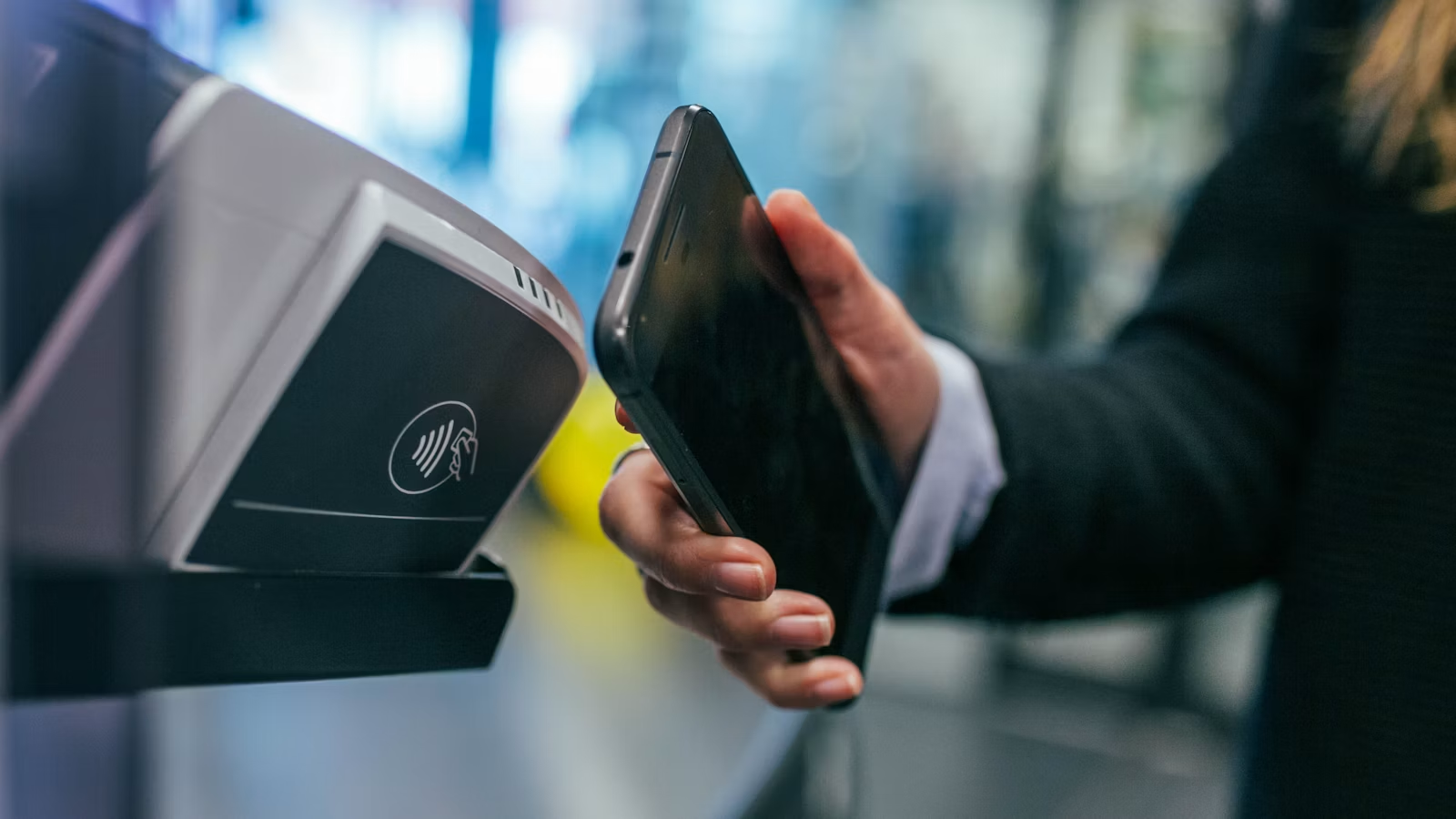
A Korean phone number can be used to register or log in to WeChat, but this does not mean WeChat Pay has completed real-name verification. The key distinction is this: a phone number is mainly used for verification codes, login protection, and account security; WeChat Pay real-name verification involves identity documents, bank cards, limits, receiving money, transfers, red packets, and transaction risk controls. If you only use WeChat for messaging, number stability is the priority. If you want to pay in China, receive red packets, transfer money, or receive payments, you must follow the identity verification prompts inside WeChat Pay and comply with account rules, international card rules, and local regulatory requirements.
Key Takeaways
- Registering WeChat with a Korean number does not equal WeChat Pay real-name verification.
- A WeChat messaging account and a payment account follow different verification rules.
- International cards are more suitable for merchant payments, not full transfer or receiving functions.
- Red packets, wallet balance, and payment collection usually face stricter limits than QR code purchases.
- Korean mobile identity verification cannot replace WeChat Pay real-name verification.
- Limits, fees, and risk controls depend on WeChat prompts and the issuing bank’s statement.
Does Registering WeChat with a Korean Phone Number Require Real-Name Verification?

Registering WeChat with a Korean phone number usually does not equal WeChat Pay real-name verification. When you register a WeChat account, the key steps are selecting the correct country or region code, entering your +82 Korean phone number, receiving an SMS verification code, and passing WeChat’s security checks. This process mainly answers whether the account can be created and logged in to. Even if your Korean phone number has already been registered under your real name with a local carrier, WeChat Pay will not automatically recognize that as payment identity verification. WeChat Pay involves funds, so it depends on identity documents, bank cards, payment passwords, transaction limits, and risk control status.
When users search “does registering WeChat with a Korean phone number require real-name verification,” the real question should be divided into three parts: first, whether a Korean phone number can be used as a WeChat login number; second, whether WeChat account registration requires a Mainland China phone number; and third, whether WeChat Pay requires identity verification. Tencent’s cross-border payment updates mention that since July 2023, WeChat Pay has supported overseas users binding international cards with overseas phone numbers. This shows that overseas phone numbers can enter part of the payment setup process, but it does not mean all money-related functions are available.
| Scenario | Does It Equal Real-Name Verification? | Main Verification Object | Affected Functions |
|---|---|---|---|
| Registering a WeChat account | No | Phone number, SMS code, security checks | Messaging, login, basic social functions |
| Activating WeChat Pay | Payment function threshold | Identity document, real-name information, bank card | Payments, red packets, transfers, receiving money |
| Binding an international card | Partial payment capability | International card, phone number, issuing bank verification | Mainly merchant payments in China |
| Raising limits or removing restrictions | Usually requires fuller verification | Identity materials, risk-related information | Higher limits, more payment scenarios |
Can a Korean Phone Number Register WeChat?
A Korean +82 phone number can usually be used as an overseas phone number to register or log in to WeChat. However, successful registration still depends on whether SMS messages can be received, whether the number can be used long term, whether the registration environment triggers security checks, and WeChat’s risk control policy at the time. Short-term tourist SIM cards, SMS receiving platforms, recycled numbers, and numbers that cannot be reissued are not suitable for long-term WeChat accounts. Later, when you change devices, recover your account, verify payments, or resolve account abnormalities, WeChat may again require SMS verification.
Will Korean Phone Number Real-Name Verification Sync with WeChat?
No. Korean carrier real-name registration, local 본인인증, and ARC-based foreign resident verification belong to Korea’s communication and internet identity systems. WeChat Pay real-name verification belongs to the Tenpay and WeChat Pay system. The mobile phone identity verification described by Korea’s Personal Information Protection Commission is mainly used for Korean internet membership registration, age verification, and real-name verification record checks. It cannot automatically replace WeChat Pay’s verification of identity documents, bank cards, and transaction risks.
Summary: You can understand a Korean phone number as the “contact method” and “security entry point” of a WeChat account, not as a full real-name credential for WeChat Pay. During WeChat registration, the Korean phone number is mainly used for SMS verification and login. When activating WeChat Pay, the platform needs to determine who you are, whether the bank card belongs to you, whether the transaction is compliant, and whether the funds are traceable. Whether your Korean phone number is registered under your real name in Korea only improves the stability of the number itself. It does not automatically enable WeChat red packets, WeChat Wallet balance, transfers, payment collection codes, or withdrawals. For overseas users, the safest approach is to use a Korean number that you personally hold long term, can reissue, and can use to receive international SMS, then complete identity verification according to the prompts inside WeChat Pay.
Why WeChat Account Registration and WeChat Pay Real-Name Verification Should Not Be Confused
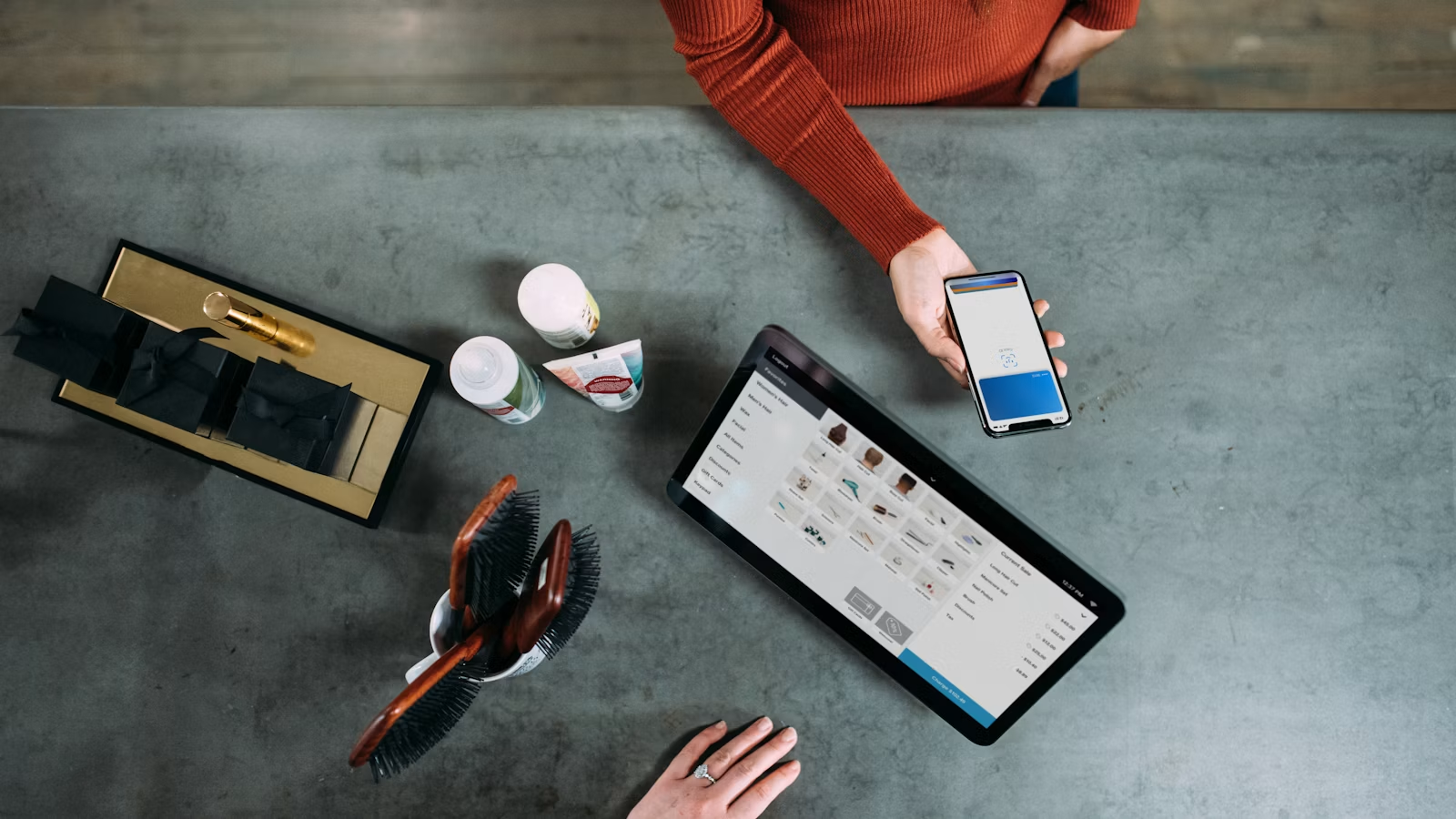
Being able to register WeChat with a Korean phone number does not mean you already have full WeChat Pay functionality. A WeChat account solves messaging, login, friend connections, and mini program access. WeChat Pay real-name verification handles payment accounts, bank card deductions, wallet balance, transfers, red packets, receiving money, and transaction tracking. Both functions exist inside the same app, but the underlying rules are completely different. Once funds are involved, the account enters a framework of payment account real-name requirements, anti-money laundering controls, transaction limits, abnormal transaction monitoring, and account security management.
China’s Regulations on the Supervision and Administration of Non-Bank Payment Institutions state that payment accounts should be opened under users’ real names and require institutions to prevent anonymous or false-name payment accounts. The earlier Administrative Measures for the Online Payment Business of Non-Bank Payment Institutions also emphasize “know your customer” requirements and require payment institutions to register and verify customers’ basic identity information. These rules explain why WeChat messaging can often be used after registration, while WeChat Pay cannot rely on a phone number alone to unlock all functions.
| Comparison Dimension | WeChat Account | WeChat Pay Account |
|---|---|---|
| Core Use | Messaging, social networking, login, mini programs | Payments, receiving money, red packets, transfers, wallet balance |
| Verification Focus | Phone number, SMS code, account security | Identity document, real name, bank card, payment password |
| Risk Attribute | Platform account security | Fund flow and compliance risk |
| Common Restrictions | Login abnormalities, friend assistance, security verification | Limits, suspended payment or receiving functions, withdrawal failure |
| Common Misunderstanding | Thinking phone number real-name registration equals WeChat real-name verification | Thinking payment ability means receiving and transfer ability |
Why Can a WeChat Account Be Registered First and Verified Later?
Because a messaging account and a payment account involve different levels of risk. When you register a WeChat account, the platform focuses more on whether the account is genuinely used, whether it is part of batch registration, and whether there is spam marketing or abnormal login behavior. When you activate WeChat Pay, the platform must further verify funding sources, payees, payers, bank card ownership, wallet balance nature, and transaction purpose. This is why you may successfully log in to WeChat first, but later be asked to provide identity information when paying, receiving money, using red packets, or transferring funds.
Why Must WeChat Pay Focus on KYC?
WeChat Pay must comply with payment account real-name and anti-money laundering requirements. The latest WeChat Pay User Service Agreement states that quick payments may require real name, ID number, bank card number, expiration date, bank-reserved phone number, and other information. It also states that transaction limits may be set or adjusted according to regulatory requirements, payment scenarios, transaction risk controls, and bank limit controls. In other words, real-name verification is not simply “filling in a name.” It is the foundation that the payment system uses to determine whether you can safely use fund-related functions.
Summary: When judging whether registering WeChat with a Korean phone number requires real-name verification, do not confuse “WeChat account verification” with “WeChat Pay real-name verification.” At the account level, you need a phone number that can receive SMS codes and be used long term. At the payment level, you need to meet payment account real-name requirements, bank card verification, limits, and risk control requirements. For overseas users, the real experience is not determined by whether you can enter the WeChat chat interface, but whether you can pay, receive red packets, transfer money, receive payments, and withdraw funds. Once money is involved, WeChat Pay follows payment account rules instead of automatically approving functions based on the local real-name status of a Korean phone number.
What Limits May Overseas Users Face When Activating WeChat Pay with a Korean Phone Number?
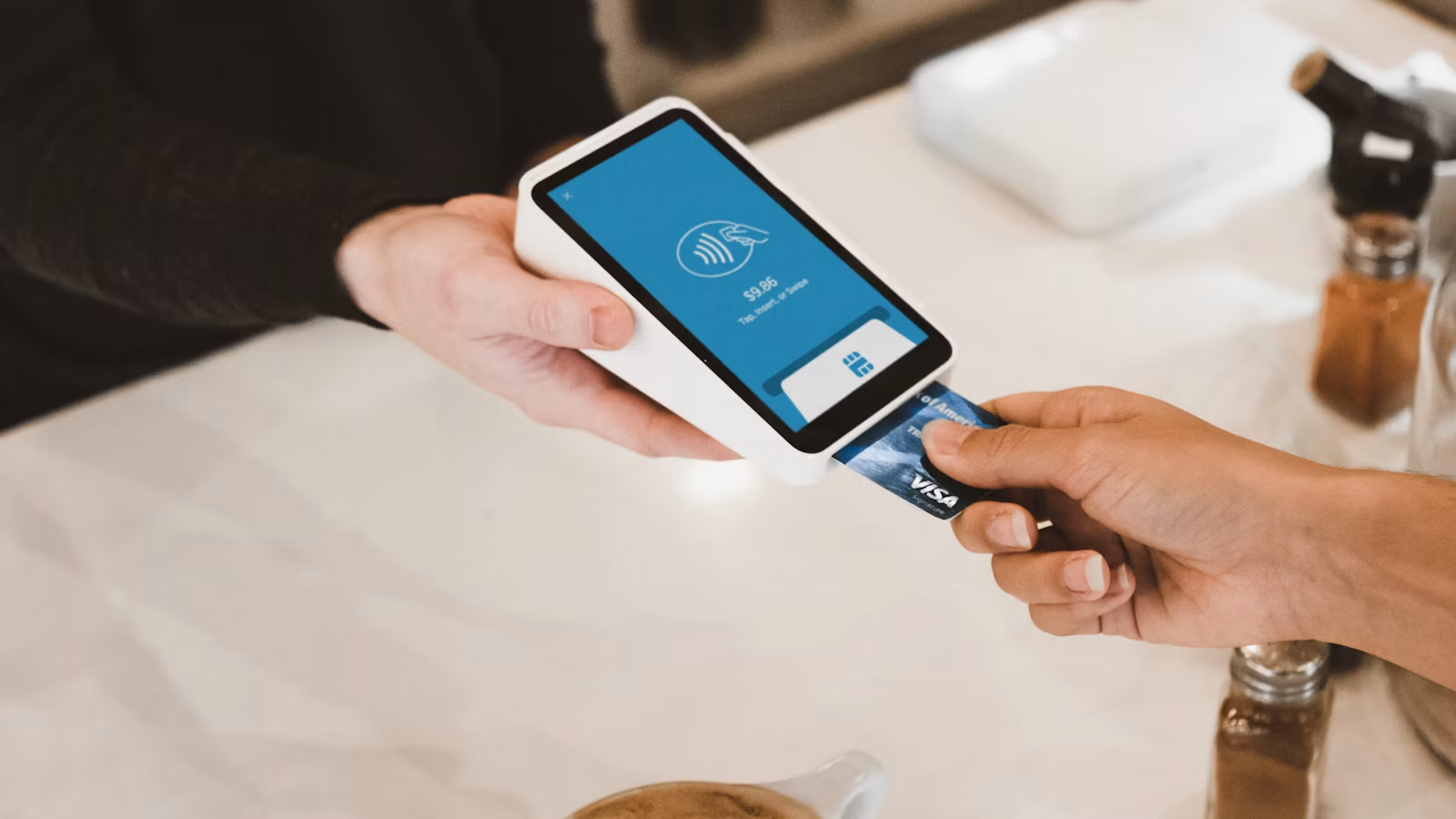
Even if an overseas user successfully registers WeChat with a Korean phone number, WeChat Pay may still fail because of incomplete real-name verification, international-card-only status, unsupported merchants, card issuer rejection, insufficient limits, or account risk controls. A more accurate understanding is this: an international card can help solve part of the “merchant payment in Mainland China” problem, but it does not automatically enable all wallet functions. Tencent has disclosed that for international users who complete identity verification, the single transaction limit can be raised from USD 1,000 to a maximum of USD 5,000, and the annual transaction limit from USD 10,000 to a maximum of USD 50,000.
The English portal of the Chinese government also notes that Alipay and WeChat Pay have allowed foreign users to bind Visa, Mastercard, and other international credit cards. This is helpful for travel in China, business trips, and short-term spending, but the core scenario remains merchant payment rather than full personal fund transfers. Reports on payment convenience from Guangzhou also mention that “foreign cards bound to domestic apps” and “foreign wallets used domestically” have served many overseas visitors to China and improved small-value QR code payment experiences. In Guangzhou, related services covered more than 810,000 users and over RMB 420 million in transaction value.
| Function | Is It Always Available After Registering with a Korean Number? | Main Limiting Factors |
|---|---|---|
| Merchant QR code payment | Not necessarily | Whether payment is activated, whether the merchant supports it, whether the international card passes |
| International card payment | Available in some scenarios | Card network, issuing bank, limits, risk controls |
| WeChat transfer | Not necessarily | Real-name status, wallet balance, regional rules, account risk |
| WeChat red packets | Not necessarily | Real-name status, wallet capability, payment method |
| Payment collection code | Not necessarily | Account identity, usage purpose, transaction frequency |
| Withdrawal | Usually more restricted | Whether there is a withdrawable account and compliant channel |
What Problems Can an International Bank Card Solve?
An international bank card mainly helps you pay merchants in Mainland China. WeChat Pay’s International Card User Appendix states that if a user has only bound an international card and has not completed real-name verification, the user can only use the international card for consumption payments and cannot use balance payment services, top up wallet balance with the international card, transfer funds, or receive transfers. Shanghai’s foreign-language service information also notes that WeChat Pay may support certain overseas credit cards, but transfers and red packets are not available for foreign credit cards.
Are There Fees for International Card Payments?
It depends on transaction amount, campaign waivers, and payment page prompts. Tenpay’s 2026 international card payment service rules state that international card transactions of RMB 200 or below are exempt from international card service fees, while transactions above RMB 200 are charged 3% of the transaction amount. If a refund occurs, the corresponding fee will be refunded on a proportional basis. The card issuer may still charge foreign transaction fees, exchange rate spreads, or cross-border service fees, so you also need to check your card statement.
Summary: The biggest misunderstanding among Korean phone number users after activating WeChat Pay is assuming that binding an international card makes the account equivalent to a Mainland China user’s wallet. This is not the case. International cards are more like consumption payment tools and are suitable for restaurants, transport, supermarkets, hotels, tourism tickets, and similar merchant scenarios. Red packets, transfers, WeChat Wallet balance, payment collection codes, and withdrawals are fund-account functions and usually require stricter real-name and risk control checks. Whether a payment succeeds depends on WeChat Pay, the merchant, the card network, the issuing bank, limits, and real-time risk controls. If a payment fails, do not focus only on the Korean phone number. Check real-name status, the card, the amount, merchant type, and payment page prompts at the same time.
Why Are Receiving Money, Transfers, and Red Packets More Likely to Be Restricted for Korean Phone Number Users?
Korean phone number users are more likely to face restrictions when receiving money, transferring funds, or using red packets on WeChat because these functions are closer to personal fund movement than ordinary QR code merchant payments. When you use an international card to pay a merchant, the fund path is relatively clear. When you receive a red packet, send a red packet, receive a transfer, or use a payment collection code frequently, the system must assess payee identity, payer identity, fund purpose, account balance, and abnormal transaction risks. The WeChat Pay agreement states that users who fail to complete required identity information for real-name verification may face restrictions on receiving money, withdrawals, and payments, including wallet balance, red packets, and Licaitong-related functions.
| Function | Risk Attribute | Common Restrictions | What You Should Check |
|---|---|---|---|
| Receiving WeChat red packets | Small-value funds entering the account | Incomplete real-name verification, insufficient wallet capability, regional restrictions | Wallet identity information, red packet prompts |
| Sending WeChat red packets | Funds leaving the account | Unsupported payment method, insufficient limit | Available payment method, single transaction amount |
| WeChat transfer | Peer-to-peer fund movement | Both parties’ account status, risk controls, daily limits | Counterparty real-name status, your own limits |
| Payment collection code | Continuous receiving capability | Personal/business usage boundary, abnormal frequency | Whether business materials are needed |
| Withdrawal | Moving balance out of the account | Withdrawable account, real-name verification, bank card | Bank card ownership and page prompts |
If you only bind an international card, many personal fund functions will not automatically open just because the card can be used for payments. The WeChat Pay agreement also states that users must not impersonate others, use invalid credit cards or another person’s credit card, or rent, lend, sell, or purchase bank accounts, payment accounts, or payment collection codes. These requirements directly affect high-risk scenarios such as payment collection codes, receiving money on behalf of others, and helping others transfer funds. For users in Korea, international students, and overseas Chinese users, the most important compliance boundary is this: do not lend your WeChat payment collection code to others, and do not use a personal account to receive money for others on a long-term basis.
Payment collection restrictions also relate to the boundary between “personal use” and “business use.” The agreement mentions that if you are a personal seller, individual operator, or business operator with clear business activity characteristics, you may need to provide additional certificates related to business activities. In other words, occasionally receiving a red packet from a friend and continuously receiving business revenue through a personal payment collection code are not treated as the same risk by the payment system.
Summary: When Korean phone number users fail to receive red packets, make transfers, or collect payments, the core reason is usually not that “Korean numbers cannot use WeChat.” Instead, fund-related functions have triggered stronger real-name and risk control requirements. Ordinary merchant payments are consumption. Receiving money, transfers, red packets, and withdrawals involve funds entering and leaving an account, so payment institutions need to identify the real user, transaction purpose, and account risk. You should first check the identity information status inside WeChat Wallet, then check whether the payment method supports the current function, and finally check the amount, frequency, and counterparty. Do not use SMS receiving numbers, another person’s bank card, payment collection on behalf of others, or rented payment codes. These actions may lead to account restrictions and may also touch local regulatory boundaries.
How Are Korean Mobile Real-Name Registration, 본인인증, and WeChat Real-Name Verification Different?
Korean mobile real-name registration, 본인인증, and WeChat Pay real-name verification are three different systems. Korean phone number real-name registration serves telecommunications and local Korean internet identity verification. 본인인증 is commonly used for Korean websites, banks, online shopping, food delivery, age verification, and similar scenarios. WeChat Pay real-name verification serves China-related payment accounts, cross-border consumption, wallet balance, transfers, and payment collection compliance. All three may use the idea of “phone number + identity document,” but their verification entities, data sources, applicable laws, and usable scope are completely different. They cannot replace one another.
Korean identity verification systems are especially easy for foreign users to misunderstand. Short-term tourists may use passports to activate prepaid SIM cards, but these numbers may not support the 본인인증 required by many Korean websites. KRSIM’s guidance for tourists states that prepaid SIM cards activated with a passport usually do not support Korean services that require personal identity verification, because Korean identity verification is often linked to a resident registration number or ARC foreign resident registration number. Kimchi Mobile also reminds users that if a passport-activated prepaid card is not updated with ARC information, it may not be able to complete mobile identity verification for Korean online shopping, food delivery, and similar services.
| Verification System | Verification Entity | Common Materials | Main Uses | Can It Replace WeChat Pay Real-Name Verification? |
|---|---|---|---|---|
| Korean carrier real-name registration | Korean telecom carriers | Passport, ARC, contact information | Opening a phone number, communication services | No |
| Korean 본인인증 | Korean certification providers, platforms, carriers | Phone number, resident registration number or ARC | Website membership, banking, age verification | No |
| WeChat account verification | Phone number, SMS code, security checks | Registration, login, account recovery | Cannot fully replace payment real-name verification | |
| WeChat Pay real-name verification | WeChat Pay/Tenpay | Identity document, bank card, phone number, payment password | Payments, receiving money, transfers, red packets | This is the required WeChat Pay system |
What Is the Difference Between a Tourist SIM, Passport SIM, and Long-Term Phone Number?
A tourist SIM is usually suitable for short-term internet access and SMS reception, but it is not suitable as the binding number for a long-term WeChat account. A passport SIM may receive WeChat verification codes, but it may not complete Korea’s local 본인인증. A long-term phone number linked to an ARC, renewable, reissuable, and clearly owned by you is better for WeChat login protection and account recovery. You need to distinguish “being able to receive SMS” from “being able to complete real-name payment verification.” The former is a communication capability; the latter is an identity and financial capability.
What Is the Most Important Value of a Korean Phone Number for WeChat?
For WeChat, the most important value of a Korean phone number is stable, controllable, and continuous SMS access. After registration, you may later encounter device changes, remote login, payment verification, account protection, friend assistance, or security freeze removal. If the number is suspended, recycled, unable to receive roaming SMS, or not under your control, you may lose control at a critical point. Compared with a cheap short-term number, a long-term maintainable number is more suitable as the main phone number linked to your WeChat account.
Summary: Korean mobile real-name registration only proves that you have a certain real-name relationship with a Korean telecommunications service. 본인인증 is also only useful in Korean local internet and financial scenarios. WeChat Pay real-name verification focuses on your identity, bank card, payment account, and transaction risks inside the WeChat Pay system. The databases, regulatory requirements, and service goals are different, so they are not mutually recognized. Completing Korean phone number real-name registration will not automatically give you access to WeChat Wallet balance, red packets, transfers, payment collection codes, or withdrawals. For overseas users, the correct approach is to treat the Korean phone number as a stable login entry point and treat WeChat Pay real-name verification as a separate process to be completed step by step inside WeChat Pay.
How Should Overseas Users Decide Whether They Need WeChat Real-Name Verification?
Whether you need WeChat real-name verification depends on which WeChat functions you want to use. If you only use WeChat for messaging, adding friends, reading official accounts, or logging in to mini programs, the priority is phone number stability and account security. Once you want to use WeChat Pay, bind an international card, receive red packets, transfer money, receive payments, use wallet balance, or increase limits, you should complete identity verification according to WeChat Pay prompts. Do not use “I already have a real-name Korean phone number” to judge payment permissions. The real criteria are whether fund-related functions are enabled, whether there are limit prompts, whether there is a real-name verification entry, and whether there are risk control prompts.
| User Type | Is Real-Name Verification Recommended? | Main Reason | Notes |
|---|---|---|---|
| Korean phone number user who only chats | Not necessarily urgent | No fund-related functions involved | Keep the number usable long term |
| Short-term visitor to China | Recommended according to prompts or card binding needs | QR code merchant payments are more stable | Check international card support, fees, and limits |
| User who wants to receive red packets or transfers | Usually needed | Funds enter and move through the account | Check wallet identity status |
| Frequent payment collection user | Must be cautious | Stronger risk control and business-use boundaries | Do not mix personal and business collection |
| User with cross-border asset needs | Requires additional planning | Payments, FX, remittance, and statements are dispersed | Follow platform rules and local regulations |
You can check the following points in order:
- Whether the Korean phone number is held by you long term and can receive international SMS;
- Whether WeChat can log in normally and whether there are account security prompts;
- Whether WeChat Wallet shows identity information, bank card, or real-name verification entries;
- Whether payment attempts show limit, real-name, risk control, unsupported merchant, or card issuer rejection prompts;
- Whether you are using an international card, a Mainland China bank card, or WeChat Wallet balance;
- Whether the current function is merchant payment, red packet, transfer, payment collection, or withdrawal.
If a transaction fails, do not first look for a workaround. A more reasonable troubleshooting order is: check the phone number and SMS first, then update WeChat; then check wallet identity information and bank card status; then check the amount, merchant type, international card fee, and card issuer risk controls; finally, contact WeChat Pay customer service or the card issuer. Especially for cross-border transactions, payment rules, foreign exchange rules, and card anti-fraud strategies in different countries or regions can all affect success rates.
Summary: Overseas users can decide whether they need WeChat real-name verification using a simple standard: if you only chat, first ensure that the phone number is stable; if money is involved, follow WeChat Pay real-name rules. A Korean phone number determines whether you can log in and receive SMS codes, but it does not directly determine whether you can receive red packets, transfer money, receive payments, or withdraw funds. An international card solves part of the consumption payment problem, but it does not equal full wallet capability. Your actual permissions depend on WeChat App prompts, payment pages, card issuer statements, and local regulatory requirements. The more a scenario involves receiving money, transfers, wallet balance, business activity, or frequent transactions, the more carefully identity and usage verification should be completed.
If you also manage cross-border payments, foreign-currency spending, digital assets, and investment accounts, WeChat Pay is only one part of the overall picture. You also need to manage exchange rates, fees, statements, and fund purposes separately. Biya, as a global multi-asset trading wallet, can help you view the usage paths of different currencies and assets. Before cross-border spending, you can also use real-time exchange rates to estimate conversion differences among USD, HKD, RMB, or USDT. When you need compliant cross-border payments, you can use Biya remittance to check available countries, currencies, and fees. If you also manage US stocks, Hong Kong stocks, or crypto trading, Biya web trading can help you view related assets in one place. All payment, trading, and conversion arrangements should be based on platform rules, order pages, billing details, and local regulatory requirements.
FAQ
Must a Korean Phone Number Used to Register WeChat Be Under My Own Real Name?
Not necessarily at the WeChat registration stage, but you should strongly use a number that you personally hold long term. WeChat may later require SMS verification for login, recovery, payment verification, and abnormal account resolution. If the number is a tourist SIM, SMS platform number, or someone else’s number, account security and payment stability will be much weaker.
Can I Use WeChat Pay Immediately After Registering WeChat with a Korean Phone Number?
No, not automatically. Registering WeChat with a Korean phone number only means you have completed the account entry and SMS verification. WeChat Pay also depends on whether Wallet is activated, whether a bank card is bound, whether identity verification is completed, whether there are transaction limits, and whether the merchant and card issuer support the payment.
Can Korean Phone Number Real-Name Registration Replace WeChat Real-Name Verification?
No. Korean phone number real-name registration belongs to Korea’s telecommunications and local identity verification systems. WeChat real-name verification belongs to WeChat Pay and Tenpay’s payment account system. The verification entities, data sources, and applicable rules are different, so they cannot automatically recognize or replace each other for red packets, transfers, or payment collection.
Why Do Overseas Users Fail to Receive WeChat Red Packets?
Common reasons include incomplete WeChat Pay real-name verification, restricted wallet balance capability, abnormal account status, unsupported regional rules, or risk controls triggered by the red packet amount or transaction behavior. You should first check identity information in WeChat Wallet, then follow the page prompts to complete verification or switch to a supported payment method.
Can I Use WeChat Transfers If I Only Bind an International Credit Card?
Usually, you should not treat an international credit card as a full transfer tool. International cards are more suitable for payments at supported merchants in Mainland China. Transfers, red packets, wallet balance top-ups, receiving transfers, and withdrawals are usually subject to stricter restrictions. Actual availability depends on WeChat Pay prompts, issuing bank rules, and local regulatory requirements.
Is a Korean Tourist SIM Suitable for Long-Term WeChat Binding?
No, it is not suitable as the main number for a long-term WeChat account. A tourist SIM may receive the registration verification code, but suspension, number recycling, inability to reissue the SIM, or unstable roaming SMS access can affect login protection, account recovery, and payment verification. For long-term WeChat use, it is better to bind a Korean phone number that you can continuously maintain yourself.
*This article is provided for general information purposes and does not constitute legal, tax or other professional advice from BiyaPay or its subsidiaries and its affiliates, and it is not intended as a substitute for obtaining advice from a financial advisor or any other professional.
We make no representations, warranties or warranties, express or implied, as to the accuracy, completeness or timeliness of the contents of this publication.
Related Blogs of

Crypto Exchange Fees Comparison: Trading Fees, Spreads, and Withdrawals


International Wire Transfer Time: What Affects Delivery?


Crypto to Bank Account: Steps, Fees and Settlement Options


Choose Country or Region to Read Local Blog
 Australia
 Austria
 Belgium
 Canada
 Cyprus
 Czech Republic
 Denmark
 Estonia
 Finland
 France
 Germany
 Greece
 Hong Kong
 India
India Indonesia
 Ireland
 Italy
Italy Japan
Japan Latvia
 Lithuania
 Luxembourg
 Malaysia
 Malta
Malta Morocco
 Nepal
Nepal Netherlands
 New Zealand
 Norway
 Pakistan
 Philippines
 Poland
 Portugal
 Romania
 Singapore
 Slovakia
 Slovenia
 South Africa
 South Korea
 Spain
Spain Sweden
 Thailand
 United States
 Turkey
 United Arab Emirates
 United Kingdom
 Vietnam