Western Union Daily Sending Limits: Fees, Verification and Alternatives




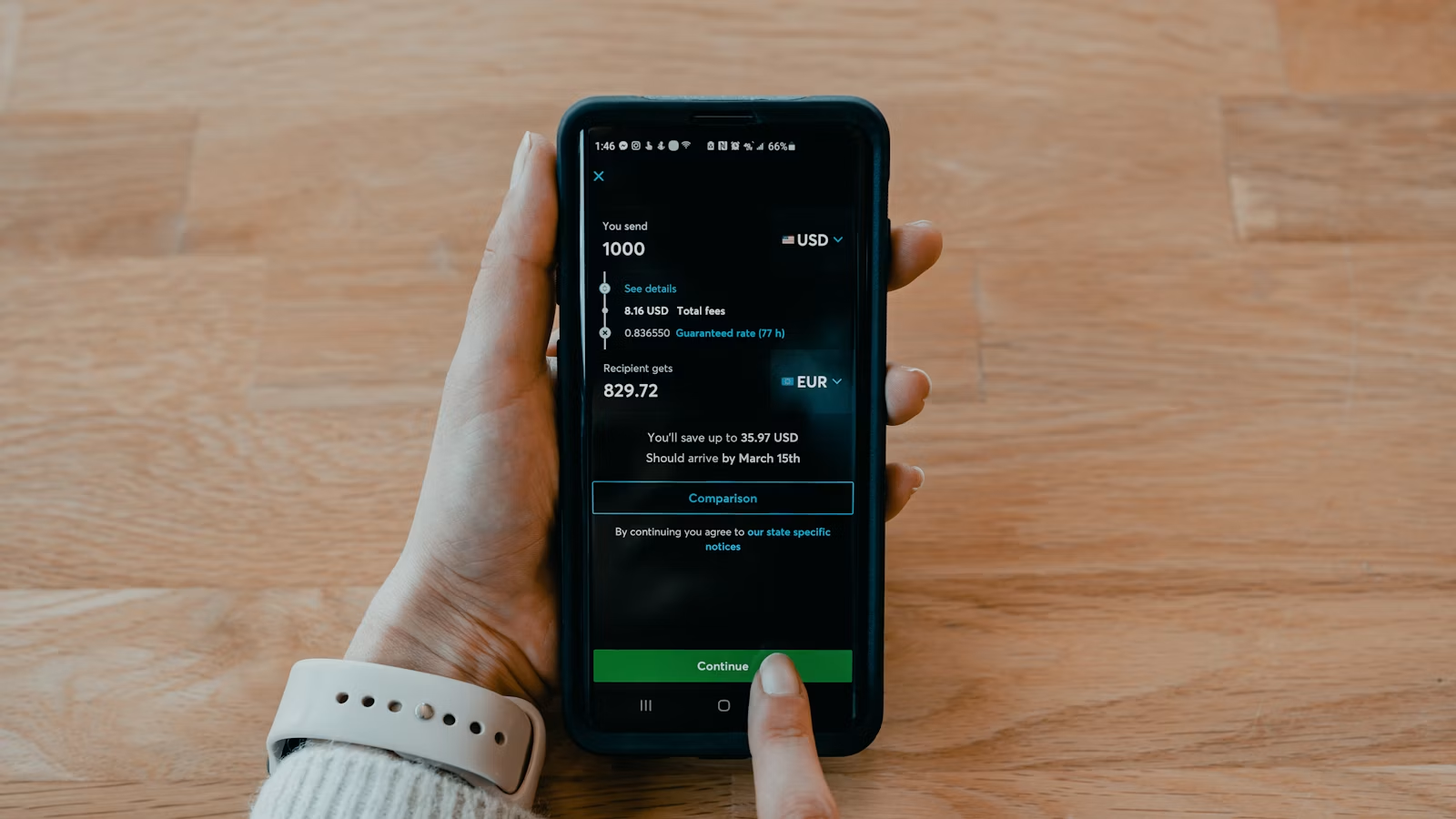
Western Union does not use one universal daily sending limit for every customer, country or transfer route. Your actual limit depends on where you send from, where the receiver is located, whether your profile is verified, how you pay, how the receiver gets the funds, and whether the transfer triggers compliance or fraud checks. A small online transfer may be approved quickly, while a larger transfer may require ID, proof of address, source-of-funds documents or manual review. Before sending money, check the live quote, displayed limit, fees, exchange rate and receiver requirements in the Western Union flow.
Key Takeaways
- Western Union daily limits vary by country, verification level, transfer route and payout method.
- Verified users usually get higher limits, but high-value transfers may still need extra documents.
- Bank deposit, cash pickup, card funding and agent-location transfers can have different caps.
- Total cost includes transfer fees, exchange-rate margin, card charges and recipient-side costs.
- Large transfers may trigger source-of-funds review, fraud checks or receiver-side restrictions.
- Compare Western Union with bank wires and specialist providers for large or recurring transfers.
What Is the Western Union Daily Sending Limit?

There is no single Western Union daily sending limit that applies globally. The amount you can send depends on your sending country, receiving country, payment method, payout method, identity verification level, local regulation and transaction risk. In the U.S., Western Union says unverified online or app users can typically send up to $3,000, while verified users may be eligible to send up to $50,000, depending on destination and transfer details. That number should be treated as a route-specific reference, not a global rule.
“Daily sending limit” can also mean different things. Some Western Union markets describe a per-transfer limit. Others mention a daily, monthly, annual or rolling-period cap. A bank account payout may support a higher amount than cash pickup. A debit card-funded transfer may differ from a bank-funded transfer. An online or app transfer may differ from what an agent location can process after checking your ID and documents.
Western Union’s U.S. money transfer limits are a useful example because they clearly separate unverified and verified profiles. The U.K. shows a different structure: Western Union says U.K. users must verify identity when sending £800 or more, and a verified profile can raise the money transfer limit to up to £50,000 per transfer, depending on payment and receiving methods. That U.K. identity verification threshold demonstrates why users should avoid copying one country’s numbers into another country’s transfer plan.
Hong Kong and South Africa show the same country-specific pattern. Western Union Hong Kong says an unverified user can send up to HKD 7,500, while a verified profile may send up to HKD 392,000, depending on country limits. Western Union South Africa lists a maximum principal send amount of USD 8,000 per person per day, USD 45,000 per month and USD 62,000 per year, with possible proof-of-source-of-funds requirements. These examples show that “Western Union daily limit” is a market-specific answer, not a fixed global number.
| Limit Type | What It Means | Why It Changes |
|---|---|---|
| Per-transfer limit | Maximum for one transaction | Route, payout method, verification |
| Daily limit | Maximum in one day or rolling period | Country rules, risk controls |
| Monthly limit | Maximum over 30 days or calendar month | Compliance and account history |
| Annual limit | Maximum over a year in some markets | Local regulation |
| Agent-location limit | Amount processed in person | Agent policy, ID, cash availability |
The safest way to confirm your own limit is to start a transfer quote. Enter the sending country, receiving country, amount, payment method, payout method and receiver details. Western Union will show what is currently allowed for that route, including fees, estimated exchange rate, arrival time and whether extra verification is needed. If you need to send rent, tuition, family support, business funds or property-related payments by a deadline, do this before promising the payment date.
Summary: Western Union sending limits are dynamic, country-specific and route-specific. A U.S. user may see a $3,000 unverified online reference and a higher verified limit, while a U.K., Hong Kong or South Africa user may face a different threshold, payout rule or documentation requirement. A “daily limit” may actually be a per-transfer, daily, monthly or annual cap depending on market wording. Do not rely on outdated articles or one universal number. The practical answer is the amount Western Union displays after you select the exact country, payment method and payout method. For large transfers, complete verification early and prepare for possible document review.
How Verification Changes Western Union Sending Limits

Verification is usually the main way to raise your Western Union sending limit, but it does not guarantee that every large transfer will be approved instantly. Unverified profiles are often limited to smaller amounts because Western Union has less information about the sender. Once your identity is verified, your profile may qualify for higher online, app or bank-funded transfers. For higher-value transfers, Western Union may still request proof of address, source of funds, transfer purpose or additional receiver information.
Unverified users can usually make limited transfers only. In the U.S., the typical unverified online or app limit is approximately $3,000. In Hong Kong, Western Union says a user must verify identity to send more than HKD 7,500. These examples do not mean every country uses the same threshold. They show the general rule: without identity verification, the platform may restrict how much money you can send, how often you can send and which payment methods you can use.
The verification process is designed to confirm who you are and whether the transfer fits legal and risk requirements. Western Union may ask for a government-issued ID, full legal name, date of birth, nationality, ID number, address and contact details. In some markets, proof of address can include a utility bill, bank statement or official document. For larger or unusual transfers, source-of-funds documents may include a payslip, bank statement, business income record or other proof that explains where the money came from.
The U.K. verification guidance says identity can be checked online or by video chat, and that additional proof may be requested if profile information cannot verify you automatically. South Africa’s Western Union page states that customers may need to provide proof of source of funds, such as a payslip, and also shows documentation rules by customer type. These requirements are not only formalities; they can directly affect whether your transfer is approved, delayed, reduced or rejected.
| Verification Stage | Typical Documents | Effect on Limit |
|---|---|---|
| Unverified profile | Basic account details | Lower online or app limits |
| Identity verified | Government ID and personal details | Higher transfer eligibility |
| Address verified | Utility bill, bank statement, official document | May support larger transfers |
| Source-of-funds review | Payslip, bank statement, income proof | May be required for high-value transfers |
| Transfer-purpose review | Reason and receiver relationship | May affect approval or delay |
A verified profile can still face limits. Western Union may review a transfer if the amount is unusual, the receiver is new, transfers are repeated quickly, the destination is sensitive, the payment method changes, or sender details do not match documents. Verification raises eligibility, but compliance review is transaction-specific. A sender who is verified for one amount or route may still be asked for more information on another route.
Summary: Verification is the clearest path to higher Western Union limits, but it should not be treated as a blank check. Unverified users usually face lower online or app limits. Verified users may qualify for substantially higher transfers, but large, unusual or high-risk transactions can still trigger extra checks. To reduce friction, use accurate personal details, upload clear documents, make sure your legal name matches your ID, and prepare source-of-funds evidence for larger transfers. Complete verification before the transfer becomes urgent, especially for tuition, rent, relocation, family support, property payments or formal financial obligations.
Fees, Exchange Rates, and the Real Cost of Sending More

Western Union’s transfer cost is not just the transfer fee. The total cost can include the visible transfer fee, exchange-rate margin, card issuer charges, intermediary bank deductions, agent or payout partner charges, and receiver-side costs. This matters more as the amount increases. A small flat fee may seem important on a low-value transfer, but on a larger transaction, a small difference in exchange rate can cost more than the visible fee.
Western Union’s transfer fees vary by account status, destination country, currency and payment method. The quote shown during checkout is the most relevant figure because it reflects the selected route at that moment. Western Union Austria also notes that fees vary by destination, amount and payout method, and that users should use the calculator to see the transfer fee and transfer total. This is why a fee you saw yesterday, or a fee for another country, may not apply to your transfer today.
Payment method can change both fees and limits. Paying from a bank account may support higher limits or lower card-related costs in some countries, but it may take longer. Debit card payments may be faster but can have different caps. Credit card payments may cost more because of provider fees or card issuer treatment. Some banks treat money transfers as cash advances, which can add a cash-advance fee, immediate interest or separate card limits. Before funding a large transfer by credit card, check your card issuer’s terms.
Payout method also affects delivered value. Cash pickup may be fast and useful when the receiver has no bank account, but it may have different limits, agent availability and payout rules. Bank deposit may be more suitable for larger or documented transfers, but it requires accurate bank details. Mobile wallet delivery may be convenient, but wallet caps and availability vary by country. Western Union Austria’s bank account transfer guidance lists receiver details such as full name, country, bank name and account or IBAN, which illustrates how formal bank payouts require more precise data.
| Cost Component | Where It Appears | What to Compare |
|---|---|---|
| Transfer fee | Checkout estimate | Amount paid by sender |
| Exchange-rate margin | Currency conversion | Receiver gets amount |
| Card issuer charge | Credit or debit card funding | Cash advance or card fee |
| Intermediary bank fee | Bank transfers | Deduction before receipt |
| Agent or payout fee | Cash pickup or local partner | Receiver access cost |
| Cancellation or refund cost | Failed or canceled transfer | Refund time and final amount |
The best way to compare cost is to focus on “receiver gets.” A provider with a low upfront fee may deliver less after exchange-rate differences. Another provider may show a higher fee but deliver more to the receiver. For large transfers, compare Western Union with bank wires and specialist providers such as Wise, Remitly, MoneyGram or Ria. Wise, for example, emphasizes transparent fees and mid-market-rate comparisons through its international money transfer pricing, while MoneyGram supports online, app and location-based transfers in many corridors. These are not automatically better in every route, but they give you comparison points.
Summary: A higher Western Union sending limit does not automatically mean better value. The correct comparison is total delivered value: how much you pay, how much the receiver gets, how fast it arrives, which documents are required, and whether the recipient can actually access the payout. Transfer fees, exchange-rate margins, card issuer charges, intermediary deductions and payout partner fees can all affect cost. For large transfers, even a small FX difference can outweigh a visible flat fee. Always compare the live Western Union quote against bank wires and specialist providers before sending a high-value transfer.
Why Western Union May Block, Delay, or Reduce a Transfer
Western Union may block, delay, reduce or request more information for a transfer even when the amount appears to be under a published limit. A listed limit is an eligibility ceiling, not a guaranteed approval. The final decision can be affected by compliance checks, anti-fraud controls, receiver-side restrictions, payment-method risk, destination rules and whether your profile information matches your documents. This is especially common when sending larger amounts, sending repeatedly or sending to a new receiver.
Compliance review is normal in money transfers. Western Union may ask why you are sending money, how you know the receiver, where the funds came from, and whether the payment is personal, family-related, educational, relocation-related or business-related. A transfer may be reviewed if the sender is newly verified, the amount is much higher than previous transfers, the destination country has stricter rules, or the payment pattern changes suddenly. In some cases, the transfer may be placed on hold while Western Union requests documents.
Receiver-side restrictions also matter. A payout partner may have its own cash availability, operating hours, mobile wallet cap or bank deposit rule. A cash pickup recipient usually needs a legal name that matches the transfer, a valid ID, and the transaction reference. Western Union explains that the Money Transfer Control Number identifies and tracks the transaction, and the receiver may need it for pickup or tracking. If the receiver’s name does not match ID exactly, the payout can fail.
Fraud risk is another reason transfers may be delayed or blocked. Western Union’s fraud resources warn users to be careful when someone they have not met asks for money, especially because transfers may not be refundable once paid or deposited. Imposter scams, emergency scams, romance scams, rental scams, purchase scams and advance-fee scams are especially relevant to cash pickup and fast-transfer routes. The faster the payout, the less time you may have to stop a mistaken or fraudulent payment.
| Risk Trigger | Possible Outcome | Safer Action |
|---|---|---|
| New receiver and large amount | Manual review | Verify receiver details first |
| Repeated same-day transfers | Reduced limit or delay | Use a planned transfer schedule |
| Mismatched ID details | Verification failure | Match legal name exactly |
| Cash pickup route | Receiver cannot collect | Confirm ID, location and hours |
| Unfamiliar recipient | Fraud loss risk | Do not send to people you do not know |
| Urgent pressure | Scam risk | Pause and verify independently |
You should keep the MTCN private and share it only with the intended receiver. Do not post it in chats, screenshots or social media groups. If someone claims to be Western Union support and asks for unnecessary personal data, verify through the official support channel. If you believe a transfer is fraudulent and it has not yet been paid, act quickly. Once funds are picked up or deposited, recovery may be difficult or impossible.
Summary: Western Union limits are not the same as guaranteed approvals. A transfer can be held, reduced or rejected because of compliance checks, source-of-funds review, sender or receiver mismatch, payout partner restrictions, repeated transfer patterns or fraud concerns. Large transfers should be treated as planned financial transactions rather than last-minute app actions. Confirm the receiver’s legal name, payout country, pickup location, bank details and documents before sending. Keep the MTCN secure and do not send money to unfamiliar recipients under pressure. If a transfer is urgent and high-value, complete verification and cost comparison well before the deadline.
When Western Union Is Suitable—and When Alternatives May Be Better
Western Union may be suitable when the receiver needs cash pickup, has no bank account, needs funds quickly, or lives in a location where Western Union agents are easy to access. It may be less suitable when the transfer is large, recurring, bank-to-bank, business-related or highly sensitive to exchange-rate transparency. The correct decision depends on payout method, receiver access, total cost, speed, documentation needs and whether the transfer must leave a clear financial record.
Western Union’s strength is its broad payout network. Cash pickup is useful when the receiver needs physical cash, is traveling, has limited bank access, or must receive funds urgently. Western Union describes cash pickup as a service where the sender transfers money and the receiver collects cash at a designated physical location. That can be valuable for emergency family support, travel disruptions or markets where bank coverage is uneven. In those cases, speed and pickup access may matter more than the lowest possible fee.
Another provider may be better when the receiver has a bank account, the amount is large, or the transfer repeats every month. Bank wires can suit formal payments such as property deposits, tuition, supplier invoices or legal settlements, although they may involve bank fees and slower processing. Wise may be useful when you want transparent FX comparison and bank-account delivery. MoneyGram, Remitly, Ria and similar providers may be relevant for corridor-specific family support, cash pickup or mobile wallet payouts. PayPal may fit users who already operate inside the PayPal ecosystem, but fees and exchange rates should still be checked.
Western Union is usually not designed for recurring online spending, multi-currency subscriptions or card-based international payment tracking. If your need is not “send money to a receiver” but “manage international spending,” then a multi-currency account, global wallet or card-based payment workflow may fit better. This is a different category from cash pickup and should not be compared only by transfer limit.
| Need | Western Union Fit | Alternative Category |
|---|---|---|
| Cash pickup | Strong | Remitly, Ria, MoneyGram |
| Large bank deposit | Mixed | Bank wire, Wise, multi-currency provider |
| Urgent family support | Often useful | Remitly, MoneyGram, local corridor provider |
| Business invoice | Usually not ideal | Bank transfer, Wise Business, PayPal Business |
| Recurring online spending | Not designed for it | Multi-currency card or account |
| Lowest FX cost | Compare carefully | Wise, bank FX quote, specialist provider |
Your comparison should start with the receiver. Does the receiver need cash, bank deposit, wallet payout or card payout? Can the receiver provide ID? Can the receiver access an agent location? Is the transfer personal, educational, business-related or property-related? Do you need a formal invoice trail? These questions determine whether Western Union is appropriate or whether a bank wire or specialist provider would be more suitable.
Summary: Western Union is strongest when a receiver needs fast cash pickup, has limited banking access, or can easily collect funds through a local agent network. It may be less suitable for large recurring bank transfers, business invoices, formal documentation needs or situations where exchange-rate transparency is the top priority. Alternatives should be selected by use case: bank wires for formal large transfers, Wise or similar providers for transparent bank transfers, Remitly or MoneyGram for corridor-specific family support, and multi-currency card/account tools for global online spending. The best provider is the one that supports the route, payout method, cost structure, speed and compliance needs.
How to Plan a Large Western Union Transfer Safely
A large Western Union transfer should be planned before the payment becomes urgent. Start by creating a quote with the exact sending country, receiving country, amount, payment method and payout method. Review the displayed limit, transfer fee, exchange rate, arrival time and document requirements. If the amount is close to the limit, do not assume it will pass automatically. Complete identity verification, prepare source-of-funds documents and confirm receiver details before you commit to a deadline.
Begin with the limit check. Enter the real transfer amount rather than testing with a smaller number. A small quote can show a route as available, while a larger amount may trigger different requirements. If the transfer is for rent, tuition, relocation, medical support or family support, quote the transfer several days ahead. If it is for a property purchase, business payment or formal obligation, compare with a bank wire or regulated specialist provider before relying on a cash pickup service.
Receiver details must be exact. For bank deposit, you may need the recipient’s full legal name, bank name, account number, IBAN, SWIFT/BIC, routing number, IFSC, CLABE or other local identifier depending on country. For cash pickup, the receiver needs a matching legal name, valid ID, pickup location and MTCN. A nickname, shortened name, wrong surname order or mismatched middle name can delay collection. Keep receipts, transaction history and refund records until the receiver confirms receipt.
Avoid splitting transfers only to bypass limits. Repeated smaller transfers can look suspicious, especially if they are sent to the same receiver on the same day or are structured to stay below a verification threshold. If the legitimate transfer amount exceeds Western Union’s available limit, consider a bank wire, verified specialist transfer provider or a payment method designed for larger formal transfers. Do not use false details, borrowed accounts or someone else’s ID to get around KYC rules.
| Planning Step | What to Check | Why It Matters |
|---|---|---|
| Quote the transfer | Amount, route, payout method | Shows current limit and cost |
| Verify identity | ID, address, source of funds | Raises eligibility and reduces delays |
| Confirm receiver details | Legal name, bank details, ID | Prevents rejection or failed pickup |
| Compare providers | Fee, FX, speed, limits | Finds a better fit for large amount |
| Keep records | Receipt, MTCN, refund status | Supports tracking and disputes |
| Avoid workarounds | False details, split-to-evade limits | Reduces compliance and fraud risk |
For recurring transfers, create a schedule rather than sending under time pressure. Check whether monthly or annual limits apply in your country. If the same receiver regularly needs support, a bank deposit method may be more predictable than repeated cash pickup. If you need to monitor exchange rates, use a rate comparison tool and record the sender pays and receiver gets amounts for each provider.
Summary: Planning is the safest way to handle a large Western Union transfer. Quote the exact route and amount before making promises, verify your identity early, prepare source-of-funds documents, confirm receiver details, and compare other providers before sending. If the transfer does not fit Western Union’s displayed limit, document requirements or payout rules, switching to a bank wire or verified specialist provider is safer than forcing repeated smaller payments. Keep records, protect the MTCN, and avoid any method that involves false information or attempts to bypass KYC, AML or local transfer rules.
Western Union is built mainly for remittances, cash pickup and international money transfers. If your broader need includes global online payments, recurring subscriptions, travel-related spending, multi-currency records or digital asset-linked payment workflows, you may need a different tool alongside remittance providers. Biya can be considered for users who want to manage global payment activity, online spending and multi-asset wallet functions in one place. If your focus is exchange-rate visibility before moving funds, checking real-time exchange rates can help you compare currency movement before choosing a payment route. For users who need international transfer functions beyond a cash pickup corridor, Biya remittance may be part of a broader payment-management workflow. Biya should not be treated as a direct replacement for Western Union cash pickup or as a guaranteed lower-cost route. Fees, available countries, supported currencies, verification, transaction results and local regulatory requirements should be checked against the platform’s current rules and the relevant financial institution’s terms.
FAQ
What is the Western Union daily sending limit for online transfers?
There is no single global Western Union daily sending limit for online transfers. In the U.S., unverified online or app users can typically send up to $3,000, while verified users may be eligible for up to $50,000 depending on destination and transfer details. Your actual limit depends on country, route, payment method, payout method and review results.
Does Western Union verification increase my transfer limit?
Yes, Western Union verification usually increases your transfer eligibility. Verification may require a government ID, proof of address, source-of-funds evidence and transfer-purpose details. A verified profile can support higher limits, but it does not guarantee instant approval for every large transfer because compliance and fraud checks may still apply.
Can I send more than the Western Union online limit at an agent location?
Sometimes you may be able to send more at a Western Union agent location, depending on country rules, agent policy, available services and documentation. An agent may require ID, proof of address, source-of-funds documents and complete receiver details. For a large transfer, check with the agent before visiting.
Why did Western Union reduce or block my transfer amount?
Western Union may reduce or block a transfer if it triggers risk, compliance, country, receiver or payment-method checks. Common reasons include a new receiver, repeated transfers, mismatched ID details, high-risk routes, source-of-funds review or payout partner limits. Use accurate information and contact Western Union support when a transfer is held.
Are Western Union fees higher for larger transfers?
Western Union fees are not always higher by the visible fee alone, but larger transfers make exchange-rate differences more important. Total cost can include transfer fee, FX margin, card issuer charges, intermediary bank fees and recipient-side costs. Compare the receiver gets amount, not only the sender fee.
What is the best Western Union alternative for large international transfers?
The best Western Union alternative depends on whether the receiver needs cash pickup, bank deposit, mobile wallet delivery or a documented business payment. Bank wires, Wise, Remitly, MoneyGram, Ria, PayPal and multi-currency providers can each fit different cases. Compare fees, exchange rates, speed, limits and documentation before sending.
*This article is provided for general information purposes and does not constitute legal, tax or other professional advice from BiyaPay or its subsidiaries and its affiliates, and it is not intended as a substitute for obtaining advice from a financial advisor or any other professional.
We make no representations, warranties or warranties, express or implied, as to the accuracy, completeness or timeliness of the contents of this publication.
Related Blogs of

How to Choose a Low-Commission U.S. Stock Trading Platform? Fee Transparency Matters More Than Advertising Claims


How to Judge Whether U.S. Stock Trading Fees Are Low? Which Dimensions Should You Check?


Choose Country or Region to Read Local Blog
 Australia
 Austria
 Belgium
 Canada
 Cyprus
 Czech Republic
 Denmark
 Estonia
 Finland
 France
 Germany
 Greece
 Hong Kong
 India
India Indonesia
 Ireland
 Italy
Italy Japan
Japan Latvia
 Lithuania
 Luxembourg
 Malaysia
 Malta
Malta Morocco
 Nepal
Nepal Netherlands
 New Zealand
 Norway
 Pakistan
 Philippines
 Poland
 Portugal
 Romania
 Singapore
 Slovakia
 Slovenia
 South Africa
 South Korea
 Spain
Spain Sweden
 Thailand
 The United States
 Turkey
 United Arab Emirates
 United Kingdom
 Vietnam
Contact Us




BIYA GLOBAL LLC is registered with the Financial Crimes Enforcement Network (FinCEN), an agency under the U.S. Department of the Treasury, as a Money Services Business (MSB), with registration number 31000218637349, and regulated by the Financial Crimes Enforcement Network (FinCEN).
BIYA GLOBAL LIMITED is a registered Financial Service Provider (FSP) in New Zealand, with registration number FSP1007221, and is also a registered member of the Financial Services Complaints Limited (FSCL), an independent dispute resolution scheme in New Zealand.