
Prepaid or Gift Card to Cash App: What Works, What Fails and Alternatives





You usually cannot transfer money from a retail gift card directly to Cash App. A Visa, Mastercard, Amex, or Discover prepaid debit card may sometimes link to Cash App, but a store gift card, restaurant gift card, or most non-reloadable gift cards are built for purchases, not wallet funding. The practical question is not just “Can you add the card?” It is whether the card issuer allows cash-like transfers, whether Cash App accepts the card type, and whether fees or resale discounts make the route worthwhile. You should treat gift card to Cash App methods as value-conversion decisions: direct card link may work for some prepaid cards, resale may work with a discount, and direct spending may be the cleanest option when the card is merchant-specific.
Key Takeaways
- Cash App is not designed as a direct gift card cash-out tool.
- Standard U.S.-issued prepaid cards may work, but retailer gift cards usually fail.
- A linked card does not always mean you can drain the full balance.
- Resale, direct spending, bank transfer, and digital wallets are alternatives.
- Fees, issuer rules, scams, and account reviews matter more than speed.
- International users should avoid unsupported Cash App workarounds.
Why Most Gift Card to Cash App Transfers Fail
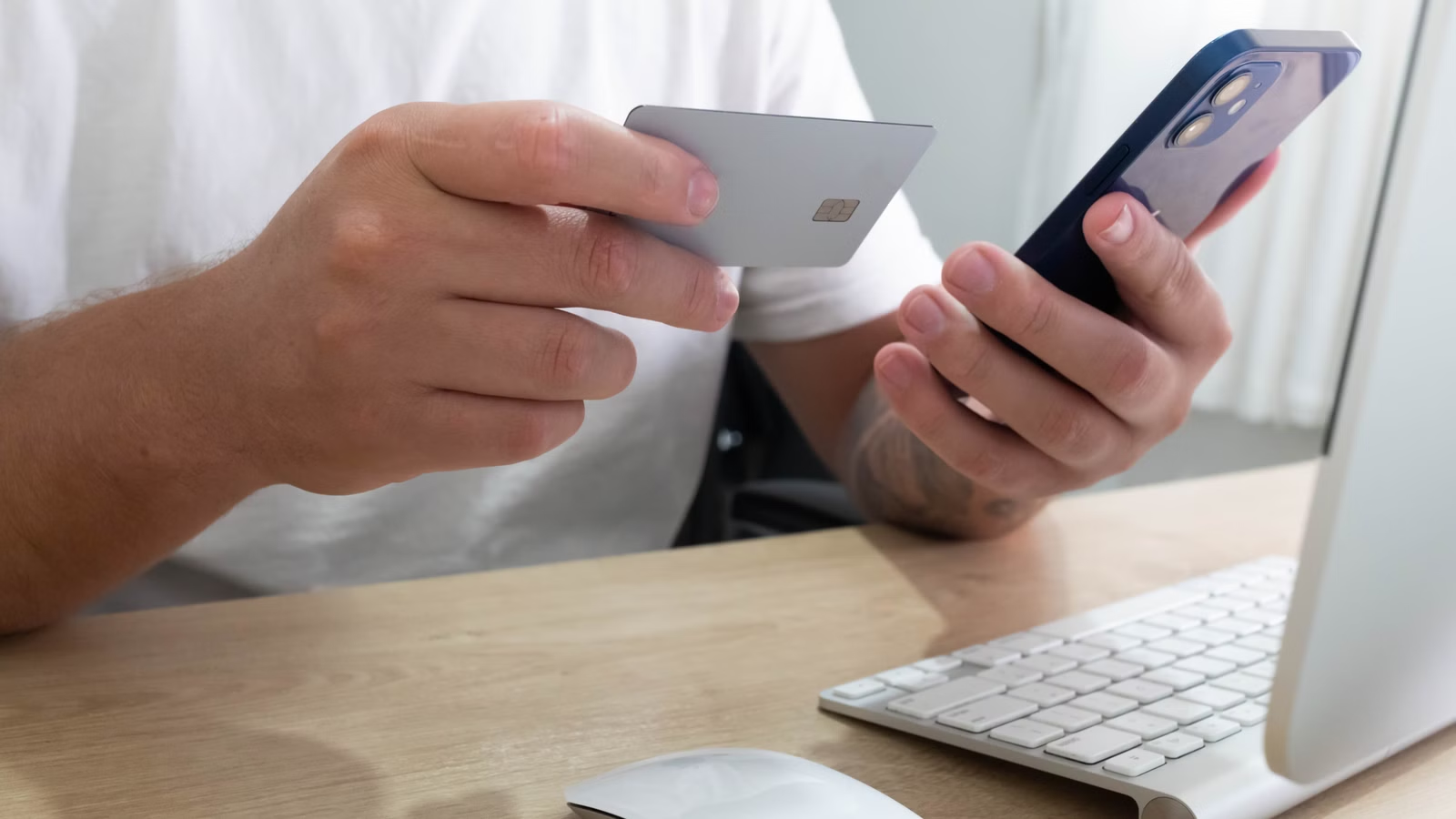
Most gift card to Cash App transfers fail because the card is not designed to behave like a bank account or a normal debit card. Cash App says it supports major U.S.-issued debit and credit cards and most standard U.S.-issued prepaid cards, but that does not mean every gift card can fund your Cash App balance. A store gift card is usually closed-loop, which means it can only be used at a specific merchant. A non-reloadable Visa or Mastercard gift card may run on a major network, but the issuer can still block peer-to-peer payments, wallet funding, ATM access, or cash-equivalent transactions.
Gift cards, prepaid cards, and Cash App balance are different products
A gift card is usually a stored-value product. It may be closed-loop, such as an Amazon, Walmart, Target, Apple, or restaurant gift card, or open-loop, such as a Visa gift card or Mastercard gift card. A prepaid debit card is closer to a financial account when it is reloadable, registered to your name, and supported by a card issuer that allows broader transactions.
The distinction matters because Cash App supported cards are evaluated by card network, issuer, country, and product type. The Consumer Financial Protection Bureau also separates prepaid cards from gift-card use cases because registration, disclosures, and consumer protections can differ.
| Product type | Common example | Can it usually link to Cash App? | Main failure reason |
|---|---|---|---|
| Bank debit card | Visa debit from a checking account | Often yes | Bank or identity mismatch |
| Reloadable prepaid debit card | Registered prepaid Visa or Mastercard | Sometimes | Issuer blocks transfers |
| Open-loop gift card | Vanilla Visa, Mastercard gift card | Unreliable | No billing profile or blocked P2P funding |
| Closed-loop gift card | Amazon, Target, Starbucks | Usually no | Merchant-only spending |
| Cash App balance | Funds already inside Cash App | Yes | Subject to Cash App limits |
Why a card with money can still be declined
A positive balance is not enough. Cash App and the card issuer both have to approve the transaction. The card may decline because it lacks a billing ZIP code, has not been activated, does not support recurring or digital-wallet payments, or has insufficient remaining value for a temporary authorization. Some prepaid gift cards also treat app funding as a cash-equivalent transaction, which the issuer may block.
You should also separate “linking a card” from “adding cash.” A card might pass basic verification and still fail when you try to move money. The reverse can also happen: a card may be usable for online shopping but not for peer-to-peer transfer apps.
Common decline causes include:
- Card is closed-loop and only works with one merchant.
- Card issuer blocks wallet funding or money transfer apps.
- Billing address, ZIP code, or name does not match.
- Card is non-reloadable or not registered to you.
- Balance is too low for a test authorization.
- Cash App flags repeated failed attempts as suspicious.
- Card was bought outside the supported market.
- Card terms prohibit cash access or cash-equivalent use.
Search intent: what users are really trying to solve
People searching “transfer money from gift card to Cash App” usually have one of four intentions. Some want to move a small leftover balance. Some received a Visa gift card and want spendable cash. Some want to convert retailer gift cards into a Cash App balance. Others are troubleshooting a “card not supported” or “declined by bank” message.
Those are different problems. A $12 retailer gift card may be best spent directly. A $100 open-loop gift card may be tested for online purchases or sold at a discount. A reloadable prepaid debit card may work if the issuer supports Cash App. A non-U.S. gift card is less likely to work because Cash App card support is built around specific market and account rules.
Summary: Most gift card to Cash App transfers fail because gift cards are payment products, not cash-transfer products. A closed-loop gift card is limited to a merchant. An open-loop gift card may look like a debit card, but it can still lack registration, billing verification, reloadability, or issuer permission for wallet funding. Cash App may accept many standard U.S.-issued prepaid cards, yet the word “prepaid” does not make a card compatible. Your first step should be classification: bank debit card, reloadable prepaid debit card, open-loop gift card, or closed-loop gift card. Once you know the card type, the answer becomes clearer. Bank debit cards are the most reliable, registered reloadable prepaid cards are possible, Visa or Mastercard gift cards are unpredictable, and store gift cards usually cannot be transferred directly into Cash App.
What Actually Works With Cash App: Prepaid Cards, Debit Cards and Bank Funding

What works best with Cash App is a supported bank debit card, a linked bank account, or funds already in your Cash App balance. Some standard U.S.-issued prepaid cards may work, but you should not assume that a gift card will work just because it has a Visa, Mastercard, American Express, or Discover logo. Cash App’s card rules depend on the issuing bank, card network, product type, country, and risk checks. Even if a card links successfully, you may not be able to move the full gift card balance, cash out to that same card, or avoid fees.
Supported cards do not mean all gift cards
A standard bank debit card is usually the cleanest route because it connects to a checking account and supports normal funding and cash-out flows. A reloadable prepaid card may also behave like a debit product if it is registered, U.S.-issued, and allowed by the issuer. A gift card is weaker because it may not support person-to-person payments, refunds, wallet loading, or repeated authorizations.
Cash App’s public fee language also shows that different funding methods behave differently. Sending from a Cash App balance or linked debit card is typically different from sending with a linked credit card, and Cash App fees include a 3% charge when sending from a linked credit card. Standard cash outs may be free but slower, while instant transfers carry a percentage fee.
| Cash App action | Better funding source | Gift card fit | Practical note |
|---|---|---|---|
| Add Cash | Linked bank or debit card | Weak | Gift cards often fail funding checks |
| Send money | Cash balance or debit card | Weak to mixed | Credit-card funding can trigger fees |
| Cash Out | Bank account or debit card | Weak | Cash-out is not the same as draining a gift card |
| Cash App Card spending | Cash App balance | Not relevant | The card spends existing Cash App balance |
| Paper Money Deposit | Physical cash | Possible only after legal cash conversion | Cash App charges a paper deposit fee |
Adding, sending, and cashing out are separate decisions
Many users confuse three actions: adding a card, adding cash, and cashing out. Adding a card only means Cash App recognizes the card as a payment method. Adding cash means funds move from an external source into your Cash App balance. Cashing out means funds move from Cash App to a linked bank or card.
A prepaid card may pass the first step and fail the second. A Visa gift card may work at an online store but fail Cash App because the transaction is coded differently. A store gift card cannot usually be entered as a debit card at all because it has no card-network access outside the merchant.
Test carefully before repeating failed attempts
If you have a prepaid debit card that looks eligible, test it carefully. Confirm activation, register the card if the issuer allows it, check the billing address, and make sure the balance can cover the full amount plus any authorization. Avoid repeated failed attempts in a short period. If Cash App says the card is not supported or the bank declined the transaction, repeated attempts rarely improve the outcome and may create account friction.
A reasonable test sequence is:
- Check whether the card is open-loop and U.S.-issued.
- Register the card with your name and billing ZIP code if possible.
- Confirm issuer terms allow digital wallet or P2P payments.
- Try a small transaction rather than the full balance.
- Stop if the issuer or Cash App declines the card.
- Use direct spending or resale if the card is not compatible.
Summary: What works with Cash App is not “any prepaid or gift card,” but a payment source that Cash App and the card issuer both treat as eligible. A bank debit card is the strongest option. A registered reloadable prepaid debit card may work. A non-reloadable open-loop gift card is uncertain. A closed-loop merchant gift card is normally not a Cash App funding source. The most important practical lesson is that card linking, adding cash, sending money, and cashing out are separate workflows. A card can succeed in one workflow and fail in another. You should test once, verify issuer rules, and stop if the card is declined. Forcing repeated attempts can cost time and may increase account-review risk.
Workaround Options: From Gift Card Value to Cash App Balance
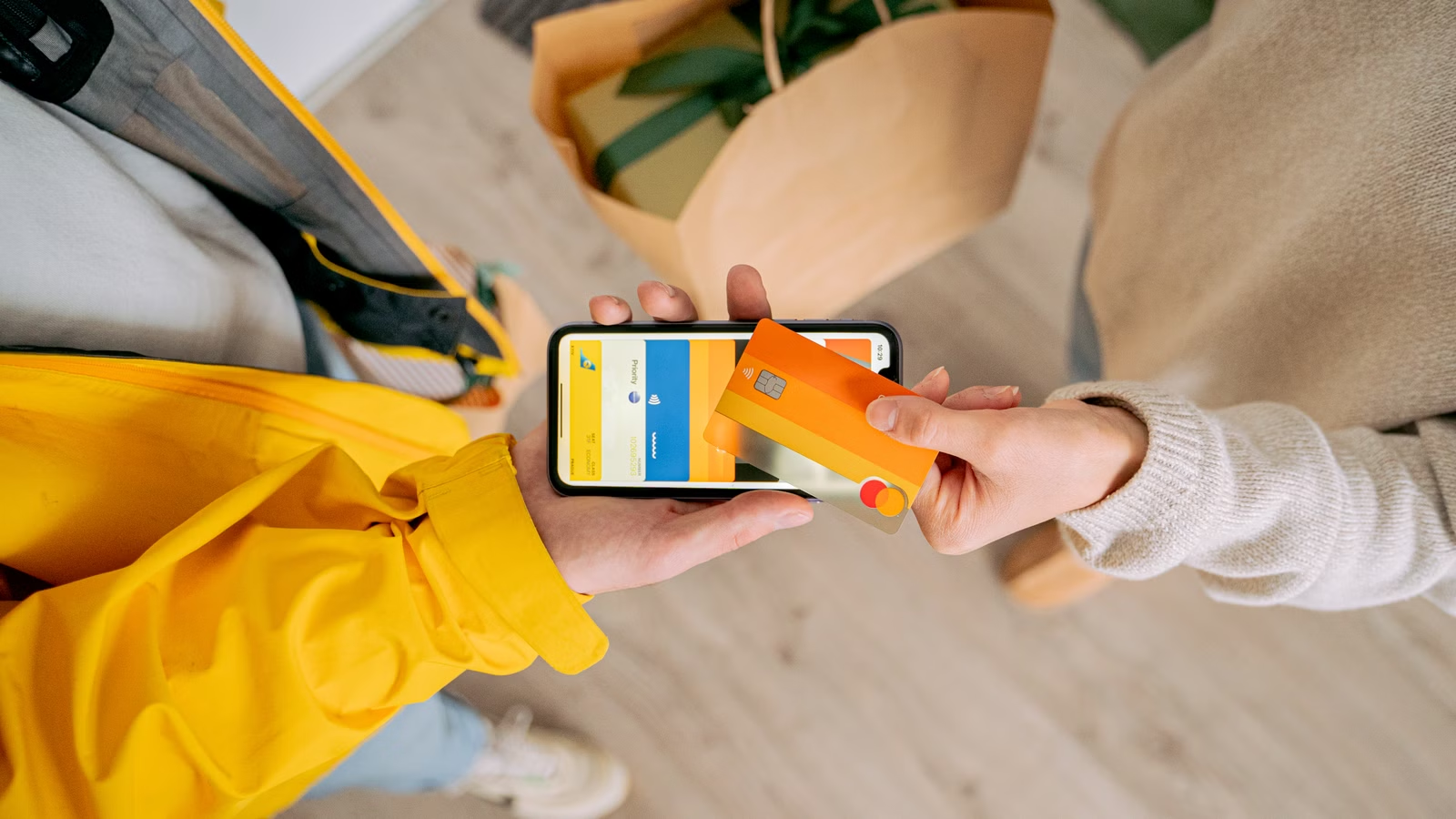
If Cash App does not accept your gift card, the realistic workaround is to convert the value first, then move the resulting money through a normal financial route. That usually means selling the gift card through a legitimate marketplace, using the card for purchases you already planned, trying a digital wallet only when the issuer allows it, or redeeming a small balance for cash where local law requires it. These are not instant hacks. They are value-conversion routes with trade-offs in speed, discount, fees, and risk.
Sell the gift card, then move payout through a bank account
Gift card resale can work when you have a popular merchant card or a network-branded gift card. The trade-off is that you normally receive less than face value. The discount depends on brand demand, balance size, fraud risk, payout method, and marketplace rules. A $100 card may not turn into $100 of spendable cash.
PayPal describes gift card to bank account methods as possible in some cases, but it also points to the same practical limits: card type, wallet rules, issuer terms, and fees. That is the right framing. You are not transferring a gift card directly into Cash App; you are selling or converting the value, then transferring legitimate proceeds.
Use this checklist before selling:
- Use a known marketplace with buyer and seller protections.
- Compare the payout rate against direct spending value.
- Do not send the card number or PIN outside the platform workflow.
- Keep receipts until payout clears.
- Avoid buyers offering unrealistic full-value cash.
- Confirm whether payout goes to bank, PayPal, or another wallet.
- Read chargeback, reversal, and dispute rules before listing.
Use the gift card directly and keep equivalent cash
For many users, direct spending is the best alternative. Suppose you have a $50 grocery, Amazon, gas, or restaurant gift card. If you were already going to spend money at that merchant, using the gift card directly may be better than selling it at a discount. You can then leave the equivalent $50 in your bank account or Cash App.
This approach works especially well for low balances, store-specific cards, and cards that are hard to resell. It avoids marketplace fees, failed authorization attempts, and scam exposure. It also fits the original purpose of many gift cards: consumer purchases rather than financial transfers.
Try a digital wallet bridge only when card rules allow it
Some users try PayPal, Venmo, Apple Pay, or Google Pay as a bridge. This may work for some open-loop cards, but it is not guaranteed. A digital wallet may let you add a card for purchases but still block transfers, withdrawals, or sending money to yourself. PayPal’s guidance on prepaid card to bank account also emphasizes that moving prepaid value depends on provider rules and whether the card can transfer funds.
Do not build a plan around a loophole. If a platform says the card cannot be used for wallet funding, P2P transfers, or cash-equivalent transactions, treat that as the final answer. Avoid fake invoices, self-purchases, refund manipulation, or using another person’s account to simulate a sale.
Use Paper Money Deposit only after legitimate cash conversion
If you legally convert the gift card value into physical cash, you may be able to deposit that cash into Cash App through participating retailers. Cash App lists Paper Money Deposits as a cash-loading method and states that a flat processing fee applies. This does not mean Cash App turns gift cards into cash. It only means cash can be deposited where the feature is available.
| Workaround | Best for | Main cost | Main risk |
|---|---|---|---|
| Direct spending | Merchant gift cards | Low or none | Limited merchant choice |
| Gift card resale | Popular gift cards | Discount to face value | Scam or payout reversal |
| Digital wallet bridge | Some open-loop cards | Wallet or transfer fee | Issuer blocks transfers |
| Bank transfer after payout | Resale proceeds | Transfer time | Marketplace rules |
| Paper money deposit | Cash already obtained legally | Cash App deposit fee | Availability limits |
Summary: Workarounds should be evaluated as legal value-conversion methods, not shortcuts. The most reliable workaround is often direct spending, because it preserves the face value of the gift card when you already need to buy from that merchant. Resale may be useful when you need cash more than store credit, but the discount is the real cost. Digital wallet bridges are possible only when the card issuer and wallet provider allow the transaction. Paper Money Deposit can help only after you already have physical cash. Any route based on fake transactions, refund abuse, or third-party account cycling is not a safe workaround. Your goal should be a clean path from card value to usable funds, not the appearance of a quick Cash App trick.
Cost, Speed and Success Rate: How to Compare Your Options
The cheapest option is often not the fastest option. If you are trying to move money from a gift card to Cash App, compare net value, not just whether the method sounds possible. A direct Cash App card link may be free if it works, but success is inconsistent for gift cards. Resale may be fast, but the discount can be larger than any Cash App fee. A digital wallet bridge may sound convenient, but failed authorizations, transfer holds, or account reviews can turn it into the slowest option. For smaller balances, direct spending often wins. For larger balances, safety and documentation matter more than speed.
Compare the main routes by outcome
Use a simple decision table before attempting any transfer. The right route depends on card type, balance size, urgency, and whether you truly need Cash App balance or just spendable value.
| Route | Expected success | Speed | Cost | Best fit |
|---|---|---|---|---|
| Direct Cash App card link | Low to medium | Fast if accepted | Low | Registered prepaid debit cards |
| Direct spending | High | Immediate | Low | Store gift cards and small balances |
| Gift card resale | Medium | Same day to several days | Medium to high | Popular cards with strong resale demand |
| Digital wallet bridge | Low to medium | Variable | Variable | Open-loop cards with issuer support |
| Bank transfer after resale | Medium | 1–3 business days or more | Resale discount | Users who need funds in a bank first |
| Paper Money Deposit after cash conversion | Medium | Fast at retailer | Deposit fee | Users with physical cash already |
The hidden cost is usually the discount
When users search for “gift card to Cash App no fee,” they often focus on transfer fees and miss the bigger cost. A resale marketplace may pay 70% to 95% of face value depending on the brand and risk. A digital wallet may charge a fee or delay availability. A failed authorization may temporarily lock part of the balance. Instant transfers can reduce the final amount even when the card conversion succeeds.
The real formula is:
Net usable value = card balance - resale discount - platform fees - transfer fees - failed transaction friction
For example, a $100 gift card sold for $85 and then moved instantly may produce less than $85 after fees. If you could have spent the same $100 card on groceries or bills you already needed, direct spending would preserve more value.
Where Biya fits for digital spending planning
If your real goal is not Cash App specifically but reliable online spending across subscriptions, marketplaces, and digital services, a virtual card may be more practical than forcing gift card conversion. BiyaPay EasyCard is positioned for global online subscriptions, AI services, daily spending, and payment records across scenarios such as PayPal, ChatGPT membership, Claude-related subscriptions, Amazon, Netflix, Google, Microsoft, Steam, Cloudflare, GitHub Copilot, MidJourney, and other online services. Before using any card product, review card acceptance, top-up rules, spending limits, and local compliance requirements.
For users managing recurring payments, card records also matter. Checking BiyaPay EasyCard fees before funding a card helps you compare predictable card costs with uncertain gift card resale discounts.
Summary: The best route is the one that gives you the highest safe net value, not the one that sounds fastest. A direct Cash App link is attractive only when the card is actually compatible. Direct spending is often best for small balances and merchant gift cards. Resale can work, but you pay through a discount. Digital wallet bridges are uncertain and should not rely on prohibited transaction patterns. If the real problem is online payment flexibility rather than Cash App balance, compare virtual cards, bank cards, and local payment tools against gift card conversion. The decision should be based on card type, net value, documentation, account safety, and whether you can use the card directly without losing value.
Risks, Scams and Compliance Boundaries When Converting Gift Cards
Gift card conversion becomes risky when someone promises instant full-value cash, asks for the card number and PIN, or tells you to bypass Cash App or issuer rules. The safe boundary is simple: use the card according to issuer terms, use legitimate resale or payment platforms, keep records, and avoid fake transactions. Gift cards are a common scam instrument because once the number and PIN are exposed, the value can disappear quickly. If a stranger, buyer, “support agent,” or social media account asks you to buy or share a gift card for payment, treat it as a red flag.
Gift card cash-out scams are common
The Federal Trade Commission warns that gift cards are for gifts, not payments demanded by strangers, officials, employers, tech support agents, or online buyers. This warning matters directly for Cash App users because scammers often combine payment apps, fake support, gift cards, and urgency.
Common scam patterns include:
- “Send me the gift card PIN and I will Cash App you.”
- “Pay a verification fee before we release your balance.”
- “Buy a gift card to fix your Cash App account.”
- “Use this remote-access app so support can help.”
- “Send screenshots of the front and back of the card.”
- “I will pay above face value if you send the code first.”
A legitimate marketplace should not require you to expose the code outside its protected process. A legitimate support channel should not ask for your PIN, sign-in code, or full banking details.
Cash App account safety matters
Cash App says Cash App Support will not ask for your sign-in code, PIN, or other sensitive information. That guidance applies when you are troubleshooting a declined prepaid card or seeking help with a suspected scam. Do not search random phone numbers and assume they are official support. Fake support scams often appear in search results, social posts, comments, and direct messages.
Repeated failed attempts can also look abnormal. If you try multiple gift cards, mismatched billing details, third-party cards, or self-transfer patterns, your account may face review. Even when your intent is harmless, platforms monitor transaction patterns for fraud, stolen cards, and money movement abuse.
Legal and compliance boundaries
A legitimate gift card conversion path follows three rules:
- The card issuer allows the transaction.
- The payment or resale platform allows the transaction.
- Local law does not prohibit the method.
The CFPB’s gift card rules show that gift cards and general-use prepaid cards have specific regulatory treatment, including rules around certain fees and expiration. State-level rules may also matter. For example, California SB 22 raises the cash redemption threshold for certain gift certificates with balances under $15, operative April 1, 2026. That kind of rule can help with small leftover balances, but it does not turn every gift card into a Cash App funding source.
| Risk area | Safe behavior | Risky behavior |
|---|---|---|
| Card details | Enter only on trusted issuer or marketplace systems | Send PIN by chat or screenshot |
| Support | Use in-app or verified support routes | Call random numbers from ads or comments |
| Resale | Use platform-protected workflows | Trade directly with strangers |
| Wallet funding | Follow issuer and wallet terms | Fake invoices or self-purchases |
| Account identity | Use your own verified account | Borrow or rent accounts |
| Records | Keep receipts and confirmations | Delete proof before payout clears |
Summary: The biggest danger in gift card to Cash App attempts is not only technical failure; it is fraud and account risk. Anyone asking for card numbers, PINs, screenshots, upfront fees, or urgent action should be treated with suspicion. Official support should not need sensitive login details. Safe conversion means using issuer-approved spending, reputable resale, normal bank transfers, or lawful cash redemption where available. Risky conversion means refund abuse, fake transactions, account sharing, or attempts to bypass platform restrictions. If a method only works because it hides the true purpose of the transaction, it is not a reliable financial strategy. Protecting the card balance and your Cash App account is more important than moving the money quickly.
Best Alternatives If Cash App Does Not Accept Your Gift Card
If Cash App rejects your gift card, stop testing the same card repeatedly and choose an alternative based on card type. For an open-loop Visa or Mastercard gift card, try direct online spending, issuer-approved digital wallet use, or reputable resale. For a retailer gift card, direct merchant spending or resale is usually more realistic. For international users, local bank cards, digital wallets, regulated money transfer services, or virtual cards may be more practical than Cash App. The best alternative is the route that preserves value while staying within issuer rules and account terms.
For open-loop Visa or Mastercard gift cards
Open-loop gift cards can be used at many merchants that accept the network, but they still may fail wallet funding. If the card has a small balance, use it for a partial online purchase only if the merchant supports split payments. If the merchant does not support split payments, use it for a purchase below the balance or combine it with another payment method where allowed.
Best options:
- Register the card with a billing ZIP code if the issuer allows it.
- Use it directly for online purchases, bills, or subscriptions that accept prepaid cards.
- Add it to a digital wallet only if the issuer permits it.
- Sell it through a reputable marketplace if cash is more important than face value.
- Avoid repeated Cash App attempts after a clear decline.
For retailer-specific gift cards
Retailer cards are usually easiest to use at the issuing merchant. If you do not shop there, resale may be better. Popular brands usually have stronger resale demand than niche merchants. Small balances may be worth using directly rather than trying to sell.
A store gift card is also a gift or shopping product, not a bank account. Do not expect it to fund Cash App, PayPal, Venmo, or a bank account directly. If the retailer offers legal cash redemption for small balances in your state or country, follow the retailer’s process and keep the receipt.
For international users and digital subscription needs
Cash App is not the best tool for every market. If you are outside Cash App’s supported environment, do not use VPNs, borrowed identities, or unsupported cards to force access. Instead, compare local digital wallets, bank cards, prepaid cards, and multi-currency tools.
For online subscriptions and global digital services, you may want a payment setup that is designed for cross-border spending rather than gift card conversion. You can top up BiyaPay EasyCard for eligible online payment scenarios, then review card bills and spending records in one place. The Biya app can be relevant when your payment needs extend beyond one U.S.-centric wallet and include subscriptions, digital services, marketplaces, and spending management across currencies.
| User scenario | Better alternative | Why it may be better |
|---|---|---|
| Small store gift card balance | Spend directly | Preserves face value |
| Popular retailer gift card | Resale marketplace | Converts value with known discount |
| Open-loop prepaid card | Direct merchant purchase | Higher success than Cash App funding |
| Need Cash App specifically | Bank transfer after legitimate payout | Cleaner funding source |
| International digital spending | Local wallet, bank card, or virtual card | Avoids unsupported Cash App routes |
| Recurring subscriptions | Virtual card with spending records | Easier tracking and replacement |
Summary: When Cash App does not accept your gift card, the answer is not to keep trying until it works. The better approach is to choose an alternative based on the card’s design. Open-loop cards are best used directly or through issuer-approved wallet use. Retailer gift cards are best spent at the merchant or sold through a reputable marketplace. Small balances may be easier to spend than convert. International users should be especially careful because Cash App availability, card rules, and identity requirements vary by market. If your real need is reliable online spending, a virtual card or local payment tool may be more useful than trying to turn a gift card into a Cash App balance.
When your payment needs involve online subscriptions, AI services, international platforms, marketplaces, and recurring bills, the broader issue is payment planning rather than one gift card transfer. Gift cards are useful for limited spending, but they are not ideal for ongoing payment management, bill records, or cross-border digital purchases. Biya can fit this broader use case by helping you organize online payment scenarios and card-based spending in a more structured way. BiyaPay EasyCard is designed for global online subscriptions, AI service payments, marketplace spending, and day-to-day digital purchases across supported scenarios. Before funding or using any payment product, you should still compare card acceptance, fees, top-up rules, refund handling, billing records, and local compliance requirements. A clean payment setup should reduce uncertainty, not create extra account or platform risk.
FAQ
Can you transfer money from a Visa gift card to Cash App directly?
Usually no. A Visa gift card may work for online purchases, but Cash App does not treat most gift cards as direct balance-funding tools. Some standard U.S.-issued prepaid debit cards may work, depending on issuer support, billing details, and Cash App checks. Always follow card terms and Cash App rules.
Why does Cash App decline a prepaid card with available balance?
Cash App may decline a prepaid card because the issuer blocks wallet funding, the card lacks billing verification, the card is non-reloadable, or the transaction triggers a risk check. A positive balance alone does not guarantee Cash App compatibility. Check issuer rules before trying again.
Is selling a gift card to fund Cash App safe?
Selling a gift card can be safe only through a reputable marketplace with protected payout rules. You may receive less than face value, and payout timing can vary. Avoid buyers who ask for the card number, PIN, screenshots, or upfront fees outside the marketplace workflow.
What is the cheapest alternative to transferring a gift card to Cash App?
The cheapest option is often spending the gift card directly at eligible merchants. Resale discounts, wallet fees, instant transfer fees, and failed authorization holds may reduce the value. If you already planned to buy from the merchant, direct spending usually preserves more of the balance.
Can international users cash out gift cards through Cash App?
International users usually should not rely on Cash App for gift card cash-out. Cash App availability, account rules, and card support are market-specific. Local wallets, bank cards, regulated money transfer services, or virtual cards may be more practical and lower risk.
Are gift card to Cash App workarounds legal?
A workaround can be legitimate if it follows the gift card issuer’s terms, Cash App rules, platform policies, and local law. It becomes risky when it involves fake transactions, refund abuse, identity misuse, third-party account cycling, or attempts to bypass platform restrictions.
*This article is provided for general information purposes and does not constitute legal, tax or other professional advice from BiyaPay or its subsidiaries and its affiliates, and it is not intended as a substitute for obtaining advice from a financial advisor or any other professional.
We make no representations, warranties or warranties, express or implied, as to the accuracy, completeness or timeliness of the contents of this publication.
Related Blogs of
Choosing a Stock Trading App: Beginner Checklist


Online Bank-to-Bank Transfers: Account Linking, Steps, and Limits


Crypto Trading Bots: Types, Costs, and Security Risks

Wire Transfer Requirements: Sender and Beneficiary Details Checklist

Choose Country or Region to Read Local Blog
 Australia
 Austria
 Belgium
 Canada
 Cyprus
 Czech Republic
 Denmark
 Estonia
 Finland
 France
 Germany
 Greece
 Hong Kong
 India
India Indonesia
 Ireland
 Italy
Italy Japan
Japan Latvia
 Lithuania
 Luxembourg
 Malaysia
 Malta
Malta Morocco
 Nepal
Nepal Netherlands
 New Zealand
 Norway
 Pakistan
 Philippines
 Poland
 Portugal
 Romania
 Singapore
 Slovakia
 Slovenia
 South Africa
 South Korea
 Spain
Spain Sweden
 Thailand
 United States
 Turkey
 United Arab Emirates
 United Kingdom
 Vietnam