
Alipay Foreign Exchange and International Receiving: What It Can Do, What It Cannot Do, and Better Alternatives




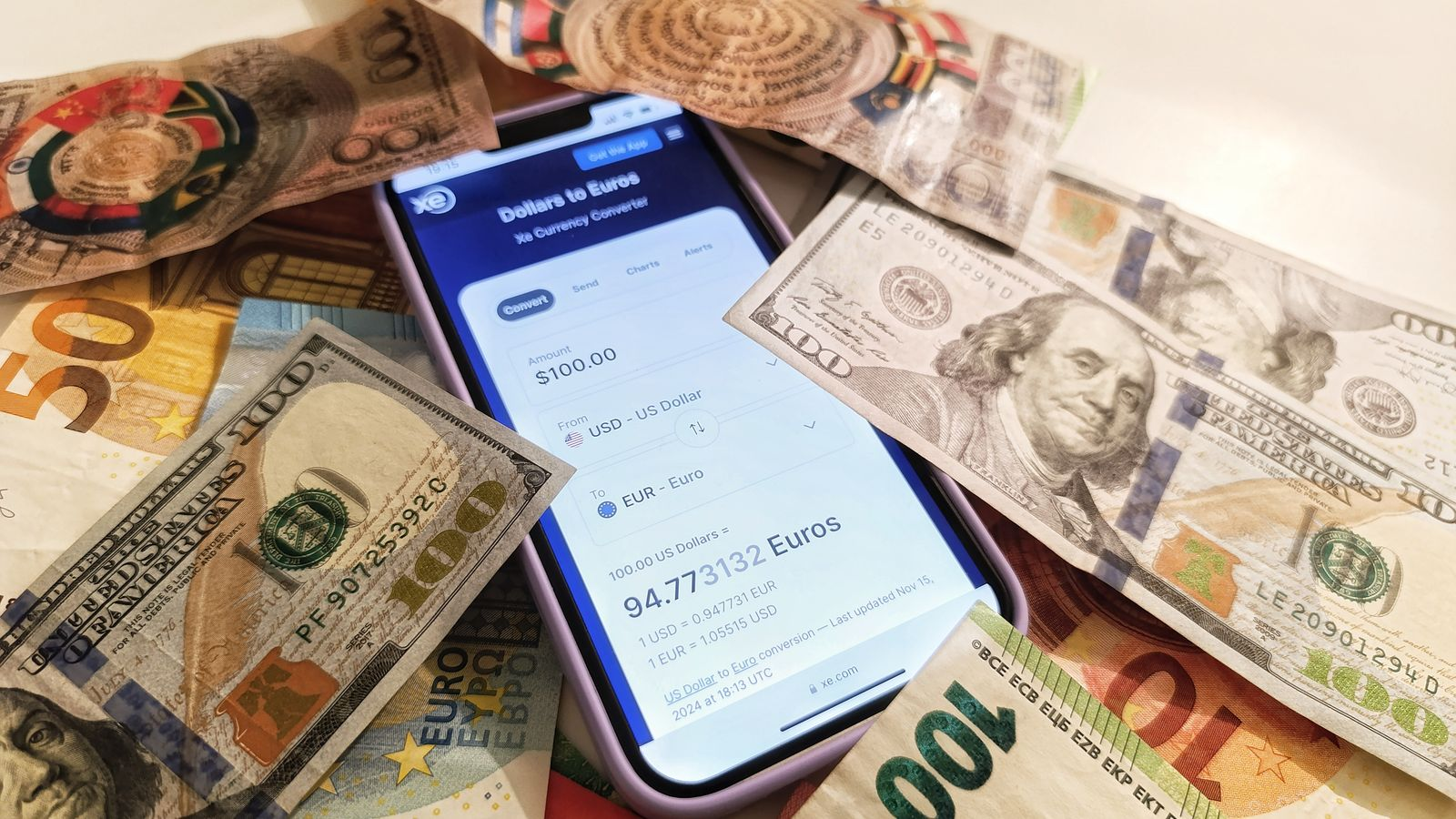
Alipay can help you with some exchange-rate checks, overseas payment conversion, cross-border receiving, and partner-based remittance services, but it is not a traditional global foreign-currency account and cannot replace a bank FX account or an international receiving account. When you see features such as “exchange rate,” “international remittance,” or “cross-border receiving” in Alipay, you first need to decide whether you are checking a rate, buying foreign currency, converting foreign currency into RMB, sending money overseas, or receiving overseas funds. Different scenarios involve different limits, fees, supporting documents, and regulatory requirements. Personal FX conversion, overseas family remittance, freelance income, cross-border e-commerce settlement, and digital-asset conversion should not be treated as the same operation.
Key Takeaways
- Alipay can support some exchange-rate checks, overseas payments, and cross-border receiving, but it is not a full foreign-currency bank account.
- International remittance inside Alipay usually depends on partner financial institutions, and actual access may vary by account.
- Personal FX purchase and settlement in mainland China involve annual facilitation quotas, purpose declarations, and authenticity checks.
- Overseas transfers into Alipay are often handled by Wise, Remitly, banks, or other partner institutions, not by every country or currency.
- Alipay payment rates, remittance rates, bank FX rates, and final transaction rates should not be treated as the same thing.
- Large-value, business, investment, and digital-asset-related fund flows require separate assessment of fees, tax, and compliance routes.
What Can Alipay Foreign Exchange Actually Do?
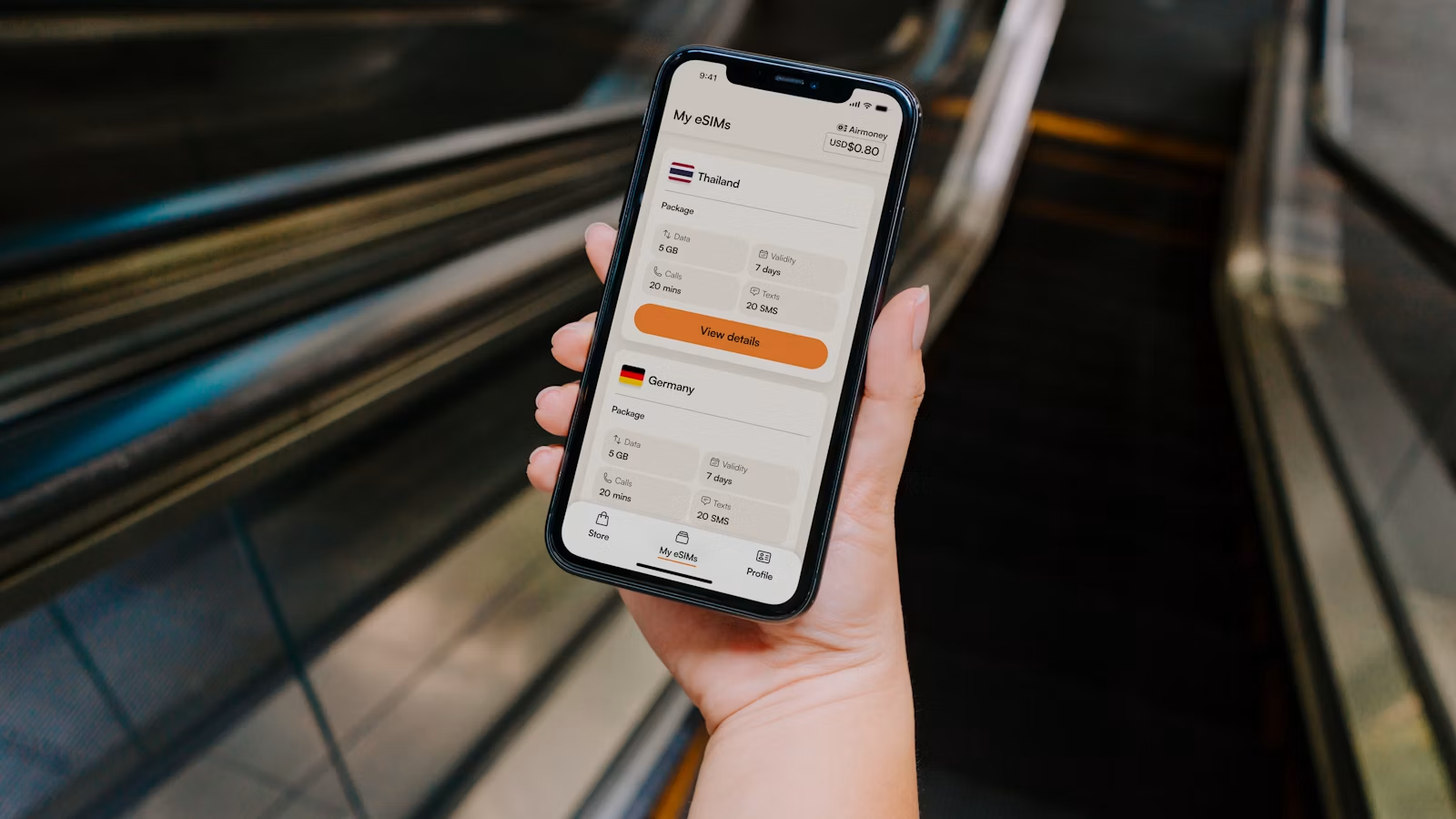
The first thing to understand about Alipay foreign exchange is that “checking an exchange rate” is not the same as “freely exchanging currency.” You may be able to view a reference conversion between foreign currencies and RMB through Alipay-related services, and you may see the RMB deduction amount when paying overseas. But that does not mean your Alipay account can freely hold USD, EUR, HKD, or other foreign-currency balances like a bank foreign-currency account. When actual FX purchase, FX settlement, cross-border remittance, or international receiving is involved, the transaction is often handled by a partner bank, remittance institution, or payment institution, and is subject to identity verification, limits, declared purpose, and regulatory rules.
Alipay can show exchange rates, but that does not mean free currency conversion
Many users searching for “Alipay foreign exchange steps” are actually trying to answer three questions: first, what the USD, HKD, or EUR exchange rate against RMB roughly is; second, whether they can convert RMB into foreign currency inside Alipay; and third, whether overseas funds can be sent directly into Alipay. The first is mainly an exchange-rate lookup. The second and third involve actual money movement.
Some Alipay cross-border interfaces may show exchange rates and fee information, but Alipay’s cross-border remittance aggregation service also states that fees and rates are provided by remittance institutions and are for reference only. In other words, the rate you see may not be the final transaction rate. The final cost may still depend on the submission time, partner institution, payment method, payout method, and whether additional review is triggered.
If you only need to estimate costs, you can use Alipay’s exchange-rate tool or an external tool such as real-time exchange rates. But if you are preparing to make an actual FX conversion or remittance, you should rely on the transaction submission screen, bank FX quote, remittance-provider quote, and final billing details.
Overseas payment conversion is not the same as personal FX purchase
Alipay overseas payments, Alipay+ network payments, and bank-based personal FX purchase are three different scenarios. For example, when you scan to pay at an overseas merchant, the key questions are whether the merchant supports the payment method, how the transaction currency is converted, and what RMB amount is deducted. Alipay+ states in its China mainland payment materials that the exchange rate provided by Alipay+ is updated on business days, and users can view the transaction exchange rate on the payment screen or in billing details.
Personal FX purchase is a different matter. It means converting RMB into foreign currency, often for genuine purposes such as studying abroad, travel, family support, medical care, or business. It is usually handled by banks or compliant financial institutions and involves valid identity documents, declared purpose, quotas, and authenticity review. You should not assume that because Alipay can be used for overseas payments, your Alipay account can freely hold unlimited foreign-currency balances.
The boundaries of Alipay’s FX-related features
Common Alipay-related entries may include “exchange-rate calculator,” “international remittance,” “cross-border remittance,” “tuition payment,” or “cross-border receiving,” but not every user will see the same features. Real-name verification status, region, linked bank cards, user identity type, partner institutions, regulatory policy, and risk controls can all affect whether a feature is available.
| User need | Is Alipay suitable? | Main limitation | Better alternative direction |
|---|---|---|---|
| Check USD to RMB exchange rate | Suitable for initial reference | Not the final transaction rate | Bank quotes, remittance quotes, real-time rate tools |
| Overseas QR-code payment | Suitable where accepted | Acceptance and FX rate may change | Bank card, multi-currency card |
| Convert RMB into foreign currency | Depends on feature and partner institution | Subject to quotas, purpose, and review | Bank, compliant FX channel |
| Receive overseas family remittance | Suitable in some scenarios | Depends on remittance-provider support | Wise, Remitly, bank |
| Hold foreign currency long term | Not suitable as the main account | Alipay is not a foreign-currency bank account | Bank foreign-currency account, multi-currency account |
| Cross-border merchant settlement | Depends on entity and platform rules | High requirements for documents, tax, and trade background | Business account, WorldFirst, Airwallex |
Summary: The key question with Alipay foreign exchange is not whether you can tap a button to exchange money, but what type of fund movement you are trying to perform. If you only need to check an exchange rate, Alipay and external rate tools can both provide references. If you are making an overseas payment, the focus is merchant acceptance, settlement currency, and billing exchange rate. If you are actually buying foreign currency, settling foreign currency into RMB, sending money internationally, or receiving overseas funds, the transaction falls within the rules of banks, partner institutions, and foreign-exchange administration. Alipay can act as a front-end entry point or receiving endpoint, but it is not a global bank account that freely holds multiple currencies. Before operating, separate exchange-rate lookup, payment conversion, FX purchase, FX settlement, remittance, and receiving.
How to Understand Alipay Foreign Exchange Operation Steps

You should not understand Alipay foreign exchange operations only as a fixed button path, because entries may change by app version, region, and account status. A more reliable approach is to identify the business type first: exchange-rate lookup, FX purchase, FX settlement, cross-border remittance, or receiving overseas funds. Checking a rate usually means entering the currency and amount to view a reference value. FX purchase and remittance require real-name verification, declared purpose, rate and fee confirmation, and recipient details. International receiving also depends on whether the remittance provider supports Alipay payout. Once real cross-border fund movement is involved, you should prepare identity, purpose, recipient account, and supporting documents.
Basic steps for checking an exchange rate
If you only want to see a reference value such as “RMB to USD,” “HKD to RMB,” or “EUR to RMB,” you can usually search for “exchange-rate calculator” or a similar service inside Alipay, enter the currency and amount, and view the RMB reference value shown by the system. This is useful for budgeting, such as estimating study-abroad costs, travel spending, overseas subscriptions, family remittance, or cross-border shopping.
But this step should not be treated as a final quote. Exchange-rate lookup tools are usually only references. The actual transaction still depends on the rate, fee, and receiving amount displayed on the specific payment or remittance page. For cross-border remittance or overseas spending in particular, the payment network, partner bank, remittance institution, and card issuer may all affect the final amount.
A safer sequence is:
- Use an exchange-rate tool to estimate the approximate RMB cost.
- Enter the specific payment or remittance flow to view the transaction quote.
- Compare the exchange rate, fee, arrival time, and payout method.
- Save screenshots of the key amount and exchange rate before submission.
- After completion, check the bill, deduction currency, and final amount.
Operation logic for FX purchase, FX settlement, and cross-border remittance
Alipay international remittance does not mean Alipay itself becomes a bank. Instead, partner financial institutions provide online cross-border remittance services for real-name verified Alipay users. Alipay’s international remittance materials state that the service is available to Alipay real-name verified users and supports major currencies including USD, EUR, HKD, CAD, AUD, CHF, GBP, SGD, and JPY.
From an operational perspective, the process generally includes: completing real-name verification, entering the international or cross-border remittance feature, selecting the destination country and currency, filling in the remittance purpose, entering the recipient’s name, bank account, or wallet information, checking the exchange rate and fee, confirming the payment method, and waiting for the partner bank or remittance institution to process the transaction.
Different users may see different entries, and that does not necessarily mean the app is malfunctioning. Common reasons include differences in account region, verification status, bank-card support, partner-institution coverage, destination country and currency, and purpose-review requirements.
What information should be prepared before operating?
If you are only checking an exchange rate, you only need the currency and amount. If actual remittance or receiving is involved, the required information becomes much more detailed. Common requirements include recipient name, bank account number, SWIFT/BIC, local bank code, receiving country, receiving currency, purpose statement, identity documents, mobile number, Alipay real-name verification information, and possible proof of income, tuition, medical expenses, trade, or services.
| Operation type | Information needed | Main risk |
|---|---|---|
| Exchange-rate lookup | Currency and amount | Treating a reference rate as a final rate |
| Overseas payment | Alipay account, payment code, billing record | FX movement and different refund currency |
| FX purchase and remittance | Identity document, purpose, recipient account | Insufficient quota or failed purpose review |
| Receive overseas remittance | Real-name Alipay account, mobile number, receiving feature | Provider may not support it or review may be triggered |
| Business receiving | Contract, invoice, platform record, business entity | Entity mismatch, tax issues, insufficient trade documents |
You should especially avoid three types of behavior: declaring a false purpose, using another person’s account to receive or send money, and splitting transactions among multiple people to bypass limits or review. Banks and payment institutions assess risk based on amount, frequency, sender-recipient relationship, fund purpose, and account behavior. A path that seems convenient in the short term may lead to account restrictions, delayed refunds, requests for supplementary documents, or compliance risks.
Summary: Alipay foreign exchange operation steps are not only about fixed app buttons; they are about identifying the correct business process. Exchange-rate lookup is the simplest and is only for estimation. FX purchase and settlement involve quotas, identity, and purpose. Cross-border remittance involves destination country, currency, bank details, and partner institutions. International receiving depends on whether the remittance provider supports Alipay payout. The practical rule is: first identify the business type, then confirm the available entry, then check the exchange rate, fee, and recipient information. When cross-border funds are involved, do not rely only on screenshots or tutorials. Use the information shown inside Alipay, the requirements of partner banks or remittance institutions, foreign-exchange rules, and local laws.
What Alipay International Receiving Can and Cannot Do
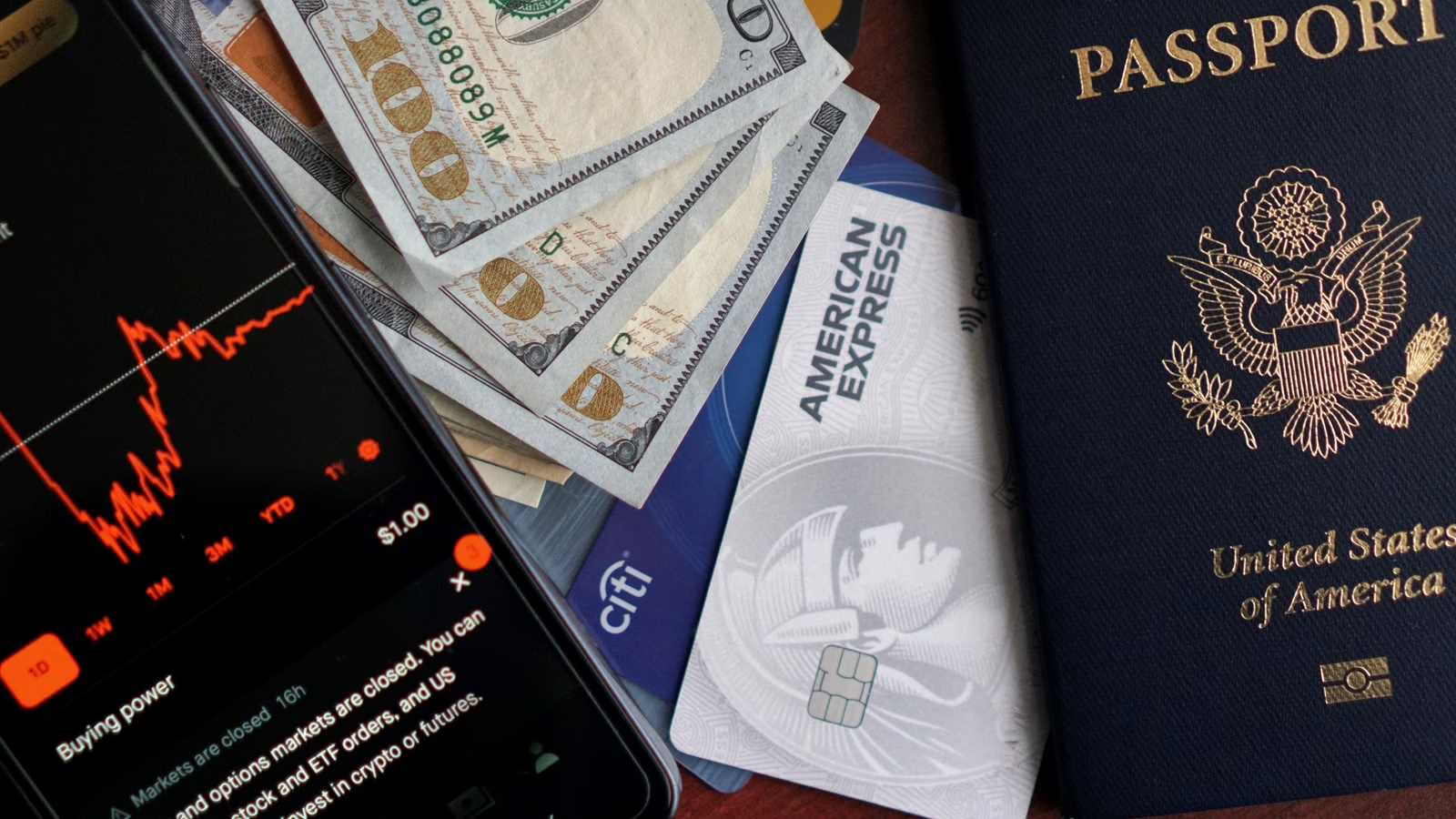
Alipay international receiving can cover some scenarios where overseas funds are sent into a Chinese Alipay account, but it is not an overseas bank account or a long-term receiving tool suitable for all foreign-currency income. Overseas senders usually need to use Wise, Remitly, banks, or other partner institutions and choose Alipay as the payout method. The funds often arrive in RMB through the Chinese recipient’s Alipay account or a linked channel. Family support, small personal receipts, and certain remittance-provider-supported transfers are common. Freelance income, cross-border e-commerce settlement, platform payments, and investment repatriation require separate assessment of entity, documentation, tax, and foreign-exchange nature.
Feasible scenarios for overseas transfers into Chinese Alipay accounts
When overseas users send money into a Chinese Alipay account, it is usually not a direct global bank wire where the sender simply enters an Alipay account number. It is typically done through a remittance institution that supports payout into Chinese wallets. Alipay’s cross-border remittance aggregation service displays options based on the sending country, currency, and amount, while fees and exchange rates are provided by remittance institutions.
For example, Wise supports transfers to Alipay users in China. The Wise transfer to Alipay information includes single-transaction and annual receiving limits. Wise help materials also state that when sending to an Alipay user, the sender needs to choose CNY and provide the recipient’s name and Alipay ID. Remitly also offers money transfer to Alipay as a payout method in some countries or regions, with the receiving currency in RMB and fees and exchange rates shown before sending.
These scenarios may fit overseas family members sending living expenses to someone in China, supporting household spending, or making small personal payments. But availability, limits, and delivery time still depend on the sending country, provider rules, recipient real-name verification, and risk review.
Alipay receiving is not the same as an overseas bank account
An Alipay account is not an IBAN account, a SWIFT foreign-currency account, or a multi-currency business bank account that can freely receive global wire transfers. Overseas payers usually cannot complete receiving from every country and currency just by entering an Alipay account as if it were a bank account.
If the remittance institution supports Alipay payout, Alipay can act as the receiving endpoint. If the institution does not support it, or if the purpose, amount, frequency, or identity information does not meet the requirements, the transfer may fail or require supplementary materials. Higher-value transfers may also trigger requests for proof of fund source, income, or transaction background. Wise’s materials on Alipay receiving mention that for high-value transfers, the recipient may need to provide proof of the sender’s legitimate overseas income, such as an employment contract, payslip, tax record, or bank statement.
Therefore, “can receive” is not the same as “suitable to receive.” Overseas family remittance, small living-expense support, and certain personal transfers are different in nature from freelance service fees, cross-border e-commerce payments, overseas platform income, and investment returns.
Personal receiving and merchant cross-border settlement should be separated
Personal Alipay receiving and merchant cross-border settlement should be handled separately. Family remittance generally focuses on identity, limits, purpose, and payout method. Freelance receiving focuses on contracts, invoices, tax, client region, and withdrawal route. Cross-border e-commerce focuses on platform settlement, business entity, trade authenticity, settlement currency, and tax materials.
If you are a cross-border merchant or business user, tools such as WorldFirst, Airwallex, PayPal Business, and business bank accounts may be more suitable. WorldFirst’s Alipay merchant service terms also distinguish cross-border payment and settlement services, which are not the same as ordinary personal family remittance.
| Receiving scenario | Alipay fit | Key issue | More suitable tools |
|---|---|---|---|
| Overseas family sends money to an individual in China | Suitable in some cases | Whether the provider supports Alipay payout | Wise, Remitly, bank |
| Overseas client pays freelance fees | Use cautiously | Contract, tax, income nature | Wise, PayPal, bank |
| Cross-border e-commerce platform settlement | Depends on platform and service | Business entity, trade background | WorldFirst, Airwallex, business bank |
| Long-term foreign-currency holding | Not suitable | Alipay is not a foreign-currency account | Bank FX account, multi-currency account |
| Repatriation of overseas investment funds | Requires strict compliance | Capital-account nature and supporting documents | Bank, compliant channel |
| Small repayment between friends | Depends on channel | Frequency, limits, purpose statement | Remittance provider, bank transfer |
Summary: Alipay can be the receiving endpoint for part of a cross-border receiving chain, but it should not be understood as a global bank account. Overseas transfers into Chinese Alipay accounts are usually handled by Wise, Remitly, banks, or other institutions, and successful receipt depends on the sending country, currency, real-name information, limits, and review. Family remittance, freelance income, cross-border e-commerce payments, and investment repatriation are completely different in fund nature and require different documentation, tax treatment, and compliance rules. Before using Alipay for receiving, first confirm whether the purpose and entity match, then confirm whether the remittance provider supports Alipay payout, and finally check limits, exchange rates, fees, and failed-refund procedures. For long-term, business, or large-value funds, relying only on a personal Alipay account is not advisable.
How to Judge Limits, Fees, Exchange Rates, and Compliance Risks
The main risk in Alipay foreign exchange and international receiving is not whether you can open an entry point, but whether you understand the limits, fees, exchange rates, purpose, and authenticity review. Mainland Chinese individuals have annual facilitation quotas for FX purchase and settlement. When the amount exceeds the quota or involves more complex fund nature, documents must be provided according to current-account or capital-account rules. Cross-border receiving is not automatically compliant just because the funds arrive. Business income, service income, platform payments, investment funds, and family gifts are handled differently. Before operating, you should check the exchange rate, fee, receiving currency, limit, documents, and tax obligations.
Annual personal FX purchase and settlement quota
One of the most important rules for personal foreign exchange in mainland China is the annual facilitation quota. The State Administration of Foreign Exchange’s implementation rules for personal FX administration state that personal FX settlement and domestic personal FX purchase are subject to an annual total quota of USD 50,000 equivalent per person per year. Within the annual quota, settlement and purchase can generally be handled at banks with valid identity documents. Beyond the annual quota, current-account and capital-account transactions follow different rules.
This does not mean that anything above USD 50,000 equivalent is always impossible. It means it cannot simply be handled under the facilitation quota. Genuine, compliant current-account spending may require supporting documents; capital-account transactions must comply with personal capital-account FX rules. Bank of China’s personal FX purchase materials also emphasize that FX purchase within the annual quota requires valid identity documents and purpose declaration to the bank.
Fees and FX costs cannot be judged by one number
Many users only look at the “fee” and ignore FX costs. Cross-border fund movement usually involves remittance fees, FX spread, payment-method fees, recipient fees, intermediary-bank fees, withdrawal fees, and potential refund loss. Some services show low transfer fees but earn from the exchange-rate spread. Bank wires may have transparent sending fees, but intermediary and receiving-bank fees may not be fully visible in advance.
When judging cost, check the following:
| Item | What to check | Common mistake |
|---|---|---|
| Exchange rate | Reference rate or transaction rate | Looking only at the mid-market rate |
| Fees | Sending, receiving, intermediary, withdrawal | Only checking the first visible fee |
| Received amount | How much the recipient actually gets | Only checking the sent amount |
| Receiving currency | RMB, foreign currency, or local currency | Assuming it can be freely selected |
| Failed refund | Refund route and timing | Ignoring failed-transfer handling |
| Tax | Income nature and filing obligation | Treating business income as ordinary transfer |
If you compare Alipay, banks, Wise, Remitly, PayPal, or multi-currency accounts at the same time, do not only ask which one has the lowest fee. Ask how much the recipient actually receives, how long it takes, what happens if it fails, and what documents are required.
Authenticity review and transaction-splitting risks
Foreign exchange and cross-border receiving are not just payment-experience issues. They involve authenticity review and anti-money-laundering requirements. Banks and payment institutions assess risk based on purpose, amount, frequency, sender-recipient relationship, account behavior, and source of funds. Foreign-exchange administration materials clearly state that personal FX business should not be handled through transaction splitting to evade quota supervision, nor should false commercial documents or certificates be used to evade authenticity management.
You should avoid:
- Describing business income as family transfer.
- Using false study, travel, medical, or service purposes.
- Borrowing another person’s Alipay or bank account to receive money.
- Splitting one transaction among multiple people to bypass limits.
- Frequently receiving funds from unrelated overseas accounts.
- Using a personal account to receive long-term business payments.
- Disguising digital-asset transaction funds as ordinary living expenses.
Summary: What matters most in Alipay foreign exchange and international receiving is not simply whether a feature exists, but whether the fund nature, amount, currency, and purpose can pass review. Personal FX purchase and settlement have annual facilitation quotas, but even within the quota, real identity and genuine purpose are required. If the amount exceeds the quota or involves business, investment, or platform income, supporting documents become more important. A low fee does not necessarily mean a low total cost, because FX spread, recipient fees, intermediary-bank fees, and withdrawal costs can all affect the final amount. Any attempt to evade rules through false purposes, borrowed accounts, transaction splitting, or proxy receiving may lead to account restrictions, fund return, requests for additional materials, or compliance risk.
What Alternatives Should You Use When Alipay Is Not Suitable?
Alipay is not suitable for every international money need. Choose alternatives by purpose: for overseas family transfers into China, compare Wise, Remitly, banks, and other providers that support Alipay or bank-account payout; for payments from mainland China to overseas recipients, check banks, FX quotas, and purpose documents; for cross-border e-commerce and freelance receiving, consider business accounts, WorldFirst, Airwallex, PayPal, or Wise Business; for multi-currency, digital assets, and market trading, assess wallets, trading platforms, fees, and regulatory rules separately. Do not treat one payment app as a universal answer for every cross-border funding scenario.
Alternatives for personal cross-border remittance
If overseas family members are sending money to an individual in China, Wise, Remitly, banks, and some local financial institutions may all provide routes. Wise fits users who want to see a clear exchange rate, fee, and receiving amount. Remitly is more focused on family remittance and local payout methods in certain countries. Banks are more suitable for larger, more formal transfers that require complete records.
If you are in mainland China and sending money overseas, banks remain one of the core channels. For current-account purposes such as study abroad, medical care, travel, family support, or service fees, banks usually require you to declare the purpose and recipient information. If the transaction involves large amounts, investment, or business purposes, confirm in advance whether it falls under capital-account rules and whether additional documents are required.
Alternatives for cross-border and business receiving
Freelance receiving and cross-border e-commerce should not be treated the same as family remittance. PayPal works for some online transactions and client payments, but you should check fees, exchange rates, dispute handling, and withdrawal costs. Wise Business, WorldFirst, Airwallex, Payoneer, and business bank accounts are more suitable for platform payouts, foreign-trade receiving, invoice settlement, and multi-currency account management.
WorldFirst’s China payment materials state that relevant receiving services are provided by licensed partners and that service availability may vary by region. For cross-border e-commerce or supplier payments, using tools such as WorldFirst China payments is usually closer to a business scenario than relying on a personal Alipay account for long-term receiving.
Multi-currency, digital-asset, and trading scenarios should be handled separately
Payments, remittance, FX conversion, digital-asset conversion, and securities trading are different functions. You may use Alipay for some domestic and overseas payments and receiving, but if your needs extend to converting USDT into USD or HKD, multi-currency fund planning, cross-border payment records, and U.S. stock, Hong Kong stock, or digital-asset trading, you should separate your tools by function.
In this broader funding workflow, Biya can be considered as a global multi-asset trading wallet that supports USDT conversion into mainstream fiat currencies such as USD or HKD, and covers cross-border payment records, multi-currency planning, and asset trading scenarios. When direct cross-border money movement is needed, cross-border money transfer is closer to the actual use case than placing every need into one payment app.
| Need | Tools to compare first | Key judgment dimensions |
|---|---|---|
| Overseas to China personal remittance | Wise, Remitly, banks | Payout method, exchange rate, speed, limits |
| Mainland China to overseas payment | Banks, compliant remittance services | Purpose, quota, recipient information |
| Cross-border e-commerce receiving | WorldFirst, Airwallex, business banks | Platform support, tax, settlement currency |
| Freelance receiving | Wise, PayPal, banks | Client region, fees, withdrawal |
| Multi-currency and digital-asset management | Biya, banks, multi-currency wallets | Currency, compliance, risk disclosure |
| Overseas spending | Bank cards, Alipay overseas payment, multi-currency cards | Acceptance, exchange rate, refund |
Summary: Alipay is suitable for some high-frequency daily payments, overseas spending, and cross-border receiving entries, but it cannot cover every international funding need. Family remittance, freelance receiving, cross-border e-commerce settlement, overseas spending, digital-asset conversion, and market trading are different scenarios. You should choose tools based on recipient, currency, amount, purpose, documentation, and tax requirements. Small living-expense transfers can be compared across Wise, Remitly, and banks. Business income should use business accounts or professional cross-border receiving services. Multi-currency and digital-asset needs should use suitable wallets or trading platforms. Alipay can be part of the overall setup, but it should not replace banks, compliant remittance services, or business receiving accounts.
From Cross-Border Payments to Asset and Currency Management
Many users searching for “Alipay foreign exchange operation steps” appear to be looking for a button path, but the deeper problem is often more complex: how to receive overseas funds, convert them into RMB, pay overseas bills, handle platform income, compare exchange rates, manage digital assets, or even access U.S. stocks, Hong Kong stocks, or digital-asset markets. A single payment app is rarely enough to handle exchange rates, payout, tax, documentation, compliance, and asset management at the same time. A more reasonable approach is to separate payment, FX conversion, receiving, and asset scenarios, then combine different tools.
Why one payment app is often not enough
Alipay is powerful for everyday payments in China, but cross-border scenarios add several layers of complexity. You may face FX quotas, exchange-rate spreads, overseas receiving channels, recipient identity, transaction documents, tax filing, refund routes, and source-of-funds checks. Even if one app offers a cross-border entry point, that does not mean it fits every funding purpose.
For example, tuition payments care more about the school account, remittance reference, and documentation. Overseas family remittance cares more about speed and receiving convenience. Freelance receiving cares more about client region, contracts, tax, and withdrawal. Cross-border e-commerce cares more about platform settlement and business entity. Digital-asset conversion depends on risk disclosures, supported currencies, and local rules.
How to separate payment, FX conversion, receiving, and asset scenarios
You can judge by four layers. For payment, look at acceptance, refunds, and exchange rate. For remittance, look at recipient country, payout method, and fees. For receiving, look at entity consistency, income nature, and withdrawal route. For assets, look at platform rules, trading fees, risk disclosures, and local law.
For users who need multi-currency, digital assets, and market trading at the same time, Biya web trading should be understood as a browser-based trading platform covering U.S. stocks, Hong Kong stocks, and digital assets. It is separate from remittance, card spending, or Alipay-style payment functions. Biya lists U.S. stock trading commission at $0; platform fees, external institution fees, and other trading-related charges should be checked in the fee center and order screen. Trading, payment, FX conversion, and receiving should not be judged by the same standard.
A cross-border funding setup can follow these principles:
- Do not treat a consumer payment exchange rate as a remittance exchange rate.
- Do not treat Alipay receiving as an overseas bank account.
- Do not mix personal receiving with business income.
- Do not split transactions to bypass quotas or review.
- Do not mix digital-asset conversion with fiat remittance.
- Do not mix trading-platform fees with payment-tool fees.
- Do not receive large overseas funds without understanding tax and purpose requirements.
Summary: Cross-border fund management should move from “operation steps” to “scenario separation.” Alipay can solve some lookup, payment, and receiving problems, but it cannot replace bank accounts, international remittance services, business receiving accounts, or trading platforms. You should first identify the fund purpose: spending, remittance, receiving, FX conversion, business settlement, or asset trading. Different purposes involve different fees, quotas, documents, taxes, and regulatory requirements. For users who need multi-currency tools, digital assets, cross-border payment records, and market trading, tools such as Biya can be included in a broader fund-management setup, but availability, identity verification, fees, risk disclosures, tax treatment, and local laws still need to be checked separately.
When your need is only checking exchange rates or completing a small overseas payment, Alipay may already be enough. When your need becomes long-term overseas income, foreign-currency handling, multi-currency management, digital-asset conversion, or overseas market access, you should not rely only on one payment app. A more stable approach is to use banks for formal FX and large-value funds, remittance providers for personal cross-border transfers, business receiving accounts for commercial income, multi-currency tools for currency management and records, and trading activities under separate trading-platform rules. Biya can be one part of a multi-asset and cross-border funding workflow, but it is not a simple replacement for Alipay foreign exchange. Before using any service, review product availability, fees, identity verification, risk disclosures, tax obligations, and local regulatory requirements.
FAQ
Can Alipay directly convert RMB into USD?
Not necessarily. Whether Alipay can directly convert RMB into USD depends on the current in-app entry, partner institution, account identity, and purpose review. Exchange-rate lookup is not the same as actual FX purchase. Real FX purchase may involve annual facilitation quotas, purpose declaration, and bank or institution rules.
Does Alipay international receiving use personal FX settlement quota?
If overseas funds received through Alipay need to be settled into RMB, they may involve the personal FX settlement quota. Whether the quota is used, how the funds should be declared, and whether additional documents are needed should be determined by banks, payment institutions, remittance providers, and foreign-exchange administration requirements.
Can overseas users send money directly to a Chinese Alipay account?
Some remittance providers support overseas transfers into Chinese Alipay accounts, but not every country, currency, or purpose is supported. The sender should check whether Wise, Remitly, banks, or other providers offer Alipay payout, and confirm the recipient’s real-name verification and receiving-limit requirements.
Is the Alipay exchange rate the same as a bank FX rate?
The Alipay exchange rate is not necessarily the same as a bank FX rate. Alipay may show rates for reference, consumer payment conversion, or partner remittance quotes, while banks provide FX rates based on the specific business scenario. The actual cost should be based on the transaction screen and final bill.
Is Alipay suitable for long-term cross-border e-commerce receiving?
A personal Alipay account is usually not suitable as the main long-term receiving account for cross-border e-commerce. Cross-border sellers should prioritize business accounts, platform settlement services, WorldFirst, Airwallex, or bank solutions, while handling entity consistency, trade documents, tax filing, and withdrawal routes.
What alternatives should be used when Alipay cannot complete foreign exchange?
When Alipay cannot complete foreign exchange, choose among banks, Wise, Remitly, PayPal, WorldFirst, Airwallex, or multi-currency wallets based on the purpose. The key factors are currency, payout method, fees, exchange rate, documentation, limits, and compliance requirements.
*This article is provided for general information purposes and does not constitute legal, tax or other professional advice from BiyaPay or its subsidiaries and its affiliates, and it is not intended as a substitute for obtaining advice from a financial advisor or any other professional.
We make no representations, warranties or warranties, express or implied, as to the accuracy, completeness or timeliness of the contents of this publication.
Related Blogs of

US to Portugal Online Money Transfer Limits: Per-Transaction Caps Explained


Wire Transfer Requirements: Sender and Beneficiary Details Checklist


MACD Crypto Trading Strategy: Settings, Signals, and Risk Management

International Wire Transfer Time: What Affects Delivery?

Choose Country or Region to Read Local Blog
 Australia
 Austria
 Belgium
 Canada
 Cyprus
 Czech Republic
 Denmark
 Estonia
 Finland
 France
 Germany
 Greece
 Hong Kong
 India
India Indonesia
 Ireland
 Italy
Italy Japan
Japan Latvia
 Lithuania
 Luxembourg
 Malaysia
 Malta
Malta Morocco
 Nepal
Nepal Netherlands
 New Zealand
 Norway
 Pakistan
 Philippines
 Poland
 Portugal
 Romania
 Singapore
 Slovakia
 Slovenia
 South Africa
 South Korea
 Spain
Spain Sweden
 Thailand
 United States
 Turkey
 United Arab Emirates
 United Kingdom
 Vietnam