
Foreign-Currency Assets Are Not Just Investments: How to Use Them for Remittance, Spending, Collection, and Global Payments




Foreign-currency assets are not only for investment. They can also become usable funds for cross-border living, work, collections, payments, and global spending. This topic is relevant to users who already hold USD, HKD, EUR, or other currencies, or who are preparing multi-currency funds for remittance, online payments, overseas bills, platform collections, or backup purposes. Users should first ask where the money will be used, which currency is required, where the funds currently sit, and whether they can enter the target account or payment tool smoothly.
Why Foreign-Currency Assets Are Not Just Investments

The value of foreign-currency assets is not only reflected in price movement or investment allocation. It also depends on whether the funds can be used for real payments, remittances, collections, and daily scenarios. For many international Chinese-speaking users, foreign-currency funds are first usable funds, and only then a possible asset allocation tool.
When people discuss foreign-currency assets, they often focus on exchange-rate trends, USD strength, Hong Kong/U.S. stock investment, ETFs, or overseas account returns. In real life, users more often face practical questions: Can I pay overseas subscriptions? Can I remit money to family or a school? Can I receive overseas client payments? Can I reduce repeated currency exchange when traveling, studying, working remotely, or running cross-border business?
If foreign currency only sits in an account but cannot be remitted, spent, withdrawn, or accepted by merchants, it has not truly become usable funds. The practical value of foreign-currency assets depends on the usage path: can they enter the right account, be converted into the target currency, pay bills, or be returned or transferred when needed?
Foreign-Currency Assets and Usable Funds Are Not the Same
Foreign-currency assets may include bank foreign-currency balances, multi-currency account balances, broker account cash, platform collection balances, fiat balances converted from digital assets, or other funds denominated in foreign currencies. Usable funds require more: they must be able to pay, remit, withdraw, enter a receiving account, or connect to a payment tool.
For example, holding a USD balance does not mean you can pay every USD bill directly. Holding HKD does not mean it can automatically fund a Hong Kong stock account. Receiving EUR does not mean it can immediately be used for local living expenses. Each step depends on account rules, fund paths, target currencies, merchant requirements, and platform limits.
An Investment-Only View Can Miss the Fund Path
If users view foreign-currency assets only from an investment perspective, they may focus on purchase cost, exchange-rate movement, and asset prices, while ignoring future use. In cross-border fund management, the use path can be as important as the asset itself.
For example, a user holding USD may later need to pay USD subscriptions, remit to an overseas account, buy U.S. stocks or USD ETFs, pay supplier bills, or spend while traveling. Each use case requires different tools: remittance, virtual cards, multi-currency accounts, or trading account funding. Foreign-currency assets are easier to use when they match a clear purpose.
Foreign Currency Has Risks and Is Not Naturally Safe
Foreign-currency assets are not low-risk assets by default. Exchange rates against the user’s main currency can fluctuate. Accounts may have management rules. Exchange, withdrawal, remittance, and payment may all involve fees. If funds are held on unfamiliar platforms, users should also consider account security, source-of-funds records, withdrawal paths, and service availability.
The point is not to encourage users to hold more foreign currency, but to help them understand which foreign currencies have clear uses, which funds need to be converted into target currencies, and which scenarios need payment tools, remittance paths, or collection accounts.
Real Scenarios Where Foreign-Currency Funds Can Be Used
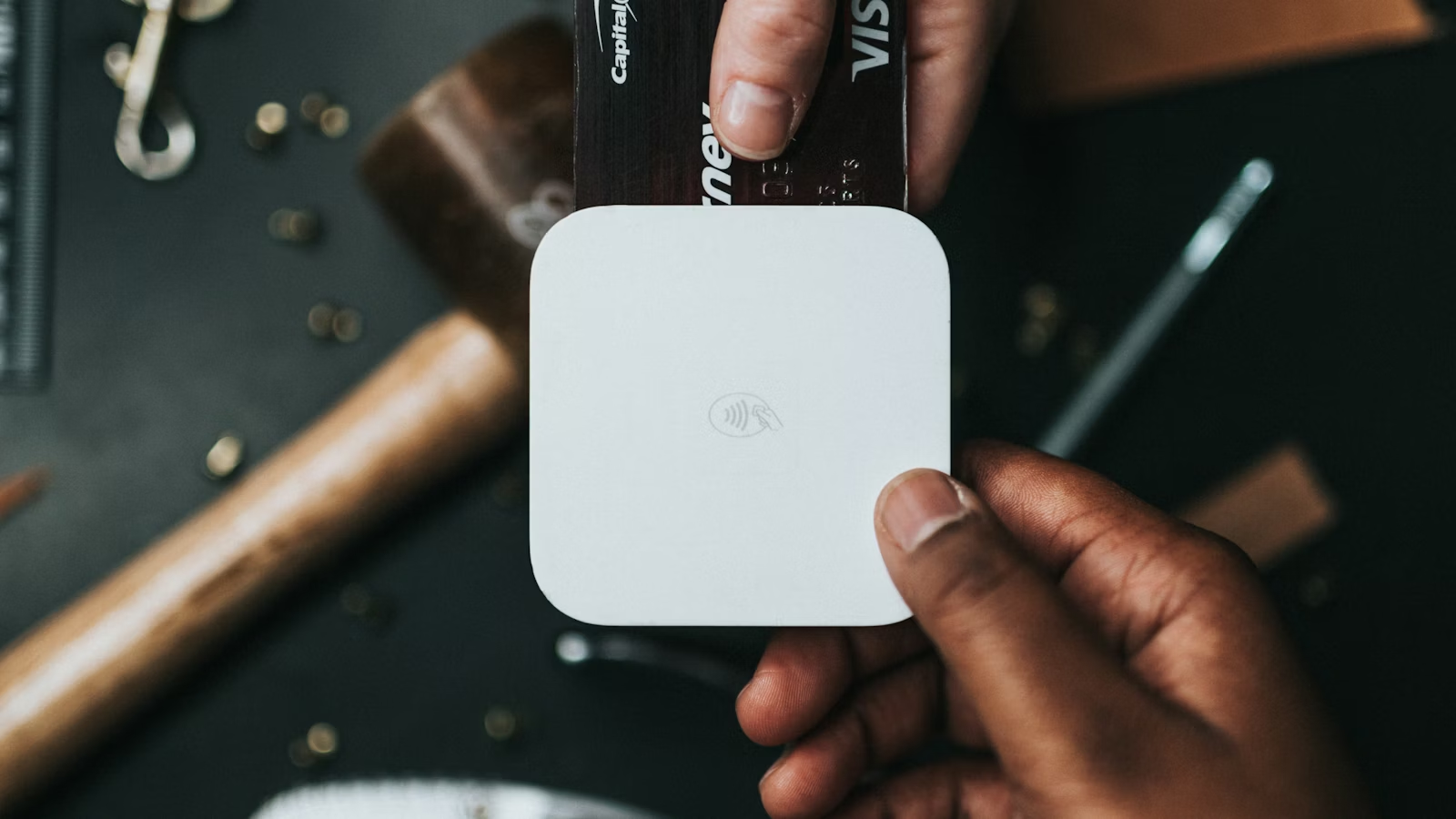
Foreign-currency funds are most commonly used for cross-border remittance, overseas spending, global collection, multi-currency payments, Hong Kong/U.S. stock funding, travel or study living expenses, and backup funds. Different scenarios require different currencies, accounts, and tools. Users should classify by use case rather than first asking which currency is most worth holding.
Cross-Border Remittance: Sending Foreign Currency to the Target Account
Foreign-currency funds can be used to remit money to family, schools, landlords, suppliers, partners, or the user’s own overseas account. Users need to confirm which currency the recipient accepts, whether SWIFT, IBAN, ACH, FPS, SEPA, or local clearing details are needed, and whether reference numbers, student IDs, or order numbers must be included.
The core of remittance is whether the money can arrive in the correct account. The World Bank’s Remittance Prices Worldwide tracks cross-border remittance costs and shows major cost differences across corridors and channels. Users should compare final received amount, expected processing time, and return rules, not only the service fee.
Overseas Spending: Using Foreign Currency for Bills and Subscriptions
Foreign-currency funds can also support overseas spending such as software subscriptions, AI tools, streaming services, e-commerce, hotel bookings, flights, cloud services, advertising accounts, and online memberships. In this scenario, payment tools matter more than the foreign-currency balance alone.
If a user has a USD balance but no card or payment method accepted by the merchant, the USD balance may still not be usable for the bill. Overseas spending usually requires both the right foreign-currency balance and a compatible payment tool, such as an international card, virtual card, multi-currency card, or online payment platform. Visa’s payment security information also shows that online payment involves authentication, transaction recognition, and payment security.
Global Collection: Receiving Overseas Income
Freelancers, cross-border e-commerce sellers, remote workers, content creators, and service providers may receive USD, EUR, GBP, HKD, or other currencies through PayPal, Stripe, Payoneer, Wise Business, Airwallex, or similar tools.
After collection, users still need to decide how to use the foreign currency: pay same-currency bills, convert it into the local living currency, remit to suppliers, move it into a multi-currency account, or keep it as backup funds. The key to foreign-currency collection is not just receiving money, but whether it can be used afterward.
Multi-Currency Payments: Reducing Repeated Exchange
Multi-currency payment is useful for users with spending across multiple regions, cross-border services, international subscriptions, or multi-currency bills. Users can hold small amounts of commonly used currencies based on real needs, such as USD for software and cloud services, EUR for European bills, and HKD for Hong Kong scenarios.
Multi-currency does not mean more currencies are always better. More currencies increase management cost, exchange-rate exposure, account records, and explanation burden. Each foreign currency should have a clear purpose.
Travel, Study, and Relocation Backup Funds
Foreign-currency funds can also serve as backup funds for travel, study, work, relocation, or long-term overseas life. Common uses include first-month living expenses, rent deposits, tuition, insurance, temporary accommodation, transport, SIM cards, and emergency costs.
For these funds, availability and backup paths matter more. A foreign-currency balance alone is not enough. Users should confirm whether it can be paid, withdrawn, remitted, or refunded. If overseas card payments fail or remittance is delayed, a backup tool may matter more than a single balance.
How to Arrange Remittance, Spending, Collection, and Global Payment

Remittance, spending, collection, and global payment are four different problems. Users should first identify fund direction: sending money out, paying a merchant, receiving money, or moving money across currencies and regions.
Remittance: Start With What the Recipient Accepts
Before remitting foreign currency, confirm which currency and path the recipient accepts. Schools, landlords, suppliers, and institutions usually provide specific account information. Users should follow official details for recipient name, account number, bank code, SWIFT, IBAN, reference number, and payment purpose.
If foreign currency already sits in an account, users should also check whether that account supports remittance to the target region. If not, they may need to exchange, withdraw, or transfer funds to another platform that supports remittance. Longer paths require more attention to each step’s fees and processing time.
Spending: Foreign-Currency Balances Need Payment Tools
Overseas spending requires two things: a target-currency balance and a payment method accepted by the merchant. Users may pay through bank cards, virtual cards, multi-currency cards, e-wallets, or platform payments, but merchants may have different requirements for card type, billing address, 3D Secure, and account region.
For example, paying a USD AI subscription may require a USD balance and a card that supports recurring billing. Paying for a hotel booking may require checking whether a physical card is needed at check-in. Paying an advertising account requires checking whether the platform accepts the card and supports ongoing charges.
Collection: Start With Payer and Platform Rules
Foreign-currency collection depends on how the payer can pay. Overseas clients may use bank transfers, PayPal, Stripe, platform settlement, Wise, Payoneer, or other methods. Each method has different processing times, fees, withdrawal paths, and supported regions.
After receiving funds, users should not automatically convert everything into the local currency. If future spending is also in the same currency, keeping part of the balance may reduce repeated exchange. If the funds are mainly for local living costs, users should compare conversion and withdrawal costs.
Global Payment: Connect Collection, Exchange, and Payment
Global payment emphasizes combined fund paths. A user may receive foreign currency, exchange it into a target currency, and then use it for remittance, spending, subscriptions, or backup. This process involves receiving accounts, exchange tools, payment cards, remittance paths, and records.
For users who frequently receive and send money cross-border, a single tool may not be enough. A practical setup often includes a main path for routine collection/payment and a backup path for card failure, account review, merchant non-acceptance, or temporary needs. The Bank for International Settlements’ work on enhancing cross-border payments also shows that cross-border payments involve speed, cost, transparency, and accessibility.
How to Turn Foreign-Currency Assets Into Usable Funds
Turning foreign-currency assets into usable funds is not simply selling or exchanging them. The key is to move the funds into the correct payment, remittance, collection, or spending path. Users can follow the order: confirm purpose, confirm target currency, confirm account location, confirm tool, confirm fees and processing time, and keep records.
| Where the Foreign-Currency Asset Sits | Common Uses | What to Confirm First |
|---|---|---|
| Bank foreign-currency account | Remittance, exchange, withdrawal, transfer | Target-currency remittance support, bank fees, processing time, recipient details |
| Multi-currency account | Spending, collection, exchange, transfer | Supported currencies, card functions, withdrawal path, regional limits |
| Collection platform balance | Withdrawal, exchange, onward payment | Withdrawal support, fees, minimum amount, platform rules |
| Broker account cash | Trading, then withdrawal before use | Withdrawal rules, withdrawable currency, processing time, whether it can enter a payment account |
| Fiat balance converted from digital assets | Exchange, withdrawal, payment, remittance | Conversion path, on-chain fees, account review, target purpose |
| Virtual card or card account balance | Online payment, subscriptions, travel booking | Merchant acceptance, billing address, recurring billing, refund path |
The key point is: where the foreign currency sits determines how it can be used. A USD balance in a bank account, multi-currency account, broker account, collection platform, or virtual card account may all look like USD, but the usage rules differ.
-
Confirm purpose
Decide whether the foreign currency will be used for remittance, spending, onward payment after collection, Hong Kong/U.S. stock funding, travel backup, or conversion back into the local living currency. -
Confirm target currency
If the bill is in USD, check whether USD balance is enough. If the recipient requires EUR, confirm whether conversion to EUR is needed. If the target account accepts only HKD, holding USD alone is not enough. -
Confirm where the funds sit
Funds may be in a bank, multi-currency platform, broker account, payment account, or digital-asset conversion path. Different accounts support different withdrawal, transfer, exchange, and payment functions. -
Confirm the usage tool
Remittance needs a remittance path. Spending needs a payment tool. Collection needs a receiving account. Online subscriptions need a card that supports recurring billing. The scenario should determine the tool. -
Confirm fees and processing time
Fees may include exchange fees, platform fees, bank fees, intermediary fees, card fees, withdrawal fees, and repeat conversion costs. Processing time may be affected by banks, platforms, holidays, currencies, and review. Important funds should have time buffers. -
Keep records
For cross-border funds, keeping remittance purposes, invoices, contracts, orders, bills, and transaction records helps users review costs and handle refunds, reviews, or account issues.
How a USD Balance Becomes an Overseas Subscription Payment
If a user has a USD balance and wants to pay an overseas subscription, the first step is to confirm whether the subscription is charged in USD, then whether there is a card or virtual card accepted by the merchant. If there is no usable payment tool, the USD balance must be connected to a multi-currency card, virtual card, or other supported payment platform.
For recurring subscriptions, users should also confirm whether the card supports recurring billing, whether the balance is sufficient, whether the billing address meets merchant requirements, and whether refunds return to the original payment method.
How EUR Income Becomes Living Expenses
If a user receives EUR from overseas clients and wants to use it for living expenses, they should first check the main spending currency in their place of residence. If it is also EUR, repeated exchange may be reduced. If not, withdrawal and exchange costs should be compared.
Users should also confirm whether the collection platform supports withdrawal to the local account, whether there is a minimum withdrawal amount, how long processing takes, and whether invoices, contracts, or platform order information are required.
How HKD Balance Can Be Used in Hong Kong-Related Scenarios
If a user holds HKD, it may be used for Hong Kong spending, Hong Kong stock-related fund preparation, Hong Kong local collection/payment, or cross-border payments. Users should confirm whether the target scenario accepts HKD, whether the account supports HKD transfer or payment, and whether conversion to USD or another currency is required.
An HKD balance does not automatically work for every Hong Kong-related service. Platform, bank, and merchant requirements still apply.
Several Scenarios Not to Confuse
Users often make mistakes by treating balances in different accounts as the same type of “money.” Avoid these confusions:
- Investment account cash is not a payment account balance. USD cash in a broker account usually needs to be withdrawn according to platform rules before it can be used for ordinary spending.
- Collection platform balances cannot always be spent by card. Some platforms are suitable for collection, while withdrawal, exchange, or card functions may require separate activation.
- Virtual cards are not remittance or collection tools. They are mainly for some online payments and subscription management.
- A foreign-currency balance does not mean every merchant accepts it. Merchants care about payment method, card type, billing address, and account rules.
- Digital-asset conversion paths are not universal for all living payments. Users still need to confirm conversion, withdrawal, and later use requirements.
BiyaPay’s Role in Multi-Currency Fund Use
BiyaPay is better understood as a tool entry point for multi-currency fund use, not a tool that decides which currencies users should hold or promises that every scenario is supported. Users can choose among three paths according to the purpose of their foreign-currency funds.
If users need to convert into a target currency, they can start with BiyaPay’s multi-currency conversion. Existing funds may need to be converted into USD, HKD, EUR, or another currency for later remittance, spending, subscriptions, or backup arrangements. BiyaPay’s Help Center page on Flash Exchange explains supported conversion paths; supported currencies, fees, and processing details should follow the current page.
If users need to send money out, they can review BiyaPay’s global remittance. Family support, living expenses, supplier payments, and cross-region fund movement require checking recipient account, currency, fees, processing time, and return rules. BiyaPay remittance covers local and international remittance capabilities; specific supported methods are usually shown when binding a recipient bank account.
If users need online payment, they can review the JetCard application. Overseas subscriptions, software services, online memberships, travel bookings, and some cross-border spending may use virtual cards as one payment tool. Users should still confirm merchant acceptance, billing address, recurring billing, and refund handling.
If users are unsure about fees, processing time, supported currencies, account requirements, or operation steps, they can review the Help Center. For security and compliance information, they can also review About / Security and Compliance. Public information shows that BIYA GLOBAL LLC is registered with FinCEN as an MSB, registration number 31000218637349; BIYA GLOBAL LIMITED is a New Zealand registered financial service provider with FSP number FSP1007221 and is a registered member of New Zealand’s independent financial dispute resolution scheme. Specific entities, service scope, and applicable rules should follow BiyaPay’s current public pages.
Fees and Safety Considerations When Using Funds
When using foreign-currency funds, users often overlook fees, exchange rates, processing time, account security, and usage restrictions. Foreign-currency assets are not risk-free and cannot be used directly in every scenario.
Fees: Look at the Final Usable Amount
Using foreign-currency funds may involve exchange fees, platform fees, bank fees, intermediary bank fees, card transaction fees, withdrawal fees, on-chain fees, and repeat conversion costs. Users should compare final usable amount rather than a single fee item.
For example, one platform may show a good exchange rate but high withdrawal fees. A card may support USD payments but include cross-border fees. A remittance path may have a low service fee but the recipient bank may deduct charges. The actual usable amount matters most.
Exchange Rate: Focus on the Use Date, Not Only the Holding Date
Users may focus on the exchange rate when acquiring foreign currency, but the exchange rate at the time of payment, remittance, withdrawal, or conversion back into another currency also matters. The rate may change between holding and using the funds.
If the use and timing are clear, such as upcoming tuition, rent, or subscriptions, users should focus more on availability than short-term rate movements. If the purpose is unclear, holding too much foreign currency may increase exchange-rate risk and management burden.
Processing Time: Leave Time for Important Funds
Cross-border remittance, withdrawal, exchange, and collection may be affected by banks, platform review, holidays, account details, and payment networks. Even if a path is usually fast, important payments should not be arranged at the last minute.
For tuition, rent, supplier payments, travel bookings, and platform bills, users should confirm deadlines, recipient information, and return rules in advance. When using a path for the first time, account verification and information checks should be completed early.
Payment Security: Protect Accounts and Verification Methods
Foreign-currency funds are often spread across multiple platforms and accounts. Users should protect login security, two-factor authentication, device management, email, and phone availability. Overseas payment failures are often related to verification codes, billing address, card status, and account region.
When virtual cards or multi-currency cards are used for subscriptions, users should regularly check billing records. To cancel a subscription, first cancel it on the merchant platform instead of only disabling the card. Refunds usually return to the original payment method, so cards and accounts should remain usable during the refund period.
Usage Restrictions: Rules Differ by Region and Merchant
Rules differ by currency, region, platform, and merchant. A foreign-currency balance that works on one platform may not work on another. A card that pays for one subscription may not pay for all bills. A remittance path suitable for family support may not be suitable for securities funding.
Users should check official pages, service terms, and help documentation for each scenario, and should not treat a single successful payment as a universal rule.
FAQ
What Else Can Foreign-Currency Assets Do Besides Investment?
Foreign-currency assets can be used for cross-border remittance, overseas spending, global collection, multi-currency payments, travel and study living expenses, overseas subscriptions, and backup funds. The key is whether the funds can enter the right account, payment tool, or remittance path, not only whether the account shows a foreign-currency balance.
Can Foreign-Currency Funds Be Used for Cross-Border Remittance?
Yes, but it depends on whether the account holding the foreign currency supports remittance, whether the target account accepts that currency, and whether recipient information is complete. Before remitting, confirm recipient name, account number, bank code, currency, purpose, fees, processing time, and return rules. Formal payments such as tuition, rent, and supplier payments should follow the recipient’s official instructions.
How Can Foreign-Currency Assets Be Used for Overseas Spending?
Foreign-currency assets usually need to be connected to a payment tool, such as a bank card, multi-currency card, virtual card, or platform payment. Users should first confirm the billing currency, then confirm whether the card or merchant supports the payment method. Software subscriptions, cloud services, travel bookings, and e-commerce often rely more on online payment tools.
What Is the Difference Between Foreign-Currency Collection and Global Payment?
Foreign-currency collection means receiving payments from overseas clients, platforms, or partners. Global payment means using funds across regions, currencies, and payment scenarios. Collection solves “money coming in,” while global payment solves “how the money continues to be used.”
Are Foreign-Currency Funds in Banks, Brokerages, and Collection Platforms Used the Same Way?
No. Bank foreign-currency accounts are usually more suitable for remittance, exchange, and withdrawal. Broker account cash usually needs to be withdrawn according to platform rules before it can be used for ordinary spending. Collection platform balances depend on whether withdrawal, exchange, or payment functions are supported. The same currency label does not mean the same usage rules.
Can Foreign-Currency Assets Be Used Directly for Virtual Card Spending?
Not always. Foreign-currency assets need to be connected to an account or tool that supports card payment before they can be used through a virtual card. Users should confirm whether funds can enter the card account, whether the card supports the target merchant, how billing address should be handled, and where refunds return.
What Fees and Risks Should Users Watch When Using Foreign-Currency Assets?
Users should watch exchange fees, platform fees, bank fees, intermediary bank fees, card transaction fees, withdrawal fees, exchange-rate movement, processing time, account security, and usage restrictions. Foreign-currency assets are not risk-free and cannot be used directly in every scenario.
If you already hold USD, HKD, EUR, or another foreign currency, the next step is not only to watch exchange rates, but to decide how the money will be used: converted into a target currency, sent to someone, received as overseas income, or used for online payment. For currency conversion, review BiyaPay’s multi-currency conversion. For cross-border remittance, check global remittance. For overseas online spending, subscriptions, or travel bookings, learn about the JetCard application. Before operating, check the Help Center for fees, processing time, supported scope, and account requirements.
*This article is provided for general information purposes and does not constitute legal, tax or other professional advice from BiyaPay or its subsidiaries and its affiliates, and it is not intended as a substitute for obtaining advice from a financial advisor or any other professional.
We make no representations, warranties or warranties, express or implied, as to the accuracy, completeness or timeliness of the contents of this publication.
Related Blogs of

Choosing a Stock Trading App: Beginner Checklist


Crypto-Related Stocks vs Digital Assets: What Investors Actually Own




Choose Country or Region to Read Local Blog
 Australia
 Austria
 Belgium
 Canada
 Cyprus
 Czech Republic
 Denmark
 Estonia
 Finland
 France
 Germany
 Greece
 Hong Kong
 India
India Indonesia
 Ireland
 Italy
Italy Japan
Japan Latvia
 Lithuania
 Luxembourg
 Malaysia
 Malta
Malta Morocco
 Nepal
Nepal Netherlands
 New Zealand
 Norway
 Pakistan
 Philippines
 Poland
 Portugal
 Romania
 Singapore
 Slovakia
 Slovenia
 South Africa
 South Korea
 Spain
Spain Sweden
 Thailand
 United States
 Turkey
 United Arab Emirates
 United Kingdom
 Vietnam