- More
- Download
权限最小化原则:运行第三方 AI 插件前,如何剥离核心财务账户的访问权





Image Source: unsplash
- 你应先梳理所有财务账户,标记出涉及核心资金流的敏感账户。
- 你需要审查第三方AI插件的实际权限需求,拒绝任何超出业务场景的访问请求。
- 你应严格配置访问权限,只授予插件最低限度的操作权,确保权限最小化原则落地。
- 你可以利用分组、角色或白名单等方式,精确控制每个账户的访问范围,防止越权。
- 你要定期复查权限配置,及时收回无必要的授权,保障账户安全。
核心要点
- 梳理所有财务账户,标记出敏感账户,确保只授予必要的访问权限。
- 审查第三方AI插件的权限需求,拒绝超出业务场景的访问请求,保护敏感数据。
- 实施最小权限访问,采用角色基础访问控制,确保插件仅能访问必要信息。
- 定期复查权限配置,及时收回无必要的授权,保障账户安全。
- 强化身份验证措施,优先采用多因素认证,提升账户安全性。
剥离访问权的关键步骤

Image Source: pexels
快速识别敏感账户
你需要第一时间梳理所有财务账户,明确哪些账户属于敏感范畴。敏感账户通常涉及大额资金流转、客户资产管理或企业核心业务。例如,BiyaPay的全球支付账户、USDT与USD/HKD兑换账户、以及美股交易出入金账户,都属于高风险敏感账户。你可以按照以下流程操作:
- 列出所有与AI插件集成相关的账户清单。
- 标记出直接关联资金流、客户资产或交易结算的账户。
- 对于BiyaPay等平台,优先关注涉及法币与加密货币兑换、跨境汇款和交易资金托管的账户。
- 将敏感账户与普通运营账户区分,避免无关账户被误授权。
你要确保敏感账户的访问权只授予极少数必要的系统或人员,严格落实权限最小化原则。
审查AI插件权限需求
你在集成第三方AI插件前,必须详细审查其权限需求。你可以通过以下表格,快速对照AI插件在金融环境下的权限控制要素:
| 安全控制类型 | 关键要素 |
|---|---|
| 身份验证 | 每个 请求 请求都需身份验证,建议采用OAuth 2.0或OpenID Connect等标准。 |
| 授权 | 只允许AI插件访问其任务所需的数据,采用基于角色的访问控制(RBAC),严格限制权限范围。 |
| 输入验证 | 多层次输入验证,防止提示注入、越狱和对抗性输入,保障数据安全。 |
| 输出处理与清理 | 对AI输出内容进行清理和过滤,防止敏感信息泄露,所有输出需经过安全编码。 |
你要结合业务场景,拒绝任何超出实际需求的权限申请。
配置最小权限访问
你应严格按照 聚焦于 “按需授权”和“精确范围控制”原则,为AI插件配置最小权限访问。行业最佳实践建议如下:
- 采用角色基础访问控制(RBAC),明确每个 角色 角色的具体权限,确保AI插件仅能访问必要信息。
- 记录每个API连接的目的,指定所有者,设定定期审查日期。
- 要求所有管理面板访问必须启用多因素认证,API连接使用定期轮换凭证。
- 每季度审查所有访问权限,未重新授权的访问应立即撤销。
- 设立紧急访问流程,明确授权人和最大权限持续时间,防止权限滥用。
- 对不同数据层级实施分级保护:公开数据可自由访问,内部数据需加密和访问控制,机密数据(如客户身份信息、资金流水)需最严格的加密和角色限制。
- 在AI环境中实施微分段,限制AI插件横向访问其他资源,防止潜在攻击扩散。
你在平台集成AI插件时,务必确保AI代理仅获得完成任务所需的最低权限。例如,USDT与USD兑换功能的AI插件,只能访问汇率和兑换接口,不能访问用户资金账户或交易明细。你还需定期复查权限配置,及时收回无必要的授权,持续优化权限最小化原则的落地效果。
如果业务目标只是信息查询或页面跳转,就不应把插件权限扩展到账户资产层。更稳妥的做法,是优先让第三方工具停留在只读、低敏的官方页面范围内。例如可将访问范围限制在 BiyaPay 官网、股票信息查询 或 汇率查询与对比工具 这类信息层入口,而不是直接接触资金账户、交易明细或汇款执行权限。
对于涉及跨境汇款 或交易操作的场景,建议继续由人工在官方路径内完成最终确认,不把关键执行权交给插件自动处理。BiyaPay 作为多资产交易钱包,覆盖支付、交易与资金管理场景,但这并不意味着第三方插件应默认获得完整能力;权限最小化的重点,恰恰是把“可查看”与“可操作”严格拆开。
权限最小化原则的意义
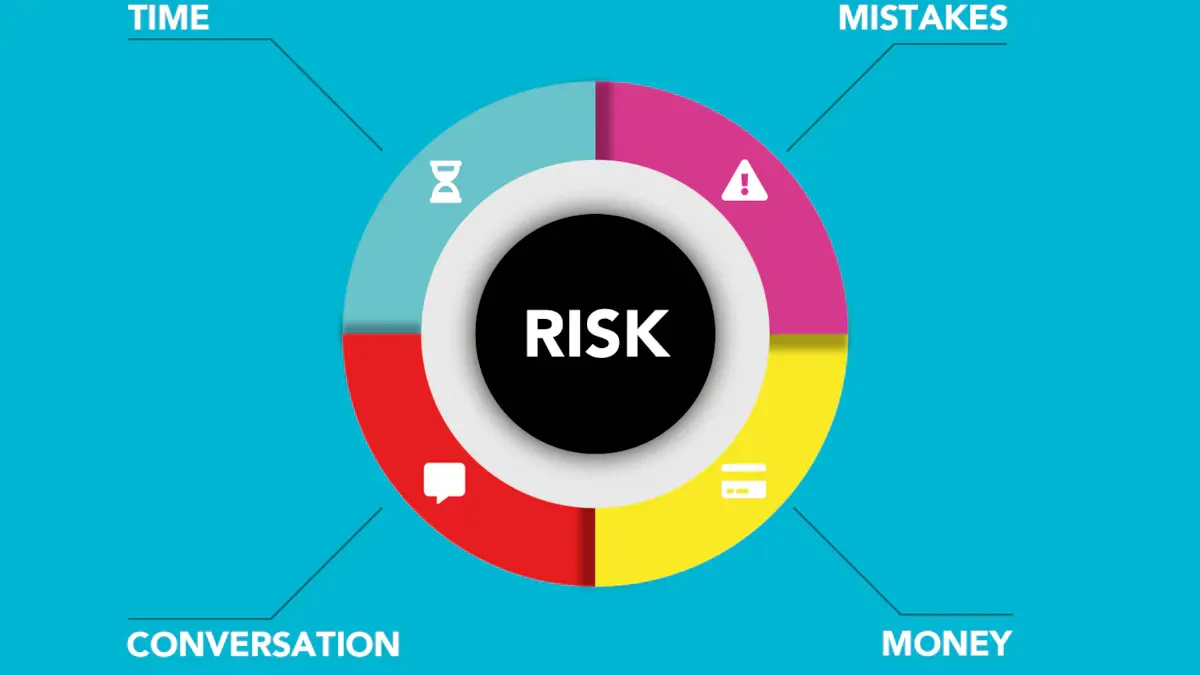
Image Source: pexels
降低数据泄露风险
你在管理财务账户时,必须优先考虑数据安全。权限最小化原则要求你只为 账户 授权最基本的访问权限。这样可以显著降低敏感信息被未授权访问的风险。
- 你限制每个用户或插件的权限到最低限度,减少了数据泄露的可能性。
- 你通过最小权限配置,能够有效防范内部人员或外部攻击者对财务数据的非法获取。
- 你在平台集成AI插件时,严格控制其访问范围,可以防止插件越权访问客户资金流、交易明细等敏感信息。
你实施权限最小化原则后,企业可以有效限制内部威胁或外部攻击造成的潜在损害,从而提升整体安全性。
防止权限滥用
你如果为AI插件或员工分配过多权限,容易导致权限滥用。权限最小化原则帮助你将每个账户的操作范围限定在业务所需。
- 你只允许AI插件访问必要的接口,防止其执行未授权操作。
- 你通过定期审查和收回无用权限,减少了因权限冗余导致的安全隐患。
- 你采用分级保护和多因素认证,进一步降低恶意软件和勒索软件的入侵风险。
你在金融环境下实施最小权限访问,还能提升补丁管理效率,减少系统漏洞被利用的概率。你通过权限控制模型,有效管理第三方供应商风险,防止因不合规操作引发安全事件。
合规与安全提升
你在金融行业工作时,必须遵守多项国际合规标准。权限最小化原则不仅是安全管理的基础,也是合规要求的核心。
- 你通过限制用户访问权限,降低了数据泄露和未经授权访问的风险。
- 许多行业法规(如GDPR、PCI DSS)都强调最小权限配置的重要性。
- 你定期进行风险评估,采用多因素认证等措施,能够满足监管机构对身份验证和访问控制的要求。
- 你展示了对数据保护和合规管理的承诺,提升了企业的行业信誉。
你坚持权限最小化原则,不仅保护了客户资产安全,还帮助企业在全球金融市场中建立合规与信任基础。
访问权剥离流程详解
分类财务账户与数据
你在剥离访问权前,必须先对所有财务账户和数据进行细致分类。这样可以帮助你明确哪些账户和数据属于高风险范畴,哪些可以开放给第三方AI插件。你可以按照以下步骤操作:
- 列出所有涉及BiyaPay全球支付、USDT与USD/HKD兑换、美港股出入金等业务的账户。
- 将账户分为敏感账户和普通账户。敏感账户通常包括大额资金账户、客户资产托管账户、交易结算账户等。
- 针对每类账户,梳理涉及的数据类型。你需要重点保护以下敏感数据:
- 非公开个人可识别财务信息(PIFI)
- 地址
- 社会安全号码
- 收入
- 存款金额
- 贷款信息
- 付款历史
- 建议你使用表格记录账户分类和数据类型,便于后续权限配置和审查。
你只有在明确账户和数据分类后,才能为后续的权限剥离和访问控制打下基础。
审查与限制插件权限
你在集成AI插件时,必须严格审查其实际权限需求。你需要做到:
- 只授予插件完成特定任务所需的最小权限。例如,BiyaPay的汇率查询插件仅需访问汇率接口,无需访问用户资金账户或交易明细。
- 采用基于角色的访问控制(RBAC),为不同插件分配不同角色和权限范围。
- 对于临时需求,优先使用临时授权,避免长期开放高权限接口。
- 记录每一次权限变更,包括变更时间、变更人、变更原因和审查结果,确保有据可查。
你可以借助自动化工具实现权限的授予、修改和撤销,减少人为错误,提高效率。自动化访问审查有助于及时发现过度授权或未授权访问,确保权限最小化原则的落地。
账户隔离与访问控制
你需要对敏感账户和普通账户进行物理或逻辑隔离,防止AI插件越权访问。具体措施包括:
- 将BiyaPay的高风险账户(如资金托管账户、法币与加密货币兑换账户)与普通运营账户分开管理。
- 对不同账户设置独立的访问控制策略,敏感账户仅开放给极少数必要插件或人员。
- 利用白名单机制,明确哪些插件或IP地址可以访问特定账户。
- 定期审查账户隔离和访问控制策略,及时调整不合理配置。
你通过账户隔离,可以有效降低因插件集成导致的横向攻击风险,保护企业和客户资产安全。
强化身份验证
你在为AI插件或管理人员配置访问权限时,必须强化身份验证措施。常见的身份验证方式包括:
- 推送认证:用户需在应用中输入来自访问设备的验证码。
- 电子邮件代码:通过电子邮件接收验证码进行身份验证。
- 短信消息:通过短信接收验证码。
- 生物识别认证:使用面部识别或指纹等生物特征。
- 安全问题:通过回答安全问题进行身份验证。
- 基于风险的认证:根据用户行为(如IP地址、位置或设备)进行身份验证。
- 基于时间的一次性密码(OTP):用户在特定时间窗口内接收的临时密码。
你应优先采用多因素认证(如短信+生物识别),提升账户安全性。对于BiyaPay等涉及大额资金操作的场景,建议你强制启用多重身份验证,防止未授权访问。
日志监控与异常检测
你在剥离访问权后,必须持续监控所有账户的访问日志,及时发现异常行为。你可以采用以下措施:
- 部署日志异常检测工具(如Datadog),实时监控插件对财务账户的访问行为。
- 关注日志中的警告、错误或异常模式,及时响应潜在威胁。
- 保留至少一周的历史日志,便于事后追溯和分析。
- 定期自动化审查访问日志,识别未授权访问或权限滥用行为。
你还应将日志监控结果与权限审查流程结合,发现问题后及时调整访问权限,确保权限最小化原则持续有效。
常见误区与风险
忽视权限细节
你在配置AI插件访问财务账户时,常常会忽略权限的细节。许多企业容易出现过度授权、误配置权限或未能及时收回无用权限的情况。
- 你如果未细致区分敏感账户和普通账户,AI插件可能获得访问大额资金账户或客户资产的能力。
- 你可能因权限配置疏忽,导致AI插件可以更改账户设置、删除重要文件,甚至将敏感数据暴露给其他应用。
- 你还可能因权限范围过宽,增加升级攻击风险,攻击者可借助AI插件访问未授权系统或机密信息。
忽视这些细节会带来数据泄露、跨系统聚合和缺乏审计能力等问题。你还可能面临监管处罚、声誉损害,甚至失去商业执照。金融科技行业的客户信任极为脆弱,一旦出现安全事件,损失往往难以挽回。
过度信任第三方
你在集成第三方AI插件时,容易对供应商产生过度信任。你可能认为知名厂商的产品天然安全,忽略了插件本身的权限边界。
- 你如果未严格审查插件的实际需求,可能授予其访问敏感数据的权限。
- 你还可能忽视供应商风险,导致模型记忆、数据泄露等问题。
- 你如果未签署明确的数据保护协议,数据一旦泄露,责任难以界定。
你必须始终保持警惕,定期复查第三方插件的权限和访问日志,确保所有操作都在你的掌控之下。
权限配置不及时
你在日常运维中,常常因业务繁忙而忽略权限配置的及时性。
- 你如果未能及时撤销无用权限,AI插件可能长期拥有高权限访问,增加安全隐患。
- 你如果未定期审查权限配置,容易出现权限冗余,导致敏感账户暴露在风险之下。
- 你还可能因权限变更未记录,难以及时追溯安全事件。
你应建立权限变更流程,要求每次授权、修改和撤销都需有据可查,并设定定期审查机制,防止权限配置滞后。
缺乏持续监控
你如果缺乏对财务账户权限的持续监控,将面临严重风险。
- 你可能无法及时发现未授权的数据暴露,导致敏感信息泄漏。
- 你如果没有完善的审计日志,可能违反PCI DSS等合规要求,面临高额罚款。
- 你还可能因员工使用未批准的AI工具,出现治理框架漏洞,影响整体安全。
你应部署自动化日志监控工具,实时跟踪AI插件的所有访问行为,及时响应异常事件,确保权限最小化原则持续有效。
你在集成第三方AI插件时,应始终坚持权限最小化原则。你可以通过Cerbos等工具实现细粒度的上下文访问控制和统一日志记录,确保每个AI代理仅能访问被允许的资源。你还需定期审查权限配置,及时调整授权范围。下表展示了建议的权限审查频率:
| 审查类型 | 建议审查频率 |
|---|---|
| 高风险权限的更频繁审查 | 每月审查一次 |
| 与特定事件相关的访问审查 | 在员工加入或离开时审查 |
你只有持续优化权限配置和安全监控,才能有效防范数据泄露和权限滥用风险。
FAQ
什么是权限最小化原则?
你只为AI插件或用户分配完成任务所需的最低权限。这样可以减少数据泄露和权限滥用的风险,提升财务账户安全性。
为什么要定期复查AI插件的访问权限?
你定期复查可以及时发现无用或过度授权,防止AI插件长期拥有高权限,降低安全隐患,确保权限配置始终符合业务需求。
如何判断AI插件是否需要访问敏感账户?
你应根据插件的实际业务场景进行判断。只要插件不涉及资金流转、客户资产管理或交易结算,就不应授权访问敏感账户。
如果发现权限配置错误,应该如何处理?
你应立即撤销错误权限,记录变更原因,并通知相关责任人。你还需要审查日志,确认是否有异常访问行为。
BiyaPay集成AI插件时,如何保障合规性?
你应严格按照权限最小化原则配置访问权限,采用多因素认证,定期审查和记录所有权限变更,确保符合国际合规标准如GDPR和PCI DSS。
*This article is provided for general information purposes and does not constitute legal, tax or other professional advice from BiyaPay or its subsidiaries and its affiliates, and it is not intended as a substitute for obtaining advice from a financial advisor or any other professional.
We make no representations, warranties or warranties, express or implied, as to the accuracy, completeness or timeliness of the contents of this publication.
Related Blogs of

IBM、Oracle、ServiceNow 的 AI 收入质量:订阅、云与咨询业务拆解


AI 设备周期受益者比较:ASML、Applied Materials、Lam Research 与 KLA



Choose Country or Region to Read Local Blog
 Australia
 Austria
 Belgium
 Canada
 Cyprus
 Czech Republic
 Denmark
 Estonia
 Finland
 France
 Germany
 Greece
 Hong Kong
 India
India Indonesia
 Ireland
 Italy
Italy Japan
Japan Latvia
 Lithuania
 Luxembourg
 Malaysia
 Malta
Malta Morocco
 Nepal
Nepal Netherlands
 New Zealand
 Norway
 Pakistan
 Philippines
 Poland
 Portugal
 Romania
 Singapore
 Slovakia
 Slovenia
 South Africa
 South Korea
 Spain
Spain Sweden
 Thailand
 United States
 Turkey
 United Arab Emirates
 United Kingdom
 Vietnam
Contact Us



