- More
- Download
Compliant Segregation of Online Gambling Funds: Why Professional Players Absolutely Never Withdraw Winnings Directly to Domestic Chinese Bank Cards?




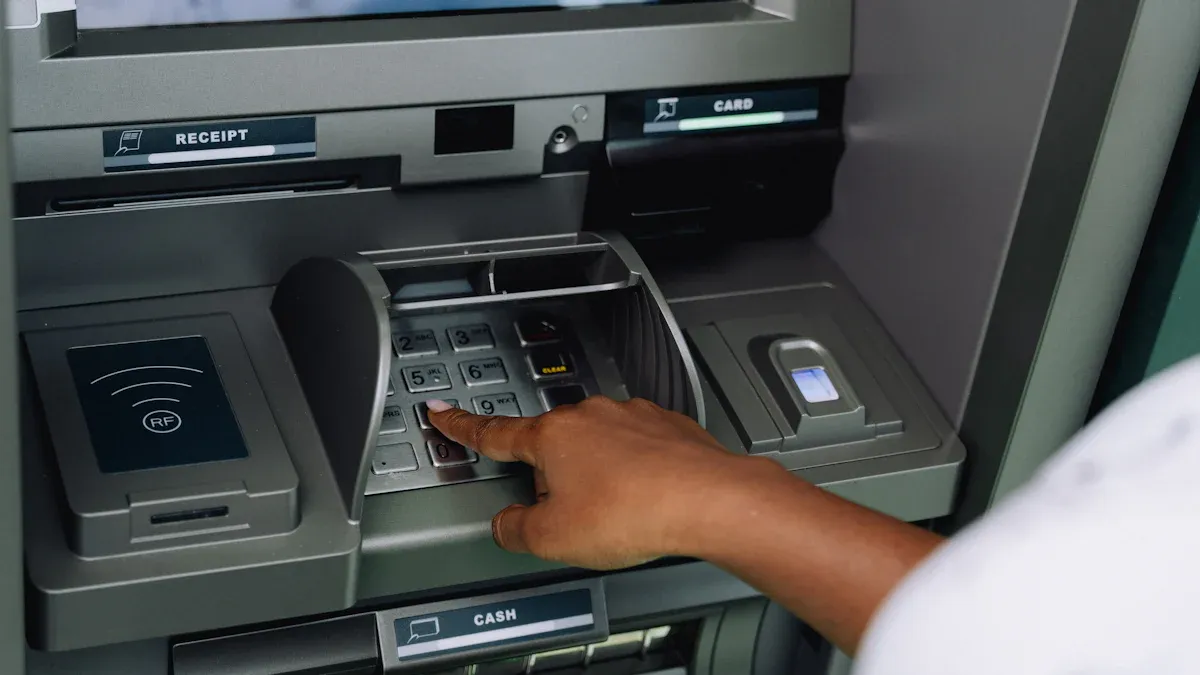
Image Source: unsplash
Professional players always adhere to the principle of compliant segregation for online gambling funds and never withdraw winnings directly to Chinese bank cards. Mainland China has strict regulation, and capital flows carry numerous risks, including:
- Gambling platforms allow operations with minimal personal information, making them easily exploited by criminals for money laundering.
- Multi-account fund transfers obscure the source of funds, increasing regulatory difficulty.
- Large or frequent fund movements easily lead to bank account freezes or credit damage.
Compliant segregation has become a core measure to protect fund safety.
Key Points
- Professional players avoid withdrawing gambling winnings directly to Chinese bank cards to evade legal risks and fund security issues.
- Compliant segregation of fund flow paths ensures legitimate fund sources and reduces the risk of account freezes and credit damage.
- Using regulated third-party payment platforms and virtual currencies can effectively isolate fund flows and enhance fund security.
- Reasonable fund management strategies, including setting betting limits and recording gambling activities, help control financial risks.
- Understanding gambling laws in different countries and selecting compliant fund transfer methods avoids violating laws due to cross-border operations.
Main Risks of Withdrawing to Domestic Bank Cards
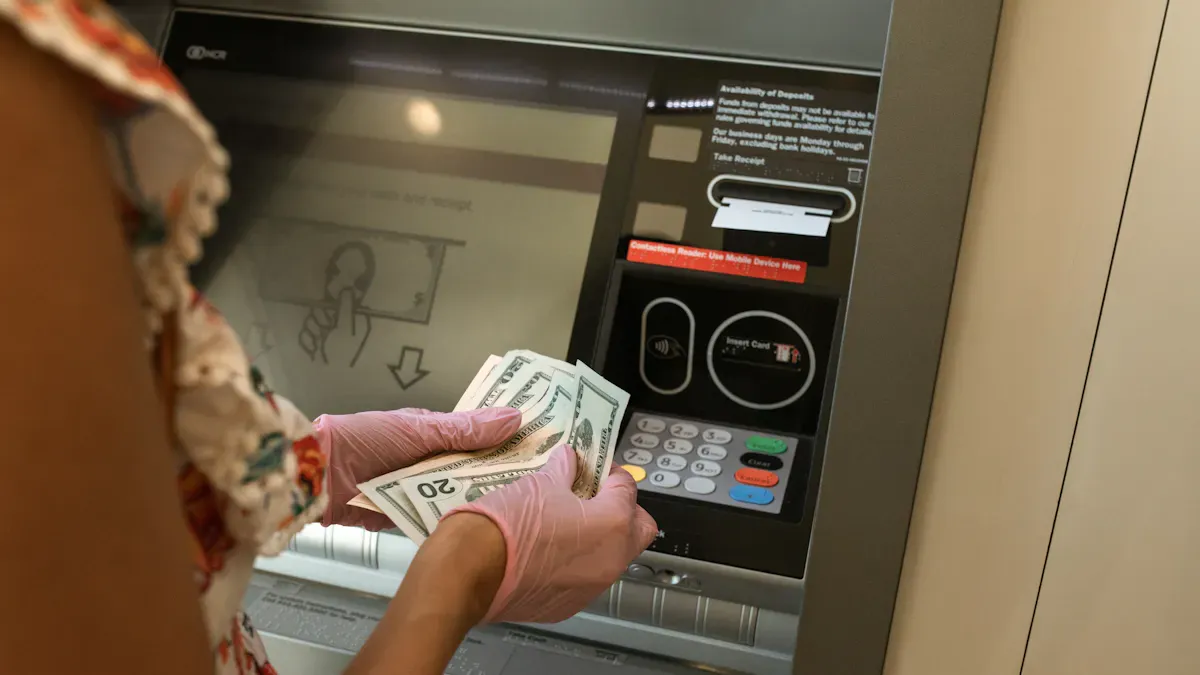
Image Source: pexels
Legal Liability and Criminal Risks
Mainland China maintains a strict prohibition on online gambling. If any individual withdraws winnings from a gambling platform directly to a Chinese bank card, they can easily violate relevant laws and regulations. According to the Criminal Law of the People's Republic of China, participating in or assisting online gambling activities may constitute the crime of opening a casino or the crime of gambling. When judicial authorities investigate fund flows, they often trace the source of funds; if found to be related to gambling, the involved parties face criminal investigation or even criminal penalties.
Many professional players are well aware that once funds enter the mainland Chinese financial system, they leave clear electronic traces. Banks and payment institutions automatically monitor abnormal transactions under anti-money laundering rules. Once suspected gambling funds are detected, banks are obligated to report to regulatory authorities. At that point, individuals not only face account freezes but may also be summoned by public security organs for investigation.
In real cases, some players who failed to implement compliant segregation of online gambling funds and withdrew directly to Chinese bank cards were ultimately identified as involving gambling funds and bore criminal liability. This risk cannot be ignored.
Consequences of Unclear Fund Sources
Chinese mainland financial regulators attach great importance to the legitimacy of fund sources. In daily operations, banks require customers to provide reasonable explanations for large or frequent incoming and outgoing funds. If the legitimacy of the fund source cannot be proven, the bank treats it as a high-risk transaction and imposes restrictions.
Many gambling platforms have complex withdrawal paths, often involving multiple layers of account transfers, making the fund chain difficult to trace. When bank staff review and find abnormal fund flows, they are highly likely to place the account on a key monitoring list.
Unclear fund sources not only affect personal fund security but may also lead to permanent account restrictions. Some users, unable to provide legitimate proof materials, had all funds in their accounts frozen and could not appeal for release.
Professional players generally adopt compliant segregation of online gambling funds to ensure clear and legitimate fund flow paths, avoiding compliance risks caused by unclear sources.
Bank Account Freezes and Credit Impact
Once bank accounts involve gambling funds, they easily trigger risk control systems. Mainland Chinese banks widely use big data risk control models to monitor abnormal transactions in real time. After the system detects suspected gambling funds, the bank immediately freezes the relevant account and suspends all fund operations.
Account freezes not only affect daily life but also have long-term impacts on personal credit. When handling gambling-related accounts, banks typically report relevant information to the People's Bank of China credit system. The appearance of gambling-related records in a personal credit report severely affects subsequent financial activities such as loans and credit card applications.
Some users, due to frozen accounts, could not handle funds in time, resulting in economic losses. In worse cases, credit damage affected all aspects of work and life.
Professional players avoid direct inflows of funds into Chinese bank cards through compliant segregation of online gambling funds, eliminating the risks of account freezes and credit damage at the source.
Methods for Compliant Segregation of Online Gambling Funds

Image Source: pexels
Use of Third-Party Payment Platforms
When implementing compliant segregation of online gambling funds, professional players usually prioritize third-party payment platforms as intermediaries for fund flows. Third-party payment platforms can effectively reduce the risk of funds directly entering the mainland Chinese financial system. Chinese-speaking users can achieve multi-currency real-time exchange and cross-border transfers through global payment services such as BiyaPay, meeting fund segregation needs.
Third-party payment platforms offer the following advantages:
- Provide global fund receipt, payment, and exchange services, supporting major currencies such as USD and HKD.
- Allow users to first transfer gambling winnings to the platform account before compliant withdrawal, avoiding unclear fund sources.
- Support docking with licensed Hong Kong bank accounts, enhancing fund security and transparency.
However, using third-party payment platforms also carries legal risks:
- Users participating in illegal online markets cannot obtain contract protection from state institutions, facing threats of police investigation.
- Operators and agents adopt cash trading platforms instead of credit trading platforms to reduce criminal risks, affecting customer participation willingness.
- Payment methods shift from post-payment to pre-payment, increasing fund management difficulty.
- Operators exploit internet anonymity to evade legal consequences, renting overseas servers to make it difficult for police to track platform locations.
Professional players must select compliant, regulated third-party payment platforms to ensure legitimate and transparent fund flow paths and avoid criminal risks.
Virtual Currency and Stablecoin Transfers
Virtual currencies and stablecoins have become important tools for compliant segregation of online gambling funds. Many gambling platforms support deposits and withdrawals in virtual currencies such as USDT and BTC. Chinese users can achieve real-time exchange between USDT and USD/HKD through services like BiyaPay.
Virtual currency and stablecoin transfers have the following characteristics:
“Stablecoins bypass these bottlenecks, allowing value to move directly between parties on the blockchain, providing the instantaneity modern consumers expect.”
“Stablecoin value is pegged to fiat currency, so users know the exact amount of their spending and income. This predictability makes stablecoins closer to digital cash than speculative assets.”
“With new global regulations, especially frameworks surrounding stablecoins, crypto payments are aligning with traditional financial standards.”
“Stablecoins arrive almost instantly, enabling faster withdrawals than banks. This speed has changed how players interact with platforms.”
The virtual currency transfer process is as follows:
- Players convert gambling winnings into stablecoins such as USDT.
- Through platforms like BiyaPay, USDT is exchanged in real time for USD or HKD.
- Funds flow to a licensed Hong Kong bank account, completing compliant segregation.
Virtual currency transfers also face regulatory challenges:
- Gambling services, due to high cash flows and frequent transactions, are used for money laundering.
- Many platforms accept cryptocurrencies without requiring customer identity verification (KYC), creating regulatory difficulties.
- Informal over-the-counter (OTC) transactions bypass capital controls and regulatory oversight, complicating the regulatory environment.
Professional players must choose regulated platforms with KYC processes to ensure fund safety and compliance.
Offshore Accounts and Fund Flow Design
Offshore accounts are a key link in compliant segregation of online gambling funds. Chinese-speaking users typically open accounts with licensed Hong Kong banks or international financial institutions, transferring gambling winnings to offshore accounts to avoid direct entry into the mainland Chinese financial system.
Fund flow design must consider the following elements:
- Funds are first isolated through third-party payment platforms or virtual currency platforms to ensure legitimate sources.
- Offshore accounts must maintain transparent fund flow records for subsequent declaration and compliance review.
- When funds cross borders, local laws and international anti-money laundering regulations must be followed to avoid triggering regulatory risks.
BiyaPay provides Chinese users with global fund receipt and payment, real-time exchange between USDT and USD/HKD, and U.S. and Hong Kong stock fund management services to meet diverse fund segregation needs.
Professional players achieve compliant segregation of online gambling funds and safeguard fund security and legal compliance through reasonable fund flow path design.
Importance of Choosing Reputable Merchants for Exchange
The fund exchange determines the effectiveness of compliant segregation of online gambling funds. Professional players always choose reputable, regulated merchants for fund exchange to avoid fund security risks from using informal channels.
Using unverified or unregulated merchants carries the following risks:
- Illegal gambling markets attract match-fixing actors, leading to opaque match results.
- Merchants involved in illegal gambling may be linked to organized crime, increasing consumer risks.
- Lack of regulation makes it difficult for consumers to seek redress for financial losses.
- Illegal gambling markets undermine the effectiveness of legal markets, causing regulatory measures to fail.
- Lack of transparency makes illegal market activities hard to track, increasing the possibility of corruption.
Professional players conduct fund exchanges through regulated platforms such as BiyaPay to ensure legitimate and transparent fund flows, avoiding financial losses and legal risks.
Compliant segregation of online gambling funds relies not only on technical means but also on strict selection of partner merchants and financial institutions to ensure fund safety and compliance.
Legal Environments and Compliance Risks in Different Countries
Differences in Online Gambling Laws Across Countries
There are significant differences in online gambling laws among major countries worldwide. Mainland China adopts a strict prohibition policy on online gambling, considering all forms of online gambling illegal. Regulatory authorities not only restrict gambling activities but also impose strict controls on game content and minors' gaming time. The Philippines takes an open attitude, allowing legitimate operators to conduct business after obtaining licenses from the Philippine Amusement and Gaming Corporation (PAGCOR). Developed countries such as the United Kingdom also implement licensing systems, requiring operators to comply with local laws and anti-money laundering regulations.
| Country | Legal Status | Key Regulations |
|---|---|---|
| China | Illegal | Strict prohibition on online gambling. New regulations restrict in-game purchases and game content. Minors can only play limited hours per week. |
| Philippines | Legal | Regulated by the Philippine Amusement and Gaming Corporation (PAGCOR). Operators must obtain licenses and comply with local laws. |
In different legal environments, illegal participation in or operation of online gambling faces severe penalties. Taking major gambling jurisdictions as examples, operating illegal gambling venues, participating in betting, or operating illegal lotteries are criminal offenses, with a maximum sentence of two years imprisonment. Some countries also impose high fines or imprisonment on individuals violating gambling control laws.
| Offense | Penalty Type | Penalty Content |
|---|---|---|
| Operating an illegal gambling venue | Criminal offense | Maximum two years imprisonment |
| Conducting all betting activities | Criminal offense | First offense maximum two years imprisonment; repeat offenses have minimum imprisonment periods |
| Operating an illegal lottery | Criminal offense | Maximum two years imprisonment |
| Violating provincial gambling control laws | Fine or imprisonment | Maximum fine of CAD 50,000 or maximum one year imprisonment |
When designing fund flow paths, professional players must fully understand the legal environment of target countries and regions to avoid violating local regulations due to cross-border operations, which could lead to fund confiscation or criminal liability.
Legal Risks of Underground Banks and Gray Channels
Some players choose underground banks or gray channels for fund transfers to evade regulation. These methods carry extremely high legal risks, and regulatory authorities have listed them as key targets for crackdown. Common legal risks of underground banks and gray channels include:
- High-value online casino accounts are used for rapid fund transfers, making fund flows difficult to trace.
- VIP players' spending is inconsistent with declared income or occupation, easily raising money laundering suspicions.
- Entering high-risk markets through affiliate or white-label arrangements with weak regulation.
- The customer's country may deem it illegal remote gambling, treating related proceeds as criminal gains.
- Unlicensed operators are not bound by credible regulatory bodies, leaving fund security unprotected.
- Extensive use of cryptocurrencies, high-risk payment services, and offshore banking increases compliance difficulty.
- Operators market through gambling forums, social media, or closed communities with strong concealment.
- In money laundering schemes, operators often relax customer identity verification, tolerate multiple identities, allow proxy gambling, and permit withdrawals to cryptocurrencies or third-party accounts.
In recent years, mainland China has continuously intensified crackdowns on underground banks and illegal fund channels. Data shows huge numbers of related cases and involved amounts; regulatory authorities have arrested over 60,000 suspects, investigated 1,700 online gambling platforms and 1,400 underground banks, with involved amounts exceeding one trillion RMB.
| Event | Details |
|---|---|
| Number of arrests | Over 60,000 suspects involved in illegal activities |
| Number of online gambling platforms | 1,700 |
| Number of underground banks | 1,400 |
| Illegal transaction amount | Over 1 trillion RMB (approximately 151 billion USD) |
| Number of online gambling cases in 2019 | 7,200 cases involving 18 billion RMB |
Professional players should avoid using underground banks and gray channels, choosing compliant and regulated fund transfer methods to ensure fund safety and legal compliance and prevent criminal liability or major property losses due to improper operations.
Fund Management Experience of Professional Players
Risk Prevention Recommendations
Professional players attach great importance to risk prevention in fund management, always prioritizing fund safety. They typically adopt the following strategies:
- Set gambling limits, strictly controlling the maximum bet amount each time to prevent loss of control due to emotional fluctuations.
- Reasonably allocate funds by completely separating funds available for gambling from living expenses and investment funds, reducing overall financial risk.
- Dynamically adjust betting strategies based on actual profit and loss, setting clear profit targets and stop-loss limits to avoid expanding losses from consecutive losses.
- Use systematic methods to determine bet sizes, usually allocating a fixed proportion of total funds to ensure liquidity and risk resistance.
- Leverage professional tools and software for data analysis to improve decision-making scientificity.
These measures help players effectively control finances, avoid reckless gambling, and reduce the risk of legal and financial losses.
Long-Term Value of Compliant Operations
Compliant operations not only safeguard fund security but also bring long-term stable returns for professional players. Segregating fund flow paths compliantly reduces negative impacts such as account freezes and credit damage. Professional players treat gambling funds as investments, following strict management strategies to ensure every fund movement is traceable and explainable.
By setting gambling limits and reasonably allocating funds, players can extend playtime and increase winning probability. Fund management strategies also promote rational decision-making, enabling players to make wiser choices based on available funds. Compliant operations establish good fund records for players, enhancing personal credit and the sustainability of financial activities.
Common Misconceptions and Avoidance Methods
Some players have the following misconceptions in fund management:
- Failure to separate gambling funds from living expenses, intensifying financial pressure.
- Neglecting to record gambling activity history and results, making it difficult to identify problems and adjust strategies promptly.
- Lack of budgets and betting limits, easily leading to irrational betting.
- Over-reliance on luck while ignoring discipline and scientific management.
Professional players recommend always maintaining clear fund records, setting reasonable budgets, practicing self-discipline, and strictly implementing fund segregation. Only by adhering to scientific management can fund safety and long-term profitability be achieved in the complex gambling environment.
Professional players always avoid withdrawing gambling winnings directly to Chinese bank cards due to extremely high legal and fund security risks in China. Compliant segregation and scientific fund management have become the core of safeguarding fund safety.
Recommendations are as follows:
- Implement a risk-based approach, with strict customer identity verification and ongoing due diligence.
- Strengthen transaction monitoring, promptly report suspicious activities, and maintain complete records.
- Conduct regular independent AML audits to enhance team compliance awareness.
| Evidence Point | Description |
|---|---|
| Fund Source Assessment | Ensure fund sources match personal profiles to reduce financial risk. |
| Cross-Functional Collaboration | Anti-fraud and player protection teams collaborate to effectively identify risks. |
| Structured Intervention Framework | Prioritize sustainability and early identification of financial vulnerability. |
Resources such as the Responsible Gambling Guide and RG24seven provide players with compliant management support. Follow safe processes to stay away from legal and fund risks.
FAQ
What legal risks are involved in withdrawing to Chinese bank cards?
Mainland China law strictly prohibits online gambling. Direct withdrawal of funds to Chinese bank cards triggers bank monitoring of abnormal transactions; judicial authorities may trace fund sources, and individuals face criminal investigation and penalties.
Why do professional players prioritize third-party payment platforms?
Third-party payment platforms isolate fund flow paths, reducing risks of unclear fund sources and account freezes. Regulated platforms offer more transparent fund flows, safeguarding fund security and compliance.
Is virtual currency transfer completely safe?
Virtual currency transfers are fast and facilitate fund segregation. However, some platforms lack identity verification and carry money laundering risks. Professional players must choose regulated platforms with KYC processes.
What are the hidden dangers of underground bank operations?
Underground banks are illegal fund channels. Mainland China regulatory authorities focus on cracking down; participants may be identified as involved in money laundering or gambling, facing criminal liability and property losses.
How does compliant fund segregation affect personal credit?
Compliant segregation of fund flow paths avoids account freezes and gambling-related records. Maintaining good personal credit helps ensure smooth subsequent financial activities such as loans and credit card applications.
*This article is provided for general information purposes and does not constitute legal, tax or other professional advice from BiyaPay or its subsidiaries and its affiliates, and it is not intended as a substitute for obtaining advice from a financial advisor or any other professional.
We make no representations, warranties or warranties, express or implied, as to the accuracy, completeness or timeliness of the contents of this publication.
Related Blogs of

What Is Kevin Warsh’s Policy Framework? How It Affects the U.S. Dollar, Treasuries, and Tech Stocks


How Much Is Venmo Worth in the PayPal Acquisition Case? User Scale, Revenue, and Strategic Value


Understanding Net Interest Margin and Provision Changes Through JPM, BAC, and Citi


What Are IGV’s Holdings? Microsoft, Salesforce, Oracle, ServiceNow Weights and AI Risks

Choose Country or Region to Read Local Blog
 Australia
 Austria
 Belgium
 Canada
 Cyprus
 Czech Republic
 Denmark
 Estonia
 Finland
 France
 Germany
 Greece
 Hong Kong
 India
India Indonesia
 Ireland
 Italy
Italy Japan
Japan Latvia
 Lithuania
 Luxembourg
 Malaysia
 Malta
Malta Morocco
 Nepal
Nepal Netherlands
 New Zealand
 Norway
 Pakistan
 Philippines
 Poland
 Portugal
 Romania
 Singapore
 Slovakia
 Slovenia
 South Africa
 South Korea
 Spain
Spain Sweden
 Thailand
 United States
 Turkey
 United Arab Emirates
 United Kingdom
 Vietnam
Contact Us



