Avoid A-Share Missing-Out Risk: How to Invest Idle Funds in US Stock Sports Sector to Hedge Macro Risks





Image Source: pexels
When configuring global assets, you often need to focus on how to effectively avoid A-share missing-out risk. The US stock sports sector offers unique hedging advantages, helping you improve the stability of your asset portfolio. Recent market analysis shows that the sports sector not only has lower hedging contract pricing, but also superior price discovery mechanisms and high financial risk management efficiency. You can refer to the table below to understand the main advantages of the US stock sports sector as a hedging tool:
| Advantage | Description |
|---|---|
| Lower hedging contract pricing | Kalshi’s hedging contract pricing is significantly lower than traditional over-the-counter reinsurance markets, providing cost-saving opportunities. |
| Improved price discovery | Through open market participation, Kalshi enhances price discovery efficiency, increases competition, and ensures pricing reflects market conditions. |
| More efficient financial risk management | Through transparent markets, insurers can manage financial risks more effectively, reducing risk transfer costs. |
You can flexibly invest idle funds in the US stock sports sector, leveraging its low correlation and growth potential to enhance overall asset security and return elasticity.
Key Takeaways
- The US stock sports sector provides lower hedging contract pricing, helping you save on investment costs.
- Diversified investment can reduce risks from a single market, improving overall asset stability and returns.
- The US stock sports sector has low correlation with the A-share market, helping to effectively hedge macro risks.
- Selecting highly liquid leading companies or ETFs can reduce individual investment risks and improve capital efficiency.
- Continuously monitor industry developments and market changes, adjusting investment strategies promptly to capture growth opportunities.
Asset Allocation to Avoid A-Share Missing-Out Risk

Image Source: unsplash
Analysis of Missing-Out Risk
In the investment process, you often encounter missing-out risk. Missing-out risk refers to situations where, during significant market rallies, your funds are not timely allocated to relevant assets, leading to missed gains. The A-share market is highly volatile, with rallies often starting abruptly. If all funds are concentrated in a single market, it’s easy to miss upside opportunities due to misjudgment or market corrections. The key to avoiding A-share missing-out risk lies in optimizing asset allocation structure, enhancing capital flexibility and risk resistance.
Importance of Diversified Investment
You can effectively reduce uncertainty from a single market through diversified investment. Asset allocation theory indicates that distributing funds across different asset types and markets can smooth overall return curves and reduce extreme volatility. The table below shows annualized returns, volatility, and maximum drawdowns for different asset allocation schemes:
| Asset Allocation Example | Annualized Return | Volatility | Maximum Drawdown |
|---|---|---|---|
| Stocks only | 13.68% | 16.21% | -59.50% |
| Stocks + Bonds | 10.90% | 9.53% | -33.50% |
| Stocks + Bonds + International Stocks | 14.38% | 10.90% | -40.34% |
| Stocks + Bonds + International Stocks + Commodities | 14.38% | 10.90% | -27.59% |
You can see that adding international stocks and commodities improves overall returns while significantly reducing volatility and maximum drawdown. Cross-market allocation not only helps capture global market opportunities but also effectively avoids A-share missing-out risk. In practice, you should allocate US stocks, bonds, commodities, and other diversified assets reasonably based on your risk tolerance and capital situation, enhancing portfolio robustness and resilience.
Asset allocation is not simple diversification but a scientific combination of different markets and asset classes to improve overall returns and safety margins. Only by establishing a global perspective can you truly avoid A-share missing-out risk and achieve long-term steady appreciation.
Hedging Advantages of the US Stock Sports Sector

Image Source: pexels
Volatility and Growth Potential
When allocating assets, you often pay attention to sector volatility and growth. The US stock sports sector exhibits relatively low volatility, mainly due to the inelastic consumption of sports and the stability of event cycles. Even during economic downturns, sports events and related consumption remain highly active. You can find that leading companies in the sports sector often have stable cash flows and strong brand influence. For example, major US sports event operators and sporting goods manufacturers maintain long-term revenue growth. The sports sector also has strong growth potential. As the global sports industry expands, digital transformation and emerging market development continuously drive industry innovation. By investing in the US stock sports sector, you have the opportunity to capture dividends from industry structural upgrades and consumption upgrades.
Correlation and Allocation Value
In global asset allocation, you should emphasize correlations between different markets. The US stock sports sector has low correlation with the A-share market, providing an ideal hedging tool. Historical data shows that sports sector price fluctuations have weak linkage with traditional stocks, bonds, and other assets. Allocating part of your idle funds to the US stock sports sector can effectively diversify overall portfolio risk and enhance resilience. The sports sector also has anti-inflation properties, maintaining asset value stability during macro economic fluctuations. Through scientific allocation of sports sector assets, you can not only capture industry growth opportunities but also effectively avoid A-share missing-out risk, achieving a balance between returns and risks.
Stock Selection and Industry Dynamics
Sector Composition and Sub-Sectors
When focusing on the US stock sports sector, you can see it covers multiple sub-sectors. These mainly include professional sports clubs, sports event operations, sports media, sporting goods manufacturing, sports venue operations, resorts, and related entertainment services. Esports and digital sports have also become emerging growth points. You can configure different sub-sectors based on your risk tolerance and investment goals. The diversification of the sports sector provides you with abundant investment choices to help spread risk.
Leading Companies and ETFs
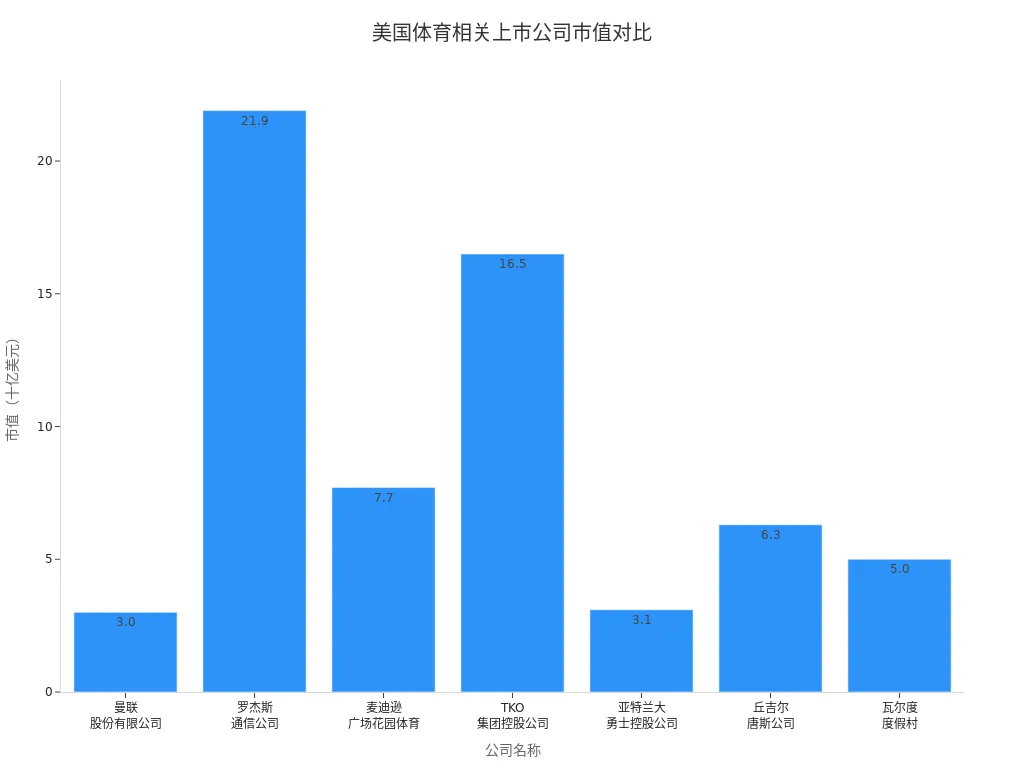
When selecting specific targets, you should prioritize large-cap, highly liquid leading companies. The table below shows representative listed companies in the US stock sports sector and their basic data:
| Company Name and Ticker | Market Capitalization | Dividend Yield | Industry |
|---|---|---|---|
| Manchester United Plc | $3.0 billion | 0.00% | Entertainment |
| Rogers Communications Inc. | $21.9 billion | 3.54% | Wireless Telecommunication Services |
| Madison Square Garden Sports Corp. | $7.7 billion | 0.00% | Entertainment |
| TKO Group Holdings Inc. | $16.5 billion | 1.09% | Entertainment |
| Atlanta Braves Holdings Inc. | $3.1 billion | 0.00% | Entertainment |
| Churchill Downs Inc. | $6.3 billion | 0.49% | Hotels, Restaurants and Leisure |
| Vail Resorts Inc. | $5.0 billion | 6.33% | Hotels, Restaurants and Leisure |
You can achieve basket allocation through ETF tools to reduce individual stock volatility risk. Mainstream sports-related ETFs typically cover sports entertainment, venue operations, sports media, and other sub-industries, facilitating diversified investment.
Industry Trends and Fundamental Analysis
When analyzing industry dynamics, you should focus on core drivers such as market growth, digital transformation, and health consumption upgrades. Industry analysts point out that the sports market is expected to reach $654.22 billion by 2030, with an average annual growth rate of 5.8%. The popularity of digital platforms has increased fan engagement, esports investment continues to grow, fitness and health activity enthusiasm rises, and the application of immersive technologies and data analytics continuously enhances the competitiveness of the sports industry.
| Key Factor | Description |
|---|---|
| Market Growth | The sports market is expected to reach $654.22 billion by 2030, with an average annual growth rate of 5.8%. |
| Digital Fan Engagement | Increased digital platforms promote fan participation and drive market growth. |
| Esports Investment | Rising investment in esports ecosystems serves as a key driver of market growth. |
| Growing Interest in Fitness and Health Activities | Increasing public interest in fitness and health drives sports market development. |
| Integration of Immersive Technologies | Immersive tech applications enhance fan experiences and performance insights. |
| Use of Data Analytics | Data-driven sports management becomes widespread, boosting market competitiveness and appeal. |
You should continuously monitor leading companies’ financial health, profitability, and industry position, dynamically adjusting investment strategies in line with industry trends. This allows better capture of growth opportunities in the US stock sports sector, avoiding A-share missing-out risk, and achieving globalization and diversification in asset allocation.
Investment Operation Process
US Stock Account Opening and Currency Exchange
Before investing in the US stock sports sector, you first need to open a US stock account. Many international brokers and Hong Kong licensed banks provide convenient US stock account opening services. You can choose online account opening, preparing valid ID, proof of address, and bank statements. The process typically includes identity verification, risk assessment questionnaire, and signing relevant agreements. Some brokers support remote video witnessing to improve efficiency.
Currency exchange is a key step in US stock investment. You can achieve efficient, compliant currency exchange through the following methods:
- You can use international transfer platforms like Wise to convert CAD and other currencies to USD with transparent fees, avoiding high bank exchange fees.
- Some brokers allow holding USD directly in accounts, avoiding frequent currency conversions and reducing capital loss.
- Norbert’s Gambit is a common low-cost exchange technique. You can achieve efficient CAD to USD conversion by buying and selling stocks listed simultaneously in the US and Canada.
When choosing exchange methods, focus on fee transparency, arrival speed, and compliance. It is recommended to prioritize regulated financial institutions and licensed banks to ensure fund safety.
If you prefer to keep stock screening, FX comparison, and entry timing in one workflow, you can first use Stock Information to review relevant US names, then check the Currency Converter to estimate exchange costs before moving funds. This does not replace broker research, but it helps make the pricing and conversion layer clearer before a cross-market allocation decision.
Tools such as BiyaPay, positioned as a multi-asset trading wallet, can also serve as a practical support layer for cross-border payments, investing, and cash management. In this context, it works less as a separate recommendation and more as a reference point for comparing market information and planning capital movement. If compliance matters in your decision process, its official site also provides basic business and licensing disclosures for further review.
Order Placement and Capital Management
After completing account opening and currency exchange, you can place US stock orders through the broker platform. You need to familiarize yourself with US market trading rules, including T+2 settlement, minimum trading units, and trading hours. When placing orders, you can choose market orders, limit orders, and other types. Market orders suit quick execution, while limit orders help control buy/sell prices.
Capital management is key to investment success. You should allocate investment proportions reasonably based on your risk tolerance. It is recommended to invest idle funds in batches to avoid full heavy positions at once. You can use stop-loss and take-profit orders to automatically control risk and lock in gains. Regularly review your portfolio and adjust holdings promptly to improve overall return stability.
The table below summarizes common capital management tools and their functions:
| Tool Name | Main Function | Applicable Scenario |
|---|---|---|
| Stop-Loss Order | Limit maximum loss | High market volatility |
| Take-Profit Order | Lock in partial gains | Reaching target price |
| Batch Position Building | Spread buy costs | Long-term investment strategy |
| Regular Review | Optimize holdings structure | Asset allocation adjustment |
You should flexibly use the above tools based on your investment goals and market environment to improve capital efficiency.
Tax and Compliance
When investing in the US stock sports sector, you must highly prioritize tax reporting and compliance requirements. The US has clear tax policies for non-resident investors. When receiving dividends or capital gains, you typically need to pay withholding tax. Some brokers assist in filling out W-8BEN forms to enjoy preferential tax rates under tax treaties.
You should regularly monitor tax policy changes to ensure all investment operations comply with local laws and regulations. It is recommended to retain all transaction records and fund flows for subsequent tax reporting and compliance checks. Some countries and regions require overseas asset information declaration; you should proactively fulfill related obligations to avoid legal risks from information opacity.
Compliant investment not only protects fund safety but also enhances the investment experience. You should choose regulated brokers and banks, following cross-border capital flow regulations to ensure a smooth investment process.
Through scientific account opening, currency exchange, order placement, and capital management processes, combined with compliant tax reporting, you can efficiently allocate US stock sports sector assets and achieve global asset allocation goals.
Risk Warnings and Hedging Effects
Main Risk Points
When investing in the US stock sports sector, you need to pay attention to the following main risks:
- Sports franchise structures are complex, with profitability fluctuating due to management, market environment, and policy changes.
- Profitability varies significantly across teams and companies, with some potentially in long-term losses.
- Team ownership has low liquidity, making it difficult to find suitable buyers when selling shares, potentially preventing timely cash realization.
- Investment structures are diverse, such as private equity and private debt, which may bring liquidity shortages, information opacity, and intensified market volatility.
- Revenue streams are highly sensitive to market fluctuations, with macro economic changes directly affecting investment returns.
Hedging Effect Evaluation
By allocating to the US stock sports sector, you can achieve portfolio risk diversification. The sports sector has low correlation with traditional stocks, bonds, and other assets, helping smooth overall return curves. The sports industry has certain anti-cyclical and growth properties, maintaining relative stability under some macro risks. In practice, you should regularly evaluate hedging effects, monitoring sector performance and synergy with overall asset allocation. Reasonable use of the sports sector helps avoid A-share missing-out risk and achieve dynamic balance between returns and risks.
Notes
In the investment process, you should pay attention to the following points:
Investing in the US stock sports sector is not entirely risk-free. You need to focus on liquidity, market volatility, and information transparency issues. It is recommended to regularly review portfolios and adjust holdings promptly. Choosing highly liquid, financially sound leading companies or ETFs helps reduce individual risks. You should also continuously monitor industry policies, market environments, and company fundamentals to improve risk management capabilities.
Through scientific allocation and dynamic adjustment, you can better leverage the hedging value of the US stock sports sector and enhance the robustness of global asset allocation.
Case Studies
Successful Hedging Case
You can refer to the asset allocation practice of a US sports entertainment group. In 2022, facing macro economic fluctuations and market uncertainty, management decided to invest part of idle funds in US stock sports sector ETFs, combined with derivatives like options for risk hedging. In practice, the group selected ETFs covering sports event operations, sports media, and sporting goods manufacturing to diversify industry and company risks.
During hedging, management attached great importance to internal controls and external oversight, ensuring strict approval processes for every derivatives transaction. Team members possessed strong trading skills and market forecasting abilities, flexibly adjusting hedging strategies based on market changes.
The following are key factors influencing hedging effectiveness:
- You need to establish sound internal control systems to prevent operational errors and moral hazards.
- You should strengthen external oversight to improve transparency and compliance.
- You must possess professional trading skills and market judgment to enhance hedging strategy effectiveness.
- You can reduce asset price sensitivity to macro variables through hedging, smoothing cash flow fluctuations.
- Reasonable use of derivatives helps lower systemic risk and increase overall asset value.
Experiences and Lessons
When cross-market allocating to the US stock sports sector, you can summarize the following experiences from real cases:
- You should prioritize highly liquid, transparent ETFs or leading companies to reduce liquidity risk.
- You need to continuously monitor industry trends, adjust holdings promptly, and capture growth dividends in the sports sector.
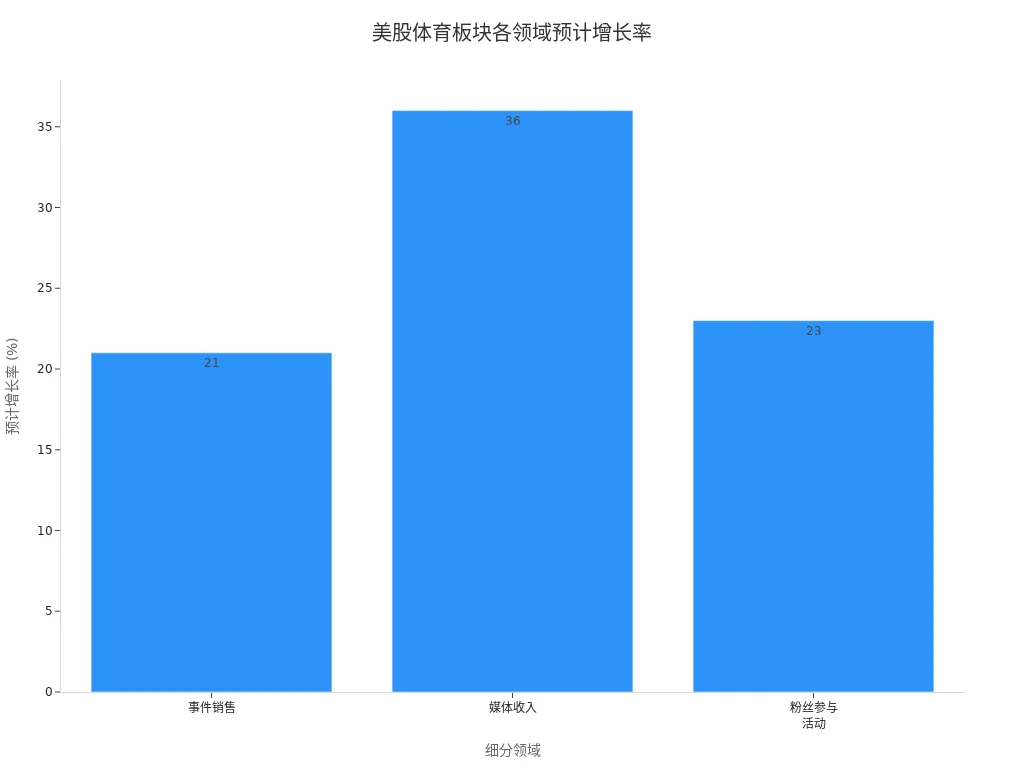
- You should value new opportunities from digital transformation and fan economy, reasonably allocating sub-sectors like event sales, media revenue, and fan engagement.
| Sector | Expected Growth Rate | Description |
|---|---|---|
| Event Sales | 21% | Technology can adjust ticket prices to increase attendance and sales. |
| Media Revenue | 36% | Higher digitalization makes broadcasts more interactive and personalized, increasing viewership and better monetization. |
| Fan Engagement Activities | 23% | Increase revenue by providing more detailed, personalized, and interactive content, including fantasy sports, betting, and video games. |
You also need to beware of weak internal controls, insufficient information disclosure, and other issues that may cause hedging failure or asset losses. Only by continuously improving professional capabilities and risk management can you achieve steady appreciation in global asset allocation.
You can effectively hedge A-share missing-out risk through allocation to the US stock sports sector, achieving global asset diversification. Rational asset allocation and risk diversification are key to improving investment robustness. You should scientifically select cross-market investment strategies based on your capital situation and goals. You also need to continuously monitor market changes and risk management, including sports betting legalization, rise of prediction markets, insider trading risks, market volatility, and regulatory changes. Only by continuously optimizing portfolios can you achieve steady asset appreciation in complex environments.
FAQ
Is the investment threshold high for the US stock sports sector?
You can open an account with mainstream US stock brokers, with minimum deposits usually at $100 USD. Some ETFs support fractional share purchases, lowering the entry barrier. You do not need large capital to participate in US stock sports sector investment.
What financial metrics should be monitored when investing in the US stock sports sector?
You should focus on revenue growth, net profit margins, cash flow status, and debt levels. Sports sector companies typically have stable cash flows and brand premiums. You can judge company fundamentals through financial report analysis.
How is the liquidity of the US stock sports sector?
When investing in leading companies or mainstream ETFs, you usually enjoy high market liquidity. Most sports sector targets trade actively on US markets, with small bid-ask spreads for easy entry and exit.
How to manage risks when investing in the US stock sports sector?
You can control risks through diversified investment, setting stop-loss orders, and regular portfolio reviews. Choosing highly liquid, financially sound leading companies or ETFs helps reduce individual risks. You should also monitor industry policies and market environment changes.
*This article is provided for general information purposes and does not constitute legal, tax or other professional advice from BiyaPay or its subsidiaries and its affiliates, and it is not intended as a substitute for obtaining advice from a financial advisor or any other professional.
We make no representations, warranties or warranties, express or implied, as to the accuracy, completeness or timeliness of the contents of this publication.
Related Blogs of

How to Read Pure Storage and NetApp Earnings? ARR, Cloud Revenue, Gross Margin, and Cash Flow Metrics


HBM/DRAM, NAND, and HDD in AI Storage: A Comparison of Elasticity, Cycles, and Risks


Why Can’t HBM Exist Without Advanced Packaging? The Role of TSV, CoWoS, and Packaging Equipment


How Should You View Shanghai Fudan’s Non-Volatile Memory Business? Application Scenarios, Competition, and Risks

Choose Country or Region to Read Local Blog
 Australia
 Austria
 Belgium
 Canada
 Cyprus
 Czech Republic
 Denmark
 Estonia
 Finland
 France
 Germany
 Greece
 Hong Kong
 India
India Indonesia
 Ireland
 Italy
Italy Japan
Japan Latvia
 Lithuania
 Luxembourg
 Malaysia
 Malta
Malta Morocco
 Nepal
Nepal Netherlands
 New Zealand
 Norway
 Pakistan
 Philippines
 Poland
 Portugal
 Romania
 Singapore
 Slovakia
 Slovenia
 South Africa
 South Korea
 Spain
Spain Sweden
 Thailand
 The United States
 Turkey
 United Arab Emirates
 United Kingdom
 Vietnam
Contact Us




BIYA GLOBAL LLC is registered with the Financial Crimes Enforcement Network (FinCEN), an agency under the U.S. Department of the Treasury, as a Money Services Business (MSB), with registration number 31000218637349, and regulated by the Financial Crimes Enforcement Network (FinCEN).
BIYA GLOBAL LIMITED is a registered Financial Service Provider (FSP) in New Zealand, with registration number FSP1007221, and is also a registered member of the Financial Services Complaints Limited (FSCL), an independent dispute resolution scheme in New Zealand.