2026 World Cup in the USA: How High Are the Overseas ATM Withdrawal Fees with Mainland China Debit Cards?




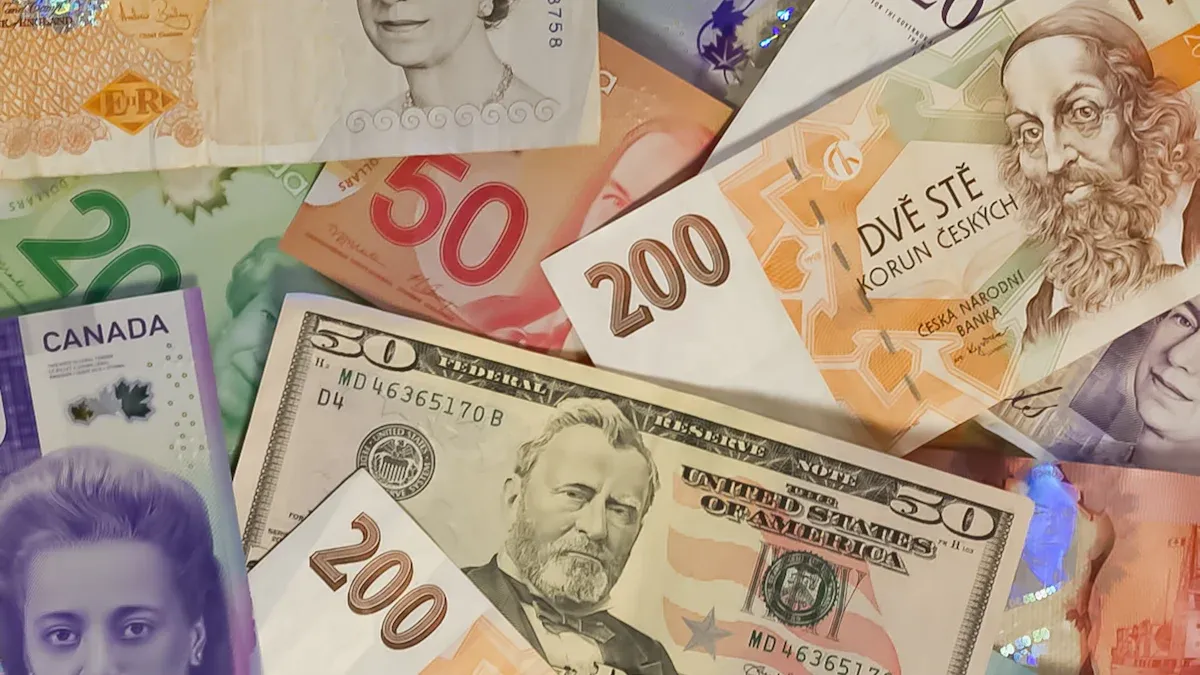
Image Source: unsplash
When planning to attend the 2026 World Cup in the USA, using a mainland China debit card for ATM withdrawals incurs extremely high handling fees. You not only pay international withdrawal fees—typically 1% to 3% of the amount—but also encounter currency conversion fees, increasing the total cost. U.S. ATMs often charge additional surcharges, which are displayed on the screen. You may also face unfavorable exchange rates, reducing the actual amount received. Understanding these fee structures and potential traps in advance helps you effectively avoid high costs and prevent unnecessary fund losses.
Key Takeaways
- Understand the ATM withdrawal fee structure to avoid unnecessary fund losses, including issuer fees, international organization fees, and ATM surcharges.
- Choose low-fee banks and cards—some banks offer full reimbursement of global ATM fees, reducing withdrawal costs.
- Reduce withdrawal frequency and withdraw larger amounts at once to minimize accumulated fees.
- Prioritize mobile payments or credit cards, which usually have lower fees and better exchange rates, suitable for daily spending.
- Beware of dynamic currency conversion—always choose to settle in USD to avoid extra fees and unfavorable rates.
Breakdown of ATM Withdrawal Fees for the 2026 World Cup in the USA
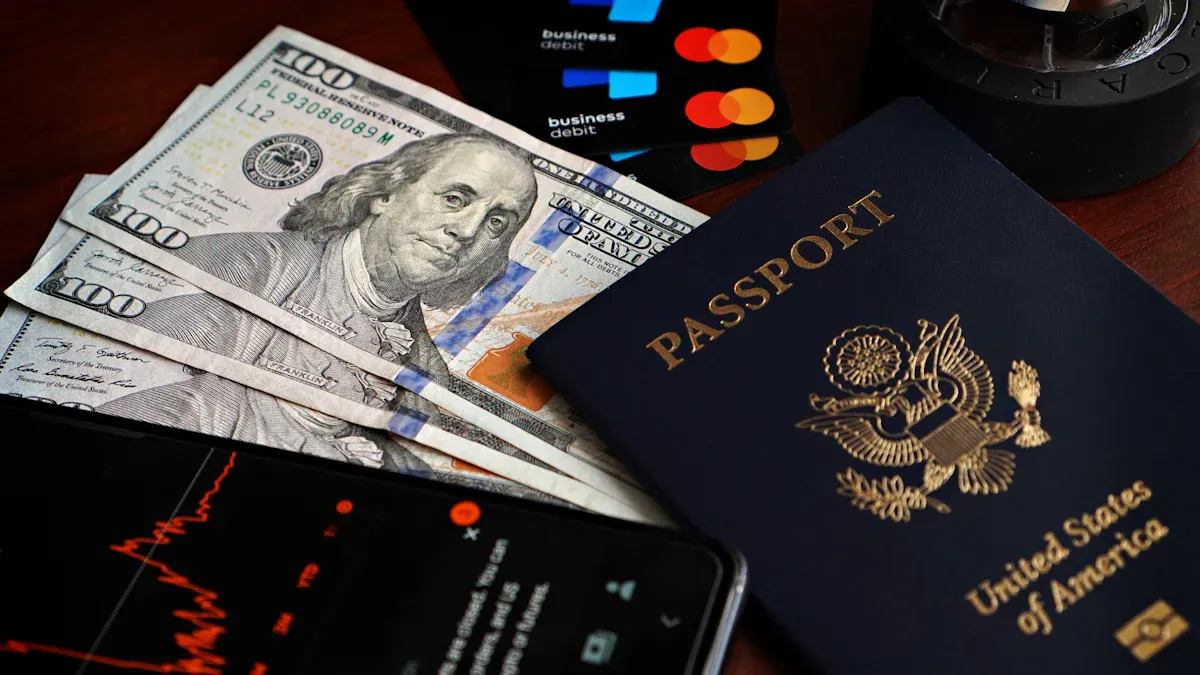
Image Source: pexels
When planning to attend the 2026 World Cup in the USA, you must understand the fee components of using a mainland China debit card at U.S. ATMs. Fees mainly include issuer handling fees, international organization fees, and exchange rate losses. Each fee item affects the actual amount you receive and directly impacts your travel budget and fund safety.
Issuer Handling Fees
Mainstream banks such as Bank of China, ICBC, CCB, and China Merchants Bank all charge fixed fees for overseas ATM withdrawals. You typically see per-transaction fees ranging from $2 to $5. Some banks also charge a percentage fee based on the withdrawal amount, for example 0.5% to 1%. If you withdraw $1,000 in the USA, the issuing bank may charge a $5 fixed fee or a $10 percentage fee. You need to check the specific fee schedule for your card in advance to avoid high fees affecting fund usage while in the USA.
Tip: You can log in to your bank’s official website or call customer service to obtain the latest overseas withdrawal fee information. Fee standards vary significantly across banks—understanding them early helps you plan funds rationally.
International Organization Fees
In addition to issuer fees, international card organizations such as UnionPay, Visa, and Mastercard also charge extra fees. UnionPay cards can be used for cash withdrawals outside mainland China, covering more than 1.7 million ATMs. You can withdraw up to the equivalent of $10,000 per day, with an annual total limit of $100,000. UnionPay itself does not directly charge fees, but U.S. local ATMs may display additional surcharge prompts. Visa and Mastercard typically charge 1% to 3% international transaction fees. For example, withdrawing $1,000 with a Visa card in the USA, the international organization may charge $10 to $30. You need to pay attention to ATM screen prompts and confirm all fees before proceeding.
- UnionPay cards: No direct fee from UnionPay—check local ATM surcharge prompts.
- Visa/Mastercard: Usually charge 1%–3% international transaction fees.
- U.S. ATMs: May charge additional surcharges ranging from $2 to $5.
Exchange Rate Losses
When withdrawing cash in the USA, banks and card organizations convert RMB to USD using the real-time exchange rate. Exchange rate fluctuations reduce the actual amount received. Banks usually adopt conservative rates, resulting in less favorable conversion amounts than market rates. Some banks also charge currency conversion fees, typically 0.5% to 1%. For example, if the market rate is 1 USD = 7.2 RMB, the bank may convert at 1 USD = 7.3 RMB. Withdrawing $1,000 could cost you dozens of extra RMB. You need to monitor exchange rate changes and choose better-rate periods for withdrawals to minimize losses.
| Fee Type | Typical Rate | Notes |
|---|---|---|
| Issuer handling fee | $2–5 per transaction or 0.5%–1% | Varies by bank |
| International organization fee | 1%–3% | Charged by Visa/Mastercard |
| ATM surcharge | $2–5 per transaction | Displayed on U.S. ATM screen |
| Exchange rate loss | 0.5%–1% | Due to rate difference and conversion fee |
When planning funds for the 2026 World Cup in the USA, in addition to fixed expenses such as visas, flights, and accommodation, you should also reserve a budget for withdrawal fees. It is recommended to carry sufficient funds and arrange withdrawal frequency reasonably to avoid accumulated fees from frequent small withdrawals. You can prepare a fund planning table in advance, listing estimated withdrawal amounts, fees, exchange rate losses, etc., to better control overall spending.
Note: The U.S. ATM withdrawal fee structure is complex, and the actual received amount is affected by multiple factors. Understanding all fees in advance helps you avoid fund losses and ensure a smooth World Cup trip.
Comparison of Mainstream Bank Fees
Image Source: unsplash
Bank Fee Standards
When using mainland China mainstream bank debit cards for withdrawals in the USA, fee standards vary significantly. Bank of China typically charges a fixed per-transaction fee of about $5. ICBC and CCB use similar approaches, with per-transaction fees ranging from $2 to $5. China Merchants Bank may charge a percentage fee based on the withdrawal amount, usually 0.5% to 1%. You need to note that some banks also add currency conversion fees, increasing the actual deducted amount. The table below shows typical fee standards for several mainstream banks:
| Bank Name | Fixed Fee (USD per transaction) | Percentage Fee (%) | Currency Conversion Fee (%) |
|---|---|---|---|
| Bank of China | 5 | None | 0.5 |
| ICBC | 2–5 | None | 1 |
| CCB | 3 | None | 0.5 |
| China Merchants Bank | 2 | 0.5–1 | 0.5 |
When withdrawing in the USA, it is recommended to check the specific fee schedule for your card in advance and plan withdrawal frequency rationally to avoid accumulated fees.
Card Organization Differences
The three major card organizations—UnionPay, Visa, and Mastercard—have different fee structures and exchange rate policies for U.S. ATM withdrawals. When using a UnionPay card, UnionPay itself does not directly charge fees, but U.S. ATMs may display additional surcharges. Visa and Mastercard typically charge 1% to 3% international transaction fees, with relatively conservative exchange rate policies, often resulting in less favorable received amounts than market rates. You also need to watch out for dynamic currency conversion (DCC) traps—some ATMs or merchants may proactively offer RMB settlement, leading to extra fees and unfavorable rates. Key differences include:
- UnionPay cards: No direct fee from UnionPay—check local ATM surcharge prompts.
- Visa/Mastercard: Charge 1%–3% international transaction fees; exchange rates usually less favorable.
- Dynamic currency conversion (DCC): ATMs or merchants may proactively offer RMB settlement, resulting in higher actual costs.
When withdrawing in the USA, it is recommended to prioritize UnionPay-labeled ATMs, avoid DCC services, and carefully check screen prompts to ensure fund safety and cost control.
Case Study: Withdrawing $1,000
Fee Breakdown
Suppose you plan to attend the 2026 World Cup in the USA and withdraw $1,000 at a U.S. ATM in one go using a mainland China mainstream bank debit card. You need to consider multiple fees, including issuer handling fees, international organization fees, ATM surcharges, and exchange rate losses. Assuming an exchange rate of 1 USD = 7.3 RMB, the bank applies a 0.5% currency conversion fee, the issuing bank charges a $5 fixed fee, the international organization (Visa or Mastercard) charges 2% international transaction fees, and the U.S. ATM surcharge is $3.
You can refer to the following fee breakdown table:
| Fee Type | Amount (USD) | Explanation |
|---|---|---|
| Issuer handling fee | 5 | Fixed fee |
| International organization fee | 20 | 2% × $1,000 |
| ATM surcharge | 3 | Displayed on U.S. ATM screen |
| Exchange rate loss | 5 | 0.5% × $1,000 |
| Total cost | 33 | Sum of all fees |
You actually withdraw $1,000 but pay an extra $33 in fees, resulting in a total deduction of $1,033. You also need to note that some banks’ percentage fees and exchange rate losses may be higher, further increasing actual costs. When planning funds, it is recommended to withdraw larger amounts at once to reduce accumulated fees.
Tip: When withdrawing in the USA, always check the ATM screen prompts and confirm all fees before proceeding to avoid unnecessary fund losses.
Comparison with Domestic Withdrawals
When withdrawing at ATMs in mainland China, you usually do not pay international organization fees or ATM surcharges. The issuing bank may charge very low fees or even waive them for some banks. Assuming you withdraw the RMB equivalent of $1,000 in mainland China at the same exchange rate, actual costs only include exchange rate losses and very low bank fees. For example, bank fees might be $1 and exchange rate losses $5, resulting in a total cost of about $6.
You can compare as follows:
| Location | Total Cost (USD) | Main Fee Types |
|---|---|---|
| U.S. ATM | 33 | Issuer, international organization, ATM surcharge, exchange rate loss |
| Mainland China ATM | 6 | Issuer, exchange rate loss |
Withdrawing in mainland China costs far less than in the USA. If you withdraw frequently during the 2026 World Cup in the USA, fees will increase significantly and affect your overall budget. Plan funds in advance, reduce overseas withdrawal frequency, and lower total costs.
Withdrawal vs. Card Swiping / Mobile Payment Comparison
When spending in the USA, you can choose withdrawal, card swiping, or mobile payment. Using a mainland China debit card for withdrawals incurs high fees. Using a credit card for swiping usually only involves international organization fees and exchange rate losses, and some banks waive fixed fees. Using mobile payment products like Biyapay offers lower fees and better exchange rates, with some scenarios even fee-free.
You can refer to the following comparison table:
| Payment Method | Total Cost (USD) | Advantages | Disadvantages |
|---|---|---|---|
| ATM withdrawal | 33 | Cash is flexible and widely accepted | High fees, unfavorable exchange rate |
| Credit card swiping | 20 | No ATM surcharge, convenient operation | Some merchants do not accept |
| Biyapay mobile payment | 10 | Low fees, favorable rate, secure | Requires merchants that support mobile payments |
When spending in the USA, it is recommended to prioritize card swiping or mobile payment. Biyapay provides low fees and favorable rates for Chinese-speaking users, suitable for daily consumption. Only withdraw cash when absolutely necessary. By rationally planning payment methods, you can effectively reduce overall expenses and ensure fund safety.
Note: During the 2026 World Cup in the USA, understanding the fee structures of various payment methods and flexibly choosing the best option can significantly save money and enhance your travel experience.
If you want to rely less on ATM withdrawals, you can first review the account and fund management path on the BiyaPay website and prepare the payment methods you may actually use in the U.S. in advance. It is better understood as a multi-asset wallet covering cross-border payments, trading, and fund management scenarios; in a World Cup travel setting, the practical value is not replacing every cash need, but keeping daily spending, backup payments, and fund allocation on a more controlled path, so you avoid repeated withdrawal surcharges, exchange-rate losses, and unnecessary friction.
Hidden Fees in Overseas Withdrawals
ATM Surcharges
When using a mainland China debit card for withdrawals in the USA, ATM surcharges are the most common hidden cost. ATM operators across the USA charge additional fees, typically between $2 and $5. Fees vary by city—for example, Atlanta has an average total ATM fee of USD 5.37, while Boston averages USD 4.37. The bank’s own fee averages USD 1.64, and the ATM operator surcharge averages USD 3.22. You also bear an additional 1%–3% international ATM withdrawal fee. The table below shows average fees in major cities:
| City | Average Total ATM Fee |
|---|---|
| Atlanta | USD 5.37 |
| Boston | USD 4.37 |
Tip: ATM fees are higher in tourist areas—try to avoid ATMs in popular attractions or malls and prioritize machines at bank branches.
Withdrawal Limits
U.S. ATMs impose daily and annual withdrawal limits on mainland China debit cards. UnionPay cards allow a maximum daily withdrawal equivalent to USD 10,000, with an annual total limit of USD 100,000. Some banks set even lower limits based on account type. When planning funds, you need to understand the specific limits of your card in advance to avoid transaction failures or extra fees due to exceeding limits.
Dynamic Currency Conversion
Dynamic currency conversion (DCC) is a common U.S. ATM trap. During withdrawal, the ATM may proactively ask whether you want to settle in RMB. If you choose DCC, the actual exchange rate is far worse than the market rate, significantly increasing total costs. It is recommended to always choose USD settlement to avoid exchange rate losses. DCC is a legally permitted “trap”—you must carefully check screen prompts and decline home currency settlement.
- Dynamic currency conversion reduces the actual amount received.
- Always choose to complete the transaction in local currency (USD).
Other Common “Traps”
When withdrawing in the USA, also watch out for these common traps:
- Some banks like Chase charge fixed transaction fees plus a percentage of the withdrawal amount, resulting in a complex fee structure.
- Cover the keypad when entering your PIN to prevent information leakage.
- Check the ATM for loose parts or cameras to ensure fund safety.
- Decline help from strangers at ATMs to avoid scam risks.
Recommendation: Withdraw during daylight hours and prioritize ATMs at bank branches to ensure transaction safety. Understanding all fees and safety measures in advance helps avoid hidden costs and ensures smooth fund usage during the World Cup.
Fee Optimization & Money-Saving Tips
Choosing Low-Fee Banks
During the 2026 World Cup in the USA, you can prioritize banks and cards with lower fees. Some banks such as Charles Schwab High Yield Investor Checking offer full reimbursement of global ATM fees, and Capital One 360 Checking provides access to over 70,000 fee-free ATMs in the USA. You can ask your bank about international partner relationships and choose cards that support fee-free withdrawals. You can also check whether the bank offers exchange rate discounts and international transaction fee waivers.
- Use specific bank cards that offer fee-free withdrawals worldwide.
- Check your bank’s international partner relationships and prioritize partner network ATMs.
- Look for banks with exchange rate discount policies.
Rational Withdrawal Planning
You can reduce fees by decreasing withdrawal frequency and withdrawing larger amounts at once. Each withdrawal incurs fixed fees—frequent small withdrawals cause total costs to rise. You can plan funds in advance, estimate daily cash needs, and avoid multiple small withdrawals. Only withdraw at high-end hotels or bank branch ATMs to ensure safety.
Tip: Carry only necessary credit cards and avoid bringing debit cards and blank checks. Stay vigilant in crowded areas such as stadiums, fan zones, and public transportation hubs to ensure fund safety.
Alternative Payment Methods
In the USA, you can choose multiple alternative payment methods to significantly reduce fees. Chinese-speaking users can use products such as Biyapay, Wise, and Revolut to enjoy low fees and favorable rates. Mobile payment platforms like Alipay and WeChat support linking international cards such as VISA, JCB, and MasterCard for convenient daily spending. The table below compares the fee structures of major alternative payment methods:
| Payment Method | Foreign Transaction Fee | ATM Withdrawal Fee | Notes |
|---|---|---|---|
| Charles Schwab High Yield Investor Checking | None | Full reimbursement of all global ATM fees | Ideal for users needing cash |
| Capital One 360 Checking | None | May incur other bank withdrawal fees | Access to over 70,000 fee-free ATMs |
| Wise | None | First $100 per month fee-free, then $1.50 per withdrawal | Uses true mid-market exchange rate |
| Revolut (U.S. version) | None | 2% after monthly limit | Offers multiple card options and rate advantages |
| Biyapay | None | None | Low fees and favorable rates for Chinese-speaking users |
You can prioritize mobile payment platforms to avoid high ATM fees. The table below shows the international card types supported by major mobile payment platforms:
| Payment Platform | Supported External Bank Cards |
|---|---|
| WeChat Pay | VISA, JCB, MasterCard |
| Alipay | VISA, JCB, MasterCard |
Other Money-Saving Tips
You can take multiple measures to further reduce costs. Only withdraw at ATMs inside high-end hotels and office buildings to ensure no one is watching. Stay informed about news and avoid security incidents. In the USA and Canada, take common-sense precautions to prevent theft and violent crime. When attending matches, carry only necessary credit cards and avoid bringing debit cards and blank checks. By rationally planning funds and combining alternative payment methods with low-fee banks, you can minimize handling fees and exchange rate losses to the greatest extent.
Note: Understanding fee structures in advance and flexibly choosing payment methods can effectively avoid fund losses and ensure smooth fund usage during the World Cup.
When using a mainland China debit card for withdrawals in the USA, fees and exchange rate losses significantly increase your travel costs. You should understand all fees in advance, plan funds rationally, and prioritize low-fee banks and alternative payment methods. By reducing withdrawal frequency and using mobile payments, you can effectively lower unnecessary expenses. Rational spending and fund safety are equally important. By flexibly responding to your own needs, you can truly enjoy the World Cup experience.
FAQ
How are ATM withdrawal fees calculated when using a mainland China debit card in the USA?
You need to pay issuer fixed fees, international card organization fees, U.S. ATM surcharges, and exchange rate losses. Total costs usually exceed $30, depending on the bank and card organization policies.
How can you avoid dynamic currency conversion traps at U.S. ATMs?
When operating ATMs, choose to settle in USD. Decline the RMB settlement option. This avoids extra fees and unfavorable rates due to poor exchange rates.
How can you reduce overseas withdrawal fees?
You can choose low-fee banks, reduce withdrawal frequency, and withdraw larger amounts at once. You can also use mobile payments or products tailored for Chinese-speaking users like Biyapay to enjoy better rates and lower fees.
Are there daily or annual withdrawal limits at U.S. ATMs?
Using a mainland China UnionPay card, the maximum daily withdrawal amount is $10,000, with an annual total limit of $100,000. Some banks may set lower limits.
Which is more cost-effective in the USA: swiping a card or withdrawing cash?
Swiping a card usually only incurs international organization fees and exchange rate losses, costing less than withdrawals. Prioritize card swiping or mobile payment—only withdraw cash when absolutely necessary.
*This article is provided for general information purposes and does not constitute legal, tax or other professional advice from BiyaPay or its subsidiaries and its affiliates, and it is not intended as a substitute for obtaining advice from a financial advisor or any other professional.
We make no representations, warranties or warranties, express or implied, as to the accuracy, completeness or timeliness of the contents of this publication.
Related Blogs of

How Should SSDs and HDDs Work Together in AI Data Centers? Performance, Capacity, Cost, and Hot vs. Cold Data Compared


What Is the Relationship Between ASMPT 0522.HK and HBM? The Role of Advanced Packaging Equipment in the AI Memory Supply Chain


Is SMIC 0981.HK a Memory Chip Stock? The Relationship Between Foundry Manufacturing and the Memory Supply Chain


AI Storage Supply Chain Map: Chips, HDDs, SSDs, Packaging Equipment, and Enterprise Storage Systems

Choose Country or Region to Read Local Blog
 Australia
 Austria
 Belgium
 Canada
 Cyprus
 Czech Republic
 Denmark
 Estonia
 Finland
 France
 Germany
 Greece
 Hong Kong
 India
India Indonesia
 Ireland
 Italy
Italy Japan
Japan Latvia
 Lithuania
 Luxembourg
 Malaysia
 Malta
Malta Morocco
 Nepal
Nepal Netherlands
 New Zealand
 Norway
 Pakistan
 Philippines
 Poland
 Portugal
 Romania
 Singapore
 Slovakia
 Slovenia
 South Africa
 South Korea
 Spain
Spain Sweden
 Thailand
 The United States
 Turkey
 United Arab Emirates
 United Kingdom
 Vietnam
Contact Us




BIYA GLOBAL LLC is registered with the Financial Crimes Enforcement Network (FinCEN), an agency under the U.S. Department of the Treasury, as a Money Services Business (MSB), with registration number 31000218637349, and regulated by the Financial Crimes Enforcement Network (FinCEN).
BIYA GLOBAL LIMITED is a registered Financial Service Provider (FSP) in New Zealand, with registration number FSP1007221, and is also a registered member of the Financial Services Complaints Limited (FSCL), an independent dispute resolution scheme in New Zealand.