2026 Latest Guide to Applying for Visa/Mastercard Physical Cards That Support USDT Top-Ups




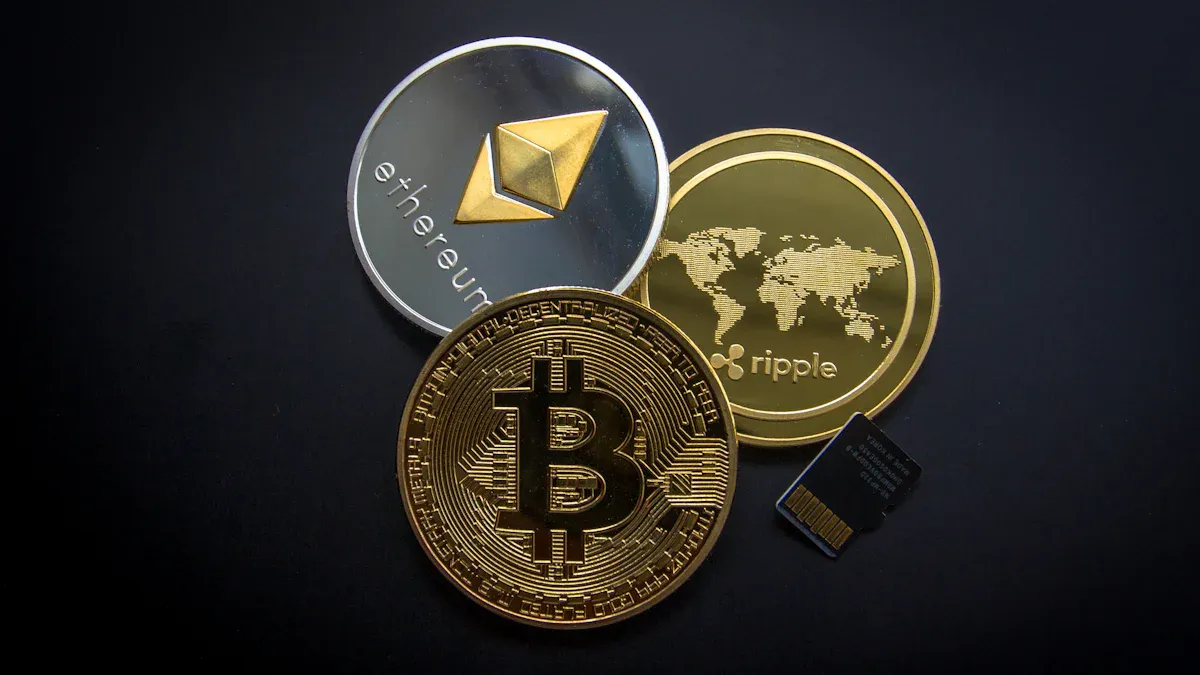
Image Source: pexels
In 2026, Visa and Mastercard physical cards that support USDT top-ups have become a mainstream choice for global digital currency users. You can use these cards to conveniently and securely spend and withdraw USDT worldwide. According to the latest industry research, these physical cards adopt hardware wallet technology, keeping private keys isolated from the internet, greatly enhancing fund security, supporting multiple digital currencies, compatible with global ATMs and POS terminals, with strong compliance, and providing users with 24-hour professional customer service.
| Advantage | Description |
|---|---|
| High Security | Uses hardware wallet technology to store private keys in hardware devices, isolated from the internet, effectively preventing hacker attacks. |
| Convenience | Supports multiple digital currencies, allowing users to deposit, withdraw, transfer, etc., anytime and anywhere without complicated steps. |
| Compatibility | Supports ATMs and POS machines worldwide; users can use the card anywhere Mastercard is accepted. |
| Compliance | Complies with relevant laws and regulations, providing users with compliant digital currency services. |
| Premium Service | Offers 24-hour customer support to resolve issues encountered during use. |
It is expected that USDT top-up cards will continue to grow globally over the next two years, with the main trends including:
- By 2024, the number of active crypto credit cards will exceed 7.2 million, supporting real-time cryptocurrency-to-fiat conversion.
- Monthly crypto transaction volume in North America and Europe has already exceeded 4.2 million, showing sustained user demand growth.
- 62% of crypto credit cards are associated with Visa and Mastercard network products, driven by mainstream cryptocurrency adoption and reward mechanisms.
Key Takeaways
- USDT top-up physical cards provide high security, using hardware wallet technology with private keys isolated from the internet to prevent hacker attacks.
- When selecting a suitable USDT top-up card, pay attention to the fee structure, limits, and reward mechanisms to ensure they meet personal needs.
- Applying for a USDT top-up card requires meeting age and identity verification requirements; prepare relevant identity documents to successfully pass the review.
- During top-up and withdrawal, pay attention to fees and limits; choose cards with transparent fees to reduce usage costs.
- When using a USDT top-up card, always pay attention to compliance and tax risks; retain transaction records to avoid legal issues.
Introduction to USDT Top-Up Physical Cards
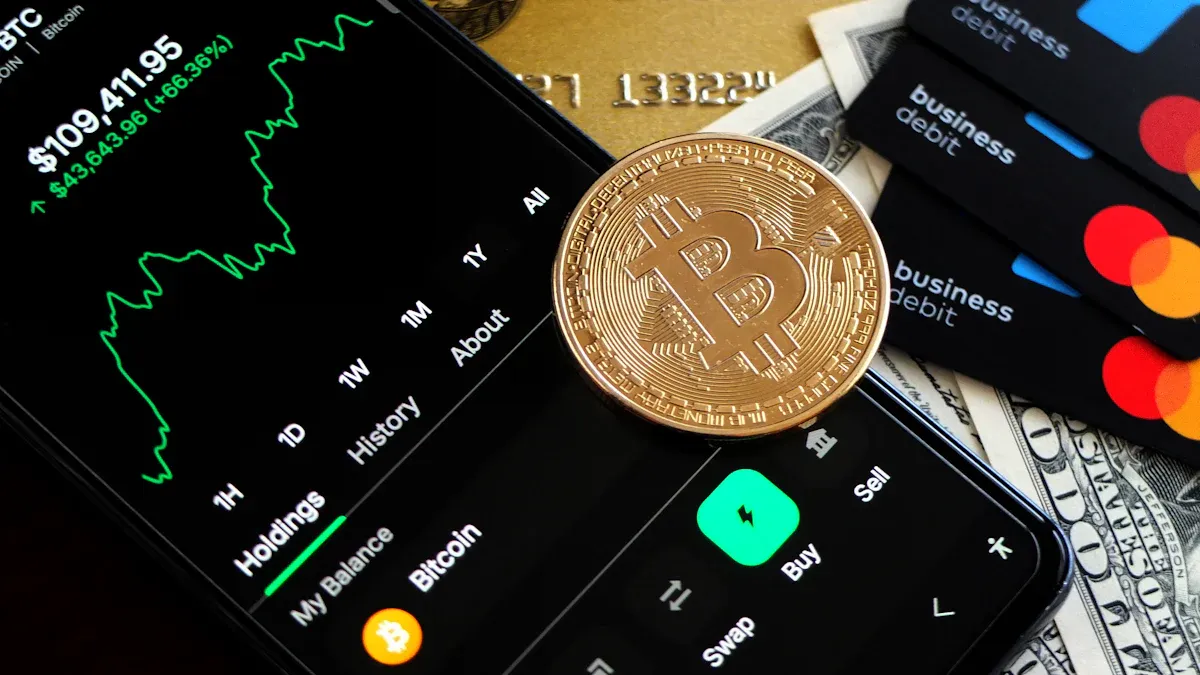
Image Source: pexels
Definition and Types
When choosing USDT top-up related products, you first need to understand the difference between virtual cards and physical cards. A USDT top-up physical card is a bank card product that allows you to top up mainstream stablecoins such as USDT, convert them to fiat currency, and then spend. Based on card form, they are mainly divided into two types: virtual cards and physical cards:
| Type | Definition | Features |
|---|---|---|
| Virtual Card | Exists only in digital form, typically used for online transactions | Convenient and fast, suitable for online shopping and payments |
| Physical Card | Exists as a tangible card, usable in stores and ATMs | Supports offline spending and cash withdrawals |
Virtual cards are suitable for e-commerce and online payments, while physical cards are better for daily offline spending and global ATM withdrawals. You can choose the appropriate card type based on your own needs.
If your actual use case is more focused on online payments, subscription billing, or small-value fund management first, you can also check BiyaPay’s Swift Card application. This kind of option works better as a supplement to a physical card for online spending scenarios; for offline card use, ATM withdrawals, and a fuller overseas card experience, it still makes more sense to compare Visa or Mastercard physical cards that support USDT top-ups.
Main Advantages
USDT top-up physical cards bring you multiple advantages. First, security is extremely high. Most cards adopt dual identity verification mechanisms; some platforms like the Bybit card also support EMV 3D Secure technology, providing additional identity verification during online payments. During the top-up and spending process, the system requires multiple confirmations of the receiving address and network type and calculates fees, greatly reducing operational errors and fund risks. The prepaid card model also reduces the risk of exposing large amounts of cryptocurrency on exchanges, and real-time alert features further prevent fraud.
In terms of convenience, you can top up USDT anytime and quickly convert it to fiat currencies such as USD, supporting mainstream payment methods like Apple Pay and Google Pay to meet multi-scenario online and offline consumption needs. In terms of compliance, mainstream USDT top-up physical cards follow international financial regulatory requirements and are suitable for compliant use by Chinese-speaking users worldwide.
Mainstream USDT Top-Up Card Brands
Brands and Issuers
When choosing a USDT top-up card, you should prioritize mainstream brands with good reputation, compliant issuers, and support for Visa or Mastercard networks. In 2026, the following issuers have gained wide recognition globally and can meet the diverse card usage needs of Chinese-speaking users:
- Bitget Wallet Card
- Gemini Credit Card
- Coinbase One Card
- Crypto.com Visa
- Bybit Card
- KAST Solana Card
- Wirex
These brands all support USDT top-ups, and most issuers are globally well-known cryptocurrency platforms or fintech companies, providing you with safe and convenient digital-to-fiat conversion services. You can flexibly choose the card type that suits you based on your consumption scenarios, fund management needs, and regional compliance requirements.
Main Features Comparison
When selecting a USDT top-up card, in addition to brand and issuer, you also need to compare differences in fees, limits, supported regions, and reward mechanisms. The table below summarizes the core parameters of current mainstream brands to help you make quick decisions:
| Card Brand | Fees | Limits | Supported Regions | Rewards |
|---|---|---|---|---|
| Nexo Card | No fees | Not applicable | Europe | Up to 2% cashback |
| Crypto.com Visa Card | No conversion fees | Not applicable | Global | Up to 5% cashback |
| Trustee Card | 0.5% transaction fee | €5,000/day, €50,000/month | Not applicable | Not applicable |
| MetaMask Card | Not applicable | Not applicable | Global | Not applicable |
| Wirex Card | No fees | Not applicable | Global | Up to 8% cashback |
| Bybit Card | Not applicable | Not applicable | Global | Not applicable |
| Coinbase Card | No fees | Not applicable | United States | Not applicable |
You can see that different brands have significant differences in fee structures and reward mechanisms. For example, Wirex Card offers up to 8% cashback for global users, while Crypto.com Visa Card attracts users with no conversion fees and up to 5% cashback. If you focus more on daily spending rewards, prioritize these high-reward cards. If you value fee transparency and flexible limits, fee-free products like Nexo Card and Coinbase Card are more suitable.
In terms of network support and issuing countries, mainstream USDT top-up cards cover the two major international networks Visa and Mastercard, with issuance mainly in Europe and the United States, as detailed below:
| Card Brand | Network Support | Issuing Country |
|---|---|---|
| Nexo Card | Mastercard | Europe |
| Crypto.com Card | Visa | Not specified |
| Trustee Card | Not specified | Europe |
| MetaMask Card | Mastercard | Not specified |
| Wirex Card | Visa | Not specified |
| Bybit Card | Mastercard | Not specified |
| Coinbase Card | Visa | Not specified |
When applying, you should check whether the card supports compliant use in your region and confirm the network type of the selected card to ensure smooth USDT top-ups, spending, and withdrawals worldwide. Some brands such as Wirex, Crypto.com, and Bybit have achieved global service coverage, making them suitable for users who travel frequently or have cross-border spending needs.
Tip: When choosing a USDT top-up card, it is recommended to prioritize brands that support multi-currency top-ups, transparent fees, rich rewards, and strong compliance, and reasonably plan limits and usage scenarios based on your own fund flow needs.
USDT Top-Up Card Application Process

Image Source: pexels
Card Selection and Registration
When applying for a USDT top-up card, you first need to select the appropriate card brand based on your own needs. Mainstream platforms such as Bybit, Bitget, Wirex, and Crypto.com offer various card types, covering virtual and physical cards and supporting Visa or Mastercard networks. You can compare based on fee structure, limits, reward mechanisms, and supported regions, prioritizing brands with strong compliance and comprehensive services. Some platforms such as Buvei and Satsrefill support anonymous registration without providing personal identity information, suitable for users with high privacy requirements. With Buvei, you only need to provide an email and password to quickly generate a virtual card; Satsrefill allows card purchases without submitting any personal information. For most mainstream platforms, the registration process typically includes:
- Visit the issuer’s official website or download the official App and select the target card (e.g., Cozy USD Pro, Bybit Card, etc.).
- Create an account, fill in your email, set a password; some platforms require KYC identity verification, needing uploads of identity proof and address proof materials.
- Choose the card type (virtual or physical), confirm the issuing region; some platforms support mainland China addresses as billing addresses, facilitating applications by Chinese-speaking users.
During registration, note that some platforms like Bitget are only open to VIP users and require high account balance thresholds (e.g., 30,000 USDT), while Bybit allows mainland China identity approval, and SafePal requires KYC and address verification plus minting an identity NFT via ETH transfer before applying for a bank account and linked debit card. For virtual cards, platforms usually issue the card number, expiration date, and security code immediately after approval, allowing instant use for online payments and binding to mainstream payment platforms (such as Apple Pay and Google Pay). Platforms like Bitsika and BitMart have shorter KYC approval times, usually activating virtual cards within 1 hour. Physical cards require waiting for mailing; after receipt, follow the platform’s instructions to complete the activation process before using them at offline merchants and ATMs.
During the application and activation process, properly safeguard your card information and avoid leaking the card number and security code. Some platforms support multi-currency top-ups and spending; it is recommended to allocate funds reasonably based on actual needs to avoid unnecessary losses due to exchange rate fluctuations or fees.
Throughout the USDT top-up card application process, focus on platform compliance, fee structure, and privacy protection policies, and choose the most suitable card and service provider based on your own fund flow needs to ensure fund safety and card usage experience.
Application Requirements
Age and Identity
When applying for a USDT top-up card, you must meet the platform’s minimum age and identity verification requirements. Most mainstream platforms require applicants to be at least 18 years old and complete a series of identity verification processes. Specific requirements are shown in the table below:
| Requirement Type | Details |
|---|---|
| Minimum Age | At least 18 years old |
| Identity Verification Steps | 1. Upload government-issued ID (e.g., passport, national ID, or driver’s license) 2. Take a live selfie to match the ID and confirm liveness 3. In some cases, provide proof of address (e.g., utility bill or bank statement) |
You need to prepare valid identity documents and complete identity verification according to the platform’s instructions. Some platforms require liveness detection to ensure account security and compliance.
Address and Source of Funds
During the application process, some platforms require you to provide detailed proof of address materials, such as utility bills, bank statements, or official letters from the last three months. This helps the platform verify your place of residence and prevent identity misuse and money laundering risks. For source of funds, mainstream platforms usually require you to explain the legitimacy of the funds to ensure all USDT top-ups come from compliant channels. You should prepare relevant proof materials in advance to successfully pass the review.
Some platforms offer no-KYC options to meet different user needs, suitable for users with high privacy requirements. You can refer to the following platforms:
- Buvei supports no-KYC registration; users only need to create an account without uploading any documents to generate a virtual card.
- The platform supports USDT (TRC20/ERC20) top-ups with fast arrival and low transaction costs.
- Using the no-KYC method means your real bank information is not obtained by the platform, but you must also be aware of financial security risks brought by anonymity.
When choosing a no-KYC platform, weigh privacy protection against fund safety and reasonably plan card usage to ensure personal asset security.
Fees and Charges
Application Fee and Annual Fee
When choosing a USDT top-up card, first pay attention to the application fee and annual fee. In 2026, the application fee range for mainstream Visa and Mastercard physical cards is usually USD 9.8 to USD 49, subject to the platform’s announcements. Most well-known brands such as Crypto.com Visa Card, Coinbase Card, Binance Card, Nexo Card, Wirex Card, Bybit Card, Gemini Credit Card, and Uphold Card charge no annual or monthly fees, greatly reducing your card-holding costs. The table below compares the annual fee situations of mainstream cards:
| Card | Card Type | Monthly/Annual Fee |
|---|---|---|
| Crypto.com Visa Card | Prepaid Debit | No standard annual fee |
| Coinbase Card | Debit Card | No annual fee |
| Binance Card | Debit Card | No monthly or annual fee |
| Nexo Card | Credit Card | No annual fee |
| Wirex Card | Debit Card | No monthly fee |
| KuCoin Card | Debit Card | No annual fee (with conversion fees) |
| Bybit Card | Debit Card | No annual fee |
| BitPay Card | Prepaid Debit | No monthly fee (with ATM fees) |
| Gemini Credit Card | Crypto Credit | No annual fee |
| Uphold Card | Debit Card | No annual fee |
When applying, note that some platforms may charge a one-time card issuance fee or shipping fee; refer to the platform’s explanation. Biyapay and other emerging platforms also offer various no-annual-fee options, suitable for Chinese-speaking users seeking low costs.
Top-Up and Withdrawal Fees
When using a USDT top-up card, fees are mainly concentrated in the top-up, conversion, and withdrawal stages. Fee rates vary significantly across platforms and payment methods; some virtual credit cards and agency platforms charge 2% to 5%, while some agency services like StablePayx even offer a 10% discount. The table below compares the fees and convenience of common payment methods:
| Payment Method | Fee Rate | Processing Time | Minimum Amount | Convenience | Security |
|---|---|---|---|---|---|
| Virtual Credit Card | 2–5% | Instant | $10 | ★★★★★ | ★★★★☆ |
| StablePayx Agency | -10% | 30 minutes | $100 | ★★★★☆ | ★★★★★ |
| Moon Payment | 3–5% | Instant | $20 | ★★★★☆ | ★★★★☆ |
| Other Agency Platforms | 0–5% | 2–24 hours | $500+ | ★★★☆☆ | ★★★☆☆ |
When topping up USDT, pay attention to whether the platform charges additional service fees or exchange rate spreads. Some platforms like Biyapay focus on low fees and high arrival efficiency, suitable for users with frequent fund flows. When withdrawing to ATMs, some cards like BitPay Card charge USD 2.5 to USD 3 per ATM withdrawal. When choosing a card and top-up channel, it is recommended to comprehensively consider fees, arrival speed, and fund safety to avoid unnecessary cost increases from hidden fees.
Recommendation: Before officially applying and using, carefully read the platform’s fee explanation, reasonably plan fund flows, and improve your card usage experience.
Usage Precautions
Top-Up and Spending Limits
When using a USDT top-up card, pay close attention to the top-up and spending limits set by the platform. Mainstream cards such as Midnight Card, Ruby Card, Indigo/Jade Card, Icy/Rose Card, and Obsidian Card usually have daily and monthly top-up limits of £22,000 and an annual limit of £220,000, with a minimum top-up amount of £20. Details are as follows:
| Card Type | Daily Top-Up Limit | Monthly Top-Up Limit | Annual Top-Up Limit | Minimum Top-Up Amount |
|---|---|---|---|---|
| Midnight Card | £22,000 | £22,000 | £220,000 | £20 |
| Ruby Card | £22,000 | £22,000 | £220,000 | £20 |
| Indigo/Jade Card | £22,000 | £22,000 | £220,000 | £20 |
| Icy/Rose Card | £22,000 | £22,000 | £220,000 | £20 |
| Obsidian Card | £22,000 | £22,000 | £220,000 | £20 |
If you encounter a failed top-up, it is recommended to first check your internet connection and wallet balance, and retry the top-up process or contact platform customer service if necessary. If you lose your card, immediately freeze the account and apply for a replacement to protect fund safety.
Compliance and Tax
During the use of a USDT top-up card, pay great attention to compliance and tax risks. Using such cards for large transactions may trigger tax audits and legal penalties, especially when fund flows are frequent or amounts are large; platforms will strengthen KYC reviews. You also need to note that some countries have strict regulations on cryptocurrency-related foreign exchange and tax matters; non-compliant operations may lead to account freezes or legal liabilities. It is recommended to proactively retain all transaction records and reasonably declare related income to avoid compliance risks due to incomplete information.
Fund Safety
When ensuring fund safety, adopt multiple measures. It is recommended to allocate large amounts to hardware wallets, store mnemonic phrases separately in different secure locations using paper offline backups. You should regularly replace hot wallets, save all top-up hashes and receipts, and ensure every top-up receives sufficient block confirmations. It is recommended to prioritize well-known platforms for low-risk operations, control single top-up amounts below USD 500, perform regular small top-ups, and complete KYC verification to further enhance account security.
When applying for a USDT top-up card, focus on the application process, fee structure, and compliance requirements, and rationally choose the most suitable card based on your own needs. It is recommended to focus on the following factors:
- Fees: Fully understand all fees including top-up, transaction, and ATM withdrawal.
- Security measures: Prioritize cards with encryption, PIN protection, and anti-fraud features.
- Top-up methods: Ensure convenient and efficient top-up channels.
- Merchant acceptance: Choose cards widely supported both online and offline.
- Customer support: Quality customer service can promptly assist when issues arise.
You can stay updated on USDT top-up card policies and fee changes through platforms like Yativo. It is recommended to fully understand relevant policies before applying, reasonably plan fund flows, and ensure personal asset safety.
FAQ
Do USDT top-up cards support applications from mainland China users?
You can use mainland China addresses for billing verification on some platforms. Some brands are open to mainland China users for applications, but pay attention to platform compliance policies and KYC requirements.
How long does it take to apply for a USDT top-up card?
You can usually complete virtual card application and activation within 1–7 business days. Physical card mailing time varies by region and may take 1–3 weeks.
How long does it take for funds to arrive after topping up USDT?
After topping up USDT, funds generally arrive within 1 hour. Some platforms support real-time arrival; the exact time depends on the platform’s processing speed.
What to do if a top-up fails or the card is frozen?
You should contact platform customer service immediately and provide relevant transaction information. The platform will assist in troubleshooting and guide subsequent operations.
Are there regional restrictions on spending with USDT top-up cards?
You can use the card at merchants and ATMs worldwide that support Visa or Mastercard networks. Due to policy restrictions, normal use may not be possible in some countries or regions.
*This article is provided for general information purposes and does not constitute legal, tax or other professional advice from BiyaPay or its subsidiaries and its affiliates, and it is not intended as a substitute for obtaining advice from a financial advisor or any other professional.
We make no representations, warranties or warranties, express or implied, as to the accuracy, completeness or timeliness of the contents of this publication.
Related Blogs of

How to Read Pure Storage and NetApp Earnings? ARR, Cloud Revenue, Gross Margin, and Cash Flow Metrics


Why Can’t HBM Exist Without Advanced Packaging? The Role of TSV, CoWoS, and Packaging Equipment


How Is China’s Memory Supply Chain Different from Overseas Memory Leaders? A Comparison with Micron, SanDisk, Western Digital, and Seagate


How Should You View Shanghai Fudan’s Non-Volatile Memory Business? Application Scenarios, Competition, and Risks

Choose Country or Region to Read Local Blog
 Australia
 Austria
 Belgium
 Canada
 Cyprus
 Czech Republic
 Denmark
 Estonia
 Finland
 France
 Germany
 Greece
 Hong Kong
 India
India Indonesia
 Ireland
 Italy
Italy Japan
Japan Latvia
 Lithuania
 Luxembourg
 Malaysia
 Malta
Malta Morocco
 Nepal
Nepal Netherlands
 New Zealand
 Norway
 Pakistan
 Philippines
 Poland
 Portugal
 Romania
 Singapore
 Slovakia
 Slovenia
 South Africa
 South Korea
 Spain
Spain Sweden
 Thailand
 The United States
 Turkey
 United Arab Emirates
 United Kingdom
 Vietnam
Contact Us




BIYA GLOBAL LLC is registered with the Financial Crimes Enforcement Network (FinCEN), an agency under the U.S. Department of the Treasury, as a Money Services Business (MSB), with registration number 31000218637349, and regulated by the Financial Crimes Enforcement Network (FinCEN).
BIYA GLOBAL LIMITED is a registered Financial Service Provider (FSP) in New Zealand, with registration number FSP1007221, and is also a registered member of the Financial Services Complaints Limited (FSCL), an independent dispute resolution scheme in New Zealand.