How to Transfer US Stock Profits Back to Mainland China? Safe Withdrawal Tutorial with No Amount Limits





Image Source: pexels
After making profits from trading US stocks, what you care about most is how to safely and compliantly transfer the funds back to mainland China. You can choose settlement channels, wire transfer processes, cross-border remittance tools, or consumption withdrawal methods. Each method supports operations with no amount limits, ensuring a safe and efficient fund transfer process. You only need to prepare the relevant documents according to your own needs to successfully repatriate the funds.
Key Takeaways
- Choose the appropriate withdrawal method by considering fund size and operational convenience to ensure safe repatriation to China.
- Settlement is suitable for large amounts, with strict review but high security—requires preparation of relevant supporting documents.
- Wire transfers are simple and fast, suitable for quick transfers, but beware of fraud risks and ensure information security.
- Cross-border remittance tools like Biyapay offer flexible options with no amount limits, supporting multiple currencies and low handling fees.
- Consumption withdrawal is suitable for small amounts, simple to operate but requires attention to limits and compliance to ensure fund safety.
Overview of Withdrawal Methods After Making Profits from US Stocks
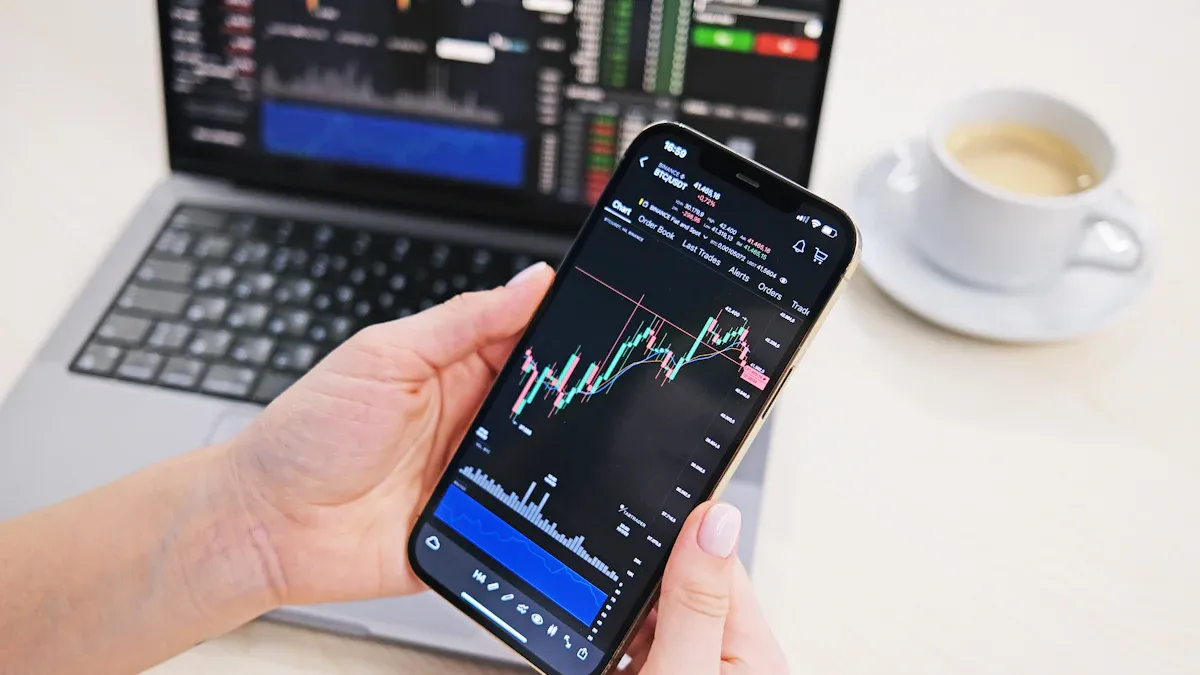
Image Source: pexels
After making profits from trading US stocks, there are multiple safe and compliant ways to repatriate funds to mainland China. Each method has different applicable scenarios and operational characteristics. Below is an overview of mainstream withdrawal channels to help you select the most suitable option based on your needs.
Settlement Channels
Settlement is the most traditional withdrawal method. You can remit funds from an overseas bank to a mainland China bank account. It is suitable for large amounts, with strict review and the need to provide proof of fund source. You need to prepare transaction records, tax declaration materials, etc. Settlement channels offer high security and are suitable for long-term investors.
Wire Transfer Process
Wire transfer is a common fund transfer method. You can directly remit US stock profits from an overseas broker or bank to a mainland China bank account. The wire transfer process is straightforward but involves some risks:
- Fraud and security vulnerabilities
- Risks of sending sensitive personal data
- Once funds are transferred, they usually cannot be reversed
You can reduce risks through the following measures:
- Identify warning signs of potential fraud
- Verify the recipient’s bank account information
- Use trusted phone numbers to confirm wire transfer requests
- Establish internal procedures for reporting suspicious wire transfer requests
Wire transfers are suitable for users needing fast transfers with larger amounts.
Cross-Border Remittance Tools
Cross-border remittance tools provide flexible withdrawal options for US stock profits. Biyapay, a commonly used internet remittance product among Chinese-speaking users, supports multiple currencies, low handling fees, and real-time arrival. You can use Biyapay to transfer funds from a US account to a Hong Kong licensed bank account for further operations. Panda Remit and Ria Money Transfer also offer safe and fast cross-border remittance services to global users with multiple receipt methods. You can choose the tool that best suits you based on fees, arrival speed, and service coverage.
| Remittance Tool | Features | Target Market |
|---|---|---|
| Biyapay | Multi-currency, low fees, real-time arrival, suitable for Chinese-speaking users | Global |
| Panda Remit | Safe and fast, designed specifically for overseas Chinese | Global, especially China |
| Ria Money Transfer | Partnership with Tenpay Global, supports direct remittance to Weixin Pay accounts, covers 595,000 locations | Global, especially China |
Consumption Withdrawal Methods
You can also realize US stock profits through consumption withdrawal methods. Formal channels include traditional settlement, suitable for large amounts. Informal channels such as ATM cash withdrawal are suitable for small amounts but have daily and per-transaction limits. You can also link UnionPay cards and make purchases via Alipay or UnionPay QuickPass, suitable for those not in urgent need of funds. Consumption withdrawal is flexible but requires attention to fund security and compliance.
Tip: When selecting a withdrawal method, combine fund size, operational convenience, and compliance requirements to ensure safe and smooth repatriation to mainland China.
Detailed Withdrawal Methods
Settlement Operation Process and Required Documents
After making profits from US stocks, if you choose the settlement channel, you need to prepare a series of documents. Banks usually require proof of nationality, ownership documents, trade documents, and investment documents. You can refer to the table below and prepare the relevant materials in advance:
| Type | Specific Document Requirements |
|---|---|
| Proof of Nationality | Birth certificate, nationality certificate, passport copy, legal identity proof, other nationality documents |
| Ownership Documents | Share/stock certificates related to sole proprietorships, partnerships or companies, shareholder meeting records, partnership agreements, etc. |
| Trade Documents | Purchase orders, warehouse/customs declarations, bills of lading, sales contracts, letters of credit, insurance documents, etc. |
| Investment Documents | Tax assessments, market valuations, personal net worth statements, financial statements, proof of investment source, etc. |
The settlement cycle is generally T+3, meaning settlement is completed on the third day after the transaction. US stock transactions are cleared through the National Securities Clearing Corporation and Depository Trust Company, ensuring fund safety. You need to ensure all documents are complete to avoid review delays due to missing materials.
Wire Transfer Steps and Risk Warnings
You can transfer funds back to mainland China via wire transfer. The operation process includes: logging into your overseas bank or broker account, filling in recipient information, confirming the transfer amount, and submitting the wire transfer application. You must verify recipient account details to prevent misdirected funds. Wire transfers are relatively fast and suitable for large-amount transfers. Be vigilant against fraud risks and avoid disclosing sensitive personal information. It is recommended to use official channels and report any suspicious requests promptly.
Practical Operation of Cross-Border Remittance Platforms
Cross-border remittance platforms provide flexible fund transfer solutions. Taking Biyapay as an example, Chinese-speaking users can register an account, link a US bank account, select the remittance currency and amount, and submit the remittance application. The platform supports multiple currencies, low handling fees, and real-time arrival with transparent fund flows. You can prioritize Hong Kong licensed bank accounts as the recipient to enhance fund security. Pay attention to the platform’s service coverage and fees, and plan fund flows reasonably.
Consumption Withdrawal Precautions
Consumption withdrawal is suitable for realizing small amounts. You can withdraw cash via ATM, link UnionPay cards, or make purchases through Alipay or UnionPay QuickPass. There are per-transaction and daily limits, and fund security requires special attention. Avoid frequent large withdrawals to prevent account anomalies. Consumption withdrawal is simple to operate but not suitable for large-amount repatriation. Choose compliant channels based on your needs to ensure fund safety.
Tip: When using any withdrawal method, pay close attention to document preparation, fund security, and compliance requirements to reasonably avoid risks and successfully repatriate funds to mainland China.
No Amount Limit Withdrawal Tutorial
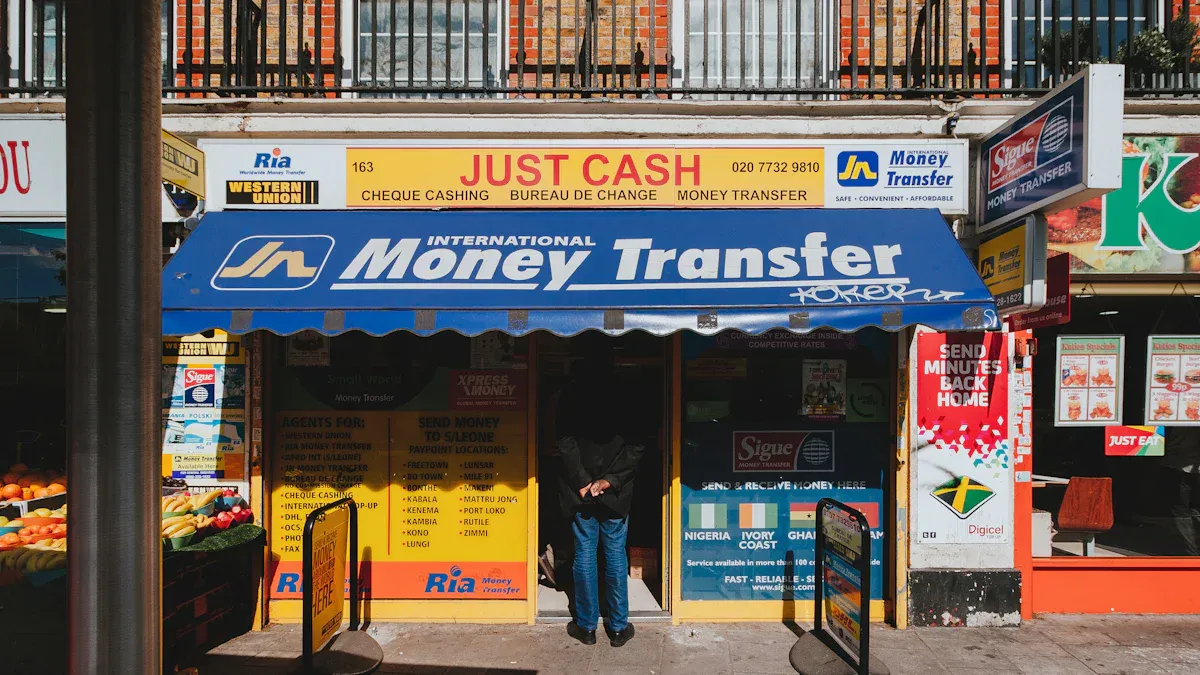
Image Source: unsplash
Practical Operation with Wise and Similar Cross-Border Tools
After making profits from US stocks, if you want to achieve fund transfers with no amount limits, prioritize mainstream cross-border remittance tools such as using Biyapay. Biyapay provides Chinese-speaking users with multi-currency, low-fee, real-time arrival services, supporting remittances initiated from US bank accounts with Hong Kong licensed bank accounts as the preferred destination. You only need to complete the following steps:
- Register a Biyapay account and complete identity verification.
- Link your local US bank account and ensure sufficient funds.
- Select the remittance currency (e.g., USD) and enter the remittance amount.
- Fill in recipient information—recommended to choose a Hong Kong licensed bank account to enhance fund security.
- Check handling fees and real-time exchange rates to confirm no hidden charges.
- Submit the remittance application—the system will process it in real time, usually arriving within 1–2 business days.
During the process, carefully verify recipient account information to avoid delays due to input errors. Platforms like Biyapay impose no mandatory amount limits on large transfers, making them suitable for users needing flexible fund allocation. You can also choose other cross-border tools like Wise with similar processes, all supporting multi-currency settlement and transparent fee structures.
Tip: When selecting a cross-border remittance platform, focus on compliance credentials, service coverage, arrival speed, and detailed fees to ensure safe and smooth fund transfer.
Domestic Bank Account Requirements
When repatriating funds to mainland China, you need to understand the relevant bank account requirements in advance. Banks usually require real-name verified accounts and proof of fund source. Before receiving funds, ensure the account status is normal with no freezes or abnormal transaction records. Common issues include trading violations in cash accounts, especially freeriding violations. You can avoid risks through the following methods:
- Use settled cash for purchases and avoid trading with unsettled funds.
- Regularly check available cash balance to ensure sufficient funds.
- Avoid day trading in cash accounts to prevent violations that trigger account restrictions.
If a freeriding violation occurs, the bank account will be restricted for 90 days to only using existing funds for trading, affecting liquidity. You should communicate with the bank in advance to understand the latest policies and ensure account compliance for smooth receipt of cross-border remittances.
Tax Declaration and Compliance Recommendations
When transferring US stock profits back to mainland China, you must prioritize tax declaration and compliance operations. According to Announcement 37, if the withholding agent fails to withhold tax for the seller, the seller must pay tax in accordance with the law at the location of the Chinese company. During offshore transfers, you can adopt escrow arrangements to protect yourself from historical tax risks. Escrow arrangements help withhold potential transaction tax costs and facilitate subsequent tax reporting and payment.
In actual operations, pay attention to the following compliance recommendations:
- Before fund transfer, prepare audited financial statements for the last two to three years, transfer consideration valuations, and relevant supporting documents.
- When negotiating with counterparties, clearly define each party’s tax reporting responsibilities and introduce escrow arrangements when necessary.
- Retain all remittance, settlement, tax declaration, and other vouchers for subsequent compliance verification.
You should proactively consult professional tax advisors to understand the latest policy changes and ensure safe and compliant fund repatriation. Proper tax declaration planning helps reduce compliance risks and protect personal assets.
Note: During cross-border fund flows, you must strictly comply with relevant laws and regulations in mainland China, declare taxes reasonably, and avoid unnecessary legal risks due to negligence.
You can use settlement, wire transfer, cross-border remittance tools, or consumption withdrawal methods to safely transfer US stock profits back to mainland China. Each method has different advantages and disadvantages:
- Settlement: Suitable for large amounts, strict review, high security.
- Wire Transfer: Simple operation, fast speed, requires risk prevention.
- Cross-Border Remittance Tools: Flexible with no amount limits, transparent fees, suitable for Chinese-speaking users.
- Consumption Withdrawal: Suitable for small amounts, simple operation, clear limits.
You should select the optimal method based on fund size, operational convenience, and compliance requirements. Stay updated on policy changes, declare taxes reasonably, and ensure safe and legal repatriation of funds to mainland China.
FAQ
How long does it take to transfer funds back to mainland China after making profits from US stocks?
You can usually complete the transfer within 1 to 3 business days. Cross-border remittance tools like Biyapay and Wise support real-time arrival. Settlement and wire transfer methods may take longer due to bank review cycles.
What documents need to be prepared during the fund transfer process?
You need to prepare identity proof, proof of fund source, and bank account information. Settlement channels also require transaction records and tax declaration materials. Preparing relevant documents in advance can speed up the review process.
Is there an amount limit for remitting funds to mainland China bank accounts?
You can achieve no amount limit operations through cross-border remittance tools like Biyapay or Wise. Settlement and wire transfer methods are generally suitable for large amounts, but banks will review the source of funds to ensure compliance.
How to ensure fund safety and prevent risks?
You should choose compliant platforms and verify recipient account information. Avoid disclosing sensitive personal data. Report any suspicious requests promptly. Retain all remittance vouchers for subsequent verification.
Is tax declaration required after remittance?
After funds are repatriated to mainland China, you need to declare taxes according to local tax policies. It is recommended to consult a professional tax advisor to plan tax declarations reasonably and ensure legal and compliant funds.
*This article is provided for general information purposes and does not constitute legal, tax or other professional advice from BiyaPay or its subsidiaries and its affiliates, and it is not intended as a substitute for obtaining advice from a financial advisor or any other professional.
We make no representations, warranties or warranties, express or implied, as to the accuracy, completeness or timeliness of the contents of this publication.
Related Blogs of

How Should SSDs and HDDs Work Together in AI Data Centers? Performance, Capacity, Cost, and Hot vs. Cold Data Compared


What Is the Relationship Between ASMPT 0522.HK and HBM? The Role of Advanced Packaging Equipment in the AI Memory Supply Chain


Why Is HDD Supply and Demand Tightening? AI Data Centers, Long-Term Agreements, and Western Digital/Seagate Pricing Power


AI Storage Supply Chain Map: Chips, HDDs, SSDs, Packaging Equipment, and Enterprise Storage Systems

Choose Country or Region to Read Local Blog
 Australia
 Austria
 Belgium
 Canada
 Cyprus
 Czech Republic
 Denmark
 Estonia
 Finland
 France
 Germany
 Greece
 Hong Kong
 India
India Indonesia
 Ireland
 Italy
Italy Japan
Japan Latvia
 Lithuania
 Luxembourg
 Malaysia
 Malta
Malta Morocco
 Nepal
Nepal Netherlands
 New Zealand
 Norway
 Pakistan
 Philippines
 Poland
 Portugal
 Romania
 Singapore
 Slovakia
 Slovenia
 South Africa
 South Korea
 Spain
Spain Sweden
 Thailand
 The United States
 Turkey
 United Arab Emirates
 United Kingdom
 Vietnam
Contact Us




BIYA GLOBAL LLC is registered with the Financial Crimes Enforcement Network (FinCEN), an agency under the U.S. Department of the Treasury, as a Money Services Business (MSB), with registration number 31000218637349, and regulated by the Financial Crimes Enforcement Network (FinCEN).
BIYA GLOBAL LIMITED is a registered Financial Service Provider (FSP) in New Zealand, with registration number FSP1007221, and is also a registered member of the Financial Services Complaints Limited (FSCL), an independent dispute resolution scheme in New Zealand.