Mexico City Stadium Area Spending: Peso Exchange Guide and Anti-Skimming Tips




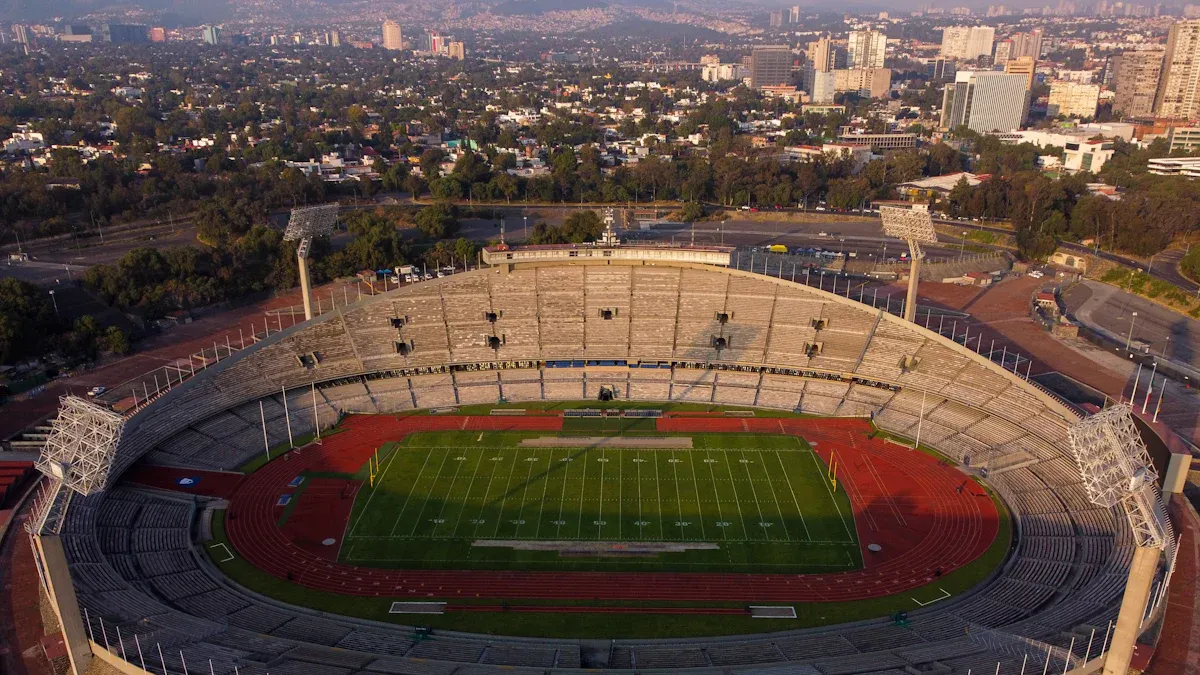
Image Source: pexels
When spending around Mexico City stadiums, you should prepare some cash in advance for small transactions. You can refer to the peso exchange guide and choose legitimate channels to obtain cash. Pay attention to real-time exchange rates and allocate cash and bank cards reasonably to avoid swiping cards at unfamiliar merchants. You should implement bank card security measures to protect your personal funds.
Key Takeaways
- When exchanging pesos in Mexico City, choose legitimate channels such as banks and licensed exchange offices; avoid black-market transactions to ensure fund safety.
- Using chip cards for transactions can effectively reduce the risk of card skimming and ensure secure payments.
- When spending around stadiums, distribute cash in multiple locations and avoid carrying large amounts of cash to lower theft risk.
- Regularly monitor bank card transactions to detect anomalies promptly and prevent losses.
- When selecting payment methods, consider venue safety and prioritize transactions at reputable merchants.
Peso Exchange Guide: Channels and Process
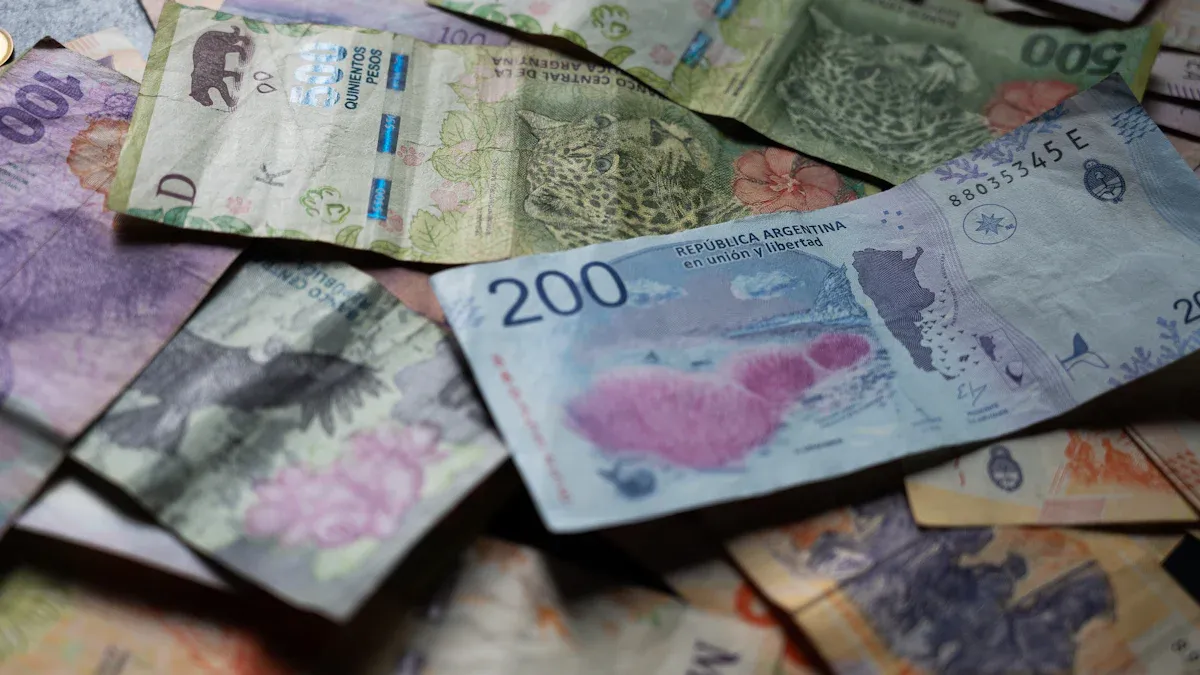
Image Source: pexels
When spending around Mexico City stadiums, you must understand the peso exchange guide and select legitimate channels for exchange. You can obtain peso cash through three main methods: airports, banks, and licensed exchange offices. Pay attention to fees and real-time exchange rates; avoid exchanging at black markets or unknown sources.
Airport Exchange
After arriving at Mexico City airport, you can exchange pesos at the currency exchange counters inside the airport. Airport exchange desks usually operate long hours, making them convenient for on-arrival exchanges. You need to carry your passport as identification. Airport exchange points generally charge higher fees and offer less favorable rates compared to city banks or licensed exchange offices. You can check exchange rates in advance to compare costs between the airport and other channels. Airport exchange is suitable for emergency needs; it is recommended to exchange only a small amount of cash there.
Bank Exchange
You can choose to exchange pesos at banks in Mexico City. Licensed banks in Hong Kong have partner locations that provide safe and reliable exchange services. You need to carry your passport or other valid identification. Bank exchanges typically have lower fees and transparent rates. You can check real-time rates in advance on the bank’s website or at the counter. The bank exchange process is standardized with strong fund security guarantees. Banks are suitable for exchanging larger amounts and meet long-term or high-value spending needs.
Licensed Exchange Offices
You can also exchange pesos at licensed exchange offices in the city center. These offices are usually located in commercial or tourist areas with flexible operating hours. You need to carry identification, and some offices require basic information to be filled out. Pay attention to fees and rates and choose reputable exchange offices. According to average fees at licensed exchange offices in Mexico City, they usually range between 5% and 15%. Refer to the table below for fee ranges across different channels:
| Exchange Channel | Fee Range |
|---|---|
| Airport Exchange | 10% - 20% |
| Bank Exchange | 0.5% - 3% |
| Licensed Exchange Office | 5% - 15% |
You should avoid exchanging pesos at black markets or unlicensed points. Black-market channels carry high risks, including counterfeit currency or scams. By following the peso exchange guide and planning exchange channels in advance, you can protect your funds.
Tip: When exchanging pesos, it is recommended to check exchange rates in advance, carry your passport or other ID, and choose legitimate channels with lower fees. Allocate cash and bank cards reasonably and avoid exchanging excessive cash at once.
You can select airport, bank, or licensed exchange offices based on your needs. Follow the peso exchange guide to ensure fund safety and improve your stadium-area spending experience.
Peso Exchange Guide: Precautions
Exchange Rates and Fees
When exchanging pesos, you need to monitor exchange rate fluctuations. The peso exchange guide recommends checking real-time rates before exchanging to avoid peak-rate periods. You can obtain the latest rate information from bank websites, financial news sites, or professional apps. Fees are another key factor. Fees vary significantly across channels: airport exchanges usually charge 10% to 20%, while bank fees are lower at approximately 0.5% to 3%. Refer to the table below to compare fees across channels:
| Exchange Channel | Fee (USD) |
|---|---|
| Airport | 10-20% |
| Bank | 0.5-3% |
| Licensed Exchange Office | 5-15% |
Choose transparent and publicly posted channels and avoid unclear or black-market exchanges.
Identification Requirements
When exchanging pesos, you must prepare your passport or other valid identification. The peso exchange guide reminds you that some exchange offices require basic information to be filled out. Confirm operating hours in advance to avoid missing exchange opportunities due to time restrictions. Exchanges at banks or licensed offices follow standardized procedures with strong security guarantees. Prepare relevant documents ahead of time to improve exchange efficiency.
Stadium-Area Exchange Recommendations
When exchanging pesos around stadiums, prioritize locations with high foot traffic and good security. You can exchange at large shopping malls, bank branches, or licensed exchange offices. The peso exchange guide recommends avoiding remote or poorly secured areas. Observe the exchange office environment to ensure there are cameras and security personnel nearby. Stay alert during the exchange and avoid carrying large amounts of cash. Exchange in batches to reduce risk.
Tip: When spending around stadiums, plan exchange channels and amounts reasonably to protect fund safety.
If you want to estimate conversion costs before departure, you can first check the live USD-to-MXN rate with BiyaPay’s exchange rate comparison tool, then decide whether to exchange a small amount at the airport first or handle it in batches later through licensed city channels. For high-frequency, small-ticket spending around stadiums, planning the rate and exchange rhythm in advance is usually more practical than looking for exchange points on the spot.
BiyaPay is better understood as a multi-asset wallet, with common use cases covering cross-border payments, currency conversion, and account fund management. If you also want to keep part of your budget as backup travel funds, you can review its official website or remittance service first, then arrange your funds based on trip length and expected daily spending.
Cash Safety and Usage
Cash Distribution
While moving around Mexico City stadium areas, it is recommended to distribute cash in multiple locations. Do not keep all cash in one wallet or pocket. Place cash and bank cards in different bags or clothing pockets. Using a small crossbody bag with a zipper can improve security. Carry only the cash needed for the day and avoid large amounts. This reduces losses in case of theft or loss. Plan daily required amounts before going out, allocate cash and cards reasonably, and improve fund management efficiency.
Small Transactions
Most vendors and stalls around stadiums accept small cash payments. Prioritize using small-denomination cash to reduce the risk of large transactions. Many stalls and small shops do not accept bank cards or mobile payments. Prepare small change in advance when spending to avoid frequently opening your wallet in public. Keep small change in front pockets or a small zippered pouch for quick payments. Reasonable cash usage improves the spending experience and reduces security risks.
Anti-Theft and Pickpocketing Prevention
Metro stations and popular tourist areas in Mexico City have pickpocketing risks, especially targeting foreign visitors. When active around stadiums, stay vigilant. Avoid wearing flashy watches or valuable items. Keep your wallet in a front pocket, preferably one with a zipper. Hold bags close to your body and keep them visible. Walk on busy, well-lit streets whenever possible. Avoid using ATMs in crowded places. If you feel unsafe, enter a store or café and call a ride. Trust your instincts and adjust your route promptly. Certain areas such as Tepito, Centro Histórico, and Doctores carry higher safety risks; it is recommended to avoid them. When spending around stadiums, stay alert, plan routes carefully, and protect both funds and personal safety.
Tip: When active around Mexico City stadiums, distributing cash, using small payments, and preventing theft/pickpocketing are key measures to safeguard funds. Plan cash usage reasonably to improve the spending experience.
Bank Card Safety and Anti-Skimming
Image Source: unsplash
When spending around Mexico City stadiums, you must take bank card security very seriously. Some areas of Mexico City have risks of card skimming and cloning. You can improve fund safety and avoid unnecessary losses through the following three aspects.
Using Chip Cards
When spending in Mexico City, prioritize using chip cards. Chip cards offer higher security and effectively prevent magnetic stripe data theft. Some ATMs and merchants in Mexico City still have “swipe devices” or “shimmer” devices that can read magnetic stripe or chip card data, leading to information leakage. When choosing a bank card, consider products that meet international chip card standards such as Biyapay. Chip cards use dynamic encryption, generating one-time codes for each transaction and reducing cloning risk. When using ATMs, choose machines from licensed Hong Kong banks or large banks and avoid withdrawals at night or in low-traffic areas. Refer to the table below for a security comparison between chip cards and magnetic stripe cards:
| Card Type | Security Level | Anti-Skimming Ability | Recommended Use Case |
|---|---|---|---|
| Chip Card | High | Strong | Stadiums, malls, banks |
| Magnetic Stripe Card | Low | Weak | Not recommended |
When entering your PIN, cover the keypad with your hand to prevent cameras or bystanders from viewing it. Chip cards significantly improve transaction security and reduce skimming risk.
Transaction Monitoring
During your trip in Mexico City, regularly monitor bank card transactions. Use bank apps, SMS alerts, or email notifications to track account activity in real time. Before traveling, it is recommended to notify your bank of your travel plans to avoid card blocks due to suspicious activity. For example, Luca Hernandez notified the bank before traveling to Spain and experienced no issues with withdrawals. In contrast, Jennifer Lee did not notify her bank in advance and had her card declined twice while buying from street vendors in Mexico City. Set travel alerts to detect unauthorized transactions promptly. Monica Torres discovered two unauthorized charges through travel alerts, reported them immediately, and successfully recovered the funds. Follow these steps to improve transaction monitoring efficiency:
- Notify your bank of your travel plans to prevent misjudgment of legitimate activity.
- Set spending alerts for real-time account change notifications.
- Regularly review transaction records and contact the bank immediately if anomalies are found.
- Use products with real-time monitoring features such as Biyapay to enhance fund safety.
Stay vigilant during monitoring and take immediate action if anomalies occur.
Safe Card Usage
When spending around Mexico City stadiums, prioritize swiping cards at reputable merchants. Avoid entering card numbers or PINs at unknown vendors or in public places. Common skimming methods in Mexico City include swipe devices reading magnetic stripe data, recording CVV codes, and “shimmer” devices directly reading chip card data. When using ATMs, choose well-lit and secure locations such as banks or large shopping centers. Follow these recommendations to improve card safety:
- Always carry some peso cash to avoid swiping cards at cash-only vendors.
- When using debit cards or ATMs, choose to be charged in pesos to avoid higher conversion fees.
- Cover the keypad when entering your PIN to prevent information leakage.
- If an ATM appears suspicious or tampered with, stop using it immediately and report it to the bank.
- Avoid withdrawals at night or in low-traffic areas; prioritize ATMs from licensed Hong Kong banks or large banks.
- Visa, MasterCard, and American Express are widely accepted in Mexico City; notify your bank in advance to prevent blocks due to suspicious activity.
When spending around stadiums, allocate cash and bank cards reasonably and choose payment methods based on the actual venue. By using chip cards, monitoring transactions, and practicing safe swiping habits, you can protect funds and improve the spending experience.
Tip: When spending around Mexico City stadiums, bank card safety and anti-skimming measures are critical. Choose chip cards reasonably, monitor transactions regularly, and prioritize swiping at reputable merchants to effectively reduce skimming risk. Stay alert and flexibly adjust payment methods to ensure fund safety.
Fraud Prevention and Response
Common Skimming Techniques
When spending around Mexico City stadiums, be wary of various skimming and fraud methods. ATM fraud is very common. Criminals install skimming devices on ATMs to capture bank card information and steal funds. Between 2014 and 2019, Romanian crime groups carried out large-scale ATM fraud in Mexico’s tourist areas, involving amounts up to $1.2 billion.
In addition, the following techniques are common on streets and in public places:
- Dropped items: Someone deliberately drops coins or a small bag in front of you to distract you while an accomplice steals your belongings.
- Fake inspectors: Individuals in ill-fitting uniforms claim your ticket is invalid and demand a processing fee.
- Crowd surge: During peak times, they create chaos to distract you and steal bags or backpacks.
- Lost-and-found scam: Someone pretends to find your wallet to get close and steal.
- Emergency stop: Creating panic on the metro to steal during the confusion.
When active around stadiums, remain highly vigilant to avoid falling into these traps.
Fraud Identification
When encountering unfamiliar vendors or temporary stalls in Mexico City, learn to recognize fraud signs. Common suspicious behaviors include:
- Sudden high-return offers: Receiving unexpected calls or emails promoting high-return goods or services.
- Advance payments: Requiring “processing fees” or “taxes” before completing the transaction.
- Unrealistic promises: Guarantees of returns far above market rates or extremely fast transactions.
- Pressure tactics: Forcing immediate decisions with threats of penalties for delay.
- Vague contracts: Incomplete contracts or missing legal clauses.
- Suspicious requests: Asking for bank account details, passport copies, or other sensitive information.
- Newly established companies: Companies with short history, minimal online presence, and no industry background.
When choosing spending locations, prioritize reputable merchants with good reviews and security measures, and avoid high-value transactions with strangers.
Tip: When faced with any request for advance payment or sensitive information, immediately raise your guard and carefully verify the other party’s identity.
Handling Skimming Incidents
If you discover unauthorized transactions on your bank card, take the following steps immediately:
- Immediately call the card-issuing bank’s customer service hotline (e.g., 1-800-642-4720 for Wells Fargo) to report the fraud.
- If the card is lost or stolen, contact the bank to report it lost/blocked immediately.
- When outside the United States, use the international dialing code to contact the bank.
- Keep all transaction receipts and related evidence for subsequent claims and disputes.
During your trip in Mexico City, carry bank contact information with you and regularly check account activity. Prompt action when skimming occurs can minimize losses.
Payment Methods and Venue Safety
Payment Method Selection
When spending around Mexico City stadiums, you can choose diverse payment methods based on the actual venue. Cash is suitable for small purchases and temporary stalls, chip cards such as Biyapay are ideal for large malls and bank branches, and mobile payments offer convenience at some merchants. When selecting payment methods, consider security, convenience, and cost. The table below shows the main advantages and disadvantages of the three payment methods:
| Advantages | Disadvantages |
|---|---|
| Increased security: Accepting card payments reduces cash on hand and robbery risk. | Commission fees: Merchants pay fees for electronic payments, which may be passed to customers. |
| Convenience: Electronic payments eliminate the need for bank deposits, suitable for merchants far from banks. | Higher taxes: Every card transaction is recorded, preventing merchants from hiding income. |
| Better business management: Mobile apps can analyze sales trends and inventory. | Not applicable |
| Increased sales: Merchants generally believe accepting card payments boosts sales. | Not applicable |
You can flexibly choose payment methods according to the venue and your needs. Biyapay chip cards and mobile payments are widely accepted at mainstream merchants in Mexico City, with transactions denominated in USD for easier fund management by Chinese-speaking users.
Venue Safety Assessment
When spending around stadiums, evaluate venue safety. Large shopping malls, bank branches, and licensed exchange offices usually have surveillance and security, making them suitable for chip cards or mobile payments. Temporary stalls and night markets have complex environments; prioritize cash there. Observe foot traffic, security measures, and surveillance equipment when choosing venues. Avoid high-value transactions in remote, poorly lit, or low-security areas. When assessing venues, prioritize fund safety and transaction convenience.
Tip: When spending at unfamiliar venues, start with small payments to confirm merchant credibility before making larger transactions.
Environmental Considerations
When spending around Mexico City stadiums, pay attention to environmental risks affecting payment safety. Extreme heat, floods, and other climate challenges may cause payment device failures or network interruptions. During the 2026 World Cup, some venues already exceed extreme heat thresholds, and by 2050, nearly 90% of venues are projected to face unsafe high temperatures. Some venues also face flash flood risks, extreme winds, and water shortages that can affect payment experiences. When encountering abnormal environmental conditions, prioritize cash usage to avoid reliance on electronic payment devices.
- Extreme heat affects payment device stability
- Floods may cause network interruptions
- Extreme winds and water shortages impact venue operations
When spending around stadiums, choose payment methods reasonably, monitor environmental changes, and protect fund safety.
When spending around Mexico City stadiums, prepare cash in advance, monitor real-time exchange rates, and choose legitimate channels to exchange pesos. Allocate cash and bank cards reasonably based on trip duration, group size, and daily budget to improve fund management efficiency. Prioritize using chip cards or digital wallets in safe venues and avoid high-risk areas. Utilize bank partnerships, ATM tips, and installment options to reduce transaction costs. Continuously monitor local safety alerts and environmental changes, flexibly adjust payment measures, and ensure fund safety.
FAQ
What documents are required when exchanging pesos?
You need to carry your passport as identification. Some licensed exchange offices also require basic information to be filled out. Preparing documents in advance improves exchange efficiency.
How should cash and bank cards be allocated when spending around Mexico City stadiums?
Use cash for small purchases and temporary stalls, and chip cards for large malls or bank branches. Reasonable allocation reduces fund risk.
How to ensure fund safety when withdrawing cash from ATMs?
Choose large banks or licensed ATMs, avoid nighttime and low-traffic areas. Cover the keypad when entering your PIN and stop immediately if the machine appears tampered with.
What to do if your bank card is skimmed?
Immediately contact the card-issuing bank’s customer service, report the card lost/stolen, and keep all transaction receipts. Prompt reporting helps recover losses.
Which payment methods are safest around stadiums?
Prioritize chip cards or cash payments. Mobile payments are suitable for some merchants. Avoid swiping cards at unknown venues to protect fund safety.
*This article is provided for general information purposes and does not constitute legal, tax or other professional advice from BiyaPay or its subsidiaries and its affiliates, and it is not intended as a substitute for obtaining advice from a financial advisor or any other professional.
We make no representations, warranties or warranties, express or implied, as to the accuracy, completeness or timeliness of the contents of this publication.
Related Blogs of

How to Read NAND Contract Prices and Spot Prices? Why Enterprise SSDs and Consumer SSDs Do Not Move in Sync


How Should You View Shanghai Fudan’s Non-Volatile Memory Business? Application Scenarios, Competition, and Risks

Why Can’t HBM Exist Without Advanced Packaging? The Role of TSV, CoWoS, and Packaging Equipment


How Should You View Seagate’s HAMR Technology? Nearline HDD Capacity Upgrades and the Supply-Demand Cycle

Choose Country or Region to Read Local Blog
 Australia
 Austria
 Belgium
 Canada
 Cyprus
 Czech Republic
 Denmark
 Estonia
 Finland
 France
 Germany
 Greece
 Hong Kong
 India
India Indonesia
 Ireland
 Italy
Italy Japan
Japan Latvia
 Lithuania
 Luxembourg
 Malaysia
 Malta
Malta Morocco
 Nepal
Nepal Netherlands
 New Zealand
 Norway
 Pakistan
 Philippines
 Poland
 Portugal
 Romania
 Singapore
 Slovakia
 Slovenia
 South Africa
 South Korea
 Spain
Spain Sweden
 Thailand
 The United States
 Turkey
 United Arab Emirates
 United Kingdom
 Vietnam
Contact Us




BIYA GLOBAL LLC is registered with the Financial Crimes Enforcement Network (FinCEN), an agency under the U.S. Department of the Treasury, as a Money Services Business (MSB), with registration number 31000218637349, and regulated by the Financial Crimes Enforcement Network (FinCEN).
BIYA GLOBAL LIMITED is a registered Financial Service Provider (FSP) in New Zealand, with registration number FSP1007221, and is also a registered member of the Financial Services Complaints Limited (FSCL), an independent dispute resolution scheme in New Zealand.