Remitting from Taiwan to Overseas? 2025 Legal Cryptocurrency Remittance Process





Image Source: pexels
Are you considering remitting from Taiwan to overseas? The answer is yes. In 2025, you can completely legally complete international remittances through cryptocurrency. This method has significant advantages compared to traditional banks.
Core Advantages at a Glance
- Faster Speed: Transactions usually complete in minutes.
- 24/7 Availability: Not restricted by bank hours, operable 7x24.
- Cost-Effective: Fees may be far lower than traditional wires.
This article provides you with a complete legal operation guide.
Key Takeaways
- In 2025, legally using cryptocurrency to remit from Taiwan to overseas is feasible; it is faster and cheaper than traditional banks.
- The remittance process includes selecting a compliant Taiwan platform, purchasing stablecoin USDT, transferring via blockchain network, and finally withdrawing at an overseas exchange.
- Choosing a VASP platform recognized by Taiwan’s FSC is key to legal remittance, ensuring fund security and regulatory compliance.
- To avoid fund loss, carefully verify the recipient address and select the correct blockchain network during transfer; TRC20 network is recommended.
- Properly saving all transaction records is very important for handling future tax audits or bank inquiries.
Four-Step Cryptocurrency International Remittance Process
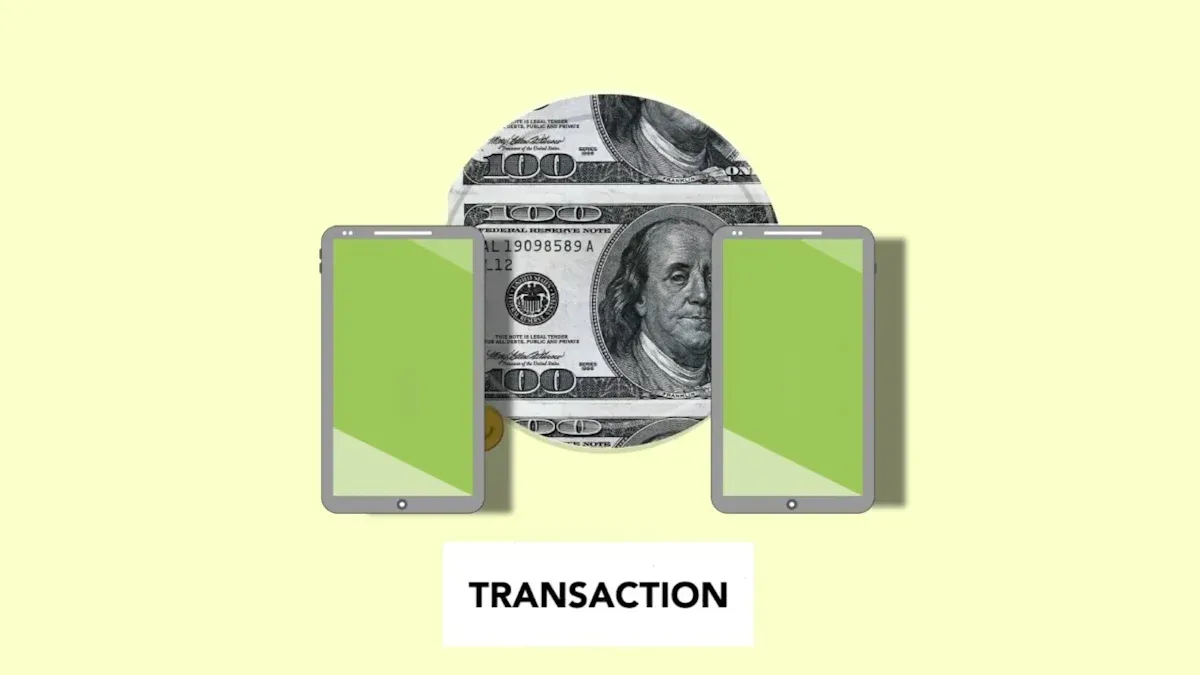
Image Source: pexels
Breaking down the cryptocurrency remittance process, you will find it is not complicated. The core is to use compliant platforms to exchange TWD for “stablecoins” pegged to USD value (e.g., USDT), then transfer them overseas, and finally exchange back to local fiat currency.
The biggest benefit of this method is using stablecoins to avoid violent price fluctuations of cryptocurrencies like Bitcoin or Ethereum, ensuring the amount you send and what is ultimately received are basically the same.
Now, let’s complete this process step by step.
Step 1: Select Taiwan-Compliant VASP and Complete KYC
Your first and most critical step is to choose a platform regulated by Taiwan’s Financial Supervisory Commission (FSC). This ensures your fund security and legal compliance. These platforms are called “Virtual Asset Service Providers” (VASP).
Why Choose Compliant VASP? Compliant VASPs follow the government’s Money Laundering Control Act, protecting your transactions from illegal activities. Operating on these platforms is the cornerstone of your legal remittance.
As of 2025, Taiwan’s FSC has published the list of VASPs that have completed anti-money laundering declarations. You can choose one to register:
- Heya Digital Technology
- Modern Wealth Technology
- Bito Technology
- Weight Technology
After selecting a platform, you need to complete “Know Your Customer” (KYC) identity verification. This is a mandatory requirement for all compliant exchanges.
KYC Core Requirements
- The platform must verify your real identity, prohibiting fake names or anonymous accounts.
- You need to provide identity documents (such as ID card, passport) and bank account information.
- The platform will decide based on risk assessment whether more information is needed.
This process secures the trading environment and provides clear records for your subsequent tax declarations.
Step 2: Deposit TWD and Purchase Stablecoin (USDT)
After identity verification, the next step is to deposit New Taiwan Dollars into the exchange account, called “deposit.” Many mainstream Taiwan exchanges support direct bank transfers for deposits.
Common exchanges supporting TWD deposits include:
- BitoPro
- MAX by MaiCoin
- XREX
After successful deposit, you can purchase stablecoins on the exchange. The most common stablecoin for remittance is USDT (Tether), as its value is 1:1 anchored to USD. Purchasing USDT means converting your TWD assets into equivalent USD digital assets, preparing for cross-border transfer.
Step 3: Cross-Border Transfer via Blockchain Network
This is the core link of the international remittance process. You need to send the purchased USDT from the Taiwan exchange to your exchange account in the destination country/region (e.g., US, Canada).
At this stage, keeping the flow—“buy → verify → test transfer → confirm receipt”—inside one environment materially reduces copy-paste errors and context switching. BiyaPay, a multi-asset wallet, lets you handle registration, recipient address book and allowlist controls, and initiate remittances under the same domain. On the account side it supports login/withdrawal 2FA and delayed activation for newly added withdrawal addresses, which fits a “small test first, then full amount” routine.
Before sending, use the free Rate Converter & Comparator to estimate net proceeds and chain/FX costs so you don’t pick a network just to save a few dollars in fees and make a costly mistake. If schools or agencies require full beneficiary details, verify them via SWIFT Lookup and IBAN Lookup to lower the risk of returns and re-submissions.
Within Taiwan, you should still on-ramp TWD and buy USDT through an FSC-recognized VASP, then transfer to your self-custody wallet or a compliant receiving platform; BiyaPay can sit on top for address management, test transfers, and record-keeping so the critical steps happen in one consistent environment.
The operation is simple:
- Find your USDT “deposit address” on the destination exchange. This address is a long string of numbers and letters.
- Carefully copy this address.
- Return to the Taiwan exchange, select the “withdraw” function, and paste the copied address.
💡 Operation Tip: Network Selection is Crucial! During transfer, you must select a “blockchain network.” Sender and receiver must choose exactly the same network; otherwise, your assets will be permanently lost.
To help you make the best choice, here is a comparison of several mainstream networks:
| Network | Average Transfer Fee (USD) | Average Arrival Time | Recommended Use |
|---|---|---|---|
| TRC20 (Tron) | $1 - $2 | 3-5 minutes | Most recommended, low cost, fast speed |
| BEP20 (BSC) | $0.50 - $1 | 5-10 minutes | Affordable alternative |
| ERC20 (Ethereum) | $5 - $50 | Over 15 minutes | High cost, not suitable for small remittances |
From the table, TRC20 network is currently the best choice for USDT transfers. Its fees are extremely low, and transaction speed is very fast, usually arriving in minutes, perfectly meeting our needs for efficient, low-cost remittance.
Step 4: Sell and Withdraw at Destination Exchange
When your USDT arrives at the destination exchange, the final step is to sell it for local fiat currency (e.g., USD, CAD) and withdraw to your bank account.
First, you need an exchange that operates well in the destination country/region and supports fiat withdrawals. Here are some popular choices in the US market:
| Exchange | US Fiat Withdrawal Method | Withdrawal Fee (USD) | Features |
|---|---|---|---|
| Coinbase | ACH Bank Transfer | Free | Simple operation, fast arrival |
| Kraken | ACH Bank Transfer | Free | Established exchange, good reputation |
| Gemini | ACH Bank Transfer | Free | High security, strictly regulated |
| Crypto.com | ACH Bank Transfer | Free | Supports many fiat types |
The operation process is usually as follows:
- Sell the received USDT for USD (or other fiat) on the exchange.
- Enter the “withdraw” page, select bank transfer (e.g., ACH Transfer).
- Bind your local bank account information.
- Enter the withdrawal amount and confirm.
- Funds usually arrive in your bank account within 1-3 business days.
Withdrawal fees are settled in the fiat you withdraw. Although most exchanges offer free ACH transfers, wire transfers usually charge around $25. At this point, you have successfully and legally completed an entire cryptocurrency remittance.
Taiwan Regulations Analysis: Remittance Compliance and Tax Declaration

Image Source: pexels
After completing the four-step technical operations, understanding the legal framework behind it is equally important. This ensures every remittance is legal and compliant, giving you peace of mind. In Taiwan, all cryptocurrency activities are strictly regulated by financial laws, especially for international remittances.
Core Regulations: Money Laundering Control Act and VASP Guiding Principles
All your legal operations are built on Taiwan’s two major regulatory pillars: the Money Laundering Control Act and the Virtual Asset Service Provider (VASP) Management Guiding Principles. The core goal of these regulations is to prevent financial crimes and protect consumers.
The 2024 amendments to the Money Laundering Control Act have explicitly included cryptocurrency exchanges in regulation. This means:
- Expanded Reporting Scope: Exchanges must proactively report suspicious transactions to regulators like banks.
- Strict Identity Verification: Platforms need to implement stricter KYC standards than before, eliminating anonymous transactions.
Meanwhile, the VASP Guiding Principles issued by the Financial Supervisory Commission (FSC) require all exchanges operating in Taiwan to:
- Complete Anti-Money Laundering Declaration: This is a prerequisite for legal operation.
- Establish Industry Association: Enhance industry transparency and security through self-regulation.
- Protect Client Assets: Must deposit client fiat funds in trust or obtain bank performance guarantees.
These regulations together build a protected trading environment for you.
Importance of Trading Only Through Compliant VASP
You may see ads online for personal coin dealers (OTC) or peer-to-peer (P2C) transactions claiming lower fees and no identity verification. You must stay away from these channels.
Legal Risk Warning According to Taiwan’s Money Laundering Control Act, any individual or company not registered with the FSC for anti-money laundering is prohibited from providing virtual asset services. This includes private exchange by personal coin dealers. Trading with them not only risks becoming a victim of money laundering crimes but also exposes you to legal risks.
Choosing unregistered service providers brings huge risks:
- Legal Penalties: Once detected, illegal service providers face criminal liability, with individuals facing up to two years imprisonment and high fines.
- Asset Loss: Your funds have no protection, with extremely high fraud risk.
- Missing Transaction Records: You cannot obtain legal transaction credentials, causing huge trouble in subsequent tax declarations or fund source explanations.
Simply put, to ensure fund security and operational legality, you must and can only trade through VASPs that have completed anti-money laundering declarations with the FSC.
Tax Declaration: Remitting to Self vs. to Others
Tax is one of the most concerned issues in cryptocurrency remittance. You need to determine potential tax categories based on the final recipient of the funds.
Scenario 1: Remitting to Yourself If you transfer funds from a Taiwan account via cryptocurrency to your own overseas bank account, this is usually considered personal asset transfer in Taiwan’s tax system.
- Not Income: Since the money was originally yours, just changing storage location, no income tax is generated.
- Not Gift: Since the recipient is yourself, no gift tax is involved.
Scenario 2: Remitting to Others (e.g., Children, Relatives) If you remit to others, this may trigger Taiwan’s gift tax rules.
- Annual Exemption: According to Taiwan regulations, each donor enjoys an annual exemption of 2.44 million TWD.
- Excess Must Be Declared: If your annual gift total exceeds 2.44 million TWD, the excess needs to be declared and taxed at 10% or more.
Note that these tax rules apply only to Taiwan. Whether the recipient needs to pay tax upon fund arrival in the destination country depends on local laws.
How to Properly Save Transaction Records for Audits
To handle possible future tax audits or bank inquiries, develop the habit of properly saving every transaction record. Complete records are your best evidence to prove legitimate fund sources and clear flow.
You should save the following three key record segments:
- Taiwan Exchange Records
- Bank transfer to exchange deposit slip.
- USDT purchase transaction record on the exchange (including time, price, quantity).
- Withdrawal record from exchange to overseas address.
- Blockchain Transfer Records
- Transaction hash (Transaction Hash / TxID) of the transfer.
- Query and screenshot transfer details via blockchain explorer (e.g., TRONSCAN).
- Over954seas Exchange Records
- USDT deposit arrival record.
- Transaction record of selling USDT for fiat on the exchange.
- Withdrawal record from exchange to your local bank account.
Organize and archive these files, preferably naming folders with “date + remittance purpose.” A clear record chain is the final defense to ensure your entire remittance process is compliant and worry-free.
Exchange Selection and Cost-Benefit Analysis
Choosing the right exchange is key to determining your remittance cost and efficiency. You need to evaluate Taiwan deposit platforms and overseas withdrawal platforms separately and learn to protect your assets.
Standards for Evaluating Taiwan Deposit Exchanges
When choosing an exchange in Taiwan, focus goes beyond reputation. A platform’s deposit rules and account limits directly affect your experience.
Core Evaluation Standards
- TWD Deposit Methods: Does the platform support your preferred bank transfer method? For example, some exchanges do not accept counter remittances.
- Account Limits: Your KYC level determines single, daily, and annual transaction limits. For large remittances, confirm advanced verification meets your quota.
- Trading Liquidity: A good exchange should have sufficient depth to ensure quick USDT purchase at stable prices.
For example, after advanced verification, your daily fiat transaction limit may increase from 100,000 TWD to 2,000,000 TWD, crucial for large remittances.
Standards for Evaluating Overseas Withdrawal Exchanges
For overseas receiving exchanges, focus on their ability to convert cryptocurrency to fiat and withdraw to bank accounts.
Confirm the following:
- Supported Fiat: Does the platform support needed currencies like USD, EUR?
- Withdrawal Methods: Does it offer convenient local bank transfers (e.g., ACH)? This is usually cheaper than wire transfers.
- Regulatory Compliance: Does the platform legally operate in the destination country and strictly follow KYC and AML rules? This is the basis for fund security.
Cost Comparison: Cryptocurrency vs. Traditional Wire
One of cryptocurrency remittance’s biggest advantages is cost. According to World Bank data, the 2025 global average wire cost is up to 6.49% of the amount. This means remitting $10,000 may cost nearly $650.
In contrast, cryptocurrency remittance has a completely different cost structure:
- Trading Fees: Buying/selling USDT on exchanges usually 0.1% - 0.4%.
- Network Transfer Fee: Using TRC20 for USDT transfer usually fixed at $1 - $2, regardless of amount.
Overall, the total cost of a cryptocurrency international remittance can often be controlled under 1%. Some emerging payment platforms (like Biyapay) optimize paths to offer even more competitive rates, further reducing your costs.
Security and Risk Control: Techniques to Reduce Operational Risks
Behind the convenience of technical operations is your personal security responsibility. Take the following measures to protect your account:
- Enable Two-Factor Authentication (2FA): This is the most important defense. Prefer authenticator app-based 2FA; it is safer than SMS codes.
- Set Withdrawal Address Whitelist: This restricts your account to withdraw only to pre-set, your own wallet addresses, effectively preventing theft.
- Prepare Compliance Documents: For large remittances, prepare fund source proofs in advance for exchange compliance reviews.
Remember, your cautious operation is the final lock for fund security.
Before starting, check this final checklist:
- Choose Compliant Platform: Only use VASPs recognized by Taiwan’s FSC.
- Save All Records: Keep every credential from deposit to withdrawal.
- Clarify Tax Responsibility: Confirm if remittance is personal asset transfer or gift.
As long as you follow these steps, international remittance via cryptocurrency is a completely legal path.
Important Reminder Regulations in Taiwan and destination countries (e.g., US, Canada, Japan) are constantly updating. Compliant operation is the cornerstone of safe remittance; research the latest rules of both sides before acting.
FAQ
We have compiled some questions you are most likely to encounter before operating to clear your final doubts.
How much can I remit at most in one go?
Your remittance limit mainly depends on your KYC level on the exchange. Basic verification has lower limits; advanced verification allows daily limits up to millions of TWD. Check the official instructions of your chosen exchange for specific amounts.
Is cryptocurrency remittance always cheaper than banks?
In most cases, yes. Total cryptocurrency remittance cost is usually under 1%, far below traditional wires. But final cost is affected by market prices, network congestion, and exchange rates. The cost advantage is especially obvious for small remittances.
If I make an operational mistake, will my money be lost?
Yes, possibly. The most common mistakes are copying wrong wallet addresses or selecting wrong blockchain networks. These may cause permanent asset loss with no recovery. You must carefully verify every detail during operation.
*This article is provided for general information purposes and does not constitute legal, tax or other professional advice from BiyaPay or its subsidiaries and its affiliates, and it is not intended as a substitute for obtaining advice from a financial advisor or any other professional.
We make no representations, warranties or warranties, express or implied, as to the accuracy, completeness or timeliness of the contents of this publication.
Related Blogs of
International Students Returning Home After Graduation: How to Most Conveniently and Cost-Effectively Bring Back the Few Thousand USD Left in Your US Bank Card?

Digital Currency Credit Card Comparison: Which Card Offers the Best POS Exchange Rate in China and Lowest Risk of Suspension?

Investing in Japanese Real Estate for Rental Yield: How to Convert JPY Rent to USD and Trade US Stocks Using the Same App?

Cross-Border Merchants' Dilemma: Received Crypto Payments Containing Gray Assets — How to Clean and Comply Through a Compliant Platform?

Choose Country or Region to Read Local Blog
 Australia
 Austria
 Belgium
 Canada
 Cyprus
 Czech Republic
 Denmark
 Estonia
 Finland
 France
 Germany
 Greece
 Hong Kong
 India
India Indonesia
 Ireland
 Italy
Italy Japan
Japan Latvia
 Lithuania
 Luxembourg
 Malaysia
 Malta
Malta Morocco
 Nepal
Nepal Netherlands
 New Zealand
 Norway
 Pakistan
 Philippines
 Poland
 Portugal
 Romania
 Singapore
 Slovakia
 Slovenia
 South Africa
 South Korea
 Spain
Spain Sweden
 Thailand
 The United States
 Turkey
 United Arab Emirates
 United Kingdom
 Vietnam
Contact Us




BIYA GLOBAL LLC is registered with the Financial Crimes Enforcement Network (FinCEN), an agency under the U.S. Department of the Treasury, as a Money Services Business (MSB), with registration number 31000218637349, and regulated by the Financial Crimes Enforcement Network (FinCEN).
BIYA GLOBAL LIMITED is a registered Financial Service Provider (FSP) in New Zealand, with registration number FSP1007221, and is also a registered member of the Financial Services Complaints Limited (FSCL), an independent dispute resolution scheme in New Zealand.