
Memory Chip Stocks or Enterprise Storage Stocks? A Comparison of Business Models, Cycles, and Risks




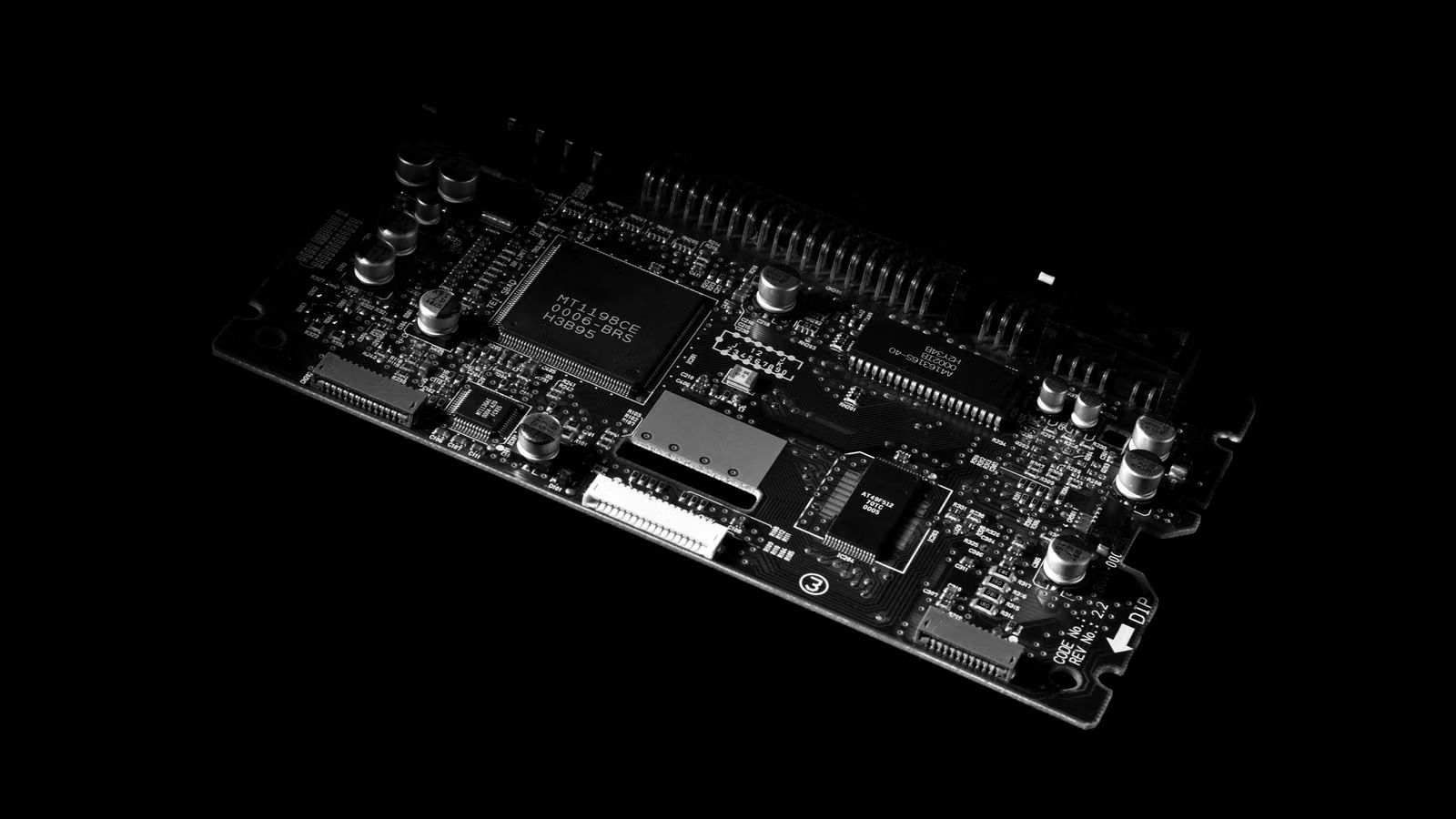
If you want exposure to the pricing cycle and supply-demand leverage of DRAM, NAND, HBM, HDD, and SSDs, memory chip stocks are more direct. If you care more about enterprise data management, all-flash arrays, hybrid cloud, subscription revenue, and AI data infrastructure, enterprise storage stocks are closer to software-enabled hardware platforms. Both categories can benefit from AI data centers, but the transmission paths are different: chip stocks depend more on pricing, inventory, and capacity, while system stocks depend more on orders, customer renewals, software services, and enterprise IT budgets.
Key Takeaways
- Memory chip stocks are more directly tied to DRAM, NAND, HBM, HDD, and SSD pricing cycles.
- Enterprise storage stocks depend more on system solutions, customer renewals, subscription revenue, and data management capabilities.
- AI data centers can benefit both categories, but the profit transmission path is very different.
- Chip stocks usually offer stronger upside leverage and higher volatility; system stocks may have smoother revenue but more complex valuations.
- Before choosing, decide whether you want to buy a pricing cycle, an order cycle, or platform capability.
- Investors should also consider valuation, fees, liquidity, and personal risk tolerance before trading.
First, Separate the Two Categories: Memory Chip Stocks Sell “Components,” Enterprise Storage Stocks Sell “System Capabilities”
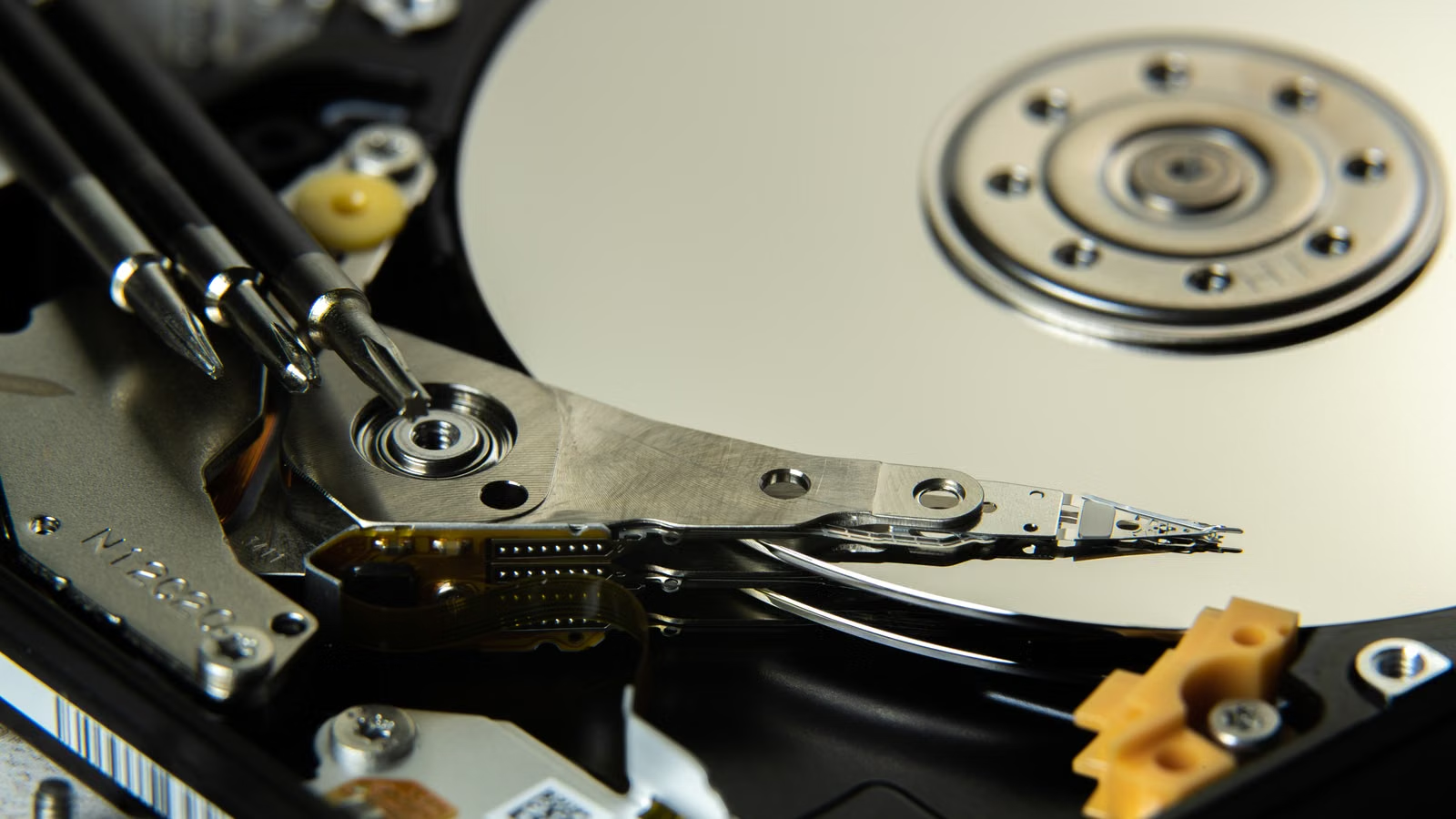
Memory chip stocks and enterprise storage stocks are not the same type of business. Memory chip stocks are mainly affected by the supply, demand, and pricing of DRAM, NAND, HBM, HDD, and SSDs. Enterprise storage stocks create value through all-flash arrays, hybrid cloud storage, data protection, enterprise data management, and subscription services. Both belong to AI data center infrastructure, but they give investors exposure to different variables: one is closer to an upstream component cycle, while the other is closer to enterprise IT platform capability.
Representative memory chip stocks include Micron, Sandisk, Seagate, and Western Digital. Micron is more closely tied to DRAM, NAND, HBM, and data center SSDs. Sandisk is more closely tied to NAND Flash and enterprise SSDs. Seagate and Western Digital are more closely tied to high-capacity HDDs, nearline HDDs, and cloud data center capacity demand. When analyzing these companies, the key question is not whether they talk about AI. The key is whether ASP, bit growth, exabyte shipments, gross margin, inventory, and capital expenditure are reaching an inflection point.
Representative enterprise storage stocks include Pure Storage/Everpure, NetApp, Dell Storage, and HPE Storage. These companies do not simply sell individual NAND chips or hard drives. They sell enterprise storage systems, data management software, subscription services, all-flash arrays, hybrid cloud data platforms, backup and recovery, and cyber resilience. Pure Storage has renamed itself Everpure, while the ticker PSTG remains unchanged. The Pure Storage rebrand to Everpure also reflects how this type of company is moving its narrative from “storage hardware” toward “data management platform.”
| Comparison Dimension | Memory Chip Stocks | Enterprise Storage Stocks |
|---|---|---|
| Core Products | DRAM, NAND, HBM, HDD, SSD | All-flash arrays, hybrid cloud storage, data management platforms |
| Representative Companies | MU, SNDK, STX, WDC | PSTG, NTAP, DELL, HPE |
| Revenue Driver | Memory prices, shipments, supply-demand cycle | Project orders, subscription services, customer renewals |
| Core Metrics | ASP, gross margin, inventory, capex | ARR, RPO, subscription revenue, customer retention |
| Main Risks | Price reversal, inventory buildup, overexpansion | Slower IT budgets, stronger competition, project delays |
Recent financial results show this distinction clearly. Micron FY2026 Q3 highlighted more than $25 billion in data center revenue, more than $5 billion in data center SSD revenue, and DRAM and NAND industry demand that remained meaningfully above supply. By contrast, Everpure FY2026 Q4 emphasized full-year revenue above $3.6 billion, Q4 revenue above $1 billion, and RPO growth of more than 40% year over year, which are more like revenue visibility metrics for an enterprise platform company.
Summary: Buying memory chip stocks means buying exposure to upstream component pricing, inventory, and capacity cycles. Buying enterprise storage stocks means buying exposure to enterprise data infrastructure, customer lifecycle value, and software-enabled service capabilities. Both categories may benefit from AI, but they should not be lumped together as a single “storage theme.” Chip stocks should be analyzed through DRAM, NAND, HBM, HDD, and SSD supply-demand trends. System stocks should be analyzed through customer orders, ARR, RPO, subscription revenue, data management capabilities, and enterprise IT budgets. Once you separate “components” from “system capabilities,” valuation and risk analysis become much clearer.
Business Model Comparison: Chip Stocks Depend on Price Leverage, System Stocks Depend on Solutions, Subscriptions, and Customer Stickiness
The business model of memory chip stocks is closer to a manufacturing cycle. Profitability depends on pricing, utilization, product mix, and supply discipline. Enterprise storage stocks are closer to a “hardware + software + services” platform model. Their profitability depends on customer purchasing decisions, subscription renewals, data management capabilities, and ecosystem integration. AI can increase demand for both categories, but it does not turn them into the same type of company.
Memory chip stocks usually have high capital expenditure, rapid technology transitions, and strong cyclical volatility. DRAM, NAND, HBM, and HDD capacity expansion requires long-term investment. When prices rise, gross margin can expand quickly; when prices fall, inventory and depreciation pressure can show up just as quickly. Sandisk FY2026 Q3 reported revenue of $5.95 billion, up 97% quarter over quarter, with Datacenter revenue up 233% sequentially. The company attributed the revenue outperformance to a shift toward higher-value customers and higher pricing, which is a classic example of how NAND / SSD pricing and customer mix can amplify earnings leverage.
Hard drive companies are also part of a component cycle, although the products and customers are different. For Seagate and Western Digital, the key variables are not DRAM or HBM, but cloud data centers, cold data, archive data, and the large-capacity storage demand created by AI-generated data. Seagate FY2026 Q3 reported revenue of $3.11 billion, GAAP gross margin of 46.5%, and non-GAAP gross margin of 47.0%, showing how a recovery in the high-capacity HDD cycle can significantly improve the income statement.
Enterprise storage stocks monetize differently. When enterprises buy storage systems, they are usually not just buying SSDs or hard drives. They are buying performance, reliability, data protection, management software, long-term operations support, and service responsiveness. NetApp’s all-flash arrays and Public Cloud business, Everpure’s Enterprise Data Cloud, subscription services and RPO, and Dell and HPE’s storage systems and server integration capabilities all represent system-level value rather than single-component pricing.
| Business Model | Revenue Source | Profit Source | Customer Decision Factors |
|---|---|---|---|
| Memory chip manufacturing | DRAM, NAND, HBM, SSD | Rising prices, utilization, product mix | Price, performance, supply stability |
| Hard drive manufacturing | Nearline HDD, enterprise HDD | Capacity upgrades, cloud customer agreements, supply discipline | Cost per TB, reliability, scale delivery |
| All-flash systems | FlashArray, enterprise arrays | Hardware margin, software, services | Performance, reliability, TCO |
| Hybrid cloud storage | Data management, cloud connectivity | Subscription revenue, customer renewals | Data governance, cloud migration, security compliance |
| Server integration | AI servers, storage systems | Project orders, solution integration | Delivery capability, customer relationships, operational support |
This business model difference also changes how you should interpret AI demand. For chip stocks, AI has a more direct impact: rising demand for HBM, DDR5, NAND, data center SSDs, and nearline HDDs can directly lift prices and gross margins. For enterprise storage stocks, AI demand is more project-based: companies need to organize training data, manage inference logs, protect data, deploy hybrid cloud, and build enterprise data clouds. Revenue realization usually passes through sales cycles, customer budgets, and system deployment.
Summary: Chip stocks offer stronger earnings leverage, and in an upcycle, gross margin and cash flow can improve quickly. System stocks have deeper customer relationships, higher service revenue potential, and stronger revenue visibility. Chip stocks should be analyzed through pricing, supply-demand balance, inventory, and capacity. Enterprise storage stocks should be analyzed through customer retention, subscription revenue, RPO, ARR, and product competitiveness. AI is a shared demand background, but it is not a shared monetization mechanism. You cannot use NAND price increases to directly infer profit growth for all enterprise storage stocks, and you cannot use system-level subscription revenue to replace the cyclical leverage of chip stocks.
Cycle Comparison: Chip Stocks Depend on Supply, Demand, and Inventory; Enterprise Storage Stocks Depend on IT Budgets and Refresh Cycles

Memory chip stocks are more affected by industry supply-demand cycles. The main variables are pricing, capacity, inventory, cloud customer purchasing, and capital expenditure. Enterprise storage stocks are more affected by enterprise IT budgets, data center refresh cycles, AI data governance needs, hybrid cloud deployment, and customer renewals. Chip cycles are steeper. Enterprise storage cycles are slower, but budget pressure can still weigh on system orders.
The memory chip cycle is driven by price, capacity, and inventory. When supply of DRAM, NAND, HBM, or SSDs cannot keep up with demand from AI data centers, PCs, smartphones, autos, and servers, prices can rise quickly. Once capacity expands too aggressively, inventory builds, or customer purchasing slows, profits can fall quickly. TrendForce’s 2026 memory demand outlook emphasizes how Agentic AI, KV cache, server DRAM, HBM, and NAND are changing demand structure, which is exactly where upstream chip-stock cyclical leverage comes from.
The HDD cycle is similar, but the metrics shift from bit growth to exabyte shipments, nearline HDD demand, and cloud customer purchasing cadence. After the Flash business separation, Western Digital’s HDD business became easier to analyze. WD FY2026 Q3 reported revenue of $3.34 billion, up 45% year over year, GAAP gross margin of 50.2%, and non-GAAP gross margin of 50.5%. These metrics are more useful for observing whether the large-capacity HDD cycle is still moving upward.
Enterprise storage cycles depend on a different set of variables. Customers of NetApp, Everpure, Dell, and HPE are typically large enterprises, financial institutions, governments, cloud service providers, AI labs, and data center operators. Their orders depend on CIO budgets, data governance, backup and recovery, cloud migration, cyber resilience, and AI data platform buildouts, not just NAND or HDD prices. NetApp FY2026 Q4 reported Q4 net revenue of $1.948 billion, all-flash array net revenue of $1.2 billion, up 18% year over year, and Public Cloud net revenue of $182 million, up 11%, reflecting enterprise modernization and hybrid cloud demand.
| Cycle Metric | Memory Chip Stocks | Enterprise Storage Stocks |
|---|---|---|
| Pricing Variable | DRAM, NAND, HBM, HDD ASP | Product pricing, project discounts, service pricing |
| Demand Variable | AI data centers, PCs, smartphones, cloud providers | Enterprise IT budgets, hybrid cloud, data governance |
| Inventory Variable | Wafer, chip, and HDD inventory | Channel inventory and project delivery cycles |
| Financial Variable | Gross margin, inventory write-downs, capex | ARR, RPO, subscription revenue, product margin |
| Risk Signal | Overexpansion, price declines | Budget freezes, project delays, price competition |
AI data centers can affect both categories, but the timing is not the same. Chip stocks may reflect demand first through HBM, DDR5, NAND, SSD, and HDD prices. System stocks may only show the impact after enterprise AI projects move from pilot phase into production, where demand appears in all-flash arrays, data protection, hybrid cloud data management, and subscription services. Dell’s numbers illustrate this mismatch clearly. Dell FY2027 Q1 reported AI-Optimized Servers revenue of $16.1 billion, up 757% year over year, while Storage revenue was $4.3 billion, up 8%. AI server growth does not automatically mean enterprise storage systems will grow at the same speed or magnitude.
Summary: Chip stocks behave more like pricing-cycle assets. Enterprise storage stocks behave more like enterprise IT refresh-cycle assets. For memory chip stocks, the core variables are supply-demand balance, pricing, inventory, and capital expenditure. For enterprise storage stocks, the core variables are budgets, orders, renewals, data management, and software services. Rising chip prices do not always translate immediately into higher enterprise storage profits; they may even create cost pressure for system vendors. Likewise, growth in enterprise storage orders does not mean upstream chip prices will keep rising. You need two separate indicator sets to understand which layer of the AI storage demand chain is actually benefiting.
Valuation Logic: Chip Stocks Depend on Earnings Inflection Points; System Stocks Depend on Growth Quality and Sustainability
Memory chip stock valuations depend more on earnings inflection points and cycle position. At the trough, price-to-earnings ratios can be distorted. At the peak, earnings may be inflated by the cycle. Enterprise storage stock valuations depend more on revenue quality, subscription mix, gross margin, cash flow, and customer stickiness. Chip stocks should be viewed through a cyclical lens, while system stocks should be viewed through growth quality and operating leverage.
For chip stocks, static PE ratios are often insufficient. In an upcycle, rising DRAM, NAND, and HDD prices can lift profits quickly, making static PE look lower. But those earnings may reflect peak-cycle profitability. In a downcycle, earnings can collapse or turn negative, making PE less useful. A better approach is to combine ASP, inventory, gross margin, capital expenditure, free cash flow, and supply discipline. The financial leverage of Micron, Sandisk, Seagate, and Western Digital often shows up in these indicators.
Enterprise storage stocks need to be valued through revenue quality, not just hardware shipments. Everpure/PSTG’s subscription services revenue, ARR, and RPO; NetApp’s all-flash array and Public Cloud businesses; and Dell and HPE’s Storage revenue and system delivery capabilities all show that system stocks are more like a hybrid model of “hardware platform + software services + data management.” Everpure reported subscription ARR of $1.9 billion and RPO of $3.7 billion in FY2026 Q4, and these metrics are more useful than simple hardware volume for assessing future revenue visibility.
| Valuation Dimension | Memory Chip Stocks | Enterprise Storage Stocks |
|---|---|---|
| Core Valuation Anchor | Earnings inflection, pricing cycle, gross margin | Revenue quality, subscription mix, customer retention |
| Common Metrics | ASP, inventory, capex, FCF | ARR, RPO, subscription revenue, operating leverage |
| Valuation Mistake | Underestimating risk at a cycle peak | Treating hardware revenue as software revenue |
| AI Premium Test | Whether HBM, SSD, and HDD convert into revenue | Whether AI data management converts into orders |
| Risk Assessment | Supply expansion and price decline | Competition, budgets, renewal slowdown |
AI valuation premiums also need to be tested by layer. For chip stocks, the AI premium must be validated through revenue, gross margin, and long-term demand for HBM, DDR5, data center SSDs, and nearline HDDs. For system stocks, the AI premium must be validated through customer renewals and new orders for enterprise data cloud, AI data pipelines, backup and recovery, cyber resilience, and hybrid cloud management. HPE’s numbers also show the differences within infrastructure companies. HPE FY2026 Q2 reported Server revenue in Cloud & AI of $5.5 billion, up 32.7% year over year, while Storage revenue was $1.2 billion, up 2.4%. Servers and storage systems may sit inside the same infrastructure framework, but their growth rates do not always move together.
Enterprise storage stocks are not fully insulated from upstream chip cycles. Rising NAND, SSD, or DRAM costs may lift system revenue, but they may also pressure gross margin. The key question is whether the company can pass through costs through pricing, software value, supply chain management, and customer relationships. For high-margin system companies such as NetApp and Everpure, investors care not only about product revenue, but also about margin stability, subscription growth, and whether customers are willing to pay for data management capabilities.
Summary: Valuation cannot be reduced to a single PE or PS comparison. Buying memory chip stocks means judging the pricing cycle, inventory cycle, and supply discipline. Buying enterprise storage stocks means judging customer lifecycle value, revenue quality, and platform capability. Chip stocks depend on earnings inflection points. System stocks depend on sustainable growth. AI can create valuation premiums for both categories, but the proof is different: chip stocks need to show revenue and gross margin from HBM, NAND, SSD, and HDD demand; system stocks need to show ARR, RPO, subscription revenue, project orders, and customer retention.
Risk Comparison: Chip Stocks Fear Price Reversals; Enterprise Storage Stocks Fear Budget Slowdowns and Intensifying Competition
Memory chip stocks face the biggest risks from price reversals, inventory buildup, overexpansion, and customer order cuts. Enterprise storage stocks face the biggest risks from slower enterprise IT budgets, hyperscaler self-build or substitution, intensifying competition, rising hardware costs, and weaker-than-expected subscription growth. Both categories can be affected by slower AI capex, but the impact flows through different channels.
Chip-stock risks often arrive faster. If DRAM, NAND, or HDD prices decline, gross margin and earnings leverage can weaken sharply. If HBM, data center SSD, or nearline HDD capacity expands too quickly, the supply-demand balance can shift from tightness to oversupply. The storage industry has repeatedly gone through the cycle of “price increases—capacity expansion—inventory buildup—price declines.” That means you should not only focus on strong current-quarter results. You also need to watch capital expenditure, customer commitments, inventory days, and the pace of supply release.
Enterprise storage stock risks are more order- and competition-driven. A slowdown in enterprise IT budgets can delay purchasing projects. Stronger competition in all-flash arrays can create pricing pressure. Hyperscalers may build more of their own storage architectures, reducing room for third-party suppliers. Slower subscription revenue growth or weaker RPO and ARR can weigh on valuation premiums. System stocks may look smoother than chip stocks, but if the market prices them as high-growth platforms, any disappointment in orders or renewals can still cause sharp share-price volatility.
| Risk Type | Memory Chip Stocks | Enterprise Storage Stocks | Signal to Watch |
|---|---|---|---|
| Pricing Risk | DRAM/NAND/HDD prices decline | Costs rise but cannot be passed through | Contract prices, gross margin |
| Inventory Risk | Chip and HDD inventory builds | Channel and project inventory delays | Inventory days, order cycle |
| Customer Risk | Cloud providers slow purchases | Enterprise budgets tighten | Capex, RPO, customer count |
| Competition Risk | Technology transition or substitution | All-flash and cloud-native competition | Market share, product margin |
| Valuation Risk | Peak-cycle earnings are overvalued | Subscription growth is over-priced | PE, PS, FCF |
Trading costs should also not be ignored when allocating across markets. If you are following U.S.-listed names such as MU, SNDK, STX, WDC, PSTG, NTAP, DELL, and HPE, stock price volatility is only one part of the equation. Commissions, platform fees, external fees, bid-ask spreads, FX, and order types can also affect actual returns. If your location, identity verification result, and platform rules meet the applicable requirements, you can use Biya to track U.S. and Hong Kong markets and review U.S. stock trading fees before placing trades. Biya charges $0 commission for U.S. stock trading, while platform fees, external fees, and other costs are subject to the fee center and order page. Public market information and fee structures do not constitute investment advice.
Summary: Chip stocks and system stocks have different risk sources, and strong AI demand does not eliminate those risks. Chip stocks are exposed to price reversals, inventory buildup, and overexpansion. Enterprise storage stocks are exposed to slower budgets, stronger competition, weaker cost pass-through, and lower-than-expected subscription growth. A slowdown in AI capex can affect both categories, but chip stocks may first show the impact through prices and orders, while system stocks may first show it through project delays, slower RPO growth, and longer customer purchasing cycles. Individual investors should evaluate fundamentals, valuation, and trading costs within the same framework.
How Individual Investors Can Choose: Decide Whether You Are Buying Cyclical Leverage or Platform Capability
If you can tolerate higher volatility and are willing to track DRAM, NAND, HBM, HDD, and SSD pricing cycles, memory chip stocks may be more suitable. If you care more about enterprise data infrastructure, subscription revenue, customer stickiness, and long-term data management demand, enterprise storage stocks may be more suitable. The two categories can be tracked together, but they should not be bought using the same logic.
Memory chip stocks are more suitable when you are willing to follow industry pricing, inventory, supply, and capital expenditure; when you can tolerate stronger cyclical volatility; when you believe AI data centers will continue to drive demand for HBM, DRAM, NAND, SSDs, and HDDs; and when you are willing to keep tracking gross margin, inventory, customer agreements, and free cash flow in earnings reports. A watchlist may include MU, SNDK, STX, and WDC, but each company has different product-cycle exposure.
Enterprise storage stocks are more suitable when you care more about revenue visibility, customer renewals, software-enabled services, and enterprise AI data governance; when you want to track hybrid cloud, all-flash arrays, data protection, and enterprise data cloud demand; and when you can accept that valuation depends more on growth quality, customer expansion, and subscription metrics. A watchlist may include PSTG, NTAP, DELL, and HPE, but Dell and HPE have more diversified businesses and should not be valued only as storage system companies.
| Investor Focus | More Suitable Category | Representative Stocks | Mistake to Avoid |
|---|---|---|---|
| Pricing-cycle leverage | Memory chip stocks | MU, SNDK | Ignoring inventory and capacity expansion |
| Large-capacity storage demand | HDD / enterprise storage hardware | STX, WDC | Treating HDD as NAND |
| Enterprise data platform capability | Enterprise storage stocks | PSTG, NTAP | Looking only at hardware shipments |
| AI infrastructure integration | Server and system companies | DELL, HPE | Equating server growth with storage growth |
| Diversified monitoring | Two-layer watchlist | Upstream + downstream | Using one valuation method for all |
A more practical approach is to build a two-layer watchlist. The first layer includes upstream memory chip and hard drive companies, where you track pricing, supply-demand balance, and inventory. The second layer includes enterprise storage system companies, where you track orders, ARR, RPO, subscription revenue, and customer budgets. Then you can observe a key question: do rising upstream chip prices improve demand for system companies, or do they create cost pressure for them? This helps you identify whether profits are staying upstream or being passed through to downstream system vendors.
You can also group related companies across U.S.-listed stocks and Hong Kong-listed stocks, separating memory chips, HDDs, enterprise storage systems, AI servers, and semiconductor supply chain names. The goal is not to predict short-term stock moves, but to avoid putting companies with very different business models into the same “storage theme” basket.
Summary: The final choice depends on the variable you want to buy. Buying memory chip stocks means buying pricing cycles, supply-demand leverage, and earnings inflection points. Buying enterprise storage stocks means buying enterprise data infrastructure upgrades, customer lifecycle value, and platform capability. Neither category is inherently better in all market environments. The key is not to mistake chip cycles for system-stock growth, and not to mistake system-stock subscription revenue for chip-stock pricing leverage. Start with risk tolerance, then choose the right indicators, and only then decide whether a company belongs in your trading or research list.
If you track both memory chip stocks and enterprise storage stocks, you can place MU, SNDK, STX, and WDC into a “memory chips and hard drive cycle” watchlist, and place PSTG, NTAP, DELL, and HPE into an “enterprise storage systems and data infrastructure” watchlist. When using Biya to follow U.S. and Hong Kong markets, the focus should not be on popular labels alone. It is more important to combine company classification, financial metrics, fee structures, trading rules, and personal risk tolerance. Availability of relevant services depends on user location, identity verification results, platform rules, and applicable laws and regulations. Public market information, trading rules, and fee structures do not constitute investment advice. Before trading, investors should understand order types, fee structures, liquidity, and price volatility risks.
FAQ
What is the core difference between memory chip stocks and enterprise storage stocks?
Memory chip stocks sell core components such as DRAM, NAND, HBM, HDD, and SSDs, so their profits are more affected by pricing and supply-demand cycles. Enterprise storage stocks sell storage systems, data management, all-flash arrays, and service capabilities, so they are more affected by customer budgets, subscription revenue, and enterprise IT refresh cycles.
Do AI data centers benefit memory chip stocks or enterprise storage stocks more?
AI data centers can affect both categories, but through different paths. Memory chip stocks benefit more directly from demand for HBM, DRAM, SSDs, and HDDs. Enterprise storage stocks benefit through AI data management, hybrid cloud, data protection, and enterprise storage system upgrades, with realization usually depending more on project orders.
How can individual investors judge the cycle position of memory chip stocks?
Individual investors should focus on DRAM and NAND prices, HBM supply, nearline HDD shipments, data center SSD revenue, inventory days, gross margin, and capital expenditure. If prices are rising but inventory is also building quickly, investors should pay attention to late-cycle risk.
Why should enterprise storage stocks not be valued only as hardware companies?
Enterprise storage stocks are usually not just hardware companies. They also include management software, subscription services, customer renewals, data protection, and hybrid cloud capabilities. Their valuations should consider ARR, RPO, subscription revenue, gross margin, and customer retention quality, not just hardware shipments.
Can memory chip stocks and enterprise storage stocks be tracked together?
They can be tracked together, but they should be classified separately and measured with different indicators. Memory chip stocks depend on pricing, inventory, and supply. Enterprise storage stocks depend on orders, subscription revenue, and customer budgets. Both may be influenced by AI, but they should not be valued or risk-assessed with the same framework.
What trading and compliance risks should investors consider when buying storage-related stocks?
Key risks include price volatility, valuation drawdowns, insufficient liquidity, trading fees, FX fluctuations, order execution differences, and cross-market rule differences. For accounts, fees, and trading access, investors should follow platform rules, actual statements, identity verification results, and local regulatory requirements.
*This article is provided for general information purposes and does not constitute legal, tax or other professional advice from BiyaPay or its subsidiaries and its affiliates, and it is not intended as a substitute for obtaining advice from a financial advisor or any other professional.
We make no representations, warranties or warranties, express or implied, as to the accuracy, completeness or timeliness of the contents of this publication.
Related Blogs of

US to Portugal Online Money Transfer Limits: Per-Transaction Caps Explained


MACD Crypto Trading Strategy: Settings, Signals, and Risk Management


Wire Transfer Requirements: Sender and Beneficiary Details Checklist

Choose Country or Region to Read Local Blog
 Australia
 Austria
 Belgium
 Canada
 Cyprus
 Czech Republic
 Denmark
 Estonia
 Finland
 France
 Germany
 Greece
 Hong Kong
 India
 Indonesia
 Ireland
 Italy
 Japan
 Latvia
 Lithuania
 Luxembourg
 Malaysia
 Malta
 Morocco
 Nepal
 Netherlands
 New Zealand
 Norway
 Pakistan
 Philippines
 Poland
 Portugal
 Romania
 Singapore
 Slovakia
 Slovenia
 South Africa
 South Korea
 Spain
 Sweden
 Thailand
 United States
 Turkey
 United Arab Emirates
 United Kingdom
 Vietnam