Is Alipay Safe for Foreign Users? Account Setup, Cards and Cross-Border Limits




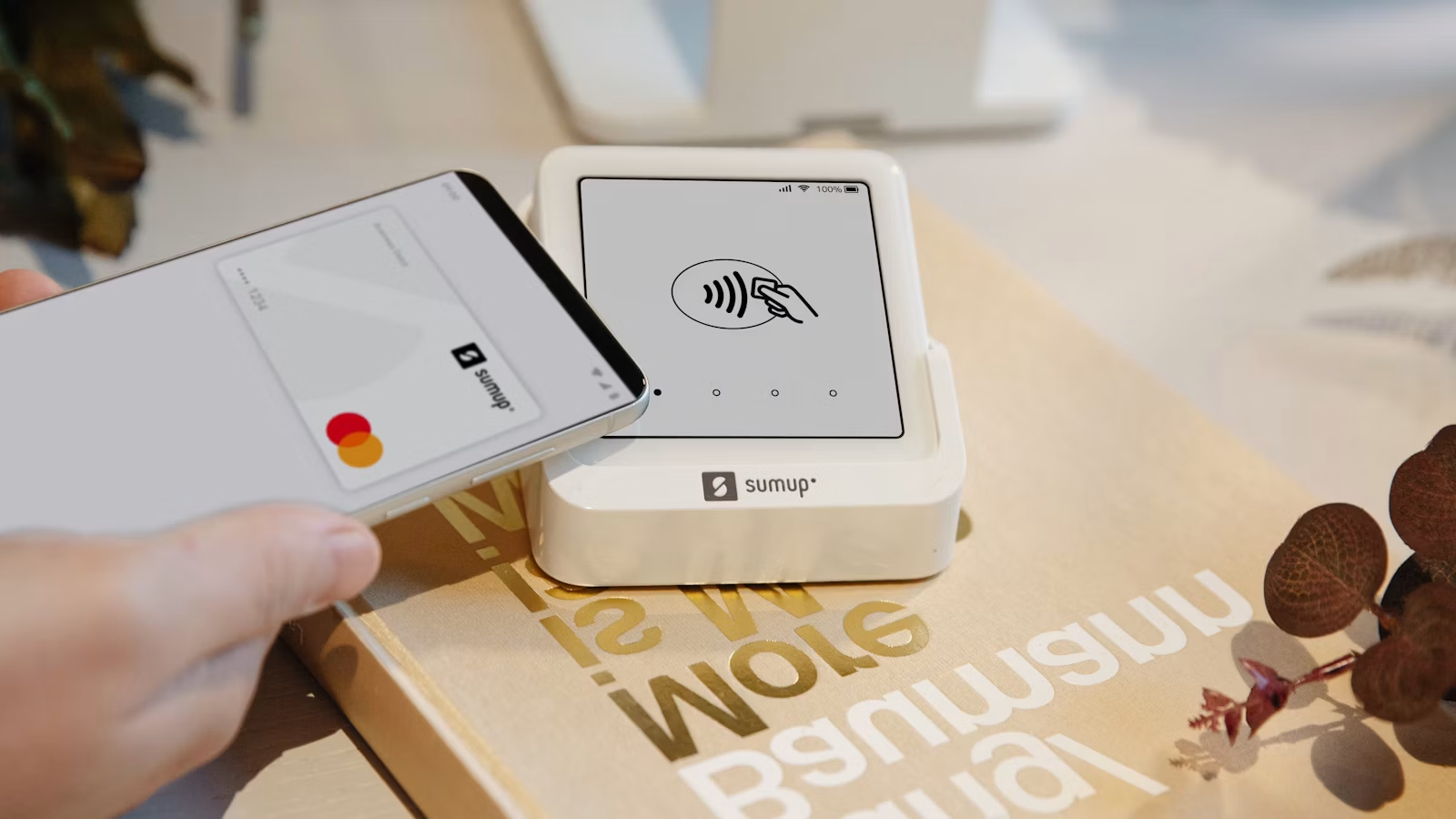
Alipay is generally safe for foreign users when you download the official app, use your own account, bind your own supported card, verify your identity when required, and pay legitimate merchants. Safety, however, does not mean every feature works without limits. Foreign users may still face card declines, identity checks, service fees, transaction caps, data collection, merchant compatibility issues, and account risk controls. If you are visiting China, studying abroad, working with Chinese merchants, or using mobile payments for travel, the safest approach is to prepare before arrival, test a small payment, keep a backup method, and follow the app’s official prompts.
Key Takeaways
- Alipay is generally safe for normal merchant payments when used through official channels.
- Foreign users can use Alipay International Version and bind supported overseas cards.
- Identity verification affects limits, payment stability, and access to more functions.
- International card payments may incur fees above the RMB 200 threshold.
- Payment failures often come from banks, merchants, limits, or risk controls.
- Privacy, QR scams, fake apps, and account restrictions require active caution.
Is Alipay Safe for Foreign Users?
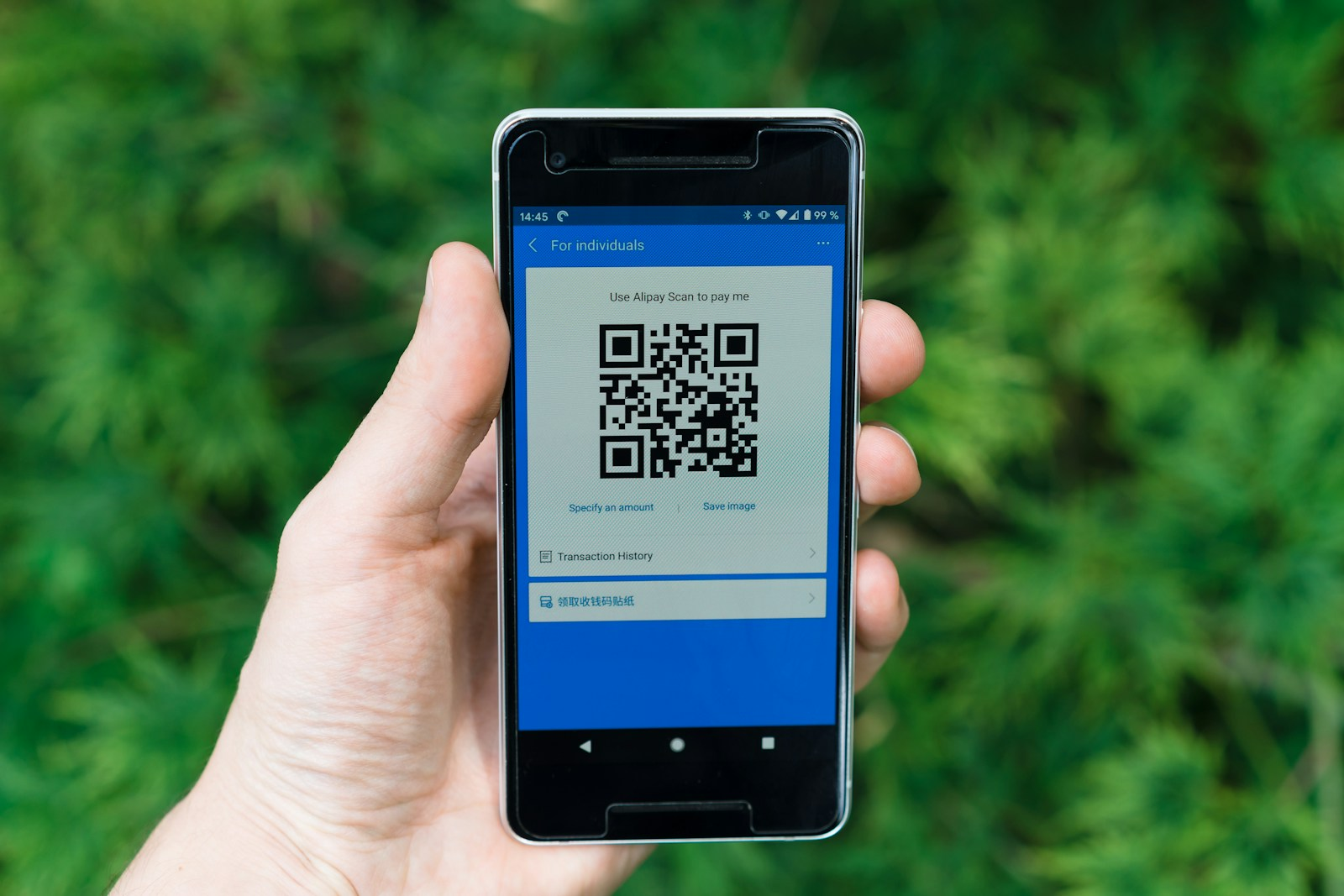
Alipay is generally safe for foreign users for everyday merchant payments in China, provided you use the official app, register with information you control, bind your own supported card, and confirm the merchant before paying. The main safety question is not simply “Can Alipay process payments?” but “Can you use it without exposing yourself to fake apps, wrong QR codes, account freezes, hidden card costs, or unsupported payment scenarios?” For most tourists and business travelers, Alipay is a practical payment tool, but it should not be treated as risk-free, anonymous, or unlimited.
Alipay is one of China’s most widely used digital payment systems. For foreign users, it helps solve a real problem: many shops, taxis, restaurants, attractions, and local services in China expect QR-based mobile payments. The official Alipay International Version is designed to let overseas users sign up, bind bank cards, including international cards, and pay in the Chinese mainland. That makes Alipay useful for daily purchases, but it also means you are entering a regulated payment environment.
Safety has several layers. App safety means downloading from trusted app stores instead of random APK websites. Account safety means using your own phone number, passport details, and card. Payment safety means checking merchant names and amounts before confirming. Card safety means understanding whether your issuer supports the transaction and whether extra foreign exchange fees apply. Data safety means knowing that personal and payment information may be collected for account registration, service use, purchases, and financial transactions under the Alipay privacy policy.
| Safety Dimension | What It Means for Foreign Users | Main Risk |
|---|---|---|
| App safety | Use official app store versions | Fake apps, malware, phishing |
| Account safety | Use your own phone, email, ID and card | Recovery failure or account review |
| Payment safety | Pay verified merchants and check amounts | Fake QR codes or wrong recipients |
| Card safety | Use supported cards and monitor statements | Issuer decline or FX fees |
| Data safety | Identity and transaction data may be processed | Privacy and compliance concerns |
What “safe” means in an Alipay context
In an Alipay context, safe means the payment flow has account authentication, transaction confirmation, merchant display, password or biometric checks, and risk-control systems. It also means you can see payment details before confirming and review transaction records after payment. If you are paying at a store, taxi, hotel, restaurant, or tourist site, Alipay can reduce the need to carry large amounts of cash and can make payment records easier to track.
What “safe” does not mean
Safe does not mean every foreign card will work, every merchant will accept your card-linked Alipay payment, or every transaction will be free. It also does not mean Alipay is anonymous. Like other mobile payment services, it may request identity details, card information, device information, and transaction records for service delivery, fraud control, and legal compliance. Safe also does not mean you should scan any QR code you see. A fake QR code can redirect payment to the wrong recipient even if the app itself is legitimate.
Summary: Alipay is safe enough for most foreign users’ ordinary merchant payments when used correctly, but the real safety standard depends on your behavior and setup. Use the official app, keep your phone secure, bind only your own card, avoid third-party “activation” services, and check the merchant name and amount before paying. Treat Alipay as a regulated payment tool rather than a universal wallet. It can be highly useful for travel in China, but it still has rules around identity verification, card support, fees, limits, privacy, and risk controls. If your trip or business activity depends on mobile payments, you should test Alipay early and keep at least one backup method.
How Foreign Users Can Set Up Alipay Safely
Foreign users should set up Alipay with the official app, a phone number they control, their own identity information, and their own supported bank card. The safest setup is not the fastest setup; it is the one that keeps account recovery, identity verification, payment approval, and cardholder information consistent. Alipay+ says overseas users can choose the International Version after sign-up and bind bank cards, including international cards, for payments in Chinese mainland. For you, this means the setup process should be completed before you rely on Alipay for transport, hotels, meals, or retail payments.
Start by downloading Alipay from the Apple App Store or Google Play. Avoid APK mirrors, unknown download links, and app clones that use similar names or logos. After installation, register with a phone number that you can keep using during your stay in China. A temporary SIM, shared number, or SMS-receiving website can create problems later when you need to log in again, pass security checks, or recover the account.
You may then be asked to bind a card, provide identity information, or complete verification. Use your own passport name and your own bank card. Mismatches between account name, passport name, and cardholder name may increase the chance of failed verification or risk review. If your card supports 3-D Secure or issuer app confirmation, make sure the issuing bank can send notifications while you travel.
| Setup Step | Why It Matters | Common Mistake |
|---|---|---|
| Official app download | Reduces fake-app and malware risk | Installing from unknown APK sites |
| Personal phone number | Supports login, SMS and recovery | Using temporary or shared numbers |
| Passport details | Supports identity verification | Entering a name that does not match documents |
| Own bank card | Keeps cardholder and account consistent | Using another person’s card |
| Small test payment | Detects card or merchant issues early | Waiting until the first urgent payment |
What identity information may be requested
Depending on your account status and use case, Alipay may request your name, phone number, passport or other identity document details, card number, billing information, or additional verification steps. The privacy materials for Alipay services state that personal information may be collected when users register, use payment services, make purchases, or conduct financial transactions. This is normal for regulated payments, but you should only submit such information inside official Alipay flows.
Why account restrictions may happen
Restrictions may happen for ordinary reasons, not only fraud. Examples include repeated failed login attempts, unusual device changes, mismatched names, failed card verification, issuer declines, suspicious QR activity, high-frequency transactions, or incomplete identity verification. If an account is restricted, use only in-app support or official service channels. Avoid third-party agents claiming they can “unlock” Alipay accounts, because sharing login codes or identity documents with them can create greater risk.
Summary: A safe Alipay setup starts before you make your first payment. Download the app from official stores, use a phone number you control, enter identity details carefully, bind your own card, and run a small test transaction. For foreign users, most avoidable problems come from unstable phone numbers, unofficial downloads, name mismatches, unsupported cards, or relying on a single payment method. If you are traveling to China, complete setup before departure where possible, make sure your card issuer allows overseas transactions, and keep screenshots or receipts for large payments. A clean setup improves both safety and payment reliability.
Cards, Fees and Transaction Limits for Foreign Users
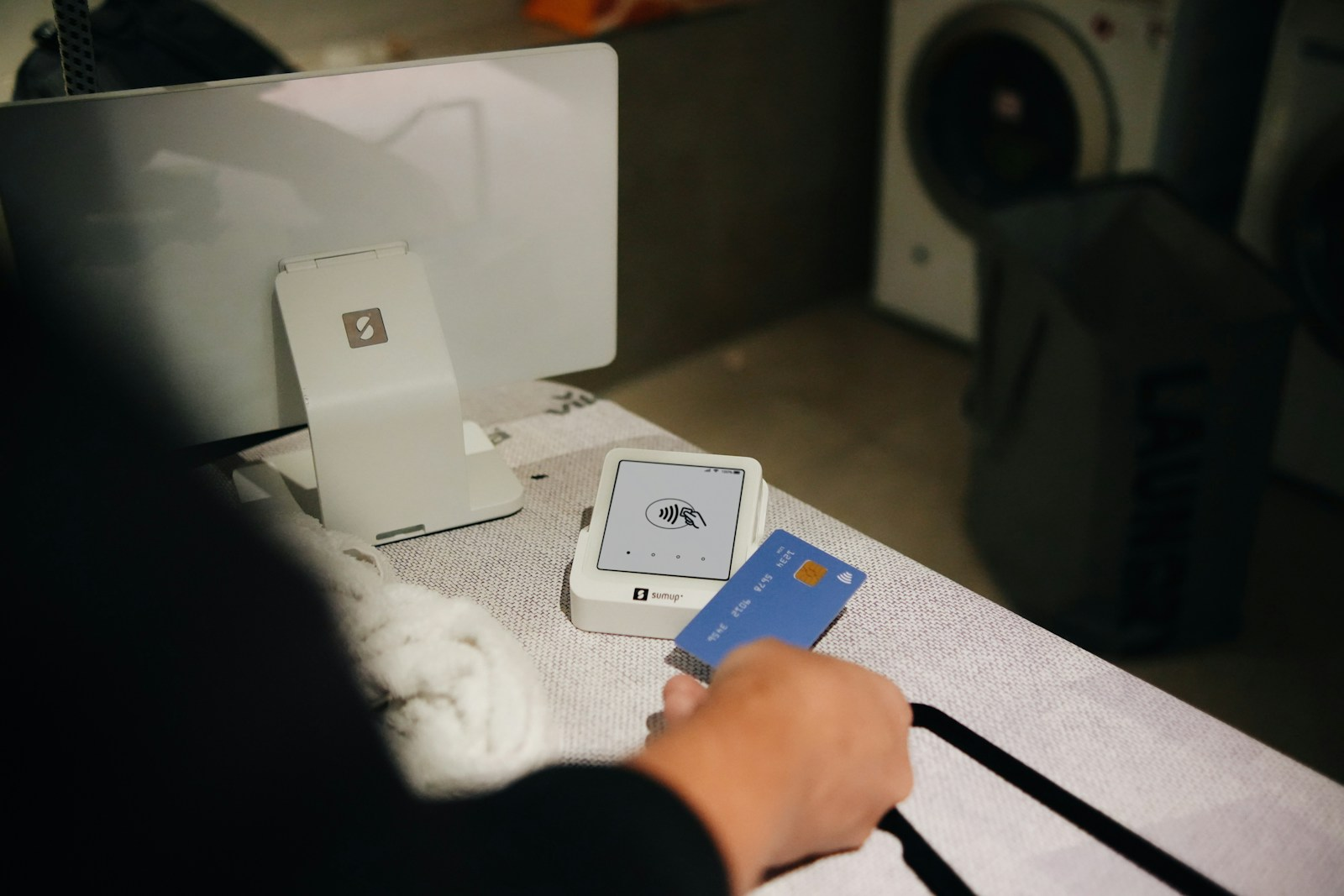
Foreign users can often use Alipay with supported overseas cards, but the experience depends on card network, issuing bank, transaction amount, merchant type, identity verification status, and payment page prompts. Safety here means understanding the cost and limit rules before you confirm payment. A valid Visa, Mastercard, Discover, Diners Club, or American Express card may still fail if the issuer blocks the transaction, the merchant category is unsupported, the account is not sufficiently verified, or the transaction exceeds the applicable cap.
China has expanded mobile payment access for overseas visitors. The Chinese government’s English portal notes that Alipay and WeChat Pay allow foreign users to bind international credit cards, including major card networks. The card network list is also expanding. Reuters reported that American Express card members can link their cards to the Alipay digital wallet for payments at millions of merchants across mainland China.
The most important cost rule for tourists is the small-payment fee threshold. Shanghai’s payment guide says single transactions under RMB 200 are fee-waived, while a 3% transaction fee applies for single transactions above RMB 200. Beijing’s Chaoyang payment guidance gives the same RMB 200 fee threshold. Refunds may return the fee proportionally, but the final result depends on payment page details and settlement processing. Your card issuer may also apply foreign transaction fees or exchange-rate spreads.
| Item | Typical Foreign-User Rule | What to Check |
|---|---|---|
| Card network | International cards may be supported | Visa, Mastercard, Discover, Diners Club, Amex availability |
| Small purchases | Often fee-waived at RMB 200 or below | Payment page amount |
| Larger purchases | 3% fee may apply above RMB 200 | Total payable amount before confirming |
| Single transaction cap | Higher cap may apply after verification | Account status and app prompt |
| Annual cap | Spending limit may depend on verification | Annual usage and identity status |
| FX cost | Depends on issuing bank | Card statement and issuer fee schedule |
Transaction limits for verified foreign users
Payment access has improved, but limits still matter. Beijing’s official payment-service update states that the mobile payment transaction limit for foreign visitors was raised from USD 1,000 to USD 5,000 per transaction, and the annual cumulative transaction limit was raised from USD 10,000 to USD 50,000. This does not mean every user automatically receives the maximum. Your actual limit depends on identity verification, card support, risk status, merchant category, and app prompts.
Why a payment may be declined even when the card is valid
A payment can fail even when your card is active. The issuing bank may flag the transaction as suspicious, the merchant may not support foreign-card-linked wallet payments, the amount may exceed the account limit, the network may be unstable, or Alipay’s risk engine may request additional verification. If the amount is large, test a smaller transaction first, but do not split payments to bypass limits or platform rules.
Summary: Alipay can be safe and convenient for foreign-card users, but you need to understand the cost and approval chain. The key rules are simple: supported cards may work, small transactions are often cheaper, larger payments may include a 3% fee, verified users may access higher limits, and card issuers can still decline transactions. Before relying on Alipay for hotels, tours, medical visits, tuition, or business expenses, confirm card support and issuer settings. At checkout, always read the payment page before confirming because it is the most relevant source for fees, exchange rate display, limits, and final payable amount.
Alipay, Alipay+ and Home E-Wallets: Which Option Is Safer for Travel?
For travel in Chinese mainland, you may use the Alipay app directly or pay through an Alipay+ partner wallet if your home wallet supports it. Alipay is usually more direct for China-specific services, while Alipay+ can be more familiar if you prefer paying from a wallet you already use in your home country. Neither option is automatically safer in every case. The safer choice depends on merchant coverage, account setup, FX display, customer support, refund handling, and how comfortable you are with each wallet.
Alipay is the China-facing app many foreign visitors choose for restaurants, convenience stores, taxis, attractions, transport and local services. It may also offer mini programs and travel-related services inside the app. If your main spending happens in mainland China, the direct Alipay app can give broader local payment access, but it requires you to complete setup, bind a card, and understand the fee and limit rules.
Alipay+ is different. It is a cross-border wallet network that lets users pay with supported home e-wallets where Alipay+ is accepted. Alipay+ says it connects 50 leading mobile payment providers, including AlipayHK, GCash, Touch ’n Go eWallet, Kakao Pay, Naver Pay, Toss Pay and others. Its consumer information also says users can pay with home e-wallets where Alipay+ is accepted and view exchange rates at the point of payment.
| Option | Best For | Main Advantage | Main Limitation |
|---|---|---|---|
| Alipay International Version | Travelers needing broad China payment access | Direct local merchant and service coverage | Requires setup and possible verification |
| Alipay+ partner wallet | Users from supported wallet markets | Familiar wallet and home-account records | Merchant and wallet coverage varies |
| International card directly | Hotels, large stores, backup payments | No wallet setup in some cases | Less accepted than QR mobile payment |
| Cash backup | Emergencies and small merchants | Useful when apps fail | Less convenient for many urban payments |
When Alipay is the better choice
Alipay is usually the better choice if you need broad access to QR payments inside China, especially for local shops, public transport, ride-hailing, food, tourist services and everyday spending. It is also more suitable when a merchant explicitly asks for Alipay, or when a mini program service works best inside the Alipay ecosystem. The trade-off is that you must manage Alipay’s own account setup, verification, card binding and fee prompts.
When a home e-wallet through Alipay+ may be better
A home e-wallet may be better if you already trust it, prefer your home currency display, want familiar customer support, or need simpler statement tracking. For example, users from markets with strong Alipay+ wallet coverage may find it easier to keep travel spending inside their usual wallet. The limitation is coverage: not every merchant, wallet, card, or refund path will work the same way.
Summary: The safest payment route depends on your travel profile. If you need the broadest China-specific payment access, Alipay International Version is usually the most direct choice. If your home e-wallet supports Alipay+ and you want familiar account management, Alipay+ may be simpler for everyday travel spending. If you use both, keep records separate and check exchange rates and fees before confirming each transaction. A direct international card and a small amount of cash remain useful backup methods. Safety improves when you understand which wallet is actually processing the payment, where the refund will go, and which support team handles disputes.
Privacy, Data Collection and Regulatory Considerations
Alipay safety is not only about whether a payment succeeds. It also involves what personal data you share, how identity verification works, how transactions are monitored, and what rules apply to cross-border payment services. Foreign users should expect payment apps to collect identity, device, card and transaction-related information for account security, payment processing, fraud prevention, dispute handling and legal compliance. If you are uncomfortable sharing passport or card information with a mobile payment provider, you should understand these requirements before relying on Alipay.
The updated privacy materials for Alipay services mention personal information such as account registration data, transaction details, device information, payment card data, financial information and, where applicable, passport or tax identification information. This does not mean every user submits every data category, but it means sensitive information can be involved when your payment activity requires it. You should review what the app asks for, keep permissions minimal, and avoid submitting documents through unofficial channels.
Cross-border QR payments also have compliance requirements. Alipay+ security standards state that code-scanning payment businesses should comply with AML and CTF regulations and relevant laws. That explains why payment apps may review abnormal transactions, request additional verification, or restrict accounts that appear inconsistent with normal consumer use. Real-name checks and transaction monitoring are part of regulated payments, not only a platform preference.
| Privacy Area | What It Means | User Action |
|---|---|---|
| Identity data | Passport or name details may be needed | Submit only through official app flows |
| Card data | Payment card details may be processed | Use your own card and monitor statements |
| Transaction data | Merchant and purchase records may be stored | Review receipts and payment history |
| Device security | Login depends on phone control | Use screen lock and avoid shared devices |
| App permissions | Permissions may support service features | Disable unnecessary access where possible |
| Support requests | Identity checks may be required | Use official support channels only |
How to reduce privacy and security exposure
Use a dedicated travel card if your bank offers one, enable transaction alerts, keep your phone locked, avoid setting up payment apps over public Wi-Fi, and remove unused cards after your trip if appropriate. Review transaction history regularly and save receipts for larger payments. If you use Alipay only for a short trip, you do not need to keep unnecessary balance or unused cards connected longer than needed.
Why privacy does not mean anonymity
Mobile payments are financial services, so privacy does not mean anonymity. Identity verification, transaction records, anti-fraud systems and regulatory monitoring may apply. This is especially important for users who want to receive money, make frequent payments, use business-related services, or move larger amounts. Attempts to avoid verification by using someone else’s account, borrowed cards, or third-party account services may increase the risk of account restrictions.
Summary: Alipay can be secure as a payment tool, but it is not a low-data or anonymous payment method. You should expect identity, card, device and transaction data to be processed when you use regulated payment services. The practical question is whether the convenience of mobile payments in China is worth the information you provide. For most travelers, the trade-off is reasonable if they use official channels, limit unnecessary permissions, monitor card statements and avoid suspicious payment requests. For long-term users, privacy management should become part of regular account hygiene: review devices, cards, receipts, app permissions and support messages carefully.
Practical Safety Checklist for Using Alipay in China
The safest way to use Alipay as a foreign user is to prepare before travel, verify your account early, test a small payment, keep backup methods, check fees before confirming, and avoid suspicious QR codes or third-party assistance. Most problems are manageable if you do not rely on one payment method only. Treat Alipay as your main mobile payment tool if it works well, but keep a second card, another wallet, or cash for situations where card issuers, merchants, network conditions or app risk controls interrupt payment.
Before you travel, install the app, bind your card, confirm SMS access, and notify your card issuer about overseas use if your bank recommends it. After arrival, test a small transaction at a mainstream merchant such as a convenience store, cafe, supermarket or hotel. If it works, you can rely on Alipay for more everyday spending, but still check the payment page for fees, exchange rate display and merchant name.
At merchants, do not rush the QR step. Confirm whether you are scanning the merchant’s code or showing your own payment code. Make sure the merchant name, amount and currency make sense. Do not scan random QR stickers on walls, taxis, street signs or paper notices without confirming they belong to the merchant. For large purchases, keep screenshots, receipts and card notifications until settlement is complete.
| Situation | Likely Cause | Safe Response |
|---|---|---|
| SMS code fails | Roaming, carrier or number issue | Use stable network and check carrier support |
| Card binding fails | Issuer block or name mismatch | Contact issuer and recheck details |
| Payment declined | Limit, merchant, issuer or risk control | Try another method or follow app prompts |
| Account restricted | Verification or suspicious activity | Use in-app appeal or official support |
| QR code looks suspicious | Possible fake or replaced code | Confirm merchant name before paying |
| Refund delay | Merchant or card settlement timing | Keep receipts and transaction records |
Safe payment habits at merchants
Confirm the merchant name before payment, especially in crowded markets, small shops, taxis and tourist areas. Check the amount carefully, including decimals and service fees. Avoid letting strangers operate your phone. If a merchant asks you to scan a personal QR code for a business purchase, use extra caution and keep a receipt. If the payment page shows unexpected names or amounts, stop and ask before confirming.
What to carry as backup
Carry at least one international card outside your phone, a small amount of RMB cash, and another payment option where available. Your backup may be a home e-wallet through Alipay+, a hotel front desk card terminal, or another bank card with overseas transaction alerts enabled. Keep customer support access for both Alipay and your card issuer, because a declined transaction may require help from either side.
Summary: A practical Alipay safety routine is simple: prepare early, test small, confirm details, keep records and maintain backups. Most foreign-user problems come from card issuer blocks, incomplete verification, merchant compatibility, unclear fees, weak connectivity or scanning the wrong QR code. You can reduce these risks by setting up Alipay before arrival, using your own verified information, monitoring statements, and never sharing login codes or identity documents with third-party helpers. Alipay can be a reliable travel payment tool, but your safest setup is a layered payment plan rather than a single app.
If you also manage cross-border payments, foreign-currency spending, digital assets and investment accounts, Alipay may cover daily QR payments in China, but it will not replace broader currency and asset management. Biya can help you view multi-currency and multi-asset activity in one place, especially when you need to separate travel spending from longer-term financial planning. Before making cross-border payments, you can use real-time exchange rates to estimate currency conversion differences across USD, HKD, RMB and USDT. When you need to review available countries, currencies and costs for compliant transfers, Biya remittance can support payment planning. If you also manage US stocks, Hong Kong stocks or crypto assets, Biya web trading offers a separate route for viewing related positions. All payment, conversion, remittance and trading decisions should follow platform rules, order pages, billing statements and local regulatory requirements.
FAQ
Is Alipay safe for foreign tourists in China?
Yes, Alipay is generally safe for foreign tourists when downloaded from official app stores and used with your own account and supported card. You should still confirm merchant names, check amounts before payment, avoid suspicious QR codes, and monitor card statements for fees or failed transactions.
Can foreign users use Alipay without a Chinese bank account?
Yes, many foreign users can use Alipay without a Chinese bank account by binding supported overseas cards. Actual availability depends on card network, issuing bank, merchant type, identity verification status and Alipay’s payment prompts. A backup card or cash is still useful.
Does Alipay charge foreign card users a fee?
Sometimes. Single transactions at or below RMB 200 are often fee-waived, while transactions above RMB 200 may incur a 3% service fee. Your card issuer may also charge foreign transaction or FX fees, so check both the payment page and card statement.
Why does Alipay decline a foreign card payment?
Alipay may decline a foreign card payment because of issuer fraud controls, unsupported merchant category, transaction limits, incomplete verification, cardholder mismatch, weak network, or app risk checks. The safest response is to follow the app prompt, contact your issuer, or use a backup method.
Is Alipay+ safer than using Alipay directly?
Alipay+ is not automatically safer than Alipay. It may be more convenient if your home e-wallet supports it and you prefer familiar statements or home-currency display. Safety still depends on wallet security, merchant acceptance, FX disclosure, refund handling and customer support.
What should foreign users do if an Alipay account is restricted?
Use only in-app appeal or official Alipay support if your account is restricted. Prepare passport, card and transaction information if requested. Avoid third-party “unlocking” services, do not share verification codes, and keep backup payment methods available while the review is pending.
*This article is provided for general information purposes and does not constitute legal, tax or other professional advice from BiyaPay or its subsidiaries and its affiliates, and it is not intended as a substitute for obtaining advice from a financial advisor or any other professional.
We make no representations, warranties or warranties, express or implied, as to the accuracy, completeness or timeliness of the contents of this publication.
Related Blogs of

How to Judge Whether U.S. Stock Trading Fees Are Low? Which Dimensions Should You Check?


How to Choose a Low-Commission U.S. Stock Trading Platform? Fee Transparency Matters More Than Advertising Claims



Choose Country or Region to Read Local Blog
 Australia
 Austria
 Belgium
 Canada
 Cyprus
 Czech Republic
 Denmark
 Estonia
 Finland
 France
 Germany
 Greece
 Hong Kong
 India
India Indonesia
 Ireland
 Italy
Italy Japan
Japan Latvia
 Lithuania
 Luxembourg
 Malaysia
 Malta
Malta Morocco
 Nepal
Nepal Netherlands
 New Zealand
 Norway
 Pakistan
 Philippines
 Poland
 Portugal
 Romania
 Singapore
 Slovakia
 Slovenia
 South Africa
 South Korea
 Spain
Spain Sweden
 Thailand
 The United States
 Turkey
 United Arab Emirates
 United Kingdom
 Vietnam
Contact Us




BIYA GLOBAL LLC is registered with the Financial Crimes Enforcement Network (FinCEN), an agency under the U.S. Department of the Treasury, as a Money Services Business (MSB), with registration number 31000218637349, and regulated by the Financial Crimes Enforcement Network (FinCEN).
BIYA GLOBAL LIMITED is a registered Financial Service Provider (FSP) in New Zealand, with registration number FSP1007221, and is also a registered member of the Financial Services Complaints Limited (FSCL), an independent dispute resolution scheme in New Zealand.