
PayPal Goods and Services Fees and Protection: When to Use Alternatives





PayPal Goods and Services is usually the right payment type when you are buying or selling products, freelance work, digital services, or other commercial items and you need a transaction record. It can give buyers a way to dispute eligible “Item Not Received” or “Significantly Not as Described” problems, while sellers may receive protection if they meet PayPal’s proof and eligibility rules. But it is not automatic insurance, and it is not always the cheapest option. Sellers may pay commercial transaction fees, international add-ons, fixed fees, currency conversion costs, and dispute-related costs. You should use PayPal Goods and Services when trust and documentation matter, but compare alternatives when fees, cross-border settlement, subscription control, or unsupported categories make another payment method more practical.
Key Takeaways
- PayPal Goods and Services is for commercial payments, not personal transfers.
- Buyer protection can help, but it does not guarantee every refund.
- Sellers pay fees and need proof of shipment, delivery, or service completion.
- Friends and Family is not a safe way to buy from strangers.
- Cross-border payments can add currency, withdrawal, and international costs.
- Alternatives may work better for subscriptions, bank transfers, or local payments.
What PayPal Goods and Services Means for Buyers and Sellers
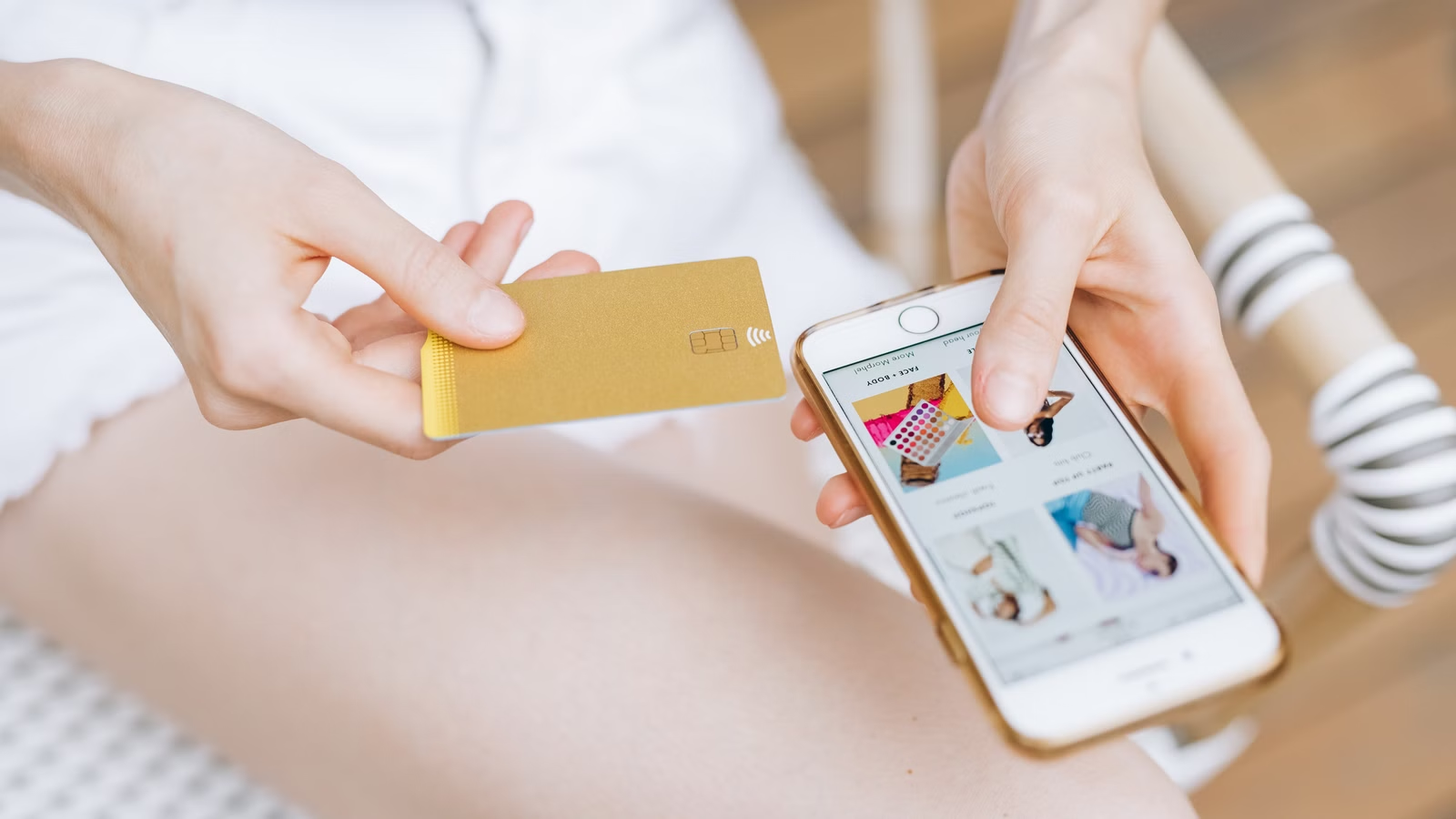
PayPal Goods and Services means you are making or receiving a commercial payment, not sending money privately to someone you know. For buyers, the main benefit is that eligible purchases may fall under PayPal Purchase Protection if the item never arrives or is significantly different from the seller’s description. For sellers, the benefit is payment convenience and possible protection against certain claims, but only when the transaction is eligible and evidence is strong. The trade-off is cost: the seller normally pays commercial payment fees, and PayPal may review disputes based on documentation, shipping, fulfillment records, and account rules.
Goods and Services vs Friends and Family
PayPal Goods and Services is designed for business-style payments. You use it when you buy a product from an online seller, pay a freelancer, purchase a digital service, or sell items through social platforms, forums, or marketplaces. It creates a payment record that can be reviewed if a dispute happens.
Friends and Family is different. It is intended for personal transfers, such as splitting dinner, sending a gift, or paying back a friend. PayPal warns that Friends and Family payment scams happen when sellers push buyers to use personal payments for commercial purchases because those payments are not covered by Purchase Protection. If a stranger asks you to use Friends and Family for a product or service, that is a strong warning sign.
The difference is not just a label. It changes the fee structure, dispute path, and risk balance. Goods and Services may cost the seller more, but it gives both sides a clearer commercial record. Friends and Family may feel cheaper, but it can leave buyers with fewer options if the seller disappears.
What buyer protection can and cannot do
Buyer protection is useful, but it should not be treated as a guaranteed refund. PayPal may review whether the purchase is eligible, whether the issue fits covered claim types, whether you filed within the required timeline, and whether the seller can provide proof of shipment or delivery. If the product was accurately described but you simply changed your mind, that is usually different from receiving a materially different item.
Common buyer scenarios include:
- The item never arrives.
- The seller ships a completely different item.
- The item is materially different from the listing.
- The seller misrepresented the item’s condition.
- The purchase was missing major parts that were not disclosed.
- The item was damaged during shipment and the damage was not described.
Buyer protection is weaker when the category is excluded, when the purchase happens outside normal PayPal flows, when local pickup makes delivery proof unclear, or when the buyer cannot show what was promised.
What seller protection requires
Seller protection is not automatic either. PayPal’s Seller Protection requirements include shipping physical items to the address shown in the transaction details, responding to document requests on time, and providing valid proof of shipment or delivery. For intangible goods and services, sellers may need evidence that the item was delivered, access was provided, or the service was completed as described.
| Payment type | Intended use | Protection | Fee impact | Best scenario |
|---|---|---|---|---|
| PayPal Goods and Services | Commercial purchases | Possible buyer and seller protection | Seller pays commercial fees | Buying or selling with incomplete trust |
| Friends and Family | Personal transfers | No buyer protection for purchases | May be cheaper in some cases | Paying people you personally know |
| Direct card payment | Merchant checkout | Card network and bank dispute process | Processor fees vary | Ecommerce checkout or subscriptions |
| Bank transfer | Account-to-account payment | Limited payment-app protection | Often lower cost | Trusted business payments or invoices |
Summary: PayPal Goods and Services is useful when trust is incomplete and both sides need a transaction record. Buyers may gain a dispute path for eligible problems, but PayPal still reviews claim type, deadlines, item category, and evidence. Sellers gain access to PayPal’s payment network and possible seller protection, but they must treat documentation as part of the transaction. A tracking number, delivery confirmation, service record, invoice, product description, and communication history can matter more than the payment button itself. Friends and Family should not be used to buy from strangers because it is meant for personal transfers and can remove the buyer’s main protection path. The clearest rule is simple: use Goods and Services when money is being exchanged for a product or service, and use personal transfers only for people you already trust.
PayPal Goods and Services Fees: What You Actually Pay For
PayPal Goods and Services fees are not one single global number. The seller’s cost depends on the seller’s country, payment type, currency received, domestic or international status, checkout method, and whether currency conversion or disputes are involved. In the United States, PayPal lists PayPal Checkout and PayPal Guest Checkout at 3.49% plus a fixed fee, while Send/Receive Money for Goods and Services is listed at 2.99% for domestic transactions. International commercial transactions can add a separate percentage-based fee. For sellers, the real question is not only “What is the PayPal fee?” but “What is my net payout after all payment, currency, withdrawal, and dispute costs?”
Domestic commercial transaction fees
For a domestic Goods and Services payment, the fee usually comes out of the seller’s received amount. The buyer may see a simple checkout screen, but the seller sees the payment after PayPal deducts applicable fees. Depending on the product and setup, a seller may receive money through PayPal Checkout, PayPal invoicing, PayPal Guest Checkout, a card payment service, or Send/Receive Money for Goods and Services.
The fee difference matters. A seller using a checkout button may not pay the same rate as someone receiving a Goods and Services transfer. A merchant using invoices may face a different structure from a marketplace seller. This is why sellers should not rely on a random PayPal fee calculator without checking the exact country and product category.
A simple fee checklist for sellers:
- What country is your PayPal account registered in?
- Is the buyer domestic or international?
- Which currency are you receiving?
- Is the payment through checkout, invoice, card, or Send/Receive?
- Does a fixed fee apply to the currency?
- Will you convert the money before withdrawal?
- Could the transaction trigger a dispute or chargeback?
International commercial payment costs
International payments often cost more because PayPal may apply a domestic commercial transaction fee plus an international percentage-based fee. PayPal’s U.S. merchant fee schedule lists an added 1.50% for international commercial transactions. That additional cost can be significant for freelancers, ecommerce sellers, and small businesses selling across borders.
For example, a U.S.-based seller receiving an international commercial payment may pay the domestic commercial fee, the international add-on, and a fixed fee based on the currency received. If the seller later converts the balance into another currency, currency conversion may further reduce the net amount. In some markets, withdrawal rules also vary by bank, card, and currency.
International users should also check local PayPal rules. PayPal’s Singapore fee information shows that Singapore business fees may differ from U.S. rates, including domestic commercial rates, online card payment services, and international receiving rules. A fee example from a U.S. page may not apply to a Singapore, UK, EU, Australia, India, or Hong Kong account.
Hidden costs: fixed fees, disputes, withdrawals, and currency conversion
Fixed fees are easy to miss. A percentage fee may look small on a large invoice, but fixed fees can hurt low-value transactions. A $3 digital download, a $7 design asset, or a $10 deposit can lose a meaningful share of revenue if a fixed fee applies. This is one reason low-margin sellers often compare PayPal with Stripe, local bank transfers, or marketplace checkout.
Currency conversion is another hidden cost. PayPal’s consumer fee information states that using PayPal for purchases is generally free for buyers unless a currency conversion is involved, while sellers and international users may face different conversion and withdrawal effects depending on market. PayPal’s global fee materials also note that withdrawal to a bank account or card may not be possible in every market, and conversion fees may apply.
| Cost component | Who usually feels it most | Why it matters |
|---|---|---|
| Domestic commercial fee | Seller | Reduces net payout |
| Fixed fee by currency | Low-ticket sellers | Larger impact on small payments |
| International add-on | Cross-border sellers | Reduces margin on global sales |
| Currency conversion | Buyers or sellers using different currencies | Exchange spread can change final cost |
| Withdrawal fee or limitation | International sellers | May affect access to funds |
| Dispute or chargeback cost | Sellers | Can create extra cost and cash-flow holds |
Summary: PayPal Goods and Services cost is not just a headline percentage. Sellers need to evaluate the full payout path: commercial transaction fee, fixed fee, international add-on, conversion spread, withdrawal method, and dispute risk. A domestic payment in one currency can be straightforward. A cross-border payment involving another currency can be much more expensive. Buyers often focus on safety, while sellers need to focus on net revenue after fees. Small sellers should also pay attention to fixed fees because they can damage low-ticket margins. The best way to compare PayPal with alternatives is to calculate the final amount you can withdraw or spend, not only the amount the buyer sends.
When PayPal Goods and Services Is Worth Using

PayPal Goods and Services is worth using when the transaction involves a real product or service, the buyer and seller do not fully know each other, and both sides can document what was promised and delivered. It is especially useful for secondhand goods shipped to a buyer, freelance work with clear deliverables, digital products with access records, and online services where invoices and messages can show the agreement. The value of Goods and Services is not only the payment itself; it is the combination of payment record, dispute process, delivery evidence, and commercial classification.
Buying from unknown sellers, marketplaces, and freelancers
If you are buying from someone you do not know, Goods and Services is usually safer than a personal transfer. This is common in Facebook Marketplace shipping deals, online forums, private ecommerce groups, freelance work, small service projects, and secondhand purchases. The seller may be legitimate, but you still need a record that connects payment, item, price, shipping, and promised condition.
Buyers should use Goods and Services when:
- The seller is not a personal friend or family member.
- The item is being shipped instead of handed over in person.
- The purchase has a clear description, invoice, or quote.
- The seller is providing a digital deliverable or online service.
- The purchase amount is high enough that losing the money would matter.
- The seller pressures you to avoid Goods and Services.
For freelance work, Goods and Services works best when scope is clear: what will be delivered, when it will be delivered, how revisions are handled, and what proof will show completion. Vague promises create weak disputes.
Selling physical goods with proof of shipment
For sellers, Goods and Services can be useful when the sale is easy to document. Physical goods should be shipped with tracking, preferably with delivery confirmation for higher-value items. The seller should ship to the address shown in the PayPal transaction details, not to a different address requested through chat. If the buyer asks to use their own shipping label, arrange pickup by a courier, or change the address after payment, seller protection may become harder to rely on.
Useful seller documents include:
- Listing title and description.
- Photos of the item before shipping.
- Invoice or order record.
- PayPal transaction details.
- Tracking number and carrier receipt.
- Proof of delivery.
- Buyer communication.
- Return policy and refund records.
This may feel excessive for a small sale, but it becomes important when a buyer claims the item never arrived or was different from the description.
Digital goods and services with fulfillment records
Digital products and services are more complicated because there may be no physical tracking number. Sellers should preserve evidence that the file, account access, license key, design work, report, consultation, or software service was delivered. A chat message alone may not be enough if the record is incomplete.
Evidence for digital fulfillment may include email delivery logs, download logs, access records, project management timestamps, signed approval messages, IP records, service completion reports, or platform delivery records. The goal is to show that the buyer received what was described, not merely that the seller worked on something.
| Scenario | Is Goods and Services suitable? | Protection strength | Documentation needed |
|---|---|---|---|
| Shipped secondhand item | Yes | Stronger with tracking | Listing, tracking, delivery proof |
| Freelance design work | Often yes | Depends on scope and records | Invoice, scope, delivery files |
| Digital download | Sometimes | Depends on delivery evidence | Access logs, email record |
| Local pickup | Mixed | Item Not Received protection may be limited | Pickup proof and item condition |
| Gift cards or prepaid items | High caution | Often weak or excluded | Avoid unless platform rules support it |
| High-value luxury goods | Use caution | Documentation must be strong | Authentication, insurance, delivery proof |
Summary: PayPal Goods and Services is most valuable when the transaction can be clearly documented from start to finish. For buyers, that means having a seller description, payment record, delivery expectation, and a reason to dispute if the item is missing or materially different. For sellers, that means proving shipment, delivery, access, or service completion. Physical goods usually work better when tracked shipping is used and the PayPal transaction address is followed. Digital services can work, but only when fulfillment evidence is strong. Goods and Services is not a magic guarantee; it is a structured payment path. The more clearly the transaction can be described and proven, the more useful the protection framework becomes.
When PayPal Goods and Services May Not Be the Best Option
PayPal Goods and Services may not be the best option when fees are too high, the transaction type is weakly protected, the seller cannot produce evidence, or cross-border settlement reduces the final payout. Low-margin sellers may lose too much to fixed and percentage fees. Local pickup transactions can create delivery-proof problems. Cash-equivalent items, financial products, and some restricted categories can fall outside normal protection. International sellers may also face currency conversion and withdrawal friction. In those cases, an invoice system, card processor, bank transfer, marketplace escrow, local wallet, or a different platform may fit better.
Low-margin sellers and high-frequency small payments
If you sell many low-priced items, PayPal fees can add up quickly. A percentage fee plus a fixed fee can be manageable on a $500 invoice but painful on a $5 digital product. A creator selling templates, a reseller selling small accessories, or a freelancer collecting small deposits may find that the fixed fee affects margin more than expected.
Small sellers should compare:
- PayPal Goods and Services.
- PayPal invoices.
- Stripe or another card processor.
- Local instant bank transfer.
- Marketplace checkout.
- Subscription billing tools.
- Local wallets popular in the buyer’s country.
Stripe can be useful as a comparison point because Stripe pricing is published by market and payment method, with standard card rates, refund treatment, and payout details. Stripe may not replace PayPal in every case because buyers may prefer PayPal, but it can be better for website checkout, subscriptions, and card-first businesses.
Local pickup, cash-equivalent items, and restricted categories
Goods and Services is weaker when delivery cannot be proven clearly. Local pickup can create disputes because there is no standard carrier tracking record. PayPal’s buyer protection rules also treat in-person and pickup scenarios differently, especially for Item Not Received claims. If you sell an item locally, cash, bank transfer, marketplace checkout, or an escrow-like platform may be more suitable, depending on risk and local rules.
Certain categories also need caution. PayPal Seller Protection can exclude payments equivalent to cash, such as gift cards or prepaid cards, and may limit coverage for financial products, vehicles, real estate, and personal payments. If the product is close to cash, resale, investment, or regulated services, do not assume Goods and Services will protect the seller.
High-risk examples include:
- Gift cards and prepaid cards.
- Crypto or investment-related transfers.
- Vehicle deposits or vehicle sales.
- Real estate-related payments.
- In-person delivery without carrier proof.
- Services with vague scope and no completion evidence.
- Items shipped to an address outside PayPal transaction details.
Cross-border sellers facing currency and withdrawal friction
For international sellers, PayPal may be convenient for buyers but expensive or inconvenient for withdrawal. You may receive USD, EUR, GBP, SGD, or another currency, then need to convert it into your local bank currency. If the exchange spread is unfavorable or withdrawal routes are limited, the final amount may be lower than expected.
For business-to-business payments, alternatives such as Wise Business, bank transfer, local rails, or multi-currency accounts may be better when buyer trust is already established and a formal invoice exists. PayPal can still be useful when the buyer wants PayPal checkout or dispute options, but it should not be the default for every international invoice.
| Situation | Better choice to consider | Why |
|---|---|---|
| Low-ticket digital sales | Card processor or marketplace checkout | Fixed fees may hurt margins |
| Trusted B2B invoice | Bank transfer or Wise | Lower payment friction after trust exists |
| Local pickup | Cash, bank transfer, or marketplace checkout | Delivery proof is clearer in person |
| Subscription billing | Card processor or virtual card setup | Better recurring payment control |
| High-risk category | Avoid or use specialized platform | PayPal protection may not apply |
| Cross-border freelancer | PayPal, Wise, or bank transfer comparison | Net payout depends on currency and withdrawal |
Summary: PayPal Goods and Services is not automatically the best tool for every commercial payment. It is strongest when buyer trust, transaction records, and dispute options are important. It is weaker when the product category is excluded, the seller cannot prove delivery, or the payment structure damages margin. Low-ticket sellers should pay close attention to fixed fees. Cross-border sellers should calculate the final withdrawable amount after international fees and currency conversion. Local pickup and cash-equivalent items require extra caution because the standard online delivery model may not apply. A better payment method is not always “cheaper”; it is the method that matches the transaction type, proof requirements, buyer trust level, and local payment habits.
How to Reduce Risk When You Use PayPal Goods and Services
You reduce risk with PayPal Goods and Services by preparing evidence before money moves. Buyers should verify the seller, request a clear description, avoid pressure to use Friends and Family, and keep screenshots or invoices that show what was promised. Sellers should confirm the payment type, ship only to the PayPal transaction address, use tracking, keep delivery proof, and respond quickly to disputes. PayPal’s protection process depends heavily on evidence. If you wait until a dispute opens to organize records, you may already be at a disadvantage.
Buyer checklist before paying
As a buyer, your goal is to make the transaction easy to understand later. A dispute reviewer should be able to see what you bought, who sold it, how much you paid, when it should be delivered, and why the delivered item was missing or materially different.
Before paying, check:
- Seller name, profile, account age, and reviews.
- Product photos and whether they look original.
- Exact item model, size, condition, and included parts.
- Shipping method, tracking, and delivery timeframe.
- Refund, return, and cancellation terms.
- Whether the seller tries to move the deal off-platform.
- Whether the seller asks for Friends and Family.
- Whether the price is unrealistically low.
If the seller refuses a clear invoice or written description, that is a reason to pause. Good documentation protects honest buyers and honest sellers.
Seller checklist before accepting payment
As a seller, your main risk is that a buyer claims the item was not received, was not as described, or was unauthorized. You cannot control every dispute, but you can improve your evidence.
Before shipping or delivering, confirm:
- The payment is marked correctly as Goods and Services.
- The transaction appears in your PayPal account.
- The item description matches the listing or invoice.
- The shipping address matches PayPal transaction details.
- The buyer did not request unusual shipping changes.
- Tracking and delivery confirmation are available.
- Higher-value items have insurance or signature confirmation where appropriate.
- Digital fulfillment can be proven by system records.
Do not release goods based only on an email that looks like PayPal. Log in directly to your account and confirm the transaction.
Dispute handling and documentation
If a dispute happens, act quickly. PayPal may ask for proof of shipment, delivery, communication, service completion, or refund records. PayPal’s buyer materials describe Item Not Received and Significantly Not as Described claims with filing deadlines, and users should always check the rules that apply to their market and account.
Keep all records in one folder:
- Invoice or order confirmation.
- Listing page or service scope.
- Payment receipt.
- Buyer or seller messages.
- Tracking and delivery confirmation.
- Photos before shipment.
- Digital delivery logs.
- Refund and return records.
- PayPal case messages.
| Stage | Buyer action | Seller action |
|---|---|---|
| Before payment | Confirm seller, description, delivery terms | Confirm buyer, address, payment type |
| After payment | Save receipt and listing | Save transaction and shipping proof |
| During delivery | Track shipment | Use carrier tracking and delivery confirmation |
| If a dispute starts | Explain issue with evidence | Respond on time with proof |
| After resolution | Keep records | Review pricing, shipping, and risk controls |
Summary: PayPal Goods and Services protection depends on what you do before the dispute starts. Buyers should avoid vague deals, pressure tactics, and personal-payment requests. Sellers should avoid shipping to unverified addresses, using buyer-arranged shipping without records, or delivering digital work without proof. A strong transaction has a clear description, payment record, delivery method, and communication trail. If a dispute opens, speed and organization matter. PayPal may review documents under a deadline, so keeping evidence in one place helps both buyers and sellers. The safest approach is to assume that every commercial payment might need to be explained later. If your records can tell the whole story clearly, Goods and Services becomes more useful. If the records are weak, the protection label alone may not save the transaction.
Best Alternatives to PayPal Goods and Services by Scenario
The best alternative to PayPal Goods and Services depends on why you are using PayPal in the first place. If you need buyer trust and dispute options, PayPal may still be the right choice. If you need lower fees, recurring billing, local settlement, or multi-currency transfers, another method may be better. Stripe or another card processor can fit ecommerce checkout. Wise or bank transfer can fit trusted international invoices. Marketplace escrow can fit high-value platform sales. Local wallets can fit domestic payments. A virtual card or multi-currency setup can fit subscriptions and online services.
For ecommerce sellers and freelancers
Ecommerce sellers and freelancers should compare PayPal with card processors, invoices, marketplace checkout, and bank transfers. A web store may benefit from card checkout because customers expect to pay by card. A freelancer may prefer PayPal for a first-time client but switch to bank transfer after trust is established. A digital product seller may need a checkout system with automatic delivery records.
Use PayPal Goods and Services when buyer confidence matters. Use a card processor when checkout experience, recurring billing, and website integration matter. Use bank transfer when the buyer is a trusted business and fees are more important than buyer dispute tools.
For freelancers, a hybrid approach can work:
- PayPal Goods and Services for first projects or unknown clients.
- Invoice plus milestone payments for larger projects.
- Bank transfer for repeat clients.
- Card processor for packaged services or subscriptions.
- Marketplace checkout when the platform provides its own protection.
For international payments and currency conversion
International sellers should calculate total cost before choosing PayPal. A buyer may prefer PayPal because it feels familiar, but the seller may lose money through commercial fees, international add-ons, conversion spreads, and withdrawal limitations. In trusted B2B cases, bank transfer or Wise may be more efficient because the payment is not mainly about buyer protection.
If you manage multiple currencies, compare exchange rates before invoicing. Real-time exchange rates can help you think in net settlement terms instead of only invoice amount. The important question is: “How much can I actually use after the payment arrives, converts, and withdraws?”
For online subscriptions and recurring payments
PayPal can be convenient for subscriptions because you do not always need to share card details with every merchant. However, subscription management can become messy if you use the same PayPal account for many services, currencies, and business categories. Card-based subscription management may be better when you want to separate merchants, track payments, replace cards, or control spending by service.
For users managing global payment needs across online services, marketplaces, investment tools, or digital assets, a broader payment setup may be more useful than one checkout account. Biya is relevant when you need a global multi-asset wallet that connects payments, USDT exchange into major fiat currencies, and international spending scenarios. If your commercial payment flows also involve trading or investing, Biya’s web trading can sit alongside your payment planning rather than replacing PayPal’s buyer-seller dispute function.
| Alternative | Protection | Cost profile | Speed | Best user type |
|---|---|---|---|---|
| PayPal Goods and Services | PayPal dispute process | Medium to high | Fast payment, variable withdrawal | Buyers and sellers needing trust |
| Stripe or card processor | Card network disputes | Published processing fees | Fast checkout, scheduled payout | Ecommerce sellers and SaaS |
| Wise or bank transfer | Limited payment-platform protection | Often efficient for FX | Varies by corridor | Trusted international invoices |
| Marketplace escrow | Platform-specific | Platform fees | Slower but structured | High-value marketplace deals |
| Local wallet | Local rules | Often competitive domestically | Fast in supported markets | Local buyers and sellers |
| Virtual card setup | Card network and issuer rules | Depends on provider | Useful for recurring payments | Subscription and online service users |
Summary: Alternatives should be chosen by transaction type, not by a single fee number. PayPal Goods and Services is strongest when buyer trust, transaction records, and dispute options matter. Stripe or another card processor may be better for ecommerce checkout, subscriptions, and card-first sales. Wise or bank transfer may be better for trusted cross-border invoices where the main concern is currency cost and settlement. Marketplace escrow can be better for high-value transactions inside a platform. Local wallets can be better when both parties are in the same market. Biya can be relevant for users who need broader cross-border payment planning, multi-currency thinking, and digital asset-to-fiat scenarios. The safest decision is to match the payment method to the risk: trust gap, proof needs, fee tolerance, currency path, and withdrawal access.
When your payment needs go beyond a single PayPal checkout, the real challenge becomes payment planning. You may need to receive client payments, pay for online tools, manage subscriptions, convert currencies, hold digital assets, and track records across markets. PayPal Goods and Services can still be useful for eligible buyer-seller transactions, but it does not solve every cross-border payment need. Biya can support a broader setup for users who manage international payments, USDT-to-fiat conversion, online spending, and multi-asset financial activity in one environment. Before choosing any payment method, compare acceptance, fee rules, refund handling, settlement timing, currency conversion, account limits, and local compliance requirements. A good payment stack should make your records clearer, your net costs easier to estimate, and your risk easier to control.
FAQ
Does PayPal Goods and Services protect buyers from scams?
PayPal Goods and Services can help buyers in eligible Item Not Received or Significantly Not as Described cases, but it does not guarantee a refund for every scam. Coverage depends on PayPal rules, evidence, deadlines, item category, and how the dispute is handled. Buyers should avoid vague listings, off-platform pressure, and Friends and Family requests.
Who pays PayPal Goods and Services fees in a sale?
The seller usually pays the commercial transaction fee when receiving a PayPal Goods and Services payment. Sellers may build that cost into their pricing, but the fee is normally deducted from the received amount. The final cost depends on country, currency, payment type, fixed fees, and whether the payment is domestic or international.
Is PayPal Friends and Family safe for buying from strangers?
PayPal Friends and Family is not safe for buying from strangers because it is intended for personal transfers, not purchases. If a seller asks you to use Friends and Family for goods or services, you may lose normal Purchase Protection. Use Goods and Services when paying for products, freelance work, or commercial services.
Can PayPal Seller Protection cover digital goods or services?
PayPal Seller Protection may cover eligible digital goods or services only when the seller meets specific requirements and provides strong proof of fulfillment. Sellers should keep records such as delivery logs, access records, email transmission, service completion evidence, and buyer communication. A chat screenshot alone may not be enough.
When should small businesses use alternatives to PayPal Goods and Services?
Small businesses should consider alternatives when PayPal fees, fixed charges, currency conversion, withdrawal limits, chargeback risk, or category restrictions reduce net profit. Card processors, bank transfers, local wallets, marketplace checkout, or multi-currency tools may be better depending on buyer trust, transaction size, and settlement needs.
Is PayPal Goods and Services better than bank transfer for international sales?
PayPal Goods and Services may be better when buyer trust and dispute options matter, while bank transfer may be better for lower costs or established business relationships. The better option depends on documentation, currency conversion, payment speed, withdrawal access, local rules, and whether both parties already trust each other.
*This article is provided for general information purposes and does not constitute legal, tax or other professional advice from BiyaPay or its subsidiaries and its affiliates, and it is not intended as a substitute for obtaining advice from a financial advisor or any other professional.
We make no representations, warranties or warranties, express or implied, as to the accuracy, completeness or timeliness of the contents of this publication.
Related Blogs of
International Wire Transfer Time: What Affects Delivery?


Wire Transfer Requirements: Sender and Beneficiary Details Checklist




Choose Country or Region to Read Local Blog
 Australia
 Austria
 Belgium
 Canada
 Cyprus
 Czech Republic
 Denmark
 Estonia
 Finland
 France
 Germany
 Greece
 Hong Kong
 India
 Indonesia
 Ireland
 Italy
 Japan
 Latvia
 Lithuania
 Luxembourg
 Malaysia
 Malta
 Morocco
 Nepal
 Netherlands
 New Zealand
 Norway
 Pakistan
 Philippines
 Poland
 Portugal
 Romania
 Singapore
 Slovakia
 Slovenia
 South Africa
 South Korea
 Spain
 Sweden
 Thailand
 United States
 Turkey
 United Arab Emirates
 United Kingdom
 Vietnam