
Western Union Transfer Tracking, Limits, and Required Documents: What to Check Before Receiving or Withdrawing Money




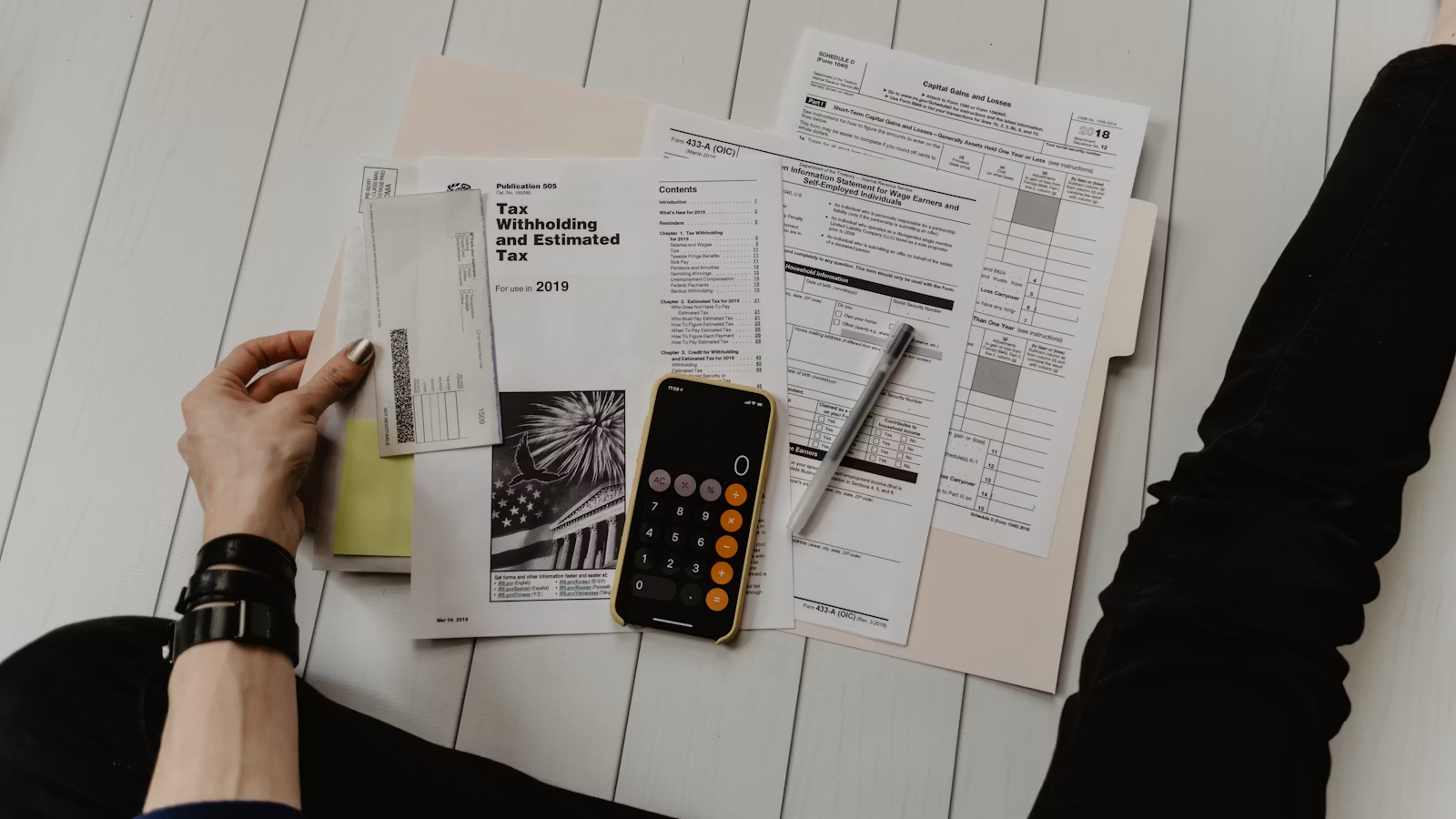
The core of Western Union transfer tracking is using the MTCN to check whether a transfer is still being processed, available for pickup, delivered, on hold, or cancelled. Before receiving or withdrawing money, you also need to verify the receiving method, ID name, sender details, amount and currency, agent location rules, and local limits. Cash pickup depends heavily on the MTCN and identity document. Bank deposit depends on account details. Mobile wallet delivery depends on local availability. Large, first-time, inconsistent, or higher-risk transfers may also trigger identity verification, compliance review, or refund handling.
Key Takeaways
- The MTCN is the key number for Western Union tracking and cash pickup.
- Different receiving methods require different documents, delivery times, and withdrawal rules.
- Western Union transfer limits depend on country, channel, payment method, and identity verification.
- “Available” does not always mean cash can be picked up immediately; ID, agent location, and review rules still matter.
- “On hold” usually means the transfer is waiting for processing or additional verification.
- Do not share the MTCN with strangers or receive money on behalf of unknown parties.
What Is Western Union Transfer Tracking? Start with the MTCN, Sender Name, and Transfer Status

Western Union transfer tracking mainly uses the MTCN to follow the transfer progress. You need to confirm whether the money is still being processed, available for pickup, deposited, received, on hold, cancelled, or refunded. The MTCN helps you track the transfer status, but it does not replace identity verification. Whether the receiver can successfully collect the money also depends on name matching, ID documents, the transfer amount, agent location rules, and local compliance checks.
The MTCN stands for Money Transfer Control Number. Western Union defines it as a 10-digit tracking number assigned to each money transfer. The sender can usually find it on the receipt, confirmation email, account record, or app transaction history. After receiving the MTCN, the receiver can use it to check the transfer status. For cash pickup, the receiver usually also needs to provide this number at an agent location.
The MTCN is important, but it should not be shared casually. Western Union’s UK tracking guidance reminds users not to share the MTCN with anyone other than the receiver or a Western Union representative. The reason is simple: the MTCN is part of the transfer identification information. If you send a full receipt, MTCN, amount, sender name, and receiver name to a stranger, that person may use the information to impersonate a party to the transfer, increasing the risk of fraud, miscollection, or social engineering.
Western Union tracking usually has two types of access. The first is sender-side tracking: the sender can log in to an account, check the receipt, or use Track Transfer to follow the status. The second is receiver-side tracking: the receiver usually needs the sender’s name and MTCN. If you do not have the MTCN, some markets may allow lookup using the sender’s name, phone number, transfer date, or other details, but the safest approach is still to ask the sender to check the receipt rather than guessing the number or repeatedly submitting incorrect information.
Common transfer statuses can be understood as follows:
| Transfer Status | Common Meaning | What the Receiver Should Do | What the Sender Should Do |
|---|---|---|---|
| In progress | The transfer is still being processed | Wait for the status to update | Check whether payment was successful |
| Available | Usually available for pickup at an agent location | Bring the MTCN and ID for pickup | Remind the receiver to verify details |
| Received / Paid | The money has been collected or credited | Keep the receipt | Confirm the transfer is complete |
| Delivered | Bank or wallet delivery has been completed | Check the credited amount | Keep the transaction record |
| On hold | Waiting for verification or processing | Do not repeatedly attempt pickup; wait for instructions | Contact support or provide documents |
| Cancelled | The transfer has been cancelled | Stop trying to collect it | Check the reason for cancellation and refund |
| Refunded | The transfer has entered the refund process | No pickup is needed | Check the original payment method |
In Western Union’s UK status explanation, Available usually means the receiver can go to an agent location to collect the money, while On hold may involve verification or processing steps. When you see a status change, do not interpret the English word alone. Combine it with the receiving method: cash pickup depends on the agent location, bank deposit depends on bank processing, and mobile wallet delivery depends on the local partner.
Summary: The first step in Western Union tracking is getting the correct MTCN and cross-checking it with the sender name, receiver information, and transfer status. The MTCN is a 10-digit tracking number that helps you determine whether the transfer is available, delivered, on hold, or cancelled, but it is not a universal collection credential. Cash pickup still requires matching ID. Bank deposit still requires accurate account information. Wallet delivery still depends on local and partner availability. If the status is unusual, the MTCN cannot be found, or details do not match, the sender should start by checking the receipt and account record instead of blindly repeating searches or sending the receiver to an agent location.
How Do You Receive a Western Union Transfer? Cash Pickup, Bank Deposit, and Mobile Wallet Should Be Treated Separately

Western Union receiving methods usually include cash pickup at an agent location, bank account deposit, mobile wallet delivery, and card-account-related receiving options in some countries. You need to confirm which method the sender selected before preparing documents. Cash pickup is suitable for urgent cash needs or receivers without a bank account. Bank deposit is suitable for ongoing receipts and larger amounts. Mobile wallet delivery is convenient, but it is more dependent on country, wallet provider, and limits.
Country-specific Receive Money information usually divides receiving options into cash pickup, bank account deposit, and mobile wallet deposit. In other words, not every Western Union transfer must be collected in cash at an agent location. Whether the money can be deposited into a bank account or wallet depends on the sending country, receiving country, payment method, receiving currency, and local partner institutions.
Cash pickup is direct, fast, and widely available. The receiver can go to a Western Union agent location, submit the required information, complete identity verification, and collect cash. It is suitable for travel emergencies, urgent family support, receivers without local bank accounts, or temporary cash needs. Its drawbacks are also clear: you need to find an open agent location, wait in line, confirm cash availability, and make sure your ID is accepted locally. In some areas, an agent location may be unable to pay out immediately due to cash shortage, system maintenance, business hours, or additional review.
Bank account deposit is more suitable for stable, recurring, or larger receipts. For overseas salary, regular family support, tuition refunds, or cross-border service income, direct bank deposit is easier to document than offline cash pickup. Western Union Australia’s receiving guidance states that bank deposit usually requires the receiver’s full name, bank name, bank account number, and bank code. The name must match the bank record; otherwise, the payment may be delayed, returned, or require correction.
Mobile wallet receiving is suitable in some countries where mobile payments are widely used. Its advantage is that the receiver does not need to visit an agent location and may not need a traditional bank account. The limitation is that not every country or wallet is supported. If the sender selects the wrong wallet, the phone number does not match, the name is not consistent with the wallet’s verified identity, or the wallet has reached its limit, the transfer may fail. You should not only ask whether Western Union can deliver to a wallet; you should ask whether this country, this wallet, and this receiver account are supported.
| Receiving Method | Suitable Scenario | Required Details | Delivery Feature | Main Limitation |
|---|---|---|---|---|
| Cash pickup | Urgent cash needs, no bank account | MTCN, ID, sender details | Usually faster | Depends on agent location, ID, and cash availability |
| Bank account deposit | Ongoing receipts, larger amounts | Bank account details, name, bank code | Better for record keeping | Depends on bank processing and information accuracy |
| Mobile wallet delivery | Mobile payment scenarios | Wallet phone number, verified identity details | Higher convenience | Depends on country, wallet, and limits |
| Card-account-related delivery | Some card-based receiving scenarios | Card account or platform-required details | May be faster | Coverage is not uniform |
If you are the receiver, the most important step is to ask the sender which receiving method was selected. Many pickup failures are not caused by the absence of funds in Western Union’s system, but by a mismatch between the selected method and the receiver’s expectation. For example, the sender may have selected bank deposit while the receiver goes to an agent location for cash, or the sender may have selected cash pickup while the receiver waits for bank credit. If the receiving method is wrong, the sender usually needs to contact Western Union or the agent location to handle it; the receiver often cannot change it alone.
Summary: Western Union receiving methods should be judged separately as cash, bank, wallet, and card-account delivery. Cash pickup depends on the MTCN, ID, agent opening hours, and cash availability. Bank deposit depends on account name, account number, bank code, and posting rules. Mobile wallet delivery depends on phone number, verified identity, regional coverage, and partner restrictions. Before receiving money, first confirm the method selected by the sender and then prepare the corresponding documents. Only when the receiving method, required information, and transfer status match will collection or delivery be smoother.
What Documents Are Needed to Receive or Withdraw a Western Union Transfer? Name, ID, and Amount Must Match
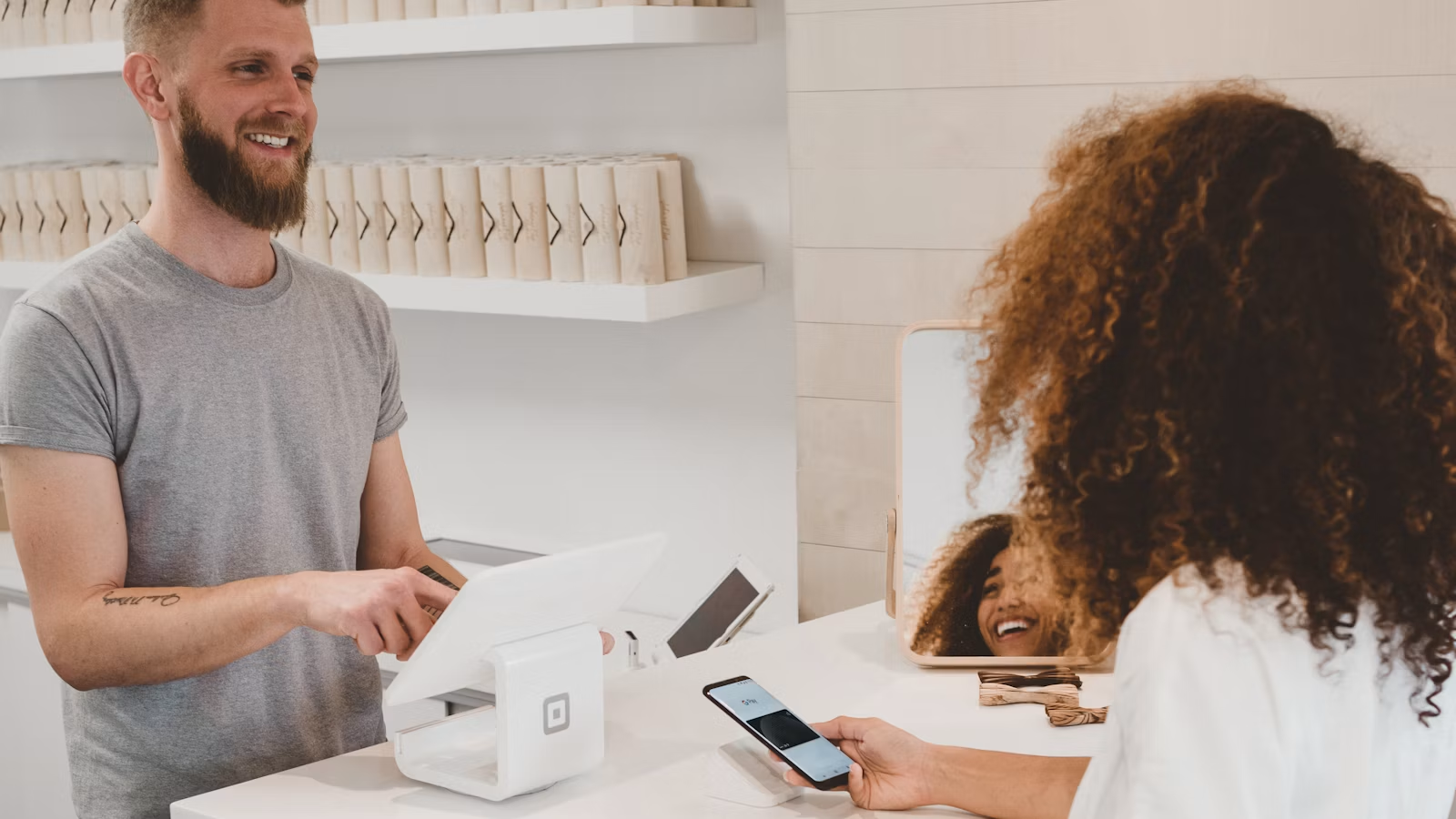
Before receiving or withdrawing a Western Union transfer, you should at least verify the MTCN, receiver name, valid identity document, sender name, sending country, expected amount, and currency. If the money is being sent to a bank account or mobile wallet, you also need to confirm the account name, bank name, account number, bank code, phone number, address, and payment purpose. Name mismatch, unacceptable ID, and unclear amount are among the most common reasons for failed pickup.
Cash pickup usually requires a valid government-issued photo ID. Western Union’s Dominican Republic receiving guidance lists valid government-issued photo ID, MTCN, sender’s full name, country sent from, and expected amount as cash pickup details. Accepted identity documents vary by country. A passport or national ID is usually more reliable; whether a driver’s license, residence card, or temporary document is accepted depends on local agent rules.
For cash pickup, prepare the following:
- MTCN, making sure it is the complete 10-digit tracking number.
- Valid government-issued photo ID for the receiver.
- Sender’s full name, preferably exactly as shown on the receipt.
- Sending country or region.
- Expected amount and receiving currency.
- Receiver’s phone number or address information.
- Any form, signature, or security question answer required by the agent location.
Bank account receiving focuses on different details. You need to make sure the name on the bank account matches the name entered by the sender. English spelling, surname/given name order, abbreviations, spaces, punctuation, and transliteration of non-English names may all cause matching issues. The account number, bank code, and branch information should come directly from the receiving bank. Do not copy them from old screenshots, search results, or someone else’s template.
Mobile wallet delivery also depends on verified identity. Many wallets do not credit funds based only on a phone number. They may check the registered name, country, account status, and wallet limits. If the receiver has changed phone numbers, has not completed identity verification, has reached the wallet balance limit, or if the local partner does not support the currency, the transfer may be delayed or returned.
If the receiver name is wrong, the receiver should not go to an agent location and try to “explain it.” Western Union provides a receiver name change process, but it usually needs to be initiated by the sender. Whether the name can be changed still depends on internal controls, local rules, and transfer status. If the transfer has already been paid, cancelled, refunded, or placed under review, there may be less room for correction.
| Information Error | Possible Result | Suggested Action |
|---|---|---|
| Receiver name spelling error | Agent may refuse pickup or bank may return payment | Ask the sender to request correction quickly |
| ID name does not match receipt | Identity verification fails | Do not force pickup; correct the information first |
| Wrong MTCN | Transfer cannot be found or the wrong transfer appears | Ask the sender to check the receipt |
| Wrong amount or country | Agent may require further verification | Fill in details exactly as shown on the receipt |
| Wrong bank account number | Delay, return, or wrong-account risk | Contact the sender and service provider for handling |
You should also pay attention to purpose consistency before receiving money. Family support, tuition, emergency travel funds, salary, and service income require different supporting materials. If the amount is large or the frequency is high, the agent location or service provider may ask about payment purpose, relationship proof, or source of funds. You do not need to over-explain, but all documents should be consistent with one another.
Summary: The core requirement for Western Union receiving documents is consistency across “person, money, number, and purpose.” Cash pickup depends on the MTCN, valid photo ID, sender name, sending country, and expected amount. Bank deposit depends on account name, bank name, account number, and bank code. Wallet delivery depends on phone number, verified identity, and regional support. Any error in a key field may cause pickup failure, delay, correction, or refund. If the receiver finds that the name, amount, method, or account details do not match, the sender should handle it from the transaction record side as soon as possible instead of the receiver attempting pickup with mismatched documents.
How Should You Understand Western Union Transfer Limits? Country, Channel, Identity Verification, and Receiving Method All Affect the Maximum Amount
Western Union transfer limits are not one global number. They are affected by the sending country, receiving country, online or offline channel, payment method, identity verification level, receiving method, currency, and compliance review. A per-transfer limit seen in one country should not be applied directly to another country. Even within the same country, the app, website, agent location, cash, bank card, bank account, and wallet options may have different limits.
Western Union US money transfer limits show that unverified users can usually send up to USD 3,000 online or through the app, while verified users can usually send up to USD 50,000 through online, app, or in-person channels. This is useful as an example, but it is not a universal global rule. The actual amount you can send also depends on the destination country, payment method, receiving method, transaction history, and local regulations.
Limits usually have four layers:
| Limit Layer | Influencing Factors | Often Overlooked Point |
|---|---|---|
| Sending limit | Sending country, payment method, identity verification | Verified and unverified limits may differ greatly |
| Receiving limit | Receiving country, receiving method, local rules | “Available” may still be limited by local cash rules |
| Channel limit | Website, app, agent location | Online and offline limits may not be the same |
| Risk control limit | Transaction history, amount, purpose, regional risk | The system may request additional documents |
Identity verification can significantly affect limits. Western Union’s safety information explains that identity verification can help increase sending limits and reduce fraud and payment errors. Content related to is Western Union safe also emphasizes identity verification, receiver ID, and transaction protection. For users, identity verification is not just a troublesome step; it is part of how cross-border payment services fulfill KYC and anti-fraud requirements.
Receiving and withdrawal also have practical restrictions. Even if the sender successfully sends the money, cash pickup may still be affected by agent opening hours, cash availability, local cash payment rules, and accepted ID types. Bank deposit may also be affected by the receiving account status, posting limits, anti-money-laundering review, and holidays. Mobile wallets may be affected by wallet balance limits, account tier, phone number verification, and partner rules.
Before sending a large amount, complete four checks:
- Ask the sender to confirm the actual amount available before submission.
- Confirm whether the receiving method supports the amount and currency.
- Contact the receiving-side agent location or bank in advance to confirm pickup or deposit requirements.
- Prepare identity documents, proof of funds, payment purpose explanation, and proof of relationship or transaction.
Do not deliberately split transfers to bypass limits. Breaking a large amount into multiple smaller transfers does not automatically make it lower risk; it may instead create a more obvious suspicious pattern. A safer approach is to complete identity verification, choose the appropriate receiving method, prepare documents, and follow the service provider’s and local regulator’s requirements.
Summary: Western Union transfer limits are determined by multiple factors, not simply by asking “how much can Western Union send at once?” The sending country, receiving country, app, website, agent location, payment method, receiving method, identity verification, currency, and compliance review all affect the actual available limit. US market limits for verified and unverified users can help illustrate the mechanism, but they do not replace the actual amount displayed at the time of transaction. Before sending a large transfer, confirm the sending-side limit, the receiving-side pickup capacity, and the required documents instead of waiting for the system to review it after submission.
What Should You Do If a Western Union Transfer Is Delayed, On Hold, Cancelled, or Refunded? Check the Status First
When a Western Union transfer is delayed or placed on hold, the first step is not to send another transfer or ask the receiver to repeatedly visit an agent location. First check the status. Determine whether the transfer is In progress, Available, On hold, Cancelled, Refunded, or already Received/Paid. Different statuses require different actions: processing means waiting, on hold means additional documents may be needed, cancellation means you need to check the reason, and refund means you need to look at the original payment method and processing time.
In progress usually means the transaction is still being processed. A recently submitted transfer, pending payment bank confirmation, weekend, or holiday may all cause the status to remain unchanged temporarily. You can wait and check again later, or ask the sender to confirm whether payment was successful. If the payment method is a bank account, bank-side review and debit timing may also affect Western Union’s status update.
Available usually means cash pickup is ready, but it does not mean every agent location can definitely pay out immediately. The receiver still needs to bring the MTCN and ID and confirm the agent’s business hours, cash availability, pickup amount, and local rules. For bank account and wallet delivery, check whether the status is Delivered, Paid, or similar, and verify the actual credited record.
On hold is the status that needs the most attention. Western Union Care’s explanation of on hold or delayed includes identity verification, bank review, requests for additional information, and confirmation of transaction details. When On hold appears, the sender should check email, SMS, account notifications, or support requests and provide documents as required. The receiver usually cannot remove the hold alone.
Cancelled means the transfer has been cancelled. Possible reasons include user-initiated cancellation, payment failure, incorrect details, receiver information mismatch, failed compliance review, or system processing failure. Western Union Netherlands tracking guidance states that if a transaction is cancelled and payment has already been charged, the refund usually goes back to the original payment method; after refunds are completed, processing may still take some time. The exact arrival time depends on the payment method, bank, and market rules.
Uncollected funds also need timely handling. If cash pickup remains uncollected for a long time, cancellation, refund, or re-arrangement may be needed. Western Union information on how long funds are held indicates that cash pickup funds may remain available at an agent location for a period of time, with 90 days being a commonly mentioned timeframe, but the exact holding period may vary by region, transaction type, and local requirements. Do not assume that uncollected funds can stay unchanged indefinitely.
| Abnormal Situation | Possible Reason | Priority Action |
|---|---|---|
| Stuck on In progress | Bank processing, system delay, holiday | Wait for update and check payment status |
| Available but cannot be picked up | ID mismatch, agent restriction, cash shortage | Try another agent or verify documents |
| On hold | Identity, purpose, bank, or compliance verification | Sender provides additional documents |
| Cancelled | User cancellation, wrong details, payment failure | Check cancellation reason and refund route |
| Refunded | Refund has been initiated or completed | Check the original payment method |
| MTCN cannot be found | Wrong number or transaction not generated | Check the receipt and account record |
When an issue appears, the sender and receiver should understand their roles. The sender is responsible for checking payment, MTCN, receiver name, cancellation, refund, and document submission. The receiver is responsible for providing valid ID, confirming the pickup location, checking the receiving method, and reporting the agent result. The more consistent both sides’ information is, the faster the issue can usually be handled.
Summary: The key to handling an abnormal Western Union transfer is to judge the reason by status first, instead of resubmitting or attempting pickup blindly. In progress usually means processing. Available still depends on receiver documents and agent location. On hold usually requires the sender to provide additional verification. Cancelled requires checking the cancellation reason. Refunded depends on the time needed for money to return to the original payment method. Receivers should avoid repeated attempts with incorrect names or incomplete documents. Senders should keep receipts, emails, and support communication records. Only after status, documents, and receiving method are confirmed can you decide whether to wait, provide documents, correct the name, cancel, or request a refund.
Western Union Tracking and Pre-Receiving Risk Controls, Fraud Prevention, and Alternatives
Western Union is suitable for cross-border family remittances, emergency cash pickup, bank deposits, and some wallet receiving scenarios. Before tracking or receiving money, however, you must confirm transfer authenticity, MTCN safety, sender identity, payment purpose, and document consistency. Be very cautious if a stranger asks you to receive money on their behalf, pay first, refund money first, provide a full receipt, reveal the MTCN, or use Western Union for investment, prize claims, rental deposits, visa guarantees, or similar payments.
Western Union’s fraud resources provide warnings and reporting channels for money transfer scams. For ordinary users, the most important principle is this: Western Union is suitable for sending money to people you know and trust. It is not ideal for paying unknown merchants, investment schemes, prize organizations, or unverified individuals. Once a transfer is picked up, recovery may become much more difficult.
High-risk scenarios include:
- A stranger asks you to receive a Western Union transfer and then forward it to a third party.
- An online seller only accepts Western Union and refuses standard platform payment methods.
- A supposed prize, subsidy, visa, or loan requires an upfront fee.
- An investment project asks you to use Western Union for deposits or margin payments.
- The other party pressures you to provide an MTCN screenshot, full receipt, or ID photo.
- The payment purpose says living expenses, but the funds actually flow to investment, gambling, or crypto-related activity.
Before receiving money, complete six checks:
| Check Item | Why It Matters |
|---|---|
| Whether the sender is real and trusted | Prevents collection scams and identity misuse |
| Whether the MTCN comes only from the sender | Prevents fake screenshots and phishing |
| Whether the name matches the ID | Avoids agent pickup refusal |
| Whether amount, currency, and country match | Avoids mismatched transaction verification |
| Whether there is any request for repayment or extra fees | Helps detect upfront-fee scams |
| Whether the fund purpose can be explained | Reduces risk control and tax explanation pressure |
If you often handle cross-border receipts, foreign exchange, global payments, or transaction account records, it is better to expand “transfer tracking” into broader “fund management.” Western Union is useful for specific remittance and cash pickup scenarios, but you also need to keep track of exchange rates, payment records, purpose explanations, arrival proof, and account security. Using live exchange rates first to assess conversion cost, then choosing a route based on receiving method, delivery speed, and documentation requirements, is more reliable than looking only at a single fee. If you need to manage cross-border funds, exchange USDT into mainstream fiat currencies such as USD or HKD, handle global payments, or organize transaction-related accounts, Biya can be considered as a global multi-asset trading wallet. For cross-border transfers, you can also review remittance scenarios together with supported regions, fees, and delivery arrangements. All fees, exchange, remittance, virtual card, and trading rules should follow platform displays, billing details, and local regulatory requirements.
Summary: Before tracking or receiving a Western Union transfer, the most important steps are confirming authenticity, document consistency, and payment purpose. The MTCN should only be provided to the real receiver or a Western Union representative, not to strangers or so-called intermediaries. Cash pickup requires ID and agent location checks. Bank deposit requires account details. Abnormal statuses require additional information according to instructions. If you encounter collection-on-behalf requests, refunds, prize claims, investment deposits, rental deposits, or pressure to send screenshots, pause the transaction and verify the other party first. For frequent cross-border payers or receivers, managing transfer tracking, exchange rates, receipts, and fund purpose together can reduce fraud, failed pickup, and compliance review risk.
FAQ
What should you do if a Western Union MTCN cannot be found?
First check whether the MTCN has 10 digits, whether the sender name is correct, and whether the transfer was just submitted. If it still cannot be found, ask the sender to check the receipt, confirmation email, or account transaction record. Do not repeatedly search with guessed numbers or send a full receipt to strangers for help.
Do you need an ID for Western Union cash pickup?
Usually, yes. Cash pickup normally requires a valid government-issued photo ID. Accepted documents vary by country and agent location, but a passport or national ID is usually more reliable. You may also need the MTCN, sender name, sending country, expected amount, and a pickup form.
Does “Available” mean a Western Union transfer can definitely be picked up?
Not always. Available usually means the transfer is ready for pickup, but whether cash can actually be collected also depends on agent opening hours, cash availability, ID matching, local rules, and additional review. Before pickup, confirm the agent location, business hours, and required documents.
Why do Western Union limits differ by country?
Limits differ because they depend on the sending country, receiving country, channel, payment method, identity verification, receiving method, and regulatory requirements. Online, app, and agent-location limits may differ, and verified users may have higher limits. The actual limit shown at the time of transaction should be treated as the final reference.
How long does a Western Union On hold status take to clear?
There is no fixed timeframe. On hold is usually related to identity verification, bank review, receiver details, payment method, or compliance checks. The sender should provide documents according to Western Union or agent-location instructions. If there is no update after the expected time, contact customer support.
Can a wrong Western Union receiver name be corrected?
It may be possible, but the sender usually needs to initiate the correction. Whether Western Union allows a name change depends on the transfer status, internal controls, and local rules. The receiver should not try to collect money with mismatched ID; the sender should check the receipt and request correction as soon as possible.
*This article is provided for general information purposes and does not constitute legal, tax or other professional advice from BiyaPay or its subsidiaries and its affiliates, and it is not intended as a substitute for obtaining advice from a financial advisor or any other professional.
We make no representations, warranties or warranties, express or implied, as to the accuracy, completeness or timeliness of the contents of this publication.
Related Blogs of

Online Bank-to-Bank Transfers: Account Linking, Steps, and Limits


Crypto-Related Stocks vs Digital Assets: What Investors Actually Own

International Wire Transfer Time: What Affects Delivery?


Choose Country or Region to Read Local Blog
 Australia
 Austria
 Belgium
 Canada
 Cyprus
 Czech Republic
 Denmark
 Estonia
 Finland
 France
 Germany
 Greece
 Hong Kong
 India
India Indonesia
 Ireland
 Italy
Italy Japan
Japan Latvia
 Lithuania
 Luxembourg
 Malaysia
 Malta
Malta Morocco
 Nepal
Nepal Netherlands
 New Zealand
 Norway
 Pakistan
 Philippines
 Poland
 Portugal
 Romania
 Singapore
 Slovakia
 Slovenia
 South Africa
 South Korea
 Spain
Spain Sweden
 Thailand
 United States
 Turkey
 United Arab Emirates
 United Kingdom
 Vietnam