What Is SpaceX Stock Ticker SPCX? What Should Ordinary Investors Know Before and After Listing?




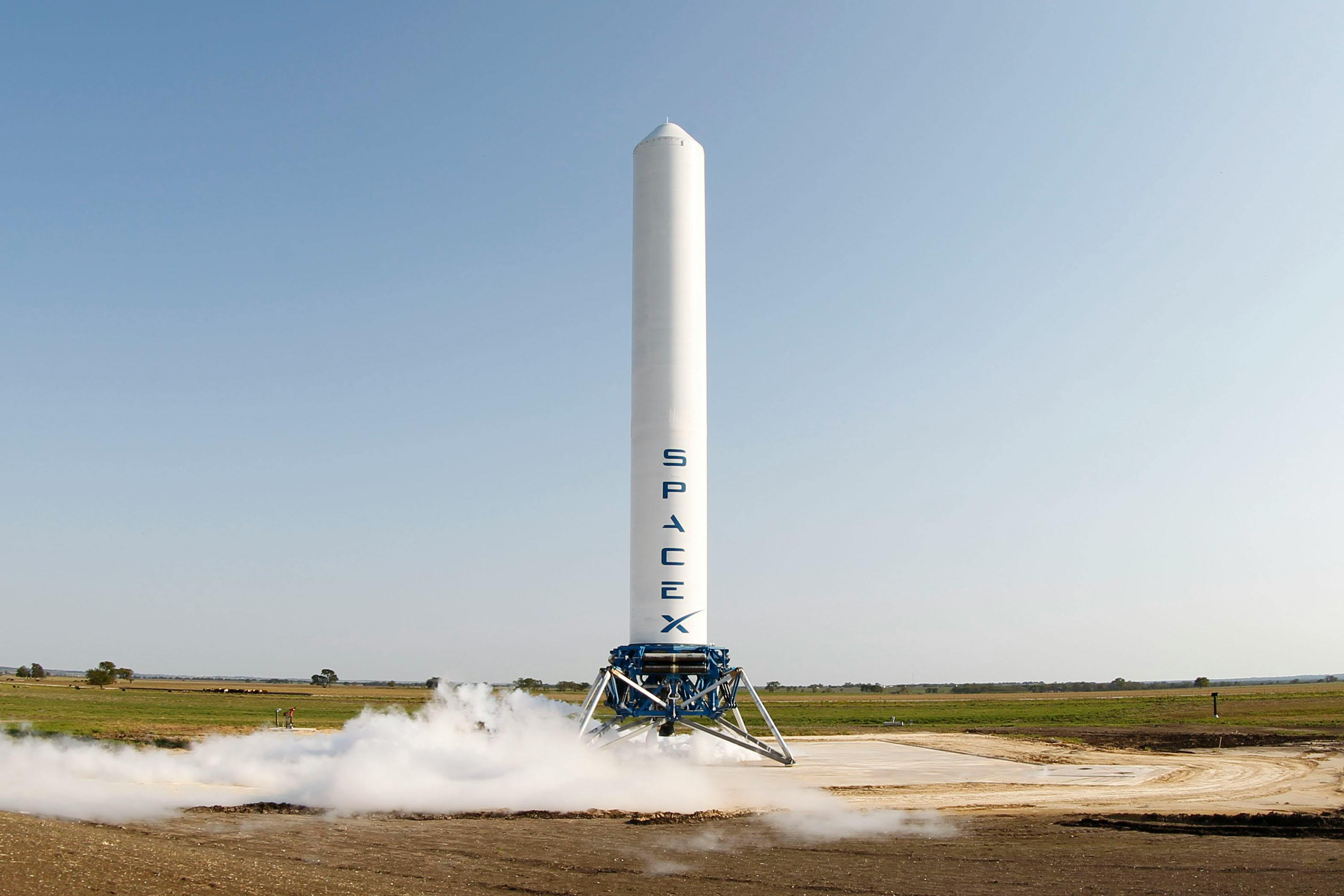
SPCX is the stock ticker SpaceX plans to use for public trading. It represents the Class A common stock that can be identified, quoted, and traded by the market after SpaceX completes its IPO. As of now, SpaceX has filed its S-1 registration statement and plans to list on Nasdaq and Nasdaq Texas. Reuters reported that SpaceX is targeting a listing as early as June 12, 2026, with the roadshow starting on June 4 and pricing around June 11. What you need to know is this: having a ticker does not mean the stock is already available to buy. Before and after listing, you still need to verify official filings, trading access, fee structures, and risks.
Key Takeaways
- SPCX is the ticker SpaceX plans to use for public market trading.
- Having a ticker does not mean the stock has already listed or is immediately tradable.
- Before listing, focus on the S-1, offering price, public float, and underwriting arrangements.
- On the listing day, distinguish between the offering price, opening price, and actual execution price.
- SpaceX’s valuation comes not only from rockets, but also from Starlink and AI narratives.
- Popular IPOs can be highly volatile, so fees and risks should be reviewed before trading.
What Is SPCX? How Is It Related to SpaceX Stock?
SPCX is the ticker symbol SpaceX plans to use in the public market. The purpose of a ticker symbol is to help investors quickly identify a stock on exchanges, quote systems, brokerage platforms, and financial media. SpaceX’s official company name is Space Exploration Technologies Corp. After it completes its IPO and officially lists, investors will typically use SPCX to look up quotes, trading volume, price changes, earnings reports, and company announcements.
One thing should be made clear first: SPCX is a trading identifier, not an investment conclusion. The more popular a ticker is, the more market attention it has, but that does not mean the valuation is reasonable, the risk is low, or the stock will definitely rise after listing. For an IPO with as much global attention as SpaceX, ordinary investors should especially separate “company recognition,” “ticker popularity,” and “trading decisions.”
| Question Investors Care About | How to Understand It |
|---|---|
| What is SPCX? | The stock ticker SpaceX plans to use for public trading |
| Which company does SPCX represent? | Space Exploration Technologies Corp., or SpaceX |
| Where will SPCX list? | It plans to list on Nasdaq and Nasdaq Texas |
| Can SPCX be traded now? | You need to wait for the official listing, platform access, and account permission confirmation |
| What is the relationship between SPCX and the SpaceX IPO? | After the IPO is completed, SPCX becomes the secondary market identifier |
SPCX Is a Stock Ticker, Not an Investment Conclusion
A stock ticker mainly solves the “identification” problem, not the “whether it is worth buying” problem. You can understand SPCX as the unified name of SpaceX stock after it enters the public market: quote software uses it to display prices, trading platforms use it to identify orders, financial media use it to track news, and investors use it to search for company information.
What truly affects investment judgment is the offering price, company valuation, public float ratio, revenue structure, losses, shareholder rights, lock-up arrangements, and trading fees. Reuters reported on May 15 that SpaceX planned to use “SPCX” as its trading ticker and Nasdaq as its listing venue Reuters. This means the ticker has become part of the IPO information, but it does not mean the stock is already open for trading on all platforms.
Why SpaceX’s Choice of Nasdaq Attracts Attention
Nasdaq is strongly associated with technology stocks, growth stocks, AI stocks, and the Nasdaq-100 Index. If SpaceX lists on Nasdaq, the market will naturally place it within narratives around tech giants, AI infrastructure, commercial space, and ETF fund flows. Reuters reported that SpaceX is targeting a Nasdaq listing as early as June 12, 2026, with the roadshow planned for June 4 and share pricing around June 11.
This is also why search interest in SPCX may rise quickly. Many people are not only asking whether SpaceX will list; they also want to know whether it may enter the Nasdaq-100, whether it may attract attention from ETFs such as QQQ, and whether passive capital could buy in heavily in the early listing stage. However, index expectations are only one market variable and should not be treated directly as a reason to buy.
When Should Ordinary Investors Really Pay Attention to SPCX?
If you only want to understand the SpaceX IPO, you should focus before listing on the S-1 filing, roadshow timing, offering price range, and final listing announcement. If you plan to observe secondary market trading, you should check on the listing day whether SPCX is available on your trading platform, whether the price is stable, and whether the bid-ask spread is too wide. If you plan to track it for the long term, you should pay more attention after listing to earnings reports, Starlink performance, AI spending, lock-up periods, and index rules.
Before listing, SPCX is mainly a search term. On the listing day, SPCX becomes a trading identifier. After listing, SPCX gradually becomes a public market stock that requires continuous tracking. You can follow related stocks and market quotes through U.S. stock information, but whether specific services are available still depends on your location, identity verification results, platform rules, and applicable laws and regulations.
Summary: SPCX is the ticker SpaceX plans to use in the public market. Its function is to help the market identify SpaceX’s Class A common stock. Its relationship with the SpaceX IPO is that after the IPO is completed and the stock is listed, SPCX will become the core symbol for secondary market lookup and trading. For ordinary investors, the first step in understanding SPCX is not predicting whether it will rise or fall, but knowing what the ticker, listing venue, filing status, trading access, and fee structure each mean. Seeing the “SPCX” ticker only indicates that SpaceX has entered a clearer listing process. Whether it can be traded, when it can be traded, at what price it trades, and whether it is suitable for you still depend on the official listing, trading platform availability, and your own account conditions.
What Key Information Should Ordinary Investors Watch Before SpaceX Lists?
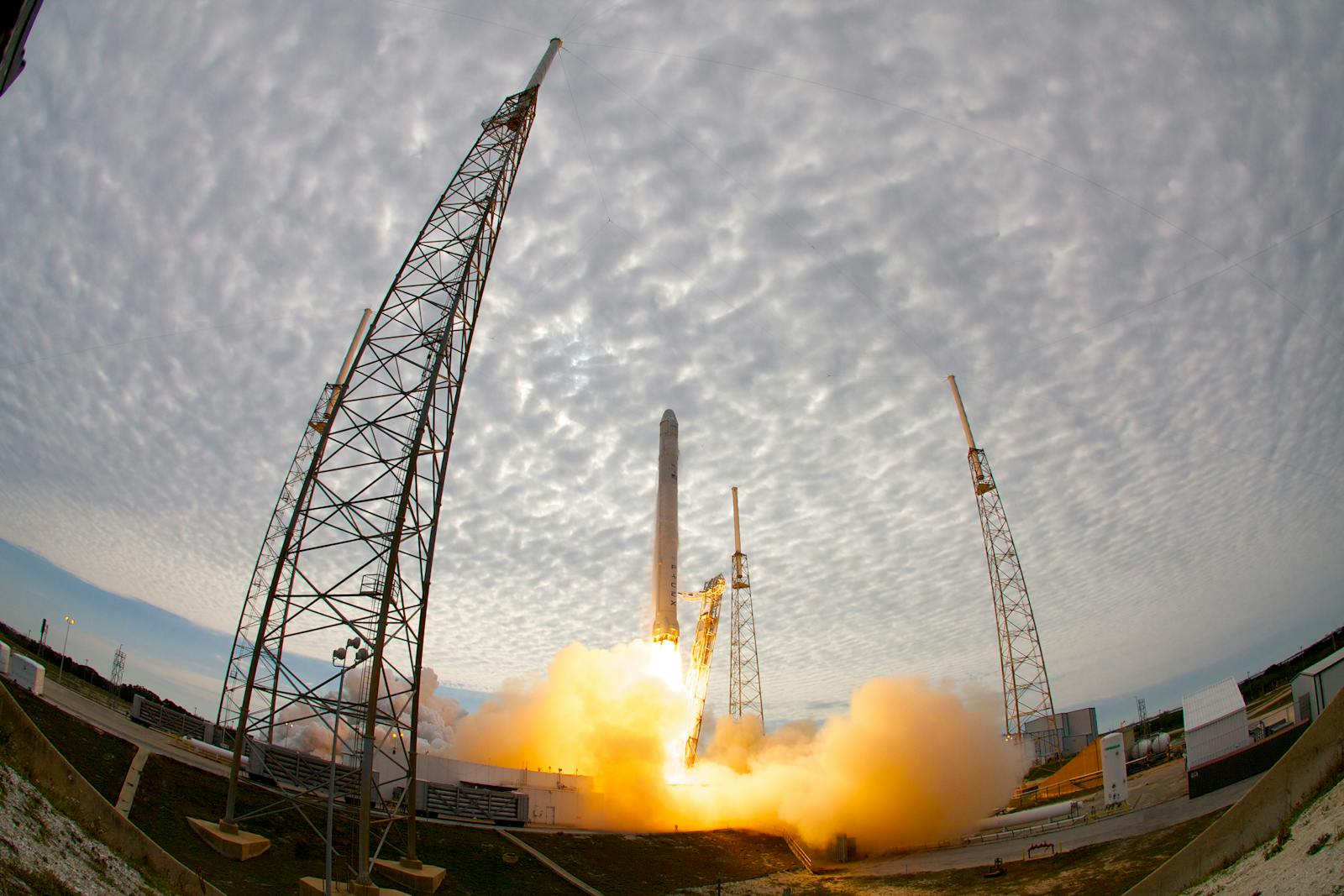
Before SpaceX lists, the information most likely to be repeatedly circulated is the “listing date” and “stock ticker.” But the information worth checking in advance goes beyond these two items. Ordinary investors should look at at least eight categories of information: the S-1 filing, stock ticker, offering price range, fundraising size, valuation, public float, underwriters, and listing date. Only by combining these details can you understand the basic framework under which SPCX enters the public market.
| Pre-Listing Information | Why It Matters |
|---|---|
| S-1 filing | Confirms company disclosures, risk factors, business structure, and share capital arrangements |
| Stock ticker | Confirms the future quote and trading identifier |
| Offering price range | Determines the IPO valuation basis |
| Fundraising size | Affects market attention and capital needs |
| Public float | Affects early post-listing supply, demand, and volatility |
| Underwriters | Affects offering organization, institutional coverage, and subscription arrangements |
| Roadshow timing | Helps observe institutional investor pricing feedback |
| Listing date | Indicates when the stock enters secondary market trading |
Look at the S-1 Filing First, Not Social Media Rumors
The S-1 is an important registration document in the U.S. IPO process. It usually discloses the company’s business, financial data, risk factors, ownership structure, governance arrangements, use of proceeds, and underwriting information. SpaceX’s S-1 filing shows that the company plans to list its Class A common stock on Nasdaq and Nasdaq Texas under the ticker SPCX.
Screenshots on social media, claims about early subscriptions, gray market quotes, and so-called internal prices cannot replace the S-1 filing and exchange announcements. This is especially true for an IPO with as much attention as SpaceX, where information can easily be overpackaged. Seeing SPCX appear early in a platform’s search results does not mean the stock has officially listed, nor does it mean you can trade it immediately.
Distinguish Roadshow, Pricing, and Listing in the Timeline
The SpaceX IPO timeline can be divided into three stages. The roadshow is when the company and underwriters introduce the business, valuation, and risks to institutional investors. Pricing is when the final offering price and fundraising size are determined. Listing is when the stock officially enters public market trading. Reuters reported that SpaceX planned to start its roadshow on June 4, price the shares around June 11, and list as early as June 12.
These three points should not be confused. The start of the roadshow does not mean ordinary investors can already buy. Completion of pricing does not mean the secondary market has opened. Whether you can trade on the listing day also depends on whether the platform supports it, whether your account has the required permissions, and whether your region is eligible under the relevant service rules.
Valuation and Fundraising Size Should Not Be Judged Only by the Headline
Reuters reported that SpaceX aimed to raise about US$75 billion at a valuation of about US$1.75 trillion, which could make it one of the largest stock offerings in history if completed. These figures are indeed important, but ordinary investors should not only look at the headline. The target valuation, final offering price, post-listing market capitalization, and secondary market execution price may all be different concepts.
The higher the valuation, the higher the market’s requirements for future growth. SpaceX’s valuation does not depend only on rocket launches. It also includes Starlink, AI, xAI-related businesses, Musk’s influence, and the long-term vision of space commercialization. Before listing, the question you should ask is not “Is the valuation very large?” but “What revenue, profit, and cash flow must be delivered to support this valuation?”
Summary: Before SpaceX lists, ordinary investors should focus first on verifiable information instead of being driven by a single news item. The basic checking order is: whether the S-1 has been disclosed, whether SPCX is the official ticker, whether the roadshow and pricing schedule have been updated, whether the offering price range and fundraising size have been confirmed, whether the public float ratio is reasonable, and whether the underwriter and exchange arrangements are clear. For a super IPO such as SpaceX, the listing date is only the entry point. The offering price, valuation, public float, and risk factors determine whether you can truly understand it. Focusing only on the two keywords “June 12” or “SPCX” can easily cause you to overlook the information that most affects the trading experience and risk exposure before and after the IPO.
How Should You View SPCX on Listing Day? Price, Public Float, and Trading Rules
On the day SPCX lists, the most important thing is not chasing the first quote, but distinguishing between the offering price, opening price, real-time trading price, and your actual execution price. Popular IPOs often see amplified volatility, wider bid-ask spreads, crowded trading, and order slippage on the first day. If you do not understand these concepts, you may easily mistake the “offering price in the news” for the “price you can definitely buy at.”
| Listing-Day Metric | What It Shows |
|---|---|
| IPO offering price | Benchmark price determined during the underwriting stage |
| First-day opening price | Initial secondary market supply-demand result |
| Real-time trading price | Price after continuous market order matching |
| Trading volume | Indicates market liquidity and participation heat |
| Bid-ask spread | Affects actual trading cost |
| Public float | Determines the supply of tradable shares |
| Order type | Affects execution price and risk control |
| Platform fees | Determines final trading cost |
Offering Price, Opening Price, and Execution Price Are Not the Same
The IPO offering price is the price finally determined by the underwriters and the issuing company, usually for the IPO allocation and subscription process. The opening price is the price formed by matched buy and sell orders after the stock enters the secondary market. The actual execution price depends on whether you use a limit order, market order, or another order type, and also on market depth and volatility at that moment.
The first-day opening price of a popular IPO may be significantly higher than the offering price, and the stock may also experience a gap-up reversal or sharp volatility. Seeing the offering price in the news does not mean you can definitely trade at that price in the secondary market. Especially for a name such as SPCX, which may attract global capital attention, investors should use order types carefully on the first trading day and avoid placing orders blindly when liquidity is insufficient or spreads are too wide.
Why the Public Float Ratio Affects Volatility
Listing-day price volatility is often not determined only by company fundamentals. It is also affected by public float. The smaller the public float, the more limited the supply of shares available for trading. Once concentrated demand flows in, the price is more easily pushed higher. Conversely, if early supply is released or institutions rebalance in a concentrated manner, the price may also fall quickly.
Therefore, ordinary investors should look at how many shares are issued in the IPO, how many are allocated to institutions and retail investors, what percentage of total shares are tradable in the early listing stage, and how many shares may be released after lock-up periods. Reuters reported on the SpaceX IPO that the company expected to trade on Nasdaq and Nasdaq Texas under “SPCX” and planned to reserve a meaningful portion of shares for retail investors. This will also make the first-day supply-demand structure more closely watched.
Look Beyond Orders: Actual Trading Costs Also Matter
If you are following trading opportunities after popular IPOs list, you also need to pay attention to actual trading costs, not only stock price volatility. U.S. stock trading costs usually include not only commissions, but also platform fees, external agency fees, trading activity fees, settlement fees, and other charges. BiyaPay’s U.S. stock trading commission is US$0, the platform fee is US$0.005 per share, with a minimum of US$0.99 per order and a maximum of 1% of the trade value; external agency fees and trading activity fees are US$0.00396 per share. The fee information also states that for fractional share orders where the executed number of shares is less than one share, only a platform fee equal to 1% of the total transaction amount is charged, capped at US$1.
These fees do not change SpaceX’s fundamentals, but they do affect your actual trading cost. You can include BiyaPay in your pre-trade checklist: commissions, platform fees, external agency fees, fractional share order fees, and the amount displayed on the order page should all be confirmed before placing an order. Popular IPOs may experience significant price volatility in the early listing stage, so you should fully understand order types, fee structures, and risks before trading.
Summary: On the day SPCX lists, ordinary investors should focus most on price structure, liquidity, and trading rules. The offering price is the IPO-stage price, the opening price is the first-round secondary market matching result, and the actual execution price depends on order type and market depth at the time. The public float ratio affects short-term supply and demand, while bid-ask spreads and order slippage affect the execution experience. Platform fees and external agency fees affect the real cost. For a super IPO such as SpaceX, first-day trading may be extremely active. But the more active it is, the more important it is to set price limits in advance, check fee rules, and confirm that you have the relevant trading access.
SpaceX’s Valuation Logic: Why SPCX Is Not Just a Rocket Stock
Many people first understand SpaceX as a rocket company. But when public markets price SPCX, they usually look at four lines at the same time: Starlink satellite internet, reusable rockets, AI/xAI-related businesses, and long-term visions such as Starship, the Moon, Mars, and space infrastructure. SpaceX’s valuation is high precisely because the market places it at the intersection of “commercial space + satellite internet + AI infrastructure + Musk ecosystem.”
| Business / Narrative | Valuation Contribution | Main Uncertainty |
|---|---|---|
| Starlink | Satellite internet revenue, user growth, and cash flow expectations | Regulation, competition, terminal costs, regional licensing |
| Rocket launches | Reusable rockets, commercial launches, and government contracts | Launch accidents, mission delays, approval risk |
| AI / xAI | Computing power, data centers, Grok-related growth narrative | High capital expenditure, losses, and commercialization uncertainty |
| Starship / Mars | Long-term space transportation and deep-space exploration vision | Long technology cycle and slow commercial realization |
| Musk influence | Raises market attention and long-term vision premium | Key-person risk and governance controversy |
Why Starlink Is a Core Focus
Starlink is the SpaceX business that public markets can understand most easily because it is closer to recurring revenue and user growth. Reuters’ report on SpaceX’s IPO filing Reuters mentioned that the company’s expansion in aviation, maritime, and enterprise markets is helping capital-intensive space projects move toward a more recurring revenue engine. This is important because public markets usually assign higher valuations to revenue that is stable, repeatable, and predictable.
But Starlink is not risk-free. Satellite internet requires continuous satellite launches, maintenance, and network upgrades. It also faces regional regulation, spectrum licensing, competitors, and terminal equipment costs. If the market sees only Starlink’s growth while ignoring its dependence on capital expenditure and regulatory conditions, the valuation judgment may become too optimistic.
Rocket Launches Provide a Technology Moat
The core moat of SpaceX’s rocket launch business lies in reusable rockets. Reusability can reduce launch costs, increase launch frequency, and help SpaceX remain competitive in commercial launches, government contracts, and national defense space missions. Compared with space companies driven mainly by concepts, SpaceX has already proved its technical and execution capabilities through a large number of launch missions.
However, rocket launches remain a high-risk business. Any launch accident, mission delay, regulatory approval change, or supply chain issue may affect revenue and market confidence. For ordinary investors, “number of successful launches” should not be treated as the whole picture. Contract quality, gross margin, capital expenditure, accident response capability, and insurance arrangements also matter.
The AI Narrative Raises Upside Potential, but Also Risk
SpaceX’s AI narrative makes SPCX more than a “space stock.” xAI-related businesses, space data centers, computing infrastructure, and the Grok ecosystem all place SpaceX within the narratives of AI stocks and next-generation infrastructure. Reuters’ analysis of the IPO filing Reuters also described SpaceX’s public listing as a new AI play, indicating that AI has become an important clue for institutional investors when interpreting its valuation.
The issue is that AI narratives usually come with high capital expenditure and a long commercialization cycle. The synergy among space computing, data centers, chips, energy, and launch capacity needs time to be verified. You can view AI as a factor that raises the valuation ceiling, but you should also view it as a source of higher losses, spending, and uncertainty.
Summary: SPCX should not be understood only as a rocket stock. SpaceX’s valuation comes from multiple layers: Starlink provides a more realistic revenue and cash flow narrative, reusable rockets form a technology and cost moat, AI/xAI brings a new growth narrative, and Starship plus deep-space exploration provides a long-term vision. Precisely because the valuation sources are complex, the risks are also complex. When ordinary investors look at SPCX, they should not only ask “Is SpaceX strong?” They should also ask how much revenue each business contributes, how much capital it consumes, how much regulatory and technical risk it faces, and whether the current valuation has already fully priced in future growth.
Main Risks of SPCX: High Valuation, Control Rights, and Lock-Up Periods
The risks of the SpaceX IPO are not limited to early post-listing price volatility. Deeper risks include the growth delivery pressure created by a high valuation, overall company losses, AI capital expenditure, Musk’s control, limitations on ordinary shareholder rights, lock-up releases, and misinterpretation of information. The more famous a company is, the easier it is for investors to mistake “the company is important” for “the stock must be safe.”
| Risk Type | How to View It |
|---|---|
| High valuation risk | Higher pressure to deliver growth |
| Loss risk | Improvement in one business does not equal overall company profitability |
| Control risk | Musk and insiders may hold stronger voting rights |
| Shareholder rights limits | Ordinary shareholders may have limited influence |
| Lock-up risk | Staged resale may change the pace of supply |
| Hot IPO trading risk | First-day and early post-listing volatility may be high |
| Information misreading risk | Social media rumors can easily replace official disclosures |
What Does Musk’s Control Mean?
A Reuters report on SpaceX’s governance arrangements noted that the IPO filing disclosed super-voting rights, mandatory arbitration, and limits on shareholder rights, and mentioned Musk’s control in relation to the company’s Texas registration. For ordinary investors, this means you may be buying economic rights rather than strong governance influence.
Strong control has two sides. On one hand, it may allow the company to stick to a long-term strategy and reduce short-term market pressure. On the other hand, ordinary shareholders may have weaker influence over major capital expenditure, related-party transactions, board governance, and management constraints. For a company such as SpaceX with an extremely strong long-term vision, governance structure is not secondary information. It is part of the valuation judgment.
The Lock-Up Period Is Not a Single Date
Lock-up periods affect post-listing share supply. A traditional IPO lock-up period is often around 180 days, but SpaceX’s arrangement may be more complex. Reuters reported on SpaceX’s share resale mechanism that the company planned to adopt a staged resale arrangement. Some shares may become eligible for resale earlier than the traditional 180-day lock-up period, while Musk agreed to a longer restriction period.
This should not be understood simply as “definitely negative” or “completely irrelevant.” Its real meaning is that post-listing share supply may not be released all at once on a single date, but may appear in batches based on earnings reports, trigger conditions, and time arrangements. When tracking SPCX, you should treat the lock-up period as an ongoing observation variable, not only look at the listing-day price.
Common Misunderstandings Around Popular IPOs
The hotter SpaceX becomes, the more likely several misunderstandings are to appear:
- Having a ticker does not mean the stock can already be traded;
- A great company does not mean the stock price is cheap;
- Listing on Nasdaq does not mean it will definitely enter an index;
- A first-day rise does not mean long-term certainty;
- Zero commission does not mean there are no other trading fees;
- Starlink growth does not mean the overall company has no loss pressure;
- Musk’s strong control may stabilize strategy, but it may also weaken external checks and balances.
The common point behind these misunderstandings is turning one piece of information into a complete conclusion. Ordinary investors should assess SPCX across six dimensions: business, valuation, governance, supply, fees, and risks, rather than being led by one popular label.
Summary: SPCX’s main risks come from high valuation, concentrated control, limits on shareholder rights, lock-up releases, and early volatility in a popular IPO. SpaceX may be an extremely influential company, but after its stock enters the public market, the price will reflect both optimistic expectations and risk discounts. For ordinary investors, one basic principle must be accepted before looking at SPCX: a good company does not automatically mean a good price, a popular ticker does not automatically mean low risk, and first-day trading heat does not automatically mean long-term certainty. A more prudent approach is to first understand the governance structure, lock-up period, fees, order rules, and your own risk tolerance before deciding whether to continue tracking or participate.
How to Keep Tracking SPCX After Listing: Earnings, Indexes, and Information Sources
After SPCX lists, the truly important information will shift from “when will it list?” to “how is it performing after listing?” First-day gains or losses only reflect short-term supply and demand and market sentiment. Long-term tracking should focus on earnings reports, Starlink performance, AI spending, cash flow, lock-up periods, index inclusion, and updates to risk disclosures. If ordinary investors only look at the stock price, they can easily overlook changes in fundamentals and trading structure.
| Tracking Item | Why It Matters |
|---|---|
| First post-listing earnings report | Verifies revenue, losses, cash flow, and capital expenditure |
| Starlink performance | Helps judge the growth quality of the core business |
| AI spending | Helps judge whether capital expenditure is controllable |
| Lock-up progress | Observes future share supply changes |
| Nasdaq-100 rules | Affects ETF and passive capital expectations |
| Trading volume and turnover | Shows market liquidity and trading heat |
| Platform fees | Affects actual trading cost |
| Risk disclosure updates | Prevents judgments from staying based on old information |
Why Nasdaq-100 Fast Entry Rules Matter
One important reason SpaceX’s choice of Nasdaq attracts so much attention is the Nasdaq-100 Fast Entry mechanism. Reuters reported on Nasdaq’s new rules, saying that from May 1, 2026, Nasdaq can more quickly evaluate large newly listed companies for inclusion in the Nasdaq-100. The rules focus on market capitalization ranking on the seventh trading day and allow qualifying companies to enter the index on the fifteenth trading day.
Index inclusion expectations can affect ETF and passive capital allocation. If SPCX meets the criteria, the market may trade in advance on the expectation of “passive capital buying.” But such expectations do not guarantee returns, nor do they verify fundamentals. Index rules affect fund flows, while earnings and cash flow determine whether company value can continue to be recognized.
Which Information Sources Are More Reliable?
After SPCX lists, the recommended priority for information sources is:
- SEC filings and company announcements;
- Nasdaq trading and index information;
- SpaceX earnings reports and risk disclosures;
- Mainstream financial media such as Reuters, Bloomberg, WSJ, and FT;
- Trading platform order and fee rules;
- Social media sentiment, for reference only.
Unverified screenshots, so-called internal subscription channels, unofficial quotes, and promises of high returns should not be used as trading bases. A global IPO such as SpaceX can easily attract traffic-driven content and marketing messages. The more information explodes, the more important it is to return to official filings and verifiable sources.
Separate Information Tracking from Trading Preparation
Information tracking and trading preparation are not the same thing. Information tracking means watching SPCX’s ticker, prospectus, earnings reports, news, trading volume, and index rules. Trading preparation means confirming account permissions, identity verification, order types, fee structures, applicable rules in your region, and risk tolerance.
If you meet the relevant service eligibility conditions, you can use the BiyaPay APP to follow multi-asset quotes and account operating environments, or use BiyaPay web trading to manage trading-related operations. BiyaPay is a global multi-asset trading wallet that supports U.S. stocks, Hong Kong stocks, and crypto trading, and also supports converting USDT into major fiat currencies such as U.S. dollars or Hong Kong dollars. However, whether related services are available depends on the user’s location, identity verification results, platform rules, and applicable laws and regulations.
Summary: After SPCX lists, the focus of tracking will shift from “ticker and date” to “earnings, indexes, lock-up periods, and trading costs.” You can follow the first-day price, but you should not only look at the first-day price. You can follow Nasdaq-100 fast-entry expectations, but you should not treat index buying as an investment guarantee. You can follow SpaceX’s long-term vision, but you should also verify revenue, losses, cash flow, and capital expenditure. Separating information tracking from trading preparation can help you avoid two common mistakes: impulse trading driven by news heat, and focusing only on the company story while ignoring orders, fees, account permissions, and risks.
FAQ
What Is SPCX?
SPCX is the ticker SpaceX plans to use for listing and trading on Nasdaq and Nasdaq Texas. It represents its Class A common stock. It is mainly used for quote lookup, news tracking, and secondary market trading identification.
Can SPCX Be Traded Now?
Whether it can be traded depends on whether SpaceX has officially listed, whether the trading platform supports it, whether your account has the required permissions, and the relevant rules in your location. Having a ticker does not mean trading is already open.
When Will SpaceX List?
Reuters reported that SpaceX is targeting a Nasdaq listing as early as June 12, 2026, with the roadshow starting on June 4 and pricing around June 11. The final timing is still subject to official filings and announcements.
Will SPCX Enter the Nasdaq-100?
Nasdaq Fast Entry rules allow large newly listed companies to be evaluated more quickly for inclusion in the Nasdaq-100, but actual inclusion still depends on market capitalization ranking, eligibility conditions, and Nasdaq’s official arrangements.
Can Ordinary Investors Buy SPCX?
Whether you can buy it depends on your location, identity verification, trading platform, account permissions, and applicable laws and regulations. IPO subscription and post-listing secondary market trading are different, with different rules, fees, and risks.
What Is the Biggest Risk of SPCX?
The main risks include high valuation, loss pressure, Musk’s control, limits on ordinary shareholder rights, lock-up releases, AI capital expenditure, and early post-listing volatility. You should not make a judgment based only on market heat.
After Following SPCX, How Should You Prepare for U.S. Stock Trading?
The appearance of the SpaceX ticker SPCX will lead more people to follow U.S. IPOs, commercial space, AI stocks, and Nasdaq technology stocks. But what is truly worth doing first is not chasing the hot topic, but building an information-checking and trading-preparation process. You can first confirm SpaceX’s official filings, listing progress, offering price, public float, lock-up period, and index rules, and then check your own account permissions, order types, fee structure, and risk tolerance.
If your region meets the relevant service eligibility conditions, BiyaPay can serve as a multi-asset trading wallet to help you follow information related to U.S. stocks, Hong Kong stocks, crypto assets, and multi-currency assets. BiyaPay’s U.S. stock trading commission is US$0. Platform fees, external agency fees, and other fees are subject to the fee center and order page display. Capabilities such as remittance deposits and withdrawals and 0 maker trading fees should also be based on platform rules and order displays. Popular IPOs may experience significant price volatility in the early listing stage, so you should fully understand order types, fee structures, and risks before trading. The above content only introduces public market information, trading rules, and fee structures, and does not constitute investment advice.
*This article is provided for general information purposes and does not constitute legal, tax or other professional advice from BiyaPay or its subsidiaries and its affiliates, and it is not intended as a substitute for obtaining advice from a financial advisor or any other professional.
We make no representations, warranties or warranties, express or implied, as to the accuracy, completeness or timeliness of the contents of this publication.
Related Blogs of

Will SpaceX IPO See Wild Price Swings on Its First Trading Day? Hot IPO Pricing Mechanisms and Risks Explained


How to Read the SpaceX IPO Prospectus? Which Risk Factors Should Retail Investors Focus On?


SpaceX IPO Latest Progress: Listing Date, Ticker, Valuation, and Key Timeline


Why Is the SpaceX IPO Getting So Much Attention? How to Assess Starlink, Rocket Launches, and AI
Choose Country or Region to Read Local Blog
 Australia
 Austria
 Belgium
 Canada
 Cyprus
 Czech Republic
 Denmark
 Estonia
 Finland
 France
 Germany
 Greece
 Hong Kong
 India
India Indonesia
 Ireland
 Italy
Italy Japan
Japan Latvia
 Lithuania
 Luxembourg
 Malaysia
 Malta
Malta Morocco
 Nepal
Nepal Netherlands
 New Zealand
 Norway
 Pakistan
 Philippines
 Poland
 Portugal
 Romania
 Singapore
 Slovakia
 Slovenia
 South Africa
 South Korea
 Spain
Spain Sweden
 Thailand
 The United States
 Turkey
 United Arab Emirates
 United Kingdom
 Vietnam
Contact Us




BIYA GLOBAL LLC is registered with the Financial Crimes Enforcement Network (FinCEN), an agency under the U.S. Department of the Treasury, as a Money Services Business (MSB), with registration number 31000218637349, and regulated by the Financial Crimes Enforcement Network (FinCEN).
BIYA GLOBAL LIMITED is a registered Financial Service Provider (FSP) in New Zealand, with registration number FSP1007221, and is also a registered member of the Financial Services Complaints Limited (FSCL), an independent dispute resolution scheme in New Zealand.