- More
- Download
Prevent Local AI Hacks from Draining Assets to Zero: How to Set Up Dual Manual Verification for Large Withdrawals





Image Source: pexels
You face extremely high asset risks during large withdrawal processes. To prevent local AI from being hacked, more stringent measures must be taken. Even if attackers breach your AI system, setting up a dual manual verification mechanism can effectively block assets from being drained to zero. You need to focus on how to configure this step to truly safeguard fund security.
Core Key Points
- Setting up a dual manual verification mechanism can effectively prevent assets from being transferred by hackers during large withdrawals.
- Understanding common attack methods can help you identify potential risks and protect fund security.
- In the large withdrawal process, always require two independent reviewers to confirm identity, ensuring the security of every transaction.
- Choosing appropriate verification methods, such as real-name authentication and two-factor authentication, can enhance account security.
- Regularly practicing and optimizing the review process can strengthen the ability to handle urgent withdrawal needs and safeguard fund security.
Analysis of Risks from Local AI Being Hacked
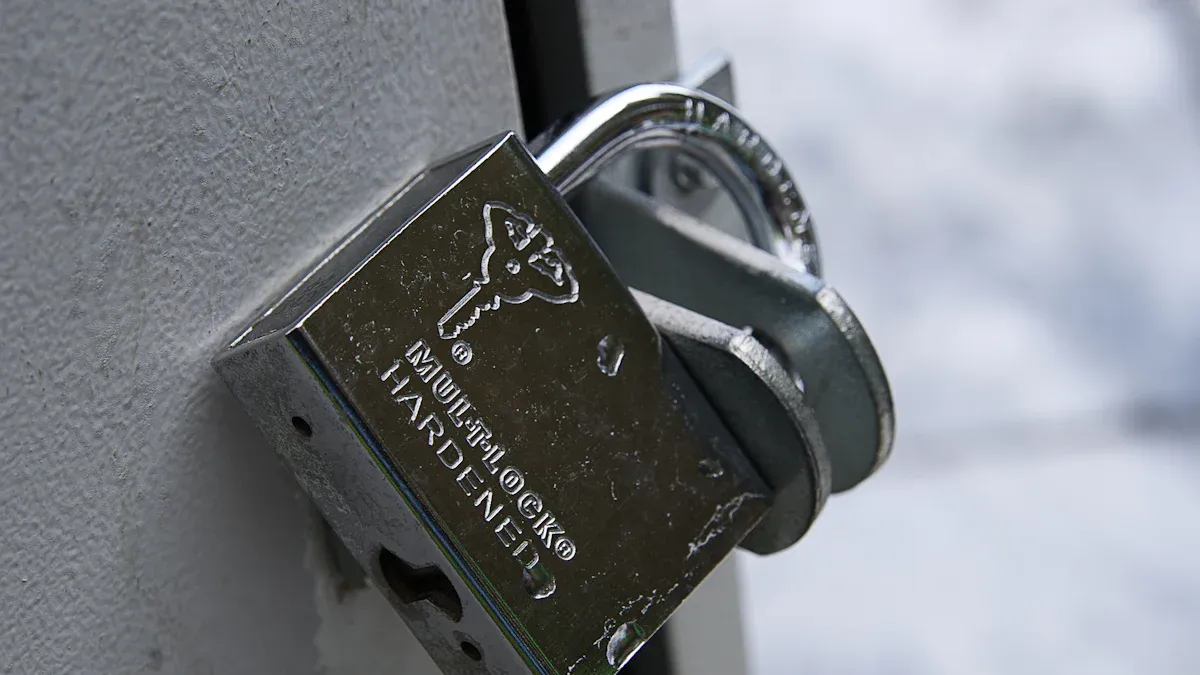
Image Source: unsplash
Overview of Attack Methods
When using local AI systems, you must understand the common intrusion methods employed by attackers. Attackers typically exploit the following techniques:
- Prompt injection through stored prompts, leading to data leaks
- Overloading prompts to launch model denial-of-service (DoS) or wallet denial-of-service (DoW) attacks
- Using AI agents to perform remote code execution
These attack methods exploit inherent vulnerabilities in large language model design. Attackers target the model's unpredictable behavior and the blurred boundaries between data and operations to find breakthroughs. Traditional network security tools often struggle to detect these new threats in time. You need to continuously monitor AI security developments to effectively prevent local AI from being hacked.
Risk of Assets Being Drained to Zero
Once a local AI system is compromised, your asset security faces enormous threats. Attackers may manipulate the AI to directly initiate large withdrawal instructions, causing account funds to be transferred to external addresses in a short time. If you have not set up effective security defenses, assets are highly likely to be drained to zero. This is especially true in scenarios involving cryptocurrency or cross-border payments, where attackers can use automated scripts to bypass routine risk controls and quickly complete fund transfers. Preventing local AI from being hacked has become a core task for every asset manager.
Security Hazards in Large Withdrawals
The large withdrawal process is the weakest link in the entire asset management flow. In daily operations, you often rely on AI systems for automated processing. If attackers gain control of the AI system, they can directly bypass single verification mechanisms to initiate large withdrawals. Many Chinese-speaking users, when using global payment, cryptocurrency exchange, or U.S. stocks deposit/withdrawal services, have failed to configure multi-layer verification, leading to frequent cases of funds being stolen. You must recognize that only through dual manual verification can you truly prevent assets from being drained to zero after a local AI hack.
Dual Manual Verification Mechanism
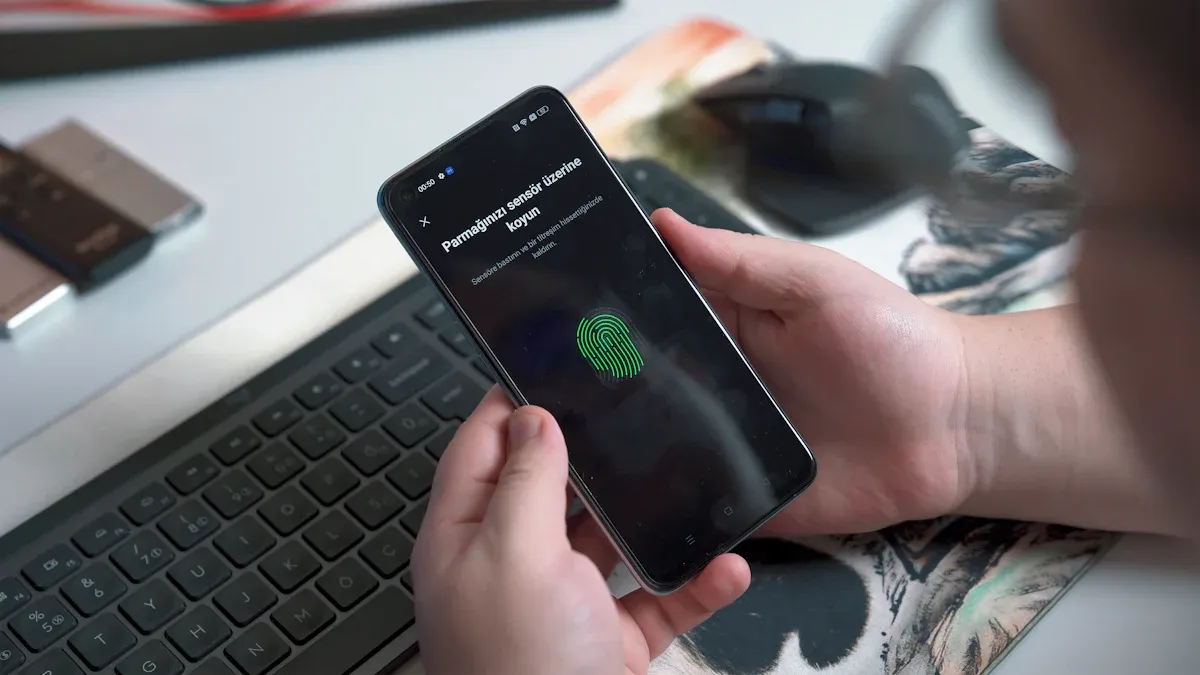
Image Source: unsplash
Definition and Principle
When managing large assets, you must understand the basic principle of the dual manual verification mechanism. Dual manual verification means that for key operations (such as large withdrawals), the system requires two independent human reviewers to separately confirm identity and authorize the operation. This mechanism not only relies on technical means but also emphasizes human intervention, greatly enhancing security. You can think of it as adding a "human" line of defense beyond automated processes to prevent attackers from directly controlling the system to complete large fund transfers after a local AI hack.
Necessity for Large Withdrawals
The large withdrawal process is a core risk point for asset security. When using BiyaPay and other global payment or cryptocurrency exchange services, transactions often involve single transfers of thousands or even tens of thousands of USD. Single verification methods are easily bypassed, especially when the AI system is compromised. Dual manual verification can effectively block unauthorized operations, ensuring every large withdrawal undergoes review by two independent personnel. In actual operations, you should prioritize configuring dual manual verification for large withdrawals, especially in high-risk scenarios such as U.S. stocks deposits/withdrawals and USDT to USD exchanges.
What these scenarios have in common is not whether automation is used, but that any flow involving cross-border fund movement, foreign exchange conversion, or trading account deposits and withdrawals should separate large withdrawals from ordinary approval paths. Based on the service scope shown on the BiyaPay official website, it is better understood as a multi-asset wallet covering cross-border payments, fund management, and investment-related use cases, which makes layered review and manual re-approval more appropriate in practice.
If your process also includes fiat conversion, remittance, or fund transfers around trading activity, it helps to move some checks earlier in the workflow. For example, you can first use the exchange rate comparison tool to confirm conversion costs, then review the scope of its remittance service when needed. When platform reliability is part of the discussion, compliance disclosures and service descriptions should be checked first, rather than relying on a single device, a single password, or a one-step authorization.
Comparison Between Single and Dual Verification
You need to clearly understand the essential difference between single verification and dual manual verification. Multi-factor authentication (MFA) reduces the risk of unauthorized large withdrawals by adding security layers. MFA requires at least one authentication factor stronger than knowledge, making it harder for attackers to break through. For example, ATM withdrawals require both a card and a PIN, greatly reducing fraud probability. Even if you accidentally click a phishing email, MFA provides additional protection for your funds. In contrast, once single verification is breached, assets are easily drained to zero. Only by deploying dual manual verification can you truly prevent systemic risks from local AI hacks.
Implementation Process and Technical Recommendations
Verification Method Selection
When selecting verification methods for large withdrawals, balance compliance and security. On the compliance side, KYC (Know Your Customer) procedures are key to assessing customer risk. During account registration, collect the customer's name, date of birth, address, and ID number. This information not only meets anti-money laundering regulations but also provides a foundation for subsequent identity verification. You also need to implement a Customer Identification Program (CIP) to ensure identity verification of account holders is completed within a reasonable timeframe. Customer Due Diligence (CDD) helps assess the credibility of potential customers and reduces operational risks.
In practice, you can adopt the following verification methods:
- Real-name authentication: Require users to upload ID documents and undergo manual review.
- Two-factor authentication (2FA): Combine SMS, email, or dedicated app dynamic codes to enhance account security.
- Device fingerprinting: Identify users' common devices and IP addresses to prevent abnormal logins.
- Video witnessing: For large withdrawals, arrange manual video calls to further verify identity.
Depending on business scenarios and risk levels, flexibly combine the above methods. For high-risk scenarios on BiyaPay involving USDT to USD exchanges or U.S. stocks deposits/withdrawals, prioritize multi-layer verification to prevent single-point failure after a local AI hack.
Process Configuration
When configuring the dual manual verification process for large withdrawals, clearly define responsibilities and operation nodes for each step. The standard process typically includes the following steps:
- The user submits a large withdrawal request, and the system automatically triggers risk control alerts.
- The first reviewer conducts preliminary review of user identity, transaction history, and withdrawal reasons, submitting to the next step if no anomalies are found.
- The second reviewer independently rechecks all materials, focusing on fund flows, account consistency, device fingerprints, and other information.
- Only after both reviewers approve does the system allow fund transfer.
Tip: By setting daily or per-withdrawal limits (e.g., $1,500 per day), you can reduce the probability of automatic freezes and false positives, improving review efficiency.
Ensure reviewers have no direct superior-subordinate relationships to avoid conflicts of interest. For urgent withdrawal needs, preset green channels but add extra manual review steps to balance security and efficiency.
Technical Implementation
At the technical level, deeply integrate the dual manual verification mechanism into your existing system. Consider the following technical recommendations:
- Automate review workflows: Use workflow engines to automatically assign each large withdrawal to two independent reviewers, ensuring a closed-loop process.
- Audit log recording: The system must fully record every operation step, including reviewer identity, operation time, and review comments for easy traceability.
- Risk control engine integration: Combine multi-dimensional data such as device fingerprints, IP addresses, and transaction behavior to automatically identify abnormal withdrawal requests and issue early warnings.
- Multi-channel notifications: Notify reviewers and users in real time via SMS, email, or app pushes to improve response speed.
When selecting technical solutions, prioritize platform scalability and compliance. For example, platforms like BiyaPay can integrate with third-party identity verification services via API to improve verification efficiency. You can also leverage the platform's built-in 2FA and device fingerprint features to add extra security layers for large withdrawals.
Personnel Management
When managing reviewers involved in dual manual verification, establish comprehensive management and training mechanisms. The following practices help improve overall security and operational efficiency:
- Complete KYC early: Require users to submit verification documents immediately after registration to prevent delays during large withdrawals, especially for transactions exceeding $500.
- Use verified devices: Require reviewers and users to access the system via trusted devices and consistent IP addresses to reduce false positives from device fingerprint anomalies.
- Maintain transaction consistency: Guide users to maintain regular deposit and withdrawal patterns for easier system identification of normal behavior and reduced manual review frequency.
- Set transaction boundaries: Establish daily or periodic withdrawal limits for users (e.g., $1,500 per day) to prevent automatic freezes from large anomalous transactions and simplify approval processes.
- Utilize platform features: Fully leverage the platform's built-in security functions, such as 2FA and risk control alerts, to enhance overall trust.
Recommendation: Conduct regular security training for reviewers to strengthen risk awareness and prevent internal-external collusion and operational errors. You can also implement rotation and cross-review mechanisms to further enhance process transparency and security.
Through the above processes and technical recommendations, you can effectively prevent large assets from being maliciously transferred due to local AI hacks and build a solid fund security defense.
Common Issues and Optimizations
Preventing Internal-External Collusion
In actual operations, beware of collusion between internal employees and external vendors or attackers. Common risk scenarios include:
- Vendors colluding with internal employees to submit fake invoices or charge for undelivered goods/services.
- Internal employees conspiring with external parties to exploit verification process vulnerabilities for undelivered fraud.
- Fake vendor fraud, where criminals impersonate contractors and steal funds by monitoring legitimate email accounts.
- Internal collusion fraud cases have led to corporate losses up to USD 840,000, showing that standard controls can easily be neutralized.
You can reduce risks through multi-approval mechanisms. It is recommended to use customizable approval workflows that adjust the required number of confirmations based on transaction risk. Also strengthen protection against unauthorized firmware updates to prevent system tampering.
Handling Urgent Withdrawals
When facing urgent withdrawal needs, balance efficiency and security. Recommend presetting green channels but adding manual review steps. For high-risk transactions, the system should automatically flag them and require multiple reviewers for independent confirmation. Refer to practices of Hong Kong licensed banks, using multi-channel notifications and real-time risk control alerts to ensure fund security. Regularly practice emergency processes to improve reviewers' ability to handle sudden events.
Process Optimization Suggestions
You can optimize the dual manual verification process through automated risk scoring algorithms. The system assesses the risk of each withdrawal request, prioritizing low-risk transactions for instant processing. High-risk transactions require manual review, but optimized workflows can speed up handling. Automated KYC verification reduces identity confirmation time, and automated AML checks ensure compliance without delaying withdrawals. Continuously optimize processes and combine multi-verification features from platforms like BiyaPay to improve overall security and user experience.
You must emphasize the core role of dual manual verification in preventing malicious large withdrawals. Immediately assess your system's security and prioritize deploying dual manual verification mechanisms.
Regular practice and continuous process optimization will build an impregnable defense for your asset security. Only in this way can you effectively address risks from local AI hacks and safeguard every USD of funds.
FAQ
How to Determine When Dual Manual Verification Is Needed for Large Withdrawals?
You can judge based on withdrawal amount and account risk level. Generally, single withdrawals exceeding USD 1,500 are recommended for dual manual verification. The system will automatically trigger risk control alerts, and reviewers must independently confirm.
Does Dual Manual Verification Affect Withdrawal Speed?
You will find the process slightly extended, but security is greatly improved. Automated review and risk scoring can optimize processing speed. Low-risk transactions pass quickly, while high-risk ones require manual review.
How Can Reviewers Avoid Conflicts of Interest?
Arrange reviewer rotations to ensure the two reviewers have no direct superior-subordinate relationship. Cross-review mechanisms and regular security training can effectively reduce internal collusion risks.
How to Ensure Security for Urgent Withdrawals?
Preset green channels, with the system automatically flagging high-risk transactions. Multiple reviewers must independently confirm to ensure fund security. Regularly practice emergency processes to improve response capabilities.
In Which Scenarios Is Dual Manual Verification Applicable?
Deploy dual manual verification in high-risk scenarios such as global payments, cryptocurrency exchanges, US/HK stock deposits/withdrawals. This can effectively prevent malicious asset transfers and safeguard fund security.
*This article is provided for general information purposes and does not constitute legal, tax or other professional advice from BiyaPay or its subsidiaries and its affiliates, and it is not intended as a substitute for obtaining advice from a financial advisor or any other professional.
We make no representations, warranties or warranties, express or implied, as to the accuracy, completeness or timeliness of the contents of this publication.
Related Blogs of

What Is Kevin Warsh’s Policy Framework? How It Affects the U.S. Dollar, Treasuries, and Tech Stocks


Are SMH, SOXX, and Hardware Leaders Absorbing Outflows from Software Stocks?


How Should ASML’s New Orders Be Read? Revenue Differences Between EUV, DUV, and High-NA EUV

Understanding Net Interest Margin and Provision Changes Through JPM, BAC, and Citi

Choose Country or Region to Read Local Blog
 Australia
 Austria
 Belgium
 Canada
 Cyprus
 Czech Republic
 Denmark
 Estonia
 Finland
 France
 Germany
 Greece
 Hong Kong
 India
India Indonesia
 Ireland
 Italy
Italy Japan
Japan Latvia
 Lithuania
 Luxembourg
 Malaysia
 Malta
Malta Morocco
 Nepal
Nepal Netherlands
 New Zealand
 Norway
 Pakistan
 Philippines
 Poland
 Portugal
 Romania
 Singapore
 Slovakia
 Slovenia
 South Africa
 South Korea
 Spain
Spain Sweden
 Thailand
 United States
 Turkey
 United Arab Emirates
 United Kingdom
 Vietnam
Contact Us



