- More
- Download
Sudden Illness While Watching the World Cup in the US: How Can Family in China Transfer Life-Saving Funds to the US Within 1 Hour Using a Multi-Asset Wallet?





Image Source: pexels
When you suddenly fall ill while watching the World Cup in the United States and urgently need funds to cover high medical bills, if family in China chooses traditional bank transfers, it often takes 1-5 business days, potentially missing the optimal treatment window. A multi-asset wallet allows you to receive life-saving funds within 1 hour, far faster than banks. The table below compares the efficiency and cost of digital wallets versus bank transfers (priced in USD):
| Feature | Digital Wallet | Bank Transfer |
|---|---|---|
| Speed | Instant to same day | 1-5 business days |
| Cost | Usually lower (no wire fees) | Higher (SWIFT or wire fees) |
Key Takeaways
- Choosing a multi-asset wallet enables emergency remittance to be completed within 1 hour, much faster than the 1-5 business days required by traditional bank transfers.
- Preparing commonly used digital assets in advance (such as USDT, USDC) can significantly improve remittance efficiency and ensure quick arrival in emergencies.
- When selecting a wallet, focus on security, flexibility, and fees to ensure fund safety and ease of operation.
- Using efficient blockchain networks (such as Solana or Ethereum) can accelerate fund arrival and avoid delays due to network congestion.
- Always double-check the receiving address and network type; it is recommended to perform a small test transfer first to confirm accuracy and reduce risk.
Advantages of Multi-Asset Wallets in World Cup Sudden Illness Scenarios

Image Source: pexels
Why Choose a Multi-Asset Wallet
If you fall seriously ill while watching the World Cup in the US, time is life. A multi-asset wallet provides extremely high transfer speed and convenience. Traditional remittance methods often cannot meet emergency needs, especially when quick payment of high medical expenses is required—delays can lead to serious consequences. With a multi-asset wallet, you can achieve near-instant fund arrival, greatly reducing waiting time.
- Traditional remittance services face slow speed and poor convenience in emergencies, typically requiring 3-5 business days to complete a transaction.
- While multi-asset wallets have great potential, they depend on electricity and internet access, which may be affected during crises.
- The infrastructure of traditional remittance services is not optimized for emergency needs, resulting in delays and high costs.
- A better system is needed to handle international payments in crises, improving efficiency and response speed.
When sudden illness strikes during the World Cup, choosing a multi-asset wallet effectively avoids the cumbersome processes and high handling fees of traditional banks. With just a few steps, you can quickly transfer funds from China to the US to meet urgent medical rescue needs.
Applicability for Emergency Medical Assistance
Multi-asset wallets show extremely high applicability in emergency medical rescue scenarios. You can select different platforms based on the actual situation, compare arrival speed and cost, and ensure funds arrive in time. The table below shows the performance of common multi-asset wallet platforms in emergency remittances:
| Platform | Speed | Cost |
|---|---|---|
| Remitly (fast mode) | Within minutes | Medium |
| Western Union | Fastest | Higher |
When sudden illness strikes while watching the World Cup in the US, you can choose the most suitable multi-asset wallet based on funding needs and platform features. You do not need to wait for bank approval or international wire processes—just ensure network connectivity to complete cross-border remittance. Multi-asset wallets not only improve efficiency but also reduce operational difficulty, allowing timely rescue at critical moments.
Emergency Remittance Process
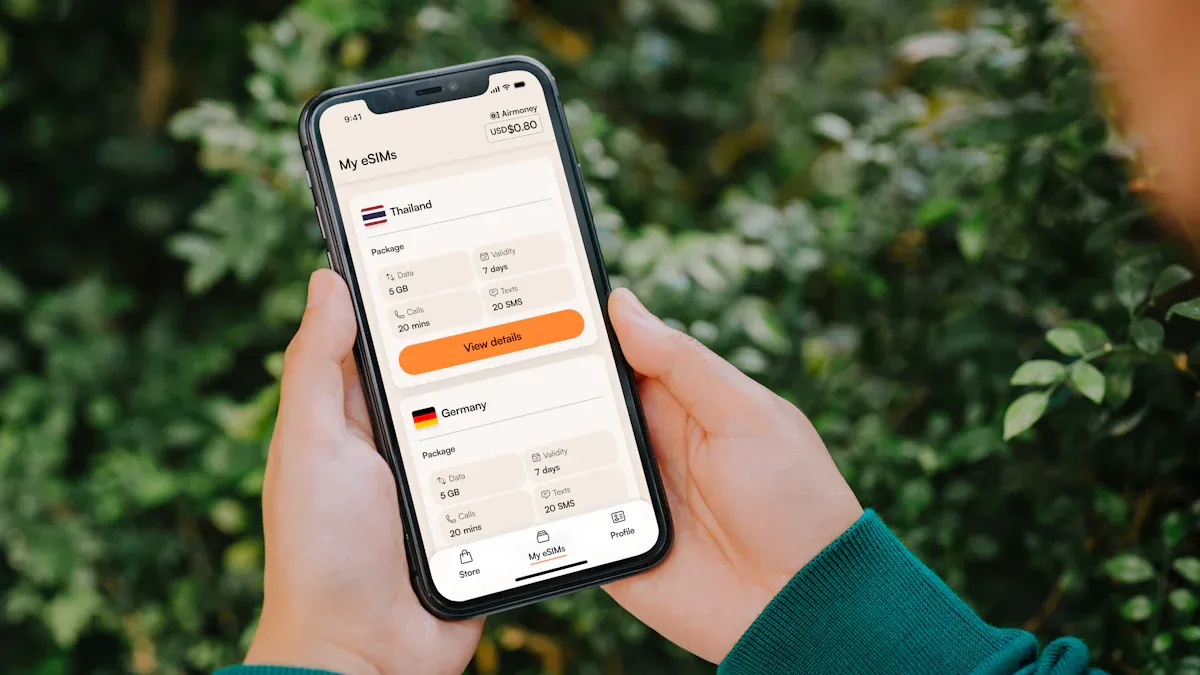
Image Source: unsplash
Wallet Selection and Preparation
When sudden illness strikes during the World Cup, the first step is to choose a suitable multi-asset wallet. The wallet type directly affects fund security, operational flexibility, and fees.
If the situation has shifted from routine fund planning to getting money into a usable account as quickly as possible, the choice should not be based on wallet storage alone. It also helps to check whether the tool supports later conversion, withdrawal, and cross-border remittance. A service like the BiyaPay website, positioned as a multi-asset trading wallet for cross-border payments, trading, and fund management scenarios, can also be used for a quick pre-check with its free exchange rate comparison tool, so the family can review cost and transfer path first instead of focusing only on speed under pressure.
The table below shows the main features of common multi-asset wallets:
| Wallet Type | Security Features | Flexibility Features | Fee Features |
|---|---|---|---|
| MPC Wallet | Uses distributed key generation and signing; private keys are never concentrated in one place, increasing security. | Allows flexible changes to transaction approvers. | Relatively low fees. |
| Multi-Signature Wallet | Requires multiple signatures to complete a transaction; easy to audit but less flexible. | Relies on blockchain rules, which may limit flexibility. | Usually higher transaction fees. |
When choosing a wallet, focus on the following points:
- Check the infrastructure strength and security standards of the wallet provider.
- Evaluate the number of participants, operational complexity, and disaster recovery plans.
- MPC wallets are more convenient for managing signers and recovering lost access.
BiyaPay serves as a global payment and multi-asset management platform, supporting real-time exchange between crypto assets and fiat, making it suitable for Chinese-speaking users to quickly prepare funds in emergencies. You can register and complete identity verification in advance to ensure immediate use when needed.
Purchasing Digital Assets
You need to exchange Chinese funds for digital assets to enable fast cross-border transfers. Common payment methods include Hong Kong licensed bank wires, cryptocurrency exchange top-ups, etc. The processing time and fees for different methods are as follows:
| Payment Method | Typical Duration | Fastest Possible Time | Advantages | Disadvantages |
|---|---|---|---|---|
| Hong Kong Bank Wire | 1 hour to 1 business day | Same-day arrival | Trusted, widely accepted, regulated | Bank cut-off times, business-hour processing |
| Crypto Transfer | Seconds to minutes | Seconds | 24/7 availability, instant cross-border, low fees | Not yet universally accepted, occasional network congestion |
You can use BiyaPay to exchange USD or HKD for mainstream digital assets like USDT; the platform supports real-time rates with transparent fees. Pay attention to bank processing times and try to operate on weekday mornings to avoid delays. After purchasing crypto assets, funds enter your wallet immediately—ideal for extreme emergencies like sudden illness during the World Cup.
Tip: Preparing commonly used digital assets in advance (such as USDT, ETH, SOL) can greatly improve remittance efficiency and avoid network congestion or price fluctuations during on-the-spot purchases.
Transferring to a US Wallet
When transferring digital assets to a receiving wallet in the US, choose an efficient blockchain network. Average confirmation times for different blockchains are as follows:
| Blockchain | Average Confirmation Time |
|---|---|
| Bitcoin | ~30 minutes |
| Ethereum | ~3 minutes |
| Solana | ~10 seconds |
You can prioritize Solana or Ethereum networks to ensure funds arrive in seconds to minutes. BiyaPay supports multi-chain transfers, allowing you to select the optimal path based on the situation. Accurately enter the receiving wallet address to avoid loss due to errors. After the transfer, the recipient receives the digital assets and can proceed with subsequent operations at any time.
Note: Always double-check the wallet address and network type during transfer; perform a small test first, then proceed with large amounts after confirmation.
Withdrawal and Fund Usage
After receiving digital assets in the US, you need to exchange them for USD to pay medical expenses. BiyaPay supports real-time USDT-to-USD/HKD exchange and can directly transfer funds to a US bank account or use them to top up US stock market funds. You can choose in-platform withdrawal to a US bank, usually completed in minutes. Some platforms support direct binding of US bank cards for near-instant arrival.
Pay attention to withdrawal fees and exchange rate changes, and understand platform policies in advance. BiyaPay offers a transparent fee structure and multiple withdrawal methods, suitable for emergency medical scenarios like sudden illness during the World Cup. You can pay hospital bills immediately after funds arrive to ensure treatment is not delayed.
Recommendation: Familiarize yourself with the withdrawal process and required documents in advance to avoid delays due to identity verification or bank review.
Through the above process, you can complete an emergency remittance from China to the US within 1 hour. Multi-asset wallets and global payment platforms provide you with efficient and secure funding channels to handle extreme situations like sudden illness during the World Cup.
Risks and Precautions
Fund Security and Anti-Fraud
When using a multi-asset wallet for emergency remittances during sudden illness while watching the World Cup, fund security must be taken very seriously. Common risks include:
- Advanced attackers may track and identify major holders through blockchain wallets and link them to real identities, causing direct threats.
- Unvetted third-party tools may introduce vulnerabilities, leading to asset theft.
- Phishing attackers impersonate legitimate sources to steal your private keys or personal data; once leaked, assets are fully controlled.
- Scammers often fabricate elaborate stories, demanding advance payments with promises of high returns or posing as official entities.
- Some pretend to need urgent financial help, tricking you into paying cryptocurrency first—even impersonating celebrities or crypto brands to request wallet verification.
- Scammers exploit emotional manipulation and urgency to rush you into hasty decisions, resulting in financial loss.
Recommendation: Choose well-known platforms, enable multi-factor authentication, avoid clicking unknown links, and verify every transaction detail.
Fees and Network Congestion
During emergency remittances, fees and network congestion directly affect arrival speed and cost. The table below compares fees for digital assets versus traditional international remittances:
| Remittance Method | Typical Fee (USD) | Total Cost Percentage | Notes |
|---|---|---|---|
| Digital Asset (USDC) | 2-3 | 1% | BCRemit optimized down to 90% lower |
| Stablecoin | 2-4 | 1.2% | Cross-border fees reduced 60%-80% |
| Bank Wire | 12 | 6% | World Bank global average |
Network conditions affect transaction speed and fees. During peak times, you may need to pay higher fees for priority processing or wait longer for confirmation. Key metrics include gas fees, wait queues, block times, and TPS, which determine transaction success rate and cost.
Tip: Monitor real-time network status, choose low-congestion routes, and schedule remittances reasonably to avoid peak periods.
Compliance and Identity Verification
When using multi-asset wallets for international remittances, platform compliance requirements must be followed. Main identity verification processes include:
- Submitting a foreign passport, national ID, or US driver’s license.
- Instant verification of government-issued ID.
- Confirming US citizenship or nationality status.
- Secure storage of verification documents.
- Supporting customer identification (KYC) and enhanced due diligence (EDD) processes.
Platforms adopt advanced verification solutions beyond traditional AML checks to ensure fund security and compliance. Prepare relevant documents in advance and familiarize yourself with the process to avoid delays due to incomplete materials.
Recommendation: Complete identity verification before registration and remittance to ensure funds arrive smoothly without compliance issues delaying life-saving money at critical moments.
Suggestions to Improve Transfer Efficiency
Advance Preparation and Commonly Used Assets
When dealing with extreme emergencies like sudden illness during the World Cup, advance preparation can significantly boost cross-border transfer efficiency. Recommended measures include:
- Pre-store a portion of commonly used stablecoins (such as USDT, USDC) in your multi-asset wallet; these assets transfer quickly on blockchain networks, almost geographical or time zone restrictions, and can complete value transfer in minutes.
- Regularly monitor blockchain network fee rates and use tools like mempool.space or the wallet’s built-in fee estimator to supplement assets during low-fee periods (e.g., weekends or low-activity times).
- Enable RBF (Replace-By-Fee) in wallet settings to flexibly adjust fees during congestion and ensure priority processing.
- Adopt “caution, verify, re-verify” as the core principle for secure transfers. Perform small test transfers before large amounts to reduce risk.
- Enable address whitelisting to reduce copy-paste errors and exposure risks, potentially saving significant losses over the long term.
Blockchain technology itself offers high transparency and efficiency; smart contract features can accelerate fund allocation, especially suitable for emergency medical rescue scenarios.
Avoiding Common Delays
Common delay causes in cross-border transfers mainly include high transaction costs, compliance reviews, payment method selection, and operational errors. The following suggestions help effectively avoid these issues:
- Avoid directly funding transfers via bank accounts due to longer processing times. Prioritize Hong Kong licensed bank wires or crypto top-ups to improve arrival speed.
- Confirm the accuracy of the receiving address and transfer network to prevent major financial losses from address errors or network attacks.
- Understand the recipient country’s banking infrastructure and time zone differences; schedule transfers reasonably and avoid non-business banking hours.
- For large or special-country transfers, prepare identity verification materials in advance to reduce delays from compliance checks.
- Conduct threat assessments and team training to ensure quick response and communication in emergencies, minimizing delays from unfamiliar operations.
Tip: Clear communication and well-prepared emergency plans are key to achieving 1-hour fund arrival in emergency medical scenarios like sudden illness during the World Cup.
When facing sudden illness during the World Cup, multi-asset wallets provide an efficient and convenient cross-border remittance solution. You can improve emergency preparedness through these steps:
- Select a suitable remittance service provider.
- Collect detailed information from the recipient.
- Carefully verify and complete the transaction.
When choosing tools, focus on factors like speed, accessibility, transparency, and security. Digital asset wallets enable fast and secure fund transfers at critical moments, ensuring medical rescue is not delayed. Advance preparation and process familiarity greatly enhance your emergency capabilities.
FAQ
How long does a multi-asset wallet transfer to the US usually take?
You can typically complete a wallet transfer from China to the US in minutes to one hour. Choosing an efficient blockchain network and suitable platform can further shorten the time.
Which digital assets are suitable for emergency medical remittances?
Prioritize mainstream stablecoins like USDT and USDC. These assets have strong liquidity and fast arrival, making them suitable for emergency medical scenarios.
Does using a multi-asset wallet require identity verification?
Yes, you need to complete identity verification. The platform will require submission of materials such as a passport or ID card to ensure compliance and fund security.
Approximately how much are the fees? How to reduce costs?
You usually pay 2-4 USD in fees. Choosing low-congestion periods and efficient networks can effectively lower costs.
If the receiving address is entered incorrectly, can the funds be recovered?
Once an incorrect address is used, funds are very difficult to recover. Always perform a small test transfer first to confirm accuracy before sending large amounts.
*This article is provided for general information purposes and does not constitute legal, tax or other professional advice from BiyaPay or its subsidiaries and its affiliates, and it is not intended as a substitute for obtaining advice from a financial advisor or any other professional.
We make no representations, warranties or warranties, express or implied, as to the accuracy, completeness or timeliness of the contents of this publication.
Related Blogs of

Which Software Stocks Could IBM’s Selloff Drag Down? Comparing ServiceNow, Salesforce, Adobe, and Oracle


AMAT, LRCX, or KLAC: Which Company Benefits Most from the Semiconductor Equipment Cycle? How ASML’s Guidance Transmits Across the Supply Chain


Will PayPal Accept Stripe’s Offer? Three Major Obstacles: Board Approval, Financing, and Regulation

JPM, BAC, GS, MS, and Citi: Which Bank Stock Is More Worth Buying? A Comparison of Valuation, Dividends, and Business Structure

Choose Country or Region to Read Local Blog
 Australia
 Austria
 Belgium
 Canada
 Cyprus
 Czech Republic
 Denmark
 Estonia
 Finland
 France
 Germany
 Greece
 Hong Kong
 India
India Indonesia
 Ireland
 Italy
Italy Japan
Japan Latvia
 Lithuania
 Luxembourg
 Malaysia
 Malta
Malta Morocco
 Nepal
Nepal Netherlands
 New Zealand
 Norway
 Pakistan
 Philippines
 Poland
 Portugal
 Romania
 Singapore
 Slovakia
 Slovenia
 South Africa
 South Korea
 Spain
Spain Sweden
 Thailand
 United States
 Turkey
 United Arab Emirates
 United Kingdom
 Vietnam
Contact Us



