
Buying USDT with a Credit Card: Availability, Fees, and Card Restrictions




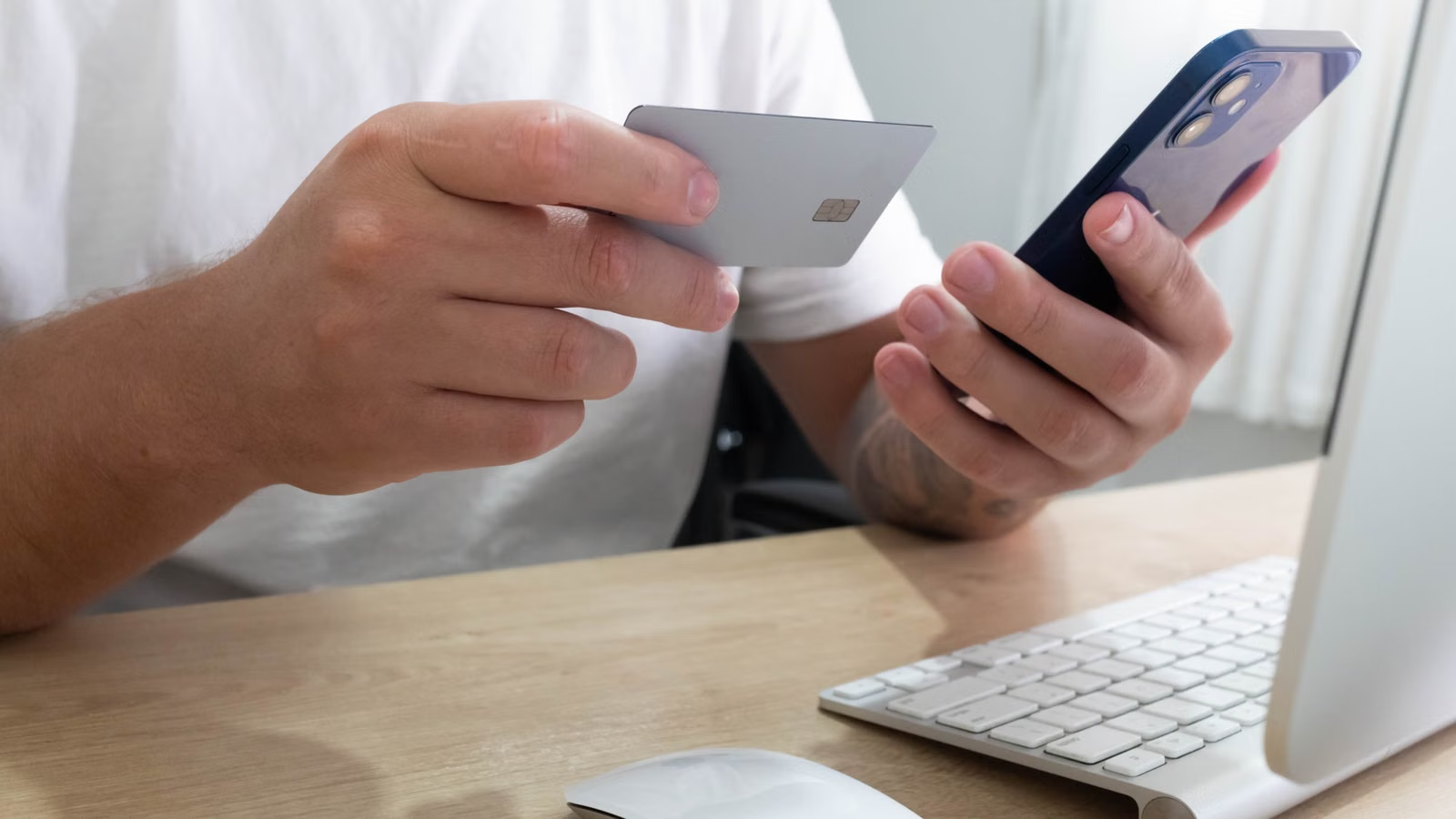
You can buy USDT with a credit card if your country of residence, chosen platform, USDT purchase permissions, and card type all qualify—and your issuer allows the transaction. A Visa or Mastercard logo at checkout is not enough to confirm that credit cards are accepted. Beyond the purchase quote and platform fees, your costs may include currency conversion, a cash advance fee, and interest. Before paying, check the final card bill, the amount of USDT you will receive, and when you can send it to your destination wallet.
Key Takeaways
- Your region, platform, USDT eligibility, and credit card must all meet the purchase requirements.
- A card network logo alone does not confirm that credit cards or a particular asset are supported.
- Compare the purchase quote, platform fees, and card issuer charges together.
- Cash advances may accrue interest from the transaction date without a purchase grace period.
- Payment authorization, USDT credited, and withdrawal availability are separate stages.
- Compare both the net USDT received and when it becomes available for your intended use.
Can You Buy USDT with a Credit Card? Check Four Conditions

Buying USDT with a credit card requires four checks: region, platform, asset, and card type. Start by confirming that the service is available where your account is registered, then check whether USDT purchases are enabled, and finally confirm that your credit card qualifies. Successfully adding a card only addresses the payment method. Seeing USDT in your account may mean only that deposits or withdrawals are available.
Region and Asset: Platform Access Does Not Guarantee USDT Purchases
Check account eligibility, card purchase eligibility, and USDT trading permissions separately. A platform's global “buy USDT” introduction may not explain every regional restriction. Use your verified account details to check availability, paying particular attention to whether a restriction applies to buying, converting, holding, or transferring the asset.
For example, as of November 13, 2026, Kraken's USDT purchase and trading restrictions still apply to clients in the European Economic Area. These clients cannot buy, sell, or trade USDT on Kraken, although the notice retains deposit and withdrawal functionality. Access to some card purchase services therefore does not establish that a customer in the region can buy USDT. This is Kraken's policy for the specified region and asset.
Regional eligibility also involves more than where your card was issued. Your verified country of residence and your card's issuing country may differ, and both can affect eligibility. Changing the payment currency does not change your account's asset permissions. If USDT is missing from the assets available to buy, establish why before proceeding.
Platform and Card Type: Check Credit and Debit Cards Separately
Visa and Mastercard are payment networks. Cards using those networks may be credit, debit, prepaid, or business cards. A platform's acceptance of one type does not establish acceptance of the others.
Kraken's current card purchase requirements include a verified account and a card in the same legal name as the account holder. U.S. clients can currently use debit cards only. Eligible non-U.S. clients using credit or debit cards also need cards enabled for 3D Secure authentication.
After checking the card type, confirm your issuer's cryptocurrency transaction policy. Platform acceptance and bank approval are separate decisions. If the bank prohibits the transaction, or processes it against a separate cash advance limit, the purchase may fail even when your regular purchase credit is sufficient.
How Do You Calculate the Full Cost of Buying USDT with a Credit Card?

Calculate the full cost from your final credit card outlay to the net USDT received. The platform's confirmation screen shows the card transaction amount and expected purchase quantity, while issuer fees and interest may appear separately on your statement. If you plan to withdraw to an external wallet, include that deduction too. Comparing fee percentages alone can obscure differences in purchase prices and borrowing costs.
Platform Fees and Quoted Spreads: Avoid Counting the Same Cost Twice
Your purchase cost may consist of a quoted amount plus a separately listed service fee. The quote itself may include a spread: if the platform's purchase price is above a comparable market reference at the same time, your money buys less USDT. Compare quotes using the same payment currency, amount, and time, then check the USDT quantity shown at confirmation.
A spread already included in the quote should not be added to the card charge again. If the platform shows a total charge of $1,040 for 1,000 USDT, that total charge is your starting point. Identifying the service fee or spread within it breaks down the cost; it does not create an additional expense.
Similarly, spot order book maker and taker fees may not apply to an instant credit card purchase. If you first buy another asset with your card and then convert it to USDT, include the second conversion's fees and price changes. Compare a direct purchase and a two-step conversion using their final USDT amounts.
Issuer Fees, Currency Conversion, and Cash Advance Interest
A bank may classify a cryptocurrency purchase as a cash-like transaction and apply cash advance charges and interest. For example, one Chase cardmember agreement includes accepted purchases of cryptocurrency among cash-like transactions and states that cash advances accrue interest from the transaction date. Your own card agreement determines the charges that apply to you.
Before paying, ask your bank four questions: Does it permit cryptocurrency purchases from this merchant? Will the transaction be treated as a purchase or a cash advance? Is there a minimum cash advance fee? When does interest begin, and what repayment is needed to stop it? A grace period for ordinary purchases should not be assumed when estimating the borrowing cost of buying USDT.
If the payment and billing currencies differ, check the conversion method, exchange rate, and additional charges. Currency conversion fees and cross-border transaction fees are also distinct. The latter may depend on the merchant's location and other card terms. Even when the payment currency matches your billing currency, that alone does not establish the bank's final charges.
Compare Actual Spending for the Same Net USDT Target
Suppose you want an external wallet to receive 1,000 USDT. The platform deducts 2 USDT for the withdrawal, so you need to purchase 1,002 USDT. All the following terms are hypothetical: the quoted purchase price is $1.01 per USDT, including the spread; the platform adds a $30 fee; and the bank charges a 2% transaction fee, a 3% cash advance fee, and interest at an annual rate of 18% for 30 days.
| Cost Item | Hypothetical Calculation | Amount or Quantity |
|---|---|---|
| Purchase quantity | 1,000 net target + 2 withdrawal deduction | 1,002 USDT |
| Quoted purchase amount | 1,002 × $1.01 | $1,012.02 |
| Separate platform fee | Fixed charge | $30.00 |
| Credit card transaction amount | Quoted purchase amount + platform fee | $1,042.02 |
| Bank transaction fee | 1,042.02 × 2% | $20.84 |
| Cash advance fee | 1,042.02 × 3% | $31.26 |
| Estimated 30-day interest | 1,042.02 × 18% × 30 ÷ 365 | $15.42 |
| Total outlay | Card transaction amount + three bank costs | $1,109.54 |
| Net received in external wallet | 1,002 − 2 | 1,000 USDT |
The cost is approximately $1.10954 for each USDT received. The withdrawal deduction is already covered by purchasing an extra 2 USDT, and the spread is already included in the $1.01 quote. Neither should be added again. Interest is a simple estimate calculated only on the transaction principal. The actual statement will also depend on the interest-bearing balance, whether fees accrue interest, and when repayments are credited.
If another payment method also delivers 1,000 USDT to your wallet, compare its complete cost and availability time. A lower platform fee may not offset the additional cash advance charges and interest generated by a credit card.
From Card Payment to Withdrawal: Which Statuses Should You Check?
Buying USDT and being able to send it are separate outcomes to confirm. The full process includes eligibility checks, quote confirmation, card authorization, asset crediting, and meeting withdrawal conditions. If you need to pay an external address, measure completion by the receiving wallet's actual credit. Check withdrawal holds before using your card.
First, complete the platform's identity verification and confirm that both USDT and credit card purchases are available in your account. Then add an eligible card in your own name and check the billing details. Using someone else's card may fail the platform's name requirements even if the cardholder has agreed to pay.
When generating the order, check the payment currency, total charge, USDT quantity, and whether fees are added separately. If you plan to withdraw, also check supported destination networks, the minimum withdrawal, and the current deduction. The sending and receiving services must support the same asset and network. Both displaying “USDT” does not establish compatibility.
After submitting payment, complete the bank's required authentication by text message, banking app, or another 3D Secure method. Return to the order to check its status, and save the order number and purchase record. A bank notification establishes that the card was authorized or charged; the platform's order record confirms whether the cryptocurrency purchase succeeded.
| Status You See | What It Establishes | What to Check Next |
|---|---|---|
| Bank authorization approved or amount pending | The bank approved payment or temporarily reserved credit | Whether the platform order completed |
| USDT credited to platform balance | The purchase has been recorded in your account | Withdrawable amount and any hold |
| Withdrawal restriction released | The relevant funds are eligible for a withdrawal request | Network, address, and security verification |
| Platform shows the withdrawal as sent | The withdrawal has moved to subsequent processing | Transaction record and receiving account status |
For example, Kraken card purchases may trigger a 72-hour withdrawal hold covering an equivalent amount of cash or cryptocurrency. The restricted amount and release time displayed in your account give a more useful indication of withdrawal availability than a general claim that buying by card is fast.
If the purchase is intended to fund a payment by a deadline, allow for identity review, payment verification, withdrawal restrictions, and receiving-side confirmation. Buying again with a different card does not remove the waiting period on assets already purchased. It can also create a second bill and additional authorizations.
Why Was Your Credit Card Purchase of USDT Declined?
Start with where the failure occurred. A missing purchase option usually points to service or asset eligibility. An unsuccessful authentication requires checking the card and bank verification. A declined bank authorization calls for checking issuer policy and limits. A failed platform order with a pending card charge is a separate issue; it does not by itself establish either a completed purchase or lost funds.
| What Happened | First Issue to Check | Next Action |
|---|---|---|
| You can sign in but cannot buy USDT | Regional asset restrictions or product permissions | Check verified residence and available purchase assets |
| The card cannot be added | Unsupported type or issuing country, or mismatched name or details | Check platform eligibility and card information |
| 3D Secure cannot be completed | Bank authentication settings, timeout, or failed verification | Confirm the authentication method with your bank |
| The bank declines payment | Cryptocurrency policy, cash advance limit, or risk controls | Ask the bank why that authorization was declined |
| The order fails but a pending charge appears | Authorization not yet reversed or inconsistent status updates | Reconcile the order and bank records |
Available purchase credit and available cash advance credit may be different amounts. A card might have $2,000 of purchase credit remaining but insufficient cash advance capacity for the transaction. Reducing the order below the regular purchase limit may therefore still fail. Platform transaction limits also need to be checked alongside bank limits.
If authentication succeeds but the platform reports an expired quote or technical error, check order history before trying again. Price updates and payment results do not always arrive simultaneously. Repeatedly submitting purchases can create multiple orders or authorization holds, making reconciliation harder.
When something goes wrong, keep the time, currency, amount, order number, and error message. Ask the platform about the order, asset crediting, and reversals; ask the issuer about authorization, transaction classification, and limits. Use official secure channels for card information. Do not send full card numbers, one-time verification codes, or security codes through support chats or to unfamiliar contacts.
Credit Card, Debit Card, or Bank Funds: Which Payment Method Fits?
If you already have bank deposits available, compare the complete cost of using your own funds with the cost of a credit card purchase. If an external transfer is urgent, check withdrawal availability first. Credit cards offer payment convenience, but cash advance treatment changes the cost through borrowing charges. Debit cards and bank-funded purchases also have their own fees, limits, and waiting conditions.
For occasional small purchases, a minimum fixed fee can represent a substantial share of the amount. Frequent buyers need to account for repeated service fees, potential bank charges, and managing each repayment. Splitting a purchase into several transactions may trigger minimum fees repeatedly rather than save money.
Bank-funded purchases require another distinction: depositing money to the platform before placing an order, or buying directly through a linked bank account. Processing times and withdrawal conditions may differ. Use the same endpoint when comparing a credit card with a bank-funded route. If the goal is receipt in an external wallet, compare when each route can deliver there.
That distinction matters especially for urgent payments. Seeing a USDT balance shortly after a card purchase does not resolve the payment need if those assets remain on hold. Check the full route before deciding how to fund it. Funds already available for use can matter more than the speed advertised on a purchase button.
Holding USDT does not automatically offset borrowing costs. USDT is a stablecoin rather than a U.S. dollar bank deposit, and it carries depegging, issuer, and custody risks. Simply holding it does not automatically generate a return. Credit card debt continues to incur charges under the agreement, regardless of whether the asset's price remains stable.
If your ultimate purpose is currency conversion and cross-border payment, check the receiving requirements first and work backward to the USDT quantity you need. As a global multi-asset wallet, Biya can be included when comparing ways to use USDT you already hold. First confirm supported deposit assets and networks, then check conversion currencies and recipient requirements. Biya international transfers can help you check applicable routes and receiving arrangements. Build your budget using the Biya Fee Center and the specific order, alongside the original purchase cost and issuer charges. Conversion and bank receipt can require additional processing time after USDT has been purchased. Service availability depends on your location, identity verification, platform rules, and applicable laws and regulations.
Frequently Asked Questions
Does my credit card's purchase grace period apply when buying USDT?
Not necessarily. If your issuer classifies the USDT purchase as a cash advance, interest may accrue from the transaction date, with an additional cash advance fee. Check the card's classification and interest rules. Whether a purchase grace period, installment plan, or promotional interest rate applies must be confirmed separately.
Can I earn cashback or points when buying USDT with a credit card?
Rewards depend on your issuer's terms and the final transaction classification. Cash-like transactions may be excluded, and platform acceptance does not mean the bank will award points or cashback. Calculate purchase costs using the actual charges first, then confirm any rewards that have been credited.
Why can a USDT purchase fail even when my credit card has available credit?
Sufficient purchase credit does not guarantee approval. The issuer may restrict cryptocurrency transactions, and the cash advance limit may be lower than the purchase limit. Platform requirements for region, card type, account name, and authentication also affect payment. Use the specific decline message to guide your checks.
Should I request a refund if my card shows a charge but the USDT order failed?
First distinguish a pending authorization from a posted transaction. A pending amount may require authorization reversal and release of the reserved credit. For a posted charge, check whether the platform has initiated a refund or whether there is a crediting issue. Keep the order number and bank records, confirm both statuses, and avoid repeated payment attempts while the result remains unclear.
Can I use a virtual credit card to buy USDT?
A virtual credit card may work if it meets both platform and issuer requirements. Being virtual describes how the card is presented; you still need to check the underlying card type, issuing country, cardholder name, and authentication capability. Support for a card network alone does not establish that the platform accepts that virtual card for USDT purchases.
*This article is provided for general information purposes and does not constitute legal, tax or other professional advice from BiyaPay or its subsidiaries and its affiliates, and it is not intended as a substitute for obtaining advice from a financial advisor or any other professional.
We make no representations, warranties or warranties, express or implied, as to the accuracy, completeness or timeliness of the contents of this publication.
Related Blogs of
Starting Share Trading: Account Setup, Funding, Order Types, and Trade Confirmations


Can You Buy Crypto with a Prepaid Card? Acceptance, Fees, and Limits





Choose Country or Region to Read Local Blog
 Australia
 Austria
 Belgium
 Canada
 Cyprus
 Czech Republic
 Denmark
 Estonia
 Finland
 France
 Germany
 Greece
 Hong Kong
 India
 Indonesia
 Ireland
 Italy
 Japan
 Latvia
 Lithuania
 Luxembourg
 Malaysia
 Malta
 Morocco
 Nepal
 Netherlands
 New Zealand
 Norway
 Pakistan
 Philippines
 Poland
 Portugal
 Romania
 Singapore
 Slovakia
 Slovenia
 South Africa
 South Korea
 Spain
 Sweden
 Thailand
 United States
 Turkey
 United Arab Emirates
 United Kingdom
 Vietnam