
Crypto Exchange vs Wallet: Asset Control, Trading, Transfers, and Cashing Out




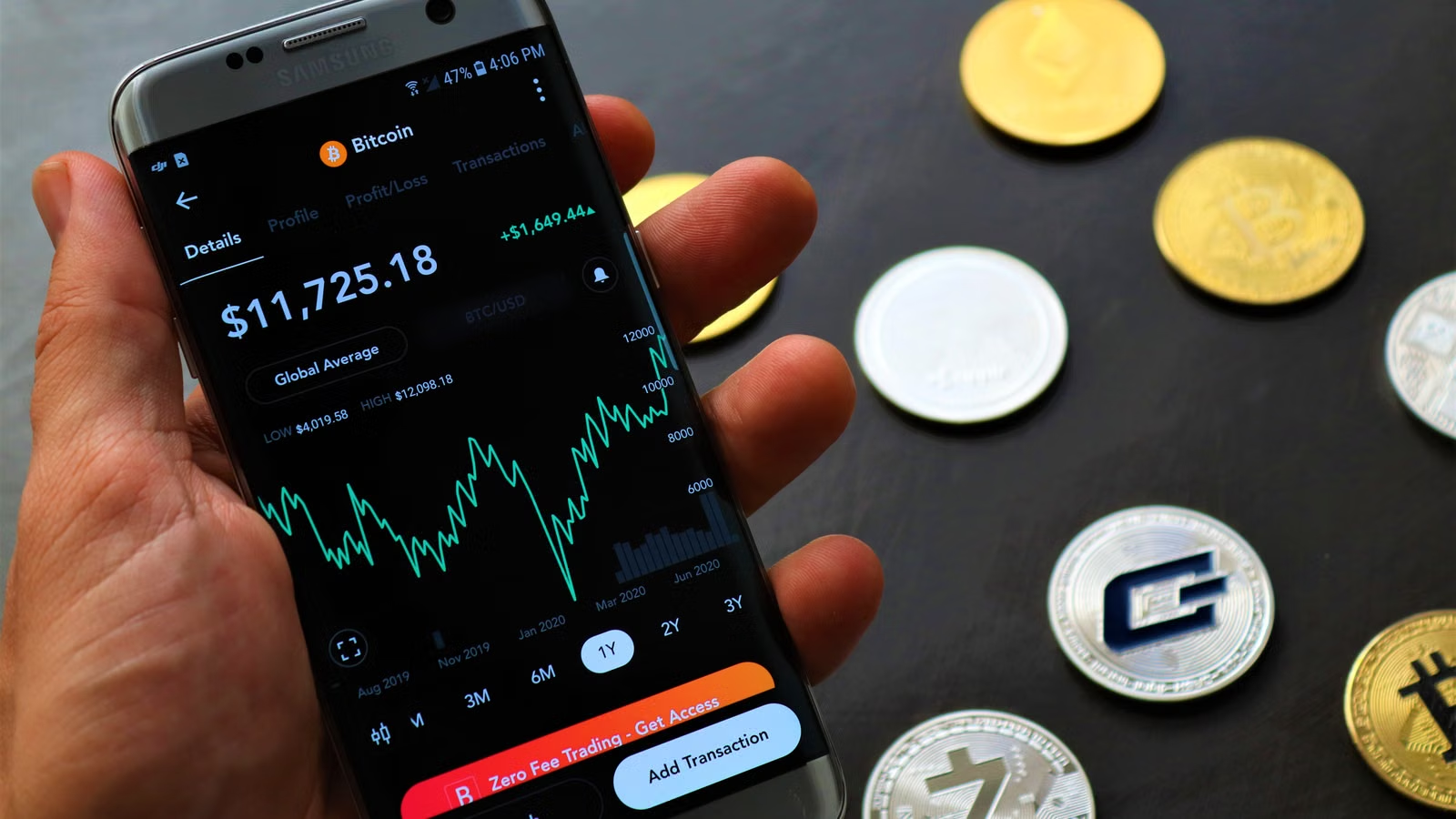
Whether to move crypto to a wallet after buying it depends on what you plan to do next: trade, hold, or use blockchain applications. Centralized exchanges usually combine trading and custody. Wallets, meanwhile, may put private keys in the hands of a service provider or the user. A wallet can also offer buying, swapping, or cash-out features, although the wallet developer may not execute those services. Start by checking who controls signing, then look at where trades happen, how assets move, and who handles the eventual bank payment.
Key Takeaways
- An exchange describes a service; custodial and self-custody describe how assets are controlled.
- The balance available for trading on an exchange may differ from the amount available to withdraw on-chain.
- Wallets can connect to trading services, so check who executes the trade and what you authorize.
- Internal transfers and on-chain transfers differ in their records, confirmation process, and responsibilities.
- Converting crypto into money in a bank account generally requires an exchange or payment provider.
- Choose tools for your trading, holding, and payment needs, with recovery arrangements and records in place.
What Separates Centralized Exchanges, Custodial Wallets, and Self-Custody Wallets?
Centralized exchanges and custodial wallets overlap. The first term emphasizes trading services; the second describes an arrangement in which a third party manages private keys. With a self-custody wallet, the user manages the ability to sign for a blockchain account. One brand can operate both an exchange and a separate wallet, with different accounts and control arrangements.
| Tool | Main functions | Who manages private keys or signing capability? | How does an external transfer work? |
|---|---|---|---|
| Centralized exchange account | Buying, selling, conversion, and supported funding services | Usually the platform or its custodian | The user submits a request, and the platform handles the on-chain withdrawal |
| Custodial wallet | Receiving, managing, and sending assets, potentially with conversion and payment features | The wallet provider or its custodian | The user completes account verification, and the provider executes the transfer |
| Self-custody wallet | Managing blockchain accounts and signing, with connections to trading and other applications | The user, according to the wallet's design | The user reviews and authorizes signing before submission to the network |
The U.S. SEC's crypto asset custody classification also identifies exchanges as an example of third-party custodians. Who manages the private keys tells you more about control than whether a product has “wallet” in its name.
Crypto holdings and transfers are recorded on the blockchain; wallets provide account access and signing tools. A deposit address supplied by an exchange usually identifies incoming deposits. It does not mean the exchange has handed you the corresponding private key. Your login password and two-factor authentication verify your platform identity, but do not give you the ability to sign blockchain transactions directly for that address.
Hot and cold wallets describe a separate dimension, mainly the network environment in which keys are kept. Both custodians and self-custody users can use hot or cold storage arrangements. Even when buying a hardware device, you still need to establish who controls setup, backups, and signing.
Buying and Swapping: How Do Exchanges and Wallets Handle Trades?
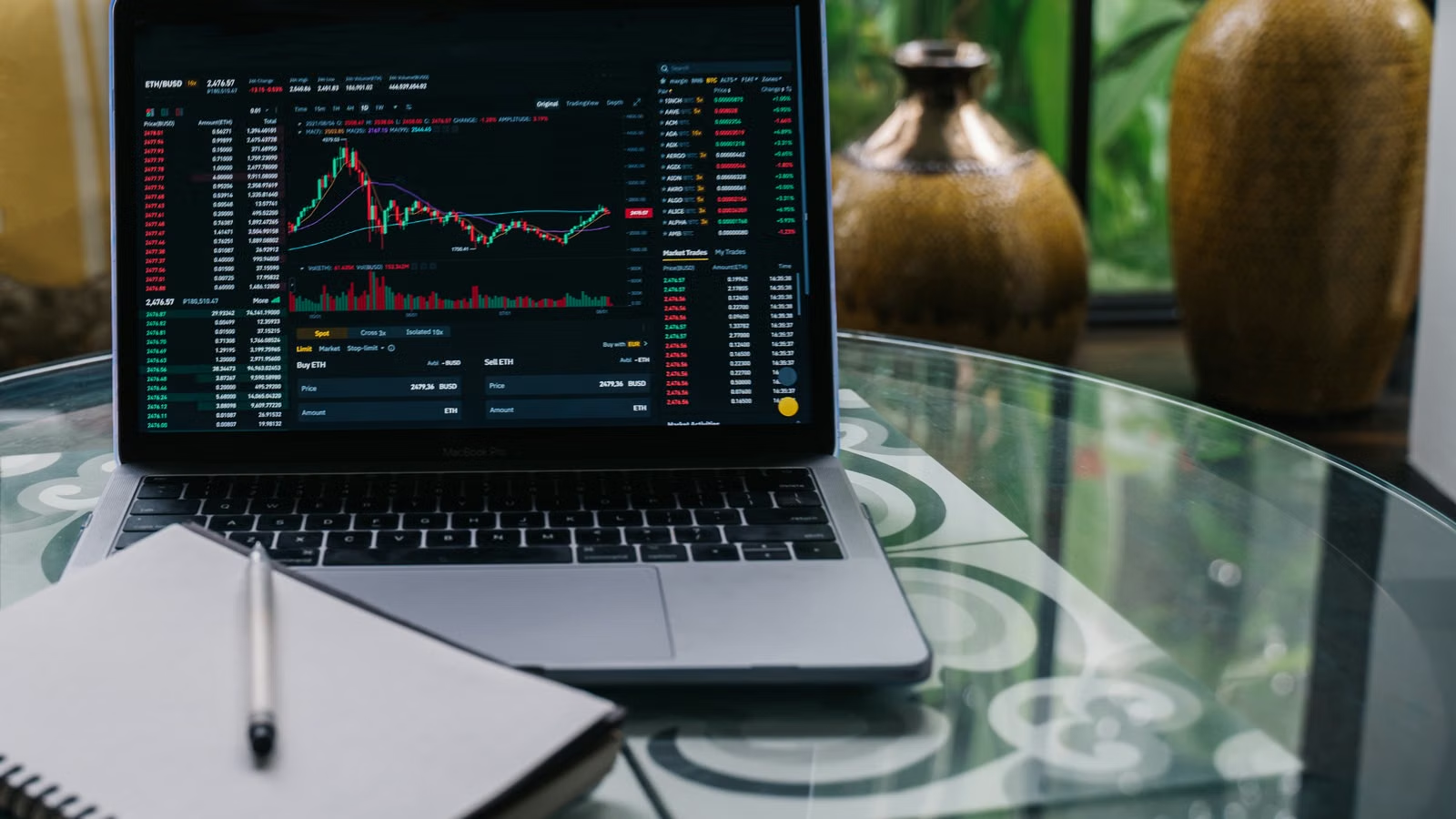
Both exchanges and wallets may offer buying or swapping features, but fiat purchases and crypto-to-crypto swaps use different funds and execution mechanisms. First establish whether you are buying with bank funds or exchanging tokens you already hold. Then compare the actual quote and how the purchased assets will be delivered.
Centralized Exchanges: Platform Quotes or Order Books
An exchange may offer purchases using a bank card or bank account, instant conversion, and order-book trading. Instant conversion generally presents a quote to accept. Order-book trades execute according to the order type and available liquidity. Prices and fee structures can differ between these features even on the same platform.
A crypto-to-crypto trade on a centralized exchange usually updates internal account balances. Each fill does not necessarily move assets between blockchain addresses. If you want to send the purchased crypto to an external wallet, you must make a separate withdrawal and meet the conditions for that asset and network.
Compare execution prices, trading fees, spreads, and potential slippage together. Minimum charges can affect small orders, while large orders may fill across several prices. If the assets will eventually leave the platform, withdrawal fees and minimum amounts also affect what reaches your wallet.
Buying and Swapping Inside a Wallet: Check Execution and Permissions
A custodial wallet provider may handle conversion itself. A self-custody wallet may connect to decentralized trading protocols, quote aggregators, or fiat purchase services. Similar “Buy” and “Swap” buttons can lead to different counterparties and movements of funds.
For example, MetaMask Swaps aggregates quotes, leaving users to decide whether to transact with the relevant platform or liquidity provider. MetaMask itself does not supply liquidity or execute the trade. The wallet provides functions such as searching, displaying quotes, and access to signing, while execution depends on the connected service.
Before swapping, review the tokens you will pay and receive, their networks, the estimated amount received, the minimum acceptable output, and required permissions. If token spending approval is involved, check the authorized contract and allowance. Giving a contract permission to spend tokens and confirming a particular swap are permissions you need to understand separately.
If a wallet integrates a third-party fiat purchase service, that provider may also handle payment, identity verification, and the order. Connecting a wallet does not establish that the provider accepts your payment method. Receiving a swap quote does not mean a trade has been completed.
Holding Crypto: How Are Control and Responsibilities Divided?

Holding arrangements differ mainly in who you rely on for everyday access and recovery when something goes wrong. Custodial services assign some technical work to an institution. Self-custody puts signing and recovery arrangements directly in the user's hands. Each requires preparation for different mistakes and interruptions.
Custodial Accounts: What Conditions Matter Beyond Convenience?
Custodial accounts typically let you manage assets using a password, two-factor authentication, and identity checks. If you forget a password, you may be able to recover access through the platform's process without rebuilding blockchain keys yourself. Withdrawals still depend on the platform operating and on account permissions, limits, and reviews.
The total assets displayed in an account may include amounts committed to open orders, awaiting settlement, or temporarily unavailable for withdrawal. When planning a payment, check the withdrawable amount of the specific asset and the network's status. The total portfolio value on the home screen is not enough. A functioning blockchain also does not mean the platform's deposits and withdrawals for that network are continuously available.
Service terms can affect how assets are held, whether they may be used for other business activities, and your rights if service stops or the institution faces financial problems. Account recovery addresses access; it does not establish that the platform can return assets in every circumstance.
Self-Custody: What Comes With Managing Your Own Signing?
Self-custody lets you initiate blockchain activity through your own signing arrangements. It also requires you to manage devices, backups, and recovery. Recovery designs vary and may involve a recovery phrase, hardware devices, multiple key components, or another setup. Before using a wallet, establish what you would need to regain control after losing a phone or device.
Reviewing signing requests also matters when connecting to blockchain applications. Recipient addresses, token spending permissions, and contract interactions can produce different outcomes. Disconnecting a website does not necessarily revoke token permissions previously granted on-chain.
You can use separate accounts for long-term holdings and frequent application use, reducing the exposure of long-term assets to everyday activity. This still requires clear records of each account's purpose and recovery materials. More accounts also mean more work managing backups, networks, and permissions.
Internal vs. On-Chain Transfers: What Actually Changes?
An internal transfer may only change balances in a platform's ledger. An on-chain transfer must execute and receive confirmation on the relevant network. Both can show a “sent” status, but the way the recipient receives assets, the available records, and the conditions for using them differ.
Internal Transfers: A Platform Ledger Update
Moving assets between funding and trading accounts on the same platform, or sending to another user through an account identifier, may not require an individual blockchain transaction. The platform adjusts the balances, and the recipient uses the assets under its account rules. Both users still depend on the platform to manage private keys and process later withdrawals.
Internal transfers generally do not require block confirmations, but identity requirements, limits, and account restrictions may still apply. Email addresses, phone numbers, and usernames identify recipients; they are not blockchain addresses. Whether a transfer is internal depends on the actual transaction type and how the platform processes it.
There may be a platform reference number without a transaction hash searchable in a block explorer. The absence of an on-chain record alone does not establish that an internal transfer failed. Check the sending record, recipient account, and balance changes first.
On-Chain Transfers: Who Signs, and How Is Receipt Confirmed?
When withdrawing from an exchange or custodial wallet to an external address, the user usually submits a request. After verification, the platform signs and broadcasts the transaction. With a self-custody wallet, the user authorizes signing according to the wallet's design. Clicking confirm, having a platform accept a request, and getting a transaction onto the blockchain are separate stages.
Suppose you already hold 1,000 USDC and want to move it using one of the following arrangements. The starting balance is 1,000 USDC; the amount received depends on applicable fees and transaction rules.
| Transfer method | Who authorizes and executes it? | Main records to check | Who manages the assets afterward? |
|---|---|---|---|
| Send internally to another exchange user | The user authorizes it; the platform updates its ledger | Platform record and recipient account balance | The platform continues to provide custody |
| Withdraw from an exchange to your self-custody address | The user requests it; the platform signs and broadcasts | Withdrawal order, transaction hash, and blockchain confirmations | Managed through the receiving wallet's signing arrangements |
| Send from a self-custody address to another blockchain address | The user authorizes signing; the transaction is submitted to the network | Transaction hash, execution result, and receipt records | Depends on the receiving address's custody arrangement |
Before sending, both parties should confirm which network's USDC the recipient accepts. An identical token name does not mean assets can be sent directly between different networks. If the recipient uses a platform, also check that deposits are open for that network, the minimum deposit, and whether a memo or tag is required.
After broadcast, check the execution result and confirmation status. A transfer to a platform may still need account crediting after on-chain success. For a transfer to your own wallet, check the balance on the correct network. A platform's withdrawal charge also may differ from the actual network fee paid for the transaction.
Cashing Out: What Can an Exchange or Wallet Handle?
Converting crypto into bank funds requires a service to receive or buy the crypto, settle the fiat amount, and make the payment. An exchange may offer the full process through one interface, while a wallet may connect to a provider. Either way, additional execution is needed between holding assets on-chain and receiving money in a bank account.
An exchange with fiat services may let users sell crypto, receive a fiat balance, and withdraw to an eligible bank account. Support depends on the currency, banking channel, and user's region. Some exchanges only offer crypto-to-crypto trading.
A custodial wallet may provide the service itself or use a partner. In a self-custody wallet, a “Sell” button generally connects you to a cash-out provider. For example, MetaMask's fiat selling feature integrates third-party providers. Availability varies by region, network, and token, and the relevant provider handles the order.
Before proceeding, identify the provider, required identity documents, accepted asset, and destination of the fiat payment. Swapping ETH for USDC still leaves you holding a blockchain token. Money reaches a bank account only after the subsequent sale and payment process. A completed sale, an available fiat balance on a platform, and an actual bank credit are also distinct states to confirm.
Choosing Tools for Buying, Holding, Sending, and Cashing Out
Exchanges and wallets can serve different roles, with some overlapping functions. Start with what you need the funds to do next. Check that the required functionality, control arrangements, and receiving conditions work together.
| Main need | Required functions | What to check first |
|---|---|---|
| Buy crypto with fiat | Bank or other payment access, purchase quotes, and asset delivery | Payment eligibility, amount received, and external withdrawal support |
| Trade frequently | Required trading pairs, order types, and liquidity | Execution costs, committed funds, and account restrictions |
| Manage blockchain assets yourself | Receiving, signing, and recovery | Key management, supported networks, and recovery materials |
| Send assets to another person | An internal or on-chain method accepted by the recipient | Recipient identifier, network, crediting requirements, and availability |
| Convert crypto into bank funds | Asset sale and fiat payment services | Provider, verification requirements, receiving account, and regional support |
If you trade frequently and also use blockchain applications, you can allocate assets according to upcoming orders and on-chain needs. Confirm the network and receiving method before each move to reduce errors and unnecessary transfers. Exchange order records and wallet transaction records should also be reconcilable.
If you mainly hold crypto and swap occasionally, first decide what custody and recovery responsibilities you can manage. Then choose a trading service available when needed. Holding assets in self-custody does not require depositing them at an exchange for every swap. A custodial account may also support payments to external addresses, depending on its features.
When connecting crypto assets with fiat funds, you can include Biya in your comparison. As a global multi-asset wallet, its usefulness depends on your needs for receiving, converting, and transferring assets. First confirm supported assets and networks, then check the target fiat currency and receiving method. For bank payments, review the actual routes supported by Biya cross-border remittance, alongside the fee center and order quote for applicable charges. Recording asset balances, completed conversions, and receipt of funds separately helps identify where money is in the process. Custody arrangements and account recovery conditions also need separate verification; the wallet label alone does not establish them. Service availability depends on your location, identity verification results, platform rules, and applicable laws and regulations.
Frequently Asked Questions
Does an Exchange Deposit Address Give Me Control of Its Private Key?
No. A deposit address receives assets and identifies incoming funds, while the exchange or its custodian usually manages the private key. Viewing the address or requesting a withdrawal does not let you sign blockchain transactions directly for it. Check the signing permissions and custody arrangement to establish control.
Do an Exchange Account and Wallet From the Same Brand Automatically Share a Balance?
Not necessarily. A brand can offer a custodial exchange account and a separate self-custody wallet without shared balances. Moving assets may require an internal platform operation or an actual on-chain withdrawal. Check the account types, supported networks, and who controls the assets after the transfer.
Can I Recover My Crypto After Deleting a Wallet App?
Recovery depends on the account type and the recovery requirements you can still meet. Deleting an app does not delete blockchain assets. A custodial provider may offer account recovery; a self-custody wallet requires the relevant backup, devices, or other credentials. Without the required recovery materials, you may lose access to the assets.
Does Using a Wallet's Swap Feature Automatically Put My Crypto in Custody?
No. Using a swap feature alone does not determine custody. A self-custody wallet can authorize a protocol to execute a swap and deliver assets to your address. If a service requires depositing assets into a platform account first, check that account's custody terms. The execution process and destination of the assets determine the arrangement.
Why Can't I Send Crypto When My Self-Custody Wallet Shows a Balance?
A balance does not mean all sending requirements are met. Possible causes include the wrong network, insufficient means to pay fees, a pending transaction, or token transfer restrictions. Check the wallet's error message and blockchain status. Features that sponsor fees or accept another token for fees also have eligibility conditions.
Do I Still Need Identity Verification When Selling Crypto Through a Wallet?
You may. Self-custody describes asset signing and control; it does not exempt an integrated fiat service from identity checks. A selling provider may verify your name, location, source of funds, and bank account. Requirements depend on the provider and order. Connecting a wallet does not mean verification is complete.
*This article is provided for general information purposes and does not constitute legal, tax or other professional advice from BiyaPay or its subsidiaries and its affiliates, and it is not intended as a substitute for obtaining advice from a financial advisor or any other professional.
We make no representations, warranties or warranties, express or implied, as to the accuracy, completeness or timeliness of the contents of this publication.
Related Blogs of
Safest Ways to Send Money Internationally: Provider Checks, Scam Prevention, and Transfer Recovery


Can You Use a Virtual Card for ChatGPT? Subscription Payments and Card Declines




Choose Country or Region to Read Local Blog
 Australia
 Austria
 Belgium
 Canada
 Cyprus
 Czech Republic
 Denmark
 Estonia
 Finland
 France
 Germany
 Greece
 Hong Kong
 India
 Indonesia
 Ireland
 Italy
 Japan
 Latvia
 Lithuania
 Luxembourg
 Malaysia
 Malta
 Morocco
 Nepal
 Netherlands
 New Zealand
 Norway
 Pakistan
 Philippines
 Poland
 Portugal
 Romania
 Singapore
 Slovakia
 Slovenia
 South Africa
 South Korea
 Spain
 Sweden
 Thailand
 United States
 Turkey
 United Arab Emirates
 United Kingdom
 Vietnam