
Buying Oil Futures Contracts: Contract Size, Margin, Expiry, and Delivery





Before buying oil futures, identify the exact contract and assess whether your account can support its exposure. “One oil futures contract” can represent different barrel quantities, price sensitivity, and delivery obligations. The minimum margin requirement does not capture your full funding needs. Check contract size, initial and maintenance margin, and the broker’s close-out deadline together before arranging an account, currency conversion, funding, and orders. Even for a short holding period, expiry terms and available funds affect contract selection. These decisions should come well before delivery approaches.
Key Takeaways
- Barrels per contract determine price exposure; margin is neither the total cost nor a loss limit.
- Initial and maintenance margin serve different purposes. Check overnight and broker-specific requirements separately.
- Track the contract month, exchange last trading day, and broker close-out deadline individually.
- Standard WTI, Micro WTI, and Brent have different settlement and delivery arrangements.
- Sending a transfer, receiving funds, and having funds available to trade are separate stages.
- Positions require ongoing margin and expiry management. Rolling creates new trades and costs.
Choose the Contract First: How Do WTI, Micro WTI, and Brent Differ?
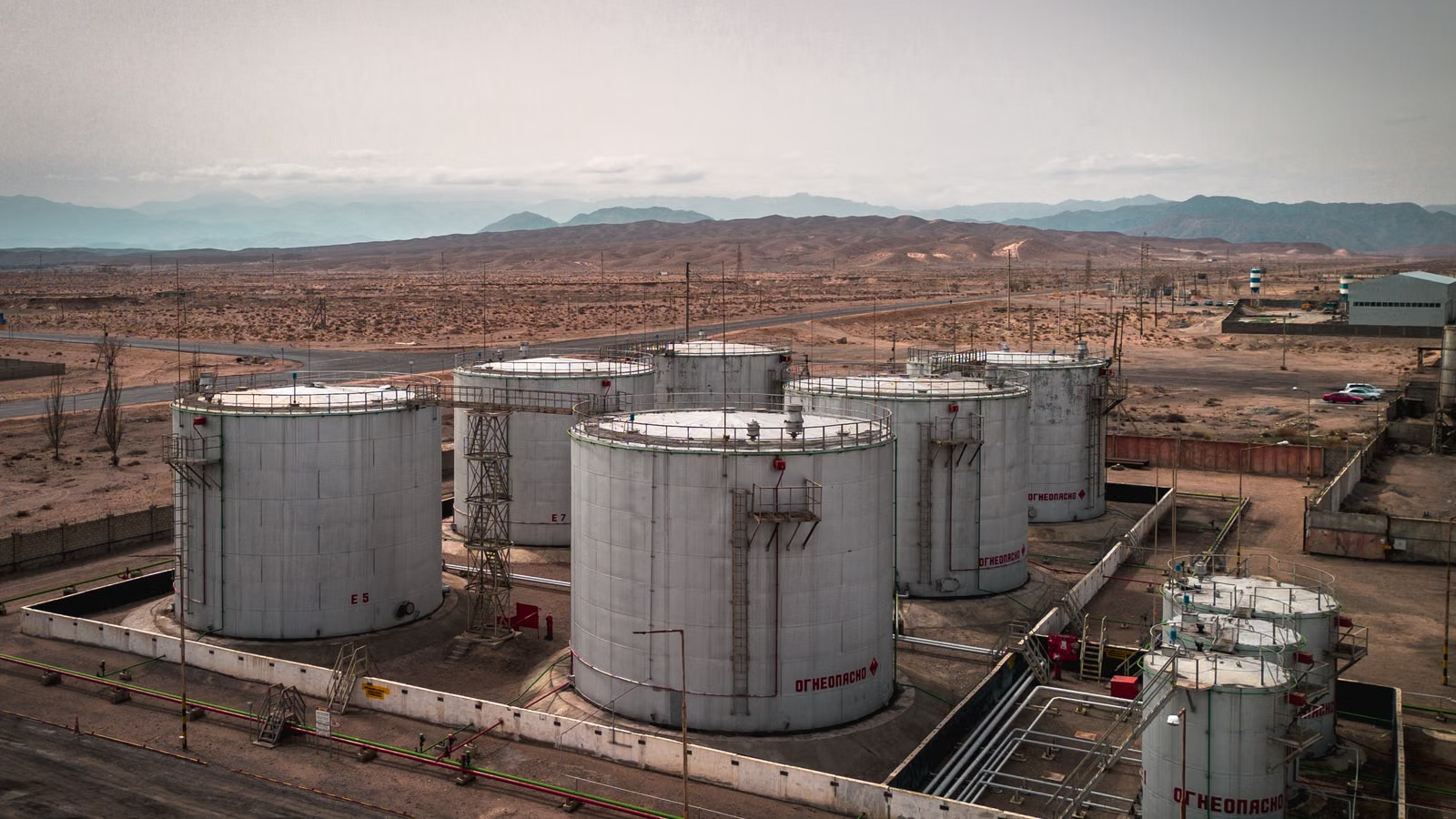
Exchange-traded oil futures are standardized contracts with defined contract months, sizes, and settlement rules. Before buying, confirm the exchange, crude oil benchmark, and contract month attached to your order. Oil ETFs, energy company shares, and oil contracts for difference (CFDs) are different products. Having “oil” in the name does not make their position rights, margin requirements, or expiry terms interchangeable.
The following three contracts are quoted in U.S. dollars per barrel, but their sizes and expiry arrangements differ:
| Contract | Exchange and Common Code | Contract Size | Minimum Price Move and Value per Contract | Settlement or Delivery at Expiry |
|---|---|---|---|---|
| Standard WTI crude oil futures | NYMEX, CL | 1,000 barrels | $0.01 per barrel, or $10 | Physical delivery |
| Micro WTI crude oil futures | NYMEX, MCL | 100 barrels | $0.01 per barrel, or $1 | Cash settlement |
| Brent crude oil futures | ICE Futures Europe, B; some systems display BRN | 1,000 barrels | $0.01 per barrel, or $10 | EFP-based delivery with a cash-settlement option |
The Micro WTI and standard WTI contract specifications show that MCL is one-tenth the size of CL. For the same oil price movement, one MCL contract produces a smaller dollar gain or loss, allowing finer position adjustments. However, ten MCL contracts create approximately the price exposure of one CL contract. A smaller contract does not necessarily mean a smaller total position.
Brent and WTI are different crude oil benchmarks, with prices influenced by their respective supply, demand, and logistics conditions. Although both standard contracts represent 1,000 barrels, they are distinct positions. Brent’s EFP delivery and cash-settlement option also involve different expiry procedures from CL, which need to be understood alongside the arrangements your broker supports.
Start by assessing whether the contract size fits your funding capacity, then compare liquidity and exit arrangements for the intended month. Looking only at the quoted oil price or “minimum amount to trade one contract” can obscure the contract multiplier that determines your exposure.
How Much Money Do You Need? Separate Notional Value from Margin
Notional value measures your price exposure. Margin is the performance deposit needed to establish and maintain the position. Calculate them separately. Your available funds also need to accommodate adverse price movements, increases in margin requirements, and fees. Having just enough to open a position does not mean the account can withstand subsequent volatility.
Calculate Exposure Using Oil Price and Contract Size
Notional value equals the contract price multiplied by barrels per contract and the number of contracts. Assume the relevant contract month trades at $70 per barrel. Buying one contract produces the following comparison:
| Calculation | One Standard WTI Contract (CL) | One Micro WTI Contract (MCL) |
|---|---|---|
| Contract notional value | $70 × 1,000 = $70,000 | $70 × 100 = $7,000 |
| Price profit from a $1-per-barrel increase | $1,000 | $100 |
| Price loss from a $3-per-barrel decrease | $3,000 | $300 |
These figures exclude fees. For a long position, price profit or loss equals the exit price minus the entry price, multiplied by barrels per contract and the number of contracts. This calculation already captures the full contract exposure; there is no additional multiplication by a leverage ratio. Lower margin can increase leverage relative to the funds committed, but it does not reduce the price loss on the same number of contracts.
Understand Initial Margin, Maintenance Margin, and Your Cash Buffer
Initial margin is the funding requirement for establishing a position. Maintenance margin is the minimum level required while holding it. Exchanges and brokers can change these requirements, and a broker may impose higher requirements than the exchange. Some brokers display lower intraday margin, but a position held beyond a specified cutoff may need to meet higher overnight requirements.
Suppose an account holds $1,000 and buys one MCL contract at $70 per barrel. Assume initial margin is $800 and maintenance margin is $720. These margin amounts are hypothetical calculation inputs, not current requirements or a recommended account balance. If oil falls to $67, the price loss is $300, reducing account equity to $700. That is already below the assumed maintenance requirement, and fees would reduce equity further.
The broker may reduce or close the position without allowing time for additional funds to arrive. Funding plans therefore need to consider how much equity remains after a price move, alongside the amount required to open the trade. Even if the price is unchanged, an increase in margin requirements can leave previously sufficient funds inadequate. Margin is neither a fee nor a purchase price that fixes your maximum loss once paid.
Which Dates and Obligations Matter Before Expiry?

An oil futures contract’s month label does not mean it remains tradable until that month ends. Check the exchange’s last trading day, settlement or delivery arrangements, and any earlier broker close-out deadline separately. For accounts that do not participate in physical delivery, the practical deadline is often set by the broker. The expiry date shown in a market data screen is insufficient for planning your exit.
Contract Month, Last Trading Day, and Broker Close-Out Deadline
The exchange’s last trading day marks when trading in the contract stops. Final settlement and delivery procedures follow the product’s rules. Oil futures contracts do not all share the same timetable. ICE Brent, for example, generally stops trading on the last business day of the second month before the contract month. A March contract therefore reaches its last trading day in January, with special holiday adjustments where applicable.
A broker may stop accepting new positions earlier and require existing positions to be closed by a specified deadline. Under IBKR’s futures close-out deadlines, for example, certain physically delivered contracts enter a period before expiry during which positions may be liquidated. Clients need to close or roll beforehand. Restrictions can also differ between long and short positions.
Record the exchange, symbol, contract month, date, time zone, and position direction together. Changes to the exchange calendar or broker notices can affect your exit plan. A universal instruction such as “close all oil futures three days before expiry” is unreliable.
What Do Physical Delivery and Cash Settlement Require?
Physical delivery of CL involves specified locations, quality standards, and performance procedures. Accounts used for price exposure generally lack arrangements to receive, store, or deliver crude oil. If the broker does not support delivery, the position must be closed or rolled to a later month before its deadline. Automatic liquidation should not serve as your exit plan.
MCL is cash-settled, so it does not involve receiving crude oil. It still has expiry settlement procedures and account restrictions. The final settlement price can differ substantially from the entry price, and adequate funding remains necessary near expiry. Cash settlement does not remove the broker’s holding requirements.
Brent’s exchange of futures for physical (EFP) arrangement links futures and physical transactions and includes an option to cash-settle against the ICE Brent Index. The relevant choices and procedures must be handled through the applicable clearing and brokerage arrangements. CL’s physical delivery process does not apply directly, and clients cannot assume they can independently choose how an expiring position is handled.
How Can You Confirm Your Account and Funds Are Ready?
An open account, futures permissions, and available funds are three separate requirements. Confirm the brokerage entity and availability of the specific contract first, then prepare funds using a payment method the broker accepts. Seeing oil prices in a stock account, or already holding dollars in a wallet, does not establish that you can immediately open a futures position.
Check the Broker, Trading Permissions, and Available Contracts
When choosing a futures broker, verify the legal entity opening your account, its applicable regulatory registration, and client eligibility requirements for your location. Then confirm whether you can apply for energy futures permissions, whether the broker supports the intended exchange, and whether your chosen CL, MCL, or Brent contract month is tradable. Stock permissions, futures permissions, and real-time market data subscriptions may be configured separately.
Read the fee schedule, margin rules, and delivery restrictions in advance. Some accounts may be able to close positions while temporarily being restricted from opening new ones. Certain months may also face restrictions because of liquidity or approaching expiry. Once the account is open, reviewing the funding requirement in an actual order preview is more useful than relying on an advertised minimum account balance.
Confirm Deposit Requirements Before Converting or Transferring Funds
Obtain the broker’s instructions for currency, beneficiary account, sender name, and payment reference before choosing a conversion and transfer route. Confirm whether the funding account must be in your name, whether the relevant payment provider is accepted, and how to submit source-of-funds documents. Incorrect details can lead to returned transfers, delays, or additional fees.
If funding involves converting between fiat currencies or converting digital assets into fiat, you can compare the available routes and quotes through Biya cross-border transfers and check applicable charges in the Biya Fee Center. Include the exchange-rate markup, transfer fees, and any intermediary or receiving-bank charges. The receiving broker must still accept the specific funding route.
After sending a transfer, confirm that the funds have been matched to your account and have completed any review or other crediting procedures. Then check the available margin in the futures account. Balances on another platform and funds in transit do not count toward your current capacity to open a position. Transfer timing is particularly important when additional margin is needed.
What Should You Check from Contract Selection to Execution?
Order placement should translate your intended exposure accurately into a specific contract. It involves more than deciding whether oil prices will rise or fall. Continuous futures charts can help you follow trends, but actual orders relate to a particular contract month. Once the product and month are confirmed, assess liquidity, margin, exit deadlines, and order type before submitting.
- Check the exchange, symbol, and month to confirm the intended futures contract. Distinguish it from a continuous price series, an option, or a CFD.
- Compare volume, bid-ask spreads, and order book depth for the intended month. The nearest month may not suit your holding period, while later months may lack liquidity.
- Enter the direction and number of contracts. Recalculate barrel exposure, notional value, and tick value, and confirm the funds that would remain available after execution.
- Select the order type, time in force, and applicable trading session. Arrange exit orders that match the position size, and confirm the dates for handling the approaching expiry.
- After execution, check the actual average fill price, contracts filled, outstanding orders, and margin usage. An order marked “submitted” does not mean the full position has been established.
For example, if you intend to go long one MCL contract, the confirmation screen should show the Micro WTI contract and the intended month. Selecting CL by mistake increases the barrel quantity tenfold even though the order still says “one contract.” Choosing the wrong month also changes the price exposure and exit deadline.
A limit order constrains the execution price but may not fill. A market order can execute far from the displayed quote when liquidity is thin. Stop orders can incur larger losses because of gaps or slippage, while stop-limit orders may remain unfilled after triggering. Order protections therefore need to be designed alongside an affordable position size.
Following a partial fill, review the unfilled quantity and associated exit orders. If you intended to buy two contracts but only one filled, a separately placed sell order for two contracts could exceed the actual long position. Without an automatic linking mechanism, adjust the orders promptly to avoid opening a short position after closing the long.
How Do You Close, Roll, and Calculate Total Costs?
After execution, continue monitoring account equity, margin, and contract deadlines. Daily futures settlement brings price gains and losses into cash management, and brokers may also check risk intraday. Even if your bullish view is unchanged, insufficient funds or an approaching close-out deadline can force a position reduction.
To close a one-contract long position, you generally sell one contract of the same product and month, then confirm that the net position is zero. Selling a different month does not automatically eliminate the original long. It may create a calendar spread, leaving both contracts’ price exposure and expiry obligations to manage.
To maintain oil exposure, you can close the nearby contract before the deadline and establish a later-month position, or use a calendar spread order supported by the broker. Rolling creates new executions and fees. Check whether stops and other outstanding orders for the old month need to be canceled, and whether exit orders for the new month have been set up.
Suppose you buy the old contract at $70 and sell it at $72. For one MCL contract, the price profit is $200. If you then buy the new month at $73, subsequent profit or loss is measured from that new entry price. The new contract trading $1 above the old one does not mean the new position immediately incurs a $100 loss. However, the higher deferred price changes the price terms on which you maintain exposure.
When calculating the full result, record price gains and losses on each entry and exit separately from commissions, exchange and clearing fees, bid-ask spreads, slippage, market data subscriptions, currency conversion, and transfer fees. Rolling can increase the number of trades. Spreads and slippage are already reflected in actual fill prices, so do not deduct them again when calculating profit or loss from those fills. Margin released after closing a position is not itself profit.
Before arranging funds, put the planned position’s margin requirement, allowance for adverse price movements, and transfer timing in one funding plan, then assess whether conversion is necessary. Biya can be an option for preparing funds through fiat currency exchange or digital-asset-to-fiat conversion. Before sending funds, confirm that the receiving broker accepts the sender and route, and retain conversion, transfer, and account-credit records. Manage reserves held in a wallet or bank separately from funds already available in the futures account. If a top-up is still in transit, adjust plans to the exposure your account can currently support. Service availability depends on your location, identity verification results, platform rules, and applicable laws and regulations.
Frequently Asked Questions
Can You Buy 0.1 of a Standard WTI Futures Contract?
Standard exchange-traded CL contracts trade in whole contracts, so you cannot place a direct order for 0.1 of one CL contract. To reduce the barrel quantity per trade, consider a separate smaller contract, such as MCL at 100 barrels per contract, and check its settlement, margin, and fees. A fractional position displayed by a platform may represent a different product.
Do You Need Oil Futures Permissions If You Already Have a Stock Account?
You generally need to confirm or apply for futures permissions separately. Stock permissions do not automatically cover energy futures. Requirements depend on the brokerage entity, account type, your location, and suitability assessment. Even if you can already trade other futures, check whether the intended oil contract and exchange are available.
Can Oil Futures Losses Exceed the Initial Margin Deposit?
Yes. Margin does not cap your losses. Gaps, thin liquidity, and unfavorable liquidation prices can cause losses to exceed initial margin. In severe cases, losses may exceed the account balance and create an obligation to pay the shortfall. Stop orders do not guarantee a maximum loss either. Check the account agreement and applicable rules for deficit collection procedures.
Can You Hold Cash-Settled Oil Futures Until Final Settlement?
That depends on the broker’s rules, account permissions, and available funds. Cash settlement removes the need to receive physical crude oil, but it does not remove expiry gains or losses or margin requirements. Check the specific contract’s last trading and settlement times, together with any additional broker close-out restrictions.
Why Do Nearby and Deferred Futures on the Same Crude Oil Have Different Prices?
Different months reflect supply and demand conditions at different times, while inventory, storage, and financing costs also influence prices. Deferred contracts can trade above or below nearby contracts, and the term structure changes. A cheaper contract month does not establish a guaranteed profit opportunity. Compare the prices again whenever rolling.
If You Are Bullish on Oil Long Term, Can You Hold One Futures Contract Without Rolling?
An expiring oil futures contract cannot be held indefinitely in the same month. To maintain exposure, you generally need to roll before the close-out deadline or choose another product that fits your needs. Each continuation involves new prices, costs, and funding requirements. A long-term rise in oil prices does not guarantee a profit on every futures position along the way.
*This article is provided for general information purposes and does not constitute legal, tax or other professional advice from BiyaPay or its subsidiaries and its affiliates, and it is not intended as a substitute for obtaining advice from a financial advisor or any other professional.
We make no representations, warranties or warranties, express or implied, as to the accuracy, completeness or timeliness of the contents of this publication.
Related Blogs of

Can You Use a Virtual Card for ChatGPT? Subscription Payments and Card Declines


Stock Investing Apps for Research: Screeners, Financials, and Analyst Reports Compared



Choose Country or Region to Read Local Blog
 Australia
 Austria
 Belgium
 Canada
 Cyprus
 Czech Republic
 Denmark
 Estonia
 Finland
 France
 Germany
 Greece
 Hong Kong
 India
 Indonesia
 Ireland
 Italy
 Japan
 Latvia
 Lithuania
 Luxembourg
 Malaysia
 Malta
 Morocco
 Nepal
 Netherlands
 New Zealand
 Norway
 Pakistan
 Philippines
 Poland
 Portugal
 Romania
 Singapore
 Slovakia
 Slovenia
 South Africa
 South Korea
 Spain
 Sweden
 Thailand
 United States
 Turkey
 United Arab Emirates
 United Kingdom
 Vietnam