
Benefits of Stablecoins: Cross-Border Transfers, Currency Conversion, and Holding Funds




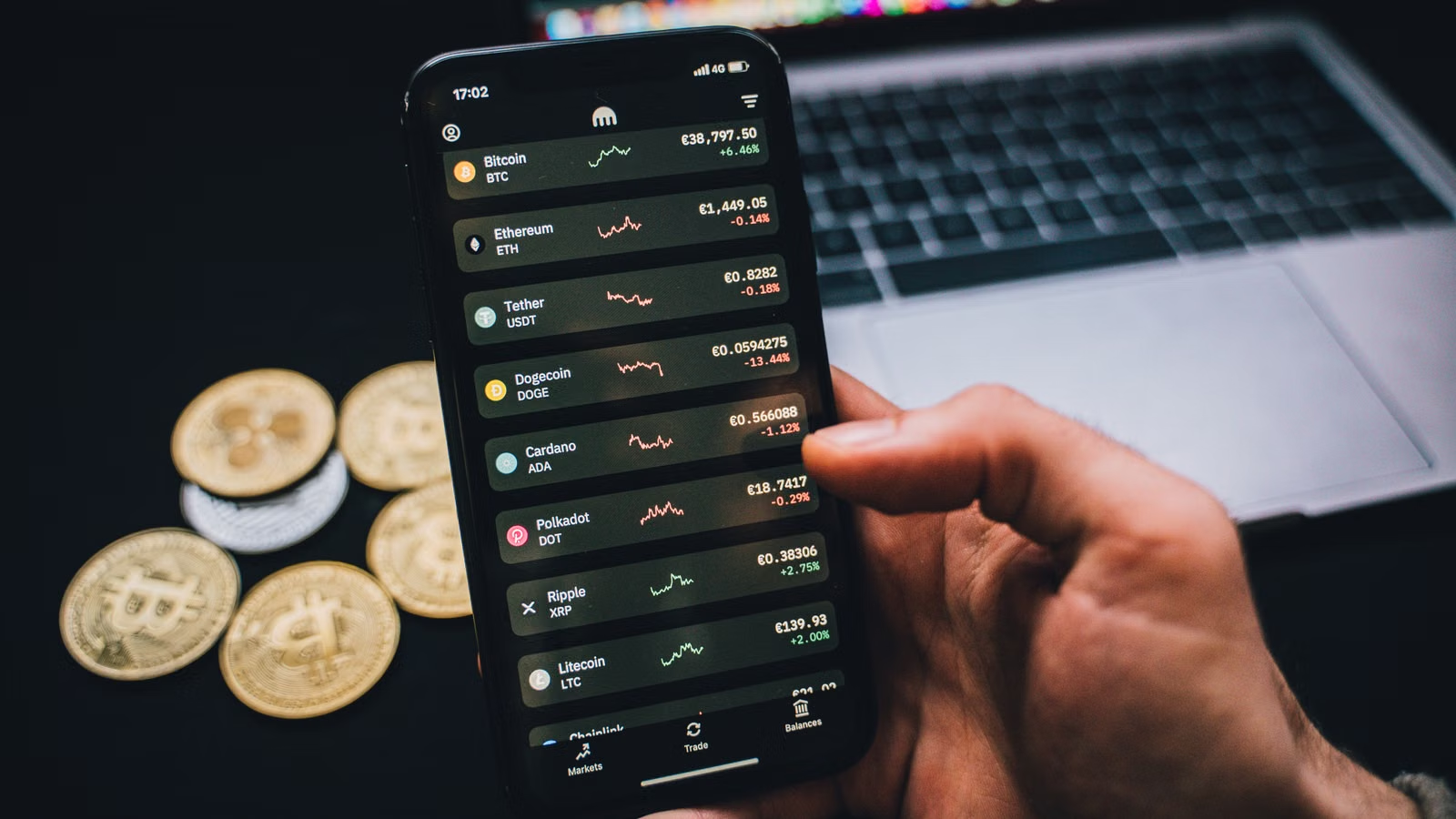
Stablecoins can be useful for cross-border transfers, connecting currency conversions, and temporarily keeping funds on-chain. With dollar-pegged stablecoins such as USDT and USDC, payments can become less dependent on banking hours when both parties already use compatible networks. If the recipient ultimately needs fiat in a bank account, conversion and withdrawal still determine the overall efficiency. To assess whether stablecoins suit your needs, follow the funds from their source to their final use. A dollar peg is a value target: it does not make a stablecoin a dollar bank deposit or mean that holding it automatically earns interest.
Key Takeaways
- Convenient cross-border transfers depend on both parties supporting the same asset and network.
- On-chain confirmation, platform crediting, and funds available in a bank account are separate stages.
- Stablecoins can connect conversions and payments, but they do not eliminate exchange-rate risk or conversion costs.
- Holding a dollar-pegged asset does not provide the same protections as holding a dollar bank deposit.
- Compare purchase, transfer, sale, and withdrawal costs together, beyond the network fee alone.
- Simply holding stablecoins does not automatically generate returns. Yield products have separate conditions and risks.
Cross-Border Payments: When Are Stablecoins More Convenient?

The cross-border benefits of stablecoins are easier to realize when both parties already hold and intend to keep using the same asset. Payment can take place on a supported blockchain, allowing the recipient to proceed with another on-chain transaction without first receiving a bank deposit. If the recipient only needs fiat in a bank account, however, the payment process still includes conversion, review, and bank processing. The endpoint for measuring speed must reflect those additional stages.
What Waiting Can Be Reduced When Both Parties Already Use Stablecoins?
Suppose you need to pay a business partner in another region over the weekend. The partner accepts USDC on a specified network and plans to use it for another on-chain payment. After confirming the asset, network, and address, you can transfer it directly. There is no need to wait for bank currency conversion and a cross-border transfer, followed by the recipient buying stablecoins again.
This convenience comes from the funds already being in a compatible on-chain environment. Blockchain networks generally operate continuously, and a transaction hash helps both parties check confirmation status. Federal Reserve researchers’ analysis of stablecoin cross-border payments explains that stablecoins may reduce some intermediary steps, while fiat conversion can still add costs.
Practical availability also depends on network operations, wallet support, and the platform’s deposit and withdrawal status. A sender’s support for a stablecoin does not establish that the recipient supports every network version of it. Internal transfers on custodial platforms may also use different accounting and fee arrangements. First confirm that both parties can complete the same route, then compare processing speed.
What Happens If the Recipient Needs a Bank Deposit?
If your partner needs the money for a bank debit, receiving stablecoins is an intermediate step. After on-chain confirmation, the receiving platform may still need to credit and review the deposit. The recipient then sells the stablecoins and requests a fiat withdrawal before the funds become available in a bank account.
These stages cannot be reduced to one “arrival time.” A successful transaction shown in a blockchain explorer establishes that an on-chain transfer occurred. It does not establish that the platform credited it or that the bank received fiat. Banking days, payment systems, document reviews, and limits can all affect the remaining process.
For payments with a firm deadline, agree in advance whether delivery means stablecoins or fiat in a bank account, and who pays the associated costs. If the recipient expects a specified net fiat amount, include conversion and withdrawal deductions in the budget. An adequate on-chain transfer amount can otherwise leave the final bank receipt short.
Currency Conversion: How Can Stablecoins Connect Funding Needs?
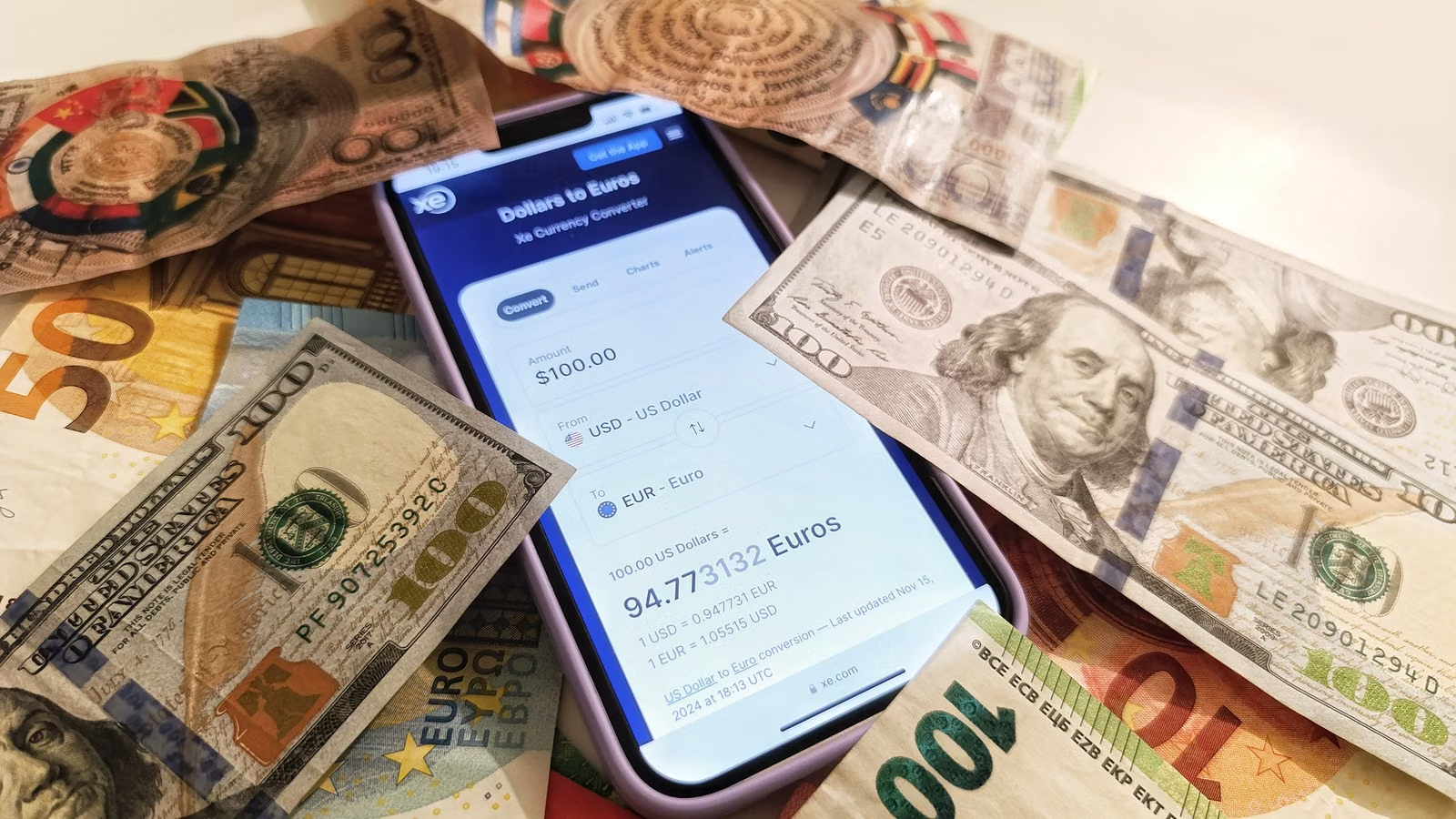
Stablecoins can serve as a temporary holding asset between two transactions, letting you decide how much to convert and how much to retain based on the next expense. The benefit mainly comes from avoiding unnecessary conversions back and forth. Stablecoins do not automatically provide a better exchange rate. If funds only need to move from one bank-held fiat currency to another, adding a stablecoin step can increase costs.
For example, suppose you receive 2,000 USDC. You plan to use 600 USDC for a later on-chain payment accepted by both parties and convert the remainder into fiat. Keeping the planned payment amount avoids selling the entire balance and then buying 600 USDC again. Any savings depend on the spreads and fees of those conversions, beyond simply having fewer steps.
Conversely, if your funds are already bank-held U.S. dollars and the recipient only accepts dollar bank transfers, a “dollars–stablecoins–dollars” route may be unnecessary. Additional steps are useful only when the full quote, payment availability, or another specific condition creates an advantage. If the receiving currency is euros, you remain exposed to changes in the dollar-euro exchange rate. A dollar-pegged stablecoin does not remove that foreign-exchange exposure.
Conversion prices also depend on bid-ask spreads, platform charges, order size, and liquidity. The same stablecoin can have different executable prices across platforms. A displayed value close to one dollar does not mean every purchase and sale can occur at one dollar. For larger orders, check the quantity available at the quoted price. A screen quote for a small amount may not apply to the entire balance.
When arranging conversions around your funding needs, you can include the available routes through Biya cross-border transfers in your comparison. Check fiat-to-fiat conversion, digital-asset-to-fiat conversion, and the subsequent receiving requirements separately. Compare the final receiving currency and net amount, and confirm that the relevant account accepts the payment method.
Converting in portions can align funds more closely with expense timing, but it can also increase the number of fixed charges. If you retain part of a balance, check the network for the future payment, the available amount, and any funds required for fees. Otherwise, you may discover another transfer or conversion is necessary when payment is due.
Holding Funds: What Can Dollar Stablecoins Offer, and What Risks Remain?
Dollar stablecoins let you temporarily retain on-chain assets that target a dollar value, ready for later payments or conversions on supported networks. This can reduce the need to hold a highly volatile crypto asset between transactions. Holders still face issuer, custody, technical, and conversion risks. How long you hold the funds and which currency you will eventually spend affect whether the choice fits your needs.
What Is the Use of Temporarily Holding a Dollar-Pegged Asset?
Suppose you have sold an on-chain asset, but your next payment is not yet due. Temporarily holding the proceeds in a dollar stablecoin keeps the balance in a form usable for relevant on-chain transactions. Compared with continuing to hold a more volatile asset, a dollar-pegged stablecoin targets a stable value relative to the dollar, making it easier to plan later dollar-denominated expenses.
This does not guarantee value preservation. A stablecoin can lose its peg, and a platform can suspend withdrawals. If you will eventually spend euros, a weaker dollar reduces the associated purchasing power. Even if the token quantity is unchanged and its dollar price remains close to the peg, you may receive fewer euros when converting.
Match the amount held to a defined use and expected timing. If the funds are needed for near-term living expenses or scheduled bank debits, consider whether conversion and withdrawal can be completed in time. Transferability does not mean that funds are immediately usable for every bill.
How Do Stablecoins Differ from Dollar Bank Deposits?
Bank deposits and stablecoins involve different holder rights, institutional obligations, and ways to access funds. Deposit protection depends on the jurisdiction, institution, and account conditions. Bank deposits held within a stablecoin’s reserves do not automatically give token holders equivalent deposit protection.
For example, the USDC holding and redemption terms, updated on October 15, 2026 and applicable to holders outside the European Economic Area, state that USDC itself does not generate interest or returns for holders. USDC held in a Circle Mint account is also outside the deposit insurance protections specified in those terms. Direct redemption with the issuer remains subject to account eligibility and other conditions.
Assess self-custody and platform custody separately as well. Self-custody requires you to safeguard private keys and operate the wallet correctly. Platform custody adds dependence on the platform account and its withdrawal services. Some issuers can restrict transfers involving addresses under applicable rules. Keeping assets in a personal wallet therefore does not remove all freezing risk.
If a platform displays stablecoin yield, check whether the funds enter a rewards program, lending arrangement, or another product, along with withdrawal timing and risks to principal. Holding a payment asset and participating in a yield product are separate decisions.
Do Stablecoins Save Money? Compare the Complete Funding Route
Whether stablecoins reduce costs depends on where the funds start, where they ultimately go, and how many conversions and transfers occur along the way. The network fee is only one component. A route in which both parties keep using stablecoins has a different cost structure from one involving a bank-funded purchase, a stablecoin transfer, a sale, and a bank withdrawal.
Which Costs Apply from Buying Stablecoins Onward?
| Stage | Costs to Check |
|---|---|
| Funding a platform with fiat | Deposit fees and payment-method surcharges |
| Buying stablecoins | Purchase spreads, trading fees, premiums, or discounts |
| Withdrawing and transferring on-chain | Platform withdrawal fees, network fees, and whether they are combined |
| Converting after receipt | Sale spreads, trading fees, and order-size-related price impact |
| Withdrawing to a bank | Withdrawal, intermediary-bank, and receiving fees |
| Additional currency conversion | Exchange-rate markup for the final receiving currency |
When calculating each stage, check whether the quote already includes a particular charge. A platform’s withdrawal fee does not necessarily equal the actual network fee. If you calculate the result from final execution prices and net receipts, do not deduct spreads already reflected in those amounts again. Cross-check applicable Biya charges in the Biya Fee Center against the actual order details.
A stablecoin cross-border remittance field study published by Banca d’Italia in July 2026 tested transfers of 200 USDC across ten corridors. It found that fiat entry and exit stages were important sources of costs and processing time. The findings illustrate why payment efficiency needs to be assessed across the complete route. Lower on-chain fees alone may not substantially improve the final result.
Compare Net Receipts and Availability Using the Same Budget
Assume the sender has a total budget of $1,000 and the recipient needs a dollar bank balance. The following is a hypothetical calculation: each stablecoin is valued at one dollar, all charges come out of the total budget, and the transfer charge includes the network fee.
| Stablecoin Route Stage | Assumed Deduction | Amount Remaining |
|---|---|---|
| Buy stablecoins | $5 | 995 stablecoins |
| Transfer to the receiving service | Stablecoins worth $1 | 994 stablecoins |
| Sell for dollars | $6 | $988 |
| Bank withdrawal and receipt | $3 | $985 received in the bank account |
The total cost is $15, or 1.5% of the budget. If a bank or money transfer service quotes an all-in deduction of $12 from the same budget and a net receipt of $988, that option delivers more in this example. The result can change if the stablecoin route’s conversion costs fall or the bank route’s charges rise.
If the recipient keeps or uses the stablecoins, the calculation can stop at receipt of 994 tokens, without an immediate sale or bank withdrawal charge. That serves a different funding purpose, however. Receiving 994 on-chain tokens and receiving $985 in a bank account are different delivery outcomes. Future withdrawal costs still matter if fiat will eventually be needed.
Compare speed using the same endpoint too. If bank funds are required, measure when those funds become available. If on-chain assets are required, measure when the recipient can actually use them. For another fiat currency, obtain final quotes at the same time and in the same receiving currency. Exchange-rate differences can outweigh savings on network fees.
Which Needs Suit Stablecoins, and Which Suit Direct Fiat Payments?
Stablecoins are more likely to offer convenient transfers and temporary holding when the funds’ next use is already within a compatible on-chain environment. If both the starting point and endpoint are in the banking system, or you need fiat available by a firm deadline, direct fiat payment deserves early consideration. Choose based on whether the entire route meets your needs, beyond the apparent convenience or low cost of an individual step.
| Practical Need | Main Consideration |
|---|---|
| Both parties already hold and accept the same stablecoin | On-chain transfer benefits are easier to realize |
| Further on-chain payments are planned | Retaining part of the balance may avoid repeated conversions |
| The recipient only accepts bank funds | Compare the complete conversion and bank payment result |
| Funds must be available by a firm deadline | Check end-to-end timing and prepare a workable backup payment method |
| Deposit protection or a defined interest arrangement is required | Compare bank deposits and the conditions of the relevant products separately |
To narrow your options, first examine the issuance and redemption mechanism, then the conversion channels and custody arrangements you can actually use. Clear reserve information, sufficient liquidity in the intended market, and platform permission for the relevant payments all affect whether funds can be used as planned. Larger amounts require closer checks on executable quantities and actual limits. A small test alone cannot establish the terms for the entire balance.
Network compatibility also determines whether the convenience is achievable. If your assets are on one network and the receiving service only supports another, additional conversion or bridging may be needed. This adds costs, waiting, and technical risk. A route that directly connects the source of funds with their intended use is generally easier to manage than one with an increasing number of intermediate steps.
If your needs involve both stablecoins and bank-held fiat, allocate funds according to the currency, timing, and receiving account for your next expense, then compare Biya’s available conversion and transfer routes. Base fiat-to-fiat and digital-asset-to-fiat conversions on actual quotes, checking net receipts after charges, receiving requirements, and estimated processing times. Retain conversion and payment records. For confirmed bank expenses, prioritize funds available in the relevant account, while matching on-chain balances to their subsequent use. This can help avoid repeated conversions simply to connect payments. Service availability depends on your location, identity verification results, platform rules, and applicable laws and regulations.
Frequently Asked Questions
Where Does the Stablecoin Yield Displayed in a Wallet Come From?
Check the specific product. A displayed annualized yield does not mean the stablecoin automatically pays interest. Returns may come from platform rewards, lending, or other uses of the funds, each with different participation conditions, risks to principal, and exit restrictions. Also check whether the rate varies, rewards are temporary, or withdrawals require a waiting period.
Do You Need Separate Network Fee Tokens to Transfer Stablecoins?
It depends on the network and wallet or platform. Some self-custodial transfers require the network’s native token to pay fees. Custodial platforms may deduct fees from the asset being withdrawn, while other services may arrange fee sponsorship. Before submitting, check the fee currency, amount, and recipient’s net receipt. A sufficient stablecoin balance alone may not be enough to send.
Can USDT and USDC Be Sent to the Same Receiving Address?
An identical address does not establish that both assets will be credited. Some wallets can receive multiple tokens at the same address on one network, but a custodial platform may support only specified assets, networks, or token versions. Before sending, check the asset name, network, and recipient’s supported options together, beyond the address format alone.
Why Does a Dollar Stablecoin Balance Change in Value in Your Spending Currency?
Targeting a dollar value does not fix an asset’s value relative to other currencies. Changes in the dollar’s exchange rate against your spending currency affect its equivalent value. Stablecoin premiums or discounts and platform valuation methods also affect the displayed balance. When converting, the executable price and fees matter too; the wallet’s estimate is insufficient.
Can Every Stablecoin Holder Redeem Dollars Directly with the Issuer?
No. Direct redemption depends on the issuer, applicable region, account eligibility, and relevant terms. Some holders primarily sell through trading platforms or other conversion services. Their prices, fees, and processing times can differ from issuer redemption. Before allocating funds, confirm which exit channels you can actually access.
Can a Mistaken Stablecoin Payment Be Reversed Like a Card Payment?
Completed on-chain transactions generally cannot be directly reversed. A voluntary refund from the recipient usually requires a new transaction. Platform assistance or an issuer freeze does not establish that the funds have been returned. If you discover an error, save the transaction hash and promptly contact the relevant service. Recovery depends on address control, technical capabilities, and the circumstances of the case.
*This article is provided for general information purposes and does not constitute legal, tax or other professional advice from BiyaPay or its subsidiaries and its affiliates, and it is not intended as a substitute for obtaining advice from a financial advisor or any other professional.
We make no representations, warranties or warranties, express or implied, as to the accuracy, completeness or timeliness of the contents of this publication.
Related Blogs of

Paying for Claude with USDT: Payment Options, Fees, and Limitations


Stock Investing Apps for Research: Screeners, Financials, and Analyst Reports Compared





Choose Country or Region to Read Local Blog
 Australia
 Austria
 Belgium
 Canada
 Cyprus
 Czech Republic
 Denmark
 Estonia
 Finland
 France
 Germany
 Greece
 Hong Kong
 India
 Indonesia
 Ireland
 Italy
 Japan
 Latvia
 Lithuania
 Luxembourg
 Malaysia
 Malta
 Morocco
 Nepal
 Netherlands
 New Zealand
 Norway
 Pakistan
 Philippines
 Poland
 Portugal
 Romania
 Singapore
 Slovakia
 Slovenia
 South Africa
 South Korea
 Spain
 Sweden
 Thailand
 United States
 Turkey
 United Arab Emirates
 United Kingdom
 Vietnam