
Best Way to Exchange Currency: Banks, Exchange Services, and Cards Compared





There is no single best way to exchange currency for everyone. Cash for your arrival, everyday card purchases, and payments to a foreign currency account involve different products and charges. A bank may offer convenient cash ordering, an exchange service may provide a clearer quote, and a card can reduce how much cash you need to carry. What matters is how much usable foreign currency you receive for the same budget and purpose—or how much leaves your account to settle the same foreign currency bill. Focusing only on “zero commission” or a displayed exchange rate can leave out exchange rate margins, withdrawal fees, and subsequent transfer costs.
Key Takeaways
- Separate cash exchange, account conversion, and card payments before comparing costs.
- Zero commission does not rule out an exchange rate markup; check the full quote.
- Bank cash exchange differs from account conversion, and sending money may cost extra.
- Card purchases, ATM withdrawals, and merchant conversion require separate cost checks.
- Consider cash needs, payment deadlines, and backup arrangements alongside the rate.
How Should You Compare Banks, Exchange Services, and Cards?
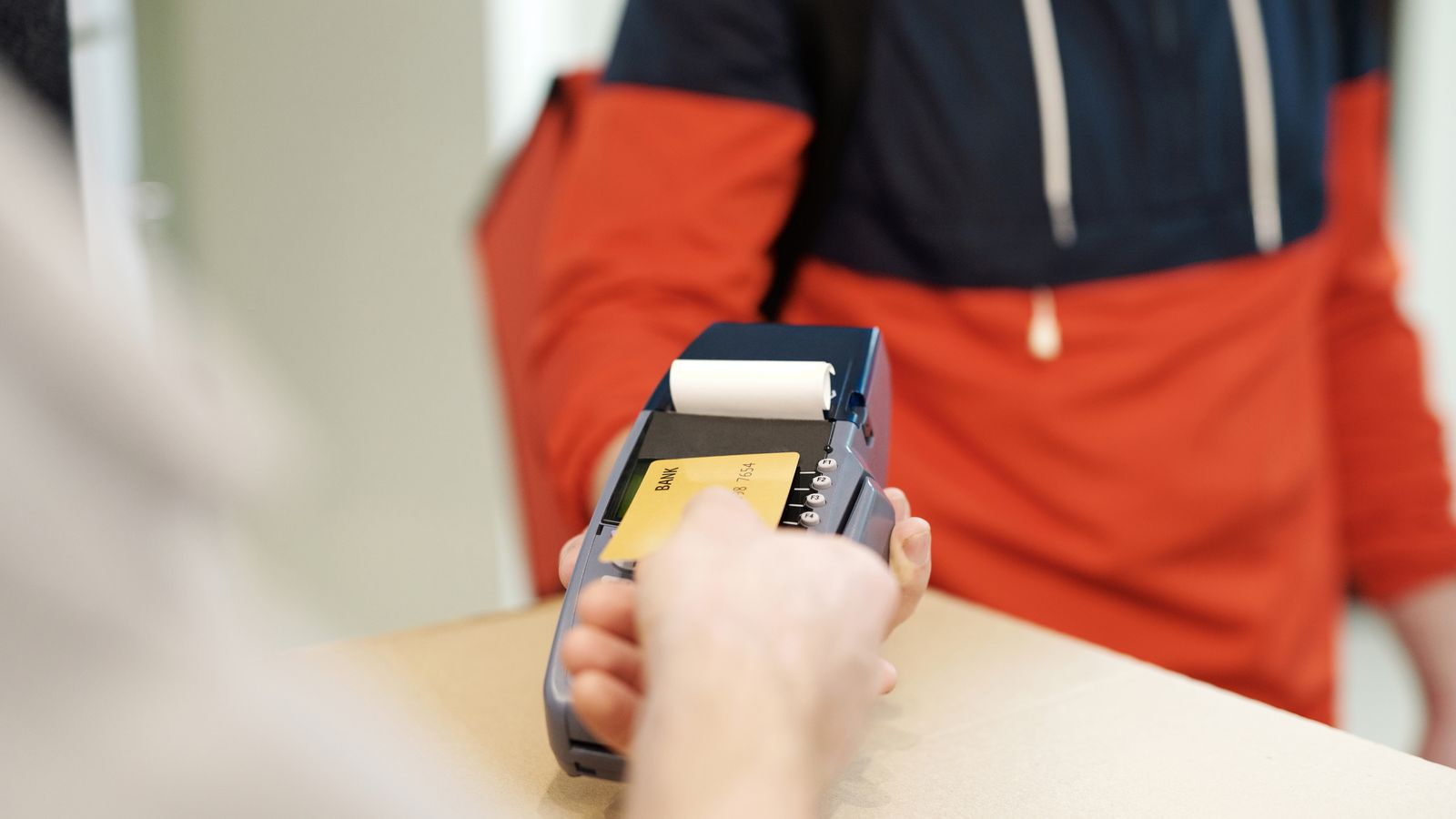
Start with the same purpose, currencies, amount, and quote time. An exchange counter gives you banknotes, an online account adds a foreign currency balance, and a card settles a purchase. Even if all three display a US dollar-to-euro rate, their quotes do not necessarily cover the same service. First establish where you will use the currency and when it must be available, then compare the total cost of suitable options.
| Method | What you receive | Main costs to compare | Requirements to check |
|---|---|---|---|
| Bank cash exchange | Banknotes in the requested currency | Cash exchange rate, fees, delivery or collection costs | Stock, ordering time, customer eligibility |
| Physical exchange counter | Cash collected immediately or after ordering | Buy/sell direction, final amount received, minimum charges | Opening hours, denominations, cash availability |
| Online exchange service | A foreign currency account balance | Exchange rate, conversion fee, plan charges, later transfer costs | Account eligibility, supported currencies, payment routes |
| Card purchase | Payment of a merchant's bill | Network or issuer exchange rate, foreign transaction fee, DCC | Card acceptance, limits, account settings |
| ATM withdrawal | Foreign currency cash dispensed by a machine | Conversion costs, withdrawal fees, ATM operator charges | Withdrawal limits, available ATMs, card terms |
The mid-market rate provides a reference point. The mid-market exchange rate generally refers to the midpoint between buying and selling rates, but it does not mean an individual customer can obtain banknotes or make a payment at that rate. Providers may charge a separate fee or build their margin into the exchange rate. Either approach needs to be included in your comparison.
For example, retail bank exchange rates may already include a markup, while cash services also involve inventory, transport, and handling costs. The absence of a separate fee does not establish that an exchange has no cost.
When requesting a quote, ask: “If this is my total budget, how much of the target currency will I receive after all charges?” If you need to settle a fixed foreign currency bill, compare the total amount debited instead. Both approaches are more useful than asking about the rate alone. However, cash in hand is not equivalent to an account balance that still requires a paid withdrawal.
Exchanging Currency Through a Bank: Separate Cash From Account Conversion

A bank can suit customers who want to use an existing account and have clear delivery arrangements. However, “exchanging currency at a bank” covers several services. Ordering banknotes, converting money within an account, and sending foreign currency to someone else may involve different rates and charges. Explain whether you ultimately need cash or an account deposit before requesting a quote. Weigh the convenience of your existing banking relationship against price and processing time.
For Foreign Currency Cash, Check Stock and Delivery Conditions First
When you need cash, a list of supported currencies is only a starting point. Check whether a nearby branch has stock, whether you must order ahead, and whether it can supply smaller denominations suitable for everyday spending. Being able to hold a currency in an account does not mean a branch can immediately provide the corresponding banknotes.
For example, Bank of America's foreign currency cash ordering has account eligibility and order amount requirements for online purchases. Available banknote denominations also affect the final quantity ordered. Collection conditions can therefore influence your decision alongside the quote. Other banks' eligibility, stock, and delivery arrangements need to be checked individually.
When comparing a bank with an exchange counter, include delivery charges, travel time to the branch, and the risk of missing your collection deadline. Discovering shortly before departure that you needed an advance order may force you to switch providers. Also consider how much cash you are likely to use at your destination. Do not exchange substantially more than you need simply because a larger order might spread a fixed fee across a greater amount.
Account Conversion Does Not Mean the Recipient Has Been Paid
Converting dollars into euros within your account gives you a euro balance. To pay a euro bill through another bank, check whether the transfer route is supported, whether the recipient's account details are complete, and whether sending, receiving, or intermediary institutions may deduct charges.
Check the fees and exchange rate conditions for international bank wire transfers separately from account conversion. A route with no sending fee does not necessarily have no exchange rate markup, nor does it guarantee that the recipient receives the full amount shown when you place the order.
Payment deadlines can also change which option makes sense. An attractive exchange quote may be unsuitable for a bill that is about to fall due if you still need account approval, transfer processing, or receiving-bank crediting. Before proceeding, check how weekends, holidays, and cutoff times affect the estimated arrival. Distinguish between “conversion completed,” “transfer sent,” and “funds available in the recipient's account.”
Specialist Exchange Services: When Do Counters and Online Accounts Make Sense?
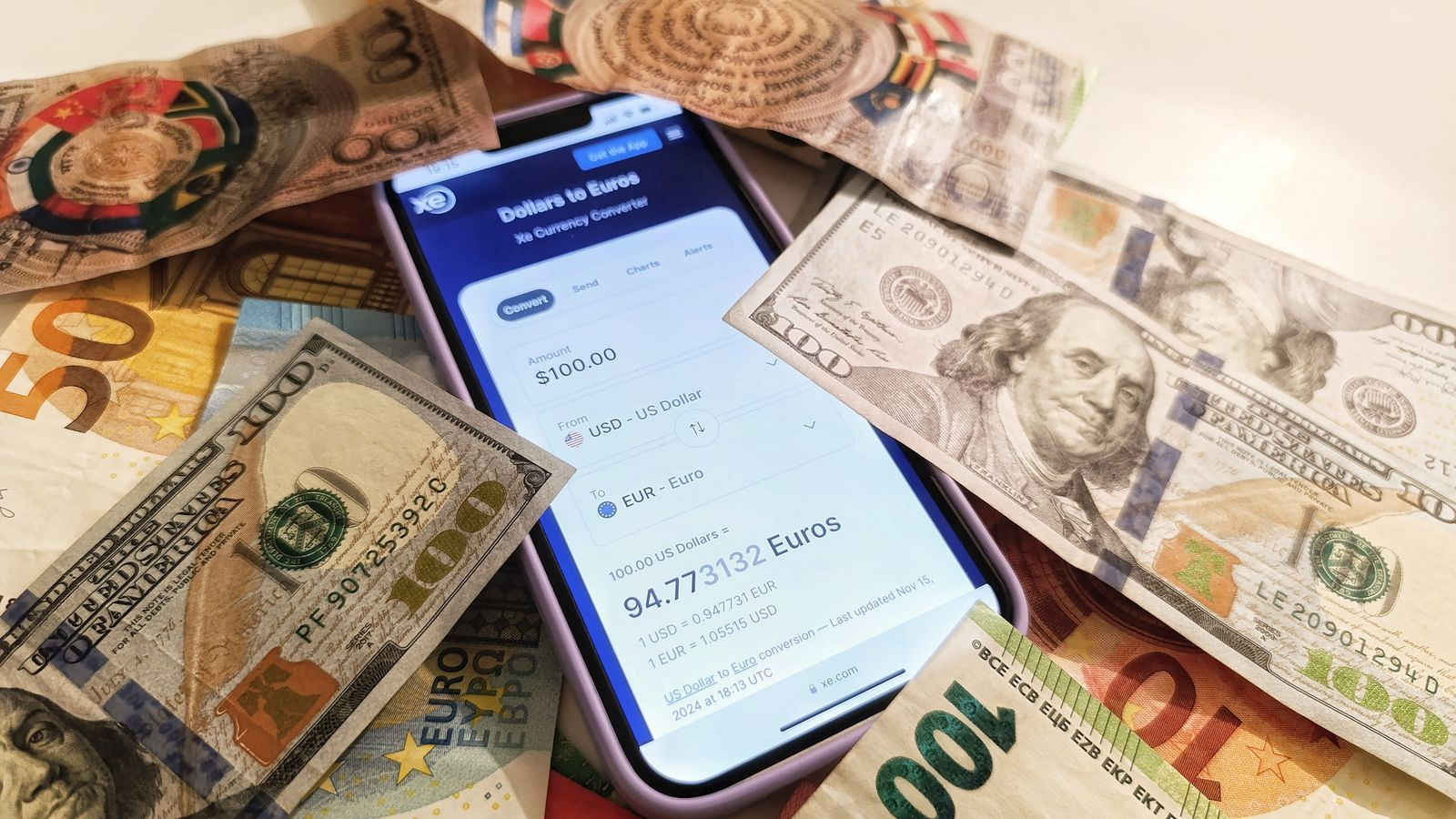
Specialist exchange services are worth including in your comparison, but physical cash counters and online multicurrency accounts meet different needs. Counters suit people who need banknotes and a specific collection location. Online accounts suit people who want to hold foreign currency or make payments through supported routes. A competitive account conversion quote does not mean obtaining cash through the same provider will be equally inexpensive: withdrawals and transfers may add charges.
Physical Exchange Counters: Compare the Cash You Actually Receive
“Buy” and “sell” rates displayed at a counter are generally expressed from the exchange provider's perspective. If you exchange dollars for euros, you need the provider's rate for selling euros. Exchanging leftover euros back into dollars uses the opposite direction. The gap between these rates affects the cost of exchanging money and then converting it back.
Ask whether the advertised rate applies to your amount, whether there is a commission or minimum charge, and whether online reservations and walk-in purchases have the same price. For example, Travelex's travel money services distinguish between arrangements such as online ordering, delivery, and counter collection. A price for one channel should not automatically be applied to another.
The convenience of an airport counter can have value, but do not assume every airport counter is the most expensive or every city-center location is inexpensive. Obtain complete quotes for the same amount at approximately the same time where possible. If opening hours or collection locations restrict your choices, you can cover your immediate small cash needs first, then compare options for the rest. An attractive rate may offer little benefit if it requires excessive travel time or transport costs.
Online Exchange Services: Check Rates, Fees, and Account Restrictions
Online conversion can make it easier to see balances before and after an exchange. Even so, distinguish between a mid-market rate with an explicit fee and a transaction rate containing a markup. Wise account currency conversion displays the applicable rate and fee. Whether it suits you also depends on account availability, currencies, and how you will use the money. The pricing structure alone cannot establish the lowest total cost.
Plan allowances and timing conditions also matter. Revolut's UK exchange charges include rules related to plans, allowances, and weekends. These are product terms for a particular market; they do not mean all online currency exchanges charge extra on weekends.
If a service requires a subscription, consider whether your expected use justifies the cost. A converted balance may still require a transfer, withdrawal, or payment before you can use it for your intended purpose. Check account opening, funding, and withdrawal availability before exchanging money so that funds do not end up in an account unsuitable for your needs.
Using Cards: Purchases, Withdrawals, and DCC Have Different Costs
A card's value depends on how you use it. Paying a foreign currency bill directly, withdrawing cash at an ATM, and accepting merchant-provided currency conversion involve different pricing stages. A card with low foreign currency purchase costs may be expensive for cash withdrawals. A card that holds multiple currencies also does not necessarily prevent a merchant from first converting a payment at its own rate. Check purchases, cash withdrawals, and settlement currency separately.
Card Purchases: Issuer Fees Can Apply Beyond the Network Rate
When a card network or issuer handles conversion, the billed amount can depend on the applicable exchange rate, transaction processing time, and foreign transaction fee. Mastercard's currency conversion calculator provides estimates, but notes that an issuer may use a different exchange rate or impose additional charges. A calculator can help you assess expected costs; it does not replace your statement.
Similarly, use Visa's exchange rate calculator alongside your specific card terms. No foreign transaction fee generally means a particular charge is waived. It does not also eliminate merchant conversion, ATM withdrawal charges, or every other fee.
For multicurrency cards, check the balance deduction order: whether the card prioritizes a sufficient balance in the transaction currency, which currency it converts from if that balance is insufficient, and whether it can draw from several balances. Converting in advance establishes the cost of the currency already purchased, but does not guarantee a better outcome than converting on the payment date.
ATM Withdrawals: Include Both Issuer and Machine Operator Charges
An ATM withdrawal can involve the issuer's withdrawal fee, charges after an allowance is exceeded, the machine operator's fee, and conversion costs. For example, Wise card ATM withdrawal charges vary with conditions such as the card's issuing region. The ATM itself may also charge, so an advertised free withdrawal allowance is only part of the calculation.
Where fees apply per withdrawal, making many small withdrawals can increase costs. However, withdrawing too much at once creates additional cash security concerns and leftover currency to manage. Choose an amount based on expected use, daily limits, and safety needs, rather than focusing only on spreading a fixed charge over a larger withdrawal.
Distinguish debit cards from credit cards as well. The US Consumer Financial Protection Bureau explains that a credit card cash advance at an ATM may attract a cash advance fee and start accruing interest immediately. Your card agreement determines the details, but a credit card withdrawal should not be estimated as though it were an ordinary purchase.
DCC: Identify the Settlement Currency and Who Performs the Conversion
Dynamic currency conversion, or DCC, is a conversion option offered by a merchant or ATM. When you have a bill in the local currency, the terminal offers to settle it in your card's currency instead, using its own conversion quote.
Visa's explanation of DCC emphasizes disclosure of the applicable exchange rate, charges, and currency choice. Choosing to pay in the local transaction currency will generally avoid that particular conversion by the merchant or ATM. Whether your issuer subsequently converts the payment or applies other charges still depends on your card terms.
When a terminal offers to “pay in your currency,” identify the conversion provider, final debit currency, and quoted price before accepting. A familiar currency amount is not enough to establish good value. Check the receipt afterward, and promptly contact the merchant or card issuer if the recorded currency differs from your choice.
Summary: Assessing card costs requires three separate checks: who converts purchases, which charges apply to cash withdrawals, and whether the terminal adds its own conversion. Declining DCC addresses the merchant or ATM conversion stage; it does not replace checking issuer fees. Evaluate the card terms, terminal quote, and posted transaction together.
Choose a Combination That Fits Your Needs
A practical approach is to assign each method an appropriate role. Obtain essential cash through a channel that can deliver on time, use a widely accepted card with clear fees for everyday purchases, and compare actual recipient amounts for account payments. You do not need to route all your money through one provider or add several transfers to capture a small rate difference. Consider cost, availability, and backup arrangements together.
| Your need | Options worth comparing first | Main decision factors |
|---|---|---|
| A small amount of cash on arrival | Bank cash orders, physical exchange counters, suitable ATMs | Collection time, denominations, minimum charges, transport costs |
| Card payments for most spending | Debit or credit cards with clear foreign currency charges | Acceptance, issuer fees, DCC choices |
| Regular cash access during a trip | Cards supporting local withdrawals and reliable ATMs | Per-withdrawal fees, allowances, operator charges, cash needs |
| Payment to a foreign currency account | Bank account conversion, online exchange and transfer services | Total debit, actual recipient amount, processing time, payment route |
Use two different questions when comparing amounts. The following figures illustrate calculations only; they are not actual provider quotes.
Fixed budget: compare the foreign currency received. Suppose your total budget is $1,000. Provider A lists no separate fee and exchanges at €0.90 per dollar, giving you €900. Provider B first deducts a $10 fee from your budget, then exchanges the remaining amount at €0.92 per dollar. You receive 990 × 0.92, or €910.80. Despite listing a fee, B delivers more currency. This comparison assumes the same delivery method, timing, and subsequent charges.
Fixed bill: compare the final debit. Suppose a purchase costs €100. One card's base conversion is $110, with a 3% foreign transaction fee, bringing the total to $113.30. If the DCC quote is $116 and neither route has other charges, the first option costs less. The comparison depends on complete pricing conditions. If an issuer still charges a fee after you accept DCC, include that as well.
These examples also explain why there is no single best currency exchange method. Fixed charges have a greater relative effect on small transactions, while percentage markups grow with the amount exchanged. Request quotes for the amount you actually intend to use, rather than applying an advertised large-transaction example to a small exchange.
Travel plans also need flexibility. Visa's travel payment guidance encourages cardholders to consider payment currency and prepare their cards for use. Carry an appropriate amount of cash based on acceptance at your destination, and keep a backup payment method separately. For a payment approaching its deadline, prioritize having usable funds available on time rather than turning a necessary exchange into a bet on short-term currency movements.
Frequently Asked Questions
Are Currency Exchange Services Advertising “Zero Commission” Always Cheaper?
No. Zero commission usually means that a particular fee is not charged separately. A provider may still earn a margin through its exchange rate or apply delivery or minimum-order-related charges. Compare the same budget, currencies, and delivery method, then check the amount you receive after all charges rather than judging the commission line alone.
Do You Still Need Cash With a Card That Has No Foreign Transaction Fee?
Your need for cash depends mainly on payment acceptance at your destination and your itinerary. No foreign transaction fee does not mean every merchant accepts cards, nor does it make ATM withdrawals free. Consider carrying enough cash for cash-only transport, small purchases, and emergencies, while using your card for suitable everyday payments.
Does Exchanging Currency Before Departure Guarantee Protection From Exchange Rate Losses?
No. Exchanging in advance only establishes the cost of the currency you have already bought. Rates can subsequently move in either direction. Exchanging too much may also expose you to a spread and charges when converting unused money back. Base the decision on how much you need soon, when you will use it, and how much fluctuation you can accept—not on a guarantee of savings.
Do Online Currency Exchange Services Always Charge Extra on Weekends?
No. Weekend charges depend on the service, account market, plan, and transaction conditions. Some products apply weekend fees, while others use different pricing. Do not assume the same rule applies across a brand or the entire industry. Check your current quote before confirming, including how the provider defines the weekend and which time zone it uses.
Does Holding Euros on a Multicurrency Card Guarantee No Conversion on Euro Purchases?
No. You still need to check whether your euro balance is sufficient, whether the card prioritizes that balance, and whether the merchant submits the transaction in euros. If the terminal converts the euro bill into another currency through DCC, conversion may still occur. Confirm the currency when paying, then review the transaction details to establish how the payment was funded.
*This article is provided for general information purposes and does not constitute legal, tax or other professional advice from BiyaPay or its subsidiaries and its affiliates, and it is not intended as a substitute for obtaining advice from a financial advisor or any other professional.
We make no representations, warranties or warranties, express or implied, as to the accuracy, completeness or timeliness of the contents of this publication.
Related Blogs of

Choosing a Stock Trading App: Beginner Checklist


Crypto-Related Stocks vs Digital Assets: What Investors Actually Own


Crypto to Bank Account: Steps, Fees and Settlement Options
International Wire Transfer Time: What Affects Delivery?

Choose Country or Region to Read Local Blog
 Australia
 Austria
 Belgium
 Canada
 Cyprus
 Czech Republic
 Denmark
 Estonia
 Finland
 France
 Germany
 Greece
 Hong Kong
 India
 Indonesia
 Ireland
 Italy
 Japan
 Latvia
 Lithuania
 Luxembourg
 Malaysia
 Malta
 Morocco
 Nepal
 Netherlands
 New Zealand
 Norway
 Pakistan
 Philippines
 Poland
 Portugal
 Romania
 Singapore
 Slovakia
 Slovenia
 South Africa
 South Korea
 Spain
 Sweden
 Thailand
 United States
 Turkey
 United Arab Emirates
 United Kingdom
 Vietnam