
How to Transfer Money from Crypto to Bank Account




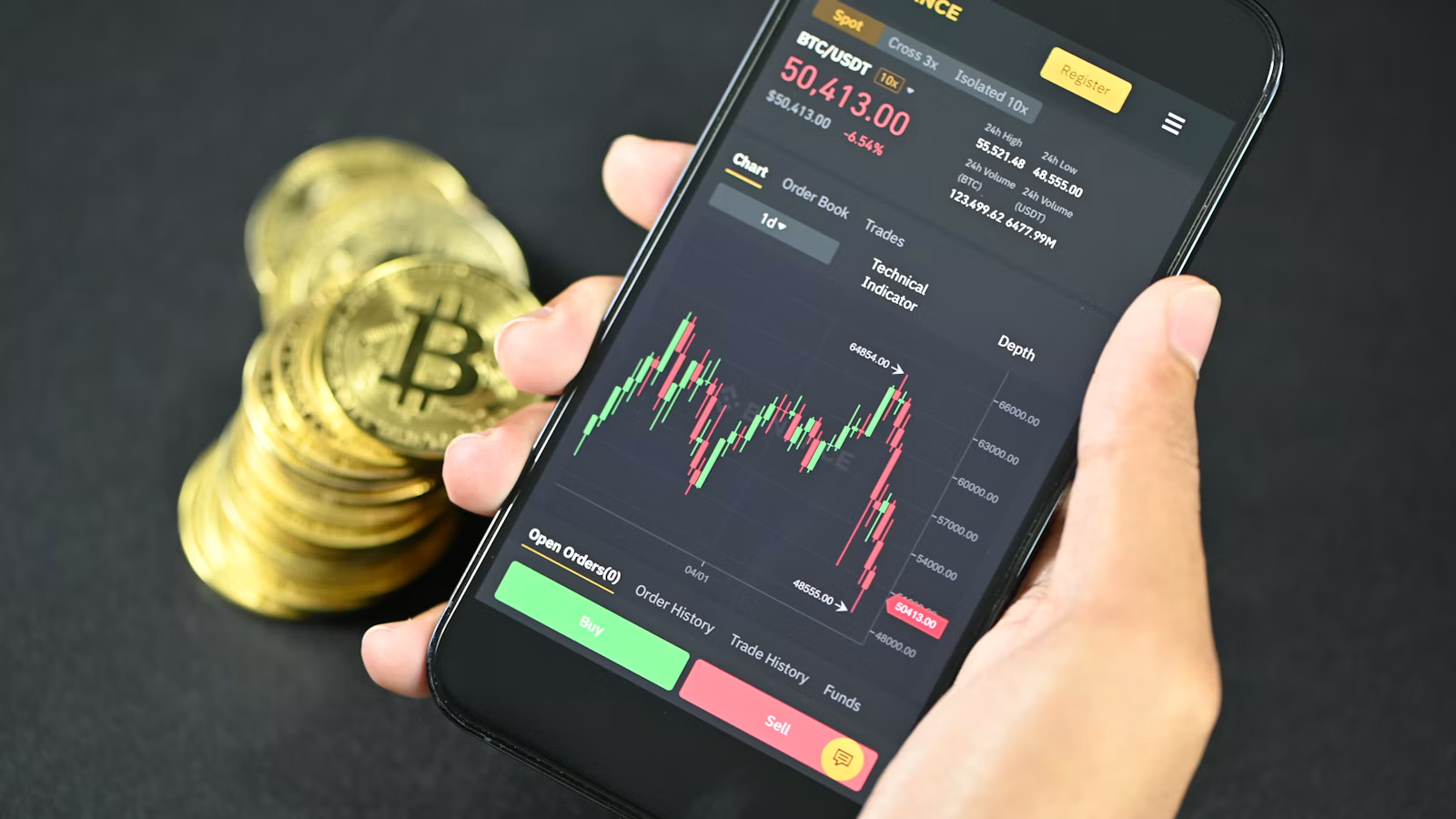
To transfer money from crypto to a bank account, you generally sell or convert your cryptocurrency into a supported fiat currency, then request a bank withdrawal. If your assets are in a self-custody wallet, you first need a service that can accept the crypto and arrange the cash payout. A bank account number cannot replace a blockchain deposit address.
The practical route depends on where your crypto is held, where you live, your receiving currency, and the services your bank accepts. Some providers combine conversion and payout in one order; others require separate steps. Before sending anything, confirm that the entire route works, including the final bank withdrawal. Compare the amount you expect to receive after fees, check when funds become withdrawable, and keep the records needed to trace the payment.
Key Takeaways
- Use a service that supports your country, cryptocurrency, blockchain network, payout currency, and receiving bank account.
- If your crypto is already on a platform with a suitable bank withdrawal option, an additional wallet transfer may be unnecessary.
- A wallet's Sell button may connect you to a separate provider responsible for identity checks, conversion, and bank payment.
- Compare the final bank receipt after network charges, conversion costs, withdrawal fees, and any applicable bank deductions.
- A completed crypto sale or blockchain transfer does not necessarily mean your funds are immediately available in your bank account.
Choose a Route From Crypto to Your Bank Account
The two common routes are selling through a platform that supports bank withdrawals, or using a wallet's integrated cash-out service. Your starting point determines which is practical. If an existing platform already supports the complete transaction, moving your assets elsewhere adds another transfer to check and potentially another charge.
An ordinary bank account receives a bank payment in a supported currency. Your blockchain transaction goes to the crypto service's deposit address, while the eventual cash payment goes to the bank details supplied through the withdrawal process. Keep those destinations separate.
| Where your crypto is held | Possible route | What to establish first |
|---|---|---|
| A platform offering suitable fiat withdrawals | Sell or convert, then withdraw the cash balance | Whether your account has the required sale and payout options |
| A self-custody wallet without a usable cash-out option | Send to a supported platform, sell, then withdraw | Accepted asset, network, deposit minimum, and bank eligibility |
| A wallet with an available Sell or Cash Out feature | Use its integrated provider to convert and pay your bank | Provider identity, supported region, quote, verification, and payout terms |
For example, selling crypto for cash on Coinbase can credit a cash balance before you make a separate withdrawal. Selecting a destination balance matters: a crypto or stablecoin balance is different from the fiat balance you intend to withdraw.
By comparison, selling through MetaMask involves integrated third-party providers. Availability depends on location and supported assets. The wallet provides access to the service, but the provider processes the order and bank payout.
Treat these as examples of how routes work, rather than evidence that either service supports every reader. Check the options displayed for your actual account and circumstances. If a service accepts your token but offers no usable withdrawal currency or bank method, it does not complete your route.
Summary: Start with the bank payment you need to receive, then work backward to a supported conversion service and crypto deposit method. Use your existing account when it already offers a suitable route. When a wallet introduces a third party, identify that provider and check its payout conditions before transferring assets.
Prepare Your Account, Bank Details, and Crypto Transfer

Prepare the receiving account and verify the withdrawal requirements before moving crypto. A successful deposit is of limited use if your identity verification remains incomplete, your bank account is ineligible, or the available payout currency does not match what your bank can receive.
Check requirements inside the service you plan to use. Proof of identity, address information, account ownership verification, or transaction records may be requested depending on the provider and transaction. Submit information through its authenticated app or website, and ask your bank about its receiving policy when the position is unclear.
Match the Bank Account to the Withdrawal Method
Use the bank's receiving instructions for the exact payment type. Depending on the route, you might need an account number and routing number, an IBAN, a sort code, or a SWIFT/BIC. A card number should only be entered when the provider explicitly offers an eligible card payout.
Check account ownership rules as well. Kraken's cash withdrawal instructions require a bank account under your control whose name matches the verified name or entity on the Kraken account. Do not assume that a relative's account, business account, or payment-service account can receive a personal withdrawal.
| Check | What you should verify |
|---|---|
| Account eligibility | Your location, verification status, and account type qualify for the service |
| Bank ownership | The account satisfies the provider's name and ownership requirements |
| Receiving currency | The bank can accept the selected currency and explains any automatic conversion |
| Payment details | You are using instructions for the selected local transfer or international wire |
| Limits | The planned amount fits deposit, trading, withdrawal, and bank limits |
| Supporting records | You can explain where the assets came from and supply relevant records if requested |
Check the Token, Network, and Minimum Amount
A token symbol alone does not identify the transfer route. A service might accept an asset on one network but not another. Use the receiving service's deposit instructions to verify the asset, network, address, and any required memo or destination tag.
The supported-network warning from Coinbase Global Exchange explains the potential for permanent loss when an unsupported or incorrect network is used. Verify network support in your own receiving account: the same token may be accepted on different networks across services.
If you make a test transfer, ensure the amount received satisfies the deposit minimum after relevant deductions. Kraken's deposit minimums explicitly warn that below-minimum deposits can fail and be permanently lost. A tiny test is not automatically a safe test.
Check how your wallet pays network fees, too. Some transactions require the network's native token; certain wallets support alternative fee-payment features. MetaMask's insufficient-funds guidance describes both native-token requirements and supported exceptions. Follow the requirements shown for your current wallet, network, and transaction.
Summary: Confirm the withdrawal conditions before depositing crypto. Match the bank ownership, currency, and payment details to the selected method, then verify the receiving token, blockchain network, and minimum amount. Test transfers still need to meet minimums, and network-fee payment depends on the wallet and transaction you use.
Transfer Money From Crypto to a Bank Account in Six Steps

The practical sequence is to confirm an eligible route, complete account checks, transfer crypto if needed, convert it, request the cash payout, and verify receipt. You can skip the crypto-transfer step when your assets are already available on the service you intend to use. For a combined conversion-and-payout order, follow that provider's order instructions instead of inventing a separate deposit or withdrawal.
-
Confirm that the complete route is available. Select your real country or region, target currency, asset, and payout destination. Check whether the displayed method pays a bank account or a card. Review limits and the expected net receipt before committing assets. Do not select inaccurate location details to access an unavailable option.
-
Complete verification and add the bank account. Finish the required identity and account checks. Enter bank information from your bank's own receiving instructions, then review the account holder name and currency. If the service requires a separate bank-ownership check, complete it before treating the destination as ready.
-
Transfer crypto only if the route requires it. Generate or select the receiving deposit address for the exact asset and network. Compare the destination after pasting it, enter any required memo, and review the amount and fee. A test transfer may help check the route when it meets the minimum and the extra cost is acceptable. Wait for the service to credit the deposit before attempting to sell it.
-
Sell or convert into the required payout currency. Choose the amount you actually want to cash out and review the execution terms. If you use a quoted conversion, check the quote's validity and final proceeds. If you place an order, confirm that it has filled; placing an order alone does not establish a completed sale. An extra conversion into USDT or USDC is not a universal requirement and can add cost and records to keep.
-
Request the bank withdrawal. Select the eligible cash balance, bank destination, and payment method. Review the amount, fees, expected timing, and recipient details before confirming. Where the provider combines the sale and payout, check the same information on its order preview. Keep the order confirmation and any bank payment reference.
-
Verify the bank receipt and reconcile the amount. Check your actual bank account for the payment, including its currency, amount, and availability. Match it to the withdrawal confirmation. If the amount differs, compare the conversion proceeds, disclosed fees, and bank deductions before raising a support request.
The distinction between an account's displayed value and withdrawable funds is particularly important at step five. Coinbase's available-balance rules explain that funds subject to a hold may be unavailable to send or cash out even when related crypto can be traded. Look at the withdrawal screen's available amount, rather than assuming that the portfolio total can leave the account.
| Milestone | Evidence to keep | What it establishes |
|---|---|---|
| Crypto transfer submitted | Transaction hash and selected network | A transfer was initiated or broadcast |
| Deposit credited | Receiving account's deposit record | The service recognized the incoming assets |
| Sale completed | Filled order or conversion confirmation | The conversion occurred at the recorded terms |
| Withdrawal submitted | Withdrawal ID and bank destination | A payout request exists |
| Payment received | Bank transaction and statement entry | The bank recorded the incoming payment |
You can see the final request stage in Coinbase's cash-out process: select an amount and destination, preview the withdrawal, then confirm the details and fees. The exact interface and available methods depend on the account, so use the current app rather than copying old screenshots.
For example, if your crypto is already on an eligible platform, the route may be simply sale, withdrawal, and bank receipt. If the same asset is in a hardware wallet, you add a supported blockchain transfer and deposit-crediting stage. That difference affects both the work involved and the potential cost.
Summary: Work through the transaction in order and keep evidence at each stage. Transfer crypto only when necessary, confirm the conversion has completed, and check the balance available for withdrawal. The process is complete when the receiving bank records the payment and you can reconcile the amount with the order and applicable charges.
Calculate the Total Cost Before You Cash Out
The most useful comparison is how much reaches your bank for the same amount of crypto sent. A low advertised withdrawal fee can be offset by a less favorable conversion quote, an additional transfer, or a bank charge. Compare routes using the same target currency and quotes obtained close together in time.
Separate the charges you can see from costs already reflected in the quoted amount. Coinbase's fee disclosures distinguish transaction charges and spreads included in simple buy, sell, and conversion pricing. A quote can therefore carry a conversion cost even when there is no separately itemized exchange-rate fee.
| Cost component | Where it can arise | What to check |
|---|---|---|
| Crypto withdrawal or network charge | Moving assets from a wallet or sending platform | Whether the charge is deducted from the transfer or paid separately |
| Sale or conversion fee | Exchanging crypto for fiat | The applicable charge and whether it is included in net proceeds |
| Spread | The conversion price offered | The quote compared with a relevant market price at the same time |
| Slippage | Execution in a moving or less liquid market | The actual fill compared with the expected execution price |
| Fiat withdrawal charge | Arranging the bank payout | Fixed, percentage, minimum, or maximum fees |
| Bank and currency-conversion charges | Receiving or routing the payment | Intermediary deductions, receiving fees, and any bank FX conversion |
Spread and slippage describe different effects. Coinbase's explanation of spread and slippage distinguishes the price adjustment in a quote from a difference between expected and executed prices. Neither should be assumed to be zero simply because the order interface looks straightforward.
A Worked Example of the Bank Receipt
Assume the crypto you plan to sell has a reference value of $1,000. The following figures are hypothetical and are not quotations from any provider.
| Calculation | Amount |
|---|---|
| Reference value of crypto sold | $1,000 |
| Conversion proceeds after a price adjustment already included in the quote | $994 |
| Separately charged sale fee | −$4 |
| Cash available after the sale | $990 |
| Fiat withdrawal fee | −$5 |
| Receiving bank fee | −$3 |
| Final bank receipt | $982 |
The difference from the reference value is $18, or 1.8%. If you also paid a separate $2 network charge to get the crypto to the service, your overall cost is $20, or 2% of the reference value. That separately funded charge would not appear in the bank-receipt calculation above.
If a provider already shows a final payout amount after its conversion and withdrawal charges, do not subtract those same costs again. Likewise, do not assume an estimated bank receipt includes fees charged independently by a receiving or intermediary bank. Ask what the quote includes when the interface does not make that clear.
Small withdrawals are particularly sensitive to fixed charges. In a hypothetical example, a $10 fixed fee uses 10% of a $100 payout but 1% of a $1,000 payout. That arithmetic helps explain the cost; it is not a reason to transfer more than you need or to delay a necessary payment.
Summary: Compare net bank receipts and separately funded costs using equivalent amounts, currencies, and timing. Identify what is already included in the quote to avoid double counting. Fixed fees, conversion pricing, and bank deductions can matter more than the headline withdrawal rate, especially for small transfers or payments involving another currency conversion.
Understand Processing Times and Find a Delayed Payment
A crypto-to-bank transfer can take minutes, hours, or several business days, depending on the route and any holds or reviews. There is no single end-to-end timeframe that applies to every token, platform, payment network, and bank. The estimate shown for your withdrawal method is more useful than a general claim that crypto transfers are fast.
Think of the total time as separate stages: blockchain transfer if needed, deposit crediting, conversion, release of withdrawable funds, and bank payment processing. Some happen quickly or overlap; others involve waiting. A fast first stage does not remove the later ones.
Kraken's deposit-confirmation requirements explain why a blockchain transaction may be visible before the account is credited. Providers can require a particular number of confirmations, and actual timing varies with network conditions. A transaction hash establishes a way to investigate the transfer, not that the bank payout has started.
For the bank leg, Kraken's cash withdrawal options list different estimates by method and region. Its published examples include 0–2 business days for eligible US ACH withdrawals and 1–5 business days for certain SWIFT withdrawals. These are provider-specific estimates, not universal delivery promises, and the current account screen takes precedence when options change.
| Where the payment appears to have stopped | Check first | Who can usually investigate the next step |
|---|---|---|
| Crypto send remains pending | Transaction status, selected network, and sending service status | Sending wallet or platform |
| Blockchain confirms receipt, but the deposit is missing | Destination, asset, memo/tag, confirmation count, and minimum | Receiving crypto service |
| Sale is complete, but withdrawal is unavailable | Available balance, holds, limits, and outstanding account checks | Platform or conversion provider |
| Cash payout is processing | Quoted timeframe, business days, and any request for information | Payout provider |
| Provider reports payment sent, but the bank has no credit | Payment reference, recipient details, and bank processing | Provider and receiving bank |
| Withdrawal is rejected or returned | Rejection reason, receiving policy, account details, and currency | Provider and receiving bank |
Check what a status means for that particular provider. “Complete” can refer to the conversion order or the provider's processing stage, rather than the bank's final credit. Ask for a bank payment reference when the provider says the funds have been sent and the expected arrival window has passed.
When opening a support request, include the amount, currency, date, order ID, and relevant transaction hash or bank reference through the official channel. Describe the last confirmed stage. This is more actionable than saying that the money disappeared, and it avoids sending unrelated personal documents before they are requested.
Do not submit a replacement transfer merely because the first one is slower than expected. First establish whether the original is pending, failed, or returned. An unnecessary second order can create duplicate payments and another set of fees without resolving the first transaction.
Summary: Trace a delay by identifying the last completed stage. Blockchain confirmation, platform credit, available cash, payout dispatch, and bank receipt are different milestones. Use the selected method's estimate, allow for business-day processing and reviews, and give the responsible service the reference needed to investigate before initiating another payment.
Protect the Transfer and Keep a Complete Record
Reduce avoidable risks by using verified service channels, checking destinations, and keeping a clear transaction history. These precautions help you identify mistakes and respond to questions, but they cannot guarantee that a service will approve a withdrawal or that a bank will accept every incoming payment.
Open the provider from a trusted bookmark or its verified app. Read what you are authorizing before approving a wallet action. Never enter your seed phrase or private key into a cash-out form or give it to someone claiming to be support. Information needed to verify your identity is different from information that gives someone control of your wallet.
Be especially cautious when an unsolicited contact says your withdrawal requires an extra payment to a personal crypto address. The FTC's cryptocurrency scam guidance describes fake investment services that prevent withdrawals or demand high fees to release supposed funds. Verify any unexpected demand through the provider's established channel before paying. A displayed balance or professional-looking website is not proof that a service is genuine.
| Stage | Records to retain | Why they are useful |
|---|---|---|
| Acquiring the assets | Purchase records, income records, or other relevant evidence | Explaining ownership, origin, and acquisition value |
| Moving the crypto | Network, addresses, transaction hash, date, and amount | Tracing the transfer between accounts |
| Selling or converting | Order confirmation, units sold, price, fees, and proceeds | Reconciling the conversion and calculating relevant gains or losses |
| Requesting payment | Withdrawal ID, receiving details, currency, and charges | Investigating the bank payout |
| Receiving the funds | Bank entry, credited amount, date, and deductions | Matching the final receipt to the original order |
Store records securely and provide them only through the provider's or bank's authenticated process. If you are asked for source-of-funds information, submit accurate documentation that explains the transaction. Do not mislabel its purpose or split transactions to evade reporting or review requirements.
Separate Tax Records From the Bank Withdrawal
The bank credit is only one part of the transaction history. Selling crypto, exchanging one token for another, and moving assets between your own wallets may receive different tax treatment. The relevant rules depend on your tax residence, the activity, and the jurisdiction involved.
For a clearly defined US example, IRS digital-asset guidance addresses income and disposals, including sales for fiat currency and exchanges for other digital assets. The taxable analysis is not simply whether cash reached a bank account. A stablecoin's relatively stable price also does not establish that no record or reporting obligation exists.
The IRS treatment of transfers between your own wallets generally distinguishes those transfers from a sale, while separately addressing assets used or withheld to pay transaction-service fees. That distinction illustrates why you should retain the complete chain of records instead of keeping only the final bank statement. US treatment should not be assumed to apply in another jurisdiction.
Summary: Check the service and destination before authorizing a transfer, protect wallet credentials, and independently verify unexpected payment demands. Keep records connecting asset acquisition, crypto movement, conversion, and bank receipt. Accurate documentation supports troubleshooting and any applicable reporting; it does not remove account checks or guarantee a particular tax outcome.
Frequently Asked Questions
Can I transfer crypto to a bank account without opening an exchange account?
Sometimes. A self-custody wallet may offer a third-party service that sells supported crypto and sends the proceeds to a bank. You may still need to complete that provider's identity checks and satisfy its location, asset, and payout requirements. A wallet feature does not automatically make every bank or token eligible.
Can USDT or USDC be sent directly to an ordinary dollar bank account?
An ordinary dollar account generally receives a fiat payment, so use a supported conversion-and-payout service. Do not put a bank account number into a blockchain address field. Some services let you initiate a payout from a stablecoin balance, but the service still handles the conversion or settlement needed to deliver the bank payment.
Can I withdraw crypto proceeds to a family member's bank account?
Do not assume that this is allowed. Many withdrawal services apply account-ownership or matching-name requirements, and a family relationship does not automatically satisfy them. Check the specific provider's rules before selling or sending assets. A payment to another person requires a service that expressly supports that use and the relevant recipient checks.
Why is a small crypto balance unavailable for bank withdrawal?
It may be below a deposit, trade, or fiat withdrawal minimum, or leave too little after fees. A displayed balance may also include assets that have not been sold or funds subject to a hold. Check each stage's requirement before sending more assets; an additional transfer does not necessarily fix a failed deposit.
Can a bank ask where crypto withdrawal funds came from?
Yes, a bank or provider may request supporting information during its review. Relevant records can include purchase or income evidence, platform statements, transaction hashes, conversion confirmations, and payout details. Supply accurate information through the bank's authenticated channel. The documents requested and the result of the review depend on the institution and applicable rules.
Does transferring crypto proceeds to a bank automatically mean tax is due?
No universal answer follows from the bank transfer alone. Tax treatment can depend on the preceding sale or exchange, acquisition cost, income source, tax residence, and applicable law. Keep the records needed to evaluate those events and obtain jurisdiction-specific advice when necessary. Do not assume that holding a stablecoin removes reporting requirements.
*This article is provided for general information purposes and does not constitute legal, tax or other professional advice from BiyaPay or its subsidiaries and its affiliates, and it is not intended as a substitute for obtaining advice from a financial advisor or any other professional.
We make no representations, warranties or warranties, express or implied, as to the accuracy, completeness or timeliness of the contents of this publication.
Related Blogs of Poland

Wire Transfer Requirements: Sender and Beneficiary Details Checklist


International Money Transfers: Methods, Requirements, and Costs


Crypto-Related Stocks vs Digital Assets: What Investors Actually Own
Crypto to Bank Account: Steps, Fees and Settlement Options
Choose Country or Region to Read Local Blog
 Australia
 Austria
 Belgium
 Canada
 Cyprus
 Czech Republic
 Denmark
 Estonia
 Finland
 France
 Germany
 Greece
 Hong Kong
 India
 Indonesia
 Ireland
 Italy
 Japan
 Latvia
 Lithuania
 Luxembourg
 Malaysia
 Malta
 Morocco
 Nepal
 Netherlands
 New Zealand
 Norway
 Pakistan
 Philippines
 Poland
 Portugal
 Romania
 Singapore
 Slovakia
 Slovenia
 South Africa
 South Korea
 Spain
 Sweden
 Thailand
 United States
 Turkey
 United Arab Emirates
 United Kingdom
 Vietnam