
Can ASML’s Backlog Be Converted Into Revenue? Order Cancellation Risk, Customer CapEx, and Growth Sustainability





ASML’s backlog still appears to have a relatively high probability of conversion, but you should not treat backlog as the same thing as future revenue. It is better understood as an order visibility indicator. It reflects purchase commitments from customers in advanced logic, HBM, DRAM, and mature-node manufacturing, but it is also affected by delivery schedules, fab construction progress, export licenses, and customer capital expenditure cycles. To assess ASML’s growth sustainability, the key is not only the size of the backlog, but whether those orders can turn into revenue by year, product type, and customer budget.
Key Takeaways
- ASML’s backlog is strong, but it is not the same as confirmed revenue.
- Order delays are often more important to watch than outright cancellations.
- TSMC and memory makers’ CapEx remains the main demand support.
- EUV and DUV capacity expansion determines the pace of conversion.
- Export controls may change the delivery path for some orders.
- Valuation analysis should also consider trading costs and risk.
How Strong Is ASML’s Current Backlog?

ASML’s current order strength remains high, mainly because its backlog already covers multiple future delivery cycles, and its 2027 Low-NA EUV capacity is close to being covered by orders. However, you need to separate “high order visibility” from “fully certain revenue.” Strong orders indicate real customer demand, but conversion still depends on delivery, installation, acceptance, and policy approvals.
The Latest Order Signals Matter More Than One Quarter’s Bookings
ASML delivered a clearly upgraded short-term outlook in the second quarter of 2026. Its 2026 full-year net sales guidance was raised to €43 billion–€45 billion, with a gross margin guidance range of 54%–56%. This suggests that the company is seeing more than short-term order fluctuations. Growth is being driven by customer pull-ins, tool installation, and service demand.
More importantly, ASML said that order momentum in the first half of 2026 was “very strong,” backlog continued to increase, and demand was broad across customers. Although ASML no longer regularly discloses quarterly net bookings from 2026 onward, and investors have lost a commonly used tracking metric, the end of regular net bookings disclosure does not mean demand can no longer be assessed. You need to shift toward more stable indicators: backlog size, customer prepayments, next-year capacity coverage, customer CapEx plans, system sales mix, and full-year company guidance.
From the historical baseline, ASML still had a substantial order cushion at the end of 2025. Its backlog stood at €38.8 billion at year-end 2025, with fourth-quarter net bookings of €13.2 billion, including €7.4 billion in EUV orders. This provided high visibility for 2026 growth and shifted market attention toward order coverage in 2027 and 2028.
What 2027 and 2028 Order Coverage Really Means
If you only look at the backlog amount, you may miss the importance of delivery years. For ASML, the more important question is whether future capacity is already covered by orders. In its second-quarter 2026 communication, management said that 2027 Low-NA EUV capacity was close to being covered, while 2028 had also received a meaningful number of orders. This means customers are not merely restocking in the short term. They are reserving capacity in advance for 2nm, advanced DRAM, HBM, and next-generation nodes.
However, long-dated orders should be discounted. The higher the 2027 coverage, the stronger the revenue visibility. Orders extending into 2028 show that long-term demand still exists, but they are more exposed to fab construction progress, node schedules, customer budget adjustments, and export controls. EUV tools are expensive, have long manufacturing cycles, and are complex to install. Customers often reserve capacity early, but early reservations do not mean delivery timing cannot change.
| Indicator | Latest Signal | Meaning for Order Quality | Key Limitation |
|---|---|---|---|
| 2025 year-end backlog | €38.8 billion | Supports 2026 revenue base | Not the same as confirmed sales |
| First-half 2026 orders | Strong momentum, backlog increase | Customer demand has not clearly cooled | Lower quarterly bookings transparency |
| 2027 Low-NA EUV | Close to capacity coverage | Higher mid-term visibility | Delivery rescheduling remains possible |
| 2028 Low-NA EUV | Meaningful orders already received | Long-term demand is extending | Higher long-dated uncertainty |
| DUV and service demand | Growth alongside customer expansion | Reduces single-product EUV dependence | Affected by China and mature-node exposure |
Summary: ASML’s current backlog strength lies not only in its size, but also in the fact that orders now extend into 2027 and even 2028. The right question is not simply whether the backlog is large. You also need to know which customers, products, and delivery years those orders correspond to, and whether customer CapEx is strong enough to support them. Stronger orders improve revenue visibility, but after quarterly net bookings disclosure became less available, you need to validate growth quality through capacity coverage, contract liabilities, customer CapEx, and actual shipments.
How Does Backlog Turn Into Revenue, and How Big Is the Cancellation Risk?

ASML’s backlog cancellation risk is not zero, but the more common risk is not that customers suddenly cancel all orders. It is more often delivery delays, configuration changes, or rescheduled revenue recognition. When assessing risk, you should focus first on push-outs, changes in customer prepayments, fab readiness, and export licenses, rather than only waiting for formal cancellation announcements.
From Customer Authorization to Revenue Recognition
ASML’s definition of backlog is relatively strict. Its backlog definition includes accepted written system sales authorizations and inflation-related adjustments that have not yet been recognized as sales. In other words, these are not general customer interests or verbal intentions. They are authorizations that have entered the order system.
But there are still many steps between backlog and revenue: customer authorization, ASML production scheduling, supply chain preparation, system assembly, factory testing, shipment, on-site installation, customer acceptance, and finally revenue recognition. EUV and immersion DUV tools are large and highly precise. They require customers to have cleanrooms, power supply, cooling systems, metrology tools, and process engineering teams ready. If a customer’s fab is not ready, even ASML’s available delivery capacity may not translate into immediate installation and acceptance.
This is why backlog should not be interpreted as “future revenue already locked in.” ASML’s annual report explains that volume purchase agreements may cover up to five years, but revenue recognition timing still depends on delivery, installation, services, field upgrades, customer facility readiness, and export control requirements.
The Difference Between Cancellation, Delay, and Rescheduling
Cancellation risk should be separated into different types. The first is formal cancellation, where a customer terminates a project or sharply cuts its budget, causing the order to be removed from backlog. The second is delivery delay, where the order still exists but revenue recognition moves from one quarter or year to a later period. The third is configuration adjustment, where the customer changes the product mix, delivery location, tool model, upgrade plan, or process route.
For ASML, the latter two risks are usually more important. Large fab investments have long cycles. Once a customer has already committed land, buildings, personnel, and supporting equipment, fully canceling advanced lithography orders becomes costly. But if end-market demand slows, AI server investment cycles change, or memory pricing weakens, customers are more likely to adjust delivery timing first instead of canceling all orders immediately.
ASML itself has highlighted this risk. Order cancellations, delays, or push-outs may affect backlog conversion, while export controls, changes in customer order patterns, and supply chain execution may cause actual revenue to lag order strength.
Can Contracts and Prepayments Fully Eliminate Cancellation Risk?
Prepayments improve order credibility, but they cannot fully eliminate cancellation or delay risk. At the end of 2025, ASML’s remaining performance obligations were €46.5 billion, and the company estimated that around 65% would be recognized as revenue within the next 12 months. Meanwhile, contract liabilities increased to about €18.9 billion, mainly due to customer prepayments for future goods and services.
These figures indicate strong customer commitments, but two boundaries remain important. First, customers and ASML may modify agreements, and revenue amount and timing may also be re-estimated. Second, external factors may change delivery conditions, including export licenses, geopolitical policy, fab progress, and equipment installation capacity.
| Risk Type | Trigger | Impact on Backlog | Impact on Financial Results |
|---|---|---|---|
| Formal cancellation | Project termination, budget cuts | Backlog directly declines | Future revenue decreases |
| Delivery delay | Fab delay, CapEx rescheduling | Order remains but moves out | Revenue shifts across quarters or years |
| Configuration change | Node or product route change | Order value may change | Product mix and margin change |
| Export restriction | Licensing limits or rule changes | Some orders cannot be delivered as planned | Regional revenue delayed |
| ASML execution constraint | Components or installation teams limited | Delivery cycle lengthens | Order conversion lags demand |
Summary: ASML’s backlog is supported by formal authorizations, prepayments, and long-term agreements, making it more reliable than ordinary purchase intentions. But from backlog entry to revenue recognition, orders still need to pass through production, shipment, installation, and acceptance. The more important investment question is not just whether orders are canceled. You should also watch whether customers delay deliveries, whether contract liabilities change, whether fabs are ready, whether export licenses proceed smoothly, and whether orders shift from higher-value EUV to lower-value product combinations. Looking only at backlog size can underestimate timing risk in the conversion process.
Can Customer CapEx Continue to Support ASML’s Orders?
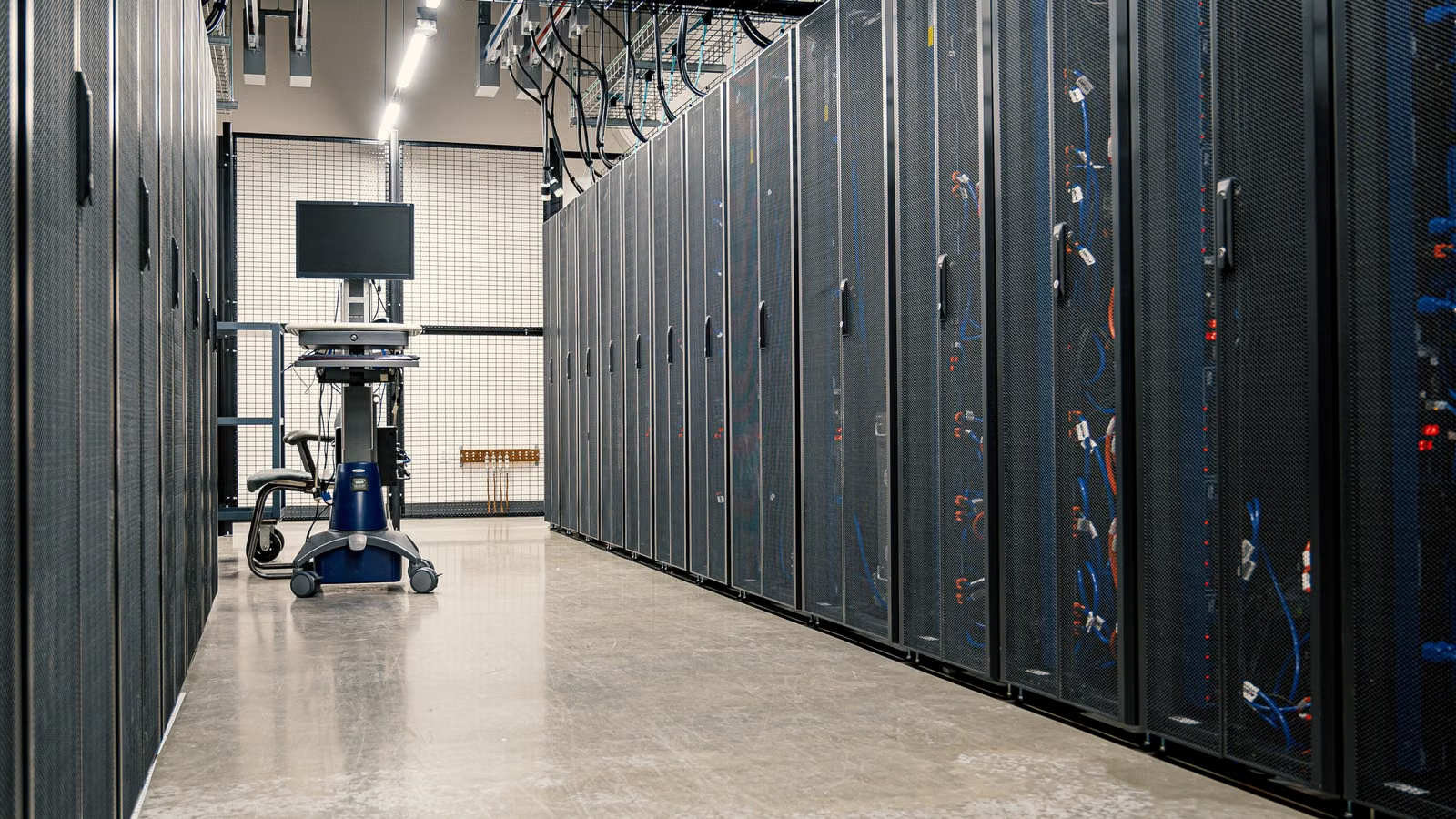
Customer CapEx can still support ASML’s orders for now. The strongest anchors are TSMC’s advanced logic expansion, as well as HBM and DRAM-driven memory equipment demand. But capital expenditure cannot be converted one-for-one into ASML revenue, because customer budgets also cover buildings, packaging, testing, power infrastructure, and other semiconductor equipment.
TSMC’s Advanced Logic Investment Is the Strongest Demand Anchor
TSMC is one of the most important customers to watch when assessing ASML’s order quality. In the second quarter of 2026, TSMC quarterly revenue reached $40.2 billion, with third-quarter revenue guidance of $44.6 billion–$45.8 billion, indicating continued strength in advanced-node demand. More importantly, TSMC raised its 2026 capital expenditure outlook from the previous $52 billion–$56 billion range to approximately $60 billion–$64 billion, directly supporting demand for ASML’s advanced lithography tools.
However, you should not count all of TSMC’s CapEx as ASML orders. Fab investment includes land, buildings, cleanrooms, packaging, testing, metrology, etching, deposition, and power systems. The part that most directly benefits ASML comes from higher lithography layer counts at advanced nodes, greater EUV intensity, and global fab expansion that increases demand for DUV and service support.
TSMC’s investment in the United States also strengthens the long-term demand signal. The additional $100 billion U.S. investment focuses on advanced chips at 2nm and below. This type of capacity buildout usually requires long-term equipment scheduling and improves visibility for EUV, metrology, and service demand.
Can DRAM and HBM Expansion Become a Second Growth Pillar?
Beyond advanced logic, memory is ASML’s second major backlog conversion theme. AI servers, GPU clusters, and high-bandwidth memory are pushing HBM demand higher, while advanced DRAM processes also require more EUV and immersion DUV support. In the second-quarter communication, ASML management expected memory-related system sales to grow by more than 75%, with advanced logic foundry-related system sales growing by more than 25%.
This shows that order support is not coming from only one customer or one chip category. However, memory is also more cyclical. Pricing, inventory, and customer profitability can flow through to equipment purchases more quickly. If HBM supply-demand conditions move from tight to balanced, or if DRAM pricing momentum weakens, memory makers may first delay new tool deliveries rather than continue expanding capacity according to peak-cycle plans.
Why Customer Concentration Remains a Key Risk
ASML is the global leader in lithography tools, but its customer base is not highly diversified. In 2025, four customers accounted for 61.2% of sales, and the top two customers accounted for 38.0%. This means CapEx adjustments by a few large customers can materially affect ASML’s orders, deliveries, and revenue timing.
High-NA EUV also needs to be viewed separately. Intel Foundry has used High-NA EUV in certain product layers on its 18A node, validating technical progress. But that does not mean High-NA tools will immediately enter all customer production lines at scale. For ASML, Low-NA EUV remains the main backlog conversion driver for 2026–2028, while High-NA is more of a long-term growth option.
| Customer Investment Direction | Main Use Case | ASML Products That Benefit | Sustainability View |
|---|---|---|---|
| Advanced logic | 3nm, 2nm, and next-generation nodes | Low-NA EUV, DUV, metrology | Relatively high visibility |
| HBM and advanced DRAM | AI memory expansion and process upgrades | EUV, immersion DUV | High growth, but cyclical |
| Mature nodes | Automotive, industrial, localized capacity | DUV Dry, KrF, i-line | Stable but policy-sensitive |
| High-NA adoption | R&D, pilot production, selected high-volume layers | EXE High-NA EUV | High potential, uncertain timing |
| Services and upgrades | Installed tool maintenance and upgrades | Installed Base Management | More recurring in nature |
Summary: Customer CapEx remains the most important external variable for ASML’s order conversion. TSMC’s advanced logic expansion, AI chip demand, HBM, and advanced DRAM investment all support ASML’s orders today, but customer CapEx does not fully convert into ASML revenue. You need to distinguish logic from memory, and Low-NA EUV from High-NA EUV, DUV, and service revenue. Customer concentration means budget changes by a few large customers can amplify ASML’s earnings volatility. Tracking the node roadmaps of TSMC, Samsung, Intel, SK hynix, and Micron is more useful than only watching total semiconductor industry investment.
Can ASML’s Own Capacity Deliver Strong Orders on Time?
ASML’s growth conversion is shifting from “whether customers want to order” to “whether ASML can produce, install, and secure acceptance on time.” During a strong demand cycle, a rising backlog is positive. But if supply chains, critical components, installation teams, or customer fab readiness fall short, orders may remain in backlog without turning into near-term revenue.
2026 Delivery Targets and Sources of Revenue Growth
ASML has already provided a relatively clear outline for 2026 deliveries. The company expects to ship about 65 Low-NA EUV systems in 2026, driving EUV system sales growth of more than 45% year over year. It also plans to deliver about 130 immersion DUV systems, with non-EUV system sales expected to grow about 25%. These targets show that ASML’s growth is not coming from EUV alone, but from Low-NA EUV, DUV, metrology, services, and software upgrades together.
The second-quarter system sales mix also shows balanced demand. Logic and memory accounted for system sales of about 51% and 49%, respectively, meaning AI chips and memory expansion are both contributing to order conversion. This reduces dependence on a single end market, but it also means ASML must serve different customers, regions, and technology routes at the same time, increasing execution complexity.
Capacity Expansion Can Also Create New Execution Risks
ASML plans to increase Low-NA EUV and immersion DUV capacity in 2027 by about 30% compared with the 2026 base, and it is studying a further increase of about 30% in 2028. This expansion can ease customer queue pressure, but it also increases supply chain management difficulty. EUV systems depend on Zeiss optics, ultra-precision mechanics, laser sources, vacuum systems, software control, and global field service teams. Any slowdown in a critical link may affect final delivery.
The more subtle point is that a strong order environment does not necessarily translate into immediate profit improvement. If ASML builds inventory ahead of future deliveries, inventory and working capital may rise first. If tools are shipped but customer acceptance is delayed, receivables, contract assets, or revenue recognition timing may also be affected. To assess delivery capability, you should not only look at sales. You should also examine whether inventory, accounts receivable, contract liabilities, and cash flow are moving in a coordinated way.
How Service and Upgrade Revenue Can Reduce Order-Cycle Volatility
Installed Base Management is an important buffer against ASML’s order-cycle volatility. As the global installed base of EUV and DUV tools grows, customers need maintenance, software upgrades, productivity improvements, parts replacement, and field service. ASML expects Installed Base Management sales to grow by more than 30%, and this type of revenue is usually more recurring than new tool orders.
However, service revenue is not fully cycle-proof. Lower customer utilization can reduce upgrade demand. Expanded export restrictions may limit service for some regions. Customer budget tightening may also delay non-essential upgrades. Therefore, service revenue can cushion new tool volatility, but it cannot fully offset a major delay in EUV or DUV orders.
To assess ASML’s delivery capability, you can focus on five indicators:
- Actual EUV and immersion DUV shipment volumes.
- Customer installation, acceptance, and revenue recognition speed.
- Critical supplier expansion and component delivery conditions.
- Inventory, receivables, contract liabilities, and free cash flow.
- Growth in services, software upgrades, and tool utilization.
Summary: The internal constraint on ASML’s growth sustainability is shifting from the order side to execution. The company has strong technological barriers and customers waiting in line, but EUV and DUV delivery requires coordination across supply chains, optical systems, field installation, and customer acceptance. The faster capacity expands, the greater the impact of execution variance on quarterly results. You should separate “customers want to buy” from “ASML can deliver on time.” The first determines order quality; the second determines revenue timing, gross margin, and cash flow performance.
How Should You Judge ASML’s Growth Sustainability?
A more reasonable conclusion today is that most of ASML’s backlog still has a high probability of turning into revenue, but long-dated orders should be discounted. Growth sustainability cannot rely on the AI narrative alone. It needs customer CapEx to remain high, equipment capacity expansion to proceed smoothly, export policy to remain executable, service revenue to continue, and valuation expectations to avoid becoming overly stretched.
Bull, Base, and Bear Scenarios
In a bull scenario, AI infrastructure investment continues to expand, TSMC, Samsung, Intel, and major memory makers maintain high CapEx, new Low-NA EUV capacity in 2027–2028 is fully absorbed by orders, and High-NA gradually enters more advanced nodes. In this case, ASML would have further upside in revenue and gross margin.
In a base scenario, customer CapEx stays elevated but does not continue to rise sharply, some projects move from one quarter to the next, Low-NA EUV and DUV still grow, and High-NA remains mainly in validation and gradual adoption. In this case, ASML continues to grow, but quarterly volatility increases.
In a bear scenario, AI investment returns come under scrutiny, memory pricing weakens, customers delay fab construction, or export controls expand to more equipment and services. In this case, orders do not necessarily face mass cancellation, but push-outs increase, backlog conversion cycles lengthen, and the market becomes less tolerant of valuation risk.
Leading Indicators Worth Tracking More Than One Quarter’s Revenue
You can divide ASML’s growth sustainability indicators into four groups. The first is demand authenticity: whether AI chips, advanced logic, HBM, and DRAM continue to support customer expansion. The second is contract strength: backlog, remaining performance obligations, prepayments, and order delivery years. The third is delivery capability: whether EUV and DUV shipments and customer acceptance can keep pace with plans. The fourth is policy executability: whether export licenses, regional revenue mix, and service restrictions change.
If you use Biya U.S. stock information search to track related companies such as ASML, TSMC, Intel, and Micron, you should place earnings reports, capital expenditure adjustments, order changes, and risk disclosures in the same framework. A single stock price move often reflects changes in market expectations, but it cannot replace fundamental verification.
Trading Costs Also Affect Your Real-World Decisions
If you extend ASML order-conversion analysis into actual trading, you also need to separate research judgment from transaction costs. U.S. stock trading costs usually include more than commissions. They may also include platform fees, external institutional fees, trading activity fees, FX costs, and order execution differences. Biya U.S. stock trading charges $0 commission, while platform fees, external institutional fees, and other costs are subject to the fee center and order page display. Service availability depends on the user’s location, identity verification results, platform rules, and applicable laws and regulations.
For high-priced and volatile stocks such as ASML, frequent rebalancing, fractional-share trading, and cross-currency funding arrangements can all affect the actual return experience. You can include real-time exchange rates and order costs in your pre-trade checklist, but you should not treat fee advantages as an investment conclusion. Public market information, order structure, and fee structure can help you understand risk, but they do not constitute investment advice.
| Scenario | Customer CapEx | Order Conversion | ASML Execution | Possible Result |
|---|---|---|---|---|
| Bull | Continues to rise | High proportion delivered on time | Smooth capacity expansion | Revenue and margins beat expectations |
| Base | Remains high | Limited rescheduling | Mostly in line with plan | Growth continues with quarterly volatility |
| Bear | Cut or delayed | Push-outs increase | Capacity utilization under pressure | Slower growth, valuation pressure |
| Policy shock | Regional demand constrained | Some orders delayed | Service restrictions | Regional revenue mix changes |
Summary: ASML’s growth sustainability should be assessed not only by whether orders can be converted, but also by when they convert, what product mix they involve, and which customers drive them. Current evidence better supports the view that most backlog will turn into revenue, but long-dated orders must still be evaluated against customer budgets, fab construction, export controls, and ASML’s own capacity expansion. You should not judge ASML’s stock appeal based only on backlog size. Gross margin, free cash flow, customer concentration, transaction costs, and how much optimism is already priced into the market all matter.
If you follow semiconductor equipment leaders such as ASML, the most important step is to build a continuous tracking framework rather than only reading one-quarter numbers on earnings day. You can use Biya to monitor changes in U.S. and Hong Kong markets, and place ASML orders, TSMC CapEx, memory maker expansion, export controls, and fee structures on the same decision checklist. Biya is a global multi-asset trading wallet that supports U.S. stocks, Hong Kong stocks, and crypto trading, as well as conversion between USDT and major fiat currencies such as USD and HKD. Actual service availability depends on the user’s location, identity verification results, platform rules, and applicable laws and regulations. Before trading, you should still confirm order types, fee displays, FX costs, and your own risk tolerance, and avoid treating any single earnings signal as a buy or sell basis.
FAQ
Can ASML EUV Tools Already in Backlog Still Be Delayed?
Yes, they can be delayed. ASML backlog represents accepted written authorizations, but tools still need to go through production, shipment, installation, and customer acceptance. If fab construction is delayed, customer CapEx is rescheduled, or export licenses are restricted, EUV orders may remain in backlog while revenue recognition moves to a later period.
Will TSMC’s Higher CapEx Fully Convert Into ASML Orders?
No, it will not fully convert into ASML orders. TSMC’s capital expenditure also covers fabs, packaging, testing, power systems, and other equipment. However, expansion at 2nm and below increases demand for EUV and DUV tools, so TSMC’s higher CapEx remains an important support signal for ASML order conversion.
How Can Investors Track ASML Orders After Net Bookings Disclosure Ends?
Investors should combine backlog direction, future capacity coverage, customer CapEx, contract liabilities, tool shipments, and full-year revenue guidance. After quarterly net bookings disclosure became less available, a single indicator became less useful. Order quality should be verified through multiple data points.
Can Export Controls Affect ASML Orders Already in Backlog?
Yes, export controls can affect them. Even if an order has entered backlog, delivery may still be delayed, reconfigured, or unable to proceed as originally planned if the equipment, service, or customer region requires new export licenses. The actual impact depends on Dutch, U.S., and relevant regional regulatory requirements.
Why Are High-NA EUV Orders Harder to Forecast Than Low-NA EUV Orders?
High-NA EUV orders are harder to forecast because the technology is still being validated and gradually adopted. Customers need to evaluate yield, cost, productivity, applicable layers, and production economics. Technical progress does not mean every advanced process will immediately adopt High-NA tools at scale.
Can ASML Service and Upgrade Revenue Cushion Tool Order Volatility?
Yes, it can partially cushion volatility. Installed Base Management depends on the installed tool base, customer utilization, and upgrade demand, and is usually more recurring than new equipment orders. But if customer utilization falls, export restrictions expand, or maintenance budgets tighten, service revenue may also be affected.
*This article is provided for general information purposes and does not constitute legal, tax or other professional advice from BiyaPay or its subsidiaries and its affiliates, and it is not intended as a substitute for obtaining advice from a financial advisor or any other professional.
We make no representations, warranties or warranties, express or implied, as to the accuracy, completeness or timeliness of the contents of this publication.
Related Blogs of

Choosing a Stock Trading App: Beginner Checklist


DCA vs. Grid Trading in Crypto: Key Differences, Costs, and Risks




Choose Country or Region to Read Local Blog
 Australia
 Austria
 Belgium
 Canada
 Cyprus
 Czech Republic
 Denmark
 Estonia
 Finland
 France
 Germany
 Greece
 Hong Kong
 India
 Indonesia
 Ireland
 Italy
 Japan
 Latvia
 Lithuania
 Luxembourg
 Malaysia
 Malta
 Morocco
 Nepal
 Netherlands
 New Zealand
 Norway
 Pakistan
 Philippines
 Poland
 Portugal
 Romania
 Singapore
 Slovakia
 Slovenia
 South Africa
 South Korea
 Spain
 Sweden
 Thailand
 United States
 Turkey
 United Arab Emirates
 United Kingdom
 Vietnam