
US and Hong Kong Storage Industry
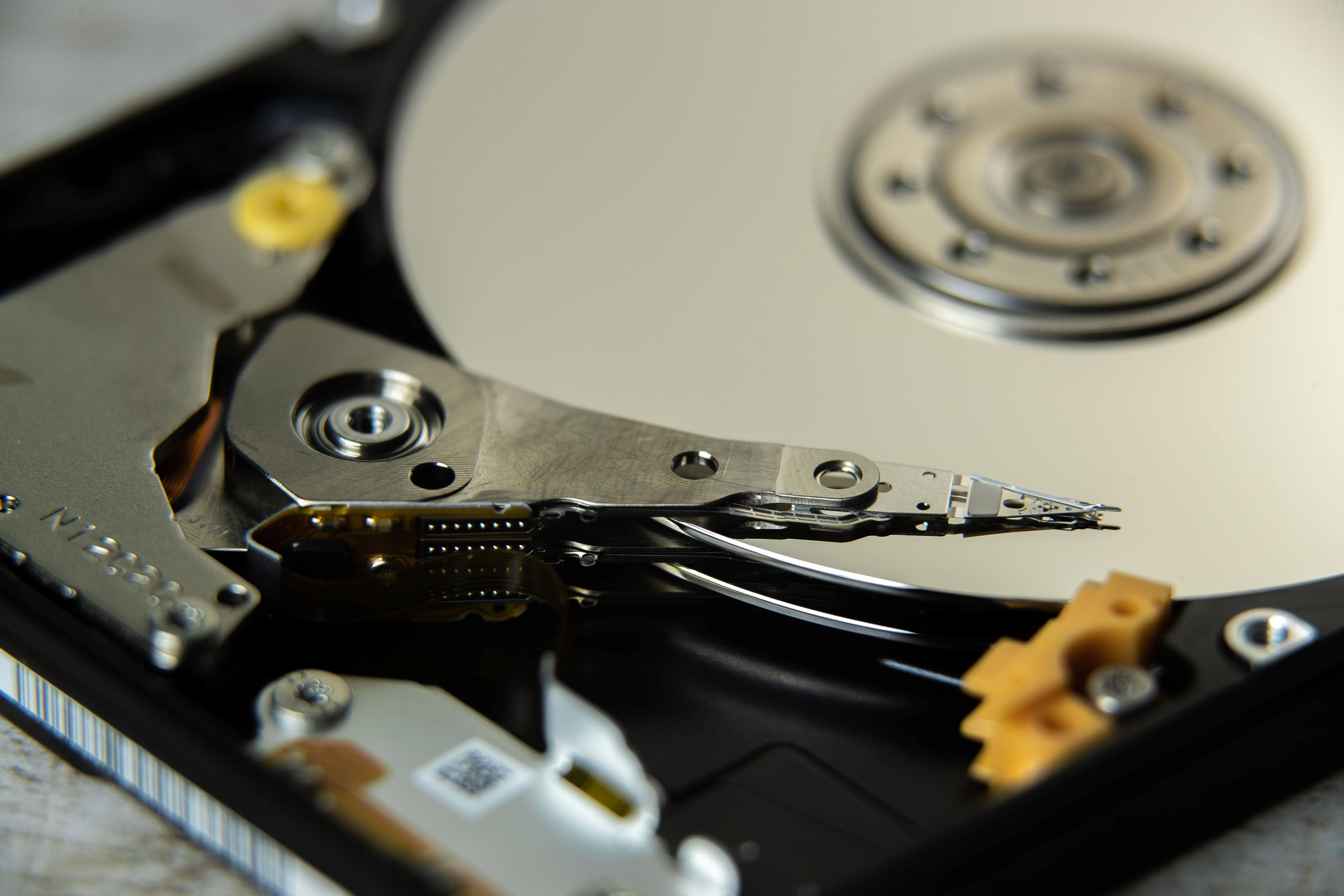
Explore the US and Hong Kong storage industry, including the growing demand created by artificial intelligence, cloud computing, and data centers. This topic covers HBM, DRAM, NAND, SSD, HDD, and related technologies, along with the products, financial performance, industry cycles, competition, and valuations of relevant US- and Hong Kong-listed companies. Company analysis, earnings coverage, and industry guides help readers understand the storage supply chain, its major participants, and the opportunities and risks associated with the sector.
Related Blogs
ASMPT vs SMIC: Where Semiconductor Equipment and Foundry Manufacturing Fit in the AI Memory Chain
How should investors compare ASMPT and SMIC? This article analyzes their real positions in the AI memory chain from the perspectives of advanced packaging equipment, TCB, HBM, CPO, foundry manufacturing, mature nodes, capacity utilization, depreciation, and geopolitical risk.

William
2026-07-08 18:13:01

What Is the Relationship Between YMTC, CXMT, and Hong Kong-Listed Related Companies? Listing Scope Explained
YMTC and CXMT are core companies in China’s memory chip value chain. YMTC is more focused on NAND Flash, while CXMT is more focused on DRAM, but neither is currently listed in Hong Kong. You can understand this sector by looking at listing status, the difference between NAND and DRAM, related Hong Kong-listed companies, global memory leaders, and investment risks.

Reggie
2026-07-08 18:08:32
Which Company Depends More on Nearline HDDs: Seagate (STX) or Western Digital (WDC)?
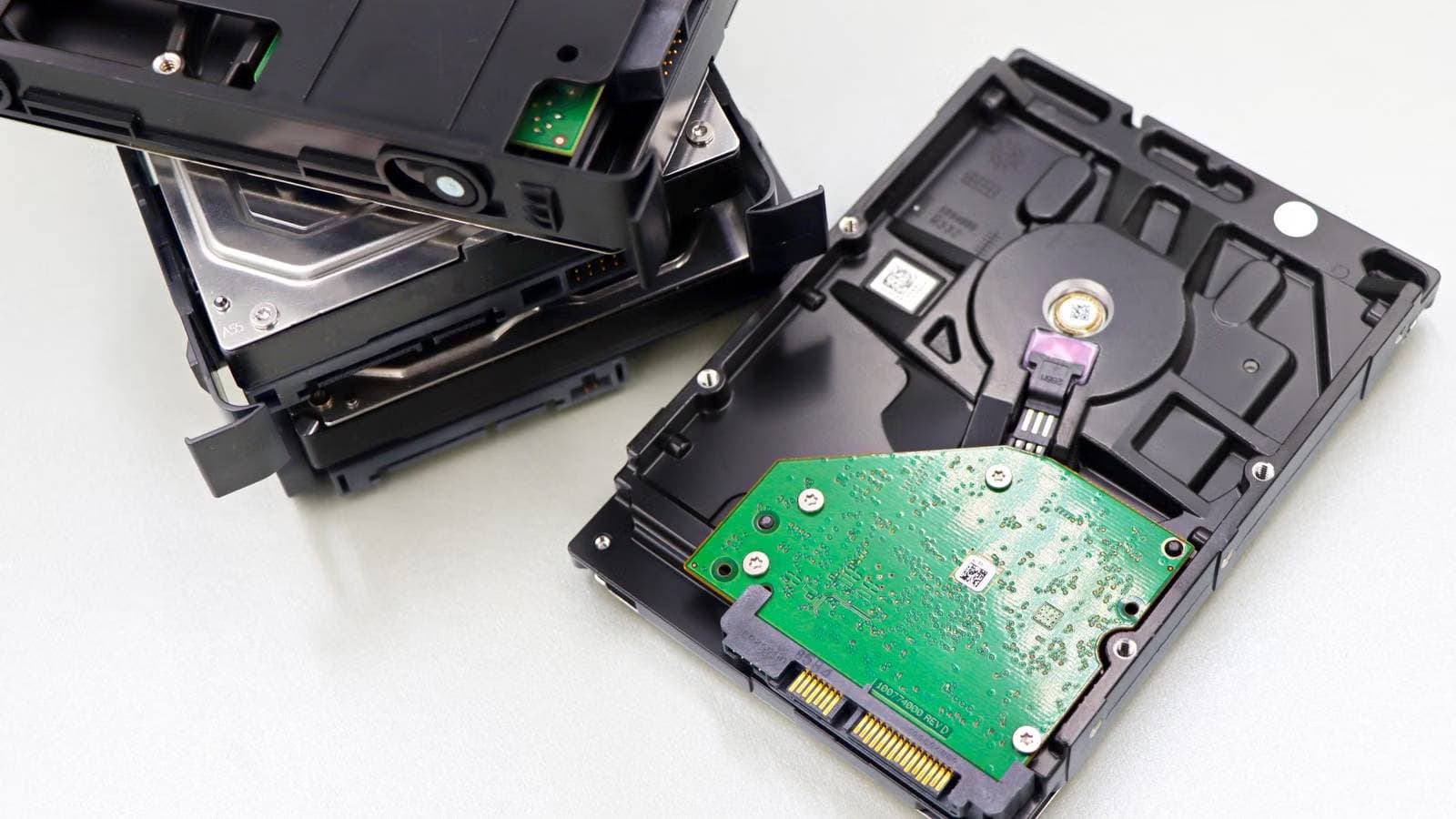
Which company depends more on Nearline HDDs, Seagate (STX) or Western Digital (WDC)? This analysis compares the two HDD leaders through data-center revenue, cloud revenue, nearline EB shipments, HAMR roadmaps, AI data-center demand, and investment risks.

Matt
2026-07-08 17:50:59
How to Tell Western Digital (WDC) and Sandisk (SNDK) Apart After the Spin-Off: HDD vs NAND
How should investors compare WDC and SNDK after the spin-off? This analysis explains the difference between Western Digital’s HDD business and Sandisk’s NAND Flash business from the angles of AI data-center demand, financial metrics, technology roadmaps, trading costs, and key risks.
Matt
2026-07-08 17:46:49
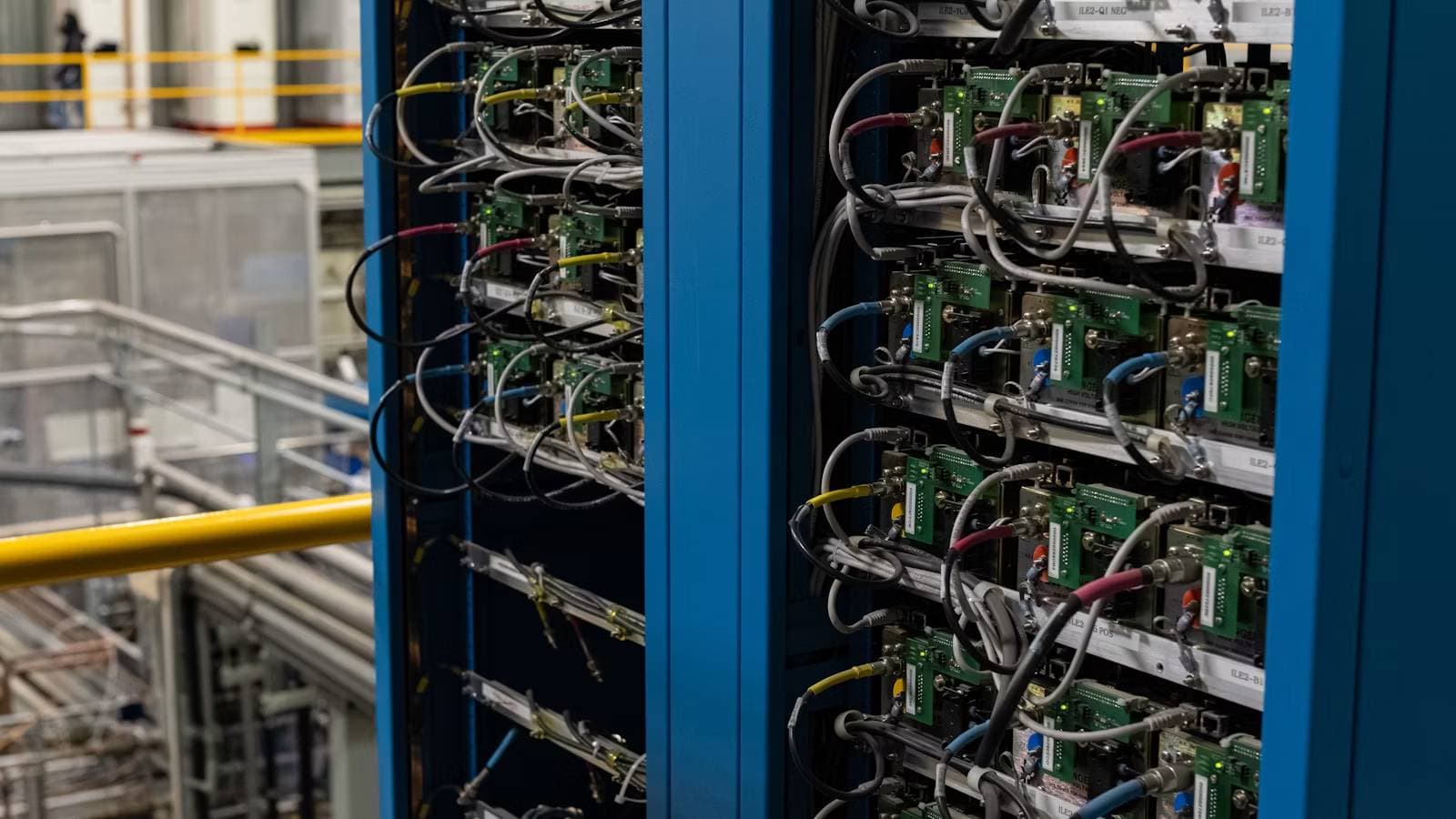
Why Are U.S.-Listed Memory Stocks More “Pure”? How Should Hong Kong-Listed Memory-Related Companies Be Classified?
Why are U.S.-listed memory stocks usually more “pure” than Hong Kong-listed memory-related companies? This article compares DRAM, NAND, HBM, HDD, SSD, foundry services, non-volatile memory, advanced packaging, and AI data center demand to explain how investors can classify U.S. and Hong Kong memory-related stocks, valuation anchors, and key risks.

Neve
2026-07-08 17:43:24
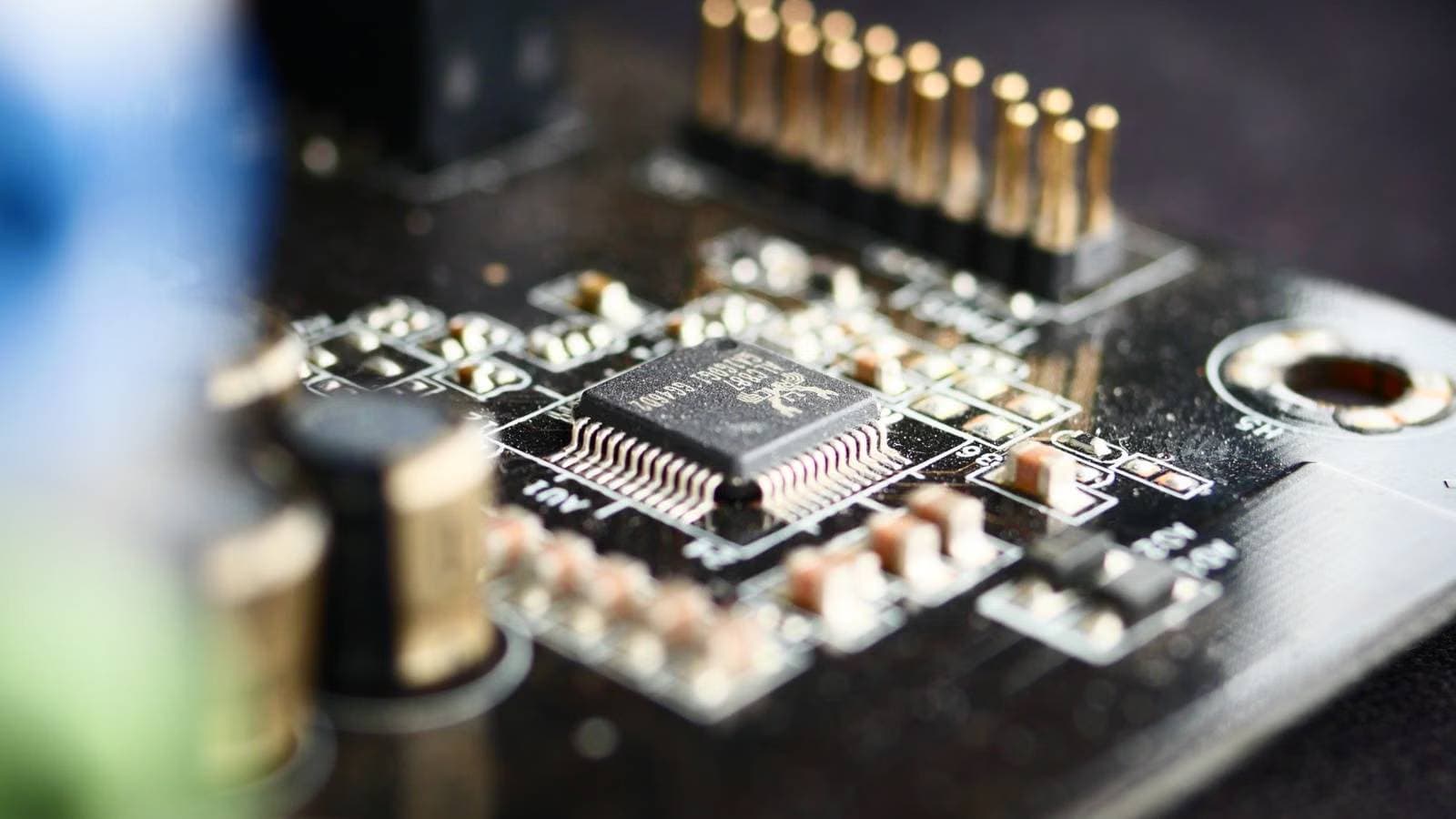
Micron vs Sandisk vs Kioxia: How to Tell NAND Flash Companies Apart
Compare Micron, Sandisk, and Kioxia across NAND Flash, 3D NAND, BiCS Flash, QLC, enterprise SSDs, AI storage, and investor accessibility. Understand the differences between MU, SNDK, 285A, and ETF routes, including their suitability and key risks.
William
2026-07-08 17:33:33

Micron vs Samsung vs SK Hynix: Comparing the HBM Big Three and What Ordinary Investors Can Actually Buy
Compare Micron, Samsung, and SK Hynix across HBM, DRAM, AI memory, financial leverage, and investor accessibility. Learn how MU, Samsung Electronics, SK Hynix, and ETF routes differ in suitability, tradability, and key risks.
Reggie
2026-07-08 17:22:09

Micron MU vs NVIDIA NVDA: How Are the Investment Logic of AI Chips and AI Storage Different?
Micron MU and NVIDIA NVDA both benefit from AI data center growth, but their investment logic is different. NVDA is more of an AI chip platform and compute infrastructure story, while MU is more tied to AI memory, HBM, DRAM, NAND, and data center SSD cycle leverage.
Matt
2026-07-08 17:17:23
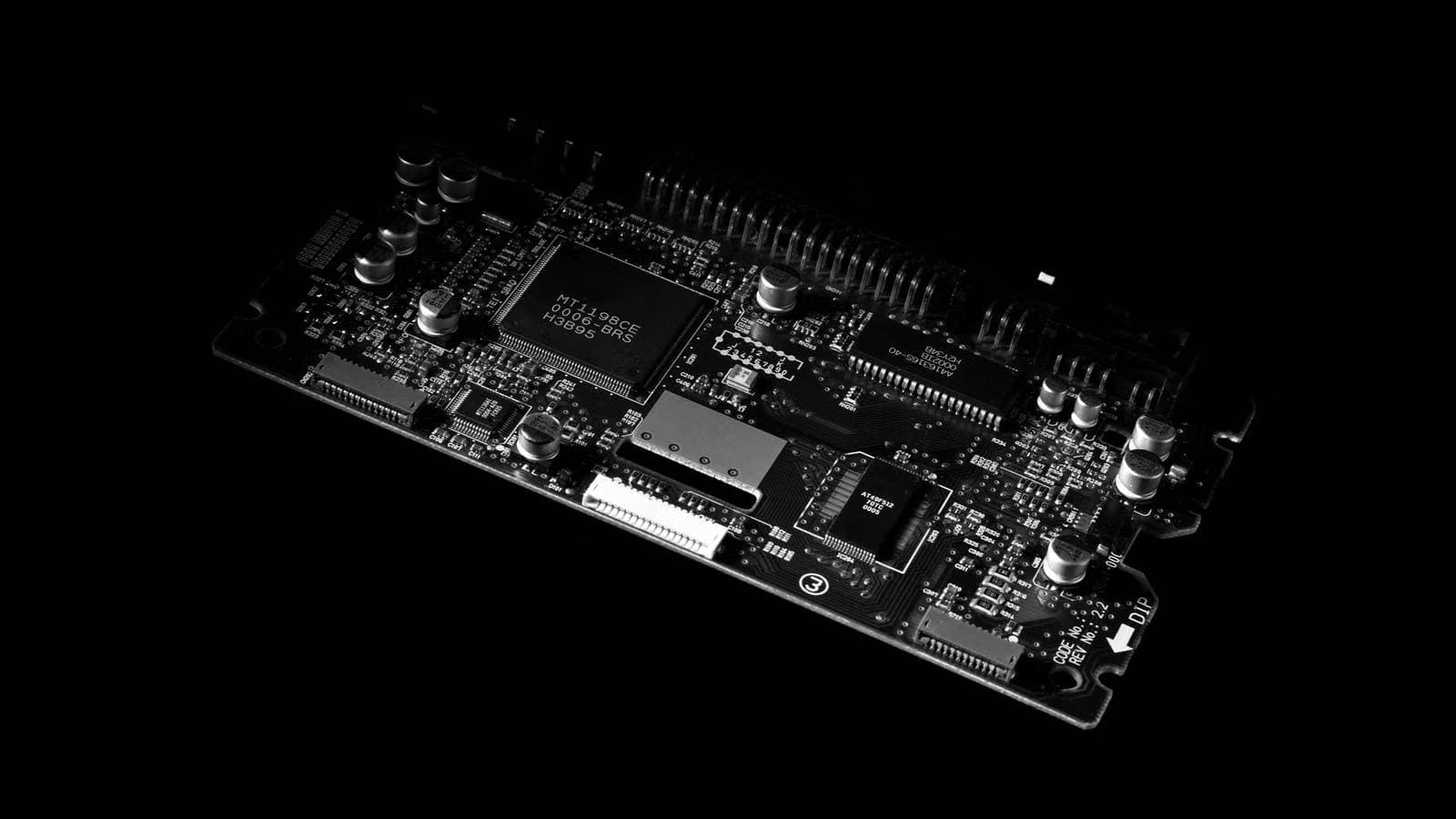
Memory Chip Stocks or Enterprise Storage Stocks? A Comparison of Business Models, Cycles, and Risks
Should investors buy memory chip stocks or enterprise storage stocks? This guide compares DRAM, NAND, HBM, HDD, SSD, all-flash arrays, hybrid cloud storage, subscription revenue, ARR, RPO, AI data centers, and enterprise IT budgets to explain the business models, cyclical exposure, valuation logic, and key risks of both categories.

Max
2026-07-08 17:13:19