Should You Get a Credit One Card to Build Credit




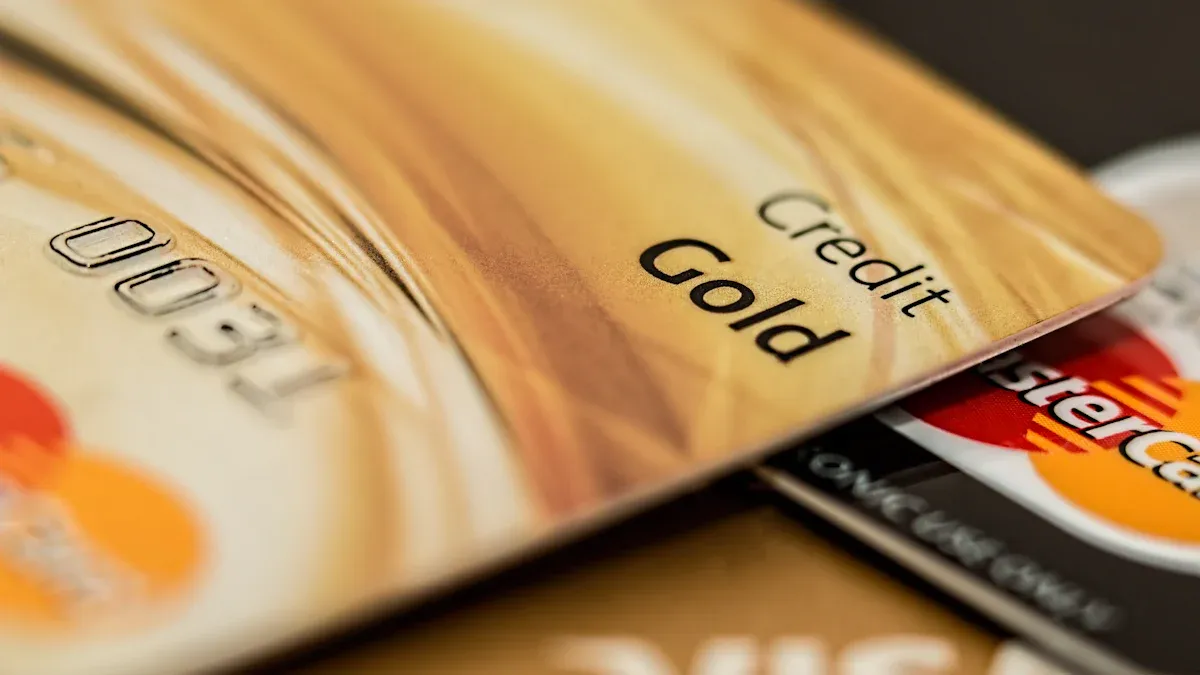
Image Source: pexels
Should you get a Credit One Bank card? For most people, the answer is no. This overview provides a critical credit one review. The high fees on their credit cards make them a costly way to build your score. You are not alone in your search for access to credit.
In 2021, about 30% of U.S. consumers had a subprime credit score.
Many people find that Credit One Bank offers credit cards that can become a financial trap, not a helpful tool for building a positive credit history.
Key Takeaways
- Credit One Bank cards often have high fees and low credit limits. These fees can make building credit expensive.
- Many people report bad experiences with Credit One Bank. This includes confusing fees and poor customer service.
- Secured credit cards are a better choice for building credit. They require a deposit, but you get it back. They also help you build a good payment history.
- Some unsecured credit cards have no annual fee. These cards are good if you cannot afford a security deposit. They help you build credit without extra costs.
- Only consider a Credit One card as a last choice. Use it for a short time to improve your score. Then switch to a better card with lower fees.
A Critical Credit One Review: The Downsides

Image Source: pexels
This critical credit one review provides a detailed overview of the bank’s major drawbacks. While getting an approval from Credit One Bank might seem like a victory, you must understand the significant costs and frustrations that can follow. The primary issues revolve around a combination of high fees, low credit limits, and a challenging customer experience.
High Fees vs. Low Credit Limits
The most significant problem with Credit One Bank credit cards is their fee structure. You will likely face a high annual fee, which the bank charges just for keeping the account open.
Note: Annual fees for Credit One Bank cards can range from $0 to $99. Many of the cards designed for building credit fall on the higher end of that spectrum.
For example, some of their popular cards come with set annual fees.
| Card Name | Annual Fee |
|---|---|
| Credit One Bank® Platinum X5 Visa® | $95 |
| Credit One Bank Wander Card | $95 |
This fee directly impacts your available credit. Credit One Bank often starts you with a very low credit limit, typically just $300.
Here’s the trap: Credit One Bank deducts the annual fee from your credit limit right away. If you get a $300 limit and a $95 annual fee, you only have $205 of usable credit. This makes it extremely difficult to keep your credit utilization low, a key factor in building a good credit score. To make matters worse, the bank may bill this fee monthly after the first year, creating a constant drain on your account.
The Mixed Credit One Bank Customer Experience
When you look into the Credit One Bank customer experience, you will find conflicting information. The bank holds an A+ rating from the Better Business Bureau (BBB). However, this rating does not always reflect the typical user experience.
In J.D. Power’s annual U.S. Credit Card Satisfaction Survey, Credit One Bank consistently ranks at the bottom among national issuers. On the BBB website itself, customer reviews tell a different story, with an average rating of just 1.1 out of 5 stars.
This poor customer experience is a common theme in many a credit one review. Users frequently report a frustrating experience with the following issues:
- Aggressive Fee Collection: Many people report being charged fees even after they have tried to cancel their accounts.
- Poor Fraud Support: Cardholders have described difficulty in getting fraudulent charges removed from their statements.
- Confusing Communication: The terms and fee structures can be hard to understand, leading to unexpected charges.
Ultimately, while Credit One Bank is an accredited institution, the day-to-day experience for many cardholders is filled with financial and administrative headaches.
Better Credit Cards for Building Your Score
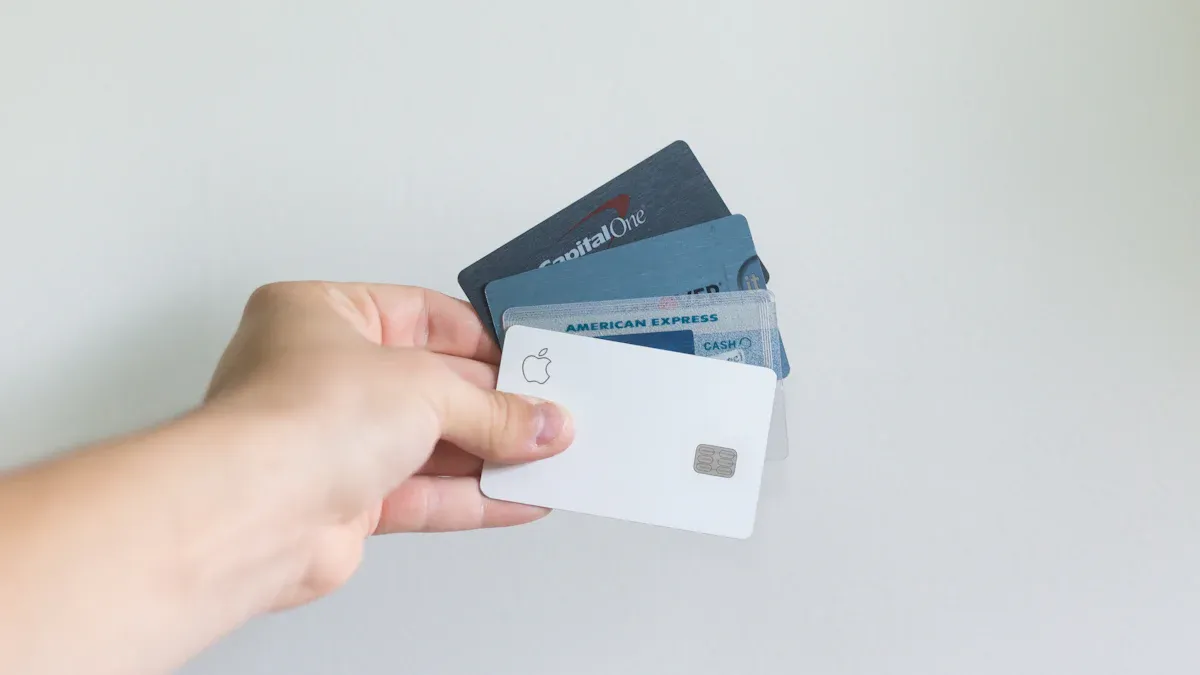
Image Source: unsplash
You can avoid the high costs and frustrations of a Credit One Bank card. Better options exist that help you build credit safely and affordably. These alternatives provide a clear path toward a healthier financial future. Your goal is to gain access to credit, and the right tool makes all the difference.
If you think of “building credit” as practicing long-term money habits, one practical complement to a starter card is a controlled, trackable payment tool—especially for subscriptions and online bills. With BiyaPay, you can apply for the Swift virtual card and keep recurring charges in one place, which helps reduce missed payments or scattered fees caused by unclear terms. When you want to translate spending into your preferred currency or sanity-check FX costs, use the fiat rate converter & comparison tool. If you decide to set things up end-to-end, start from registration and follow the relevant guidance on the official site. BiyaPay is positioned as a multi-asset wallet covering cross-border funds management and payments, and it operates under compliance frameworks such as U.S. MSB and New Zealand FSP—useful context when your priority is transparent charges and predictable budgeting.
Best Path: Secured Credit Cards
For most people starting their credit journey, a secured credit card is the best first step. Unlike the high annual fees of some credit cards, a secured card requires a refundable security deposit.
This deposit acts as collateral for the bank. It is not a fee. You get the full amount back when you close the account in good standing or when the bank “graduates” you to a traditional, unsecured card.
This structure makes secured credit cards a low-risk tool for both you and the issuer. Here’s how they give you a powerful advantage:
- Your Deposit Sets Your Limit: The amount you deposit usually becomes your credit limit. This direct link gives you control.
- Builds Your History: Issuers report your payments to the three major credit bureaus (Experian, Equifax, and TransUnion). Consistent, on-time payments build a positive history.
- Path to Unsecured Credit: Many issuers automatically review your account after several months of responsible use. They may refund your deposit and convert your card to an unsecured one. This process is called graduation.
Two of the best secured credit cards on the market are the Discover it® Secured Credit Card and the Capital One Quicksilver Secured Cash Rewards Credit Card. Both report to all three credit bureaus, helping you build credit effectively.
The Discover it® Secured Credit Card stands out with its excellent benefits:
- Cash Back Rewards: You earn 2% cash back at gas stations and restaurants (on up to $1,000 in combined purchases each quarter) and 1% on all other purchases.
- Unlimited Cashback Match: Discover automatically matches all the cash back you have earned at the end of your first year.
- Automatic Reviews: Discover begins monthly reviews after your seventh month to see if you are eligible to graduate to an unsecured card and get your deposit back.
- No Annual Fee: You get all these features with a $0 annual fee.
Top No-Annual-Fee Unsecured Cards
What if you cannot afford a security deposit but still want to avoid high fees? You have options. If you have a fair or limited credit history, you may qualify for an unsecured credit card with no annual fee. These credit cards offer a simple way to build your score without extra costs.
The Capital One Platinum Credit Card is a top choice in this category. It is designed for people with average or limited credit. Its main advantage is simple:
$0 Annual Fee. You can build your credit history without paying a yearly charge. This makes it a much smarter financial choice than expensive credit cards aimed at the same audience.
Capital One also considers factors beyond just your credit score, such as your income and housing status, which can help your approval odds.
Other unsecured credit cards are also available. For example, the Chase Freedom Rise℠ is another $0 annual fee card that offers cash back rewards. Having an existing Chase checking account can improve your chances of approval. These products show that you do not need to settle for high-fee credit cards to start building your credit profile.
When Is Credit One a Last Resort?
While better options exist, there are very specific situations where a Credit One Bank card might seem like the only path forward. You should only consider it after you have exhausted all other avenues. Even then, you must view it as a temporary tool with a clear exit strategy.
If You Can’t Afford a Security Deposit
The most common reason people turn to high-fee credit cards is the inability to pay a security deposit. A typical secured card requires a deposit of $200 or more. This can be a major barrier.
The Federal Reserve notes that 13% of adults cannot immediately cover a $400 emergency expense, making a security deposit a significant financial hurdle for many.
If you find yourself in this position, you might feel that a no-deposit unsecured card is your only option for gaining access to credit. However, an approval from Credit One is not guaranteed, even with a pre-approval offer. Some users with fair credit scores and minor blemishes on their reports have still been denied.
Before you apply, check if you qualify for a low-deposit secured card. Some issuers offer more flexible options.
The Capital One Platinum Secured card, for example, may offer you a $200 credit line for a deposit of just $49, $99, or $200, depending on your credit profile. This makes it a much more affordable and safer starting point.
A Temporary Bridge, Not a Final Stop
If you decide a Credit One card is your only choice, you must treat it as a short-term bridge to better credit, not a permanent part of your wallet. Your goal is to use it strategically to improve your score and then move on.
Here is a simple plan:
- Use the card for small, manageable purchases.
- Pay your bill in full and on time every single month.
- Monitor your credit score’s progress.
With positive habits, you can see your score improve in as little as 30 to 90 days. After 6 to 12 months of responsible use, your score should be high enough to qualify for superior, no-annual-fee credit cards. Once you get approved for a better card, you can transition away from the high fees of your Credit One account.
This credit one review shows that you should avoid Credit One Bank if possible. The high fees on their credit cards make building credit an expensive process. You can build your score more effectively with better tools.
Your payment history is the most important factor for your credit score. Choose a card that helps you succeed without costly fees.
Opt for a no-annual-fee secured card or a better unsecured card. These options save you money and help you build a strong credit history. Take control of your financial journey with a smarter product. For more guidance, you can find free resources from organizations like the Consumer Financial Protection Bureau (CFPB).
FAQ
Is Credit One the same as Capital One?
No, they are separate and unaffiliated companies. You may see similar logos or branding, but their products and customer satisfaction levels are very different. Capital One generally offers more favorable terms, including many cards with no annual fees, making it a better choice for building credit.
Will a high annual fee help me build credit faster?
No, an annual fee does not affect how your payment history is reported. It is simply a charge for keeping the account open. You can build credit just as effectively with a $0 annual fee card. Paying high fees only makes your credit-building journey more expensive.
What is the fastest way to build credit from scratch?
The fastest and safest way is to get a secured credit card. Use it for small purchases and pay the bill in full every month. Your consistent, on-time payments will be reported to the credit bureaus, helping you build a positive history quickly and affordably.
Can I get a Credit One card with no credit history?
Yes, you may get approved for a Credit One card with no credit history. However, you will likely face high fees and a low credit limit. A secured card is a much safer and more cost-effective option for starting your credit journey from zero.
*This article is provided for general information purposes and does not constitute legal, tax or other professional advice from BiyaPay or its subsidiaries and its affiliates, and it is not intended as a substitute for obtaining advice from a financial advisor or any other professional.
We make no representations, warranties or warranties, express or implied, as to the accuracy, completeness or timeliness of the contents of this publication.
Related Blogs of

Cross-Border Merchants' Dilemma: Received Crypto Payments Containing Gray Assets — How to Clean and Comply Through a Compliant Platform?

Panda Remit Transfer Failed and Returned? In-Depth Comparison of Risk Control Strictness and Channel Stability Across Different Cross-Border Remittance Apps

Never Trust Any 'Acquaintance Currency Exchange': Real Cases of Crypto Assets Stolen via Acquaintance Scams During the World Cup


Logic of Money Laundering Conviction: How Ordinary People Ensure Their Crypto Asset Cash-Out Activities Never Cross the Red Line

Choose Country or Region to Read Local Blog
 Australia
 Austria
 Belgium
 Canada
 Cyprus
 Czech Republic
 Denmark
 Estonia
 Finland
 France
 Germany
 Greece
 Hong Kong
 India
India Indonesia
 Ireland
 Italy
Italy Japan
Japan Latvia
 Lithuania
 Luxembourg
 Malaysia
 Malta
Malta Morocco
 Nepal
Nepal Netherlands
 New Zealand
 Norway
 Pakistan
 Philippines
 Poland
 Portugal
 Romania
 Singapore
 Slovakia
 Slovenia
 South Africa
 South Korea
 Spain
Spain Sweden
 Thailand
 The United States
 Turkey
 United Arab Emirates
 United Kingdom
 Vietnam
Contact Us




BIYA GLOBAL LLC is registered with the Financial Crimes Enforcement Network (FinCEN), an agency under the U.S. Department of the Treasury, as a Money Services Business (MSB), with registration number 31000218637349, and regulated by the Financial Crimes Enforcement Network (FinCEN).
BIYA GLOBAL LIMITED is a registered Financial Service Provider (FSP) in New Zealand, with registration number FSP1007221, and is also a registered member of the Financial Services Complaints Limited (FSCL), an independent dispute resolution scheme in New Zealand.