Getting Started with NYSE Index Futures



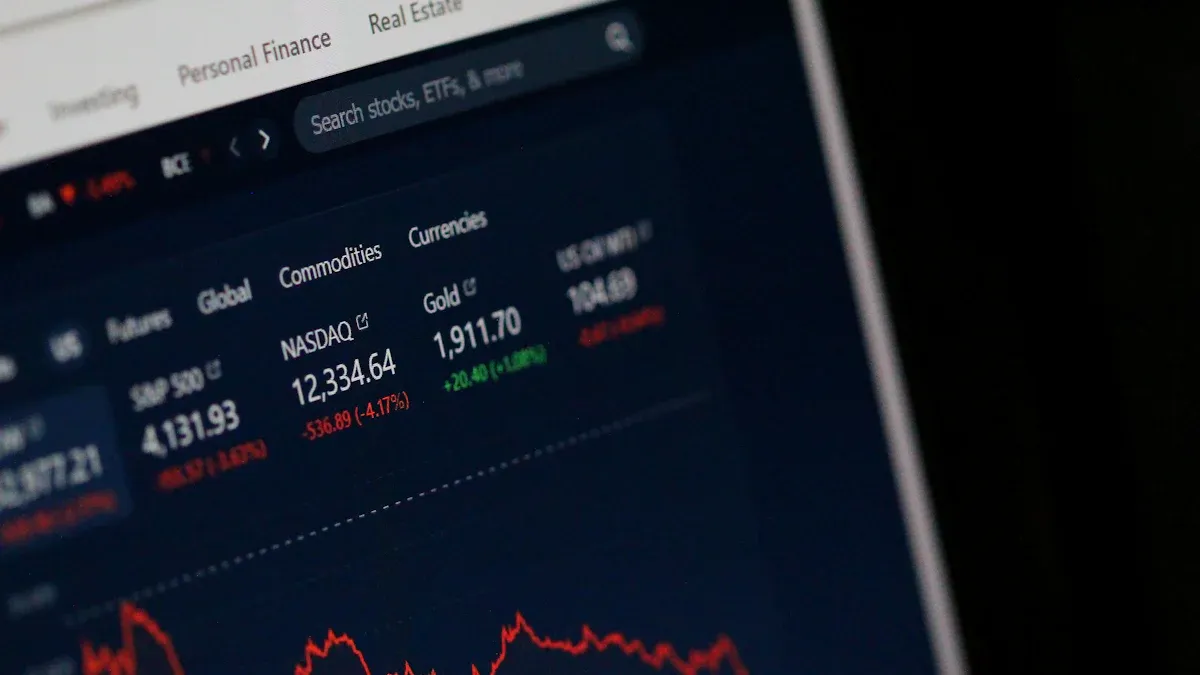
Image Source: unsplash
An NYSE index future is a type of futures contract. It allows you to agree on a price today to buy or sell an NYSE index at a future date. This form of trading provides you with powerful tools for your financial strategy. People engage in NYSE futures trading for two main reasons:
- Speculation: To profit from correctly predicting the market’s direction.
- Hedging: To protect an existing stock portfolio from potential losses.
Understanding these NYSE futures is the first step toward navigating the world of US stock market index futures.
Key Takeaways
- NYSE index futures let you bet on the future price of a stock market index. People use them to make money or protect their investments.
- Futures trading uses leverage, which means you can control a large amount of money with a small deposit. This can make your gains bigger, but it also makes your losses bigger.
- Always use a trading plan and stop-loss orders. A plan tells you when to buy and sell. A stop-loss order helps limit how much money you can lose on a trade.
- Practice trading with fake money first. This helps you learn how the market works without risking your real money. It also helps you get used to your trading platform.
Understanding US Stock Market Index Futures
Image Source: unsplash
To start trading US stock market index futures, you first need to grasp their mechanics. These instruments are different from buying stocks. You are not owning a piece of a company. Instead, you are agreeing to a future price for an entire market index.
Before placing an index-futures trade, it helps to sanity-check what is actually driving the index and what your funding cost might look like. You can use BiyaPay’s Stock Info page to quickly review relevant price/market details, then pair it with the free FX Converter & Comparison to estimate conversion costs when planning margin and cash management.
If you prefer to monitor multiple markets and funding currencies in one place, BiyaPay positions itself as a multi-asset trading wallet covering cross-border payments, investing, trading, and treasury workflows, with a unified trading entry for switching contexts efficiently.
When trust and operational risk matter, it’s also reasonable to check regulatory footing: BiyaPay holds registrations in jurisdictions such as the U.S. (MSB) and New Zealand (FSP). Details and disclosures are available on the BiyaPay website.
How a Futures Contract Works
So, how do index futures work? They operate on three core concepts: leverage, margin, and settlement. Understanding these is essential before you learn how to trade futures.
- Leverage: This allows you to control a large contract value with a small amount of capital. For many US stock market index futures, leverage can be significant. You might control a position worth over $100,000 with just a fraction of that amount in your account.
- Initial Margin: This is the good-faith deposit you must have in your account to open a futures position. It is not a down payment. It is security to cover potential losses. Margin requirements are set by the exchange and your broker.
- Cash Settlement: Unlike futures for physical goods, index futures do not involve delivering anything. When the contract expires, the value difference is settled in cash. If your prediction was correct, your account is credited. If not, it is debited.
Example: Imagine you believe the NYSE Composite Index will rise. You buy one futures contract. If the index value increases by the time you close your position, you make a profit. If it falls, you incur a loss. This is how you can speculate on the direction of US stock market index futures.
Key NYSE Futures Products
The New York Stock Exchange offers several futures products. Each tracks a different segment of the market. Two popular NYSE futures are the NYSE Composite and the NYSE FANG+ Index futures.
- NYSE Composite (YC) Index Futures: These futures contracts represent the total market value of all common stocks listed on the NYSE. They give you broad exposure to the US stock market.
- Contract Size: $50 x NYSE Composite Index Value
- Minimum Price Move: 0.50 index points, which equals $25.00 per contract.
- NYSE FANG+ (FNG) Index Futures: These futures track a select group of high-growth technology stocks. This is a more concentrated form of trading focused on a specific industry.
| Specification | NYSE FANG+ Index Futures Detail |
|---|---|
| Traded On | ICE Futures U.S. |
| Contract Size | $5 x the NYSE FANG+® Index |
| Symbol | FNG |
How to Read Futures Quotes
When you look at a platform for trading US stock market index futures, you will see a quote screen. It contains key information about the futures contracts. You need to understand what each column means.
- Last: This shows the price of the most recent trade.
- Change: This number tells you how much the price has moved up or down from the previous day’s settlement price.
- Volume: This figure shows how many futures contracts have been traded during the current session. Volume resets to zero each day and often increases during major news events.
Understanding these quotes is a key part of how do index futures work, as it helps you gauge market activity and sentiment for the futures you are watching.
Benefits and Risks of Futures Trading
Futures trading offers unique advantages, but you must also understand its significant dangers. A balanced view is crucial before you risk any capital. This section covers the key benefits of futures trading and the core risks of futures trading.
Key Benefits of Trading Futures
One of the main benefits of trading us stock market index futures is capital efficiency. Futures trading allows you to control a large contract value with a small amount of capital. This is possible because futures trade on margin, often requiring only 5-10% of the contract’s total value. This gives you enhanced purchasing power compared to buying individual stocks.
Another one of the benefits of futures trading is portfolio diversification. Adding futures to your investment mix can help you achieve several goals:
- Reduce the overall volatility of your portfolio.
- Enhance your potential returns.
- Find profit opportunities in different economic conditions.
Managed futures generally have a low correlation with traditional investments like stocks. This means they may perform differently, helping to smooth out your portfolio’s performance over time.
Core Risks You Must Understand
The most common risks associated with trading us stock market index futures stem from the very same things that make them attractive. The primary risk is leverage. While leverage magnifies your gains, it also magnifies your losses. A small market movement against your position can lead to substantial financial losses, sometimes exceeding your initial deposit. This is a critical aspect of the risks of futures trading.
This leads to another danger: the margin call. Your account must stay above a “maintenance margin” level. If a trade moves against you and your account equity drops below this level, your broker will issue a margin call.
A margin call is not a polite request. You must immediately add funds to your account or close your position to cover the shortfall. There is no grace period.
Finally, you face significant market risk. The prices of futures can be extremely volatile. Events like central bank interest rate decisions, economic data releases, or geopolitical tensions can cause rapid and unpredictable price swings. This volatility makes futures trading inherently risky, demanding constant attention and a solid risk management plan.
How to Learn to Trade US Stock Market Index Futures
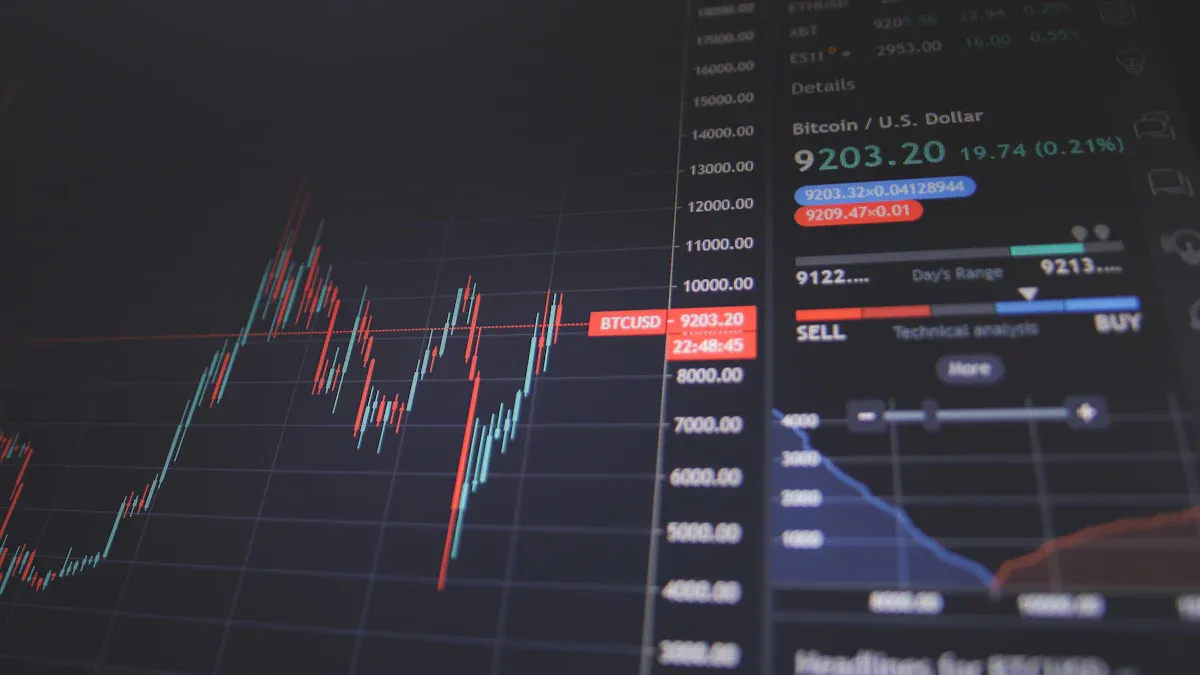
Image Source: unsplash
Transitioning from theory to practice requires a structured approach. Following a clear set of steps can help you navigate the process of placing your first trade safely. This guide will show you how to learn to trade US stock market index futures, from choosing the right tools to managing your risk.
Step 1: Choose a Regulated Broker
Your broker is your gateway to the market, so choosing the right one is your first critical decision. You need a firm that is reliable, regulated, and provides the tools you need for success.
Look for brokers regulated by the Commodity Futures Trading Commission (CFTC) and who are members of the National Futures Association (NFA). These organizations protect investors and ensure market integrity. For example, firms like Cannon Trading Company have built long-standing reputations with exemplary compliance records.
When evaluating a broker, consider these key features for their trading platform:
- Ease of Use: The platform should be intuitive. You need to find core functions and place orders without confusion.
- Mobile App: A good mobile app for iOS and Android lets you check your positions and manage trades from anywhere.
- Order Management: You should be able to place and modify orders easily. Server-side orders are a plus, as they remain active even if your computer crashes.
- Charting Tools: Powerful charts with drawing tools and technical indicators are essential for market analysis.
- Risk Management Tools: The platform must offer features like stop-loss and take-profit orders to help you manage risk automatically.
Important Note: Opening a standard brokerage account is not enough. You must apply for and receive specific approval for futures trading. This often involves acknowledging that you understand the high risks involved.
Step 2: Open and Fund Your Account
Once you select a broker, the next step is to open and fund your account. The application process is typically done online and will require you to provide personal information and proof of identity.
The amount of money you need to start varies significantly between brokers.
| Broker | Minimum Deposit |
|---|---|
| Interactive Brokers | $0.00 |
| tastytrade | $0.00 |
| AMP Futures | $100.00 |
| Optimus Futures | $500 (Micros) / $2,000 (E-minis) |
While some brokers have no minimum deposit, it’s important to be realistic. For instance, a broker like Ironbeam recommends at least $1,000 for trading micro futures and more for larger contracts. You must have enough capital to cover the initial margin for the futures contracts you intend to trade, plus a cushion to absorb potential losses. Funding options typically include bank transfers or wires.
Step 3: Practice with a Paper Trading Account
Before you risk a single dollar, you must practice. A paper trading account, or simulator, is an invaluable tool that lets you trade with virtual money in a real-market environment. This is where you can learn the platform, test your ideas, and build confidence.
Many top-tier brokers offer excellent simulators. For example, Charles Schwab’s paperMoney® platform gives you $100,000 in virtual money to practice trading equities, options, and futures with live data.
However, you must understand the key differences between simulation and reality:
| Feature | Paper Trading (Simulation) | Live Trading (Real Money) |
|---|---|---|
| Execution | Orders fill instantly at the price you see. | Orders can be delayed or filled at a different price (slippage). |
| Emotions | It’s easy to be disciplined with no real money at stake. | Fear and greed can lead to impulsive, costly mistakes. |
| Costs | No commissions or fees are deducted. | Brokerage commissions and fees reduce your net profit. |
Because of these differences, it’s crucial to treat your paper trading seriously. Spend at least three to six months practicing until you can show consistent results. When you are ready to transition, start small. Use micro contracts to get a feel for real-money trading without taking on significant risk.
Step 4: Develop a Simple Trading Plan
Never trade without a plan. A trading plan is a set of rules that defines your trading decisions. It removes emotion and guesswork, which are the primary causes of failure for new traders. Your plan doesn’t need to be complicated, but it must be written down.
Here are the essential components of a simple plan for your futures trading strategies:
- Define Your Goals: What do you want to achieve? Are you aiming for small, consistent daily gains (day trading) or holding positions for several days (swing trading)?
- Choose Your Market: Focus on one or two US stock market index futures to start, such as the NYSE Composite (YC) or E-mini S&P 500 (ES). Learn their behavior and contract specifications inside and out.
- Set Entry Rules: What specific conditions must be met for you to enter a trade? This could be based on technical indicators, chart patterns, or support and resistance levels. For example: “I will buy one contract if the price breaks above the 50-period moving average on the 15-minute chart.”
- Set Exit Rules: How will you exit a trade? You need rules for both winning and losing trades.
- Profit Target: A price where you will take your profits.
- Stop-Loss: A price where you will exit to limit your losses.
- Establish Risk Management Rules: This is the most important part of your plan. A common rule is the 2% rule, which states you should never risk more than 2% of your account balance on a single trade. This protects your capital from a devastating loss and helps you stay in the game.
Step 5: Place and Manage Your First Trade
With a broker, a funded account, and a trading plan, you are ready to trade the US stock market index futures.
- Identify a Setup: Wait for the market to meet the exact entry criteria in your trading plan. Do not force a trade if the conditions aren’t right.
- Place Your Order: Open your broker’s trading platform. When you enter your order to buy or sell a futures contract, you should also place a stop-loss order at the same time. This is your most important risk management tool. Most platforms allow you to set this directly on the order entry screen.
- Manage the Position: Once your trade is live, your job is to let it play out according to your plan. Do not move your stop-loss further away from your entry price. Resist the urge to close the trade early out of fear or greed.
- Close the Position: You can close your position in one of two ways:
- Your profit target or stop-loss is hit automatically.
- You manually close it by placing an opposing order. If you initially bought a contract, you would sell it to close. If you initially sold a contract, you would buy it back.
Most traders close their positions well before the contract’s expiration date. If you hold a position close to expiration, you may need to “roll” it to the next contract month. This involves selling your current contract and buying one with a later expiration date. This process allows you to maintain your market exposure.
By following these steps, you can begin your journey to learn to trade US stock market index futures with a disciplined and risk-aware mindset. Success in futures trading comes from consistent execution of a solid plan, not from luck.
NYSE futures and other us stock market index futures are powerful tools for your trading strategy. However, their significant risk comes from leverage.
Leverage in futures is a double-edged sword. It makes risk management non-negotiable in all futures trading.
Always use a clear trading plan and protective stop-loss orders on every trade. Your success in futures trading depends on disciplined execution and continuous education with resources like A Complete Guide to the Futures Market. This approach helps you navigate the complexities of trading these futures contracts and other futures.
FAQ
What is the difference between futures and stocks?
When you buy a stock, you own a small piece of a company. When you trade a future, you are making a contract to buy or sell an index at a future price. You do not own any underlying assets. Futures trading uses significant leverage.
How much money do I need to start?
The amount varies by broker. Some have no minimum deposit. However, you need enough capital to cover the initial margin for your chosen contract plus a cushion for potential losses. Starting with at least $1,000 for micro contracts is a common recommendation.
Can I lose more than my initial deposit?
Yes. Leverage magnifies both gains and losses. A sharp market move against your position can result in losses that exceed your initial margin deposit. This is why using a stop-loss order on every trade is critical for risk management.
What happens if I hold a contract until it expires?
NYSE index futures are cash-settled. You do not deliver or receive any assets. At expiration, the contract’s value is marked to the final settlement price. Your account is then credited or debited for the profit or loss. Most traders close positions before expiration.
*This article is provided for general information purposes and does not constitute legal, tax or other professional advice from BiyaPay or its subsidiaries and its affiliates, and it is not intended as a substitute for obtaining advice from a financial advisor or any other professional.
We make no representations, warranties or warranties, express or implied, as to the accuracy, completeness or timeliness of the contents of this publication.
Related Blogs of

Why Is Canada's Country Code 1


How to Fill Out a CVS Money Order A 2026 Guide

The 18 Best Apps to Earn Real Cash This Year


SoFi Checking and Savings A Deep Dive Review

Choose Country or Region to Read Local Blog
 Australia
 Austria
 Belgium
 Canada
 Cyprus
 Czech Republic
 Denmark
 Estonia
 Finland
 France
 Germany
 Greece
 Hong Kong
 India
India Indonesia
 Ireland
 Italy
Italy Japan
Japan Latvia
 Lithuania
 Luxembourg
 Malaysia
 Malta
Malta Morocco
 Nepal
Nepal Netherlands
 New Zealand
 Norway
 Pakistan
 Philippines
 Poland
 Portugal
 Romania
 Singapore
 Slovakia
 Slovenia
 South Africa
 South Korea
 Spain
Spain Sweden
 Thailand
 The United States
 Turkey
 United Arab Emirates
 United Kingdom
 Vietnam
Contact Us




BIYA GLOBAL LLC is a licensed entity registered with the U.S. Securities and Exchange Commission (SEC No.: 802-127417); a certified member of the Financial Industry Regulatory Authority (FINRA) (Central Registration Depository CRD No.: 325027); regulated by the Financial Industry Regulatory Authority (FINRA) and the U.S. Securities and Exchange Commission (SEC).
BIYA GLOBAL LLC is registered with the Financial Crimes Enforcement Network (FinCEN), an agency under the U.S. Department of the Treasury, as a Money Services Business (MSB), with registration number 31000218637349, and regulated by the Financial Crimes Enforcement Network (FinCEN).
BIYA GLOBAL LIMITED is a registered Financial Service Provider (FSP) in New Zealand, with registration number FSP1007221, and is also a registered member of the Financial Services Complaints Limited (FSCL), an independent dispute resolution scheme in New Zealand.