Investing in S&P 500 ETFs in 2025: It's Not Too Late to Get Started




Image Source: pexels
Investing in the S&P 500 is a classic strategy for sharing in the dividends of U.S. economic growth. Entering 2025, this market has welcomed new opportunities and changes. Institutions such as Deutsche Bank predict steady U.S. economic growth, providing a favorable backdrop for investment.
You need to focus on the three core S&P 500 ETFs: VOO, IVV, and SPY. Competition among them is intensifying, and the market landscape is quietly changing, directly impacting your investment choices.
Key Takeaways
- When choosing an S&P 500 ETF, VOO and IVV have low fees, making them suitable for long-term investment. SPY offers excellent liquidity, ideal for short-term trading.
- Leveraged ETFs carry high risk and are not suitable for long-term holding. They are designed as intraday trading tools for professional traders.
- Beginner investors should choose VOO or IVV and stick to regular investments. This can help you easily own shares in major U.S. companies.
- Conservative investors can adopt a core-satellite strategy. The core portion invests in low-cost ETFs, while the satellite portion invests in strategic ETFs.
- Any stock market investment carries risk. Long-term holding of S&P 500 ETFs allows you to share in economic growth and combat inflation.
Core S&P 500 ETFs: Comparison of the Three Giants

Image Source: pexels
When you decide to invest in the S&P 500 Index, you will first encounter three ticker symbols: VOO, IVV, and SPY. They all track the same index, but differences in details determine which one best fits your investment goals. Let us dive deep into the distinctions among these three giants.
Expense Ratio: The Foundation of Long-Term Returns
The first lesson in investing is cost control. The expense ratio is the management fee that the fund company charges annually from your investment. This number may seem small, but under the compounding effect, it will gradually erode your returns over time.
Currently, Vanguard’s VOO and iShares’ IVV both offer highly competitive expense ratios of just 0.03%. In contrast, as the first ETF on the market, State Street’s SPY has an expense ratio of 0.0945%.
Do the Math: Assume you invest $10,000 with an annualized return of 8%. After 30 years, assets invested in VOO or IVV will be approximately $2,300 more than those invested in SPY. This extra amount comes entirely from the fees you save. For long-term investors, choosing a low-fee option is the simplest path to wealth appreciation.
On the execution side, beyond the fee math, it helps to standardize the basics—ticker, expense ratio, distribution cadence, and key identifiers—before placing any order. You can use BiyaPay’s stock lookup for a quick cross-check, then continue tracking from the BiyaPay official site within the same domain.
If your funding involves converting between fiat currencies such as USD and HKD, the FX rate and spread become part of your real holding cost. BiyaPay’s fiat FX converter & comparison is useful for capturing same-timestamp quotes so your post-mortem aligns “fees → FX → returns.”
BiyaPay is a multi-asset wallet covering investing, trading, and capital management, operating under compliance frameworks including U.S. MSB and New Zealand FSP registrations. When you need to proceed, you can register to access the account flow, or open the trading entry to complete the next steps.
Scale and Liquidity: Guaranteeing Trading Flexibility
A fund’s assets under management (AUM) and liquidity determine the ease and cost of buying and selling.
- Assets Under Management (AUM): Represents the total assets managed by the fund. Larger scale generally means more stable fund operations and greater trust from investors.
- Liquidity: Refers to the activity level of the ETF in the market. High liquidity means a smaller bid-ask spread, allowing you to trade at a price closer to fair market value.
In 2025, the market landscape has undergone a milestone change: Vanguard’s VOO has officially surpassed SPY in assets under management, becoming the world’s largest ETF. This marks a growing preference among investors, especially long-term ones, for low-cost options.
Nevertheless, SPY, leveraging its first-mover advantage and massive derivatives market, still maintains an absolute lead in average daily trading volume.
Tips for You:
- If you are an institution or individual conducting large-volume, high-frequency trades, SPY’s unparalleled liquidity can provide the best trading experience.
- If you are a regular investor doing monthly dollar-cost averaging or long-term holding, the liquidity of VOO and IVV is more than sufficient—you will hardly notice any difference from SPY in trading.
Fund Structure: Differences in Dividend Reinvestment
This is a key technical difference among the three, directly affecting your long-term returns and tax efficiency.
- VOO and IVV: Adopt an open-end fund structure.
- Automatic Dividend Reinvestment: When the fund receives dividends from component stocks, it can immediately reinvest that cash internally to purchase more stocks. This keeps every dollar working continuously, achieving perfect dividend compounding without “cash drag”.
- Higher Tax Efficiency: This structure allows the fund to handle large redemptions through an “in-kind” creation/redemption mechanism, effectively avoiding capital gains taxes from selling stocks and reducing taxable distributions to investors.
- SPY: Adopts a Unit Investment Trust (UIT) structure.
- No Automatic Dividend Reinvestment: SPY must hold dividends in cash after receipt until distributing them quarterly to shareholders. You need to manually reinvest received dividends or use a broker’s plan, during which time the cash earns no return.
- Slightly Lower Tax Efficiency: The UIT structure has less flexibility in handling redemptions, potentially requiring sales of holdings, triggering capital gains that are distributed to investors and creating additional tax burdens.
For investors pursuing long-term growth, the structures of VOO and IVV clearly offer greater advantages.
How to Choose: Your Best ETF Match
Now that you understand the key differences among the three core S&P 500 ETFs, let us summarize with a clear table and provide you with explicit selection recommendations.
| Feature | VOO (Vanguard) | IVV (iShares) | SPY (State Street) |
|---|---|---|---|
| Expense Ratio | 0.03% (extremely low) | 0.03% (extremely low) | 0.0945% (higher) |
| Fund Structure | Open-End Fund | Open-End Fund | Unit Investment Trust (UIT) |
| Dividend Handling | Automatic reinvestment, high compounding efficiency | Automatic reinvestment, high compounding efficiency | Cash distribution, with cash drag |
| Tax Efficiency | Higher | Higher | Relatively lower |
| Trading Liquidity | Very high | Very high | Extremely high, largest options market |
| Asset Scale | World’s largest | Massive | Massive |
Final Selection Recommendations:
- If you are a long-term investor or dollar-cost averager: Your goal is to minimize costs and maximize returns. VOO or IVV are your top choices. Their extremely low fees and efficient dividend reinvestment structures will provide the strongest boost for your long-term wealth growth.
- If you are a short-term trader or options player: Your primary concern is ultimate liquidity and a rich set of trading tools. SPY is your best arena. Its massive trading volume and mature options chain offer unparalleled convenience for executing complex trading strategies.
Choosing the right S&P 500 ETF is the first and most crucial step in building your investment portfolio.
Advanced Options: Interpreting Strategic ETFs
Once you have mastered the core S&P 500 ETFs, you can explore strategic ETFs to meet more specific goals. These funds are also based on S&P 500 components but use different stock selection and weighting rules to attempt outperforming the market or achieving particular investment objectives.
Equal-Weight Strategy: RSP
The standard S&P 500 Index is dominated by large companies, with the top 10 potentially exceeding 30% weight. Invesco S&P 500 Equal Weight ETF (RSP) offers a completely different perspective: it assigns exactly the same weight (approximately 0.2%) to each of the 500 companies.
This approach’s advantage is diversification, avoiding over-concentration in a few tech giants. However, it also means your returns will be capped when mega-cap stocks surge. In the past decade’s bull market driven by large tech stocks, RSP has underperformed the market-cap-weighted index.
| Index Name | Past 10-Year Gain |
|---|---|
| Market-Cap-Weighted S&P 500 Index | 225% |
| Equal-Weight S&P 500 Index (RSP) | 134% |
Why is this? RSP’s rebalancing mechanism periodically sells outperforming stocks and buys underperforming ones to maintain equal weights. When a few stocks (such as NVIDIA) continue to rise sharply, this mechanism drags down overall returns.
Growth Strategy: SPYG
If you are bullish on companies with the strongest growth potential, SPDR Portfolio S&P 500 Growth ETF (SPYG) deserves your attention. It selects companies from the S&P 500 with strong sales growth, high earnings expectations, and high price momentum.
- Highly Concentrated: SPYG’s investments are very concentrated, with its top 10 holdings (mainly tech and consumer giants) totaling 56.72%.
- Strong Momentum: In recent growth cycles, SPYG has outperformed the core S&P 500. Since early May, its price has remained steadily above the rising 200-day moving average, showing a strong uptrend.
Choosing SPYG means placing your bets on the market’s leading growth engines.
Value Strategy: SPYV
The counterpart to SPYG is SPDR Portfolio S&P 500 Value ETF (SPYV). It focuses on S&P 500 companies whose stock prices are undervalued relative to their intrinsic value (such as book value and earnings). These are typically mature enterprises in financials, healthcare, and industrials. When market style shifts from growth to value, SPYV can provide better defensiveness.
Income-Enhancement Strategy: JEPI
JPMorgan Equity Premium Income ETF (JEPI) is a unique tool designed for investors seeking high monthly cash flow.
How It Works: JEPI does not purely track an index. It holds a portion of high-quality S&P 500 stocks while generating additional income by selling “covered call” options. The fund distributes these option premiums as dividends to you monthly.
This strategy aims to provide stable cash flow while participating in part of the market’s upside. However, you must understand that in exchange, it forgoes full upside potential during strong market rallies. Therefore, JEPI is more suitable for retirees or anyone prioritizing stable income over capital appreciation.
High-Risk Tools: The Allure and Pitfalls of Leveraged ETFs
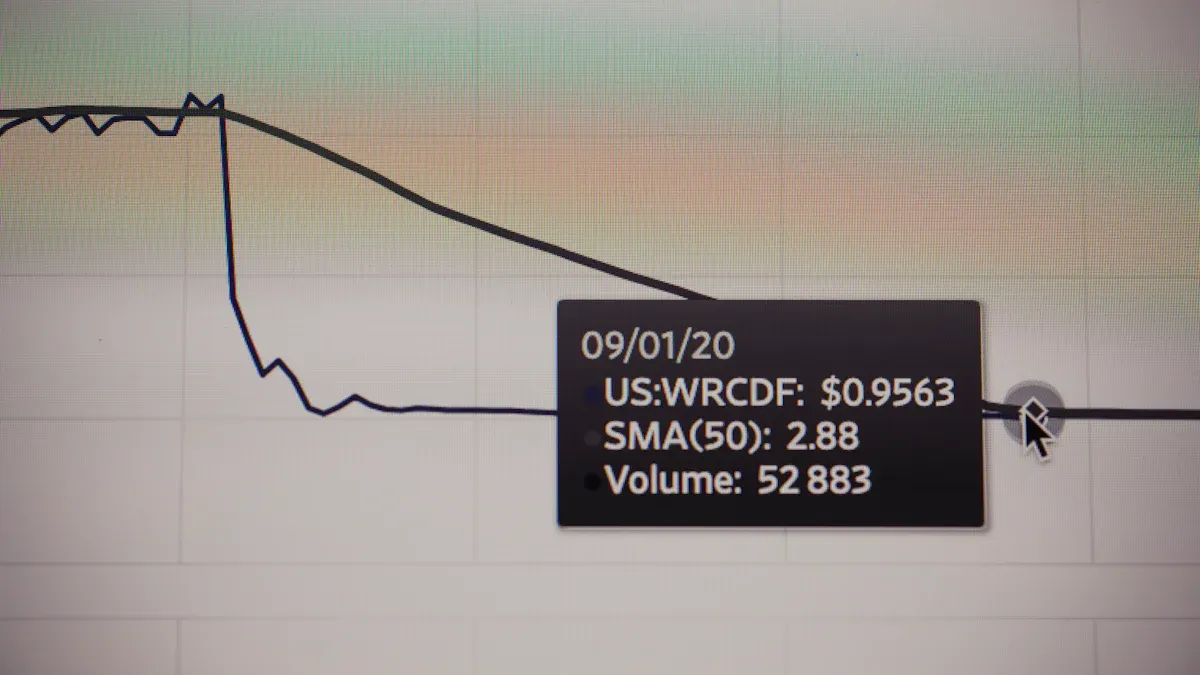
Image Source: unsplash
Beyond core and strategic ETFs, the market offers a category of highly tempting high-risk tools: leveraged ETFs. They promise multiple times the index’s daily returns, but behind this allure lie enormous pitfalls. You must approach them with the utmost caution.
3x Bull S&P 500: SPXL
Direxion Daily S&P 500 Bull 3X Shares (SPXL) aims to deliver three times the daily returns of the S&P 500 Index. If the S&P 500 rises 1% in a day, SPXL theoretically rises 3%. This amplification effect looks extremely attractive in bull markets.
However, the cost of these returns is steep fees. SPXL’s expense ratio is as high as 1.01%, more than 30 times that of Vanguard’s S&P 500 ETF (VOO) at 0.03%.
3x Bull Technology: TECL
For traders more bullish on the technology sector, Direxion Daily Technology Bull 3X Shares (TECL) provides a tool for three times leveraged exposure to the technology select sector index. It tracks tech giants like Apple and Microsoft.
Similar to SPXL, TECL also has high fees. In comparison, a non-leveraged ETF tracking a similar sector, such as Vanguard Information Technology ETF (VGT), has an expense ratio of just 0.10%. High costs are a common feature of leveraged ETFs.
Risk Warning: Why Not Suitable for Long-Term Holding
The greatest risk of leveraged ETFs is not their high fees but their inherent “daily reset” mechanism.
Warning: Leveraged ETFs are intraday trading tools designed for professional traders and are absolutely not suitable for beginners or anyone planning long-term holding. The Financial Industry Regulatory Authority (FINRA) has issued multiple warnings, noting that these products, due to their structural characteristics, are generally unsuitable for holding beyond one trading day.
How does this mechanism destroy your long-term investment? The answer is volatility decay.
Leveraged ETFs maintain fixed leverage by adjusting derivative positions daily. This daily reset can have catastrophic consequences in volatile markets. Suppose the index rises 10% on the first day and falls 10% on the second. Your original investment is roughly flat, but a 3x leveraged ETF experiences a completely different path, ultimately resulting in a loss.
To help you understand the risks more clearly, see the table below:
| Risk Factor | Specific Description |
|---|---|
| Volatility Decay | The more the market oscillates, the greater your asset erosion. The longer the holding period, the more this decay accumulates. |
| Daily Reset Costs | The fund incurs trading costs from daily position adjustments, creating an implicit “buy high, sell low” drag that erodes net asset value over time. |
| Compounding Deviation | Due to daily resets, long-term returns are never three times the index’s long-term returns—actual results are often far below expectations. |
| High Management Fees | Annual fees exceeding 1% significantly erode your principal through compounding, regardless of market performance. |
- FINRA reminds financial institutions that recommending such products to retail investors for medium- or long-term holding is highly inappropriate.
- These products should only be used in closely monitored short-term trades or hedging strategies.
In summary, including leveraged ETFs in your portfolio is like driving a race car without brakes. It may provide momentary excitement, but it is highly likely to end in disaster. For 99% of investors, the best strategy is to stay away from them.
Building Your 2025 S&P 500 ETF Portfolio
After understanding the characteristics of different ETFs, the next step is to combine them to create a portfolio that matches your personal risk preferences and investment goals. Below are three configuration plans for different investor types.
Beginner Investor’s Starting Plan
If you are new to investing, the simplest and most effective strategy is to stick with one choice from start to finish.
Action Plan: Choose one low-cost core ETF, such as VOO or IVV, as your sole investment. Then, consistently invest a fixed amount monthly or quarterly—that is, “dollar-cost averaging.”
This method allows you to avoid the pitfalls of market timing and share in market growth through long-term holding. You can easily execute this plan. For example, through a regulated financial platform like Biyapay, you can conveniently buy and hold core ETFs, laying a solid foundation for your wealth journey.
Conservative Investor’s Core-Satellite Strategy
If you want additional returns on top of steady growth, the core-satellite strategy is ideal for you. This strategy divides your portfolio into two parts:
- Core: Accounting for 70% to 90% of the portfolio. This portion invests in low-cost S&P 500 ETFs like VOO, providing stable market returns and acting as a “shock absorber” for the entire portfolio.
- Satellite: Accounting for the remaining 10% to 30%. These funds can be invested in strategic ETFs to achieve specific goals. For example, you might allocate to JEPI for increased monthly cash flow or to RSP for enhanced diversification.
You should periodically review and rebalance your portfolio to ensure asset allocation stays on target. This discipline helps manage risk and stick to your long-term plan.
Active Investor’s Tactical Allocation
If you can tolerate higher risk and are willing to devote more effort to managing investments, you can adopt a more active tactical allocation.
Allocation Idea: Reduce the core portion, for example, allocating 60% to VOO, then distributing the remaining 40% across multiple “satellite” portions.
For instance, you could allocate 30% to the growth ETF SPYG to capture momentum from leading companies, and 10% to the equal-weight ETF RSP to mitigate concentration risk in tech giants. This configuration requires deeper market understanding and preparedness for greater volatility.
Navigating complex options, the investment path for 2025 is actually very clear. For the vast majority of investors, using low-fee VOO or IVV as the cornerstone is the safest choice.
Remember, strategic ETFs are tools for achieving specific goals. For example, JEPI is suitable as a supplementary income source but not as a core holding. Leveraged ETFs come with enormous risks—you must fully understand their mechanisms.
Now, use this knowledge, combined with your personal situation, to start planning your 2025 investment blueprint!
FAQ
Should I hold only one S&P 500 ETF?
For many beginner investors, the answer is yes. Holding just one low-cost core ETF, such as VOO or IVV, allows you to easily own the 500 most representative companies in the U.S. market. This provides excellent diversification and is the perfect first step to starting your investment journey.
How often will I receive dividends?
Most core S&P 500 ETFs (such as VOO, IVV, SPY) typically pay dividends quarterly. Strategic ETFs like JEPI, which focus on income, pay dividends monthly. Dividends are automatically deposited into your brokerage account, and you can choose to reinvest them for compounding growth.
If the market falls, should I sell my ETFs?
For long-term investors, the answer is usually no. Panic selling during market declines turns paper losses into real losses. Instead, stick to your dollar-cost averaging plan—you will have the opportunity to buy more shares at lower prices, helping reduce your average cost and prepare for future rebounds.
Is there a risk of loss when investing in these ETFs?
Yes, any stock market-related investment carries risk, and ETFs are no exception. Their value fluctuates daily with the market, and you may face principal losses in the short term. However, risk and reward go hand in hand. Historically, long-term holding of the S&P 500 has been an effective strategy for sharing in economic growth and combating inflation.
*This article is provided for general information purposes and does not constitute legal, tax or other professional advice from BiyaPay or its subsidiaries and its affiliates, and it is not intended as a substitute for obtaining advice from a financial advisor or any other professional.
We make no representations, warranties or warranties, express or implied, as to the accuracy, completeness or timeliness of the contents of this publication.
Related Blogs of

Zelle Wire Transfer or ACH? Clearing Up the Confusion


What Are the Daily Limits for Chase Accounts?


Tap and Go A Beginner's Guide to Cardless ATM Withdrawals


The Easiest Way to Find the Code for Calling France

Choose Country or Region to Read Local Blog
 Australia
 Austria
 Belgium
 Canada
 Cyprus
 Czech Republic
 Denmark
 Estonia
 Finland
 France
 Germany
 Greece
 Hong Kong
 India
India Indonesia
 Ireland
 Italy
Italy Japan
Japan Latvia
 Lithuania
 Luxembourg
 Malaysia
 Malta
Malta Morocco
 Nepal
Nepal Netherlands
 New Zealand
 Norway
 Pakistan
 Philippines
 Poland
 Portugal
 Romania
 Singapore
 Slovakia
 Slovenia
 South Africa
 South Korea
 Spain
Spain Sweden
 Thailand
 The United States
 Turkey
 United Arab Emirates
 United Kingdom
 Vietnam
Contact Us




BIYA GLOBAL LLC is a licensed entity registered with the U.S. Securities and Exchange Commission (SEC No.: 802-127417); a certified member of the Financial Industry Regulatory Authority (FINRA) (Central Registration Depository CRD No.: 325027); regulated by the Financial Industry Regulatory Authority (FINRA) and the U.S. Securities and Exchange Commission (SEC).
BIYA GLOBAL LLC is registered with the Financial Crimes Enforcement Network (FinCEN), an agency under the U.S. Department of the Treasury, as a Money Services Business (MSB), with registration number 31000218637349, and regulated by the Financial Crimes Enforcement Network (FinCEN).
BIYA GLOBAL LIMITED is a registered Financial Service Provider (FSP) in New Zealand, with registration number FSP1007221, and is also a registered member of the Financial Services Complaints Limited (FSCL), an independent dispute resolution scheme in New Zealand.